What You Pay
We don't publish a flat price list here because what a job costs depends on what's actually wrong
A cable off the drum is a different job than a broken torsion spring on a double door, and a full opener swap is a different job than either. What we can tell you is what drives cost in this area. Median household income across the service area sits at $86,541, and that shows up in the kind of work we get called for: a lot of owners here replace rather than patch once a door opener or spring setup starts needing repeat visits, because the math works out better over the life of the door than paying for round after round of small fixes.
The other cost driver is age
With most housing in the service area built between 1987 and 2013 (median around 1996), a good chunk of the doors we see are original to the house. Original hardware from that build window is now 10 to 35 years old, which is right where springs, rollers, and openers start failing instead of just wearing. We'll always tell you straight whether a repair is worth doing or whether you're better off putting that money toward a new door.
- 35 years
How Local Conditions Play In
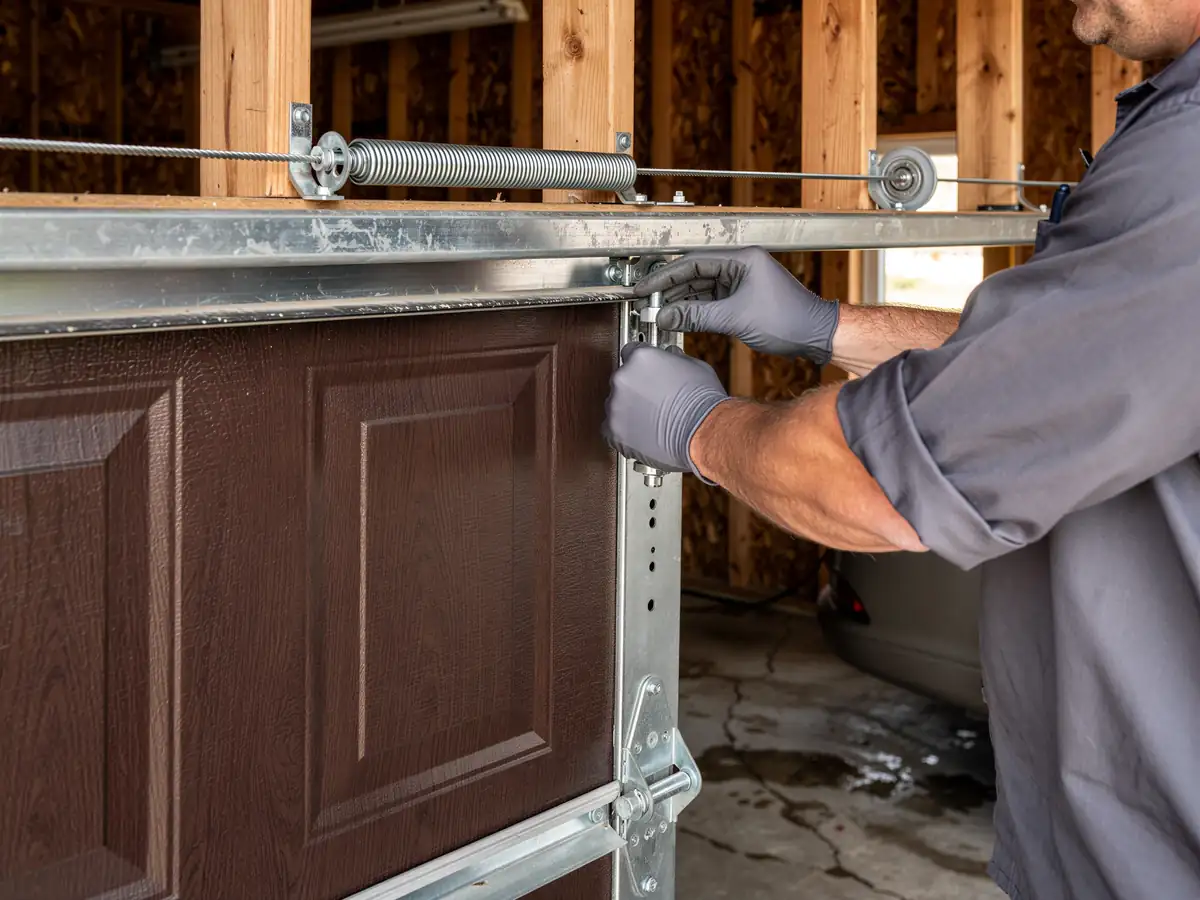
Bentonville sits in a cold-moderate climate band, not the deep-freeze zone and not the mild-winter zone either. That middle ground matters for springs and openers more than people expect. A torsion spring rated for a milder climate gets asked to do more work here every time the temperature drops hard overnight, and the steel contracts just enough that a spring already near the end of its cycle count is more likely to let go on a cold morning than a warm afternoon.
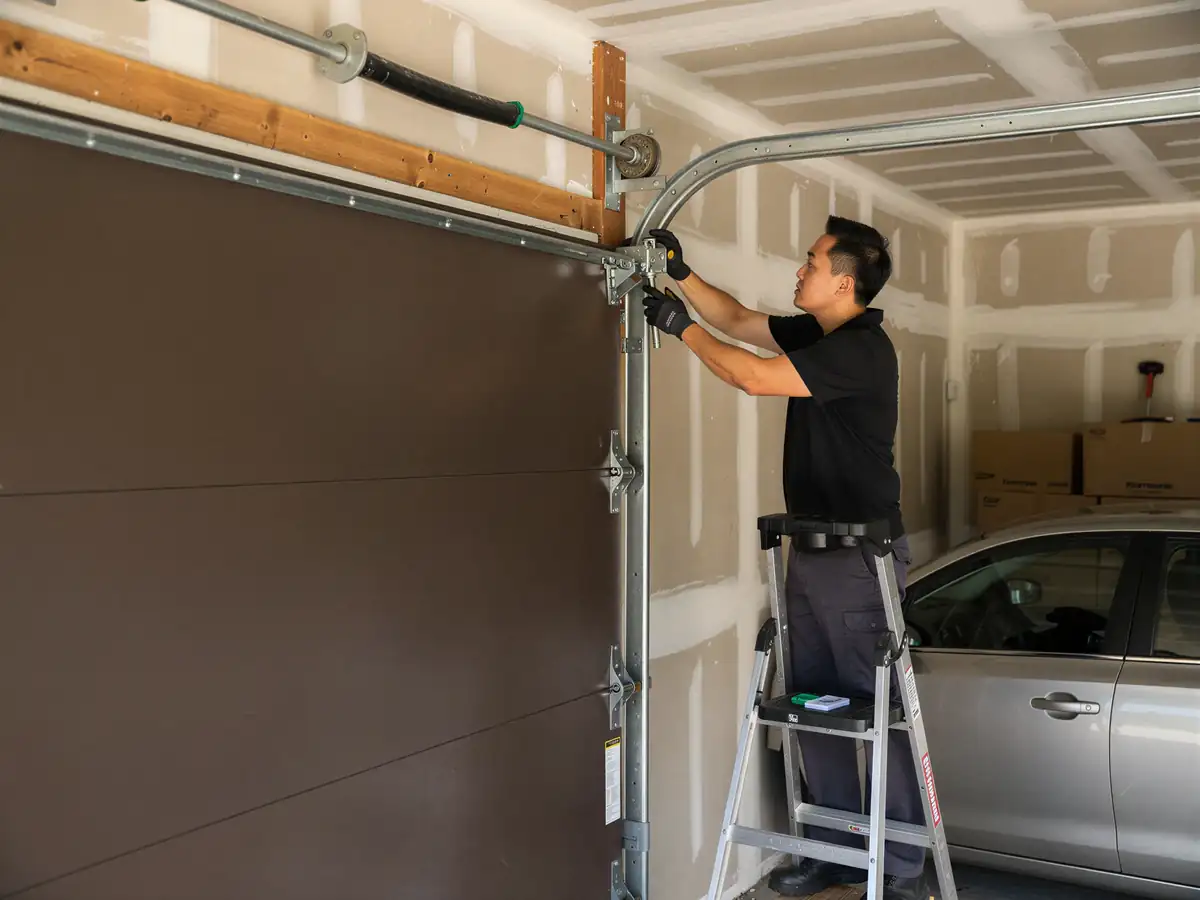
Because most of the housing stock here was built across 1987 to 2013, with the bulk from the 1980s and 90s spread across the 16 named areas that make up this market, a lot of garages are running the same generation of builder-grade torsion hardware and steel sectional doors. That hardware was built to a reasonable standard for its time, but it wasn't built to last forever, and cold-moderate winter cycling is exactly the kind of repeated stress that shortens spring life. If your door is groaning or slow to open on the coldest mornings, that's usually the spring telling you where it's at in its cycle life, not just the cold itself.
Doing Nothing For Now
Sometimes the right call is to wait. If a door is still opening smoothly, closing flush, and the spring isn't making noise, there's no reason to replace parts just because the house is a few decades old. We'd rather tell you a door has a few good years left than talk you into work it doesn't need yet.
Here's the honest limit on our end: if a part needs ordering - a specific opener board, a less common spring size - that's not something we keep on the truck for every job, and it can mean a wait before the job finishes. We'll tell you up front if that's the case rather than let you assume same-day on something that isn't.
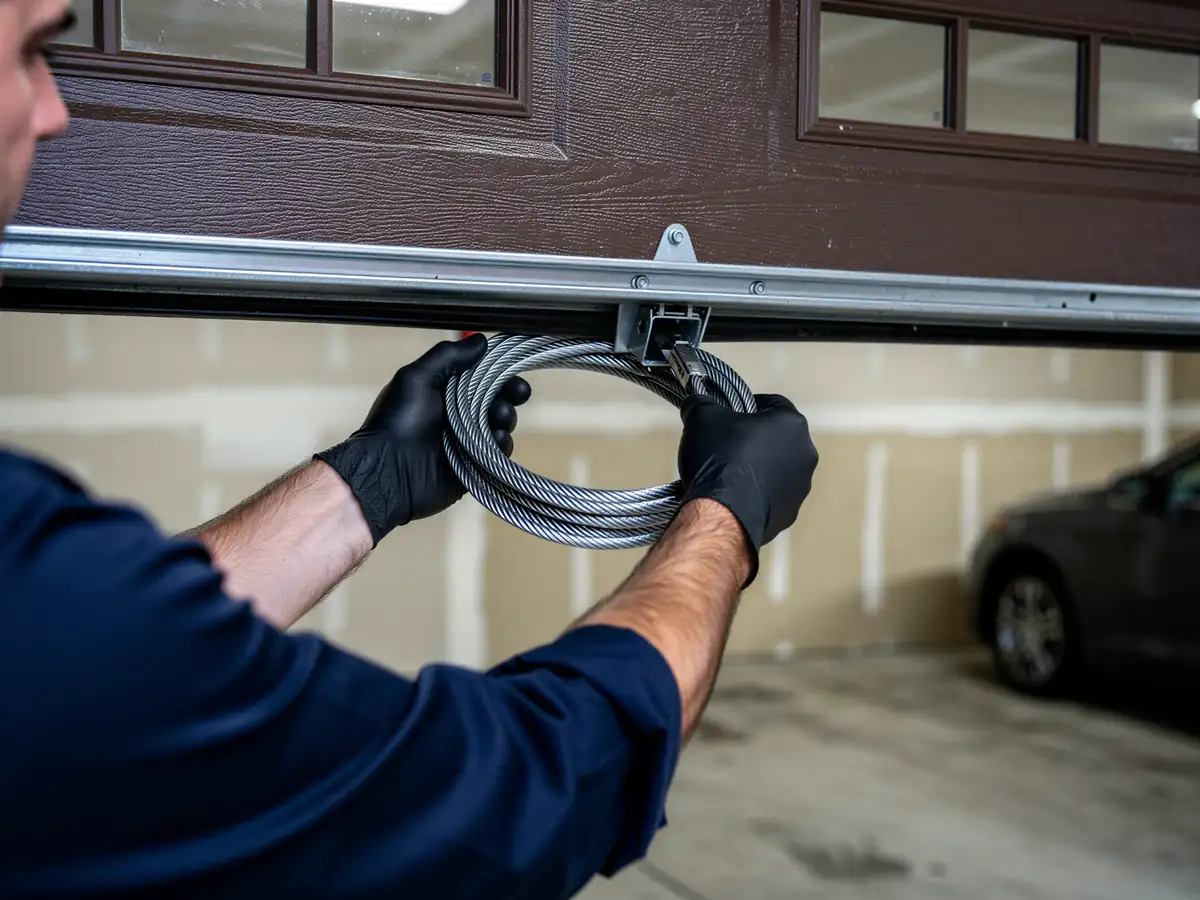
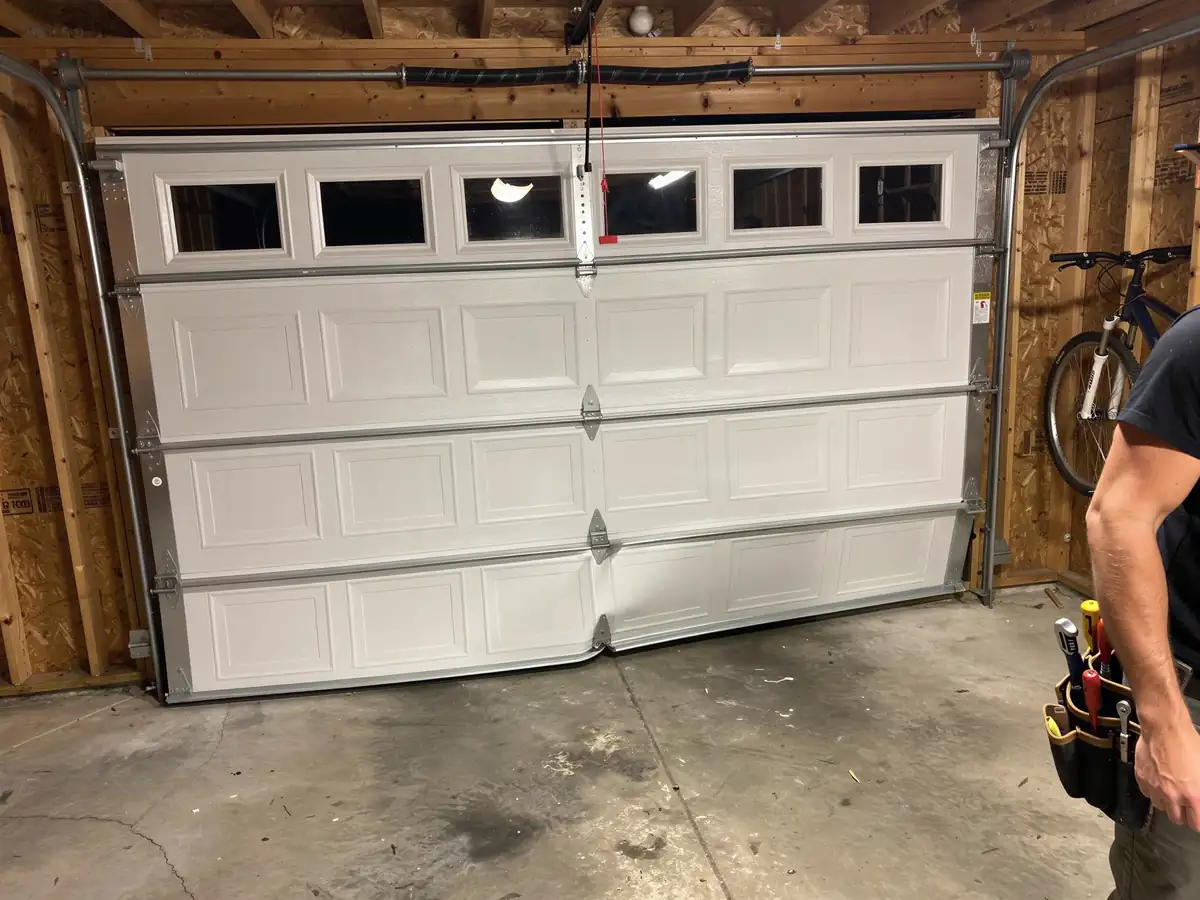
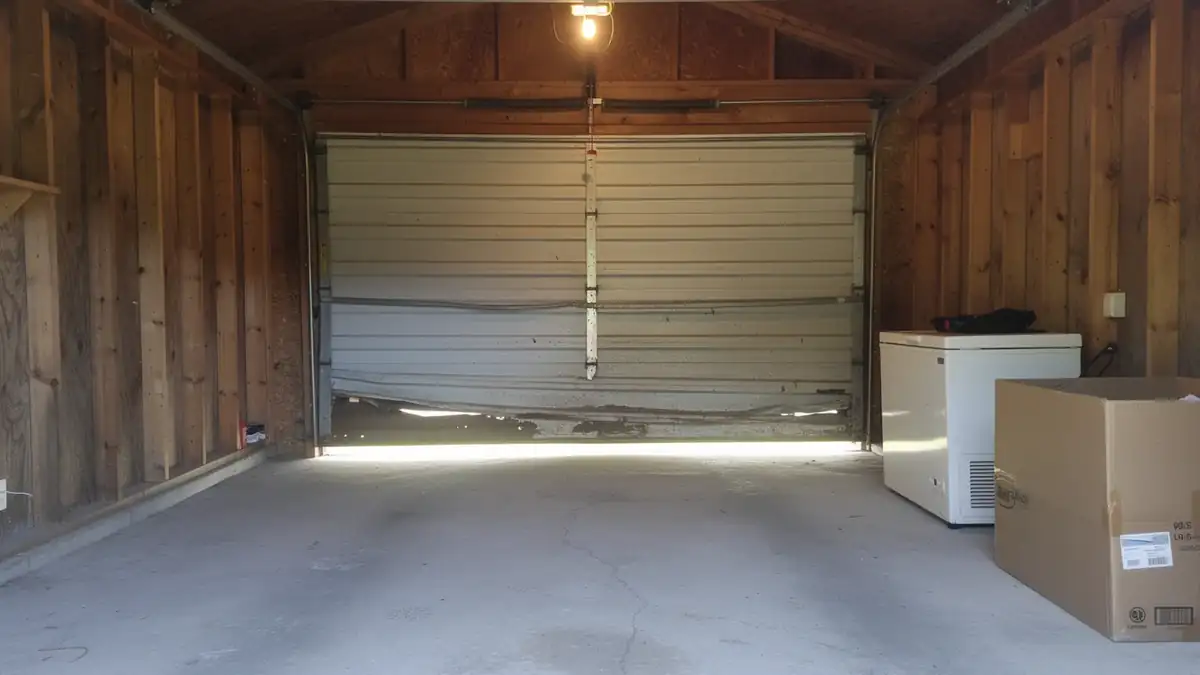
What we watch for as the signal to stop waiting: a spring that's visibly stretched or gapped, cables that are fraying, or an opener that's started reversing on its own. Those aren't wear-and-tear noises, they're failure points, and on a door install base this age across the area, we see all three regularly enough that it's not worth gambling on.
The Situation
The service area covers 39,766 households and 27,576 owner-occupied houses
Spread across Bentonville and the 16 named communities around it - Centerton 4 miles out, Little Flock and Cave Springs 6 miles, Highfill, Lowell, and Bella Vista around 8, Pea Ridge and Gravette at 9, and further out to Avoca, Prairie Creek, Elm Springs, Decatur, Tontitown, Johnson, Gentry, and Garfield.
- 39,766 households
- 27,576 owner-occupied
That's a lot of ground, and it's mostly one generation of house
Housing here was built between 1987 and 2013, median year 1996, which means the garage doors on most of these properties are steel sectional doors on torsion springs - not the older wood doors or side-mounted hardware you'd find in an area built before the 1980s. That consistency is useful: it means the failure patterns we see - spring fatigue, opener boards giving out, roller wear - repeat across the area instead of varying house to house, and we can usually tell what's likely wrong before we even get the door open.