How We Fix It
Most calls we get start the same way: the door won't open, or it opens halfway and stops
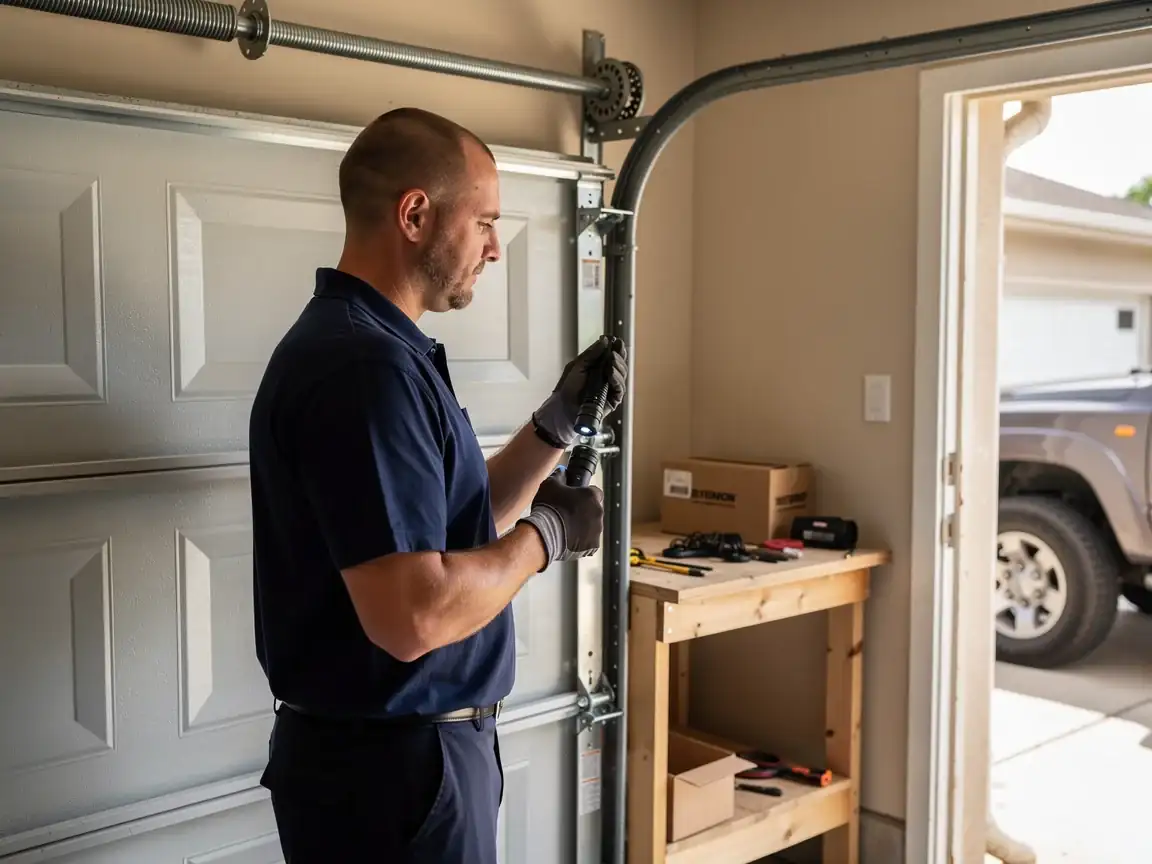
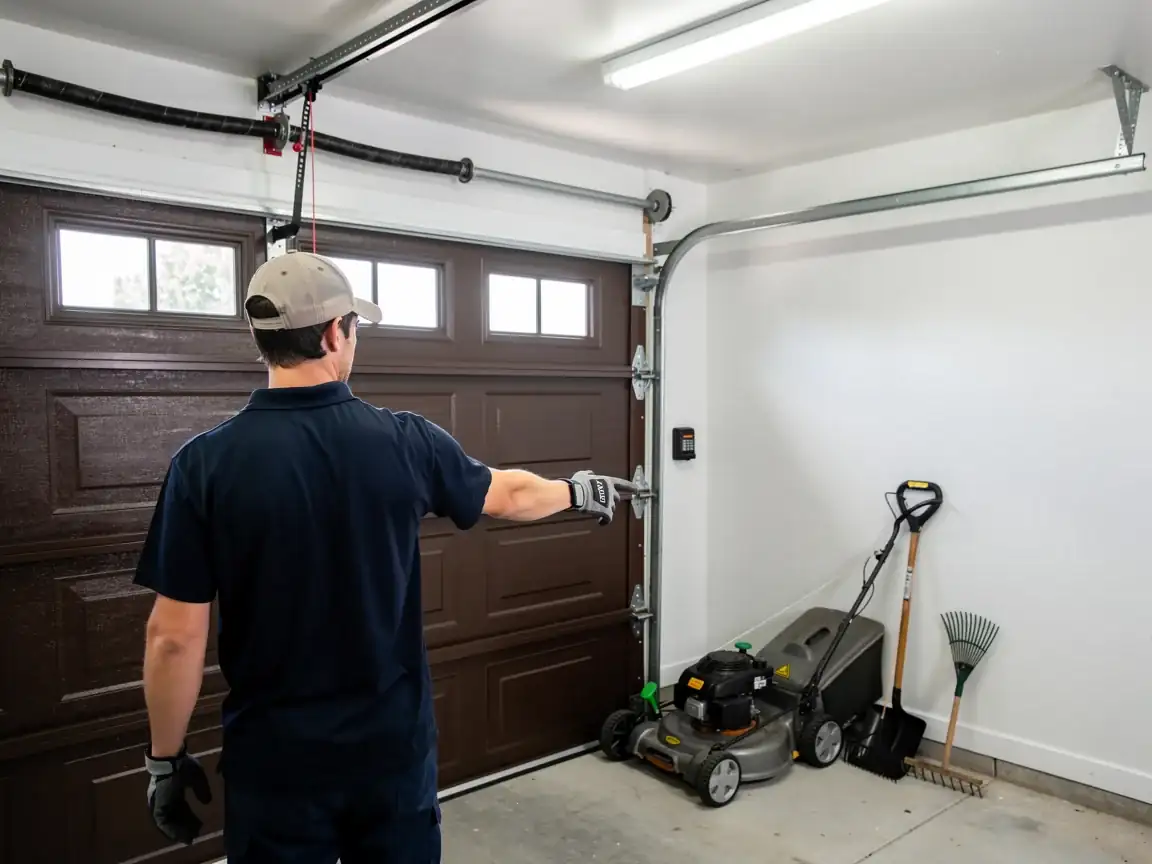
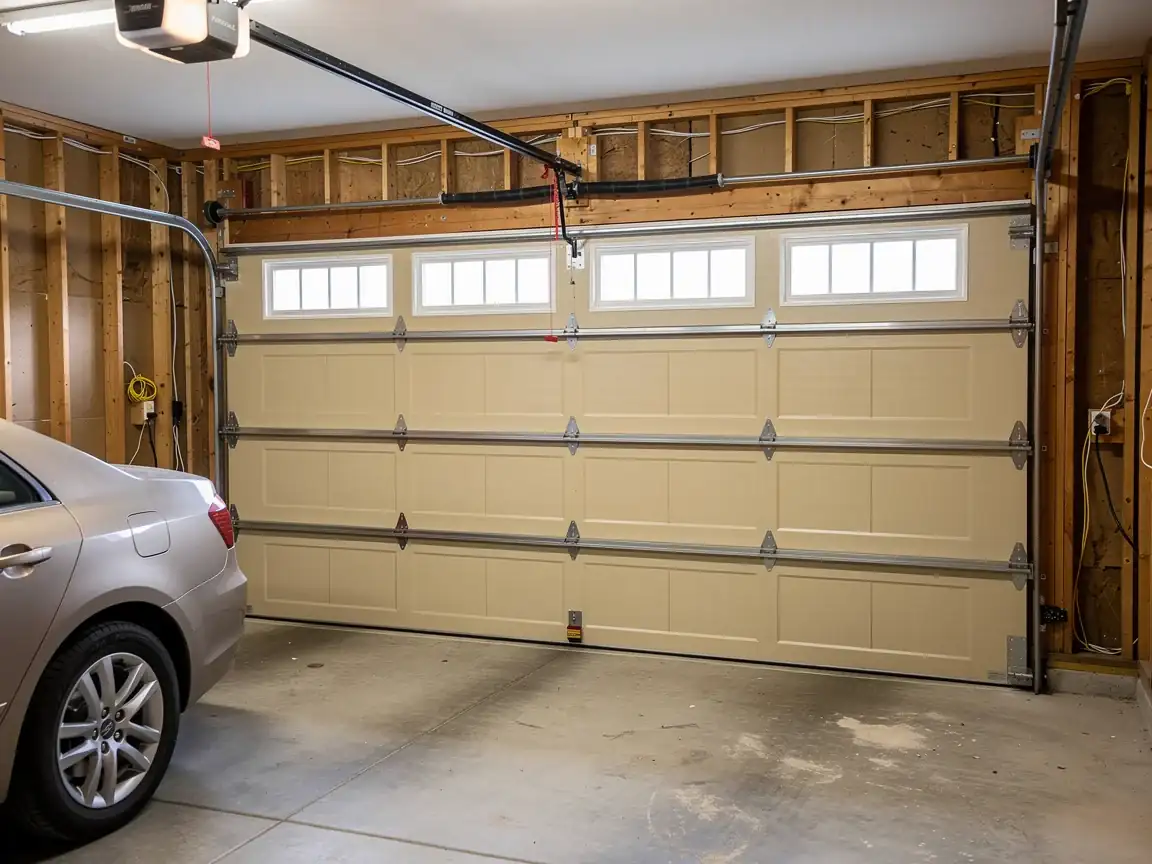
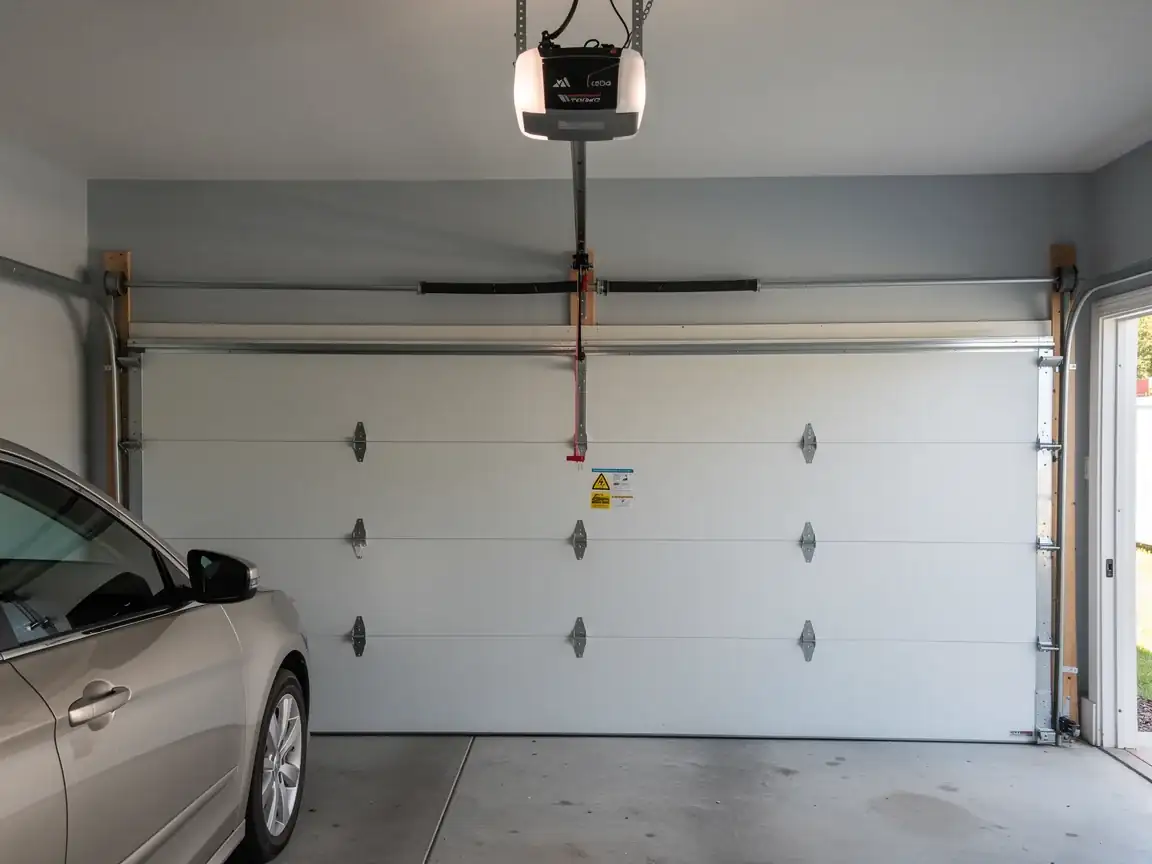
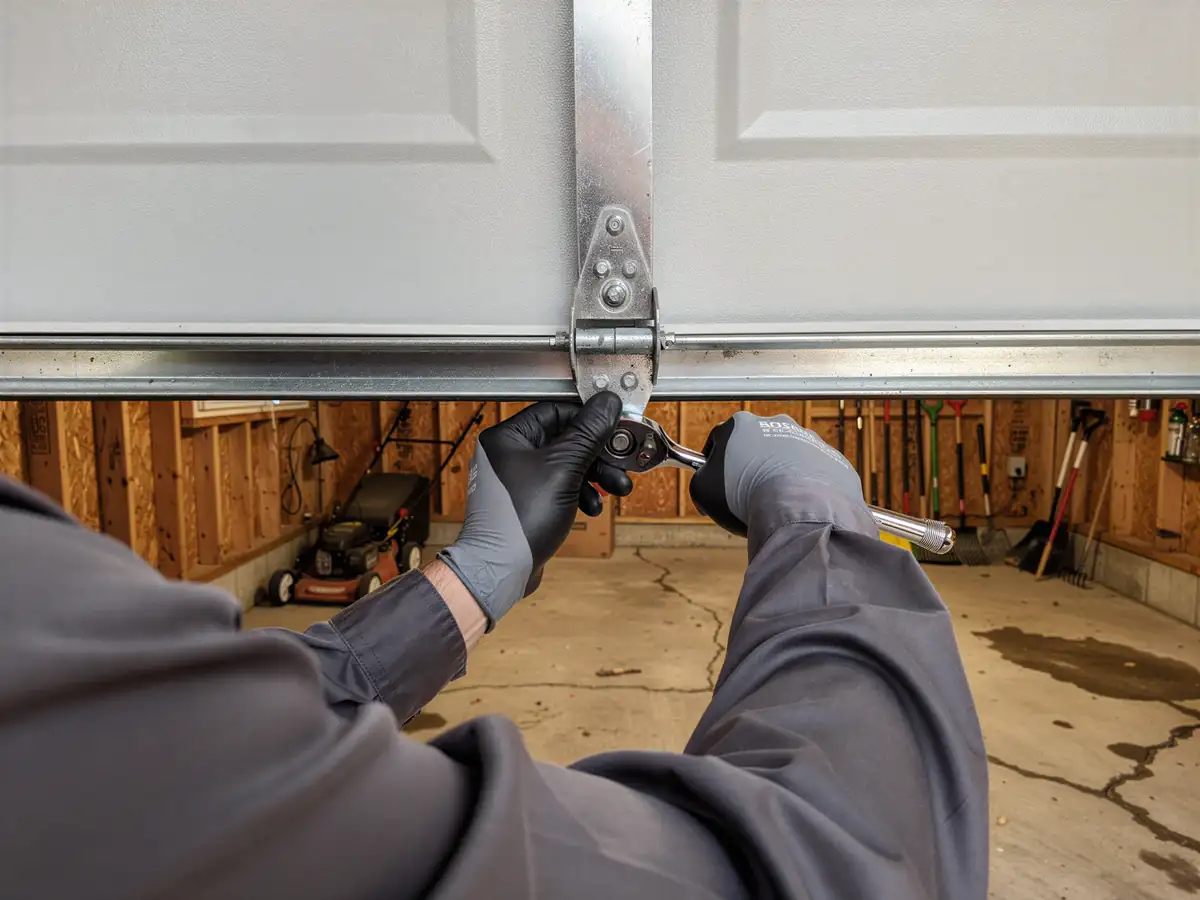
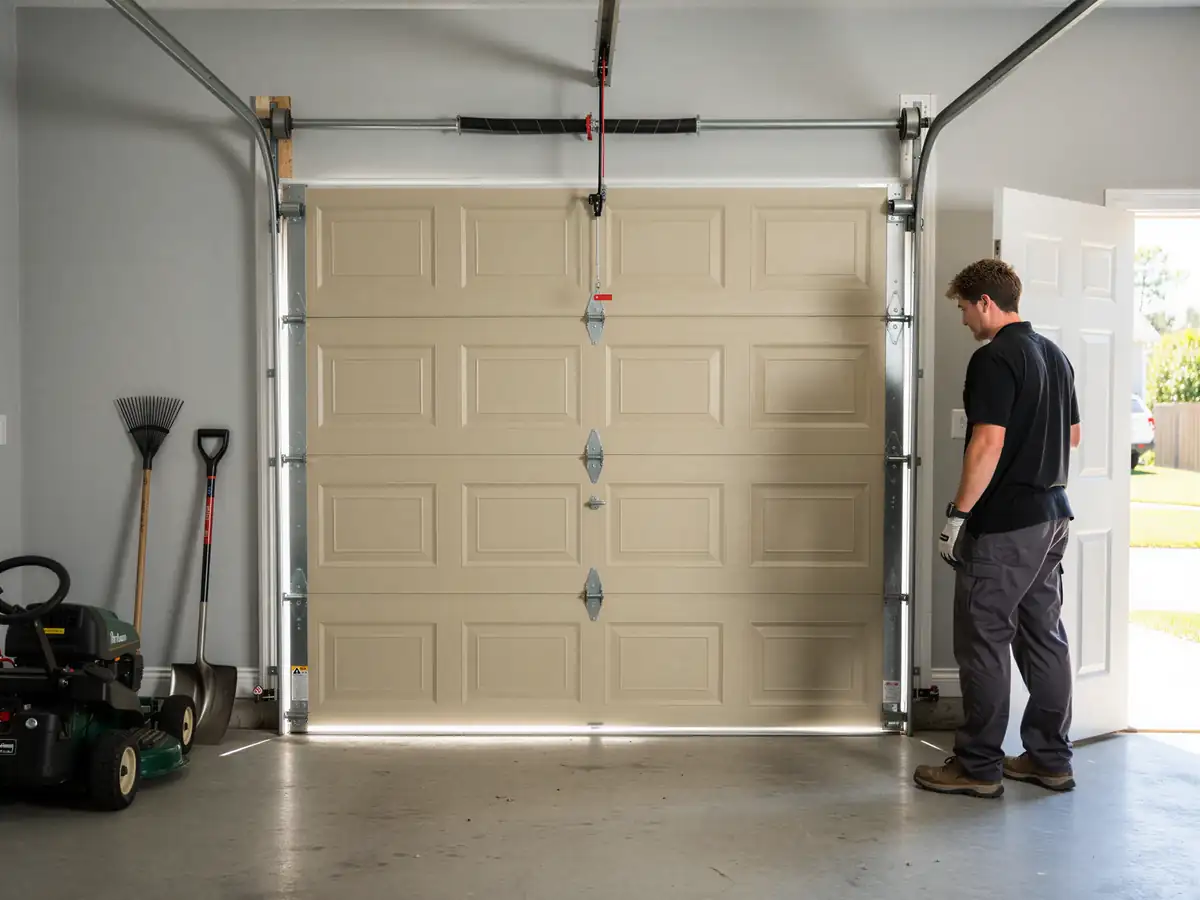
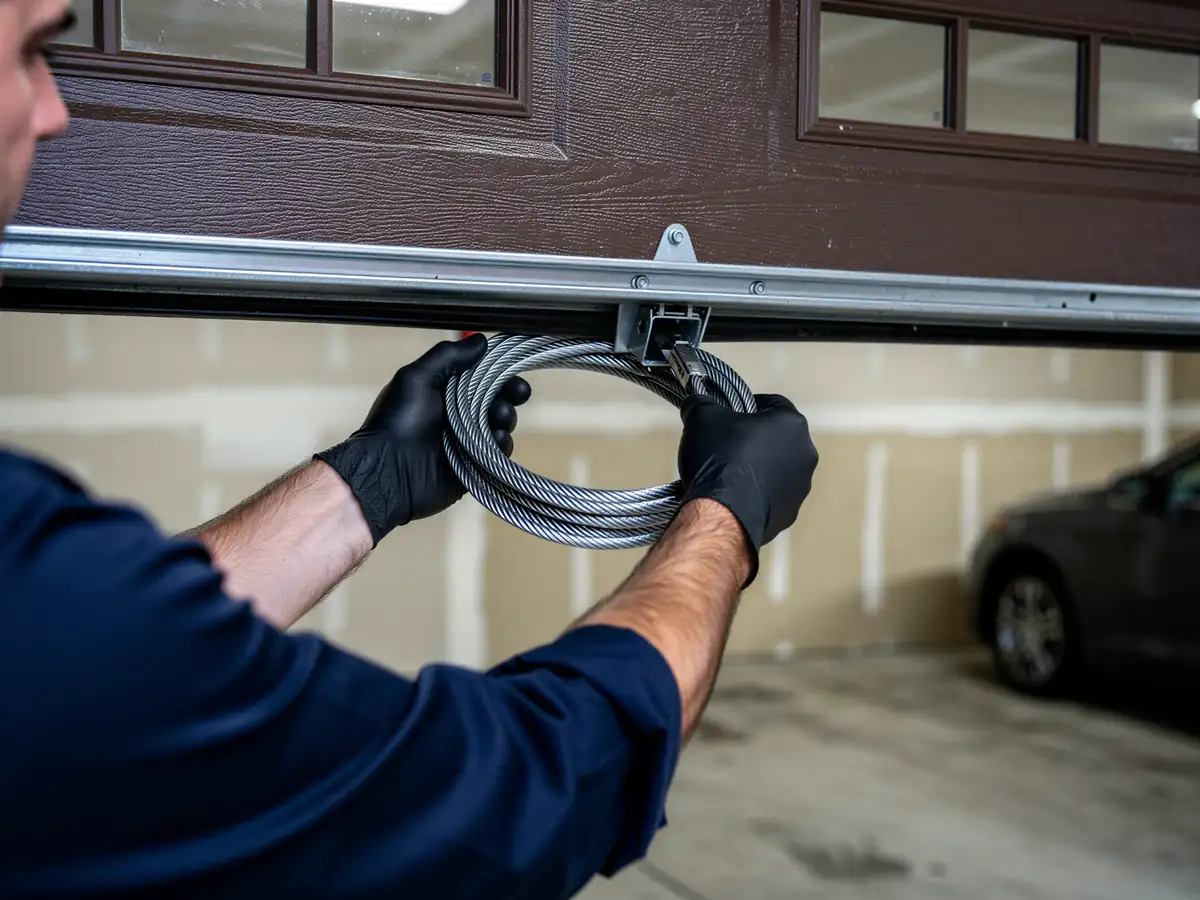
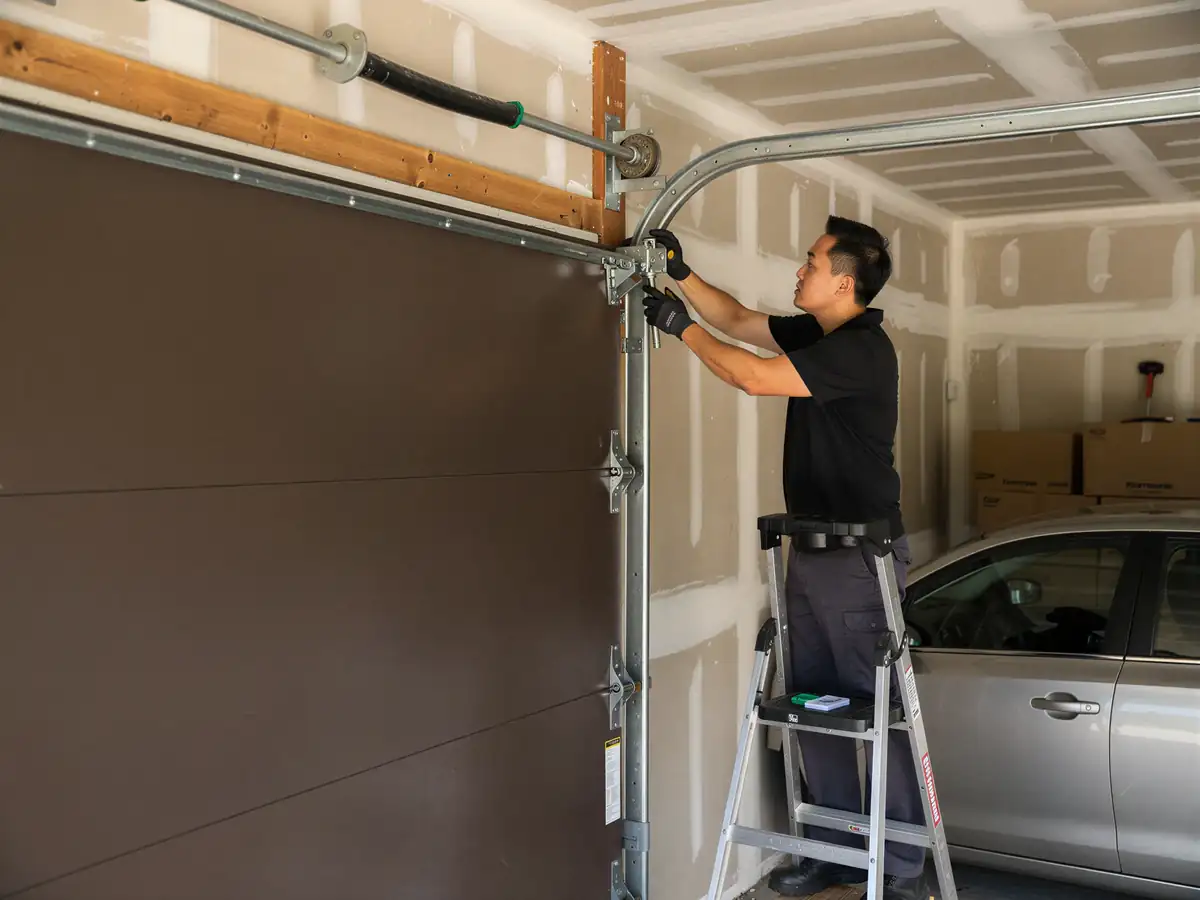
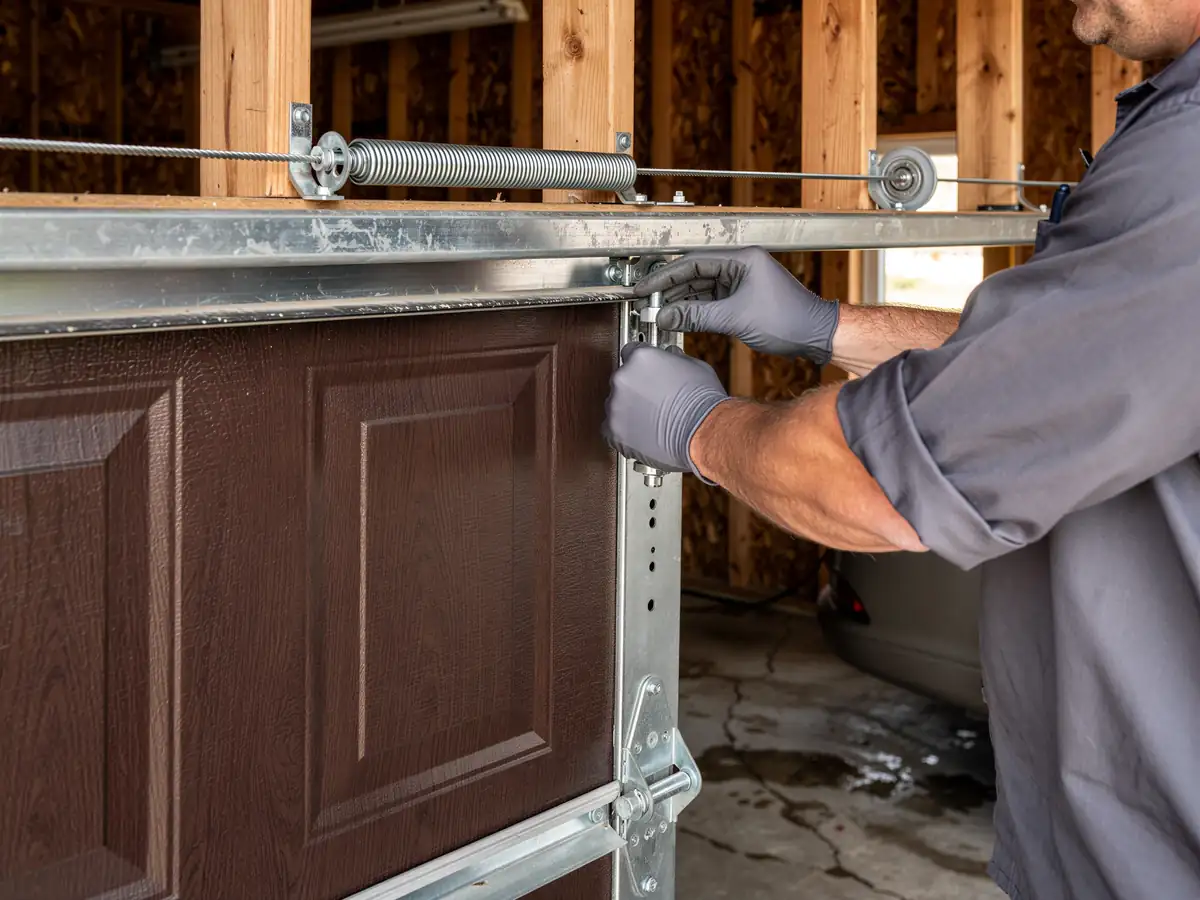
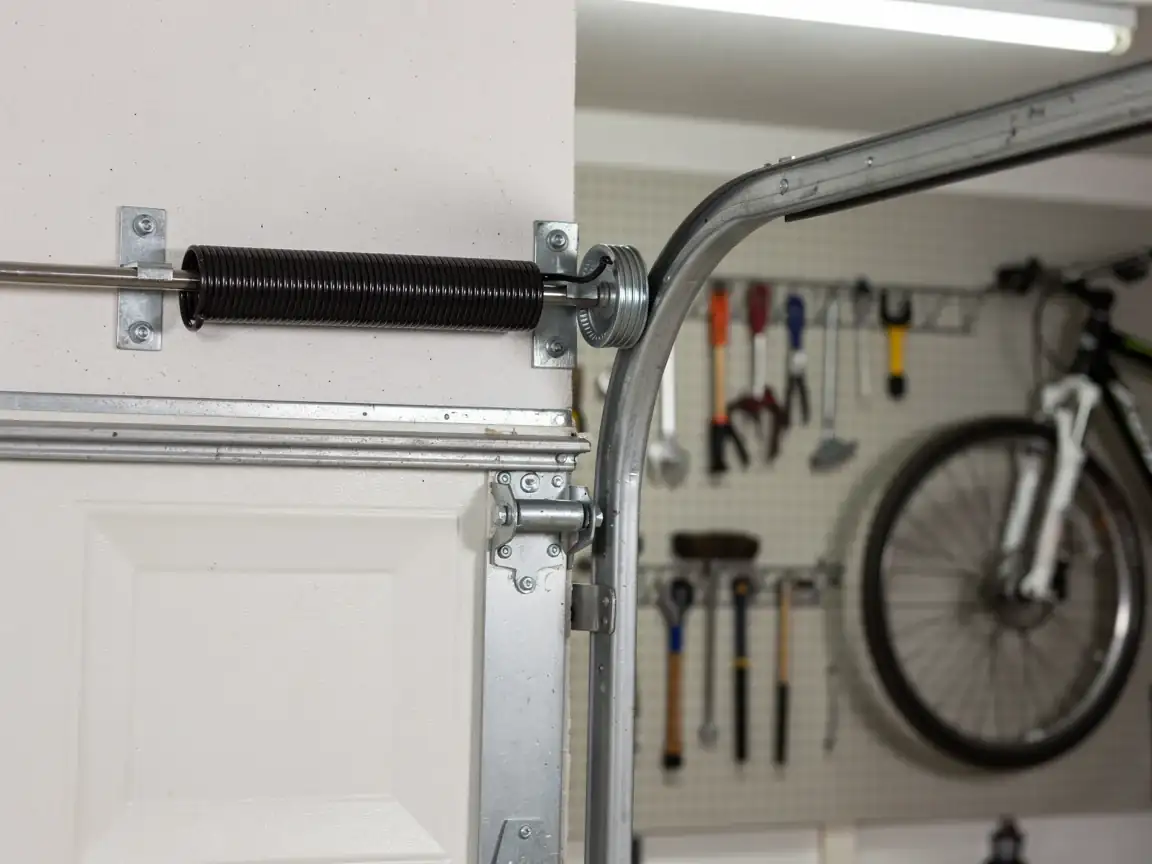
We start at the spring, not the opener, because on a house built in the 1990s or early 2000s that spring has likely never been replaced. We check cycle wear on the torsion spring, inspect the cables and drums for fraying, and test the track alignment before we touch the opener logic board.
If the spring's shot, we size a replacement to the door's actual weight, not a generic middleweight unit
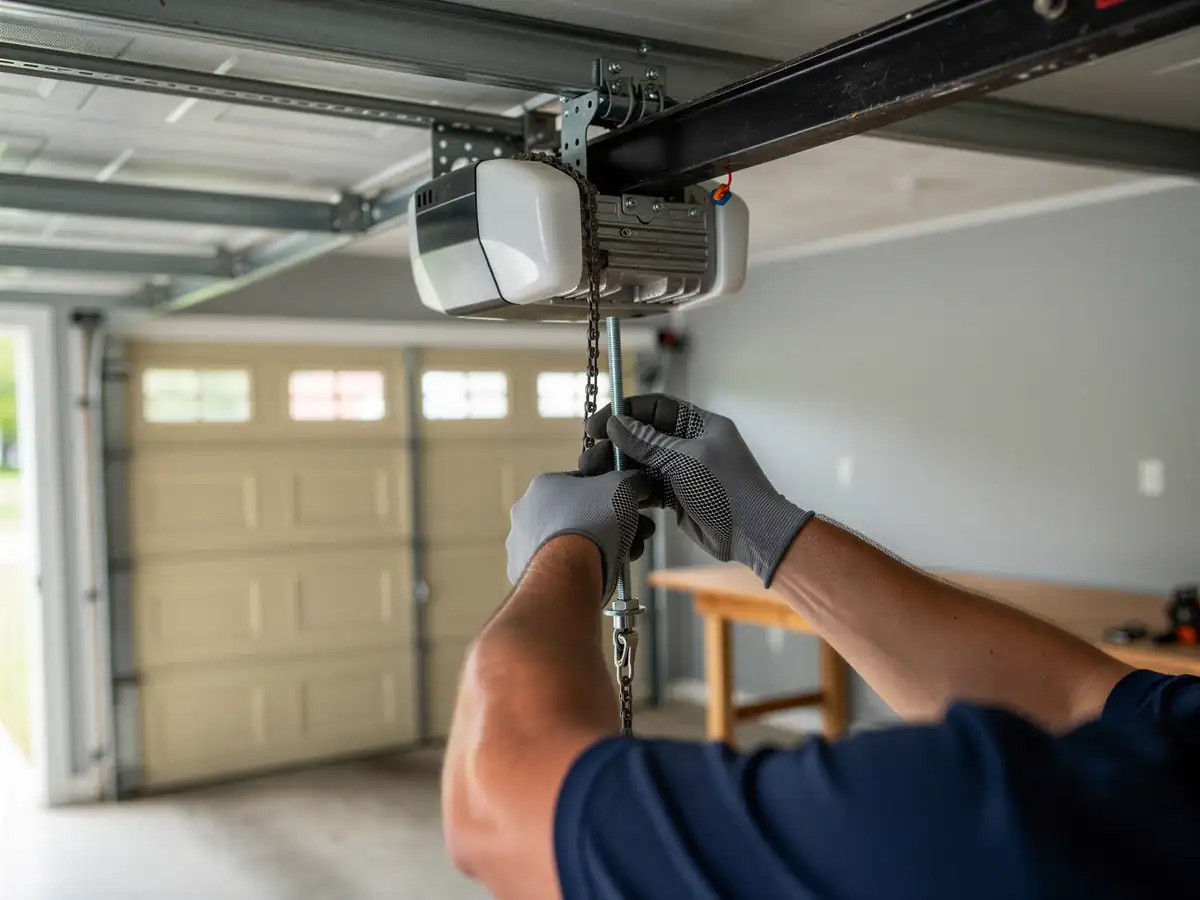
A lot of builder-grade doors from that era were spec'd light to save cost, and an oversized spring strains the opener gears instead of helping them. If the opener itself is the fault (grinding gears, a worn drive belt, a logic board that's lost its memory of the travel limits), we diagnose which part failed rather than replacing the whole unit by default.
We carry common torsion spring sizes and standard roller/track hardware on the truck
Specialty opener boards for some older models aren't something we stock - if your unit needs one of those, we'll tell you upfront what the lead time looks like rather than quote a same-day fix we can't deliver.
Why This Fails Locally
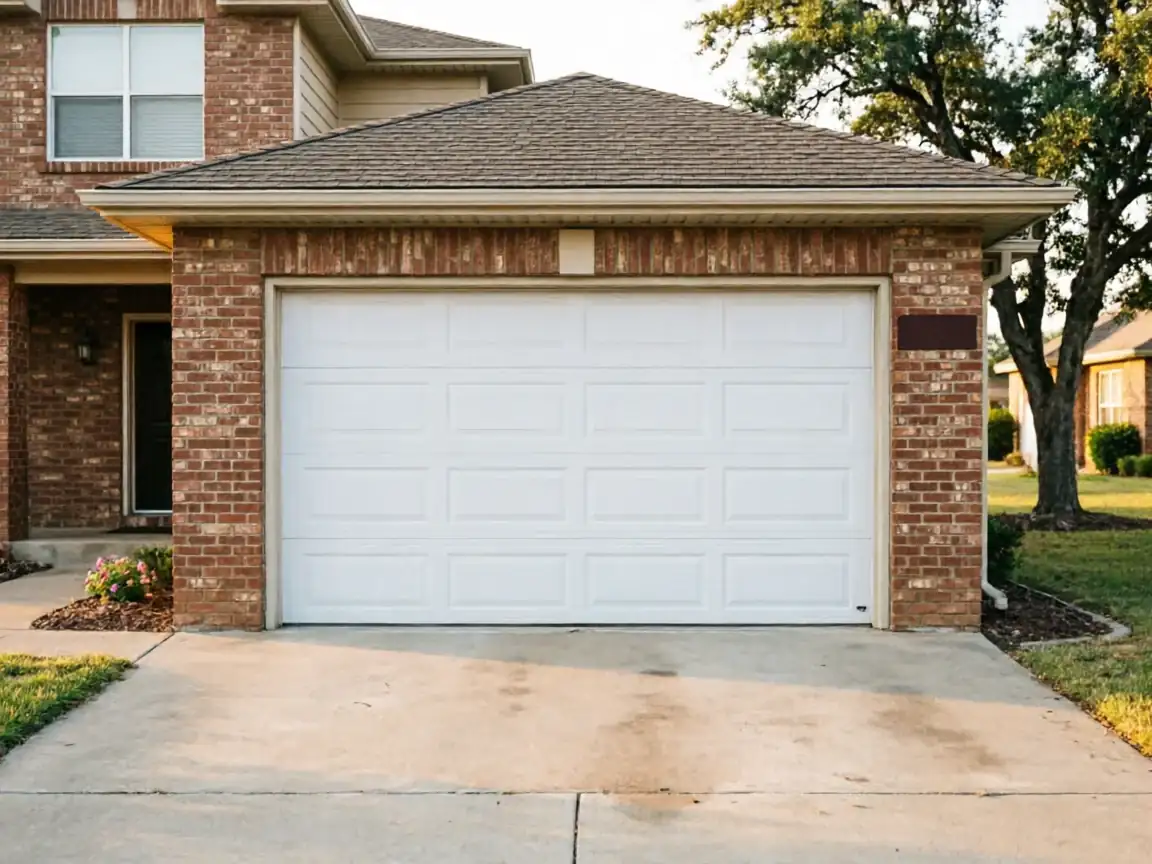
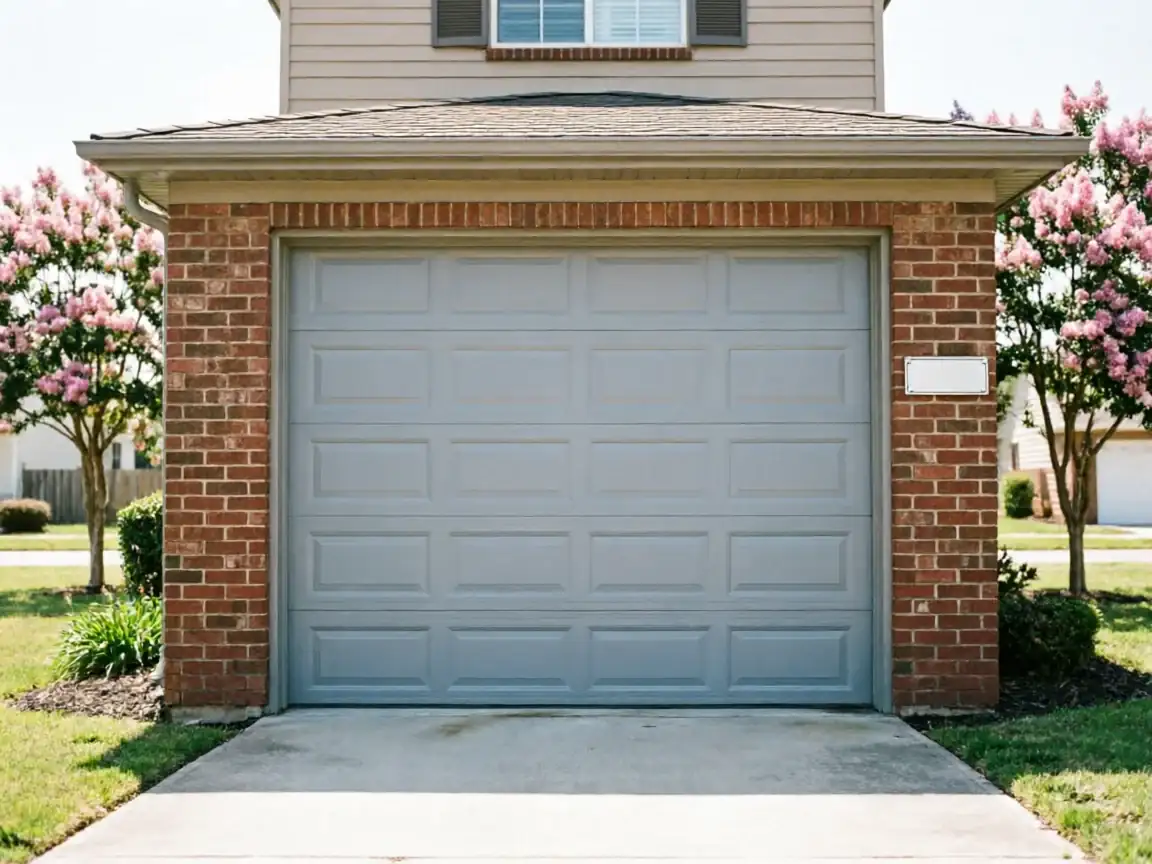
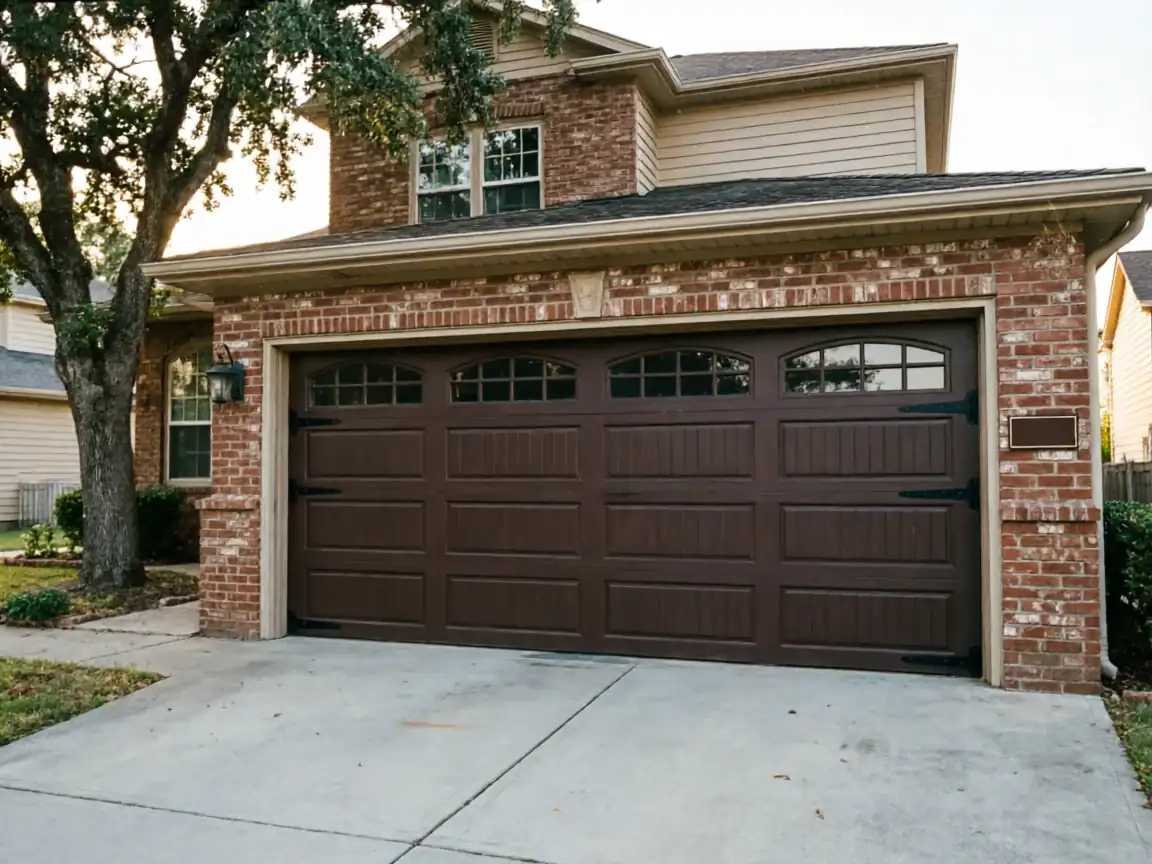
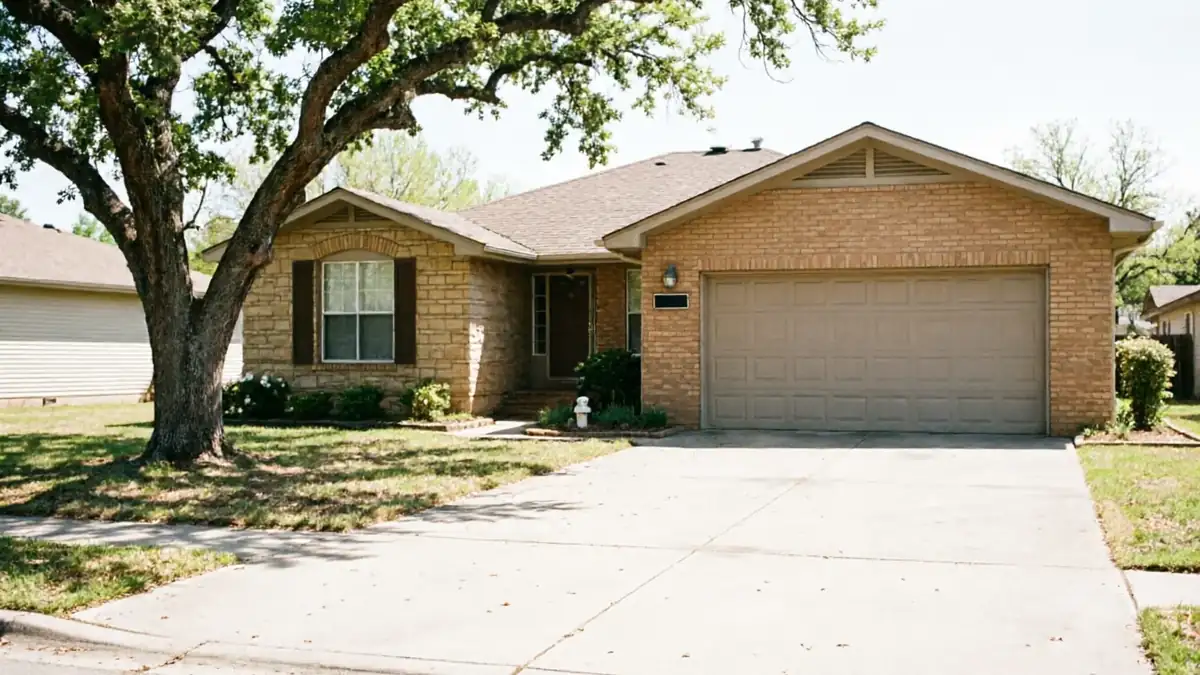
Bentonville's housing stock mostly went up between 1987 and 2013, with a median build year around 1996, and that run of construction matters here. Builders in that window used torsion springs rated for a set number of cycles, and springs installed in the late '80s through the '90s are now 25 to 35 years into service - well past where most manufacturers rate them to hold up. Across the sixteen named areas that make up most of this build era, the pattern repeats: original spring, original cable, sometimes the original opener.
The cold-moderate climate band here adds a second stress. Steel springs lose tension and get brittle faster through repeated freeze-thaw cycles than they do in a steady climate, and lubricant on cables and rollers thickens in cold mornings, which is why a lot of these failures show up as a door that's fine in the afternoon and sluggish or stuck at 6 a.m. It's not one dramatic event - it's three decades of cycle wear meeting a climate that's harder on steel than homeowners expect.
How It Shows Up
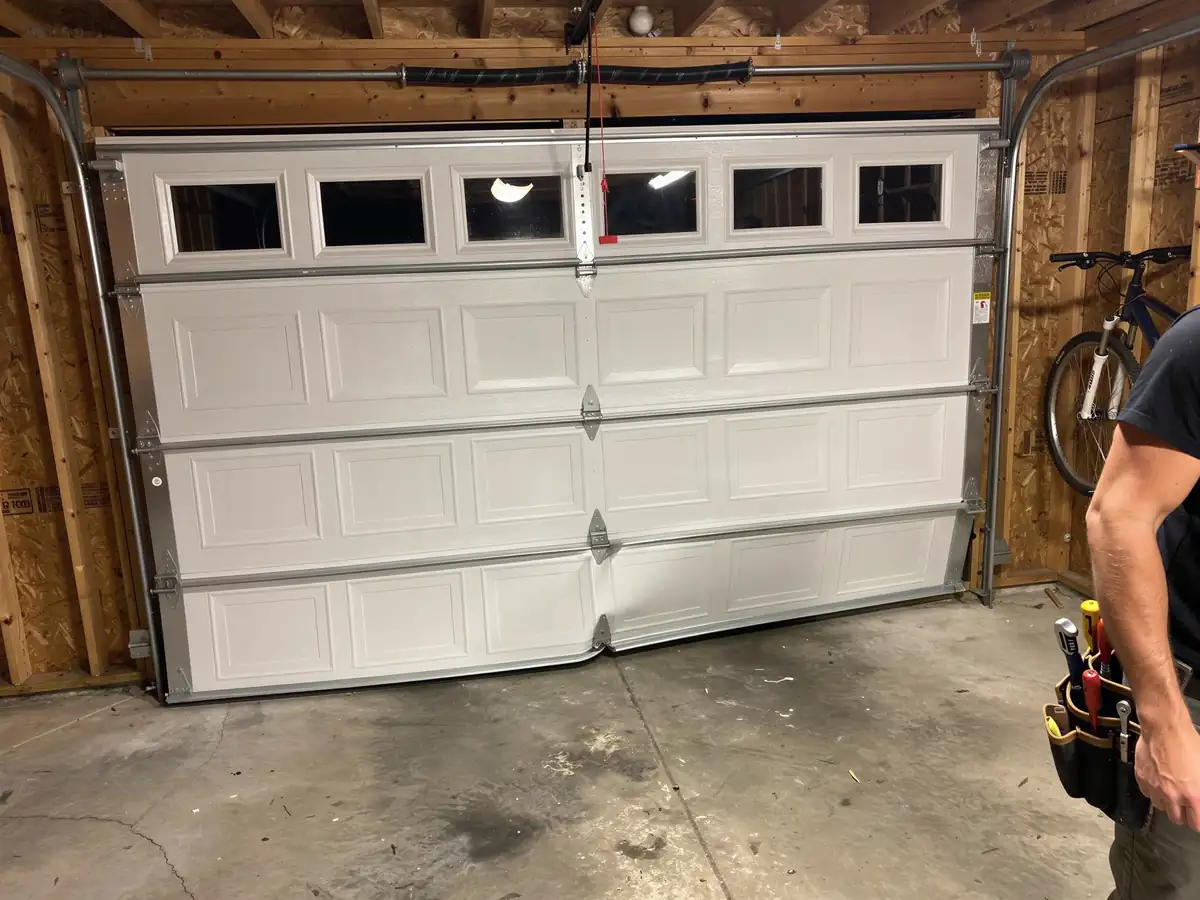
The most common version: the door won't budge, and when you pull the emergency release it drops like dead weight - that's a broken torsion spring, full stop. A second version is the door that opens but shudders or bangs partway through the cycle, which usually means a cable has started to fray off the drum, something that happens gradually on original hardware before it lets go all at once.
A third pattern is opener-specific: the motor runs but the door doesn't move, which points to a stripped gear or a drive belt that's slipped off its track - common once an opener from the 1990s or 2000s has logged a couple decades of daily cycles. And in winter mornings specifically, we see doors that move slow and labored for the first cycle or two, then loosen up - that's cold-stiffened lubricant on original rollers and track, not a failing opener, and it's worth knowing the difference before you pay for a part you don't need.
How to Book
Call or use the contact page to set a time
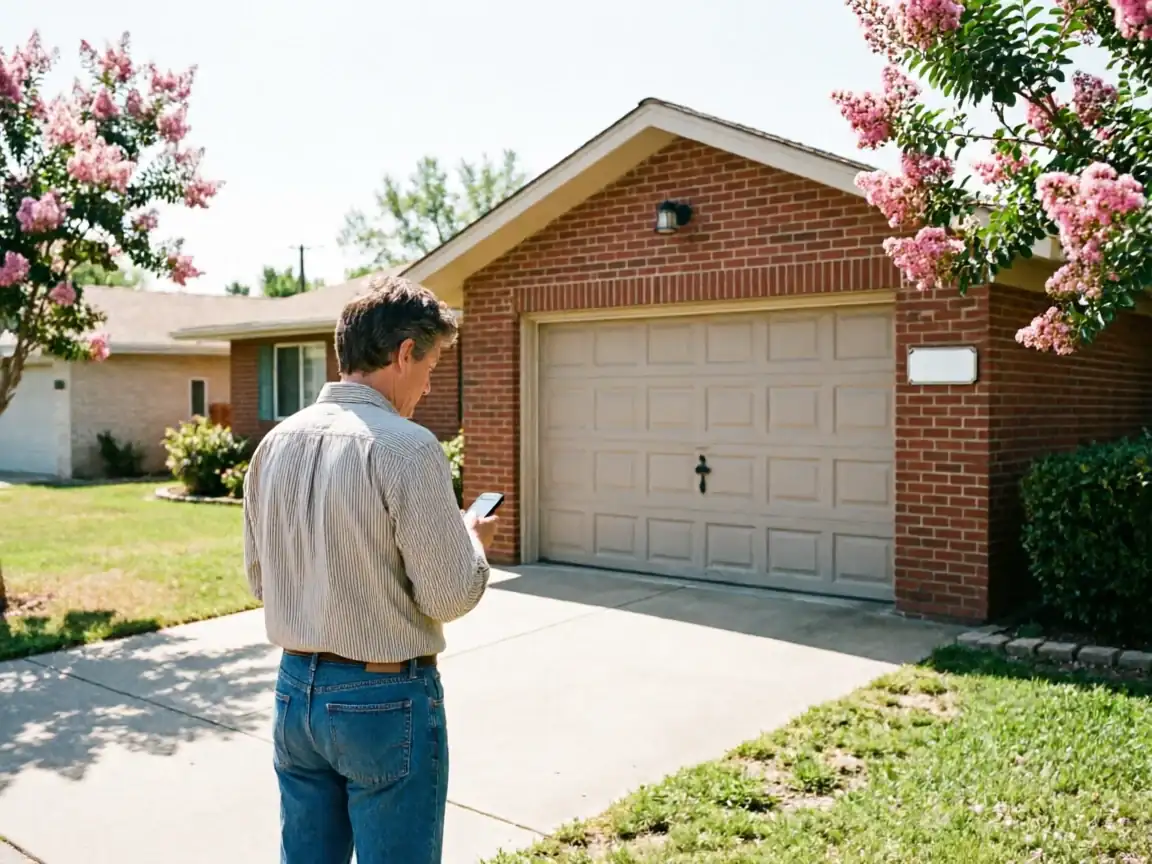
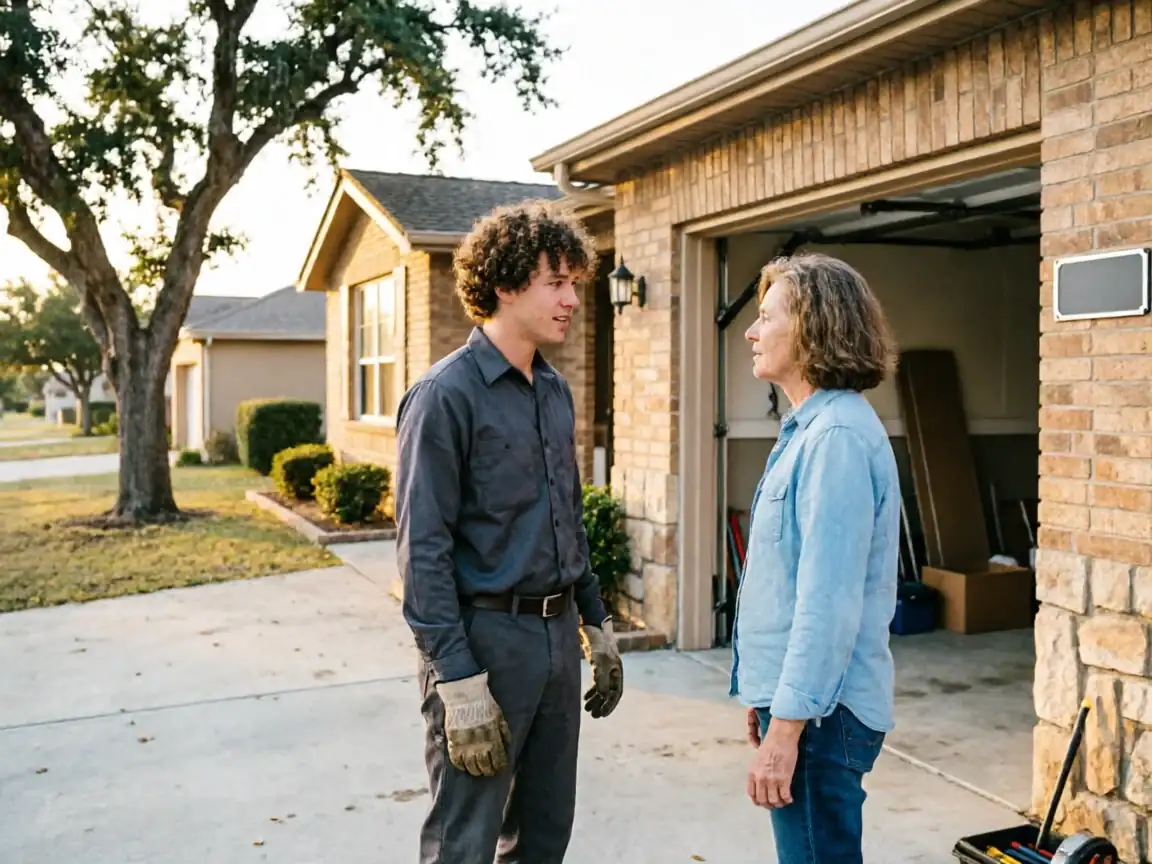
Tell us what the door is doing - stuck shut, noisy, slow in the morning, opener running but door not moving - and we can usually tell you over the phone whether it sounds like a spring, cable, or opener issue, which helps us bring the right parts on the first trip.
We work Bentonville and the surrounding area, including Centerton, Little Flock, Cave Springs, Highfill, Lowell, Bella Vista, Pea Ridge, Gravette, Avoca, Prairie Creek, Elm Springs, Decatur, Tontitown, Johnson, Gentry, and Garfield, plus downtown Bentonville itself just a couple miles from most of the service area we cover
If you're outside that stretch, ask - we'll let you know honestly if the drive makes sense before we book anything.