How We Fix It
A broken lift cable almost never shows up alone
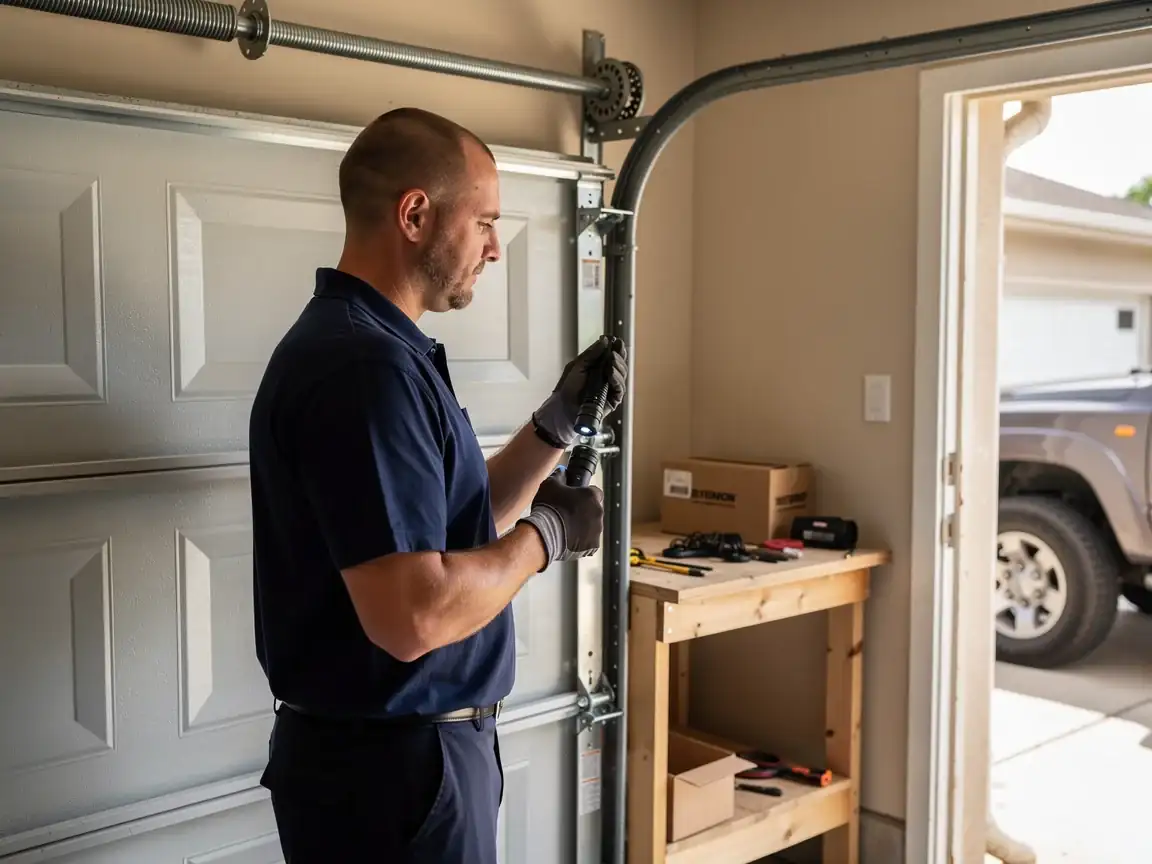
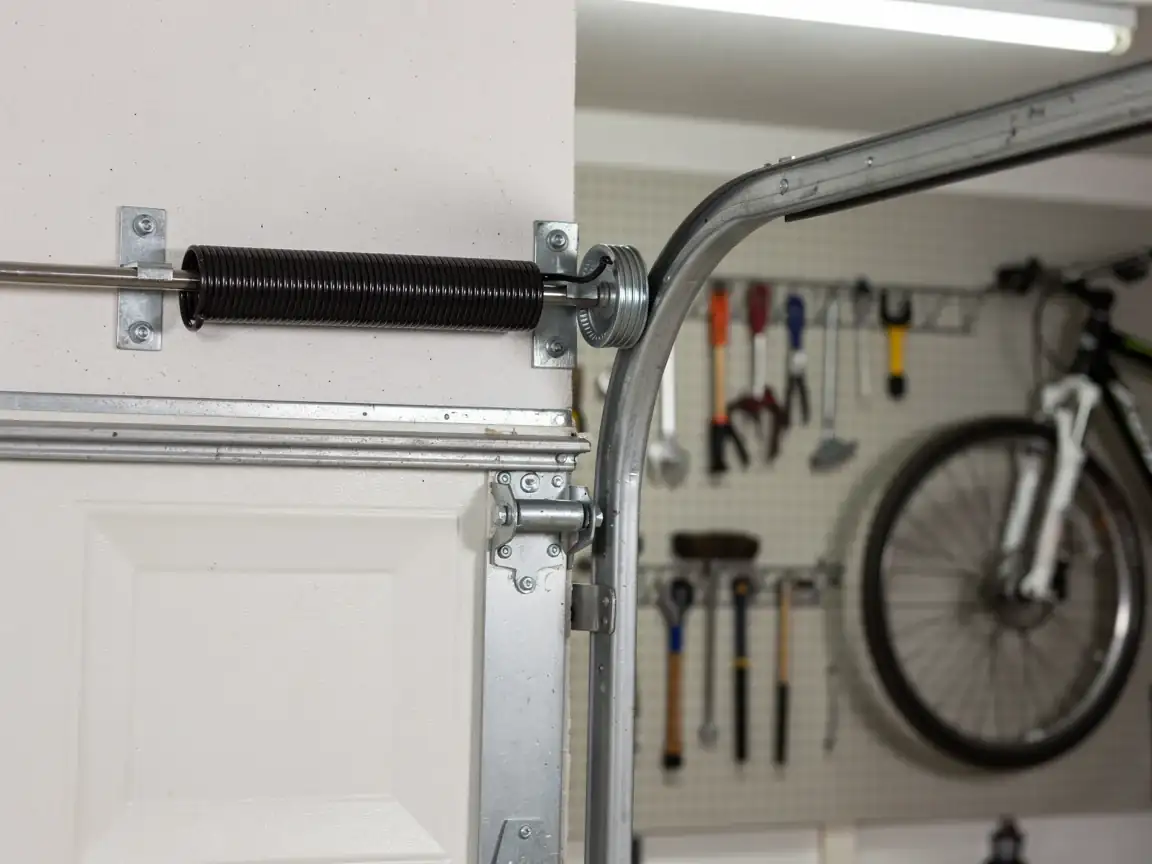
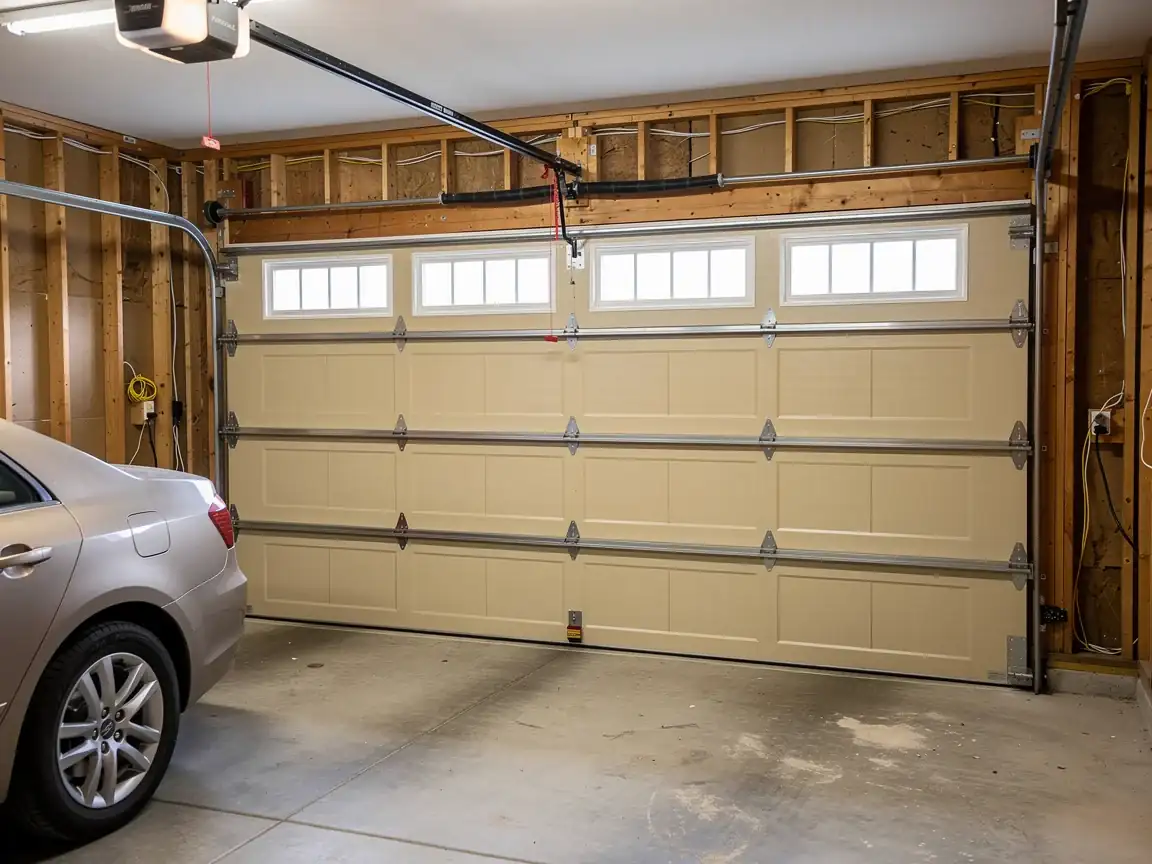
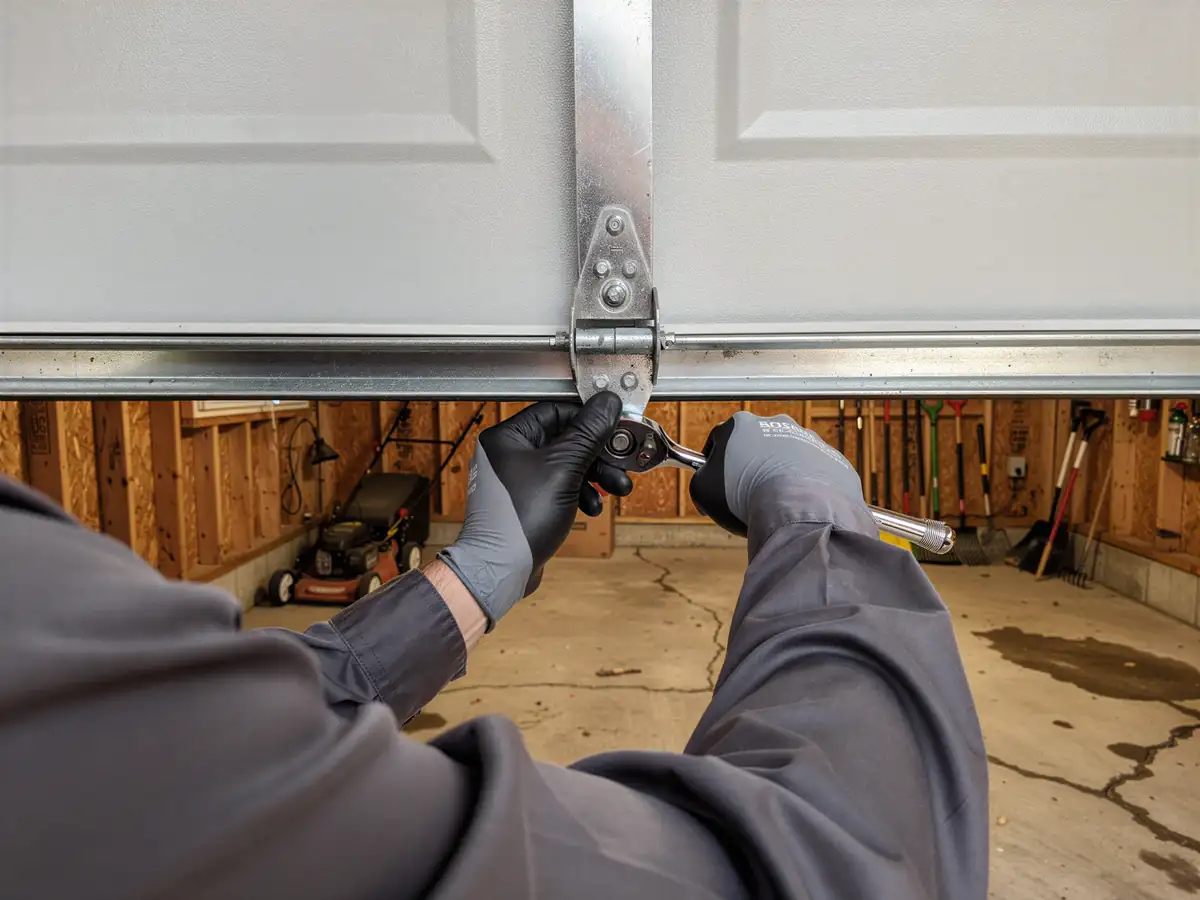
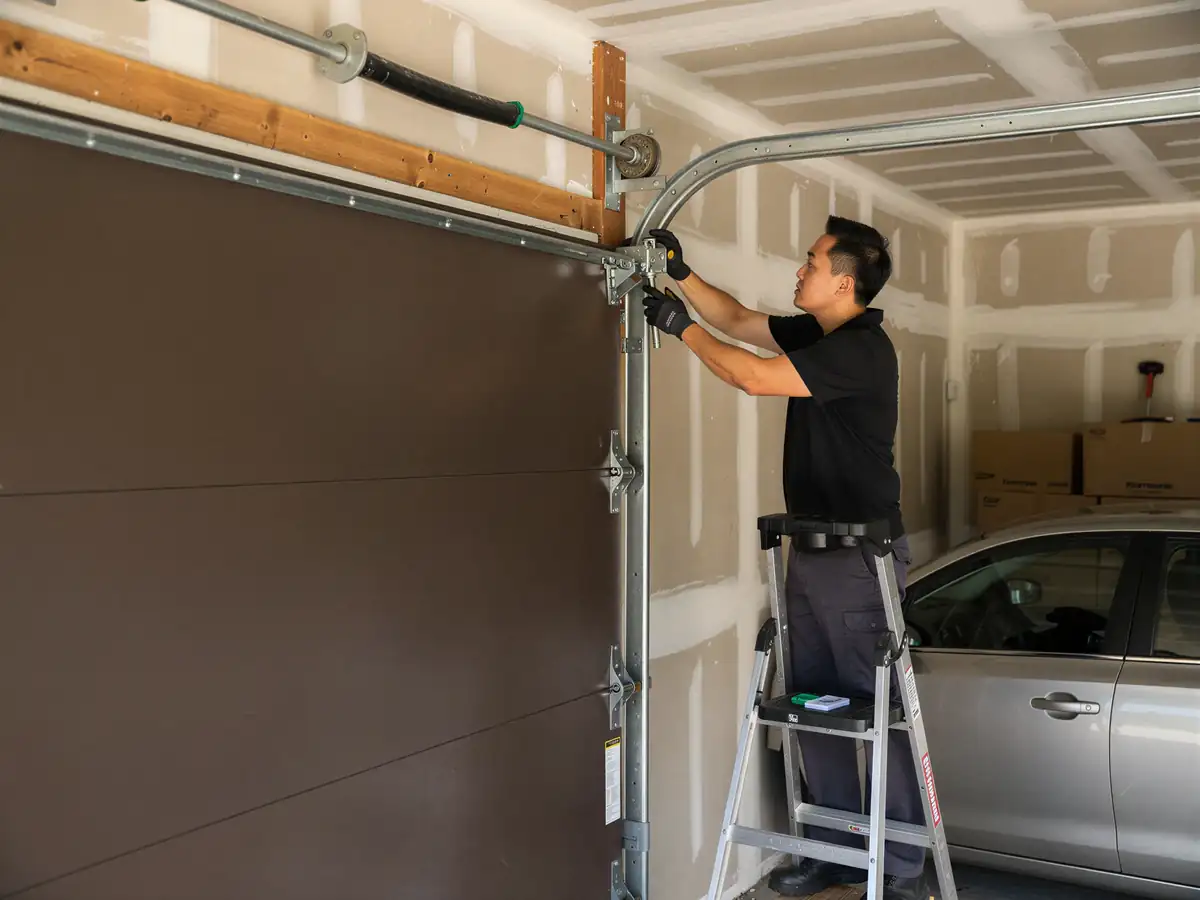
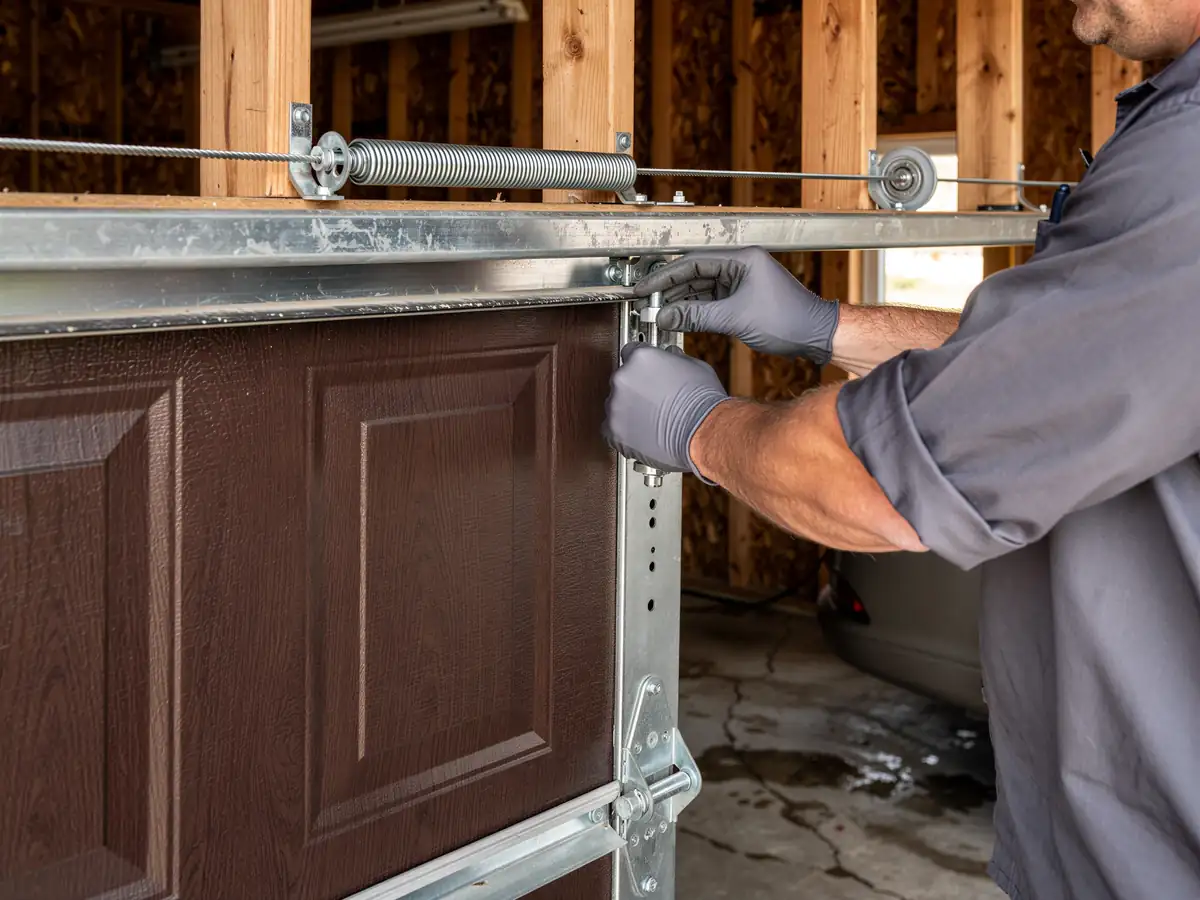
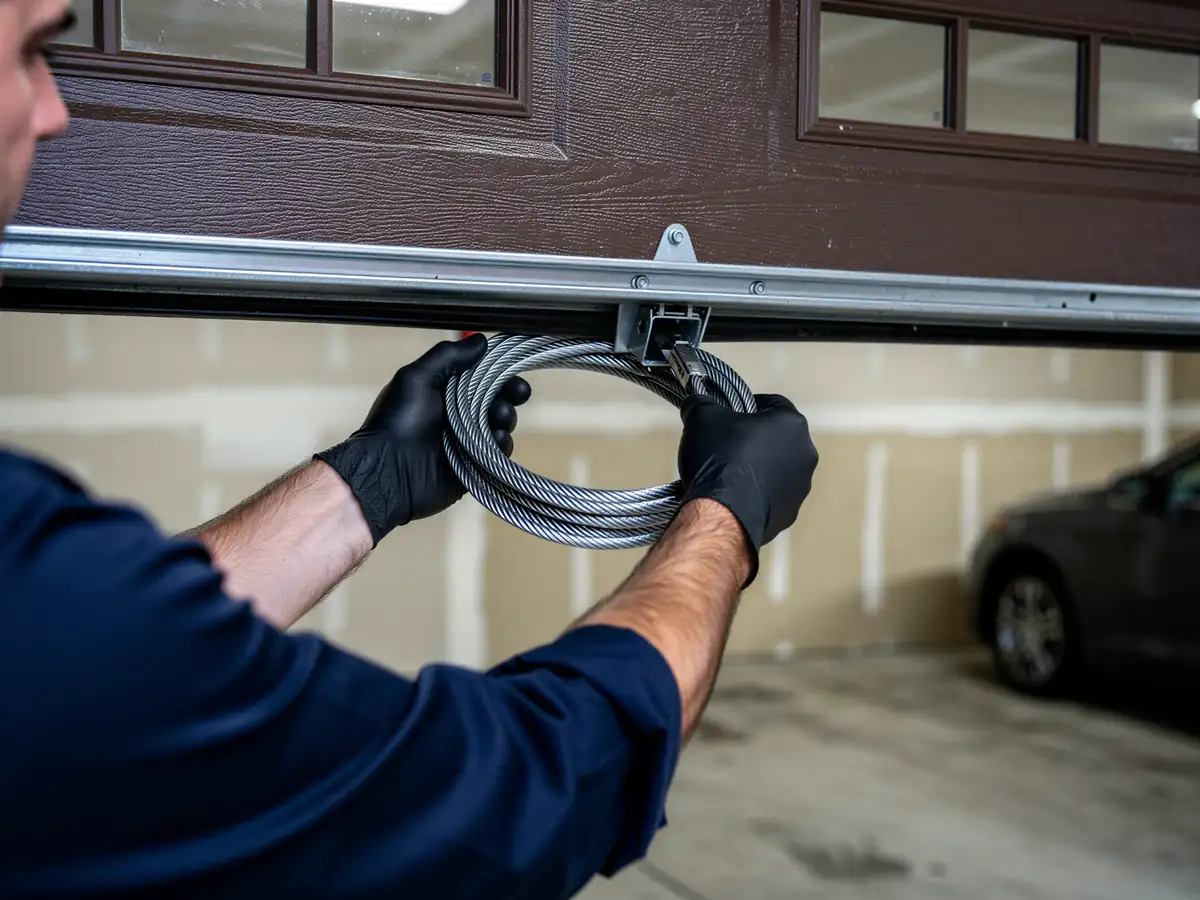
We start by checking the drum, the track, and the spring that was loading that cable when it gave out, because replacing one frayed cable on a door with a worn drum just buys you another service call in a few months. On a standard double door we pull both cables as a pair even if only one failed - uneven tension on new versus old cable is how you end up with a door that cocks sideways in the opening.
We size the cable to the drum and door weight rather than grabbing a universal length off the truck
Most of the doors we see across this service area were installed when the house was built between 1987 and 2013, so the hardware is usually standard enough to carry a correct replacement on hand, but older or heavier insulated doors sometimes need a cable gauge we have to order. If that's the case, we'll tell you before we start, not after.
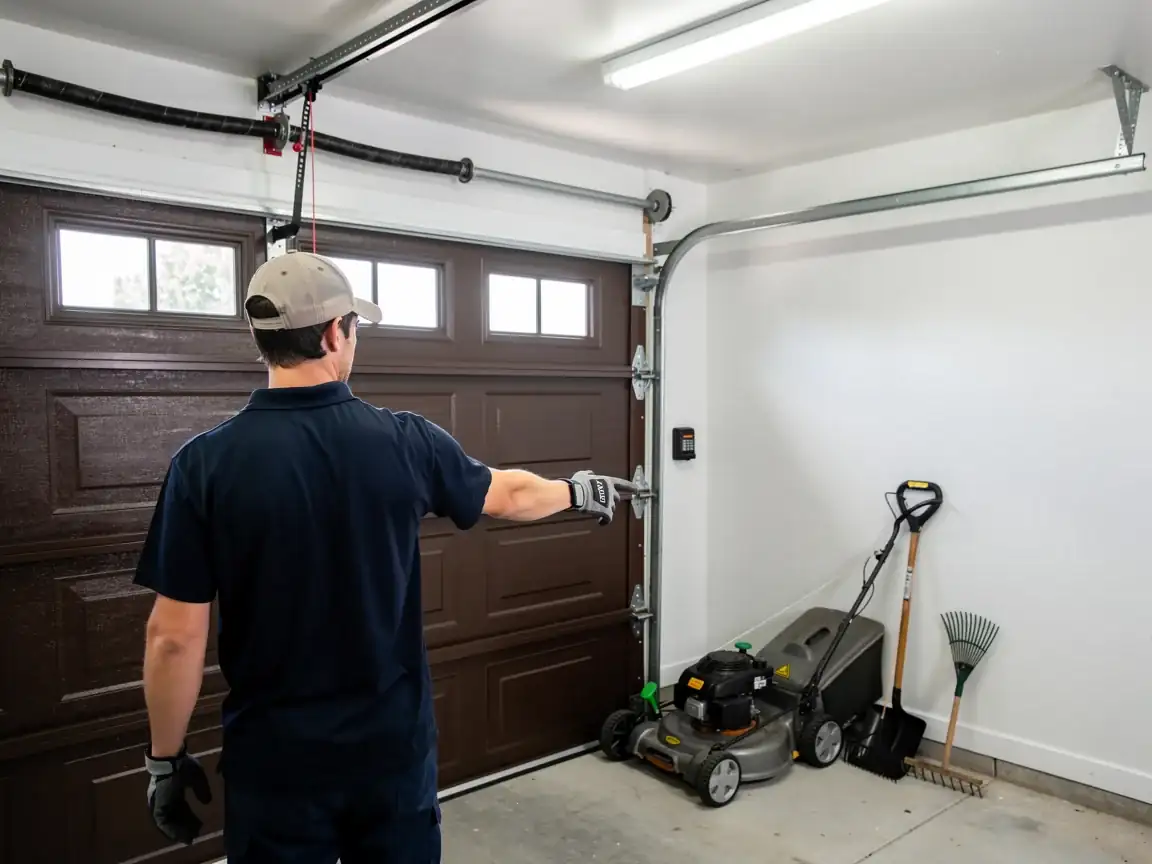
Once the new cable is set and tensioned, we run the door through a full open-close cycle under load, not just a quick bounce test
And check that the cable is seating cleanly in the drum groove. A cable that jumps its groove under light testing will do the same thing the first cold morning it's asked to lift a wet door.
Why This Fails Locally
Most of the housing stock across this service area was built between 1987 and 2013, with a lot of it clustered around the mid-1990s. That means a large share of garage doors out here are now 20 to 35 years into the life of their original lift cables - right in the window where galvanized strand starts to fray at the drum end from simple metal fatigue, long before anyone notices a problem by eye.
The cold-moderate winters here add a second stress on top of age. Cable wire doesn't flex as freely once temperatures drop, and a cable that's already down a few strands is far more likely to finish failing on a cold morning than a mild afternoon - the door gets asked to move stiff steel with reduced cable capacity. That combination of 1990s-era original hardware plus seasonal cold is the specific reason cable failure shows up as often as it does in this part of Arkansas, more than in newer construction with fresher springs and cable.
How It Shows Up
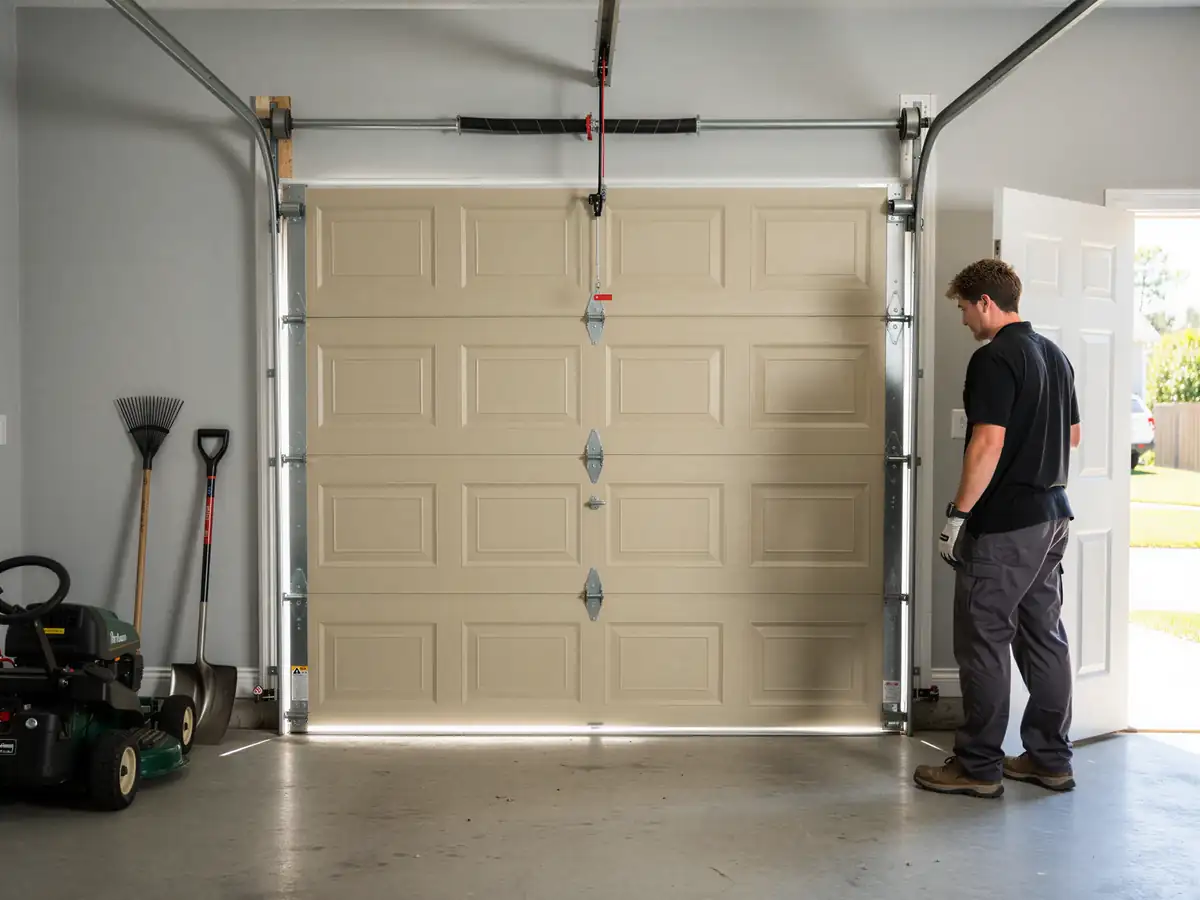
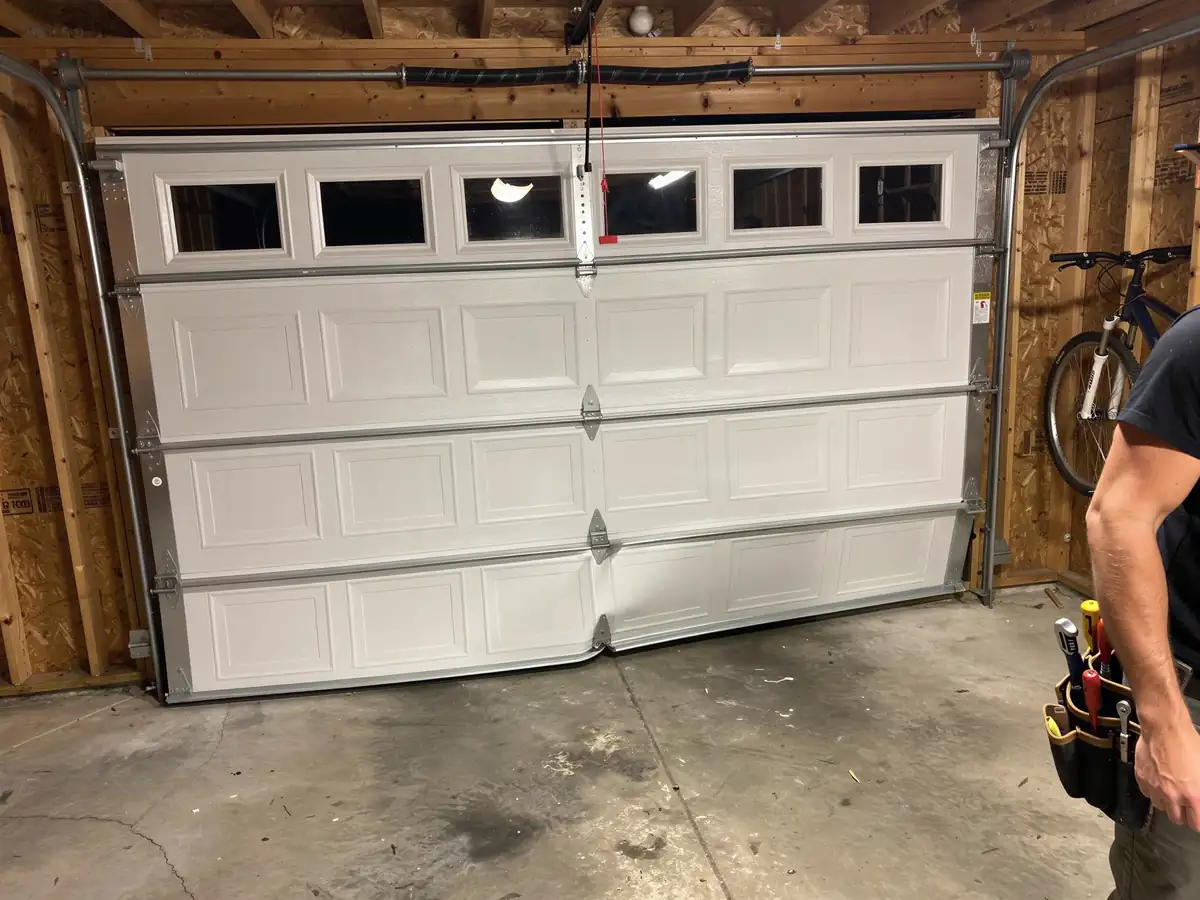
The most obvious sign is a door that's suddenly crooked - one side dropped lower than the other, or hanging at an angle in the opening. That's a cable gone on one side of a torsion system while the other side still holds. Don't keep hitting the opener button at that point; it strains the opener motor and can bend the track.
A quieter warning sign is fraying you can actually see at the bottom bracket or where the cable wraps the drum - small wire strands sticking out like a frayed shoelace. If you catch it there, it's a planned repair instead of an emergency one.
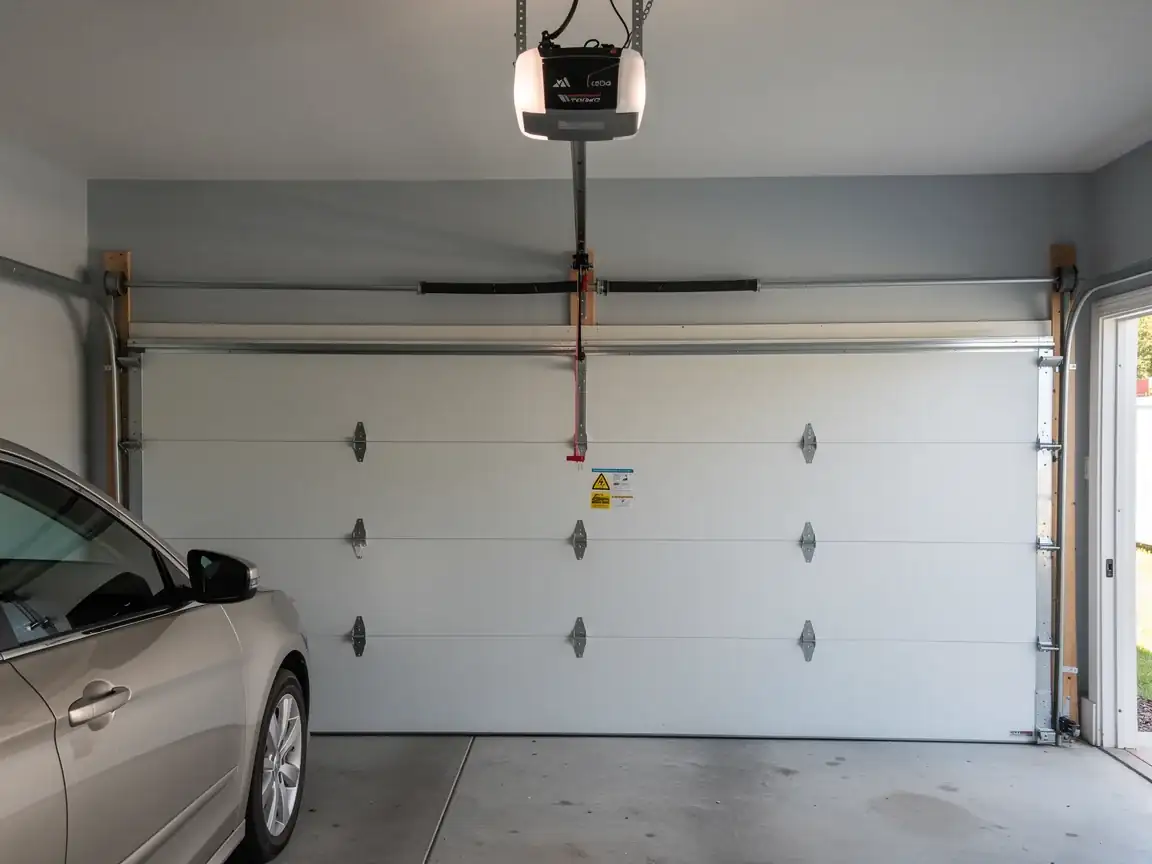
Some owners hear it before they see it: a grinding or popping sound right as the door starts to lift, which is often a cable riding rough in a worn drum groove just before it lets go. And on older openers without modern force-limiting, a cable failure can let the door drop hard and fast - which is also why we don't recommend anyone attempt a cable swap themselves on a loaded torsion system.
How to Book
We cover Bentonville and the surrounding area, including Centerton, Little Flock, Cave Springs, Highfill, Lowell, Bella Vista, Pea Ridge, Gravette, Avoca, Prairie Creek, Elm Springs, Decatur, Tontitown, Johnson, Gentry, and Garfield
If your door is sitting crooked or a cable has already let go, tell us that when you reach out so we bring the right cable stock and drum parts on the truck the first trip.
Give us a rough sense of your door
Single or double, insulated or not, and roughly how old the house is - and we can usually tell you over the phone whether this is a straight cable swap or something that needs a look at the spring and drum too. Not every call turns into a same-visit fix; if a part has to be special-ordered for an unusual drum size, we'll say so up front rather than guess.
Start here: /