What We Do Not Do
We don't keep a crew stationed in Centerton
We run out of Bentonville, about 4 miles away, and that's close enough that it doesn't change how we schedule the job. What it does mean is we're not a 24-hour dispatch outfit with trucks parked on every corner - we're one company covering a wide stretch of the Bentonville area, and Centerton is one of the newer corners of it.
- 4 miles
We also don't replace a whole door system when a part will do
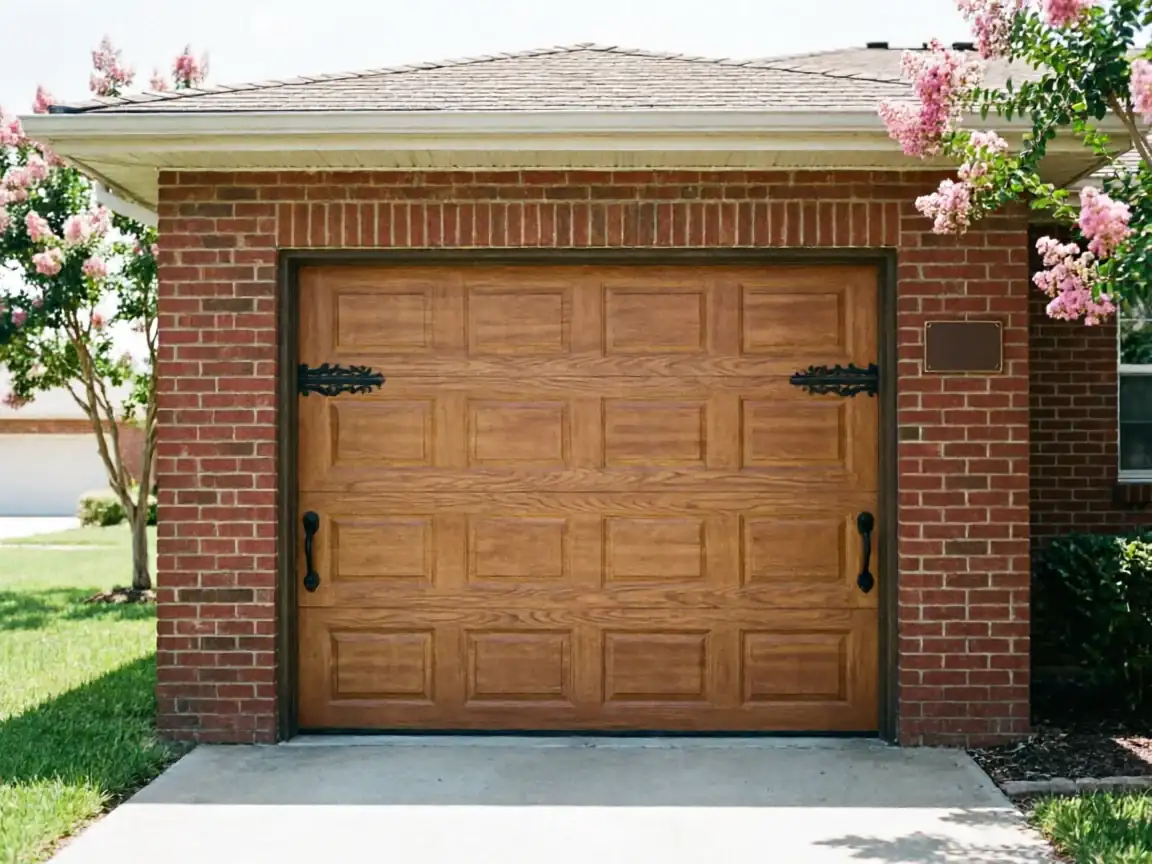
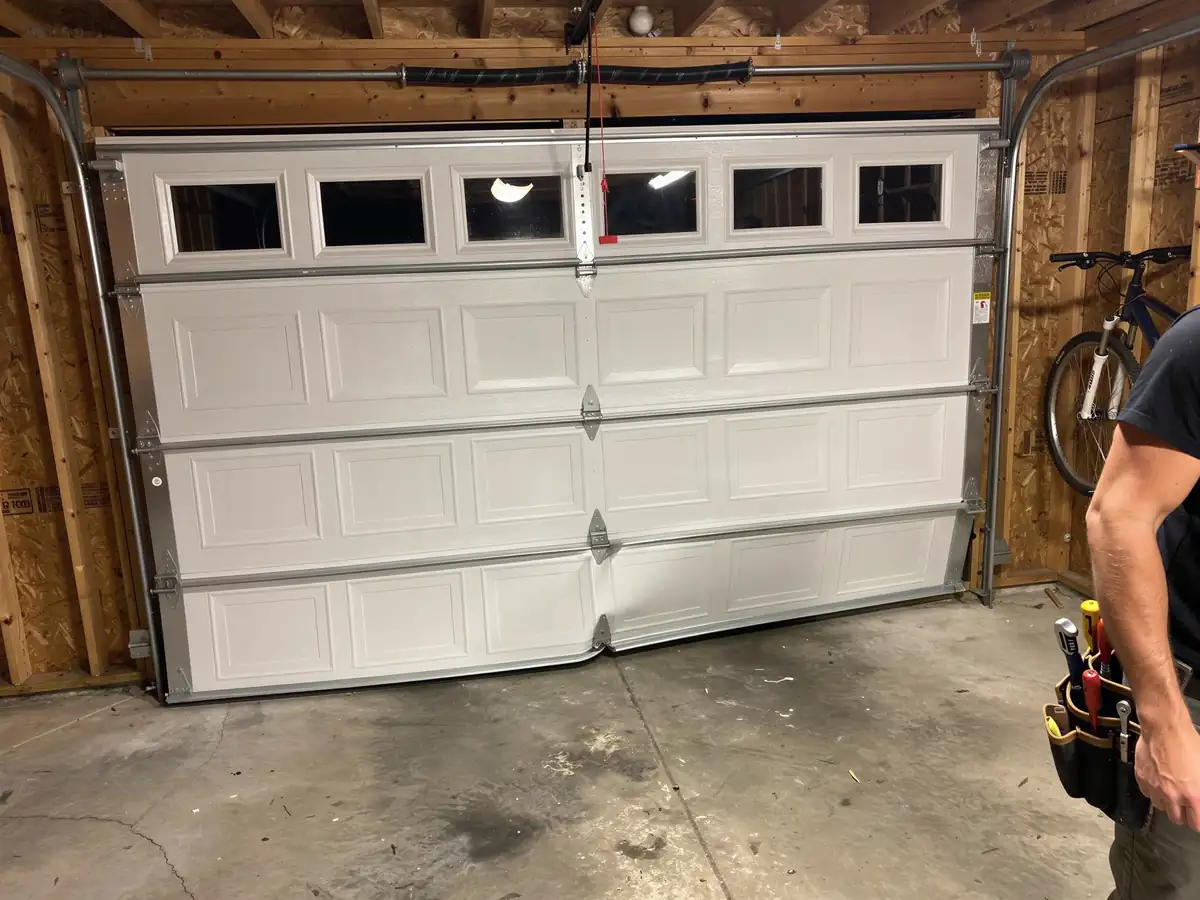
If your opener logic board is bad but the rail, springs, and panel are fine on a 2008-built house, we tell you that and price the part, not the whole unit. On the flip side, if a steel panel from that era is rusted through at the bottom corner from years of lawn sprinklers hitting it, we'll say so rather than patch it and send you a bill for a repair that won't hold.
We don't guess at parts we haven't seen
A lot of openers installed in this area between 2005 and 2013 used proprietary logic boards tied to specific remote codes, and before we quote a fix we want eyes on the unit, not a phone description of the symptom.
The Houses Here
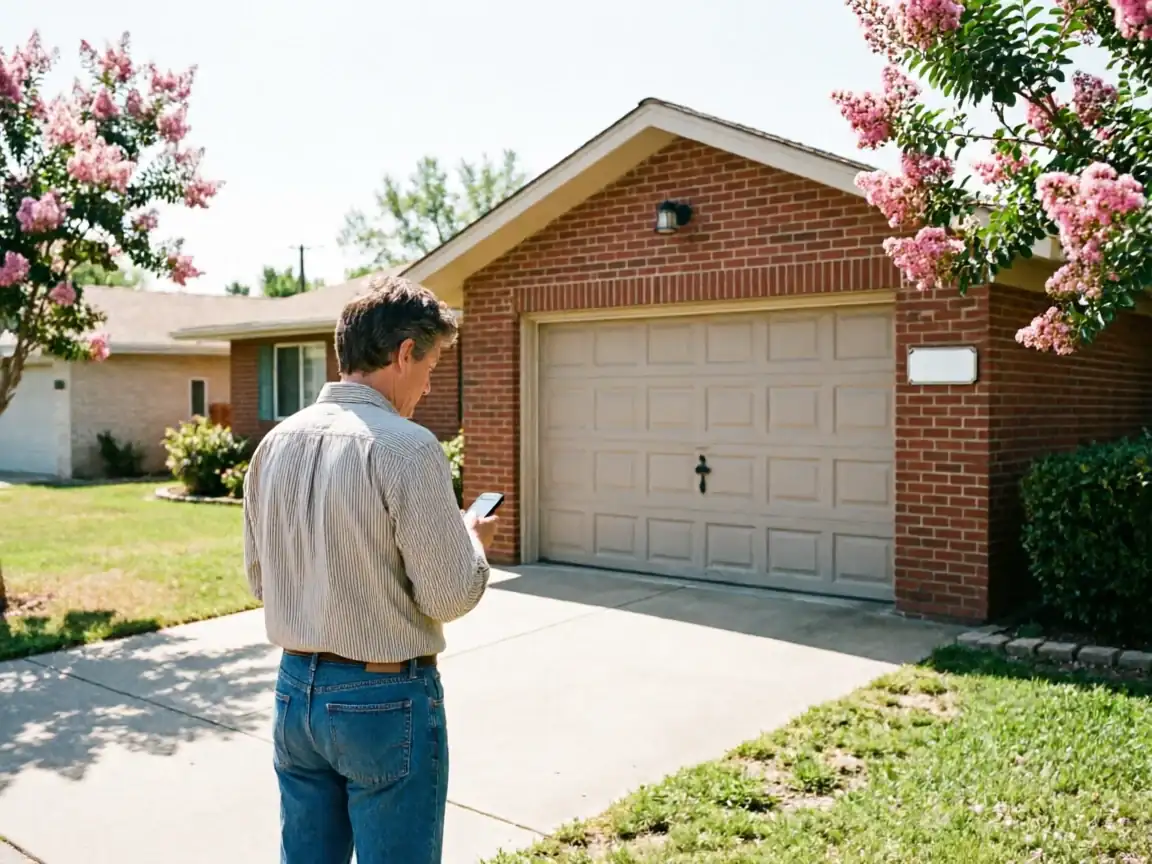
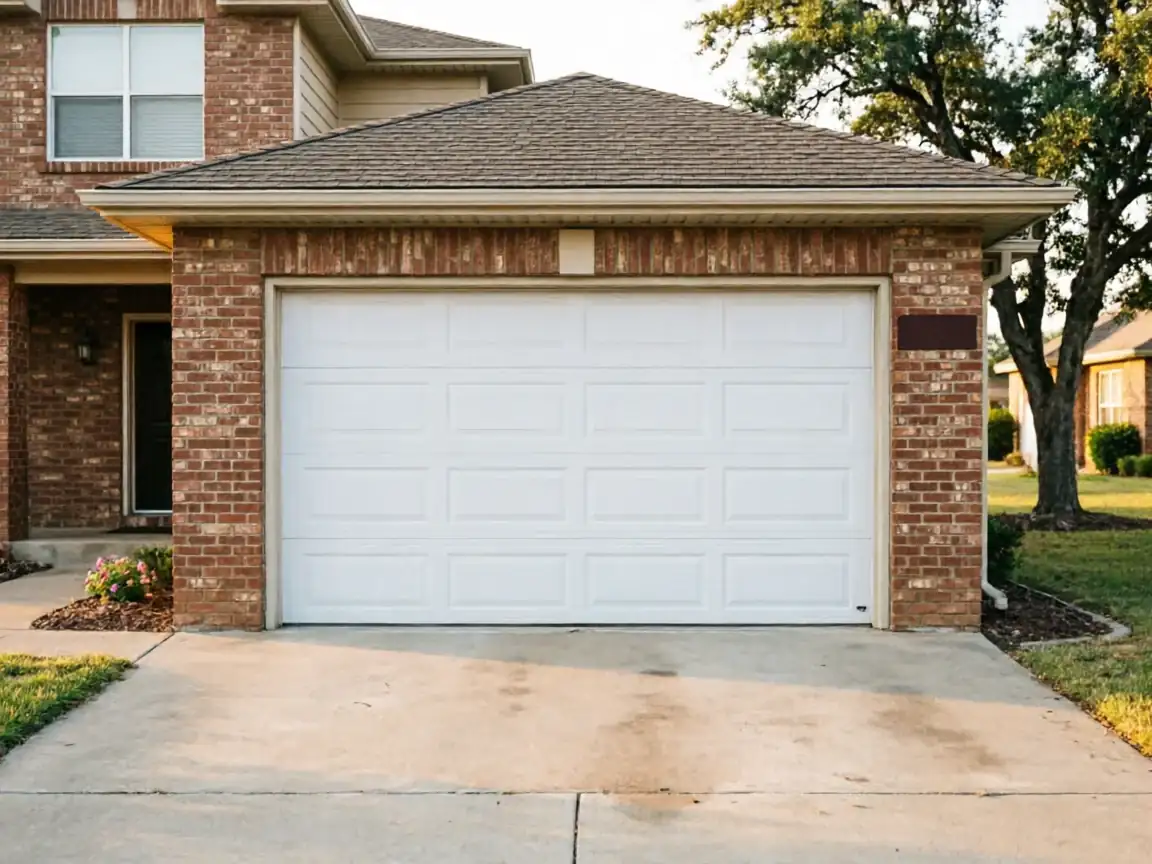
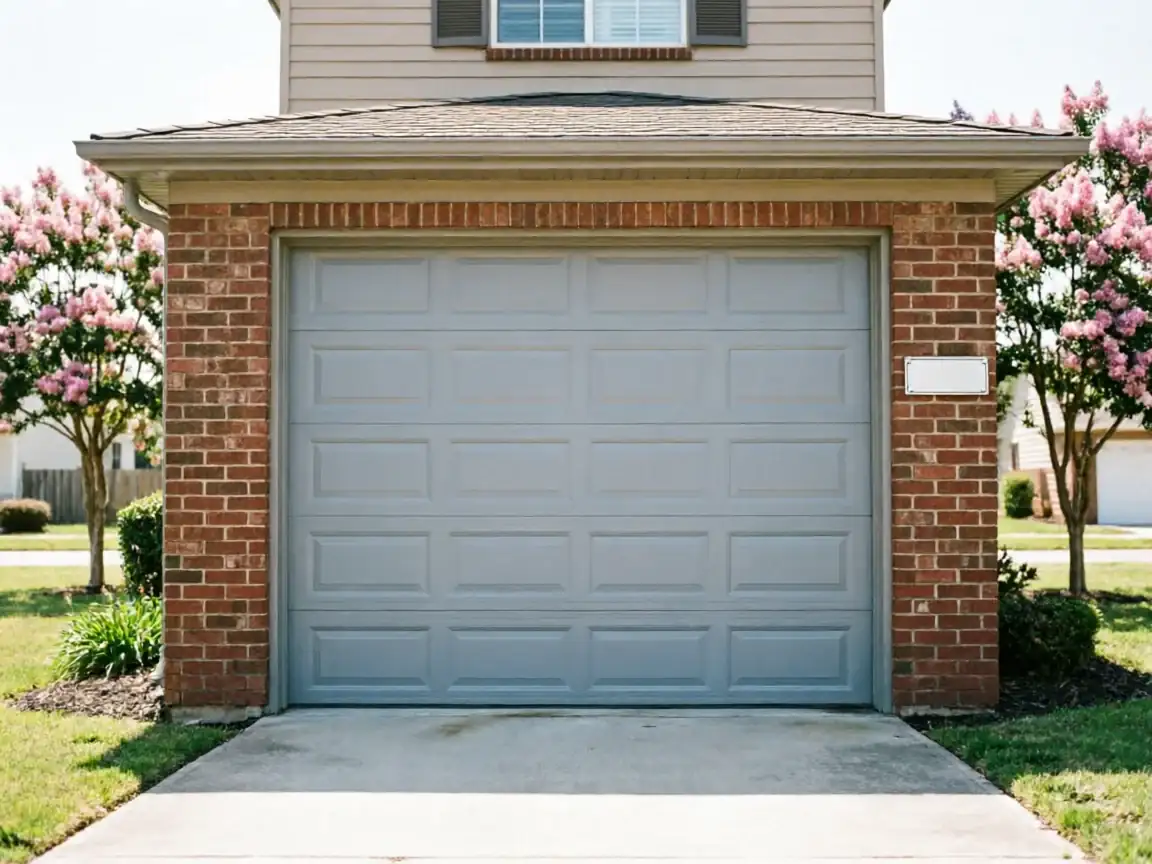
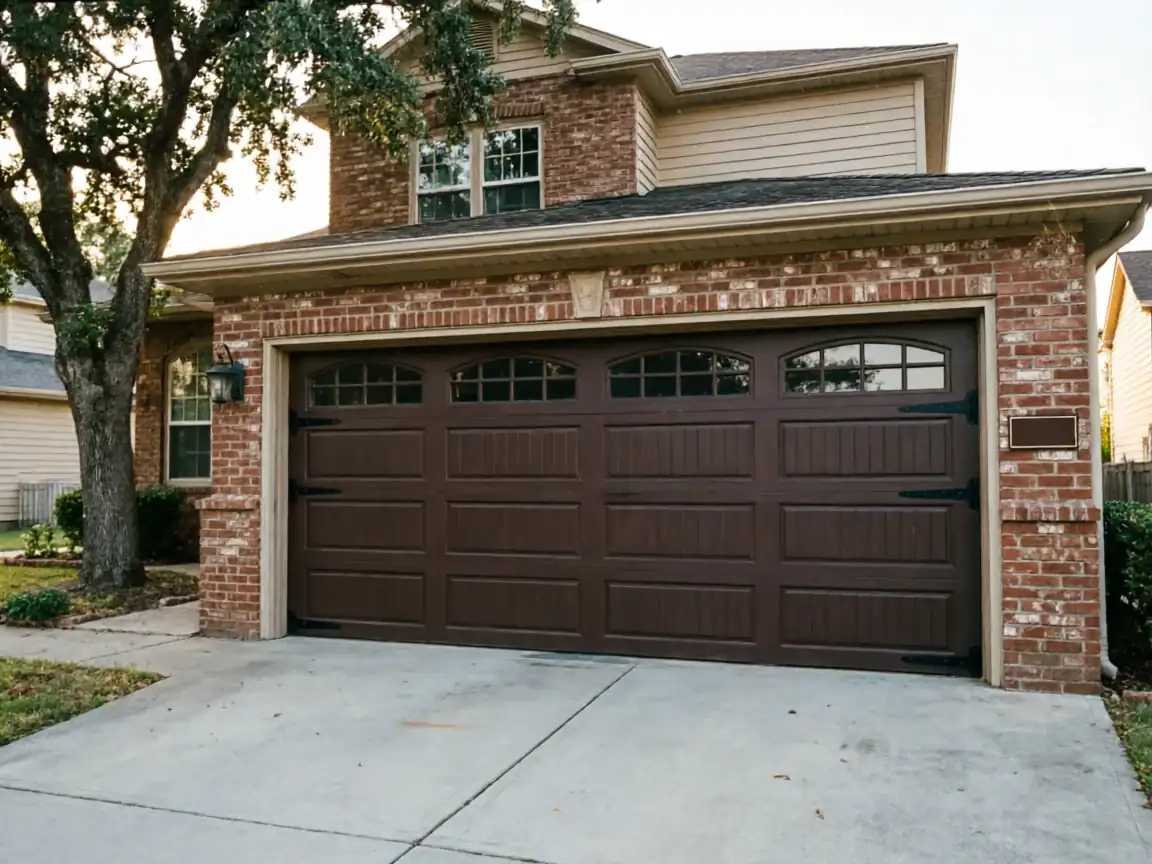
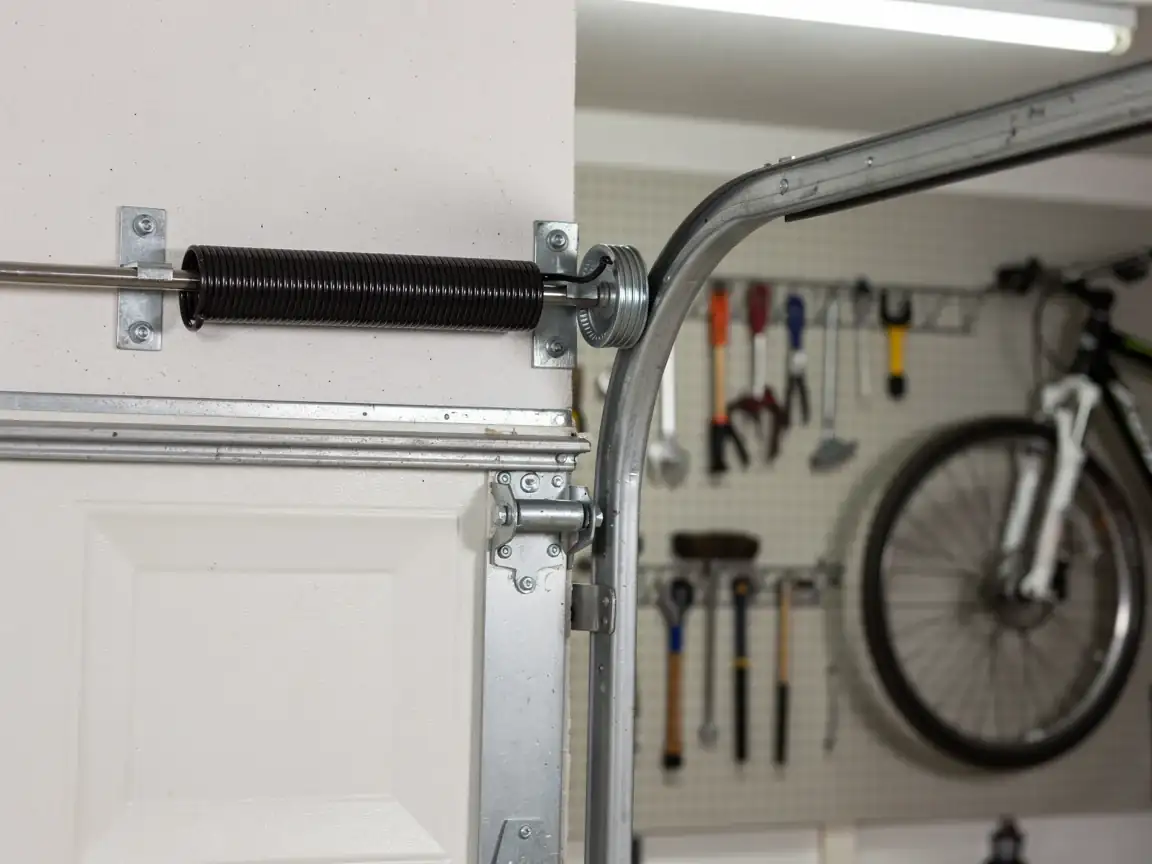
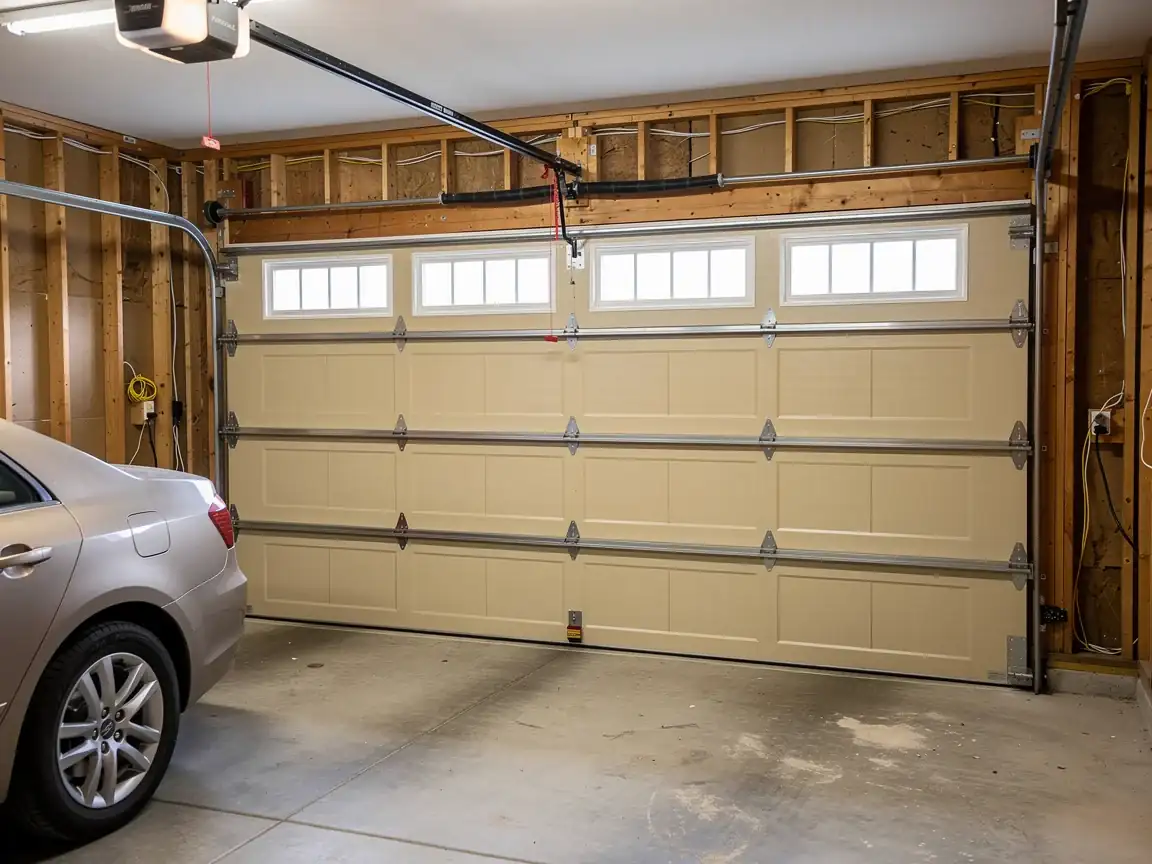
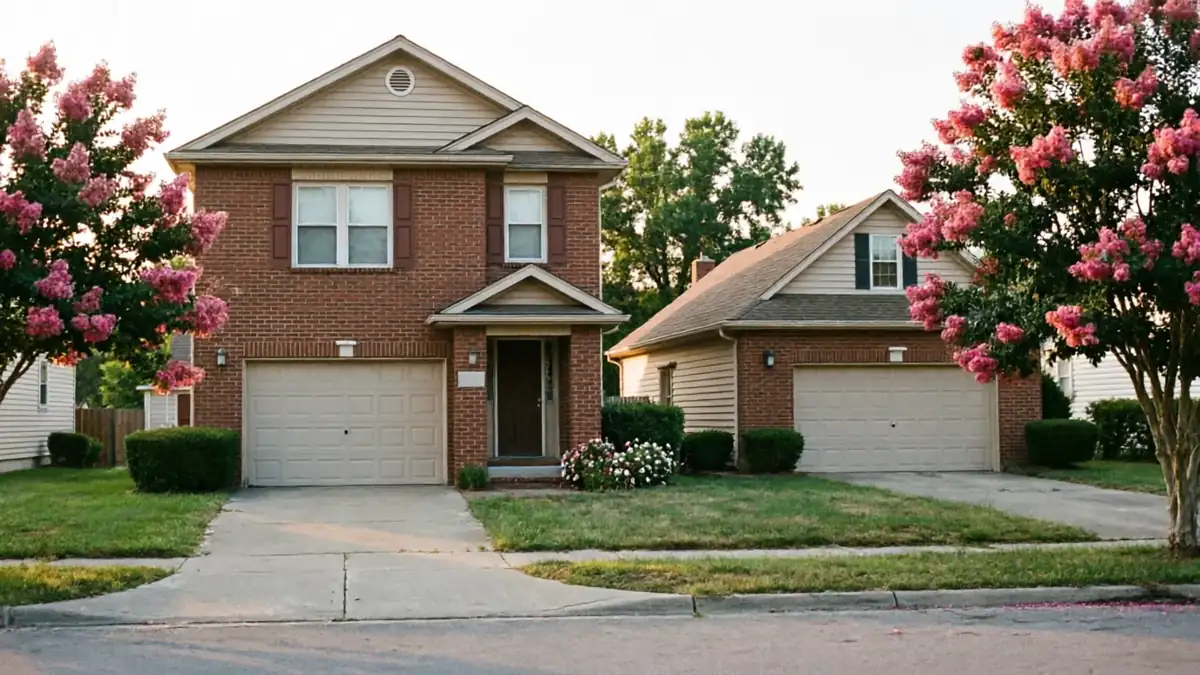
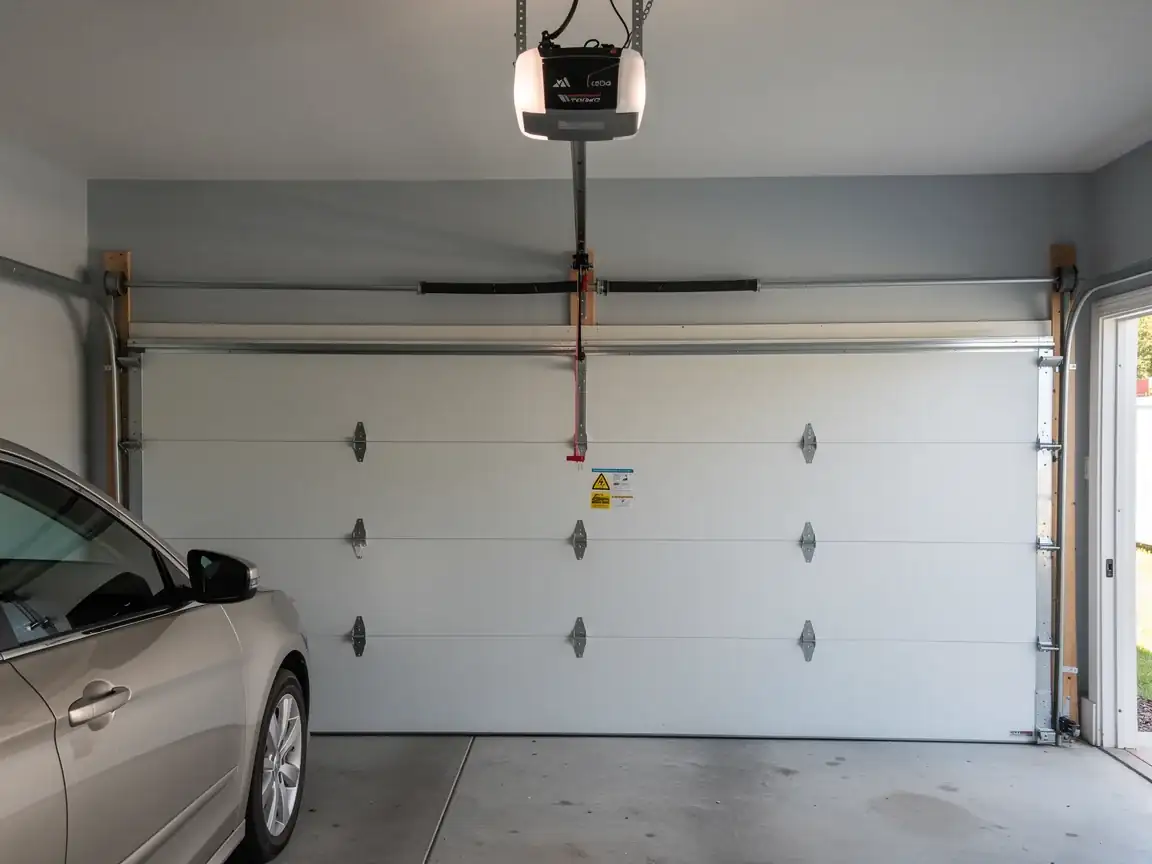
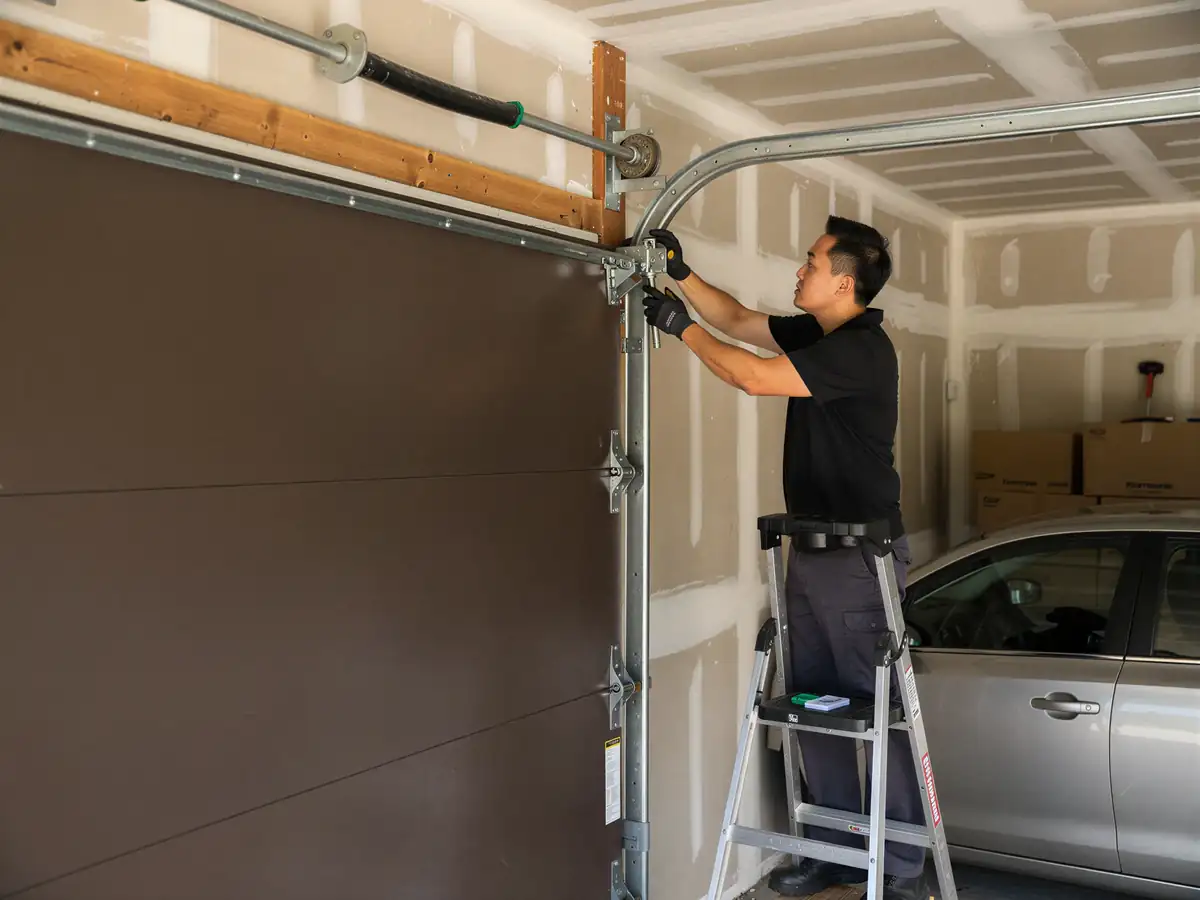
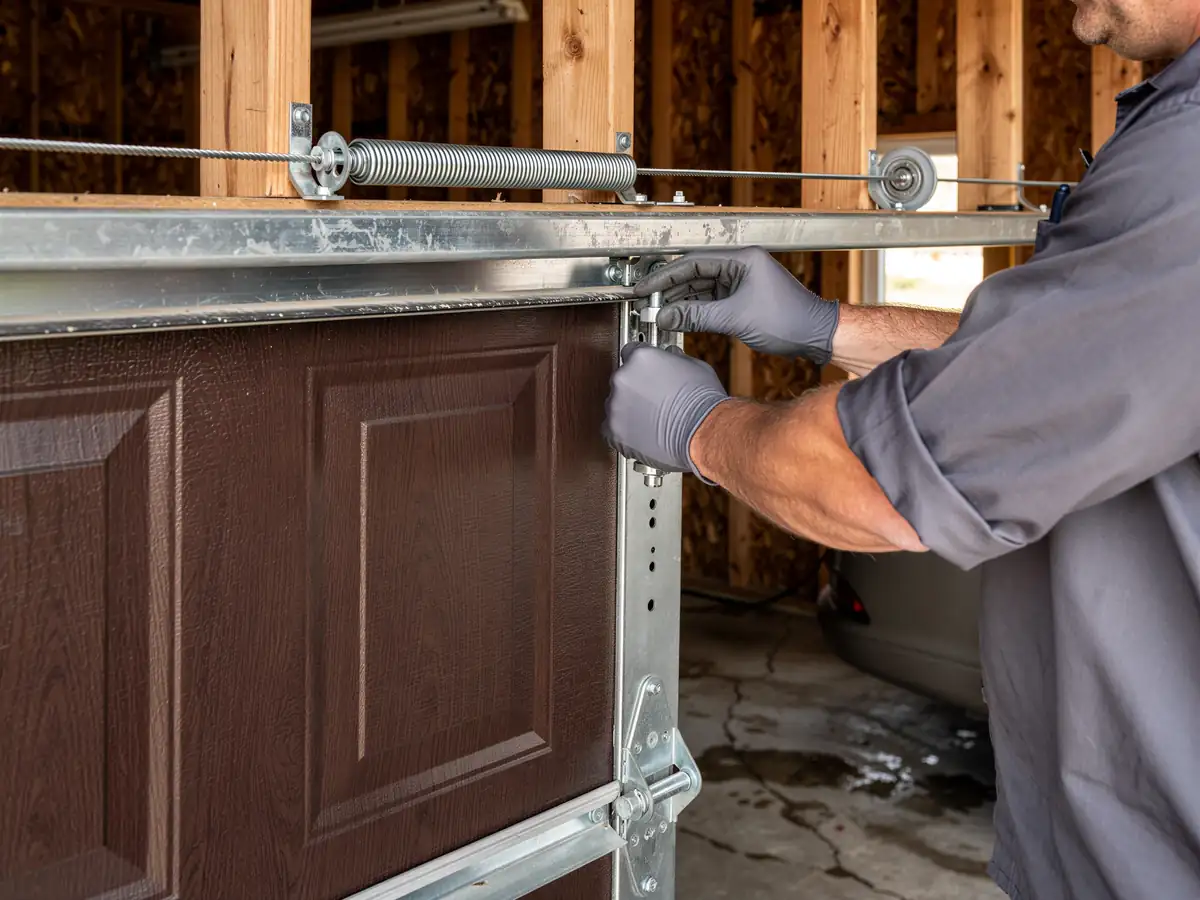
Centerton's housing stock runs newer than most of the Bentonville service area. Where the broader area has a median build year of 1996 with a lot of 1980s and 90s stock spread across sixteen named areas, Centerton's own median build year sits around 2008. That's a twelve-year jump, and it matters for garage doors because it lands squarely in the era when builders switched from older extension-spring setups to torsion springs on a center bracket as standard, and from chain-drive openers with mechanical limit switches to belt and screw drives with digital logic boards and photo-eye safety sensors required by code.
With roughly 7,191 households in Centerton and a median income north of $112,000, most garages here were built to a spec that assumed a two-car door, a steel panel with some insulation, and an opener rated for regular daily use rather than occasional. These are not the one-piece wood doors or bare chain-drive setups you'd find on a house from the 1970s. They're mid-2000s production-grade doors that are now old enough to need their first real round of maintenance - springs losing tension, rollers wearing out of round, openers hitting the end of their service life.
How That Shows Up in the Door
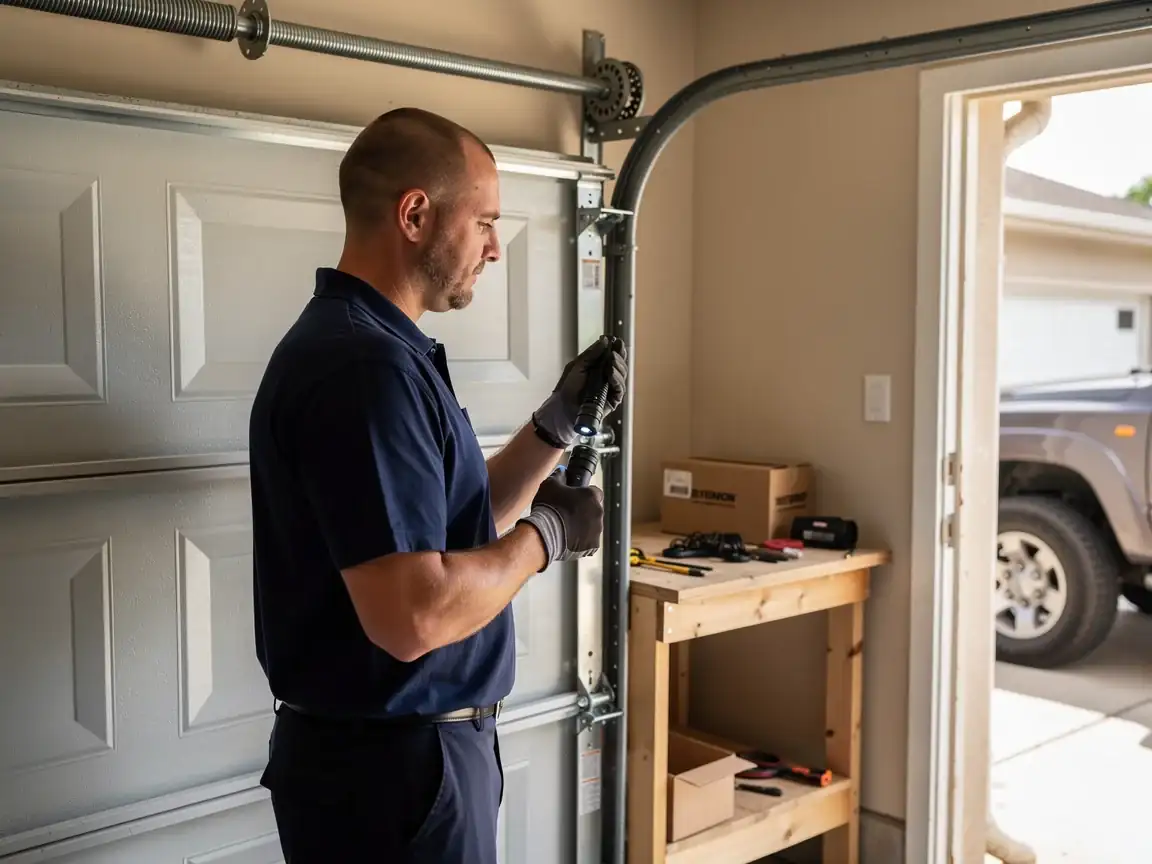
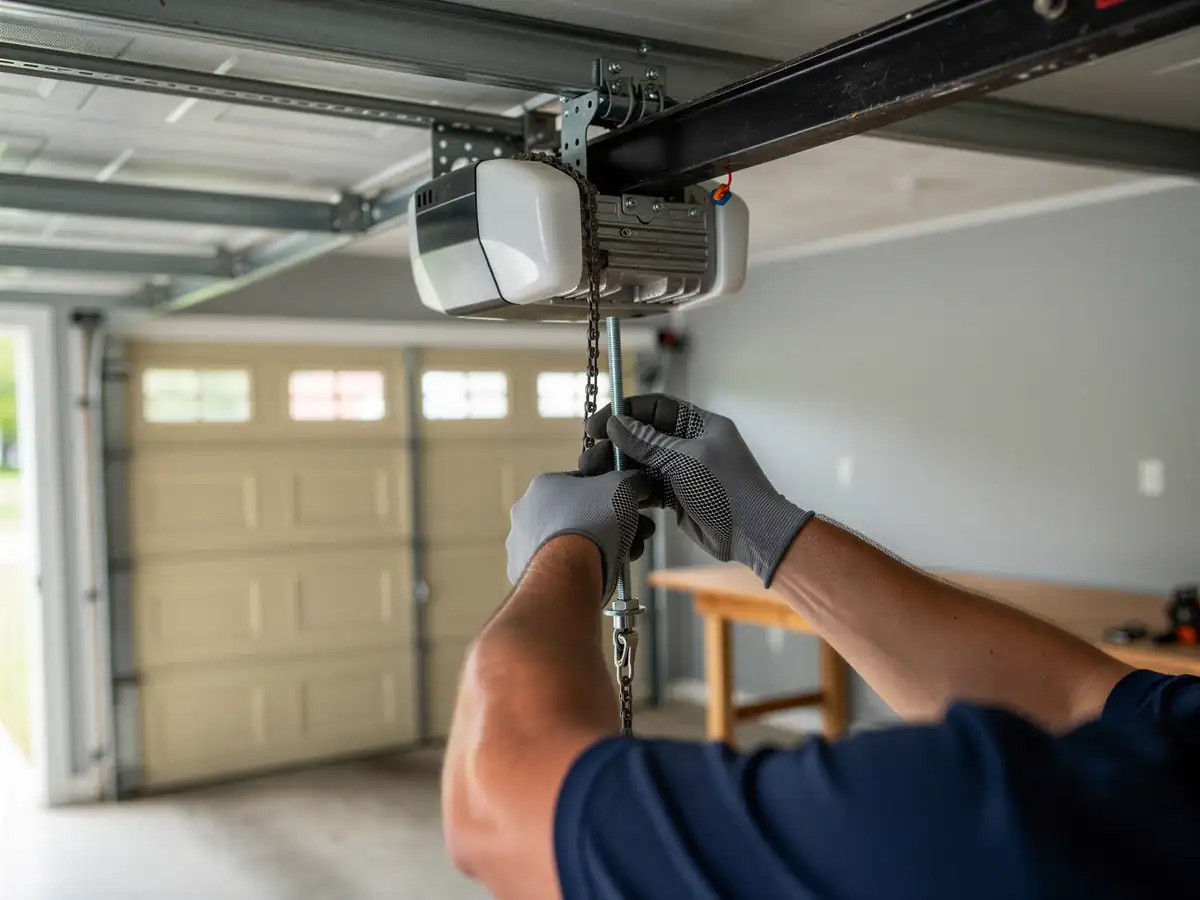
Because Centerton skews newer, the calls we get here are different from the calls we get on older blocks closer to downtown Bentonville. We see fewer dead torsion springs from decades of cycling and more opener failures - circuit boards, drive gears, and capacitors wearing out right around the 15-to-18-year mark, which a lot of these houses are now hitting if they were built near that 2008 median.
The cold-moderate climate band this area sits in also plays a role. Insulated steel doors from the 2000s building boom typically used polystyrene or polyurethane fill between two steel skins, and over time that seal around the bottom weatherstrip and the panel seams can shrink or crack, letting cold air into the garage in winter. On a newer door that's usually a weatherstrip and seal fix, not a full panel replacement - the steel itself tends to hold up fine on a house this age.
We also see more photo-eye sensor issues here than on older homes, simply because 2000s-era builds were the first wave required to have them, and those sensors are often the first thing knocked out of alignment by a bike, a trash can, or a kid's bumper.
Timing on This Area
Centerton is close
About 4 miles from where we're based in Bentonville - so travel time isn't the bottleneck on a job here. The bigger variable is parts. A torsion spring or standard roller kit for a mid-2000s door is something we typically have on hand. A specific logic board for an opener model that was common in 2008 but discontinued since can take longer to source, because that's a special-order part, not a shelf item.
- 4 miles
If you're in one of the newer sections of Centerton with a house built closer to the 2008 median
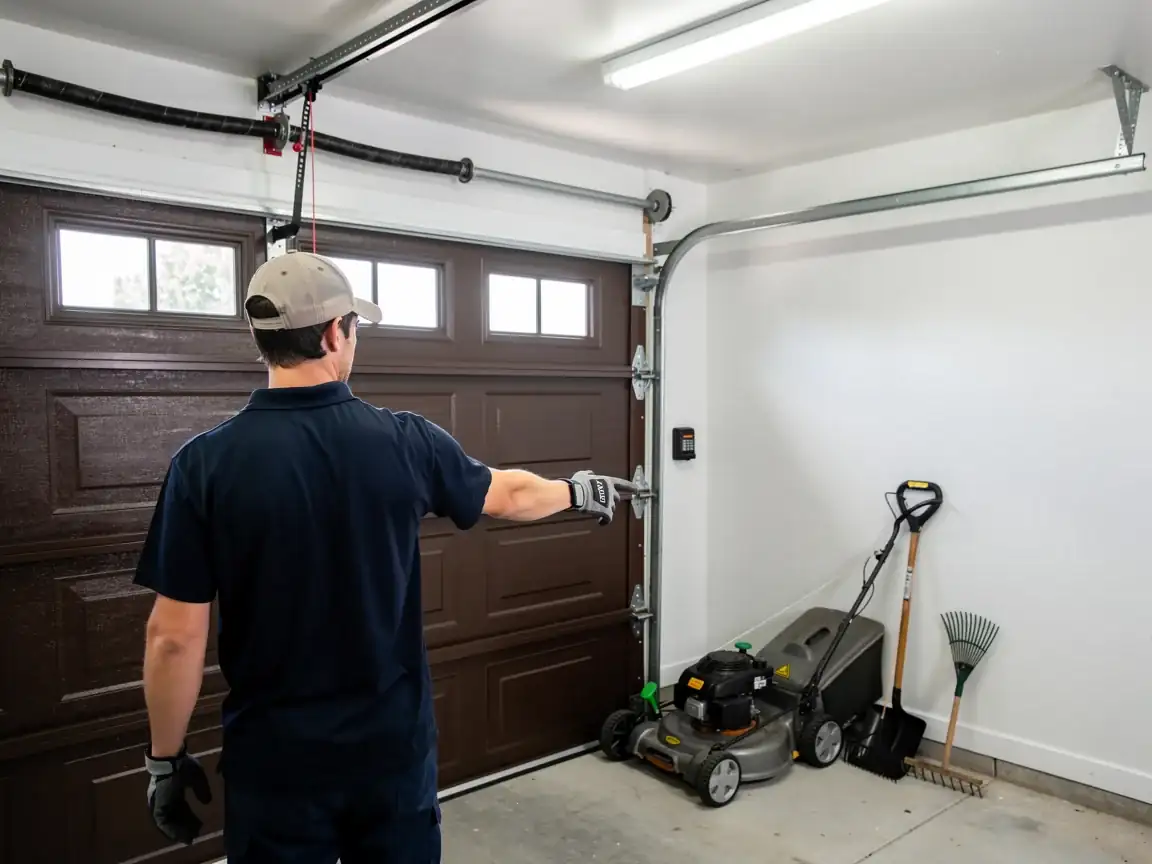
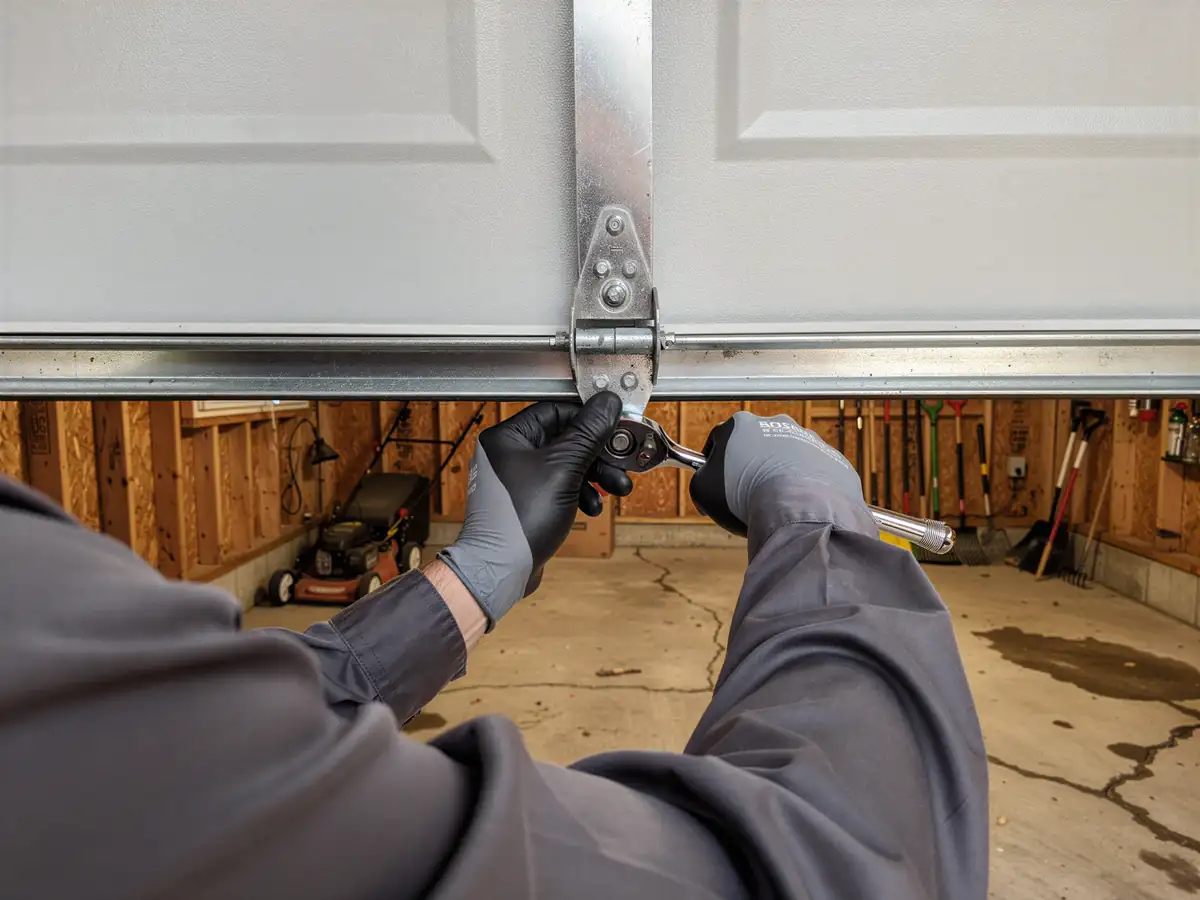
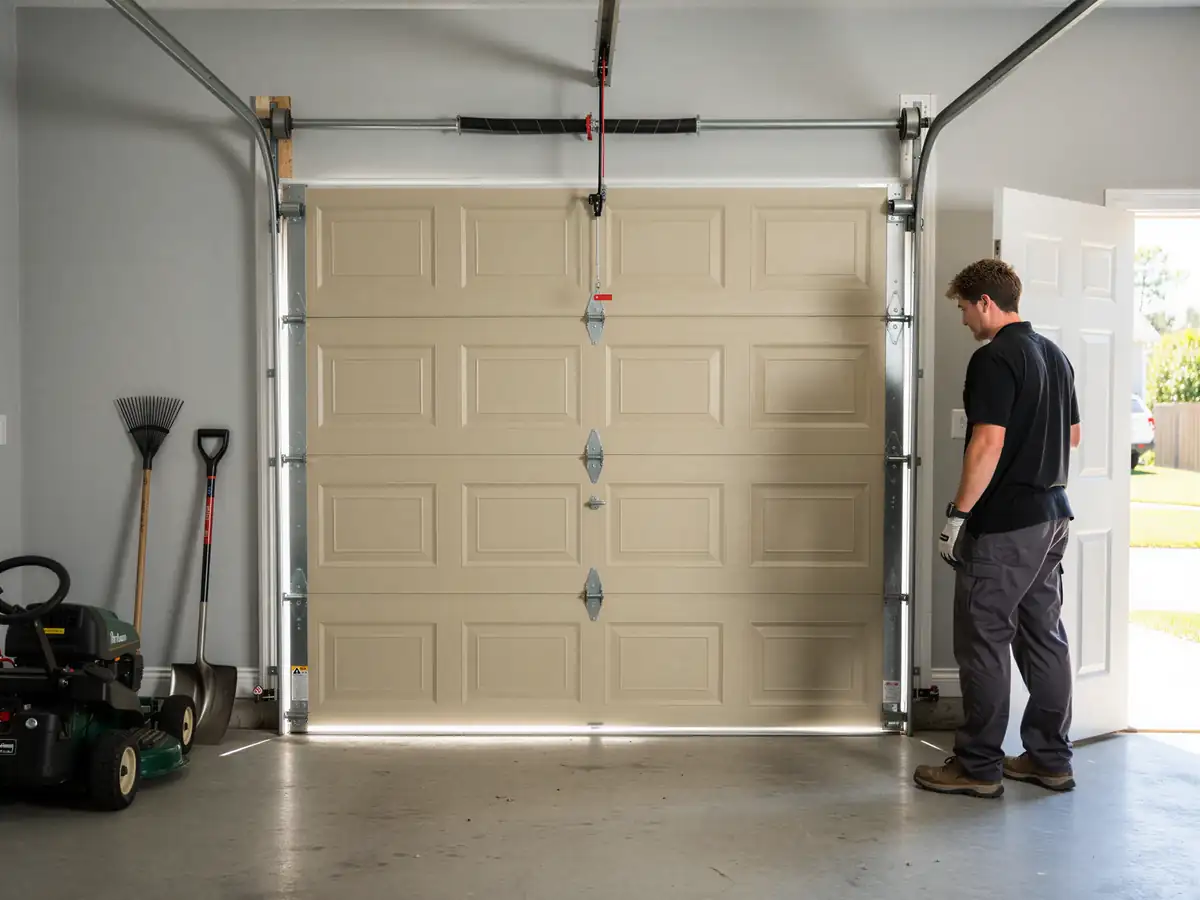
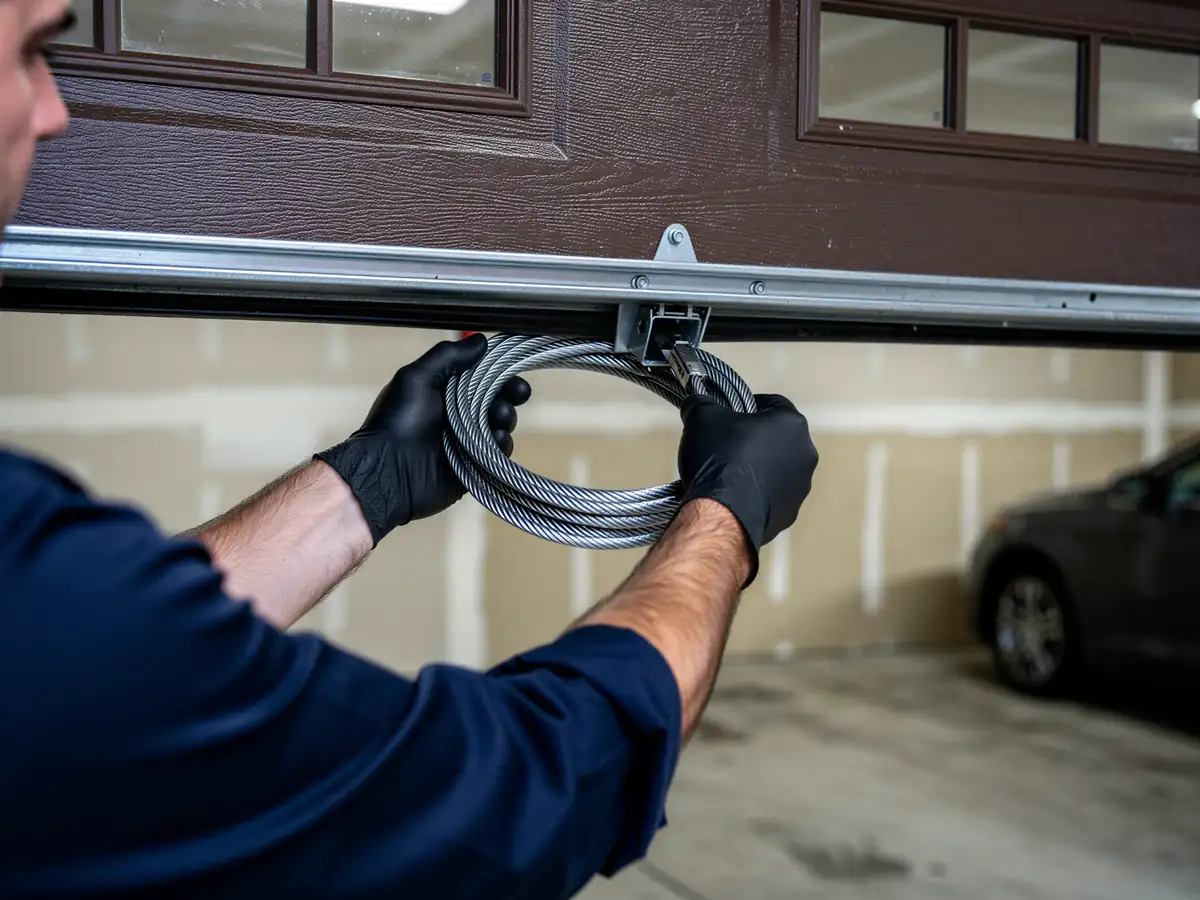
Your door and opener are old enough now to be due for a real inspection - springs, cables, rollers, and the opener's safety reversal - even if nothing's failed yet. Catching a worn roller or a fraying cable before it snaps is cheaper and safer than an emergency call after the door's already stuck halfway down.