How Local Conditions Play In
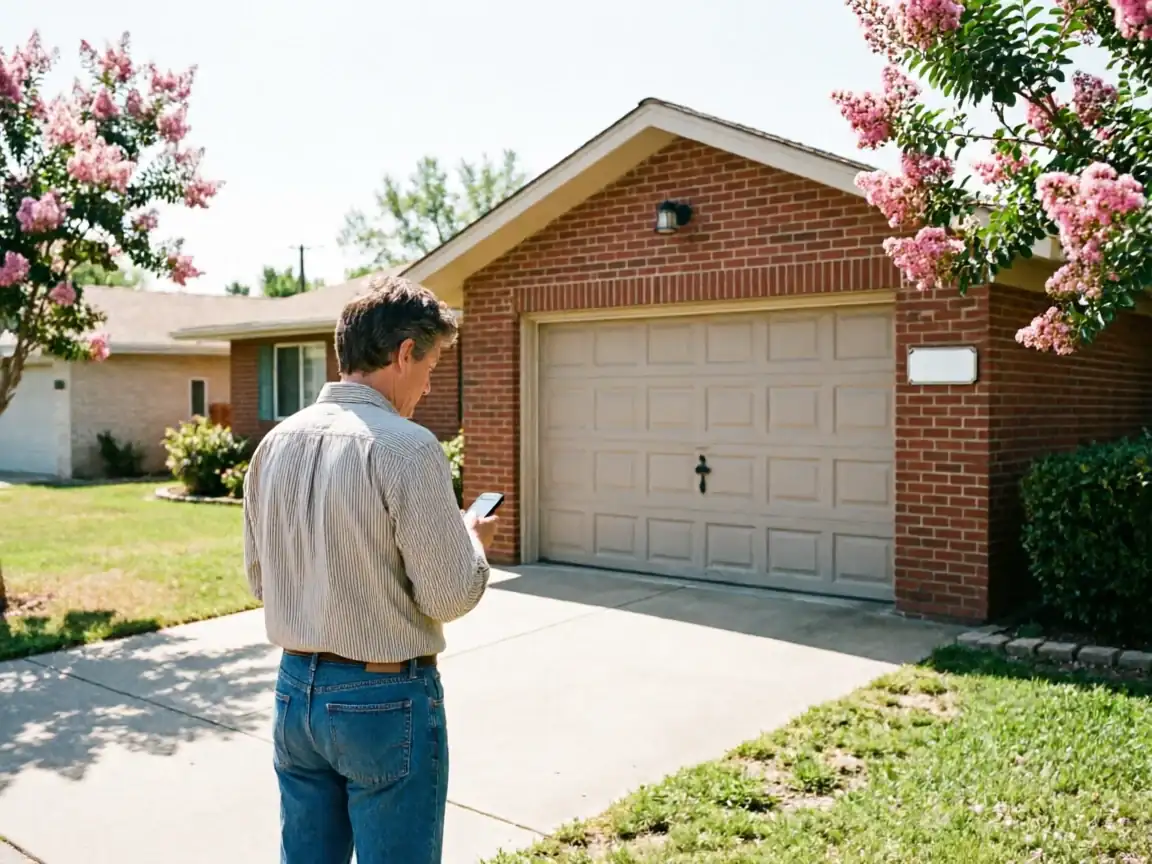
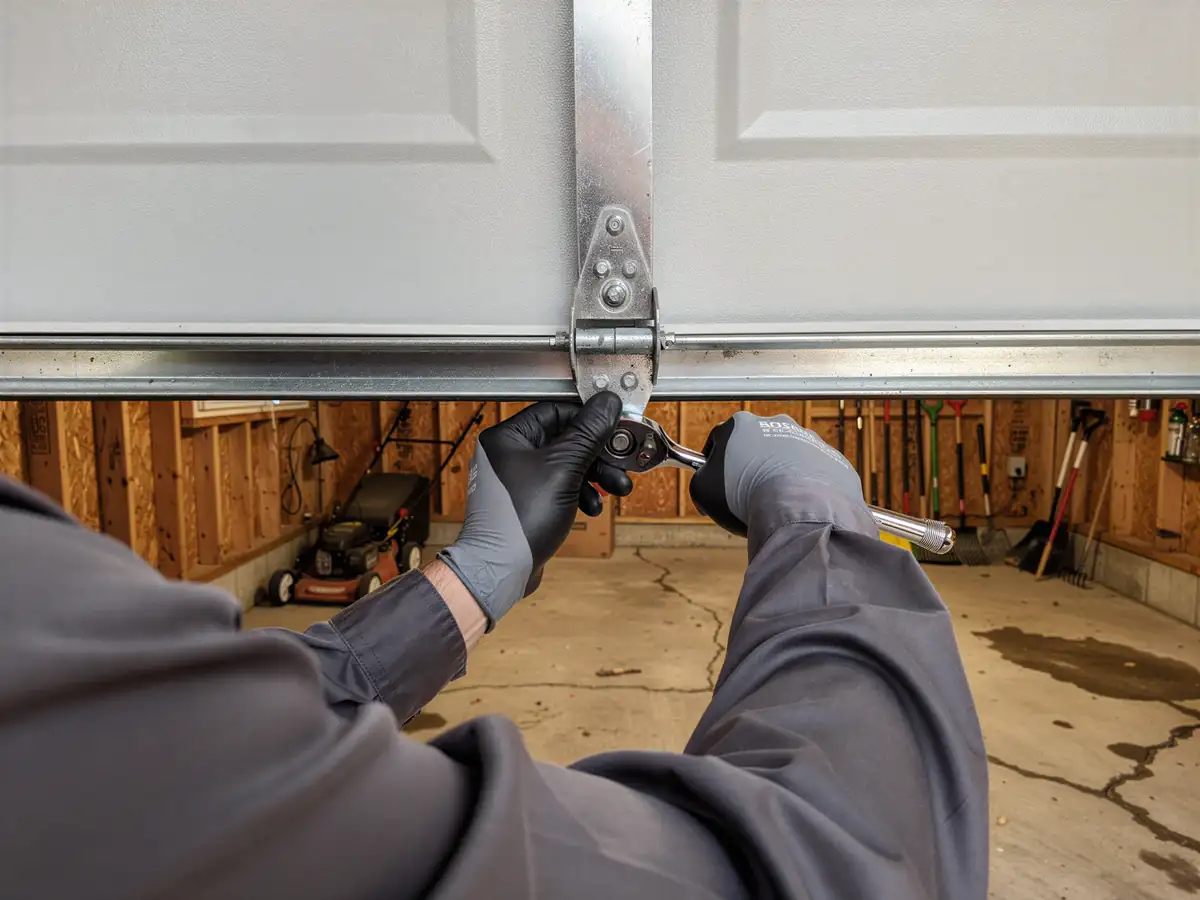
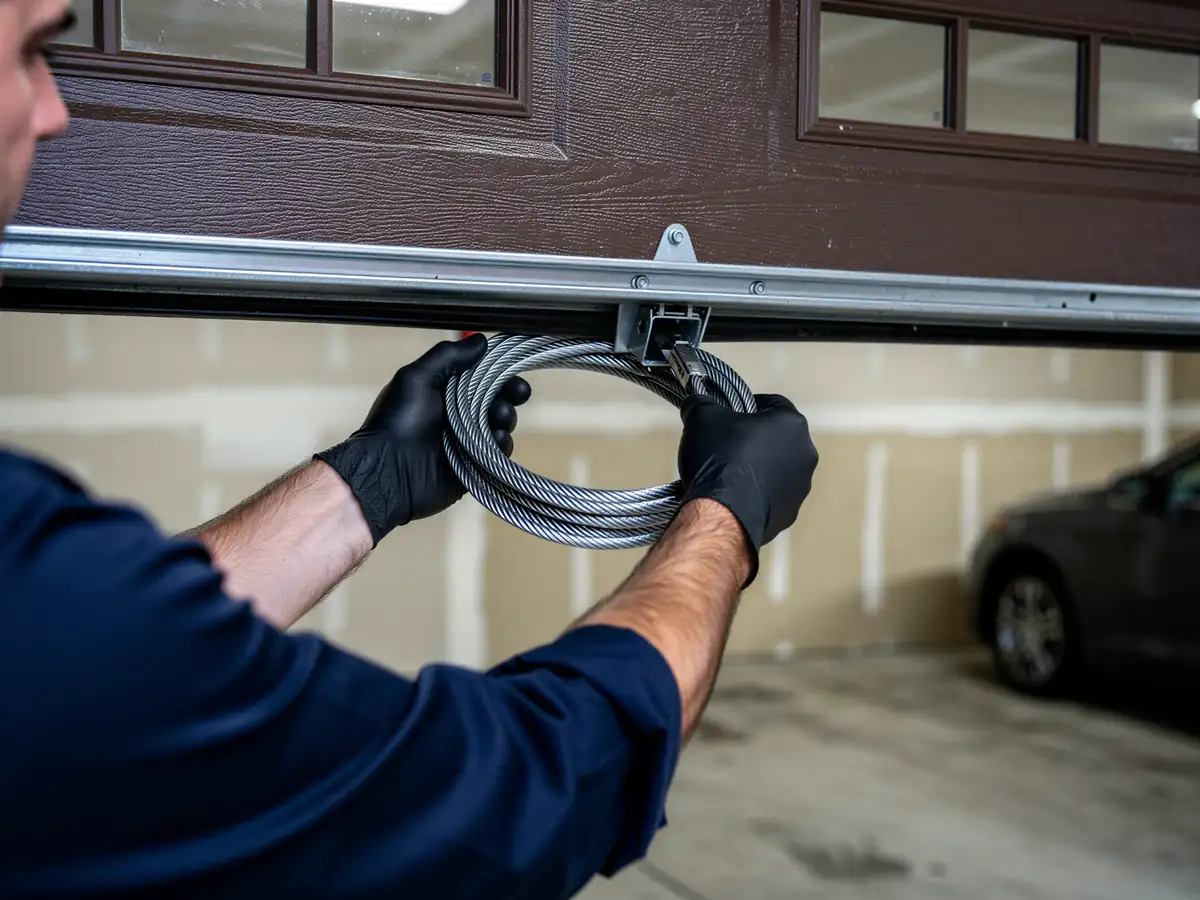
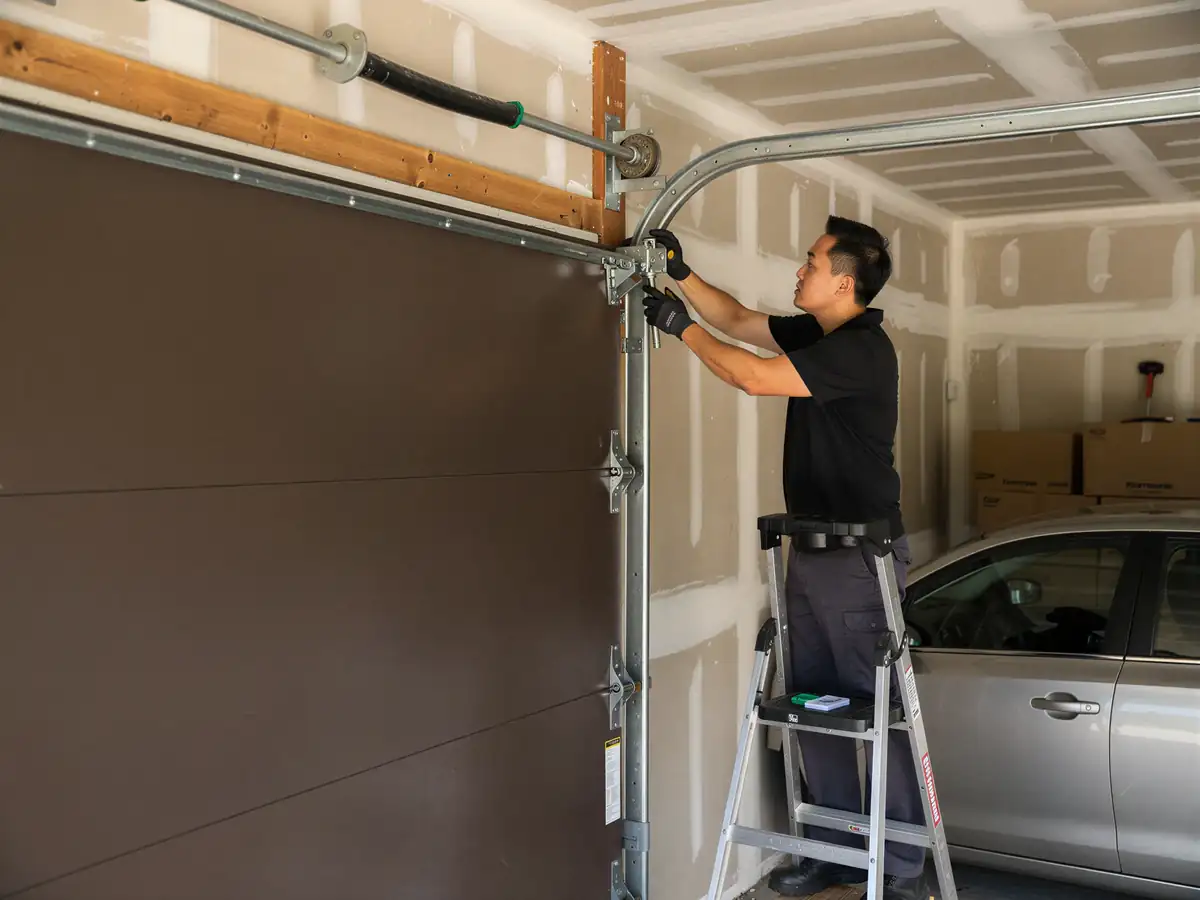
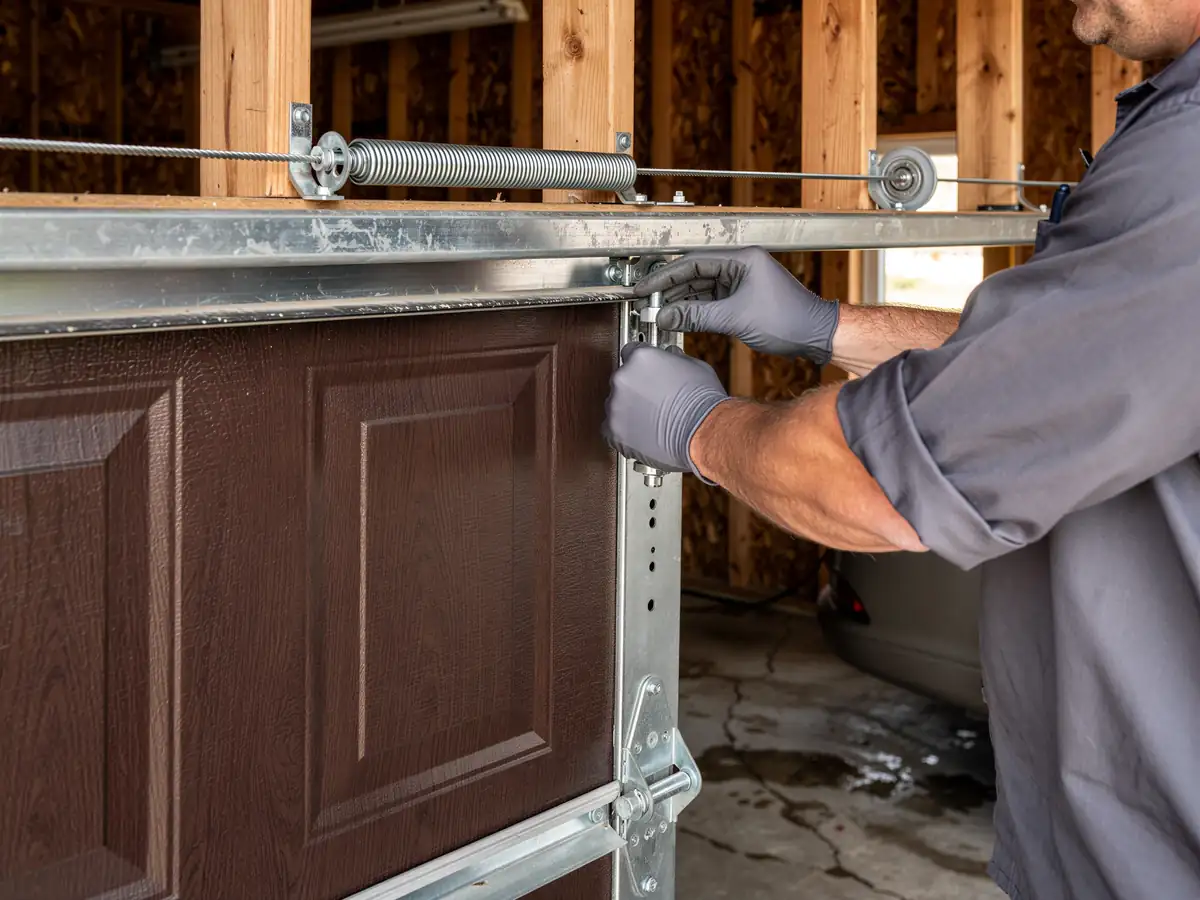
Bentonville sits in a cold-moderate climate band, and that matters more than people expect for a garage door. It's not hurricane country and it's not desert heat - it's the swing between a mild fall afternoon and a hard cold snap that does the damage. Steel contracts in the cold, grease thickens, and a spring that was carrying weight fine in October can start binding by January. Weatherstripping on the bottom panel hardens the same way, and that's often the first thing homeowners notice - a gap at the floor that wasn't there in summer. None of this is dramatic, which is exactly why it gets ignored until a spring snaps on a cold morning and the door won't move at all. We see more spring and opener calls through the cold stretch of the year than any other, and it tracks with what you'd expect from this climate band rather than anything unusual about one house. The fix isn't exotic either - it's lubricating hardware before the cold sets in and catching a fraying cable while it's still a five-minute job instead of a locked-out door.
Doing Nothing For Now
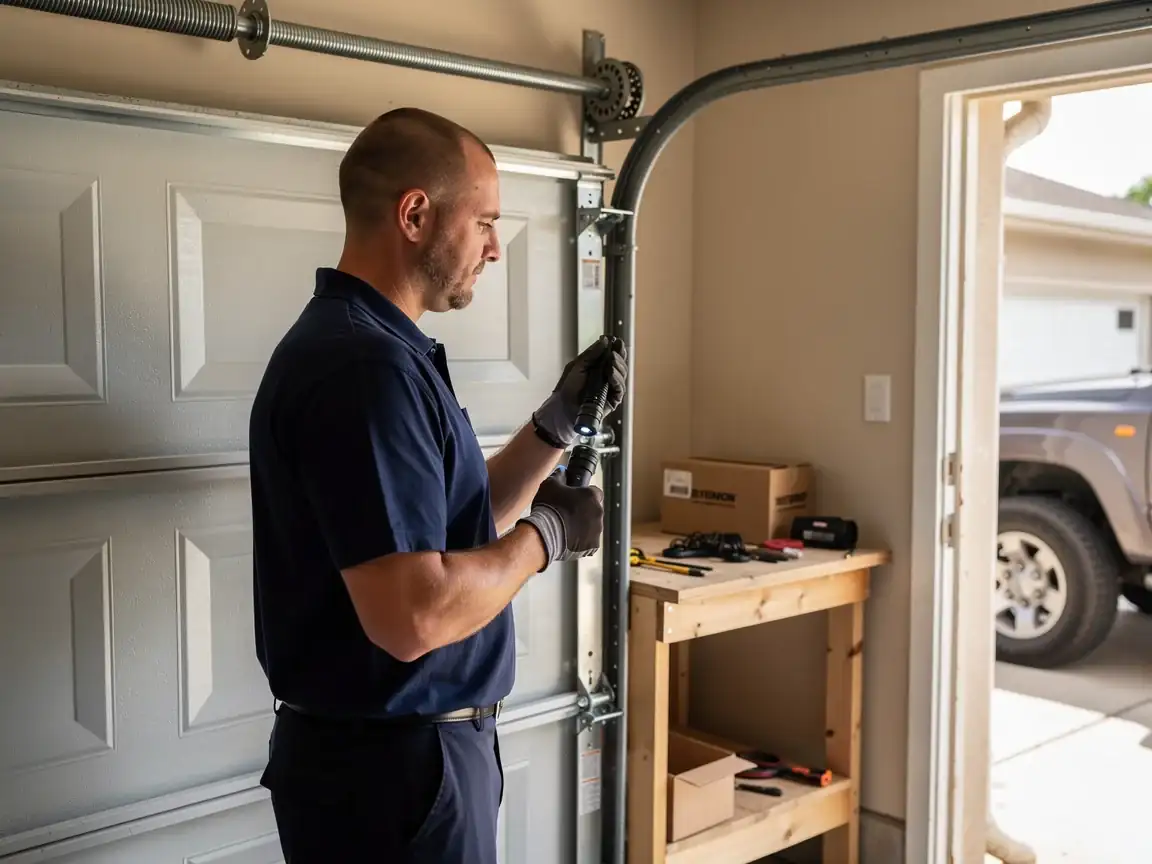
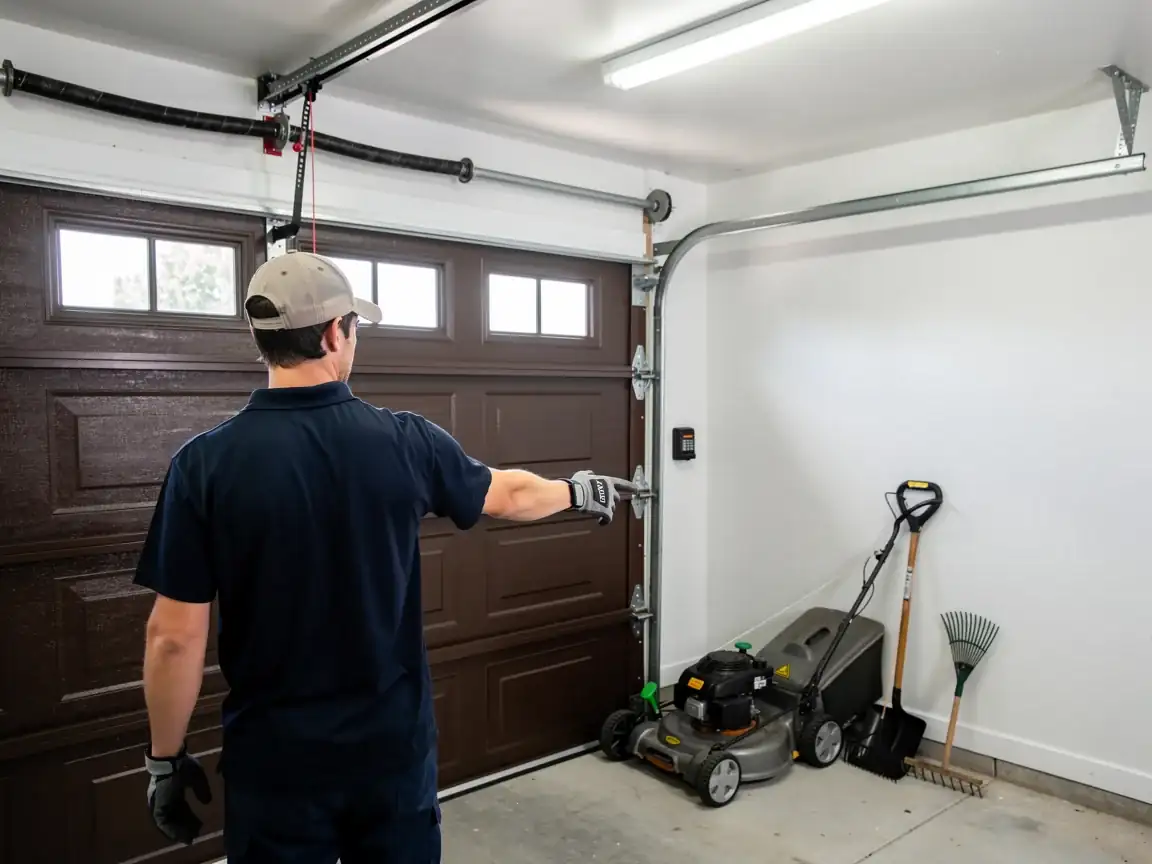
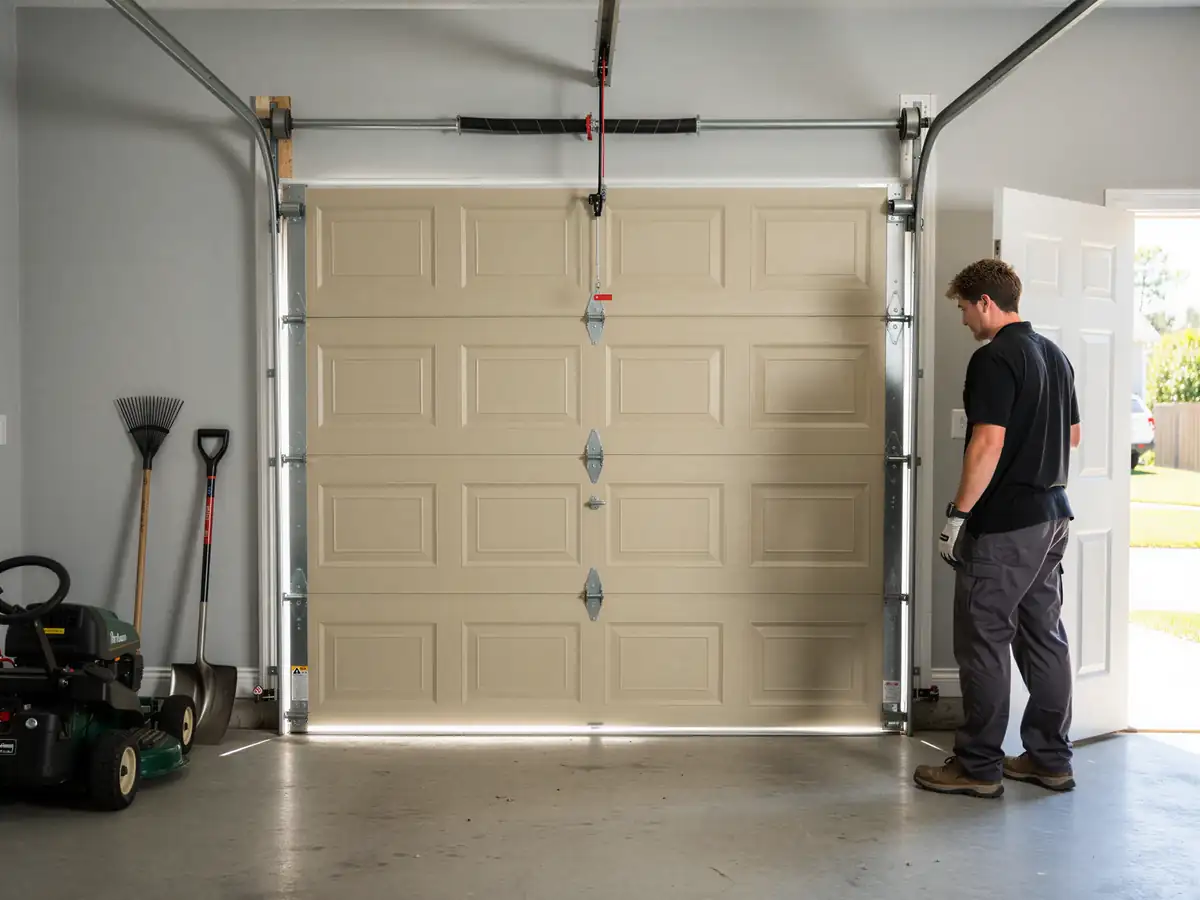
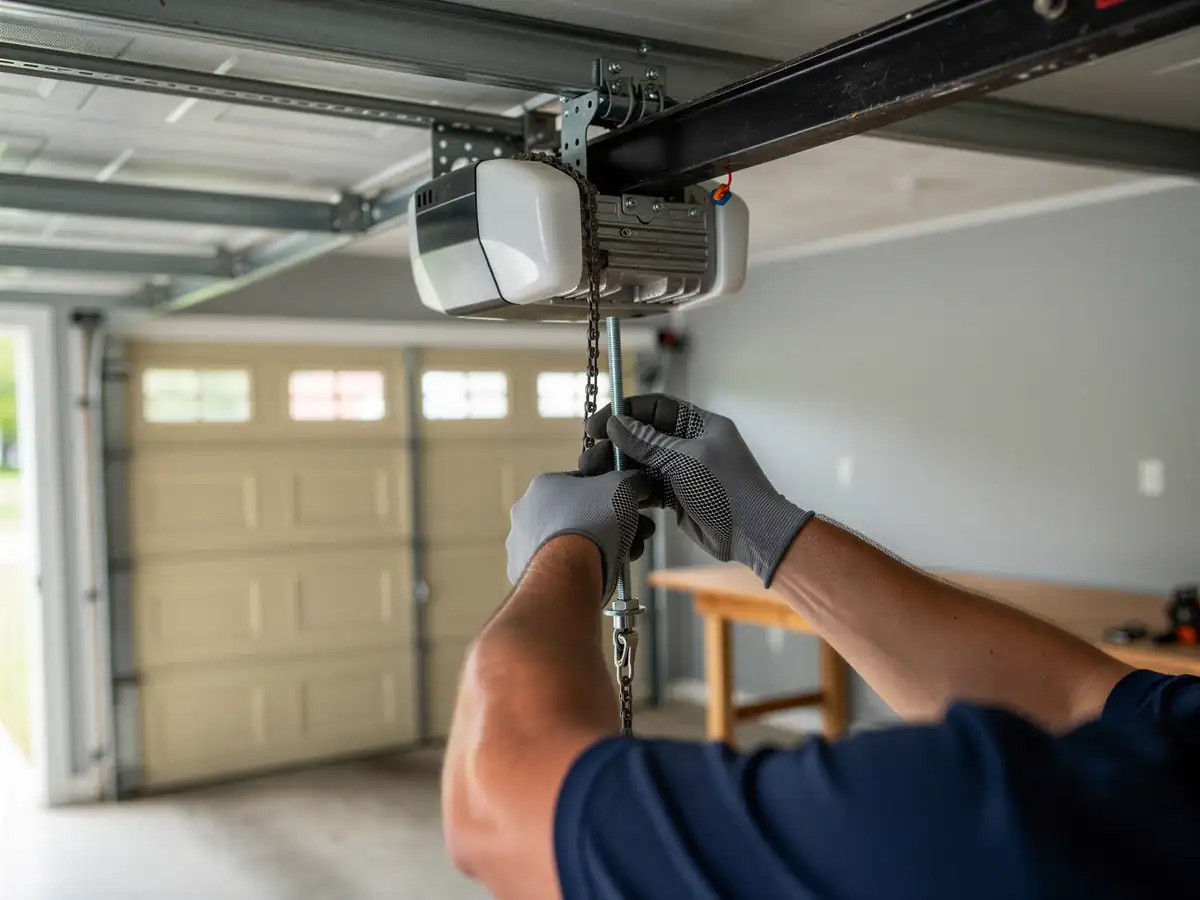
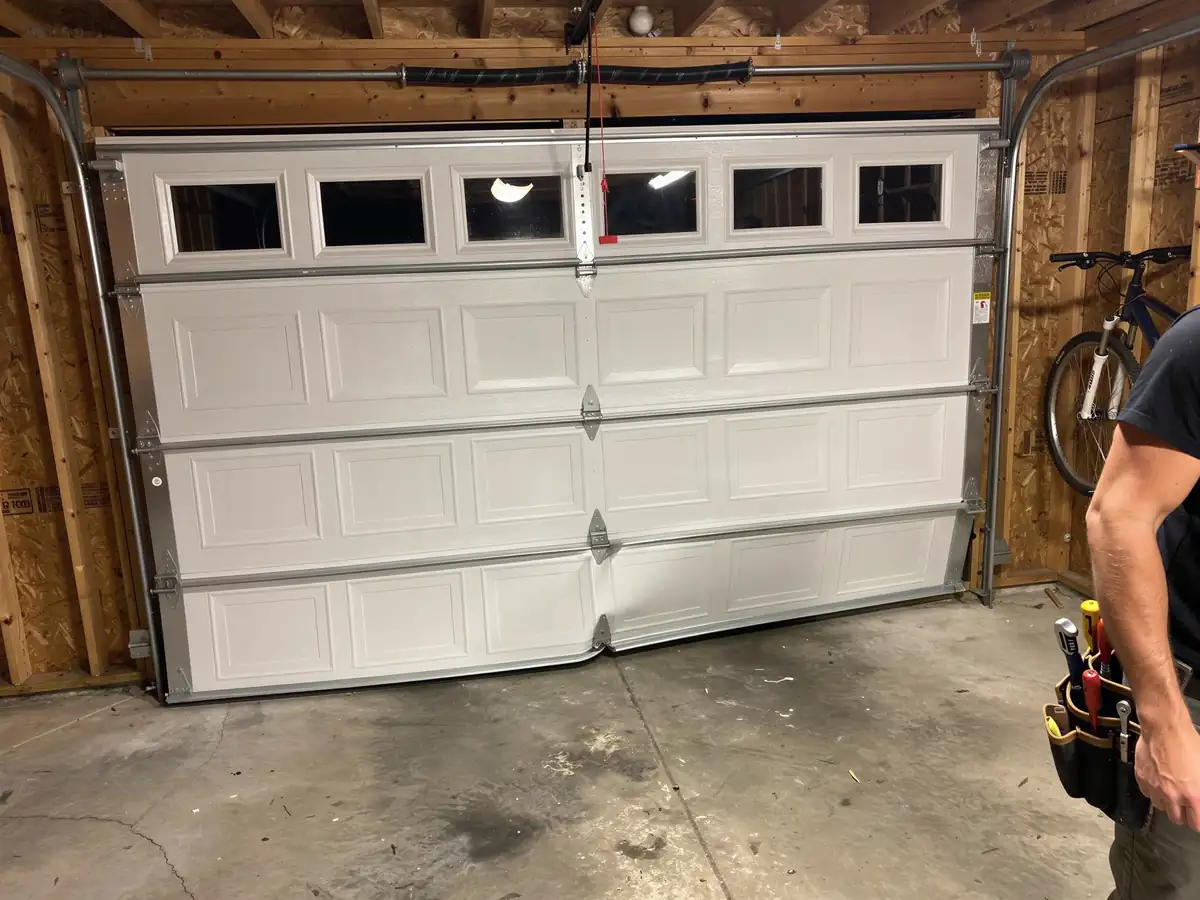
Here's the honest part: not every noise needs a truck. A door that's a little loud but opens and closes square, with no fraying cable and no visible rust on the spring coils, can usually wait. What can't wait is a door that's started to sag on one side, a spring with a visible gap in the coil, or an opener that's grinding instead of running smooth - those get worse fast and they get worse unevenly, which is how someone ends up with a door stuck halfway down. We'll also say plainly that we don't try to stretch a repair past the point it makes sense. If a door is old enough that the track, the hardware, and the panel are all failing at once, patching one piece and leaving the rest is a bad use of your money, and we'll tell you that instead of billing you for it in pieces over a year. That's the kind of call that's worth having someone look at in person rather than guessing from a description over the phone.