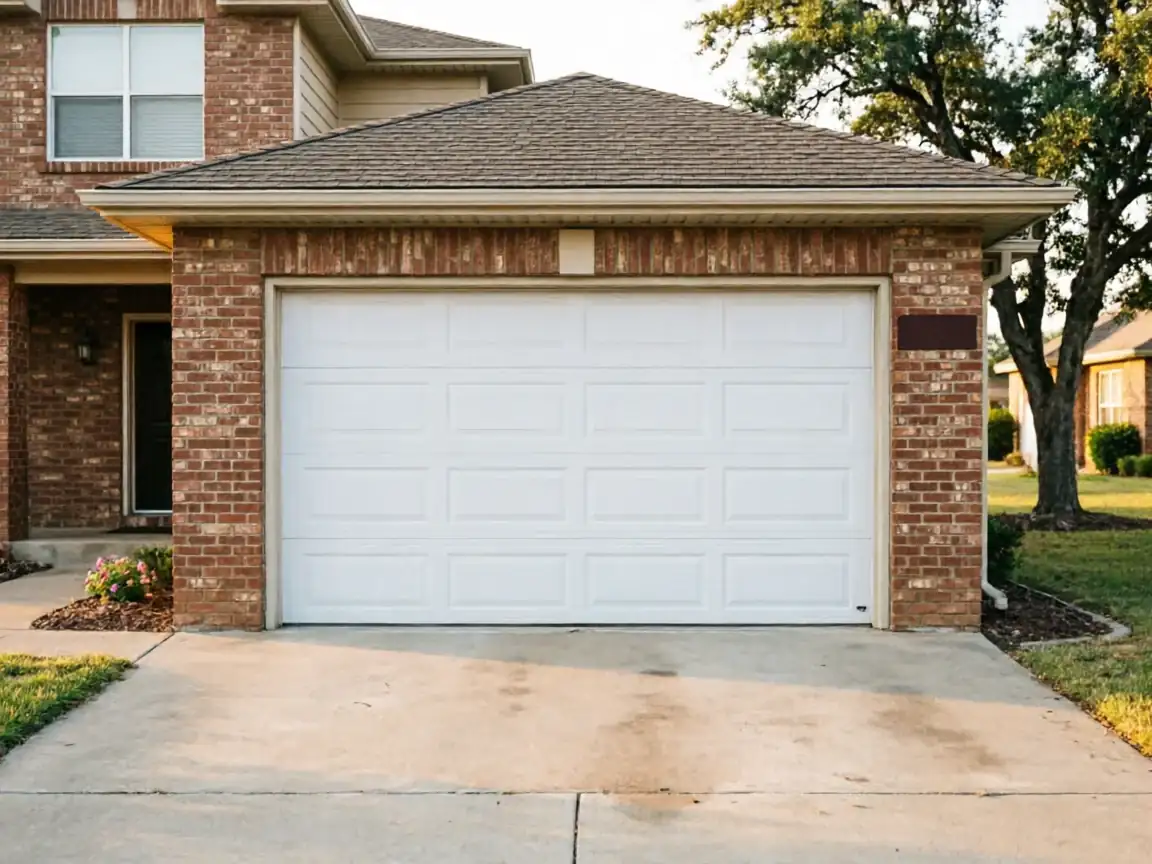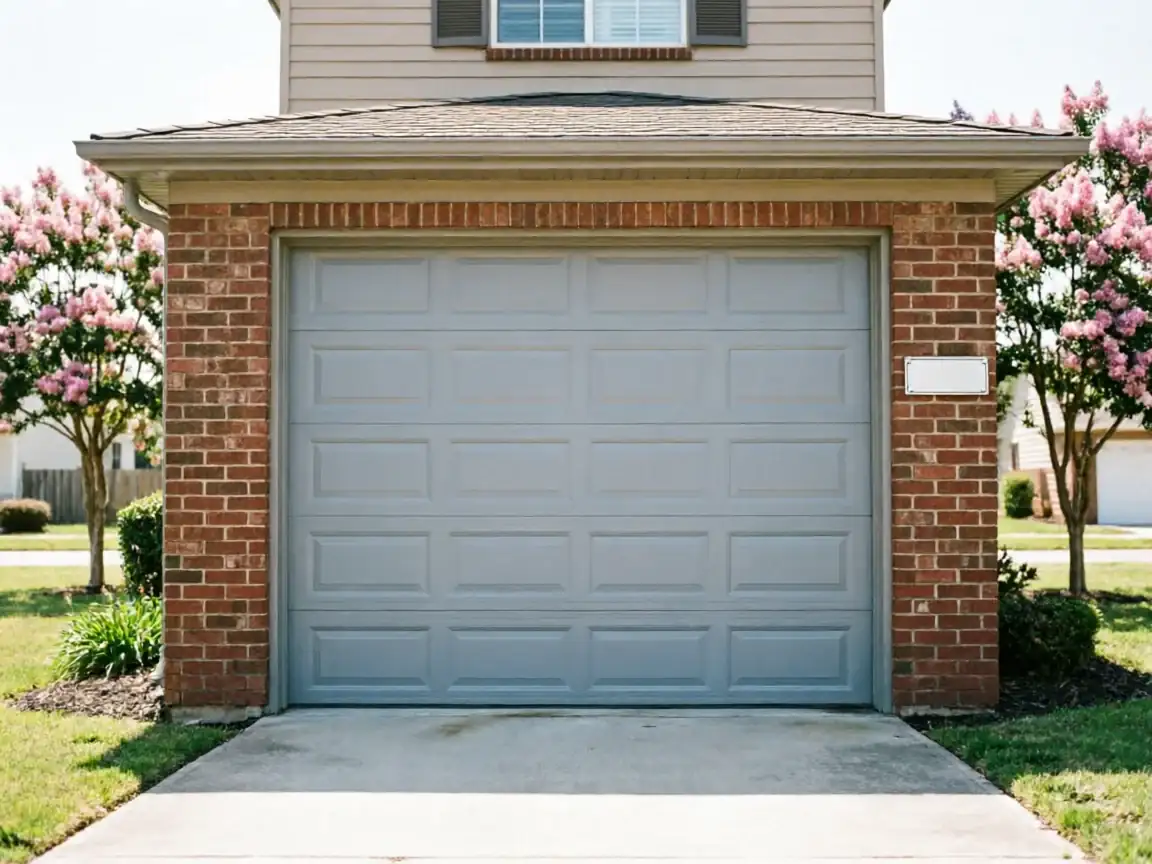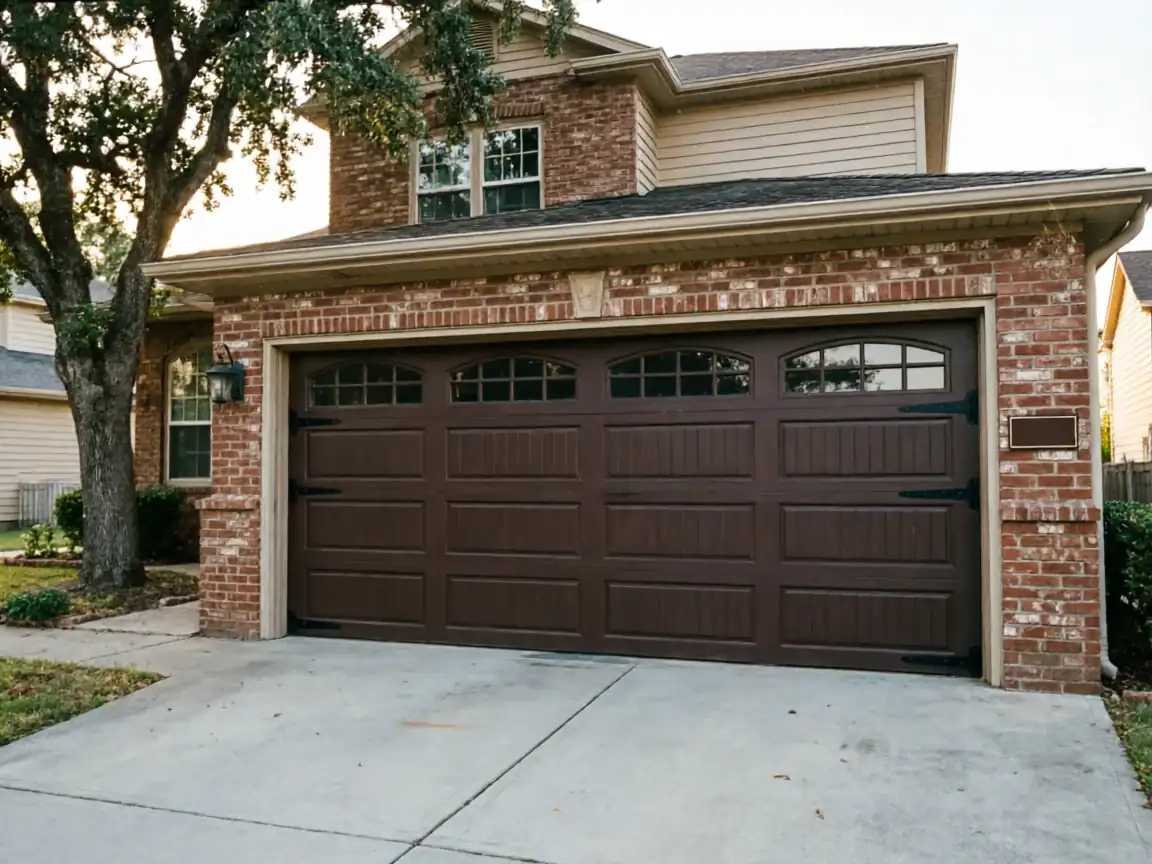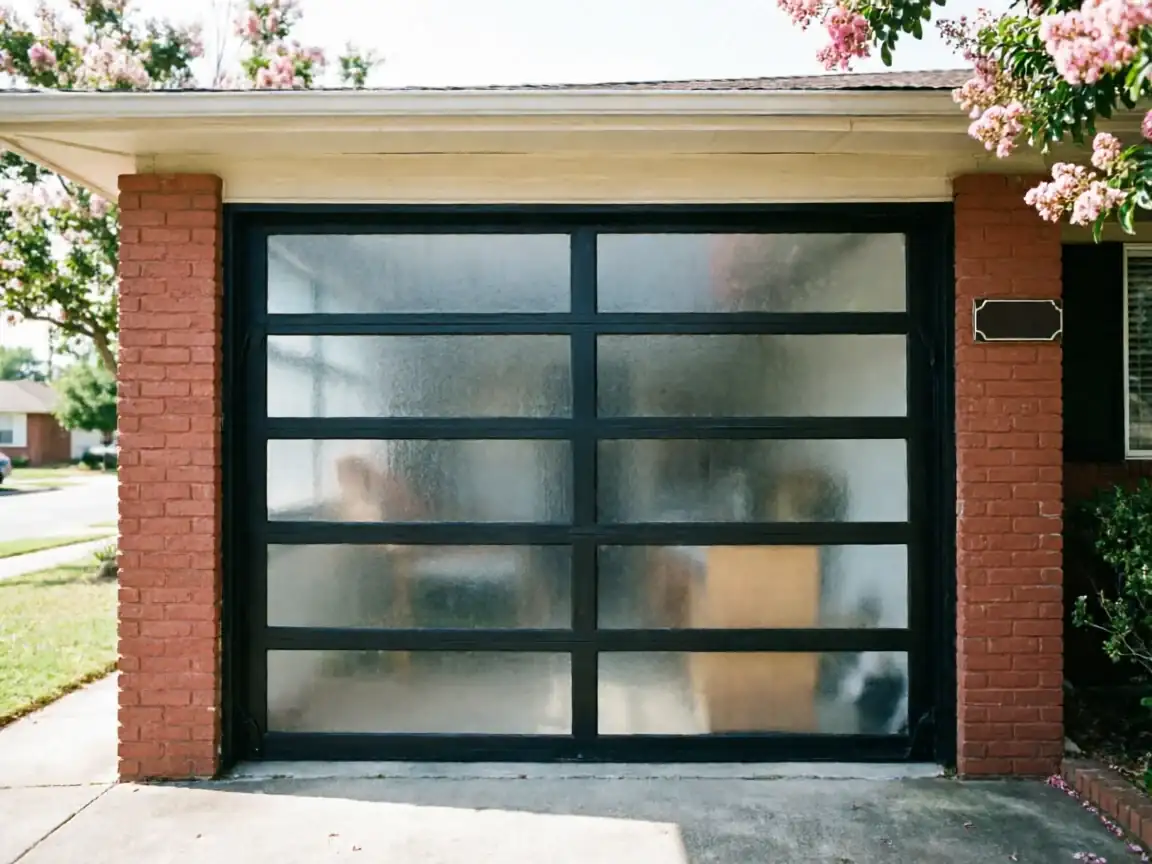
How We Fix It
Maintenance on a residential door is a short list done right, not a long list done fast
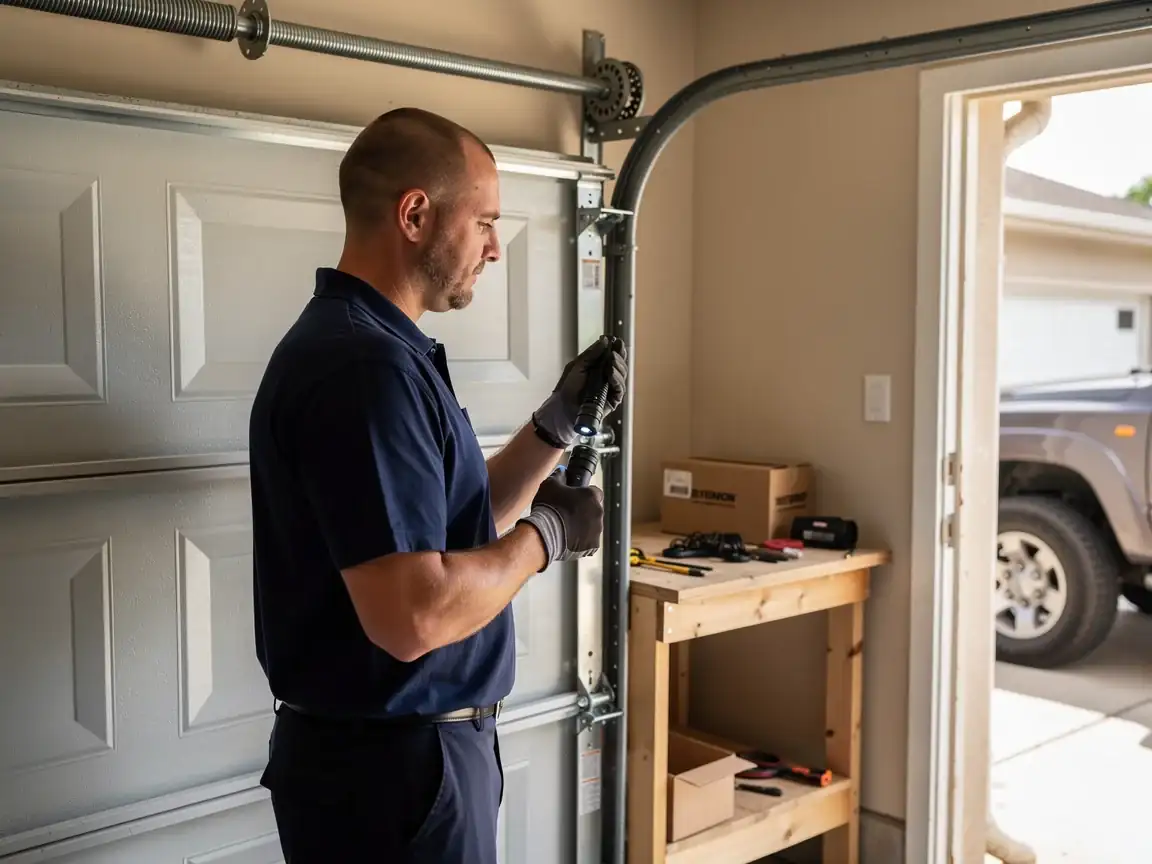
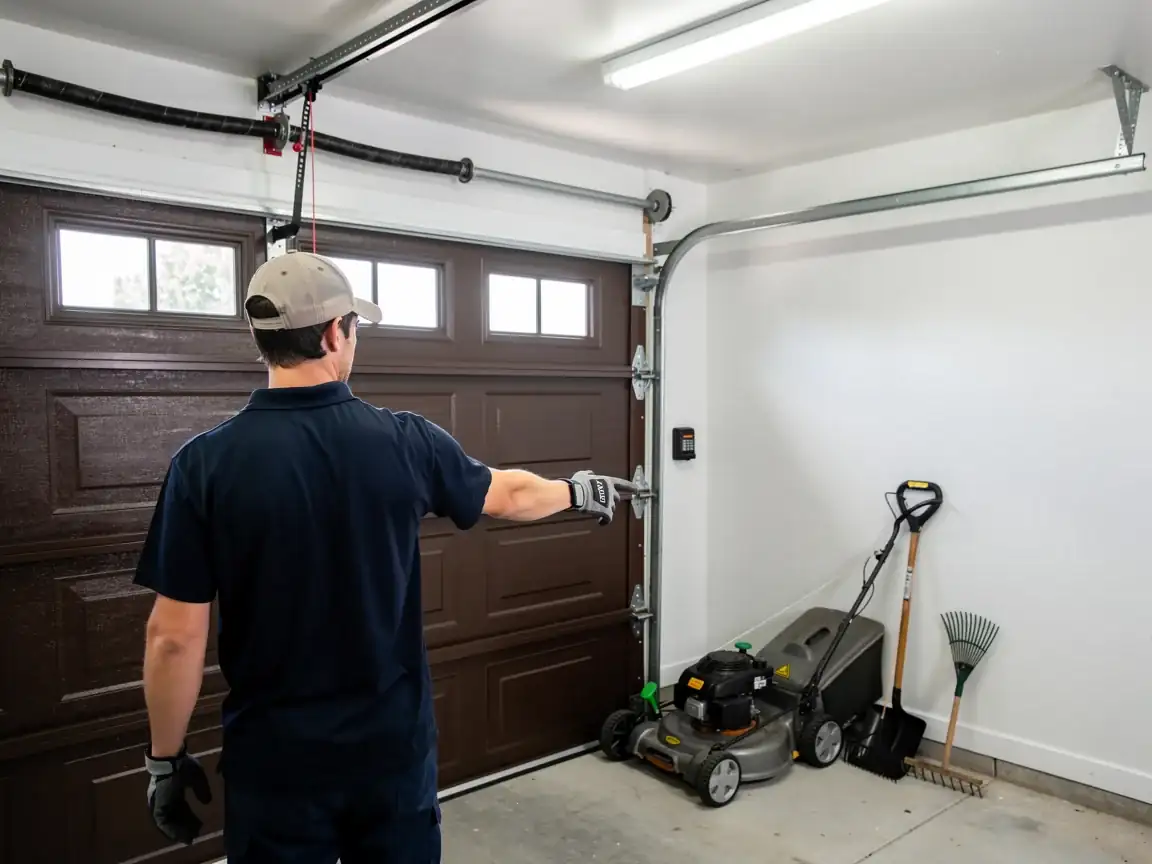
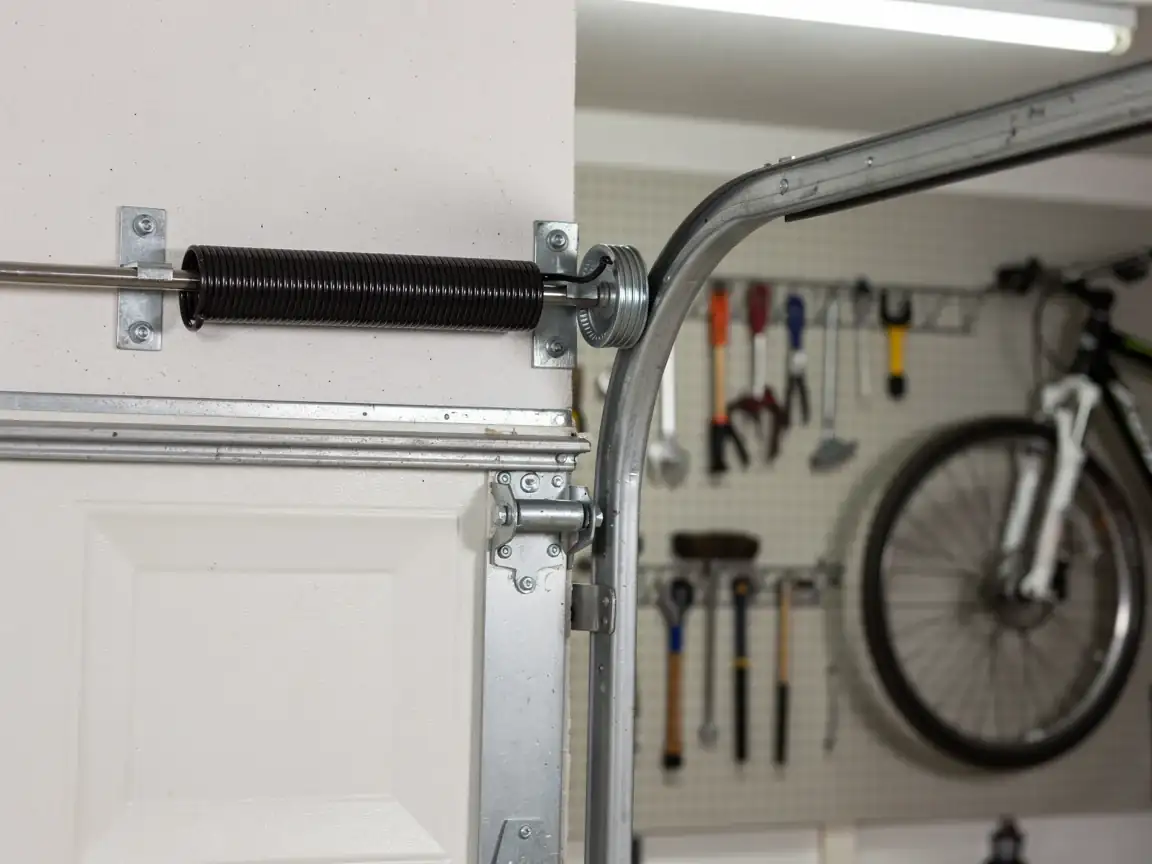
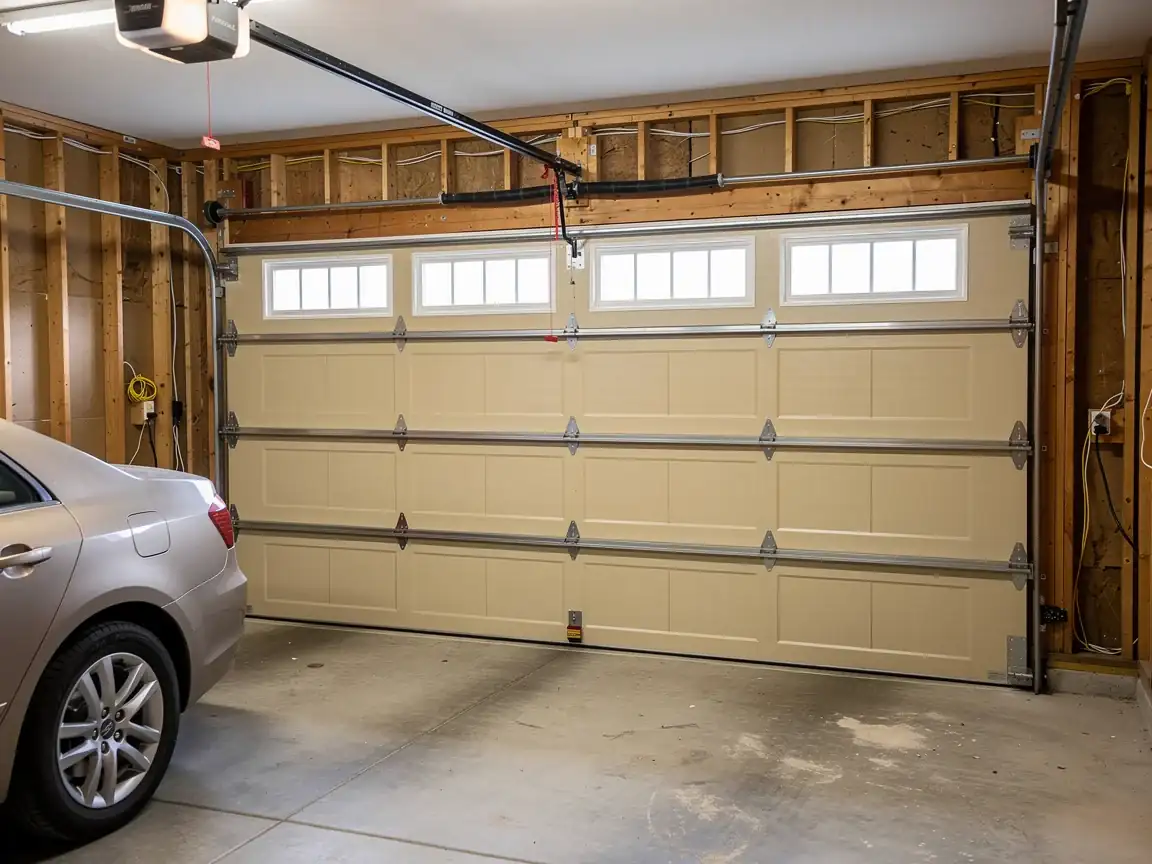
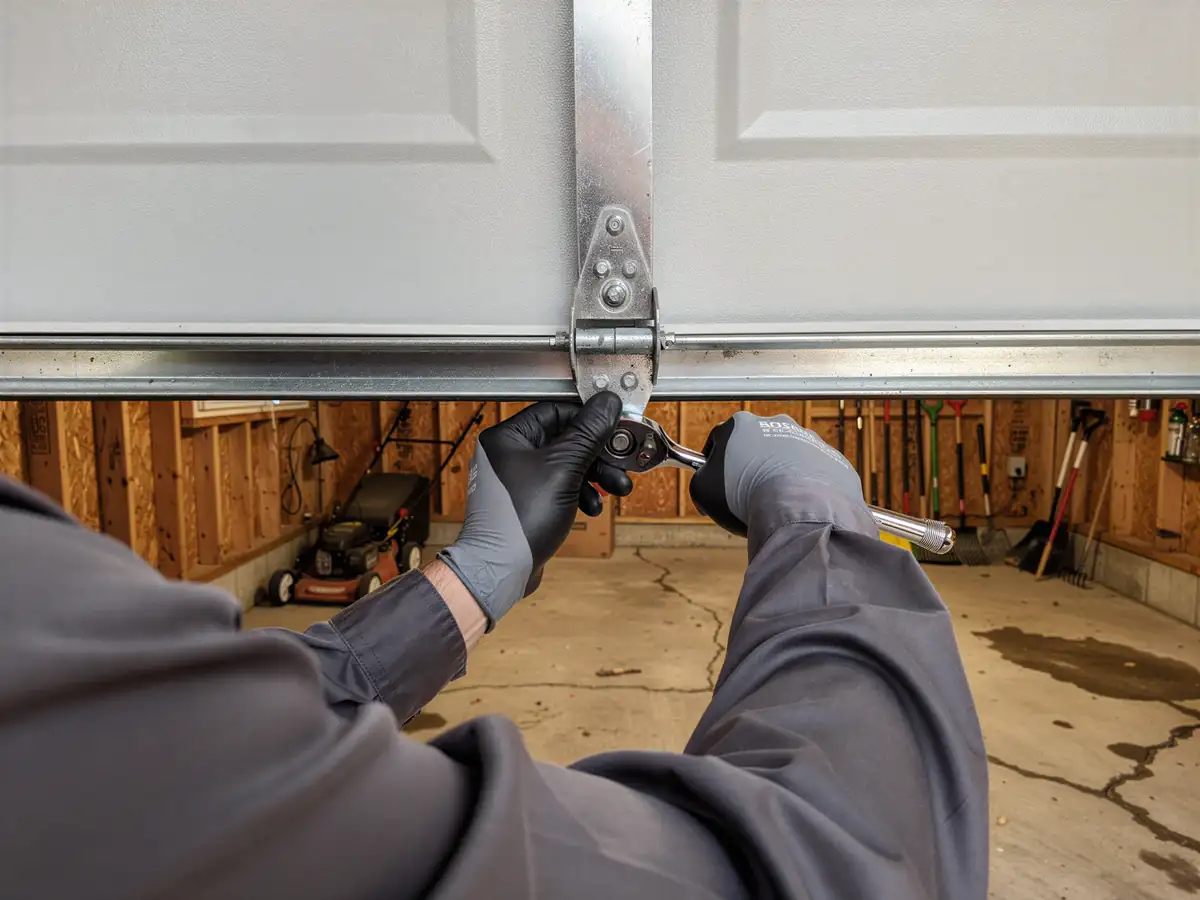
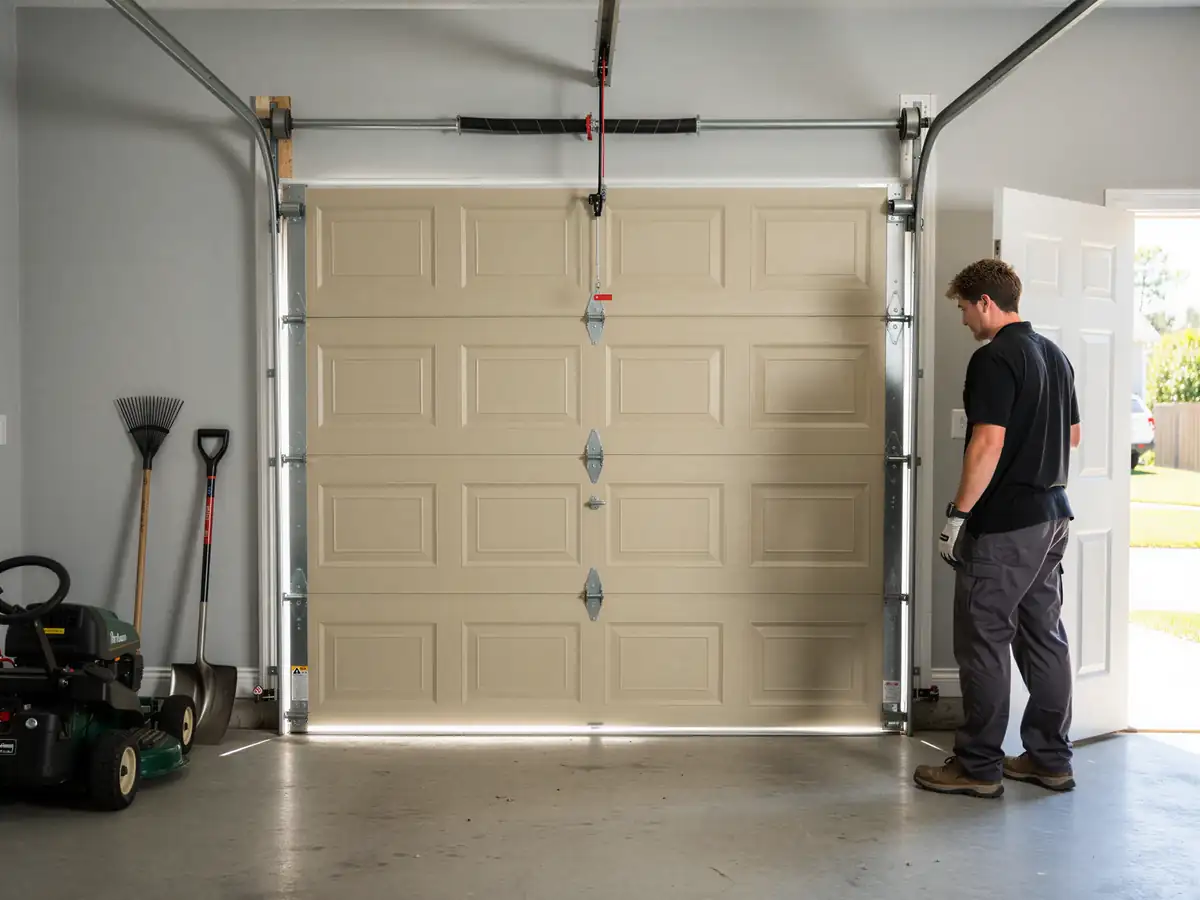
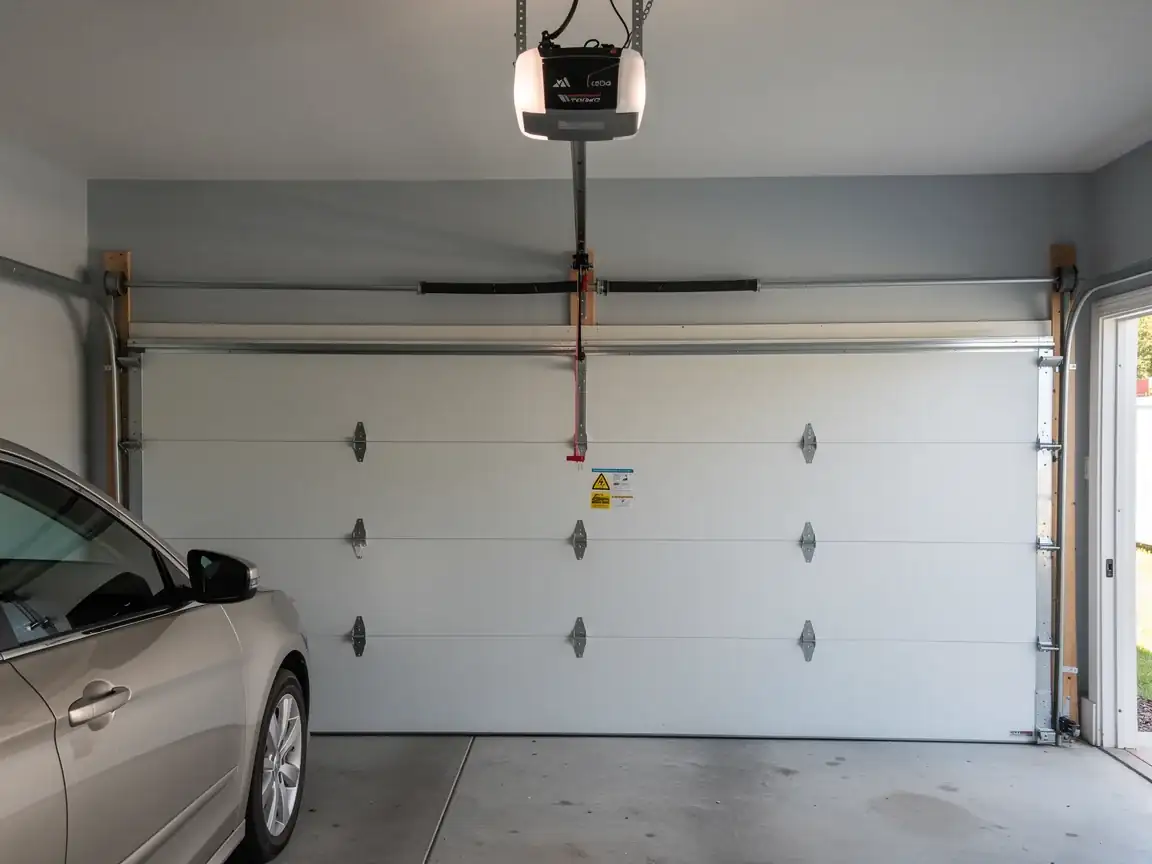
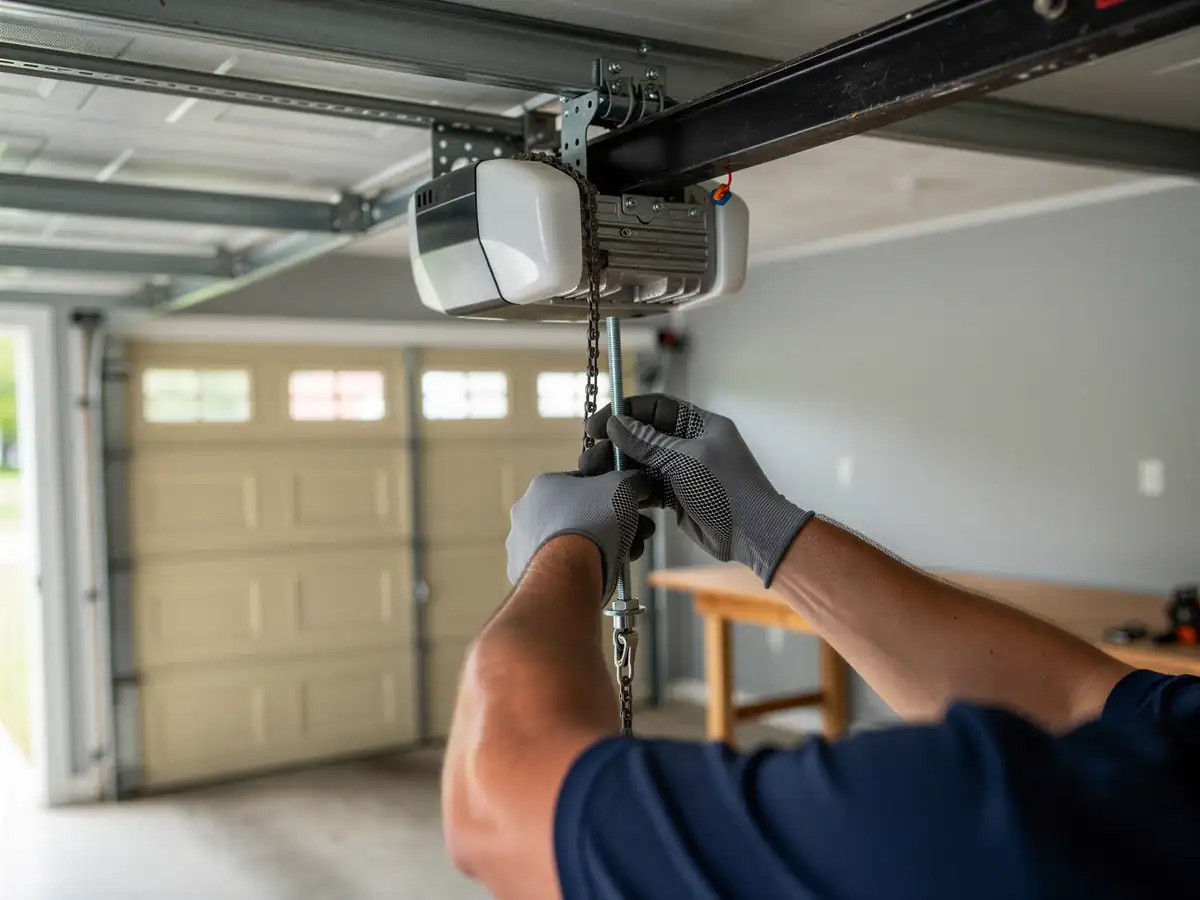
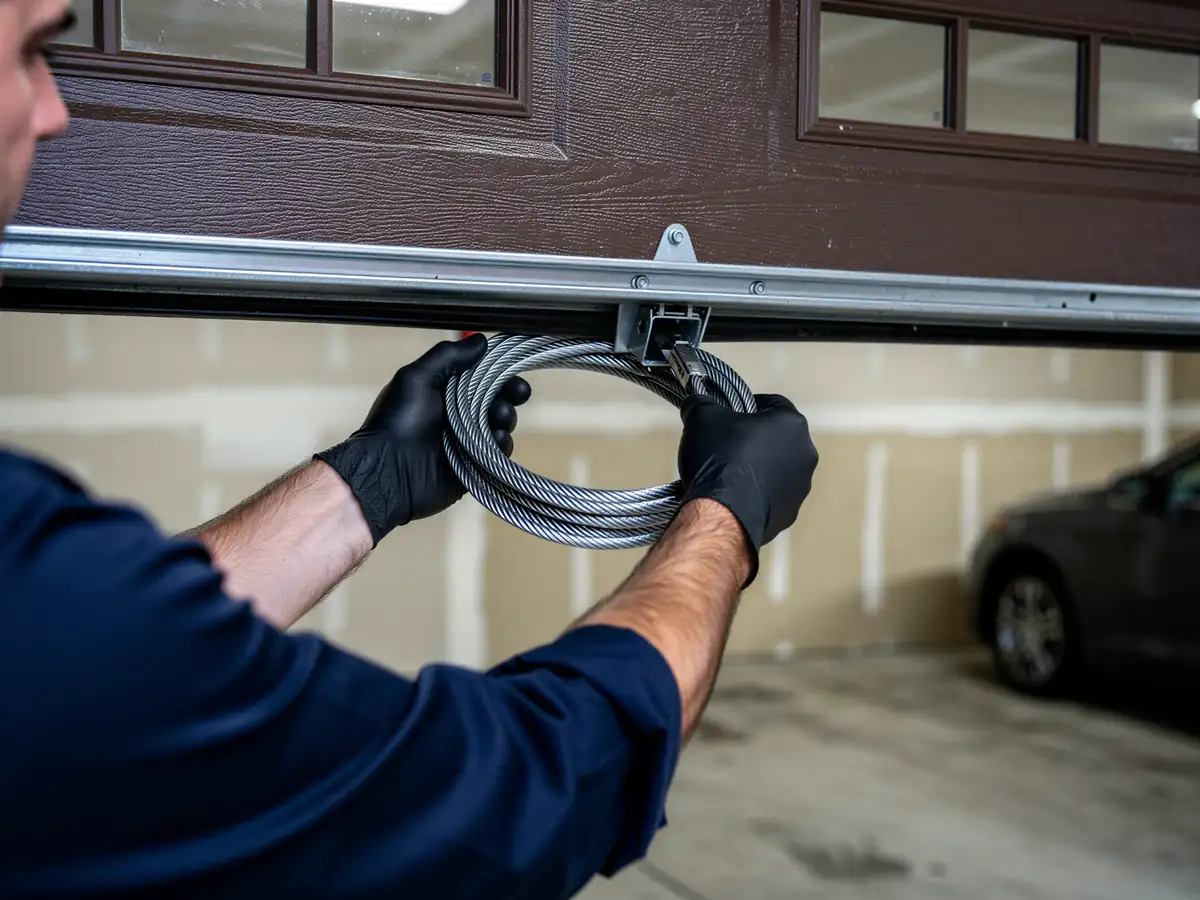
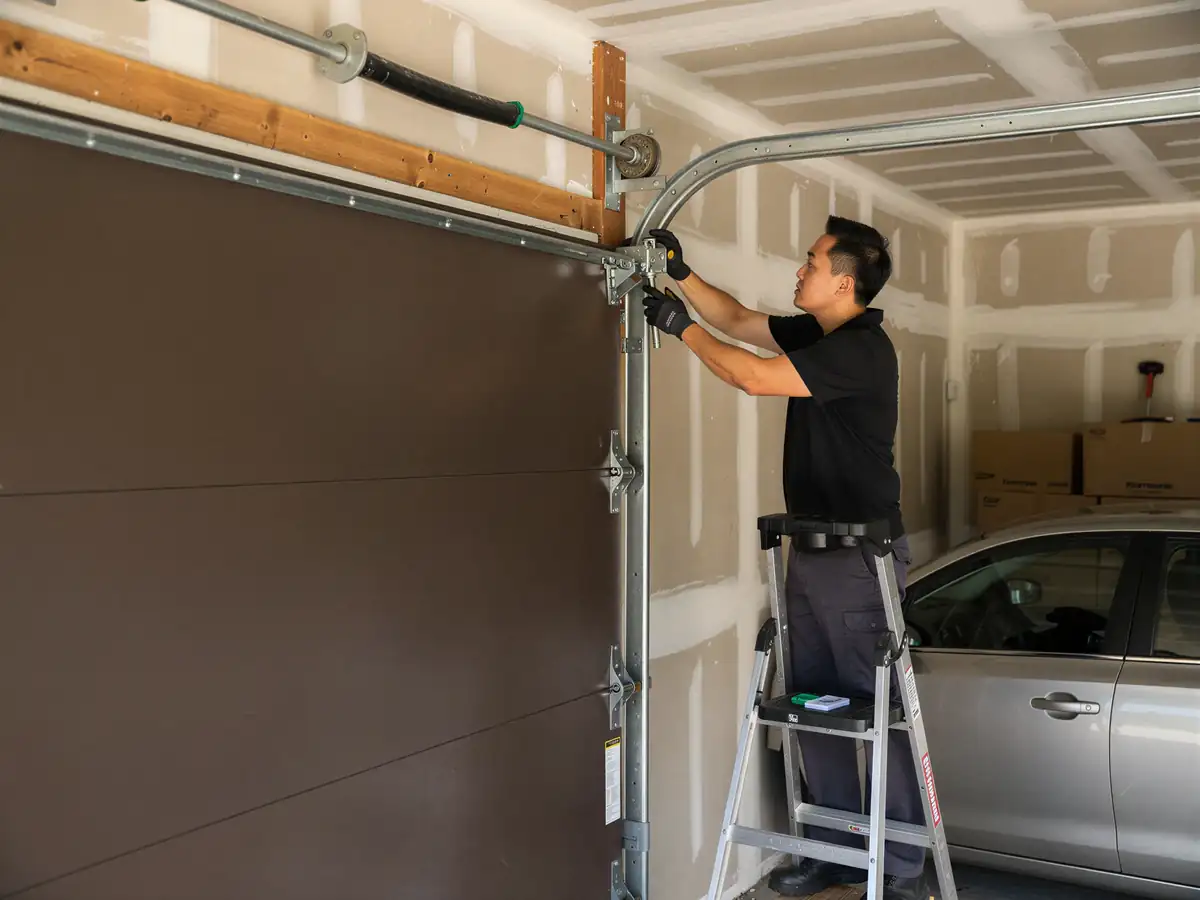
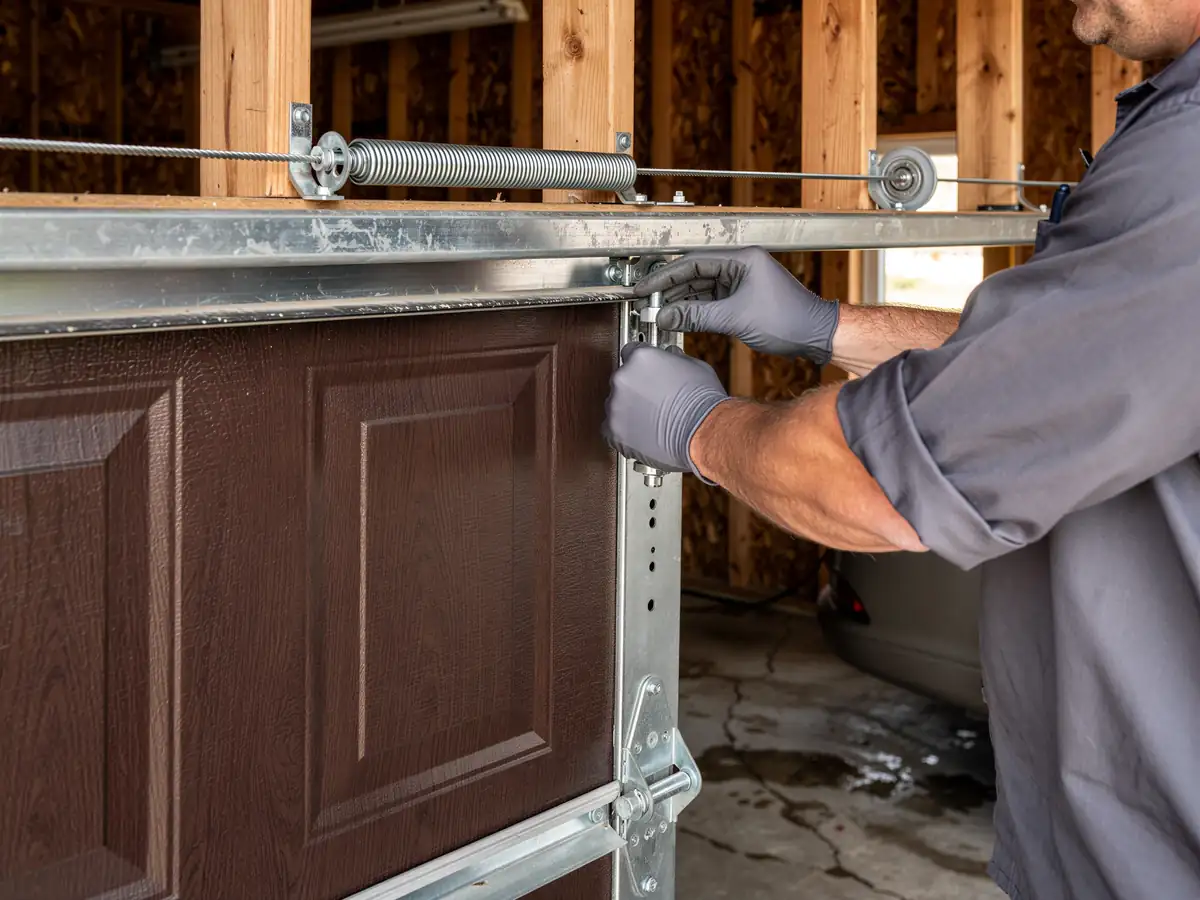
We check spring tension and winding on the torsion bar, because an under- or over-wound spring is the single biggest cause of a door that feels heavy or slams. We pull and inspect the rollers and track alignment, lube the hinges and bearing points (not the track itself, which doesn't need it), check cable fray at the drum, and test the opener's force and travel limits against the door's actual weight.
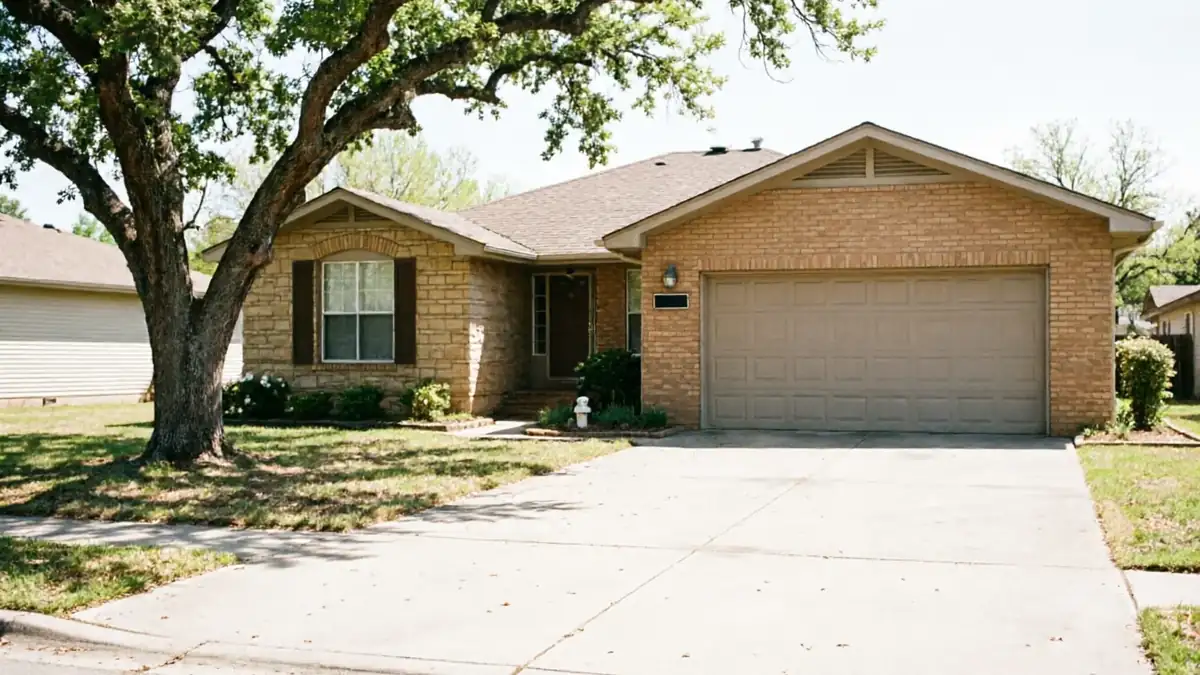
Most of the homes we service were built between 1987 and 2013
With a median build year around 1996 across the 16 communities we cover. That means a lot of original torsion springs and first-generation chain-drive openers are now 15 to 35 years into service - old enough that the factory lubrication has dried out and the spring's lifecycle is closer to its end than its start.
- 16 communities
- 35 years
We'll tell you straight if a part is close to failure versus just noisy
A spring with visible gaps between coils or rust pitting gets flagged for replacement, not oiled and sent on. One honest limit: we don't stock every opener logic board on the truck, so if yours needs a specific board swap, that's a second trip while we order it.
Why This Fails Locally
The service area sits in a cold-moderate climate band, and that swing matters more to a garage door than people expect. Steel contracts in cold air, which tightens tolerances on the track and can turn a slightly misaligned roller into a binding one overnight. Nylon rollers get brittle faster in repeated cold-to-warm cycling than most owners assume, and that's the roller type builders used through most of the 1987-2013 run common here.
Across the 16 named communities we cover, the housing stock clusters in 1980s-90s construction with a lot of shared door hardware from the same handful of builders. That's useful for us diagnostically - we see the same opener models and the same spring gauges repeatedly - but it also means a lot of doors are aging out of their service life in roughly the same window. A spring rated for a certain cycle count doesn't care how well you've maintained the rest of the door; it just wears.
The area's housing counts (over 27,500 owner-occupied houses, nearly 39,800 households total) mean this isn't a small or unusual problem - it's a predictable one tied to when these neighborhoods were built, not to any one house's bad luck.
How It Shows Up
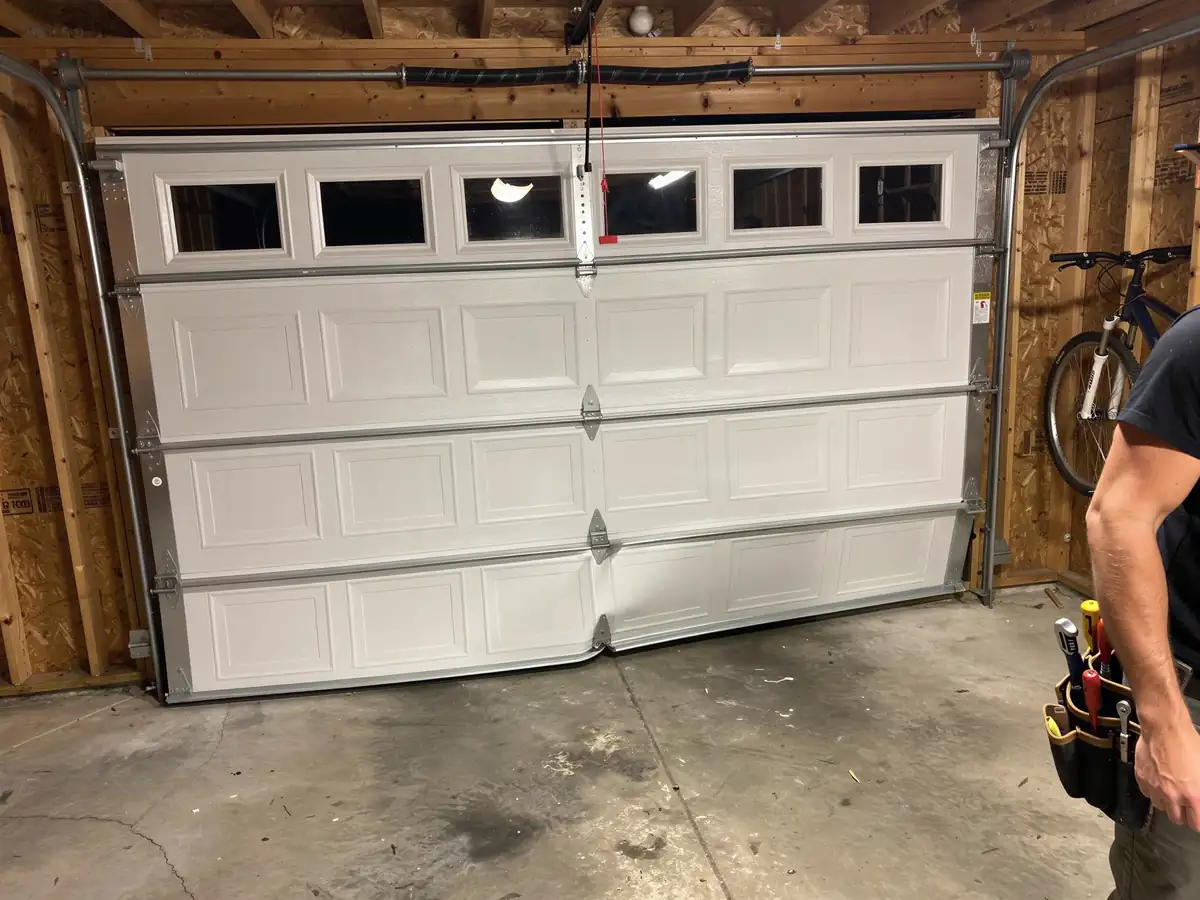
The most common call we get isn't a dead door - it's a door that's getting loud, slow, or uneven on one side. That's usually a spring losing tension unevenly, which puts more load on one cable and one set of rollers than the other. Left alone, that imbalance is what eventually snaps a cable or tears a bottom bracket.
In cold stretches, you'll hear it before you see it: a grinding or popping sound as the door starts its travel, especially on the first open of the morning. That's stiff rollers meeting a track that hasn't warmed up, and it's the kind of symptom that disappears by afternoon, which is exactly why people put off calling.
Openers built in that 1987-2013 window are also starting to show their age in subtler ways - a door that reverses for no reason, or takes two tries to close. That's often the force-sensing settings drifting as the mechanical parts they're calibrated against wear down, not an electrical fault. It's worth a look before it becomes a safety issue, since a door that won't reverse properly on an obstruction is a hazard, not just an inconvenience.
How to Book
We cover Bentonville and the surrounding communities
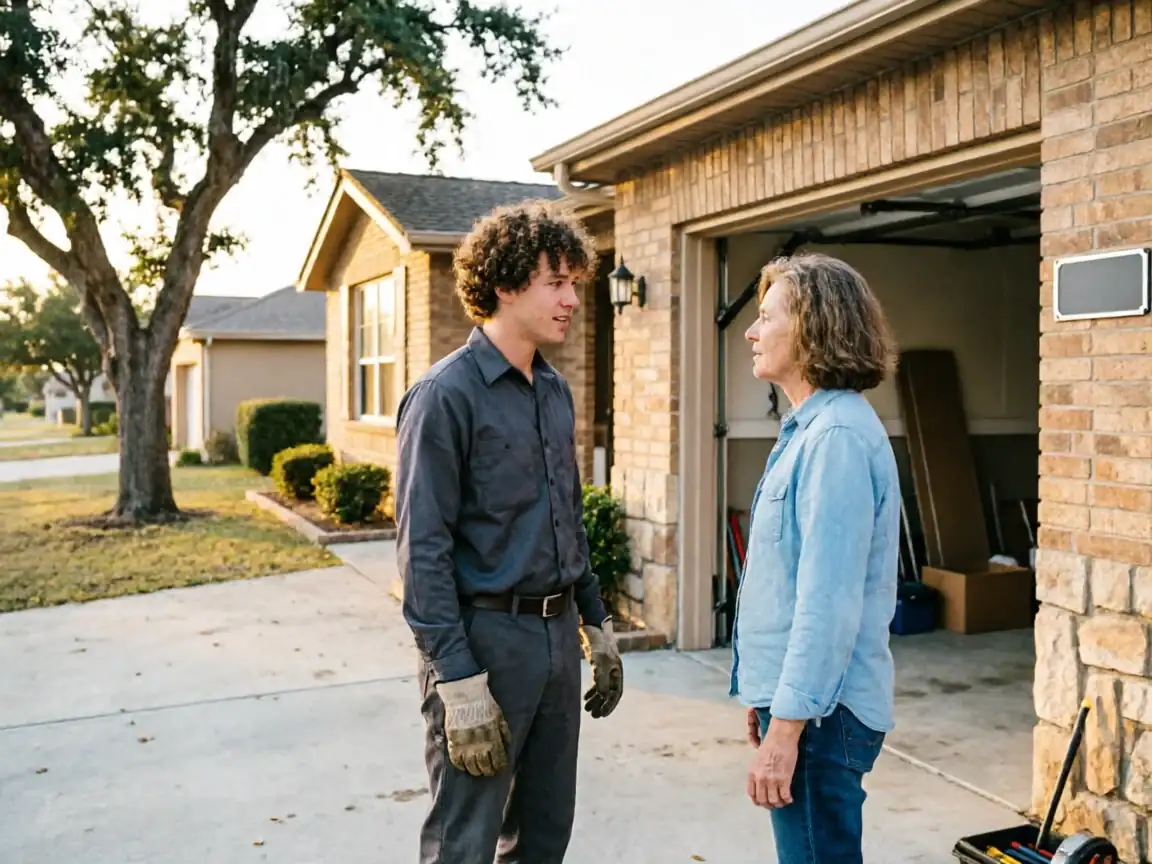
Centerton, Little Flock, Cave Springs, Highfill, Lowell, Bella Vista, Pea Ridge, Gravette, Avoca, Prairie Creek, Elm Springs, Decatur, Tontitown, Johnson, Gentry, and Garfield - from a base a few minutes from downtown Bentonville. Tell us the door's approximate age and whether it's making noise, binding, or reversing unexpectedly, and we can usually tell you over the phone whether it's a maintenance visit or something that needs a parts order first.
If you're not sure your door needs service yet
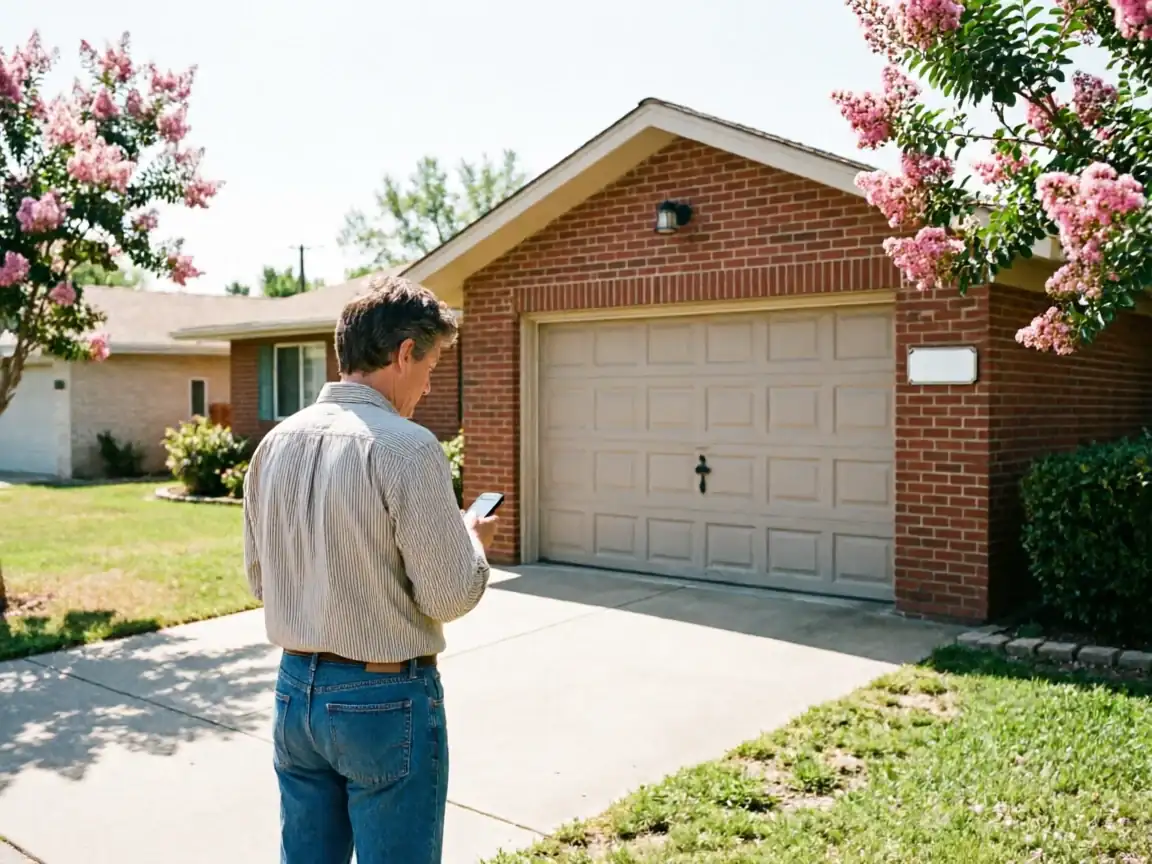
A quick way to check is to disconnect the opener and lift the door by hand halfway. It should hold its position on its own. If it drops or shoots up, the spring is out of balance and that's worth booking sooner rather than later. Reach out through our contact page to get on the schedule.