Why This Fails Locally
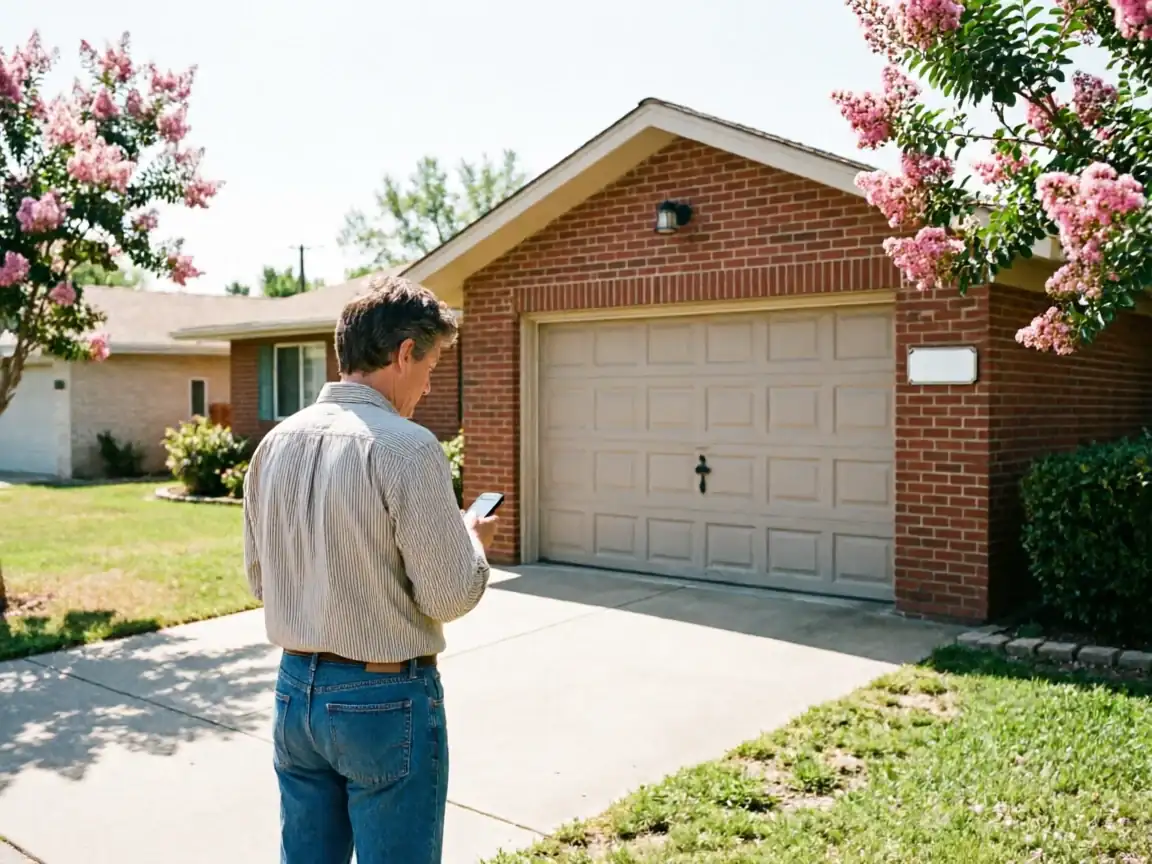
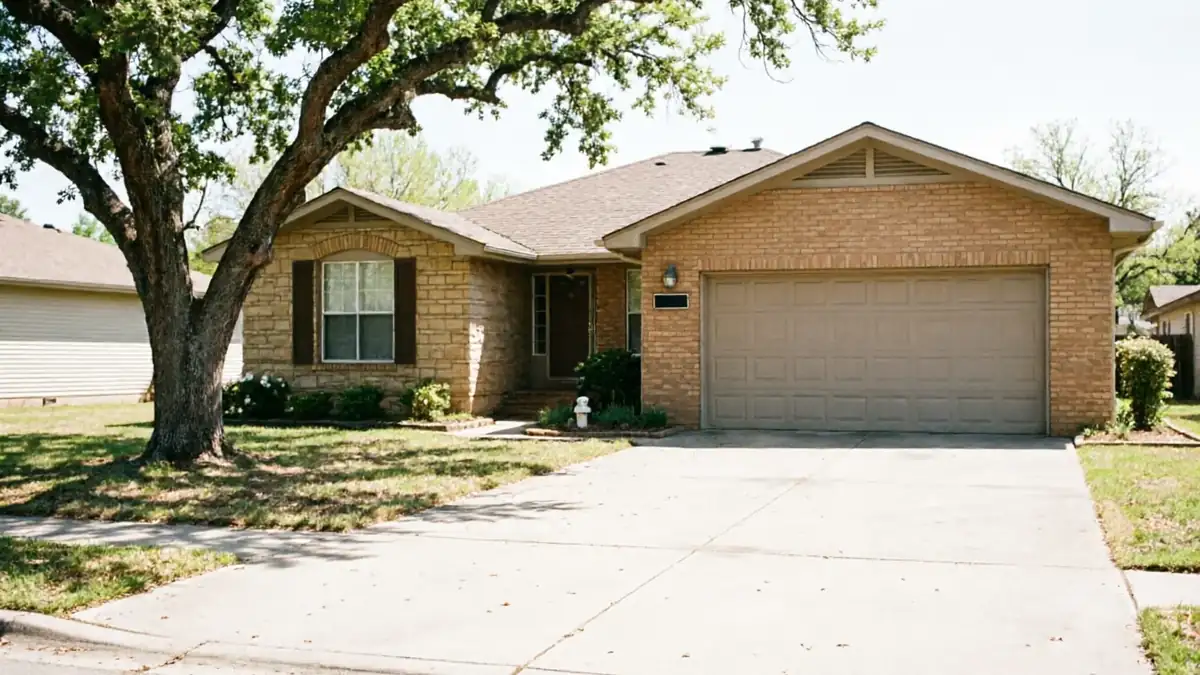
The 16 communities in this service area - Bentonville, Centerton, Little Flock, Cave Springs, and the rest - share the same basic housing timeline: mostly 1980s and 90s stock, with some newer builds mixed in through 2013. That matters because doors installed during that building boom were spec'd to the codes and weather expectations of their decade, not today's. A door hung in 1994 wasn't built with the insulation ratings or spring cycle counts that are standard now, and after 30 years in a cold moderate climate, the steel has fatigued, the spring has cycled tens of thousands of times, and the seals have hardened. This isn't a one-house problem - it's a pattern across the same era of construction repeating street after street. Replacement at this point usually isn't about one broken part; it's that the whole door assembly was engineered for a different set of expectations than what's being installed new today.
How It Shows Up
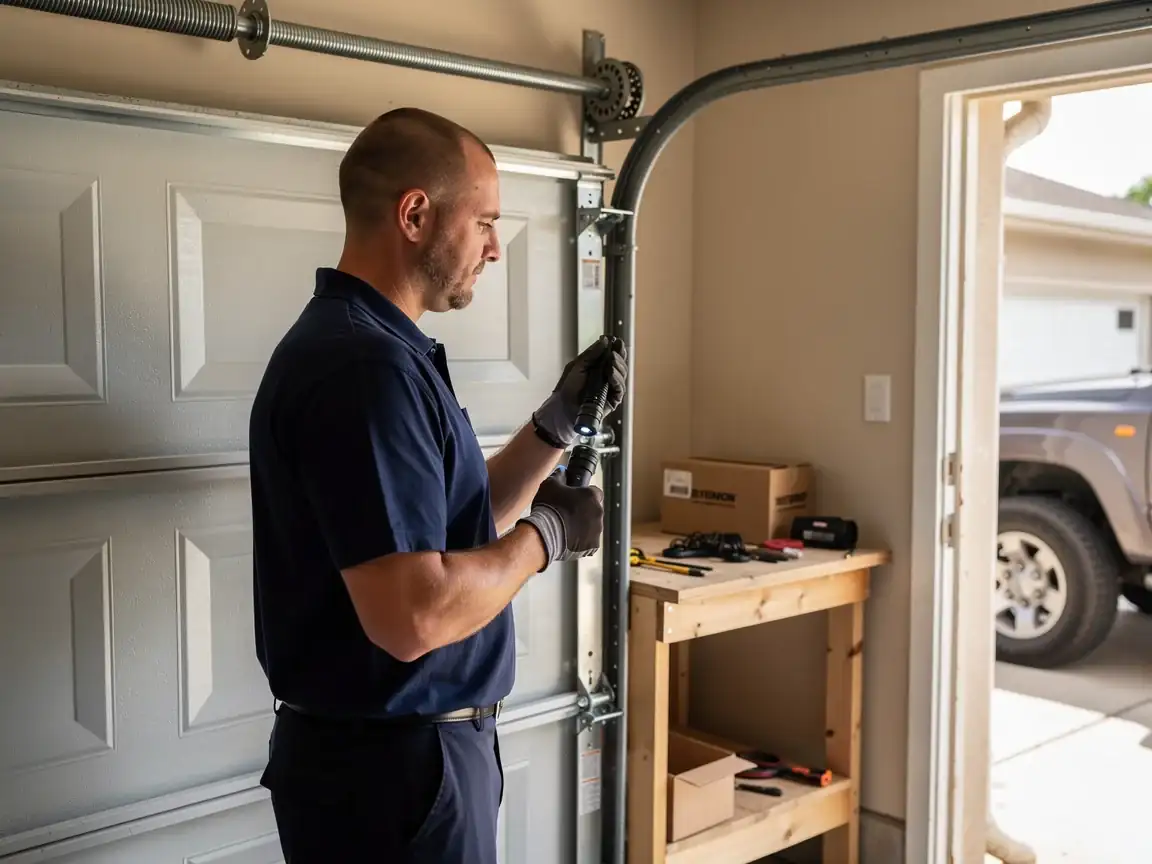
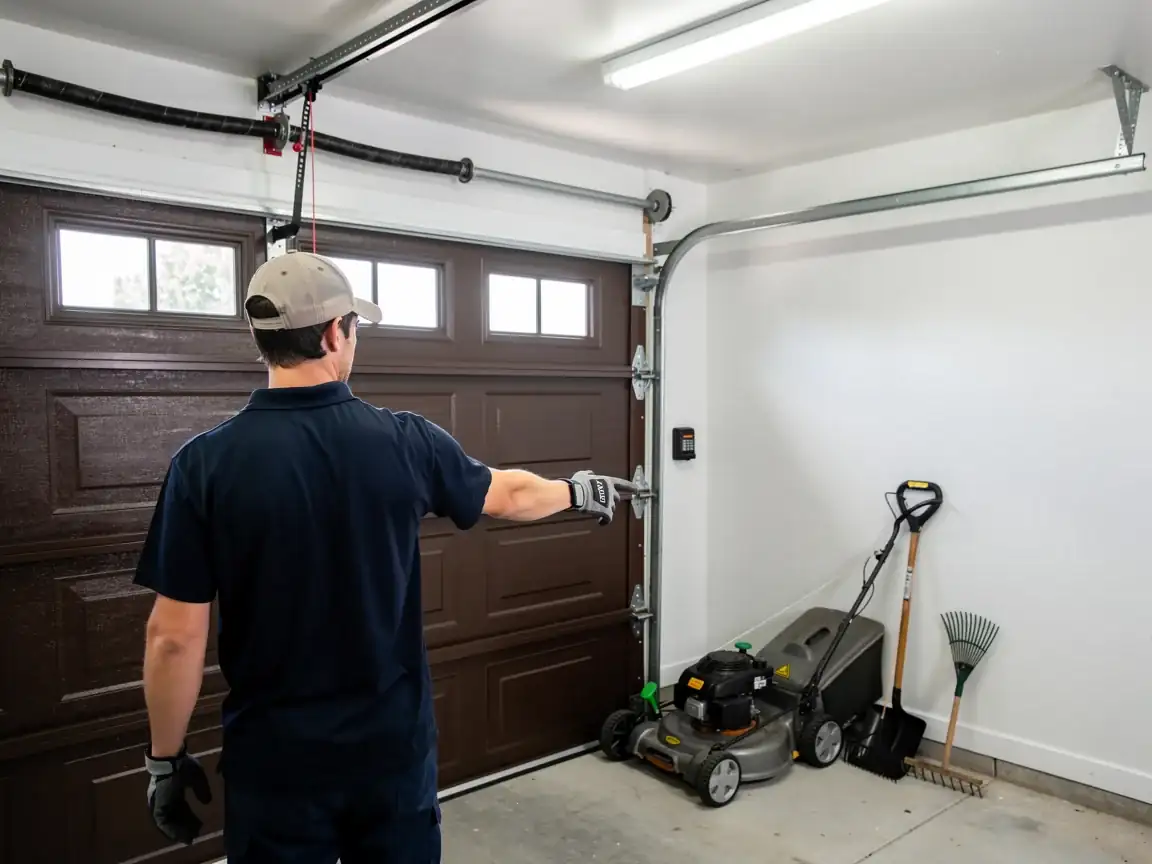
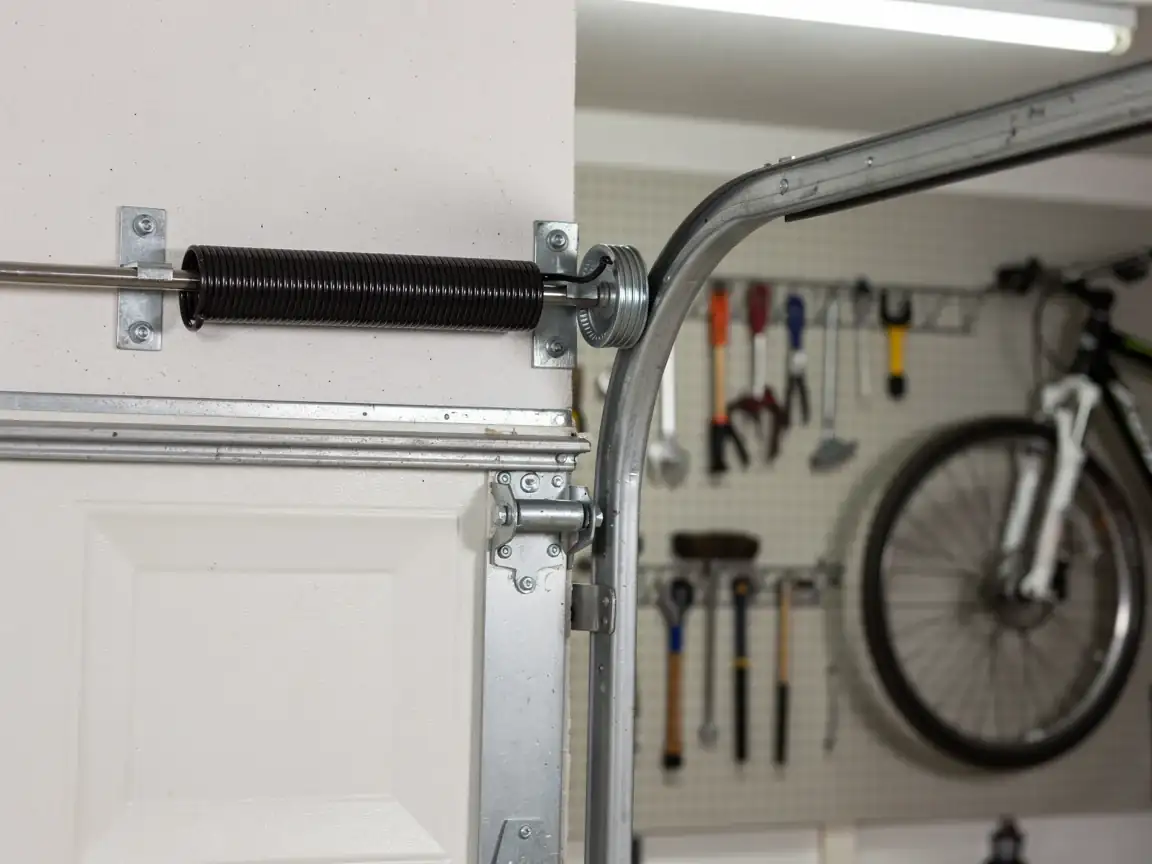
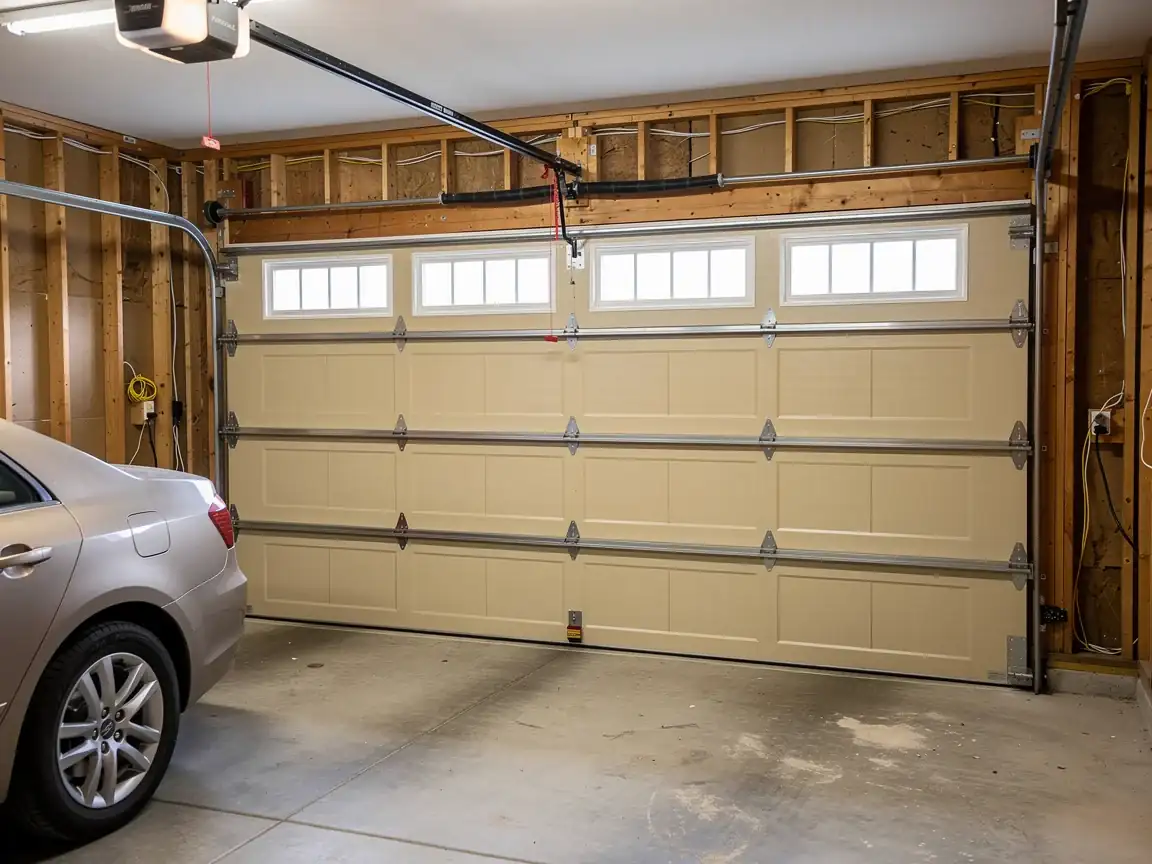
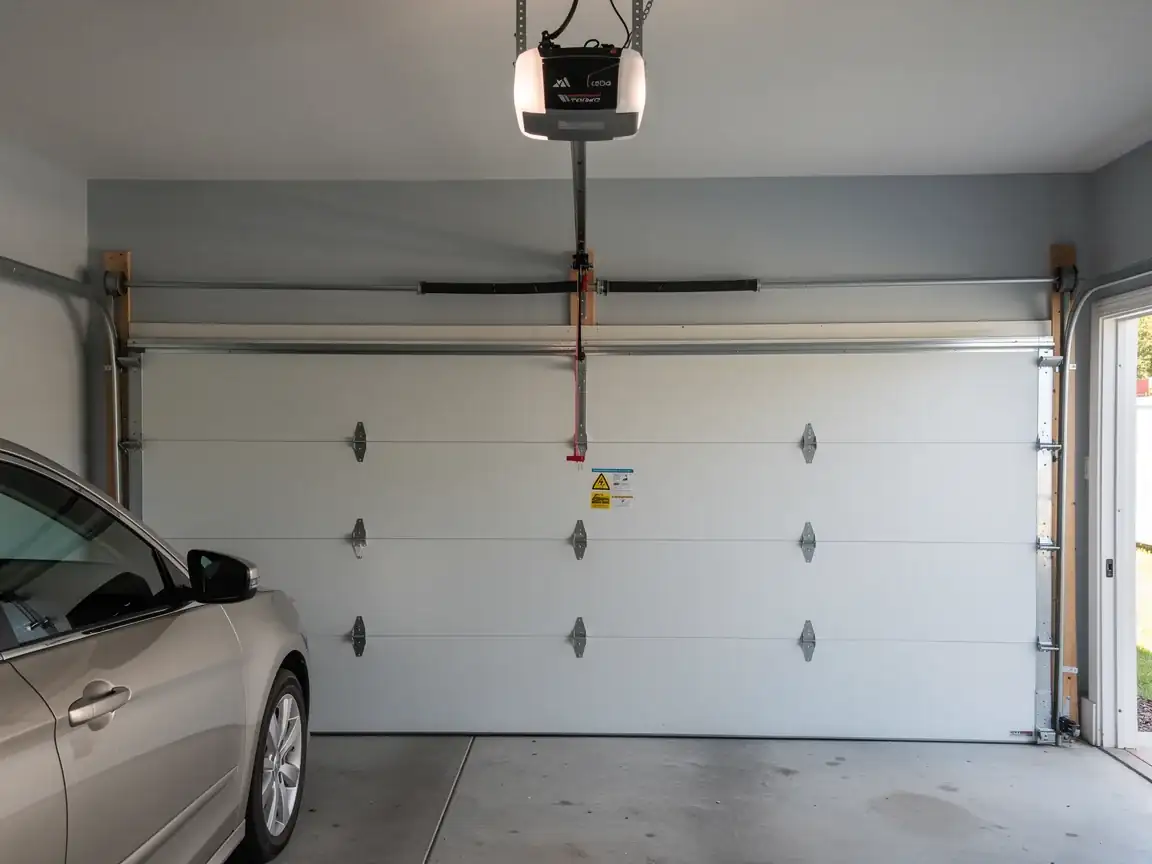
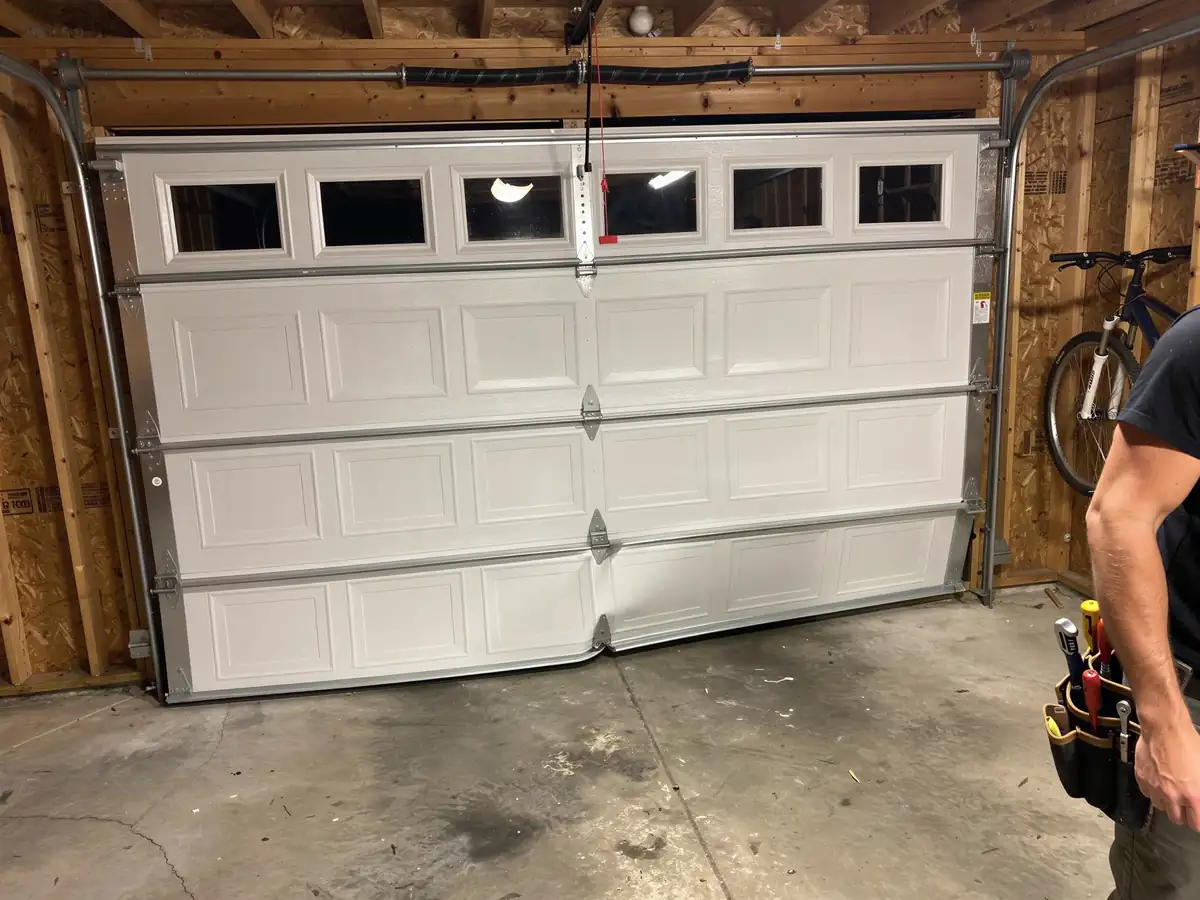
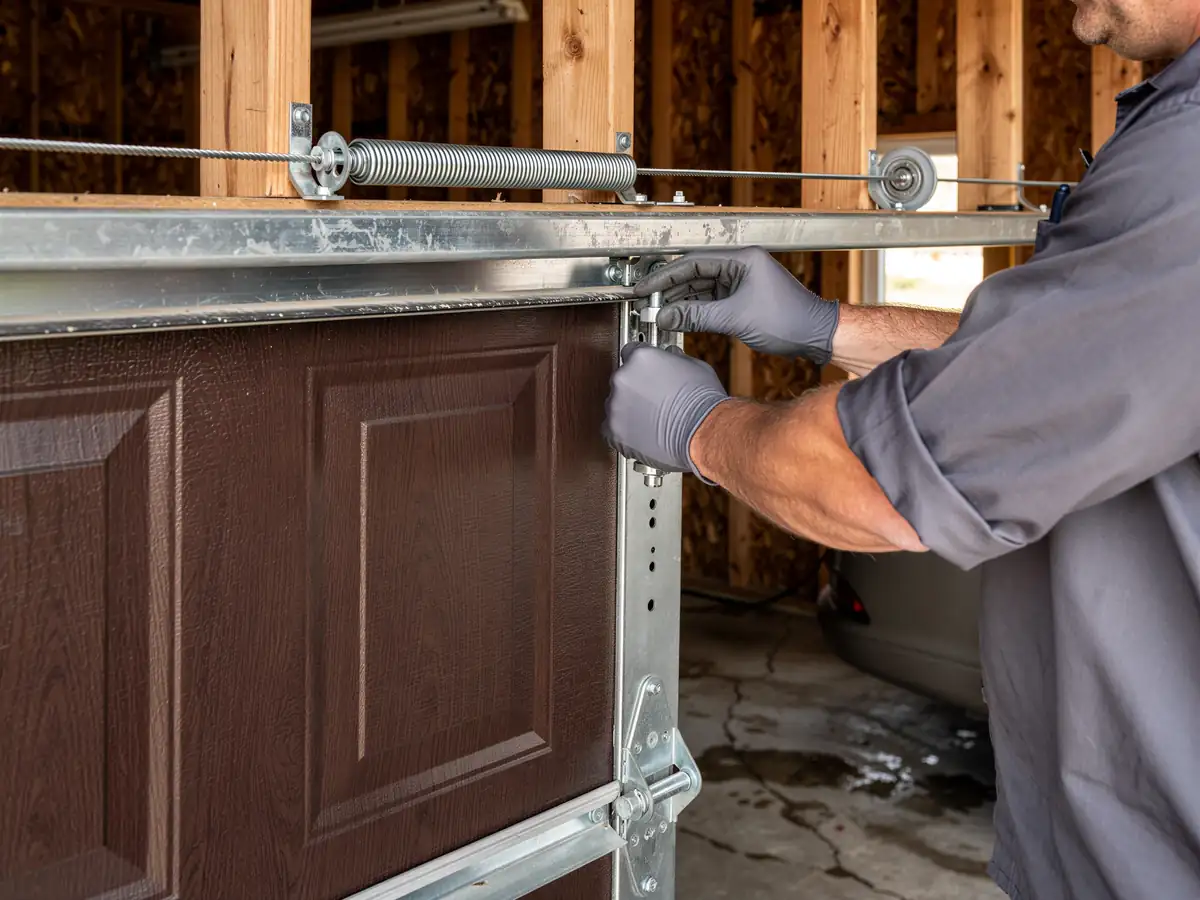
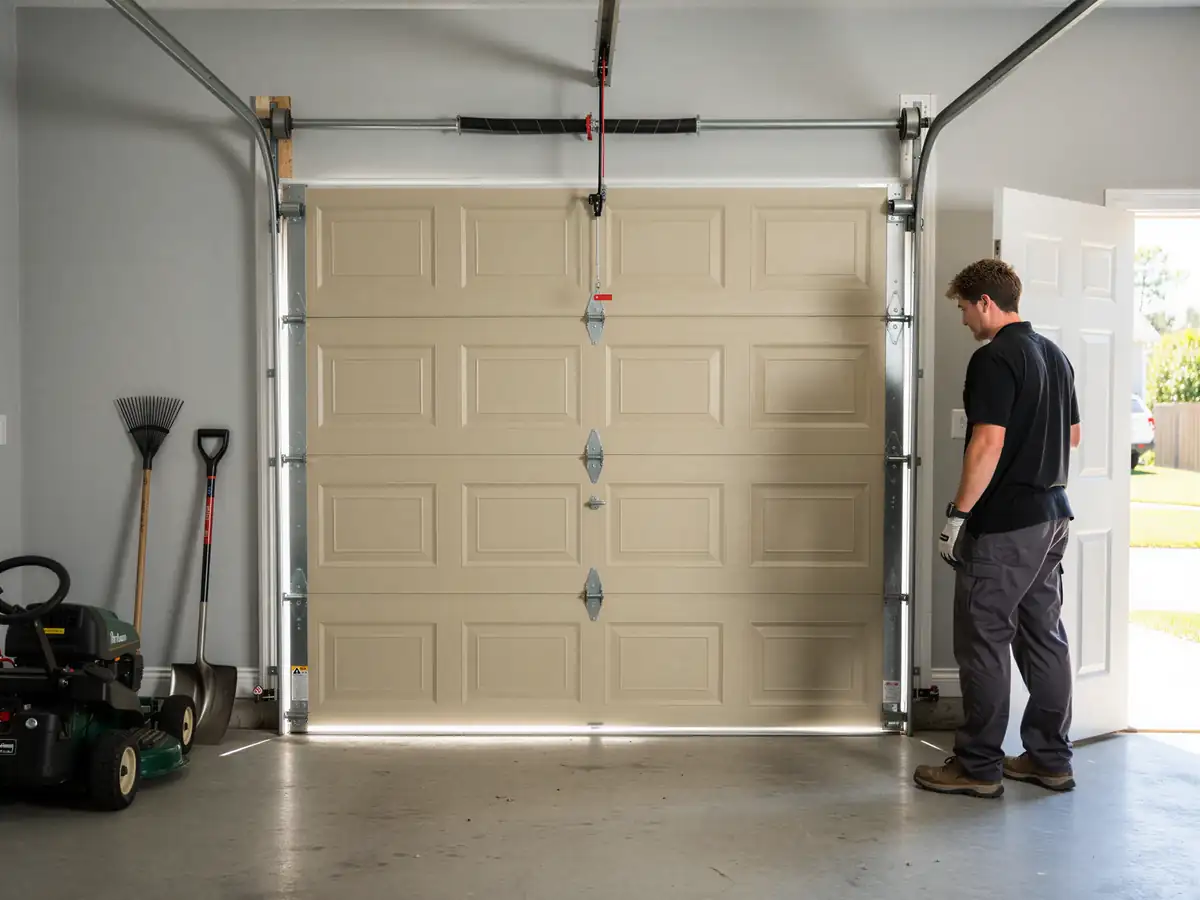
In a house built in the 1987-2013 window, the first sign isn't usually a dramatic failure - it's the door getting noticeably heavier to lift by hand, or the opener straining and reversing partway up. That's the spring losing tension after years of cycling, and on an original builder's door it's often paired with a track that's bowed slightly out of plumb, since the house has settled some since it was framed. You'll also see daylight at the bottom seal in winter, which in a cold moderate climate means cold air pooling in the garage and sometimes against a wall that shares space with living area. Across the service area's 39,766 households and 27,576 owner-occupied houses, a good share of these doors are the original ones - nobody's touched them since the house was built, so when they go, they tend to go as a full-unit replacement rather than a single-part fix.