How We Fix It
Most opener calls fall into a short list of actual faults
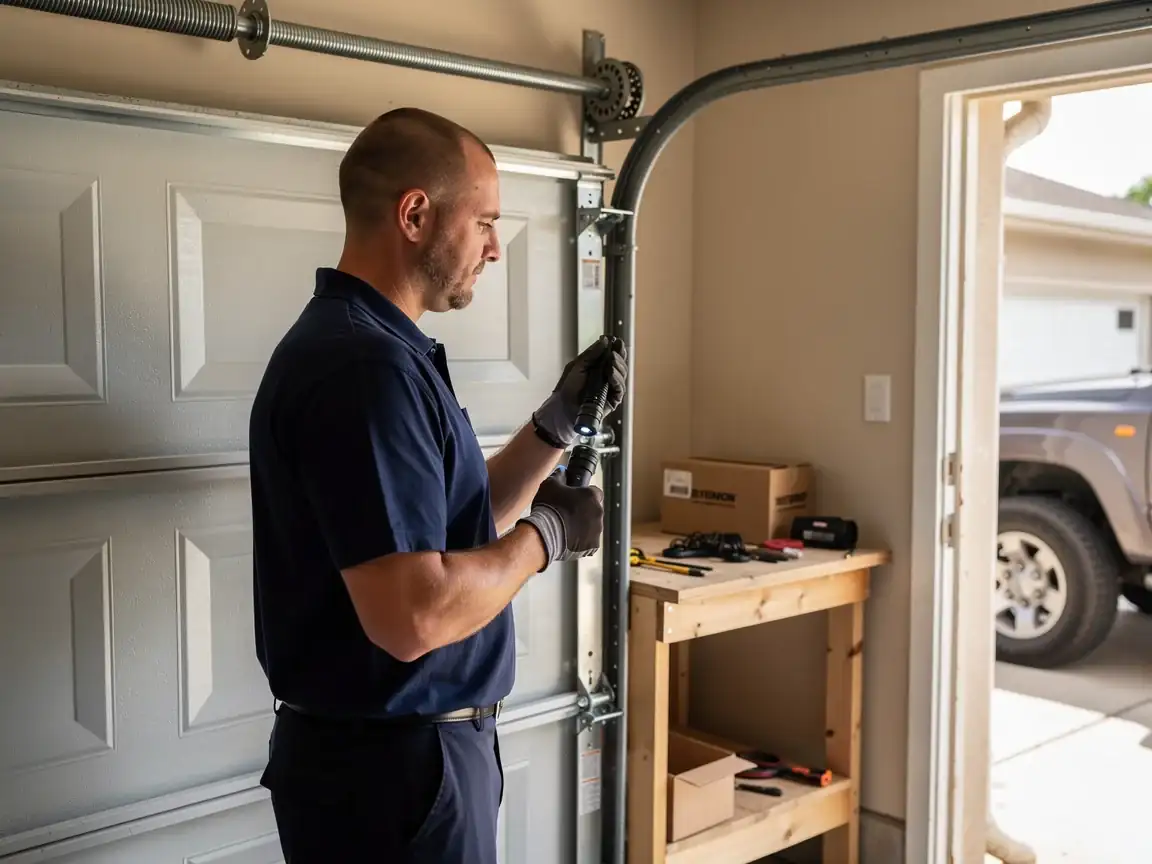
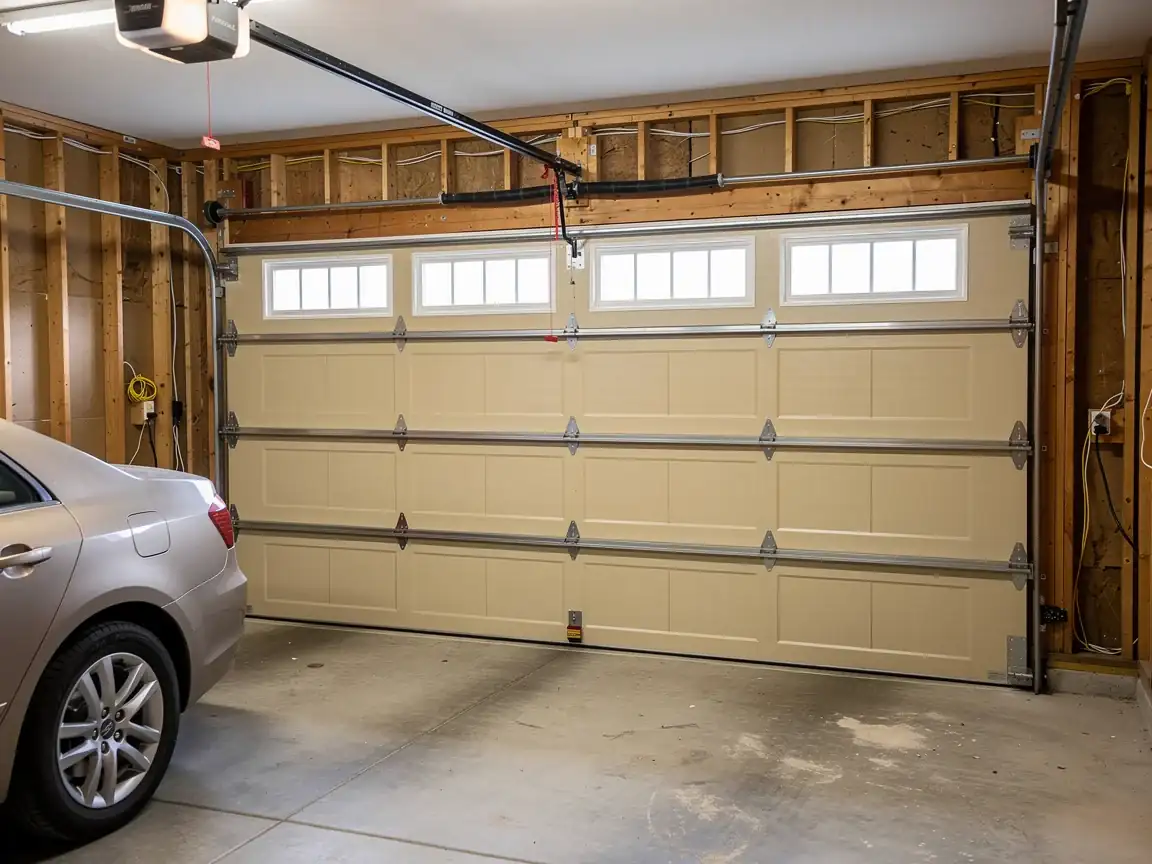
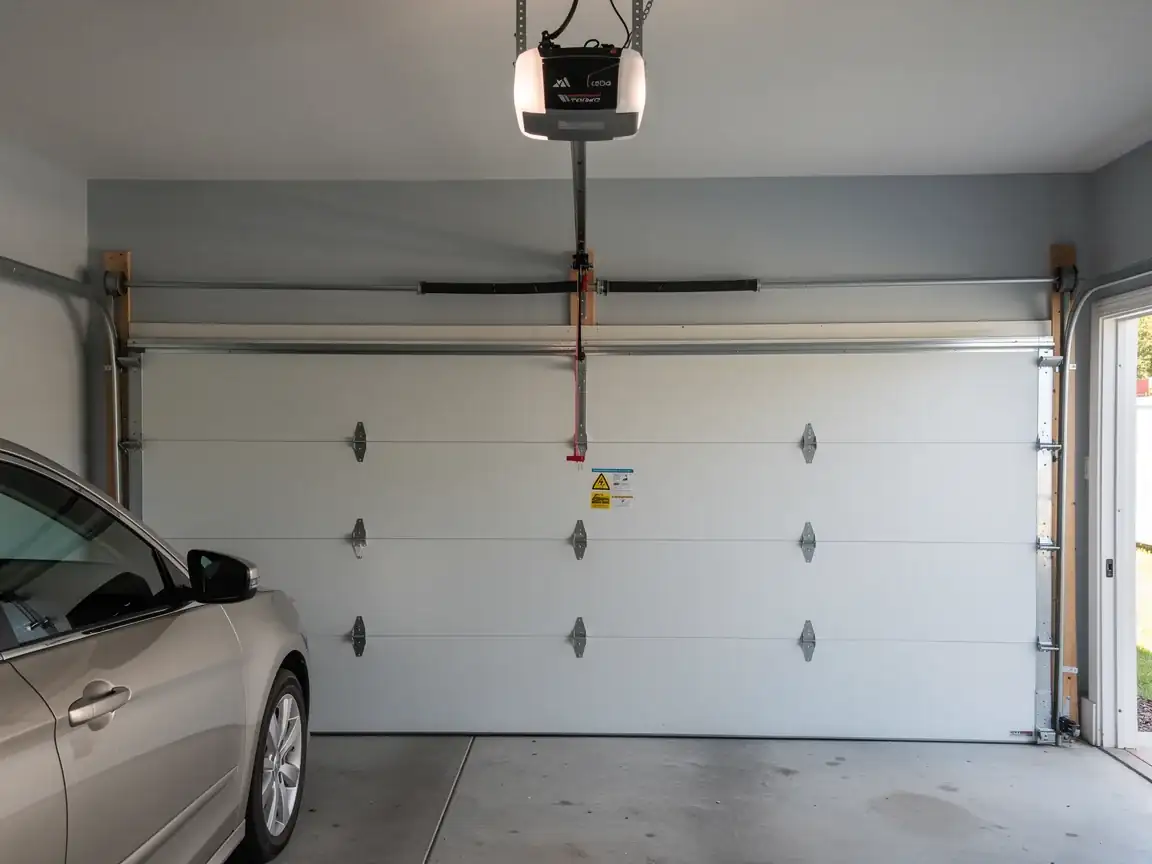
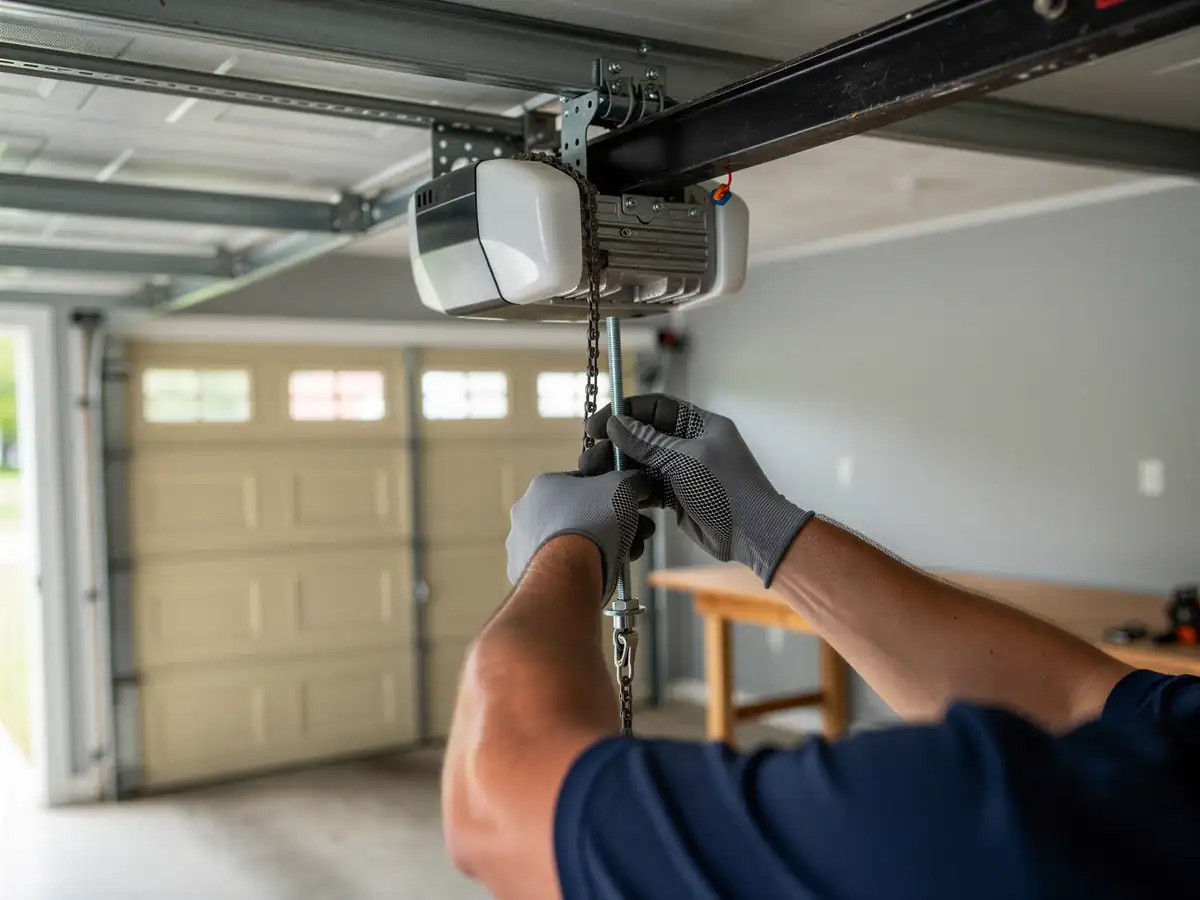
A stripped gear inside the housing, a logic board that's taken one too many power blips, a belt or chain that's jumped its track, or limit switches that have drifted out of calibration. We open the unit, check the drive system first because that's the part that physically moves the door, then test the board and safety sensors.
If the gear's stripped, we replace it rather than the whole unit when the motor and board still test good
That's usually the cheaper fix and it holds up fine. If the board's fried, that's a different conversation, because boards for older openers get harder to source every year and sometimes a full opener swap costs about the same as a board-only repair plus labor.
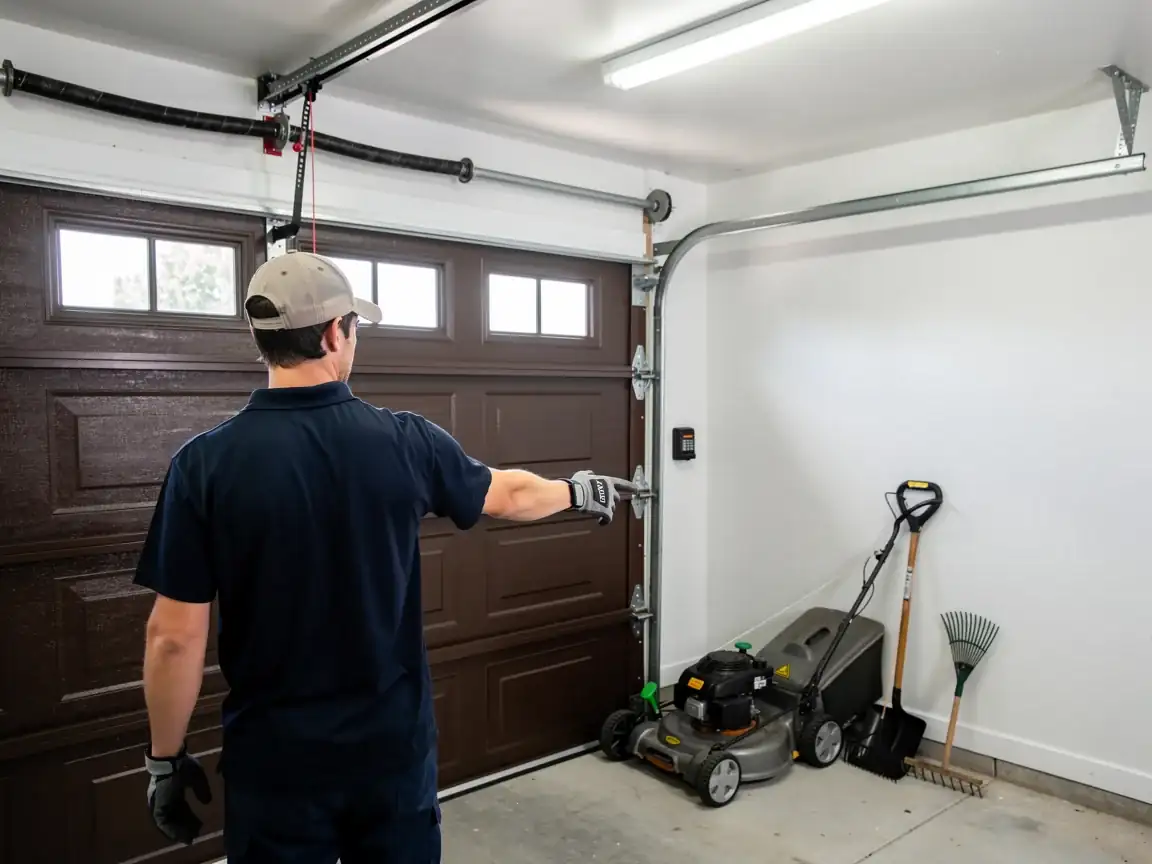
We also recalibrate travel limits and force settings on almost every call
Even ones that came in for something else, because a door that reverses early or slams down hard is usually a limit-switch problem wearing a different complaint. None of this needs the door itself replaced - the opener and the door are separate systems, and treating them that way is half the job.
Why This Fails Locally
Housing across the Bentonville service area was mostly built between 1987 and 2013, with a median year around 1996 and a strong concentration of 1980s-90s stock across the 16 communities we work in. That means a lot of openers out there are original or close to it - chain-drive units from a build boom that predates belt drives and smart boards by a decade or more. Those motors have logged a lot of cycles, and the gears inside them are plastic by design; plastic wears.
The climate band here runs cold and moderate, which matters more than people expect. Cold snaps thicken old grease inside the gearbox, which makes the motor work harder to turn the same gear it's turned ten thousand times before. That extra load is what finally strips a gear that was already thin from age. It's not one bad winter - it's thirty years of winters landing on hardware that was never built to last that long in the first place.
With 27,576 owner-occupied houses across roughly 39,766 households in this area, a lot of these units are sitting in garages right now a few winters away from the same failure.
How It Shows Up
The opener hums but the door doesn't move - that's almost always a stripped gear, not a dead motor. You'll often hear the motor spin freely without the chain or belt engaging. A door that opens fine but reverses halfway through closing is a limit-switch or force-setting issue, not a safety sensor problem, even though people assume sensors first.
Flickering lights on the unit, or an opener that responds to the remote but not the wall button (or the reverse), points at the board rather than the motor. And a door that's noticeably slower than it used to be, or that strains audibly at the top of its travel, is usually the gearbox telling you it's near the end, especially in a house with original 1990s-era equipment.
One honest limitation: if the board is the failure and the model's old enough, we may not have that exact board on hand, and some boards for older opener lines are now special-order. We'll tell you that up front rather than have you wait on a part that isn't coming, and we'll lay out the repair-versus-replace math so you're not guessing.
How to Book
Tell us the opener brand if you know it, roughly how old the house is
And what the door's actually doing - stuck, reversing, silent, slow. That's usually enough for us to guess the fault before a truck even leaves, which saves time on the call itself.
We cover the Bentonville service area out to the towns around it
Centerton, Little Flock, Cave Springs, Highfill, Lowell, Bella Vista, Pea Ridge, Gravette, Avoca, Prairie Creek, Elm Springs, Decatur, Tontitown, Johnson, Gentry, and Garfield, plus itself. If you're closer to one of those towns, we've got a page built specifically for that area with more local detail.
Start from the home page and we'll route your call from there