Openers, Power Cuts, and What Bentonville Houses Are Actually Dealing With
How Bentonville's 1987-2013 housing stock and cold-climate power cuts affect garage door openers, what replacement costs depend on, and what waiting risks.
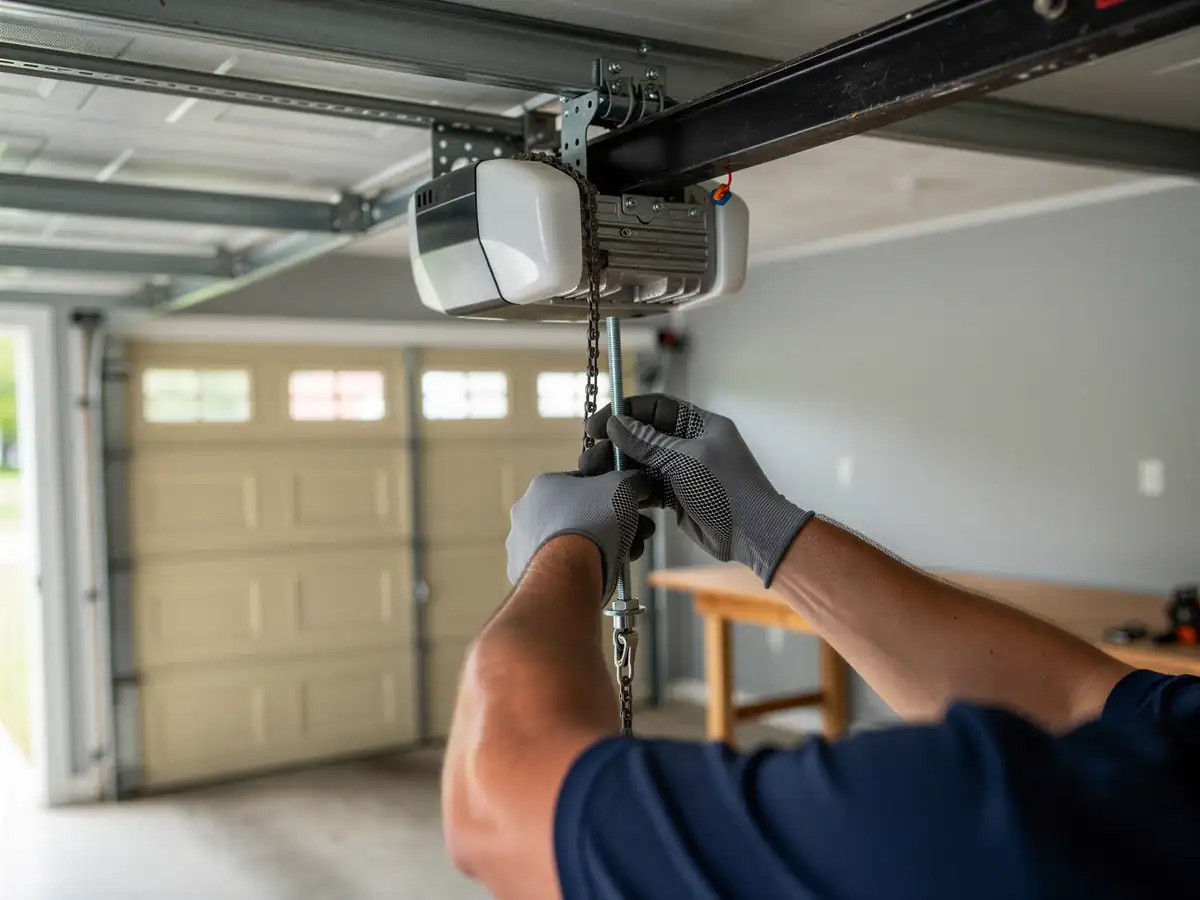
We're not going to hand you a number here because we don't have a verified price to give you, and making one up would be worse than saying nothing. What we can tell you is what drives the cost up or down in this market. Most houses in this service area were built between 1987 and 2013, with the median landing around 1996. That means a lot of openers out there are original or close to it - chain-drive units from a build era before battery backup was standard equipment. When one of those fails, you're usually not buying a part. You're buying a whole unit, because the drive gear, the circuit board, and the safety sensors on a 1990s opener aren't something we stock or can source quickly. Across the 16 named areas that make up this market, that's the single biggest cost driver we see: age-of-house determines whether a job is a swap-in repair or a full opener replacement. Household income here runs higher than a lot of surrounding markets, which shows up in what people choose when they do replace - battery backup and smart-phone connectivity get asked for more than the bare minimum unit. That's a homeowner choice, not something we push.
How Local Conditions Play In
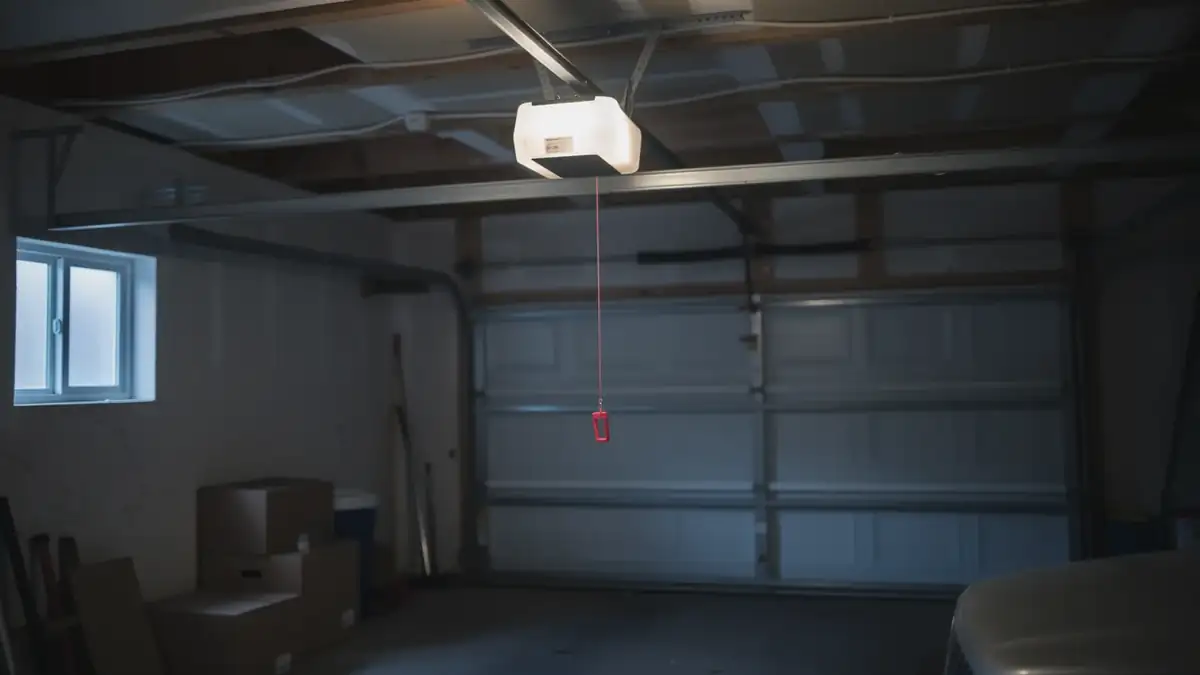
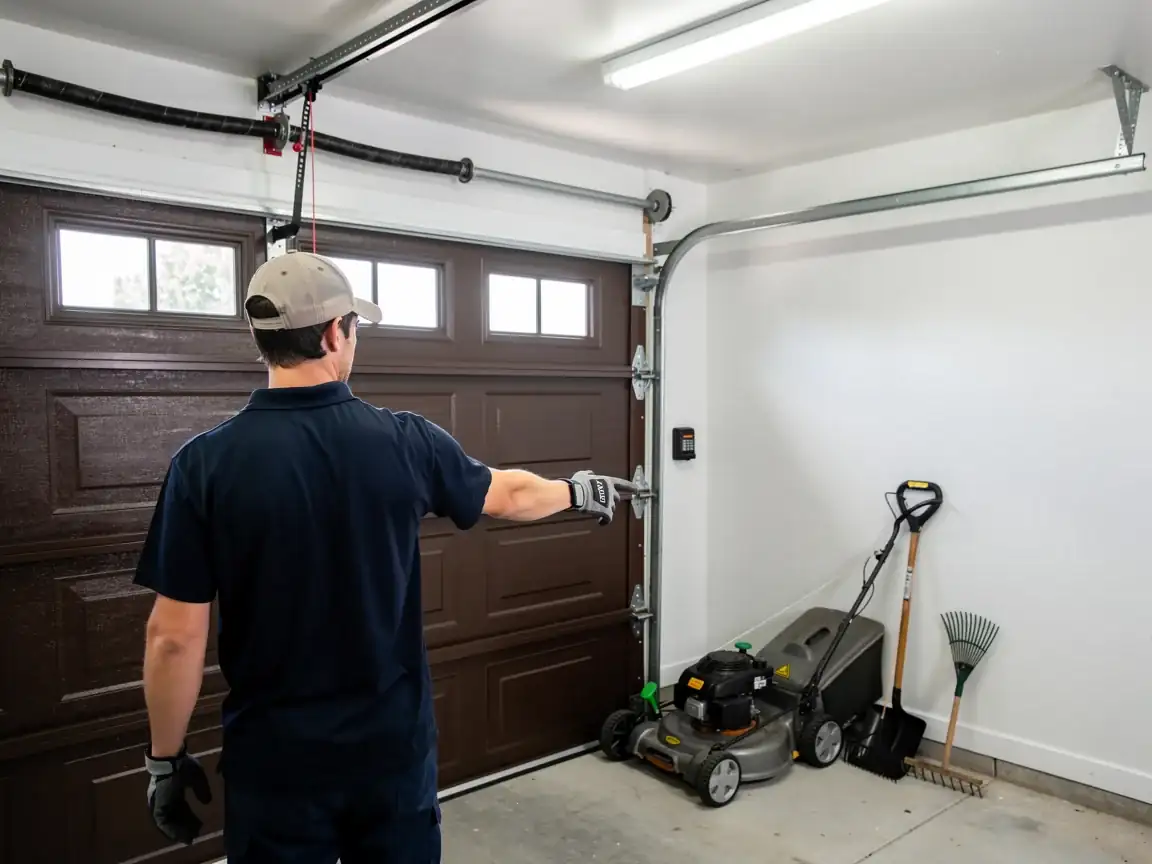
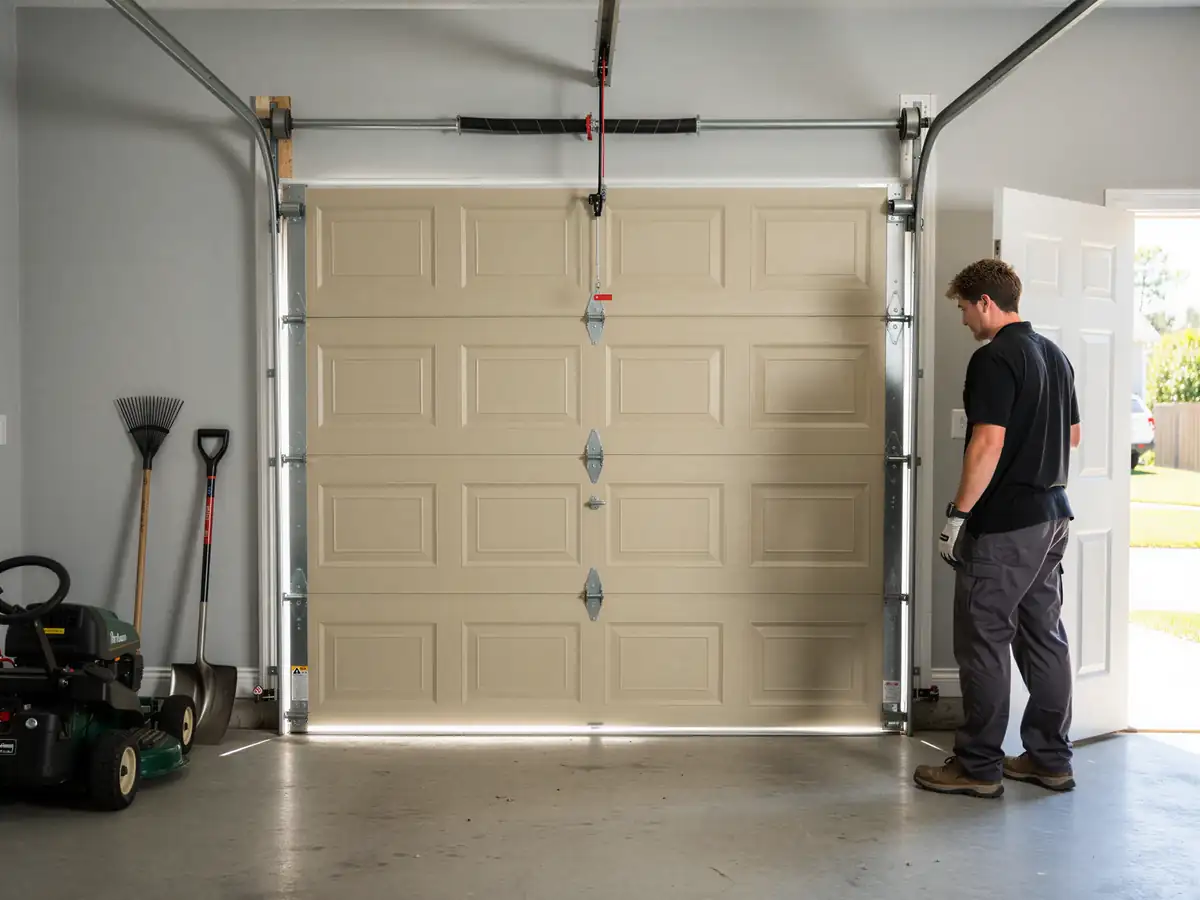
This area sits in a cold-moderate climate band, which means winter brings real power cuts, not just a flicker. An opener without a battery backup goes dead the same moment your lights do, and if that happens while the door is down, you're stuck until power comes back or you manually release the trolley and lift the door yourself. For a two-car door on a torsion spring, that's not a light lift. The houses most exposed to this are the ones built in the 1987-2013 window - the bulk of the stock across this market - because battery backup openers weren't standard equipment when most of them were installed. If your opener is original to a house from that era, a cold-season outage will catch you flat. It's worth knowing before the storm, not during it. We're not telling you every outage leaves people locked out - most don't, because most garages still have a side door or the owner knows the manual release. But if yours doesn't, or you've never located the release cord, that's the gap a winter power cut will find.
Doing Nothing For Now
If your opener is original to a house built in the 1990s stretch of this market's housing stock, doing nothing isn't neutral - it's a bet that the motor and board outlast the next cold snap's power cut. Sometimes that bet pays off for years. Chain-drive openers from that era were built heavier than a lot of what's sold today, and plenty are still running. But when they go, they tend to go without warning, usually in the cold months when the motor is working hardest against stiff grease and a heavier door. With 27,576 owner-occupied houses in this service area, a large share of them sitting in that same build window, the deferred-maintenance math is the same across a lot of driveways here, not just yours. The honest limitation: we can't tell you from the outside whether your specific unit has five years left or five weeks. What we can tell you is that waiting for total failure during a power cut, rather than replacing on your own schedule, is the version of this that costs more and leaves you without a working door exactly when you need one most.
The Situation
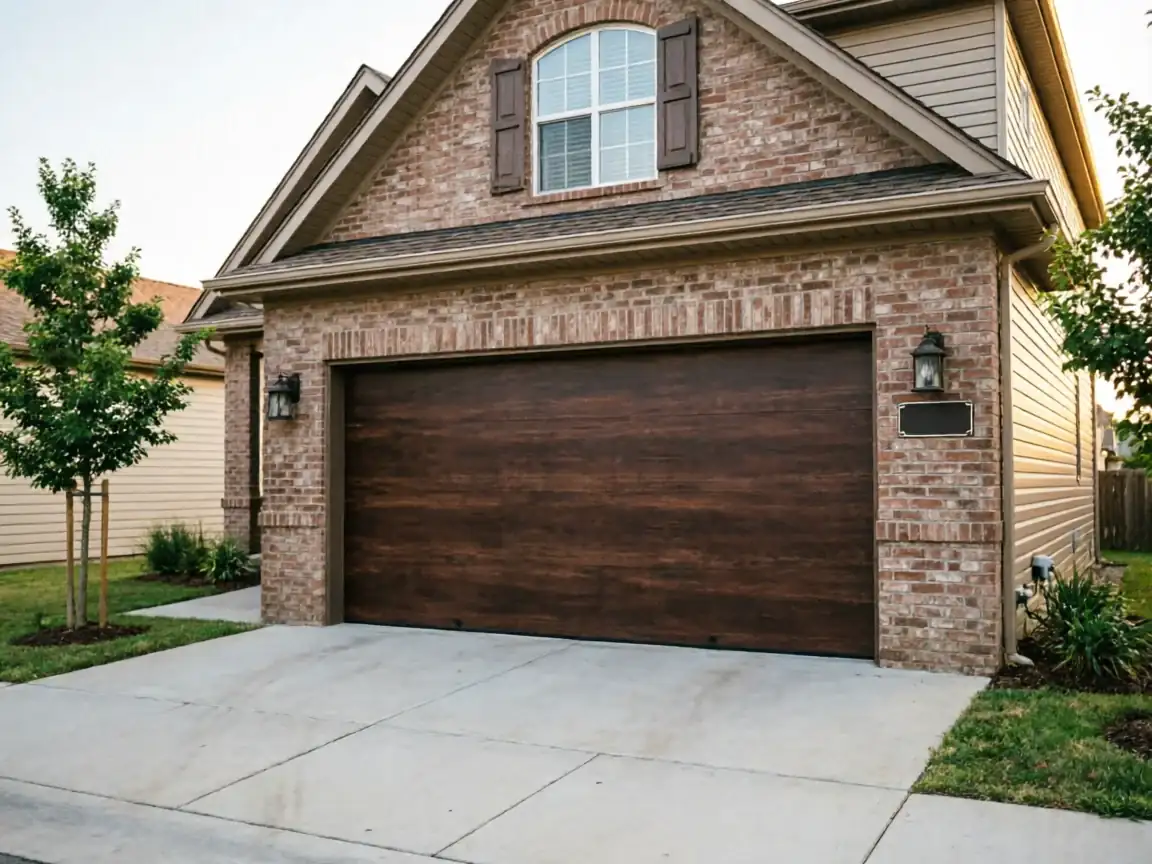
Bentonville's housing is mostly 1980s-90s stock, built out across 16 named areas in a run that stretched from 1987 to 2013, median year 1996. That's a narrow, identifiable window, and it matters for openers specifically because garage door technology changed a lot in that span - chain-drive without backup power at the start of it, belt-drive with battery backup standard by the end. With 39,766 households in the service area and median income at $86,541, this isn't a market where people are stretching to afford a new opener; it's one where the holdup is usually just not knowing the old unit is a liability until a power cut proves it. We work out of downtown Bentonville and cover the surrounding towns - Centerton, Little Flock, Cave Springs, Highfill, Lowell, Bella Vista, Pea Ridge, Gravette, Avoca, Prairie Creek, Elm Springs, Decatur, Tontitown, Johnson, Gentry, and Garfield - all within about a sixteen-mile radius, so the same build-era pattern shows up block after block whether you're a few minutes from downtown or out toward the edge of that range.
How it works
From “it’s stuck” to “it’s fixed”
01
Tell us what’s wrong
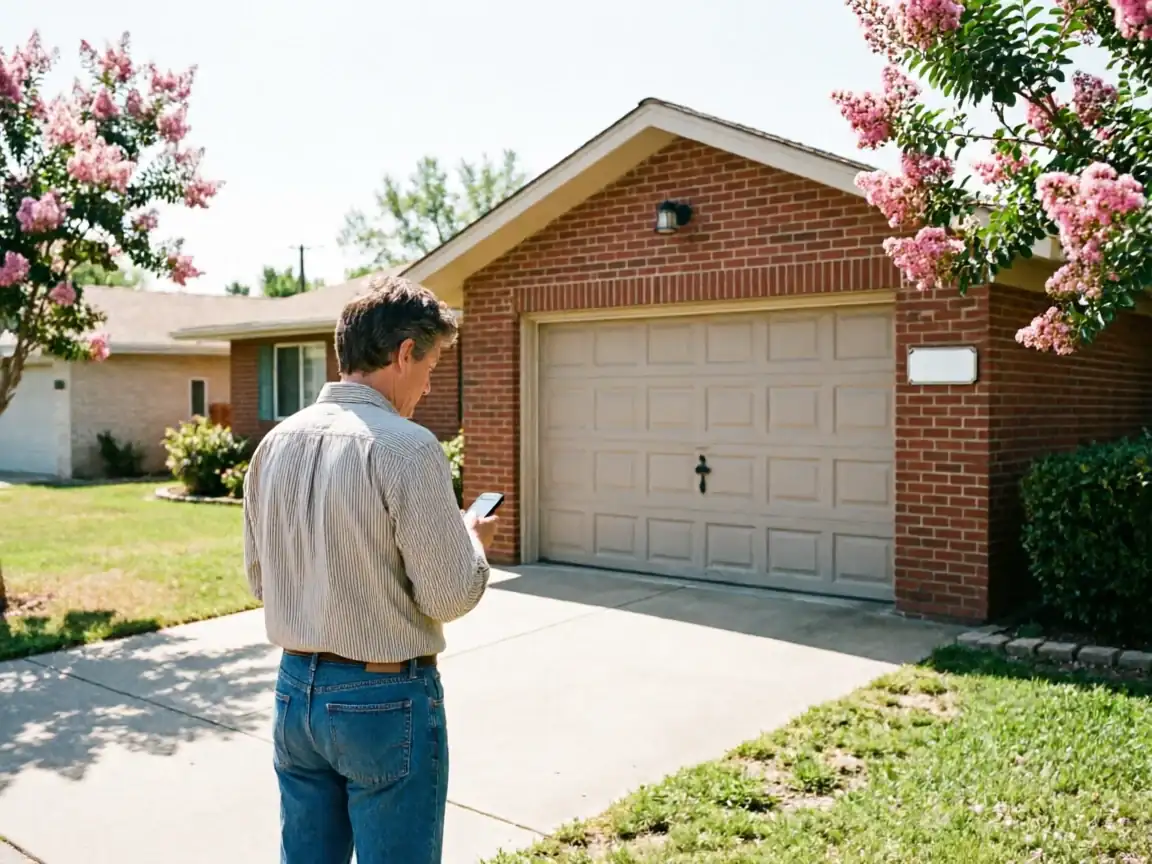
Describe the symptom - won’t open, loud bang, opener runs but the door won’t move.
02
On-site diagnosis
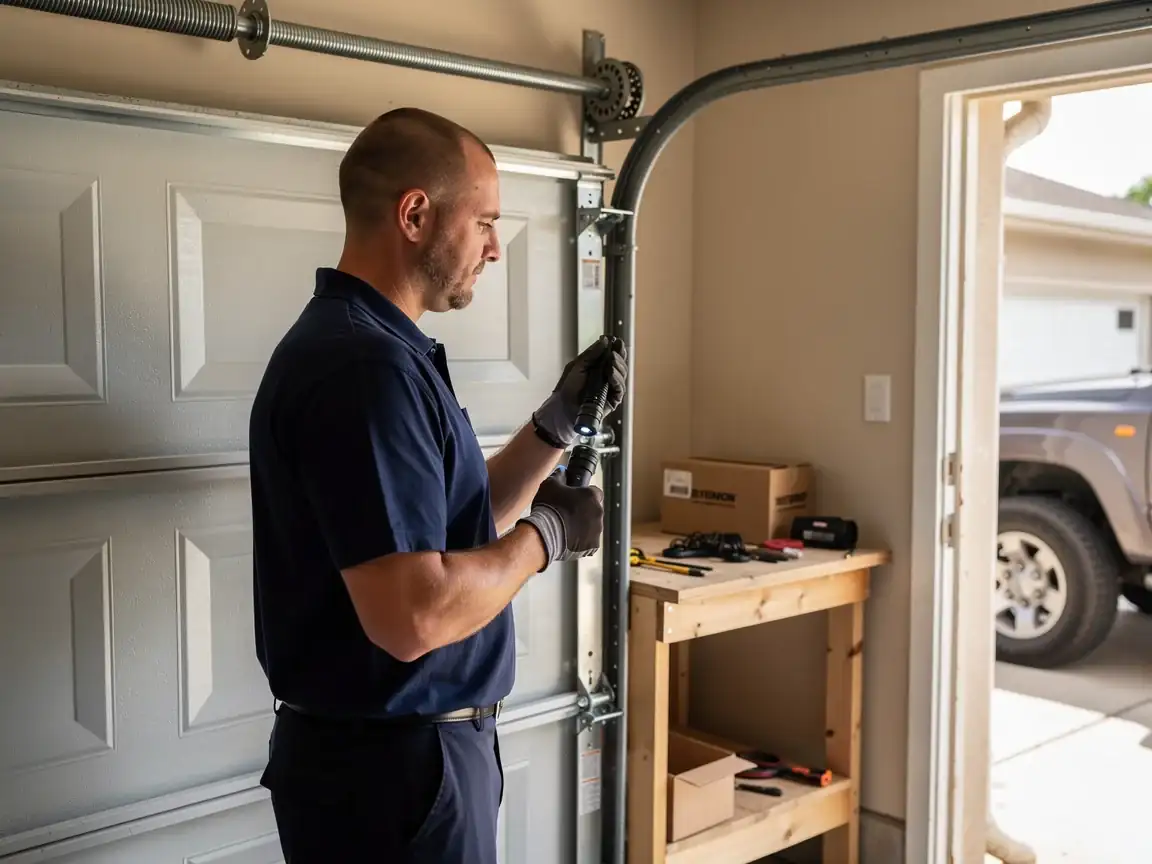
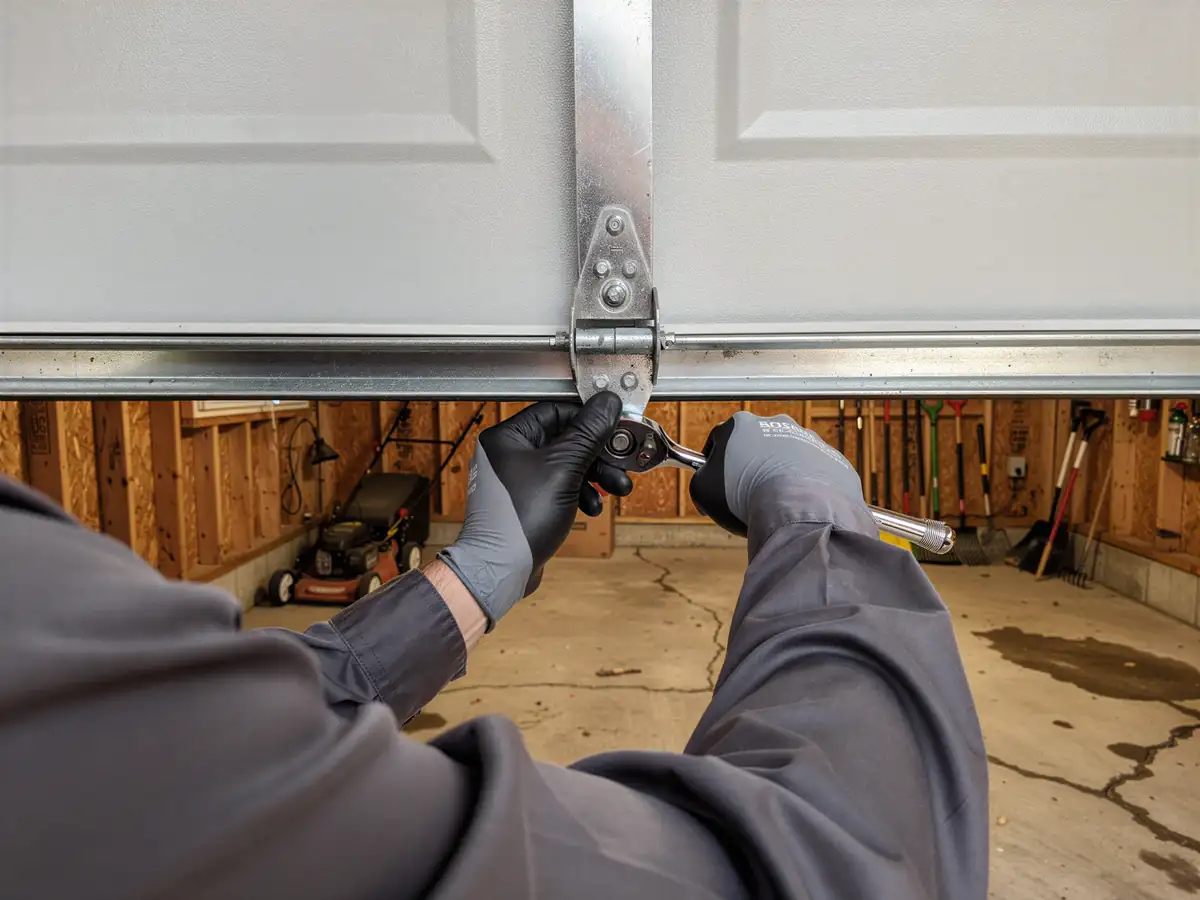
A technician tests the door under power and by hand and finds what actually failed.
03
Clear, up-front plan
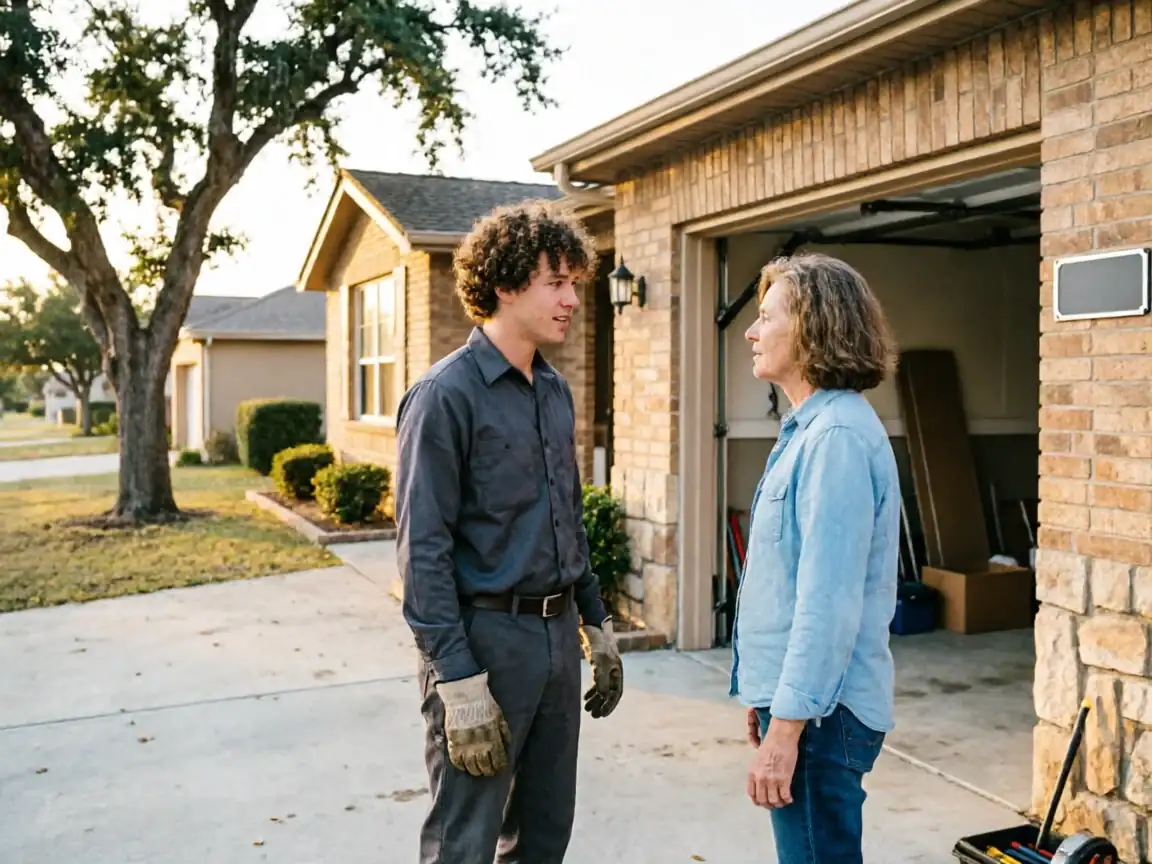
You get the fix that’s needed and what drives the cost - before any work starts.
04
Repaired & tested
The repair is done, the door is set true and tested, and the work area left clean.
Not sure which repair your door needs in Bentonville, AR? Describe what it’s doing - every job starts with a diagnosis.
My opener is from the 1990s and it just died during a storm - is it worth fixing?
Depends what died. If it's the capacitor or the sensors, sometimes a repair makes sense. But most chain-drive units from that era are old enough that the board and motor are near the end of their life together, and parts for those models aren't something we keep on hand. Once the main board goes, replacement is usually the straighter path.
Do I need a battery backup opener in this area?
It's not required, but this area sits in a cold-moderate climate band where winter power cuts happen. If your garage is your only way in or you don't know where the manual release cord is, a battery backup unit means the door still opens when the power doesn't come back fast.
How do I know if my opener is original to the house?
Check the manufacture date sticker inside the motor housing, usually near the light. If your house falls in the common 1987-2013 build range for this market and you've never replaced the opener, there's a good chance it's original or close to it.
What's the manual release and why does it matter during an outage?
It's the cord hanging from the trolley on the track - pull it and the door disconnects from the opener so you can lift it by hand. If you've never located it, find it before winter, not during a power cut when the garage is your only way out.
Ready to get your garage door sorted?
Tell us what it’s doing and where you are in Bentonville - we’ll take it from there.