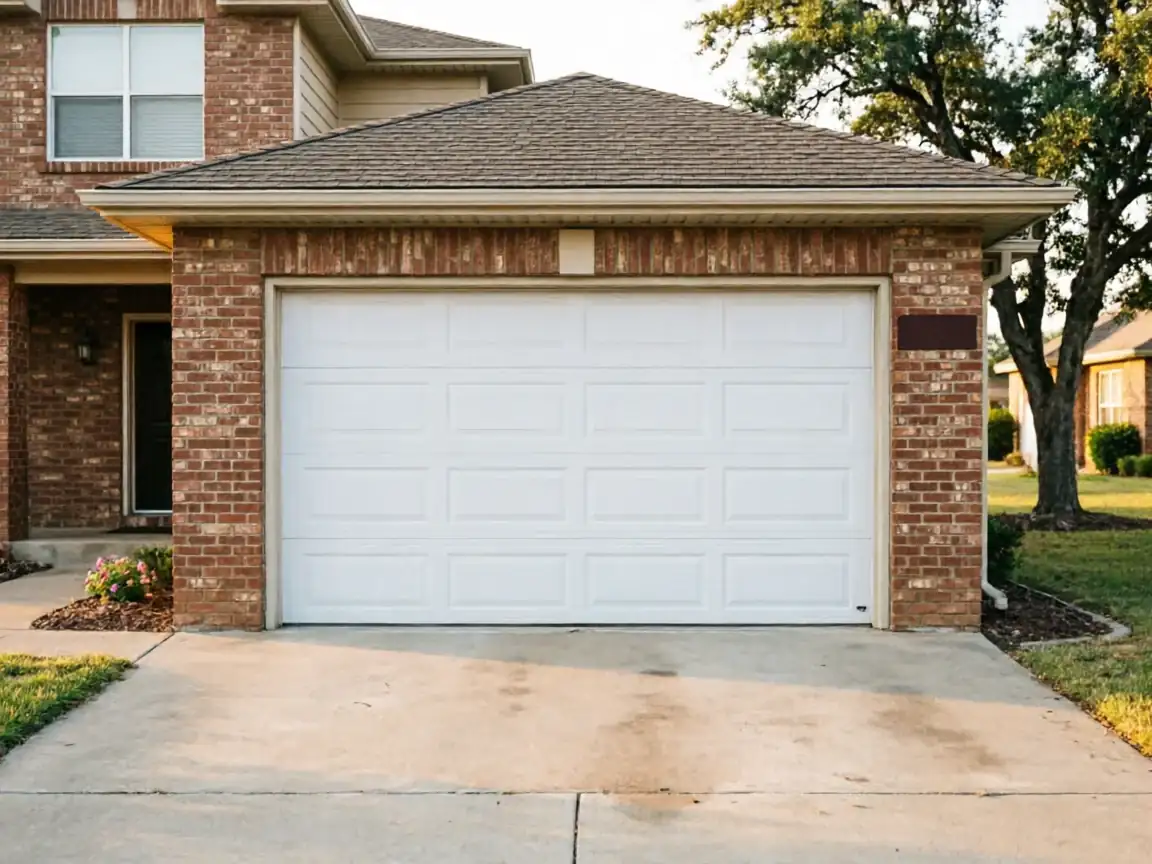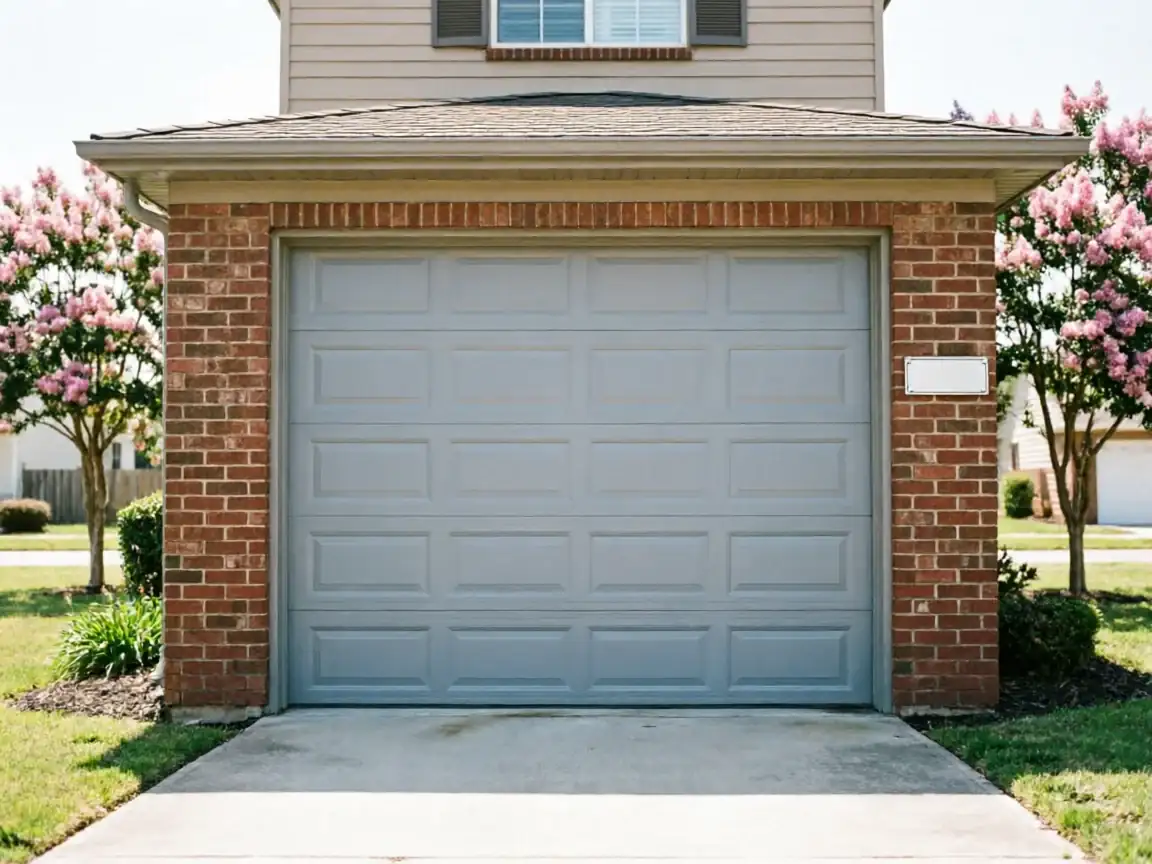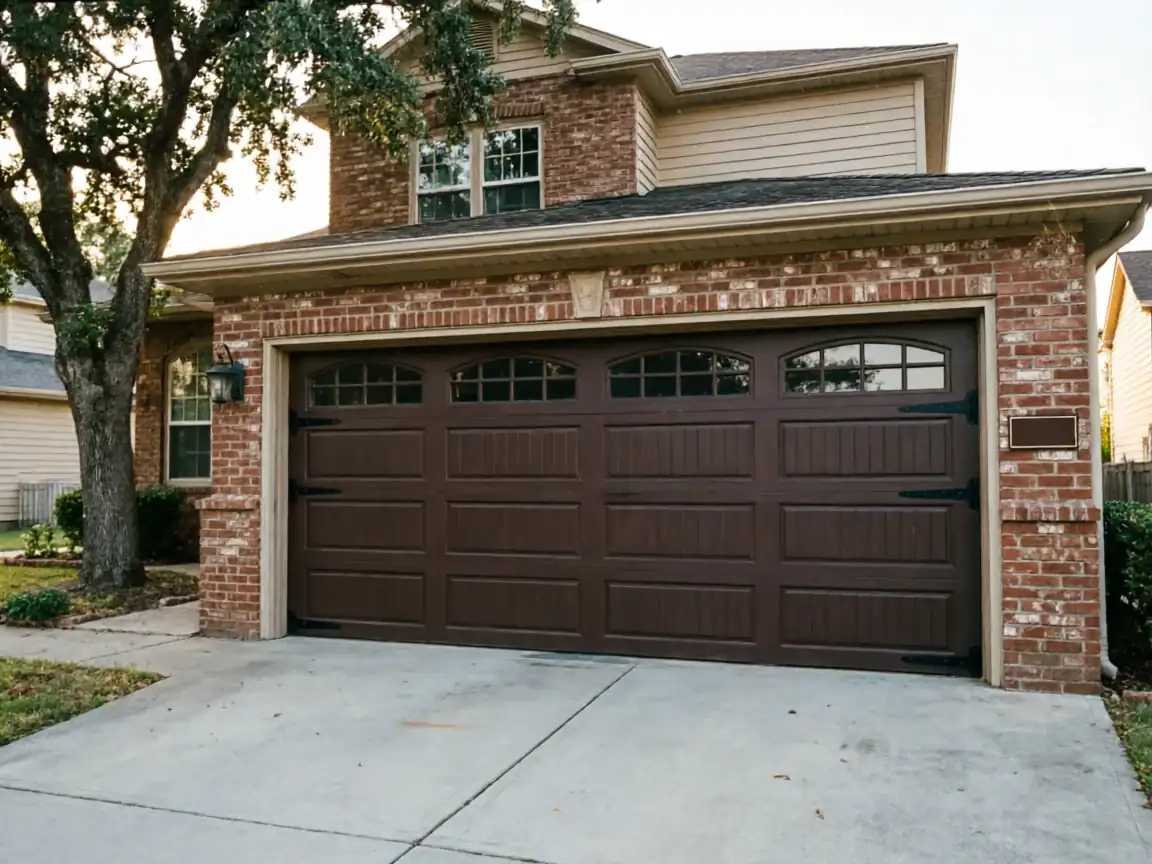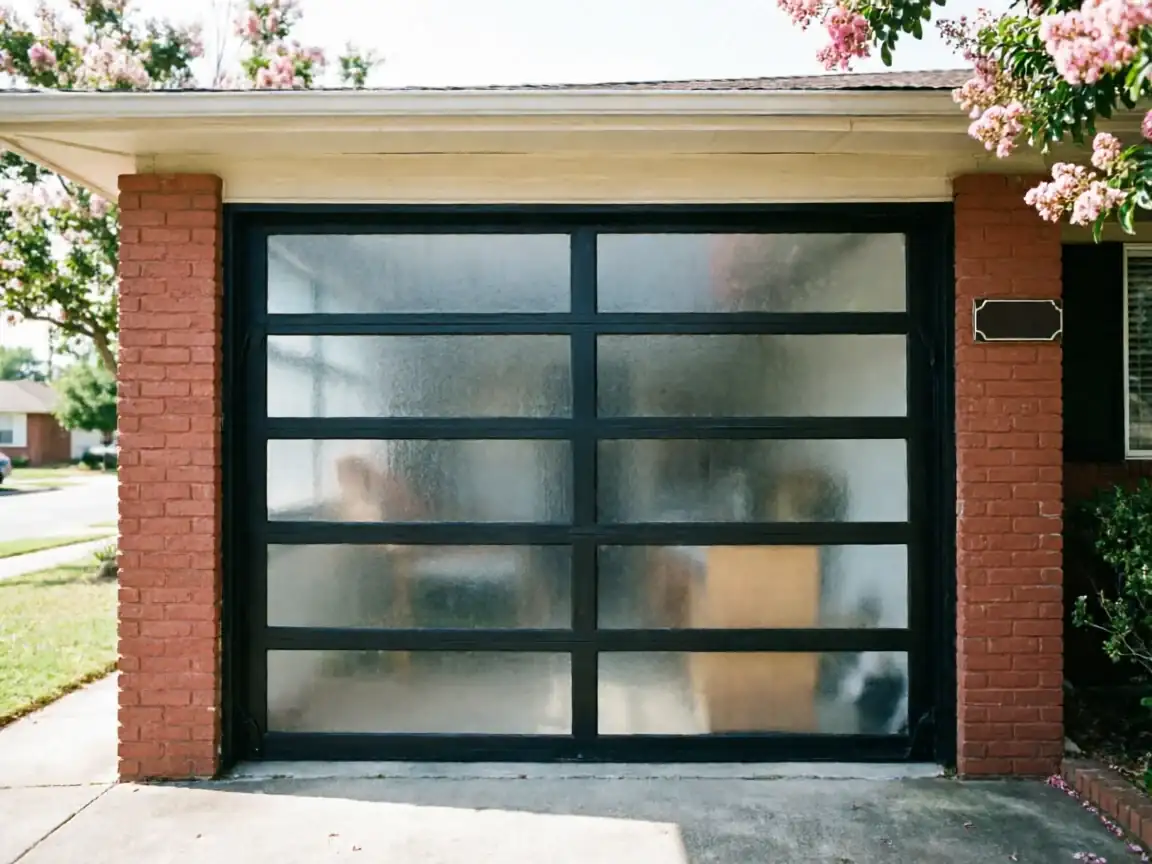
How We Fix It
Most calls we get in Bentonville come down to one of three parts
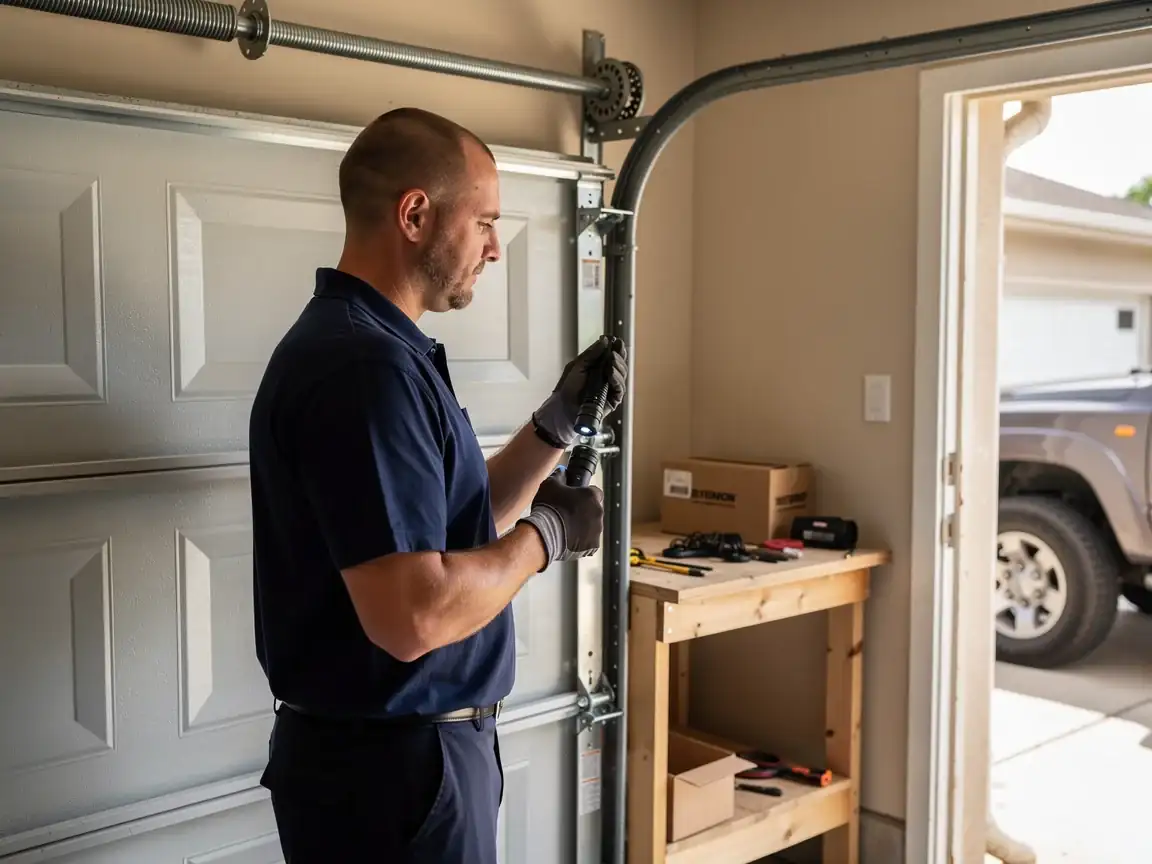
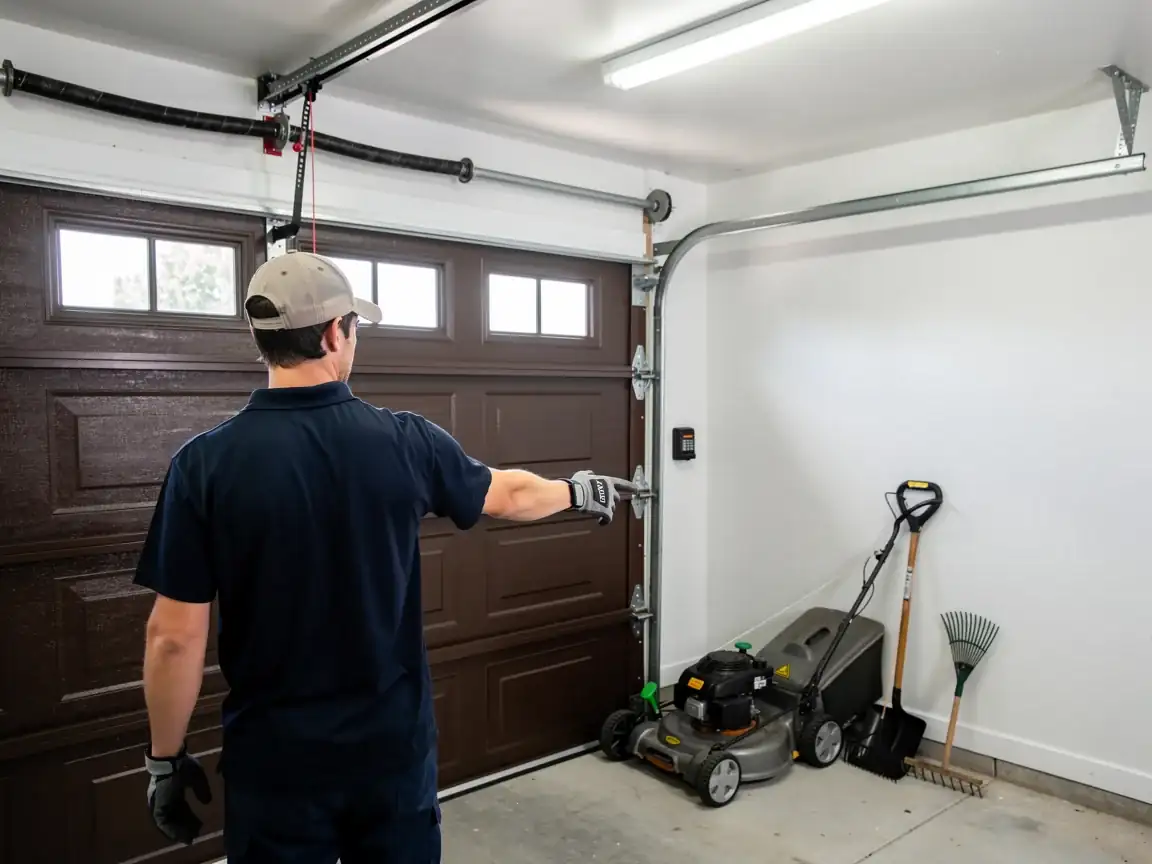
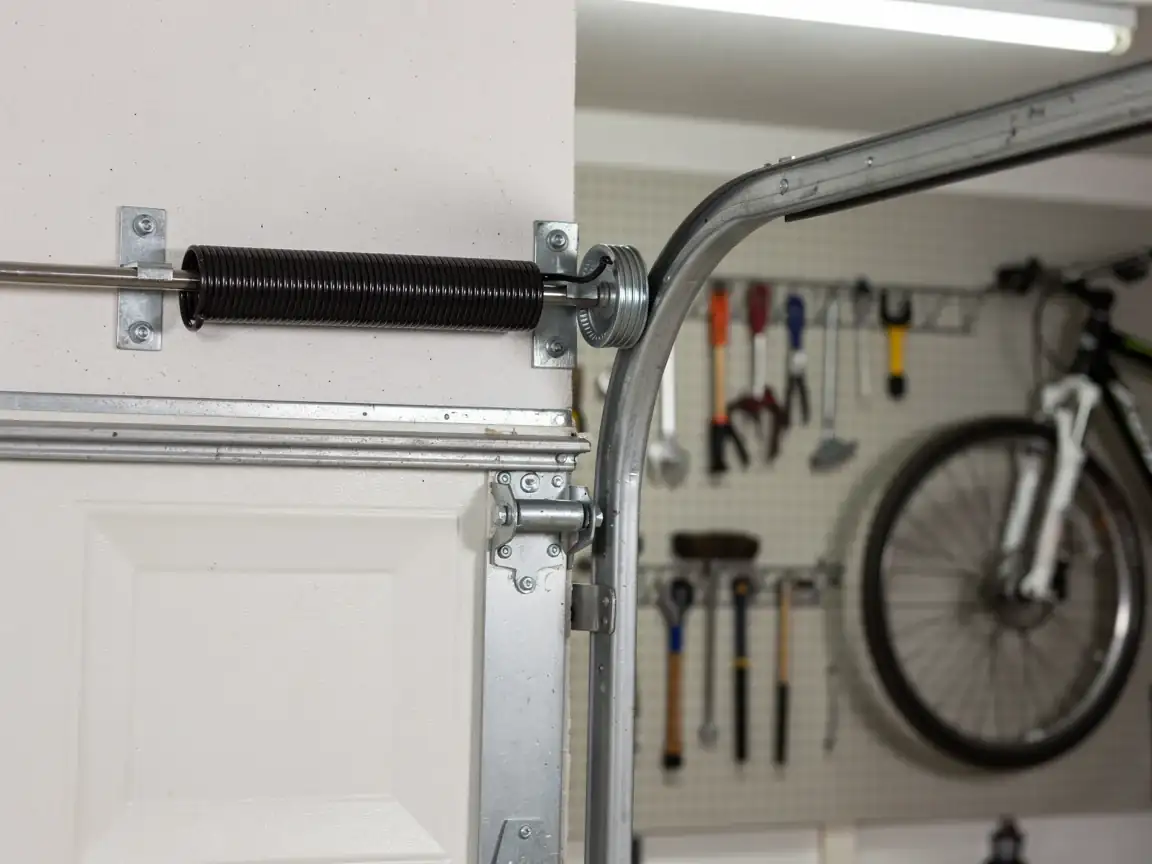
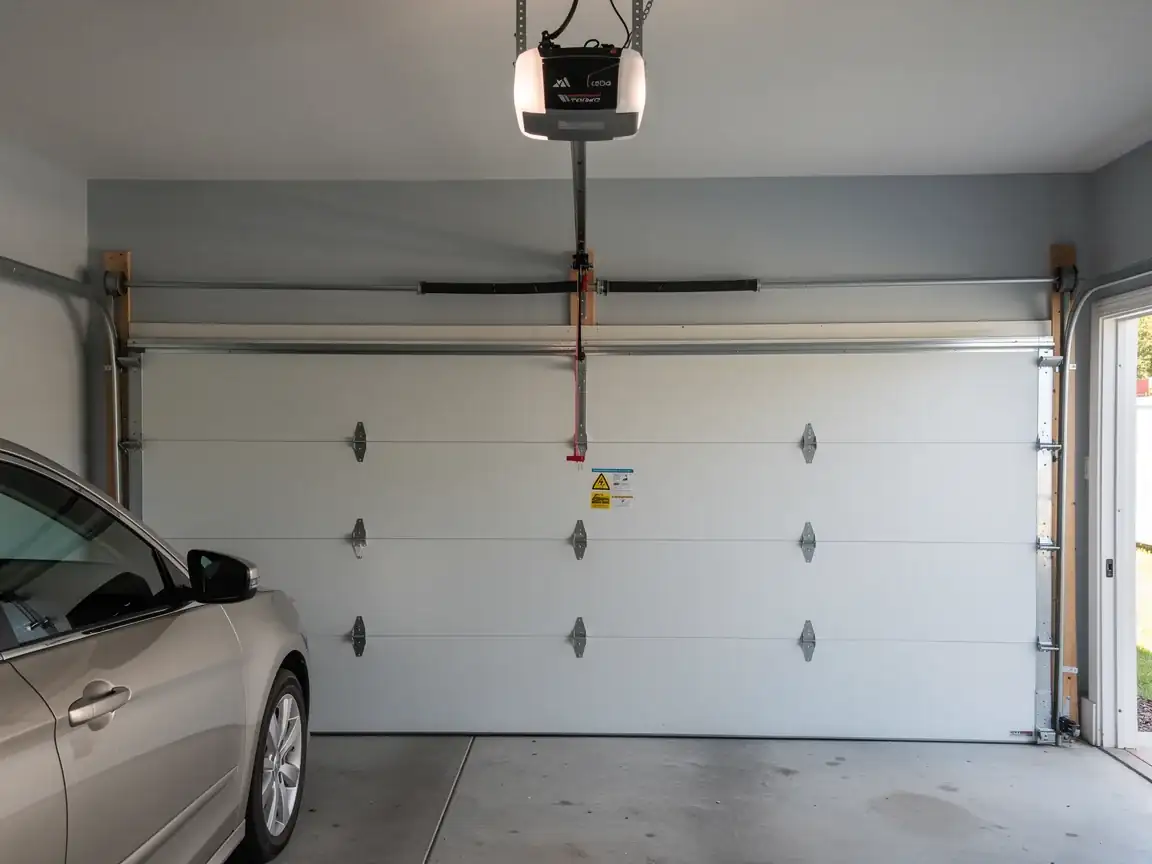
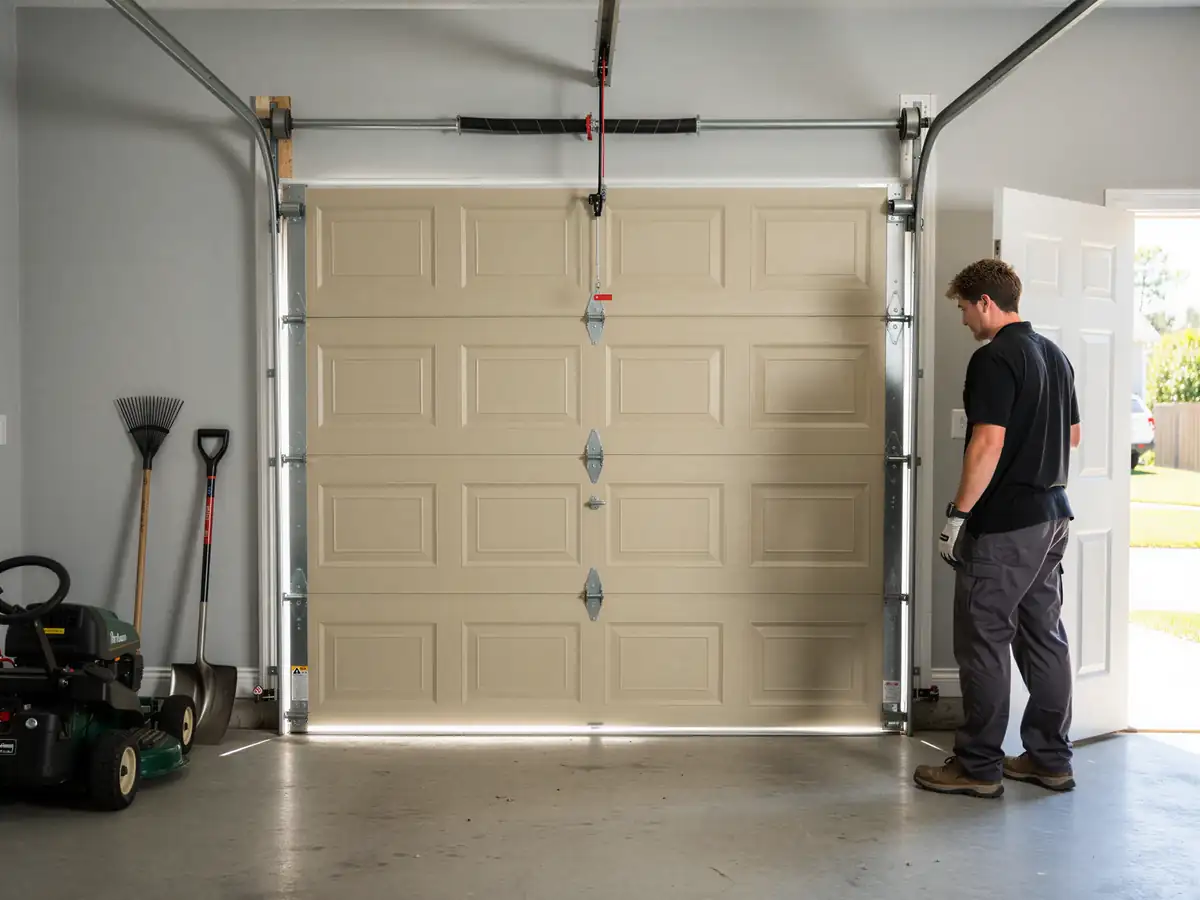
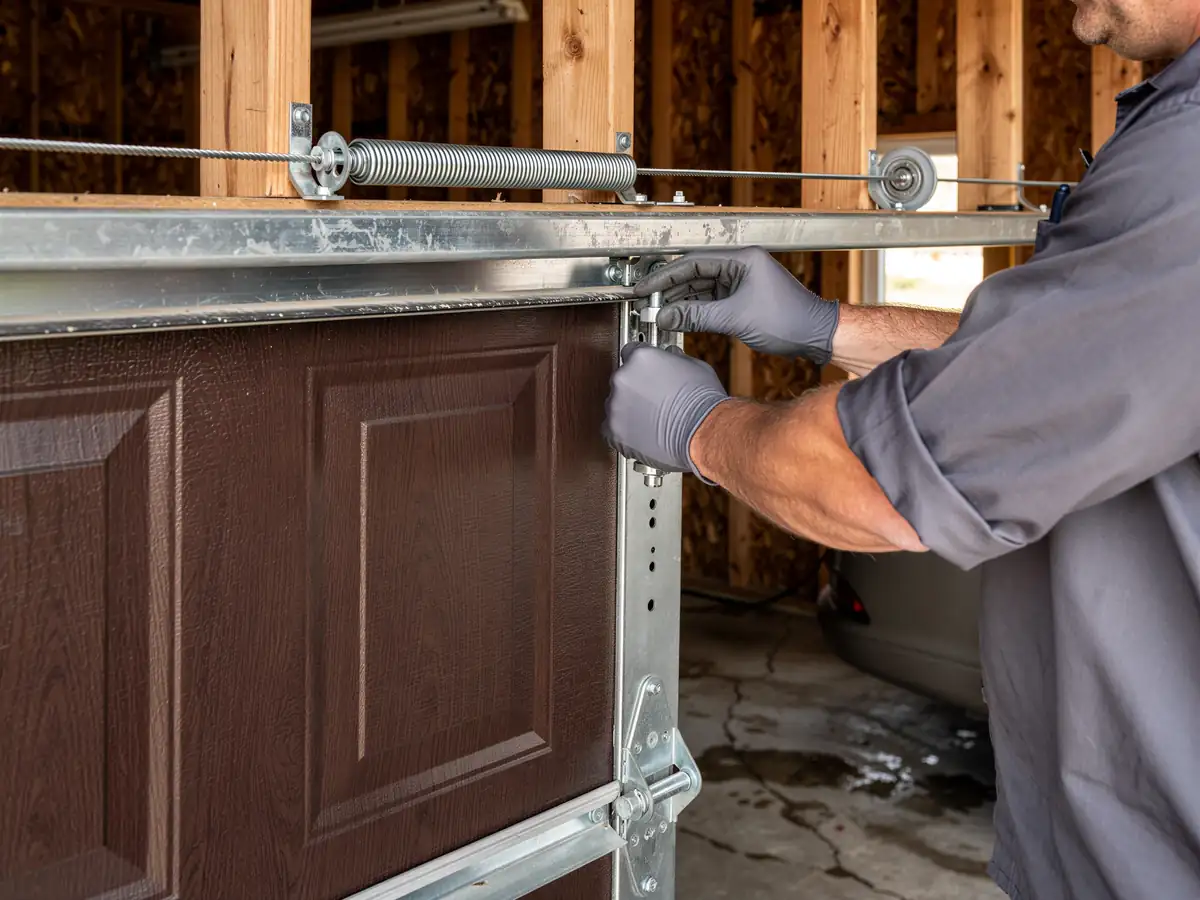
A torsion spring that's lost its temper, an opener logic board that's stopped talking to the wall switch, or a track that's walked out of alignment. We start by running the door manually, off the opener, to see if the problem is mechanical or electrical before we touch anything.
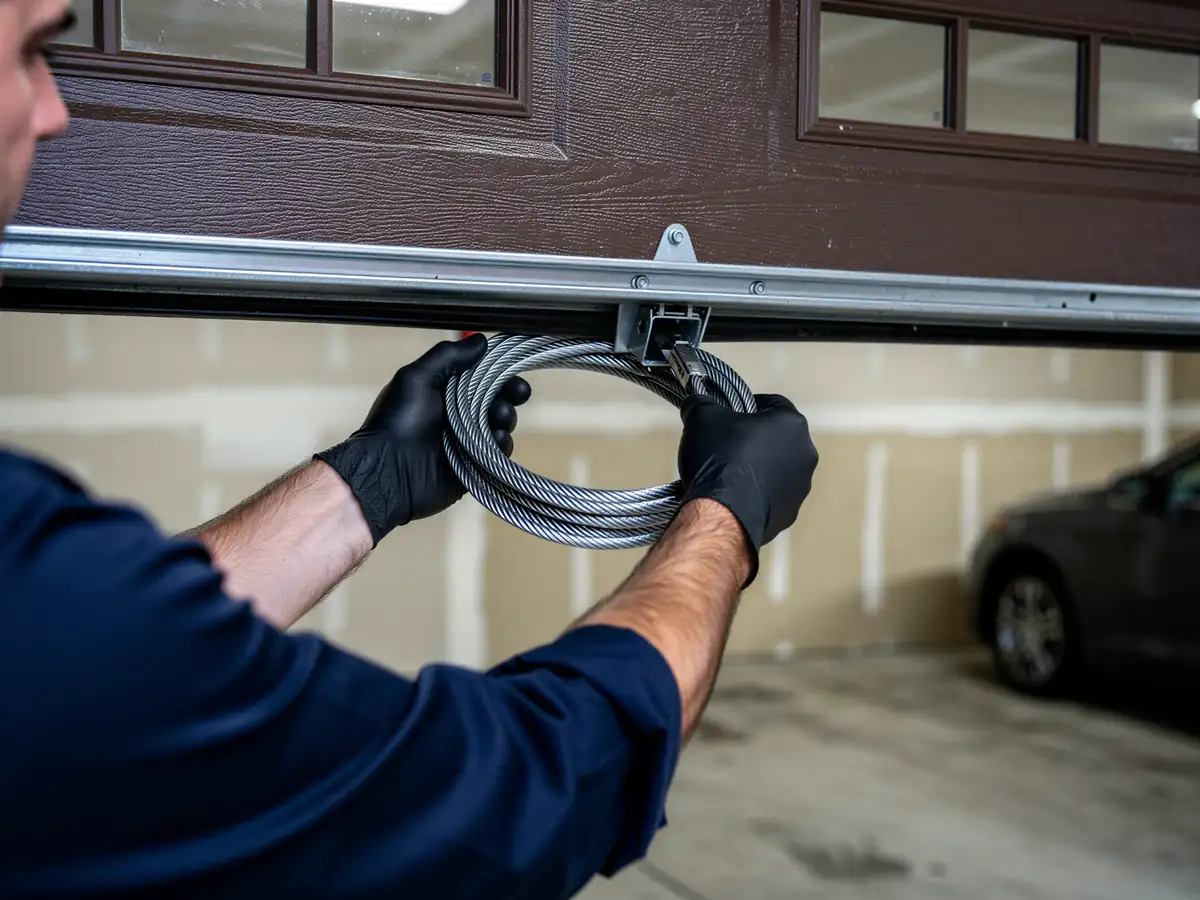
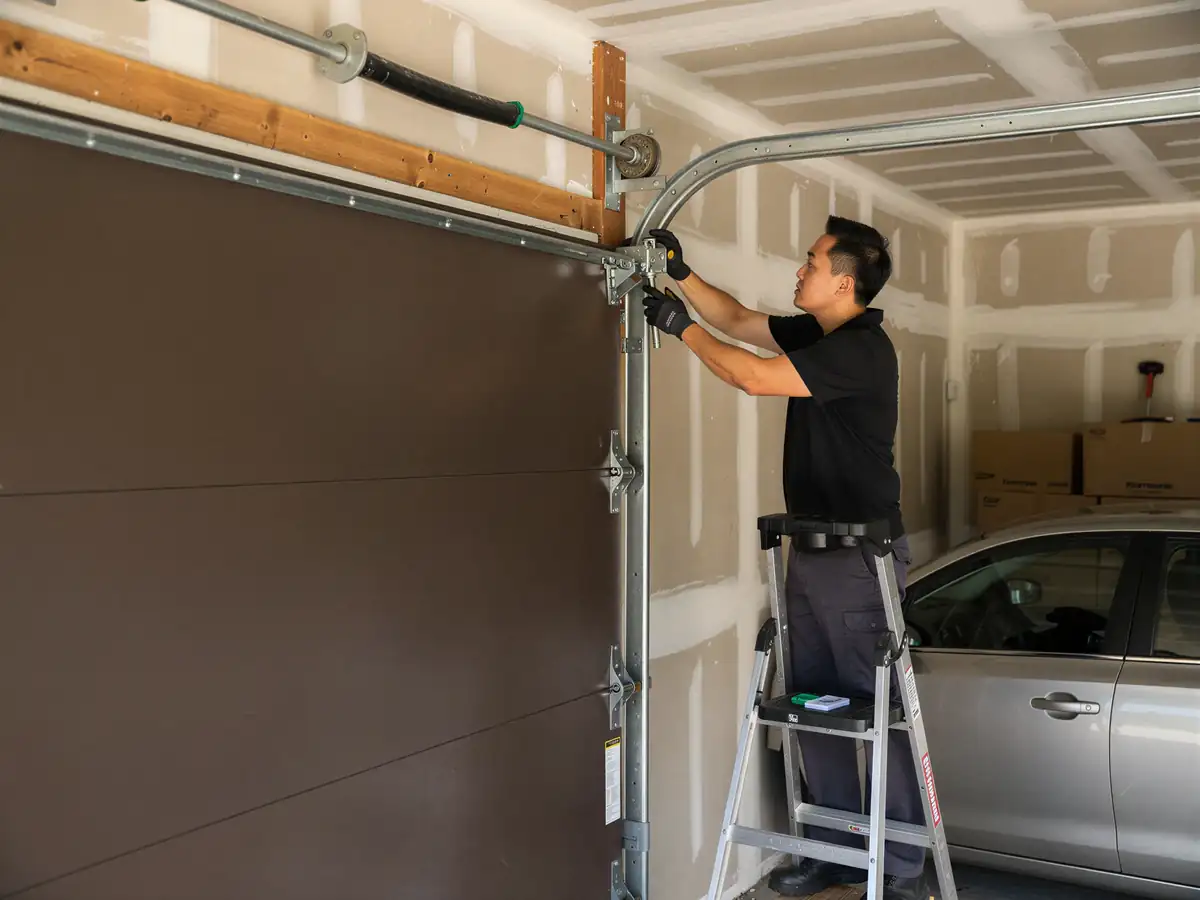
If it's a spring, we match the wire gauge and wind to what's already on the shaft rather than swapping in a universal size that'll wear the bearings early
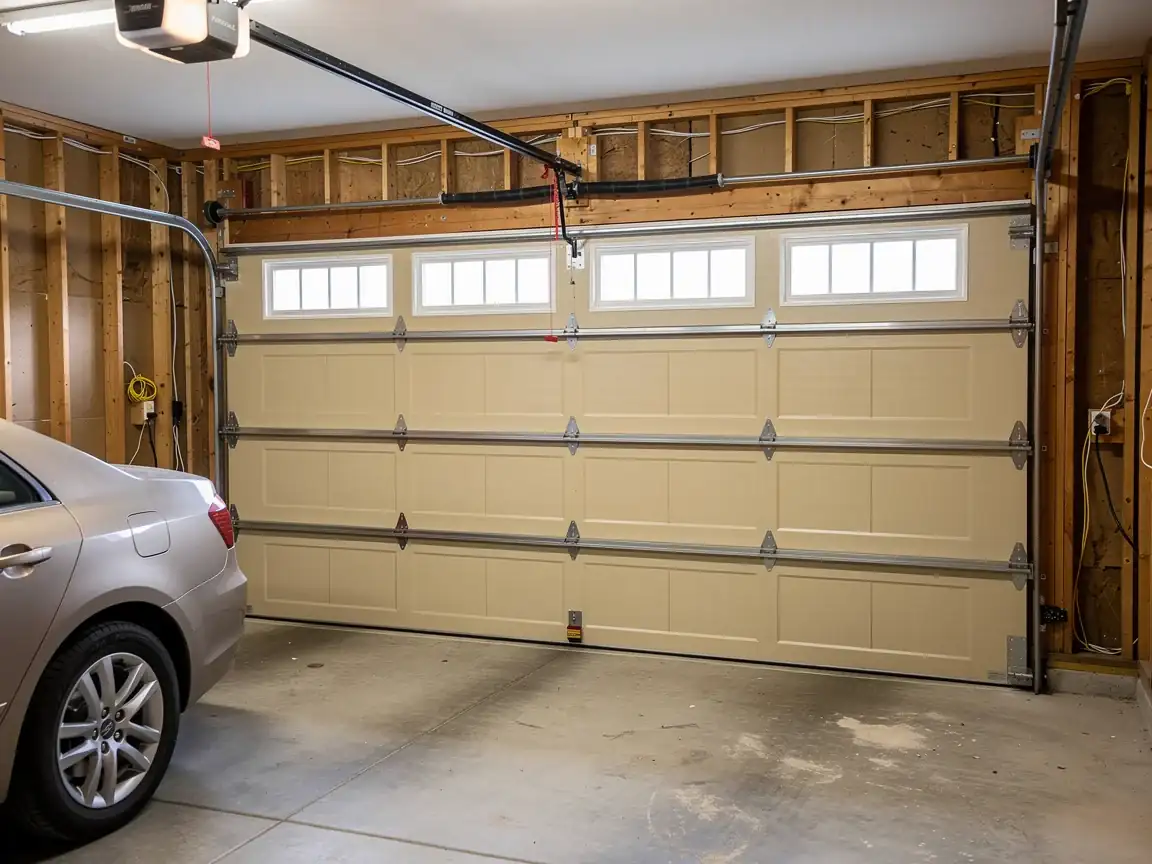
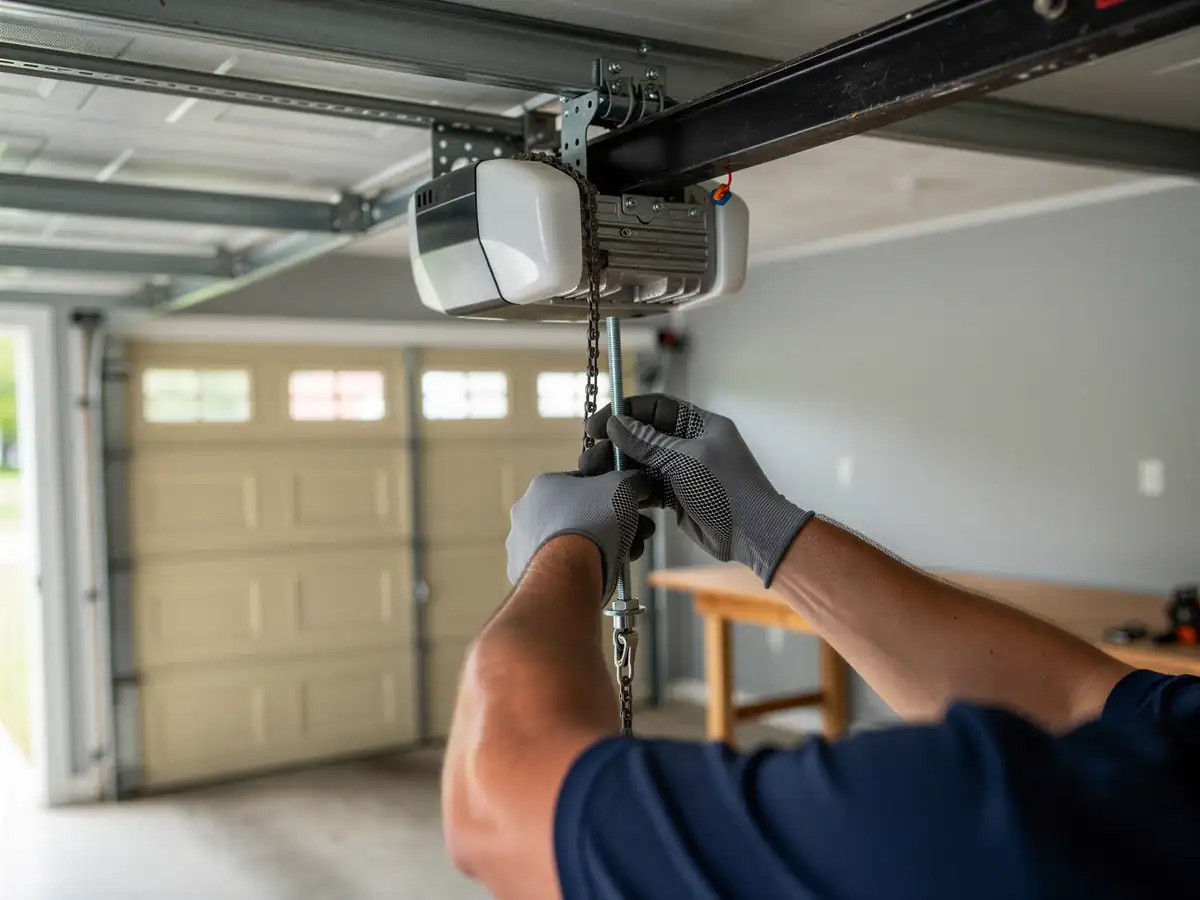
If it's the opener, we check the logic board and the sensor wiring before we recommend a full replacement unit - a lot of 'dead opener' calls turn out to be a $20 sensor, not a $300 head unit.
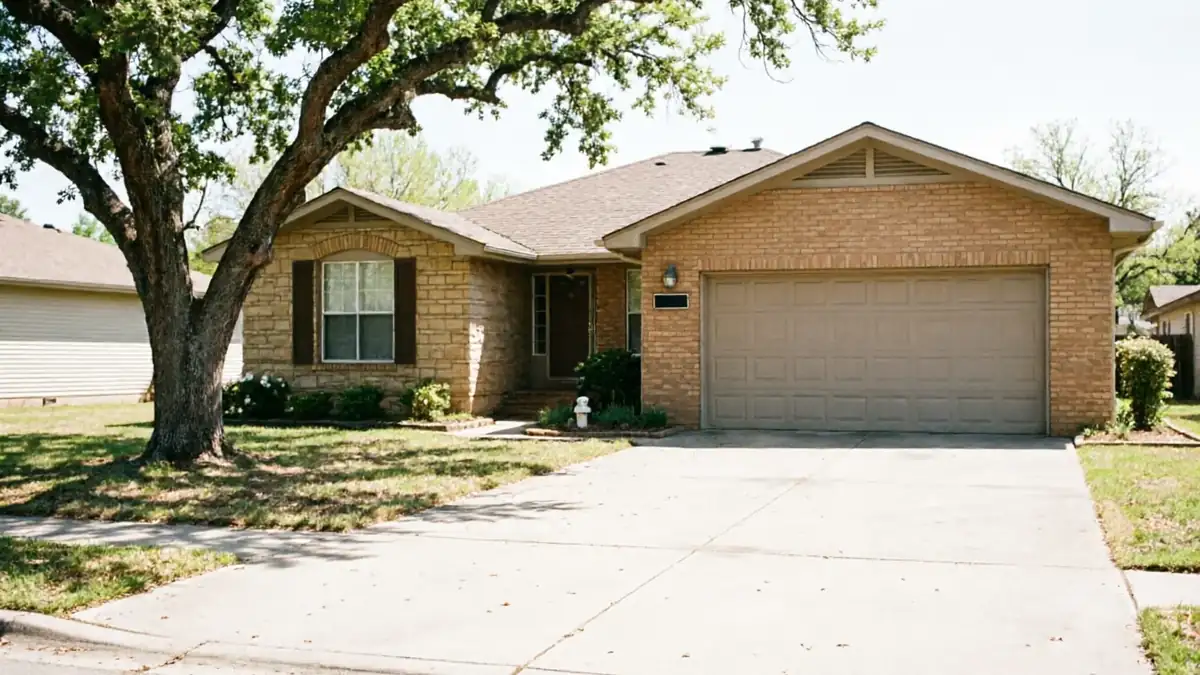
On homes built in the 1987-2013 window that make up most of Bentonville's stock
We're usually dealing with the first or second opener the house has had, and the original spring set if nobody's touched it. That means parts are old enough to be tired but not so old they're impossible to source. We carry common torsion sizes on the truck; less common ones sometimes mean a next-day order, which we'll tell you up front rather than quote a fix we can't actually do that day.
Why This Fails Locally
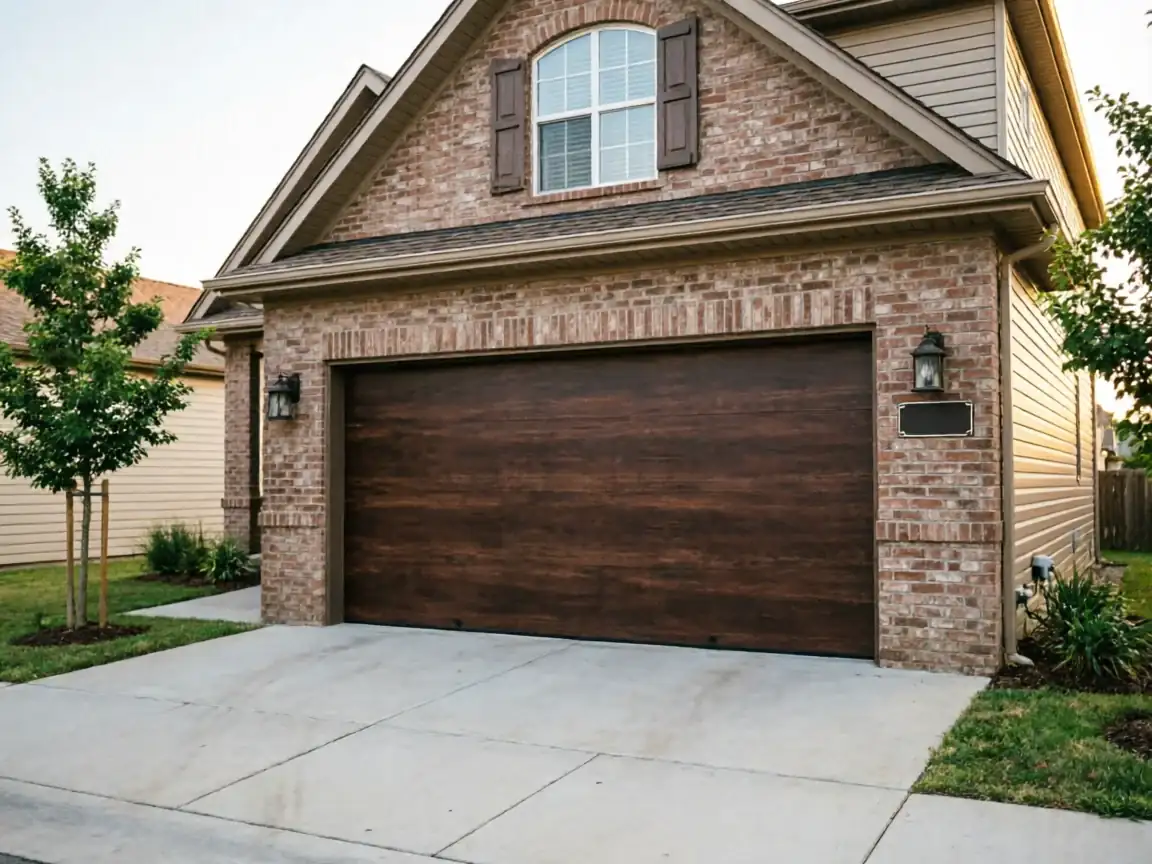
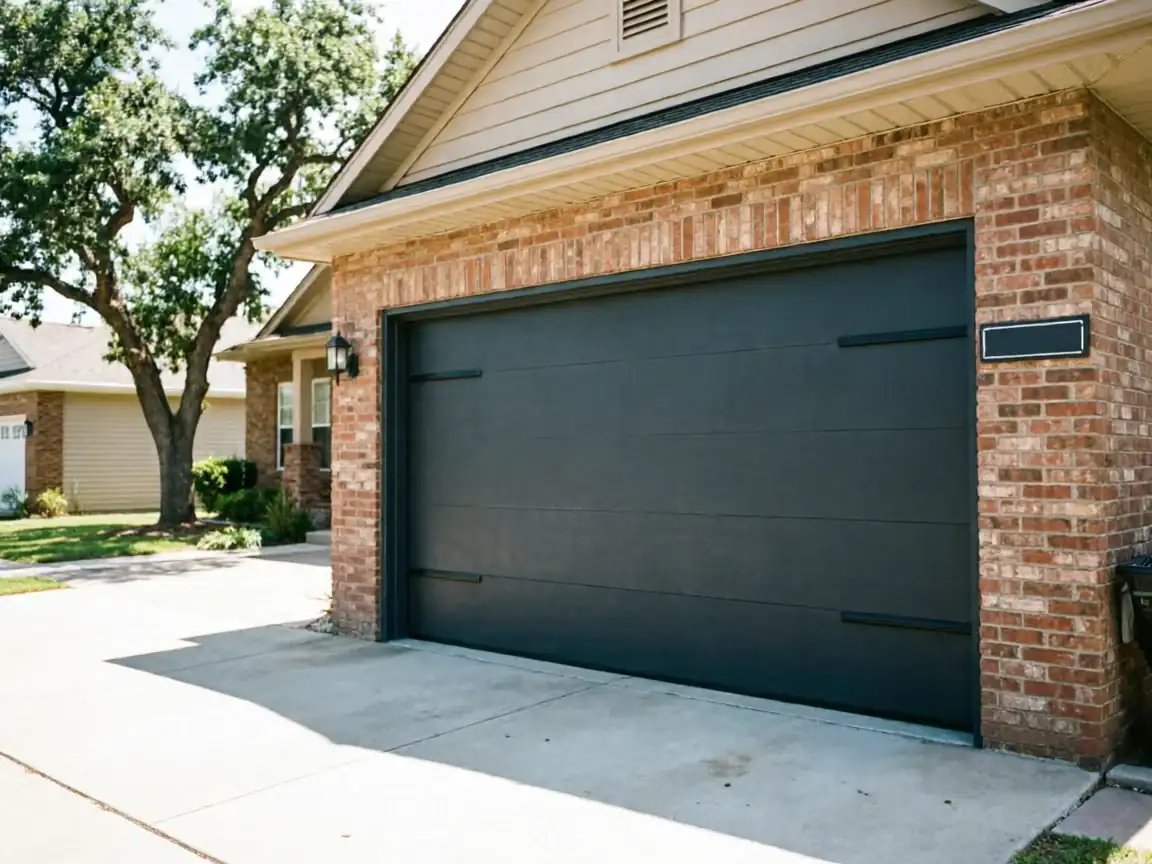
Bentonville's housing stock is concentrated in that 1987-2013 build era, with most of the 16 named areas around town still carrying 1980s-90s construction. Doors and openers installed when a house was built are now old enough that springs are at or past their rated cycle count, and the original openers are reaching the end of their working life at roughly the same time across a lot of streets - not because of bad luck, but because the houses went up in the same years.
The cold-moderate climate band this area sits in adds a second stress. Steel springs contract in winter cold and the lubricant inside the opener gearbox thickens, so a spring that's marginal in October can snap outright on a 20-degree morning in January. We see a seasonal bump in spring calls every winter for exactly that reason - it's the combination of aging stock and temperature swing, not a defect in any one brand of door.
Houses from the 1990s also tend to have single-sensor or no-sensor opener setups that later safety codes phased out. When we replace an opener on one of these, we're not just swapping brands - we're bringing the safety sensor setup current, which is routine work here given how much of the stock falls in that window.
How It Shows Up
The most common thing homeowners describe is the door reversing halfway up, or refusing to close all the way and backing off instead. That's almost always the opener's travel limits drifting or a sensor that's gotten knocked out of alignment - both routine adjustments once we're on site.
The second pattern is a door that feels heavier than it used to, or one that won't budge at all when the opener tries. That's a spring that's lost tension, and on a double door it usually means both springs are near the end together, even if only one has actually broken, since they wear at close to the same rate.
A third pattern, more common in winter, is a loud bang followed by the door refusing to move - that's a snapped spring, and it's not a DIY fix given the tension stored in a wound torsion spring. We don't recommend homeowners attempt that one themselves.
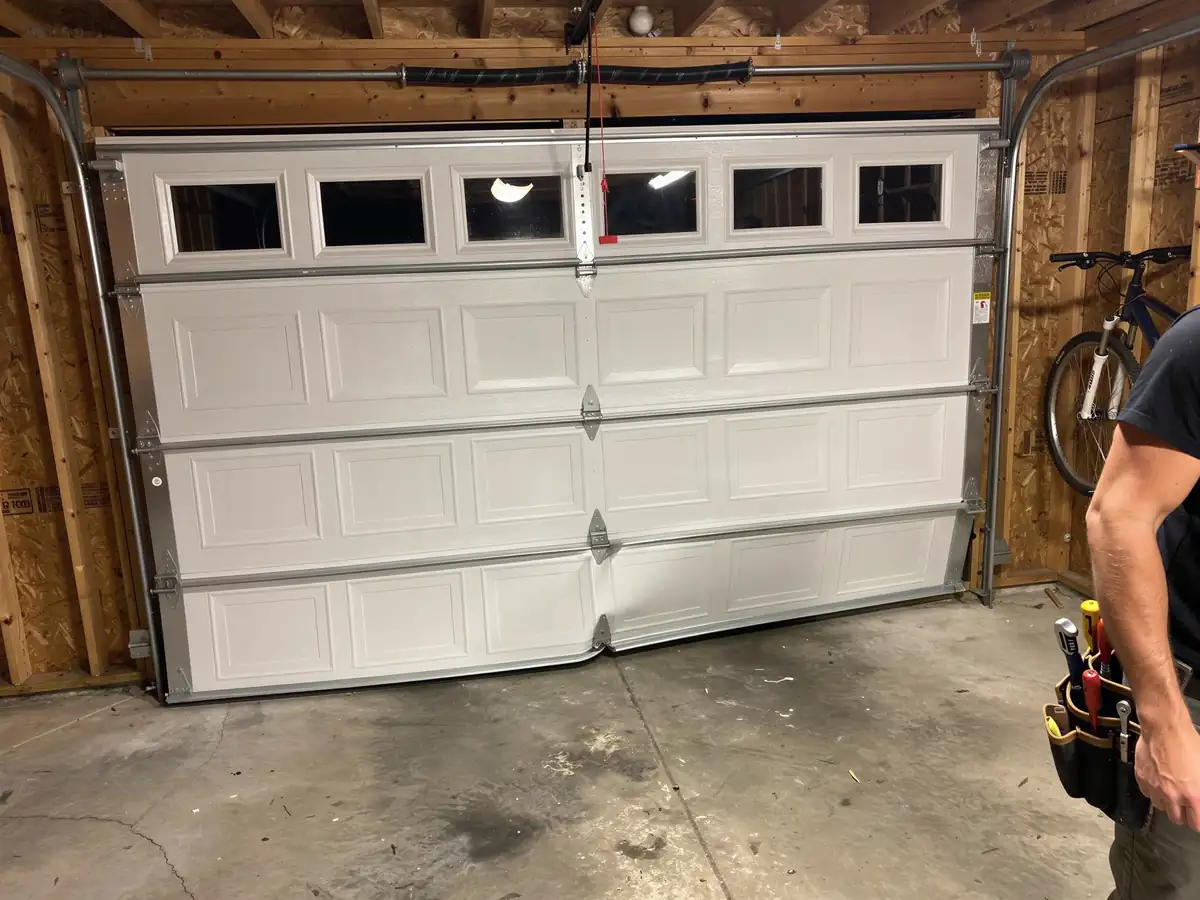
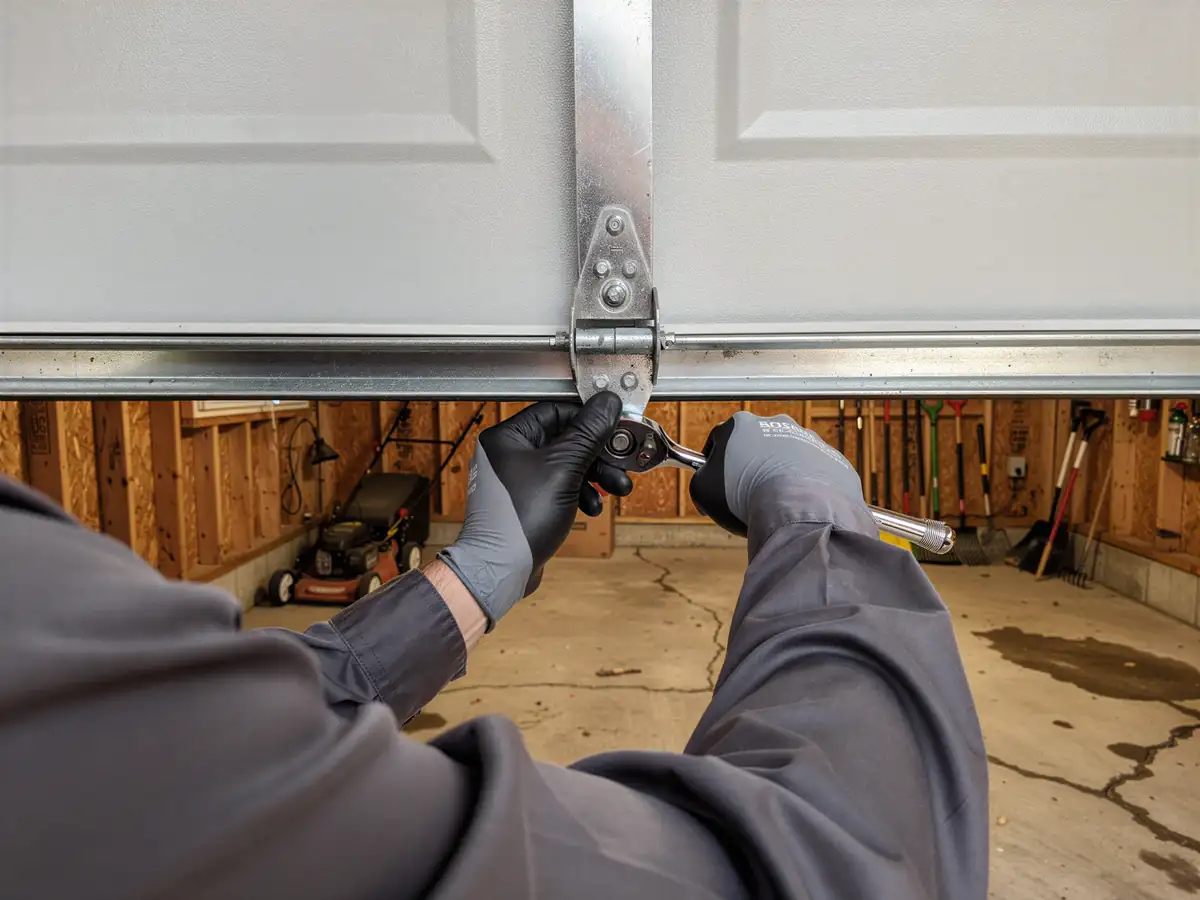
Less dramatic but just as common: a track that's bent or a roller that's worn oval instead of round, which shows up as a door that rattles or binds partway through its travel. That one's often cheaper to fix than people expect, since it's usually one section of track rather than the whole run.
How to Book
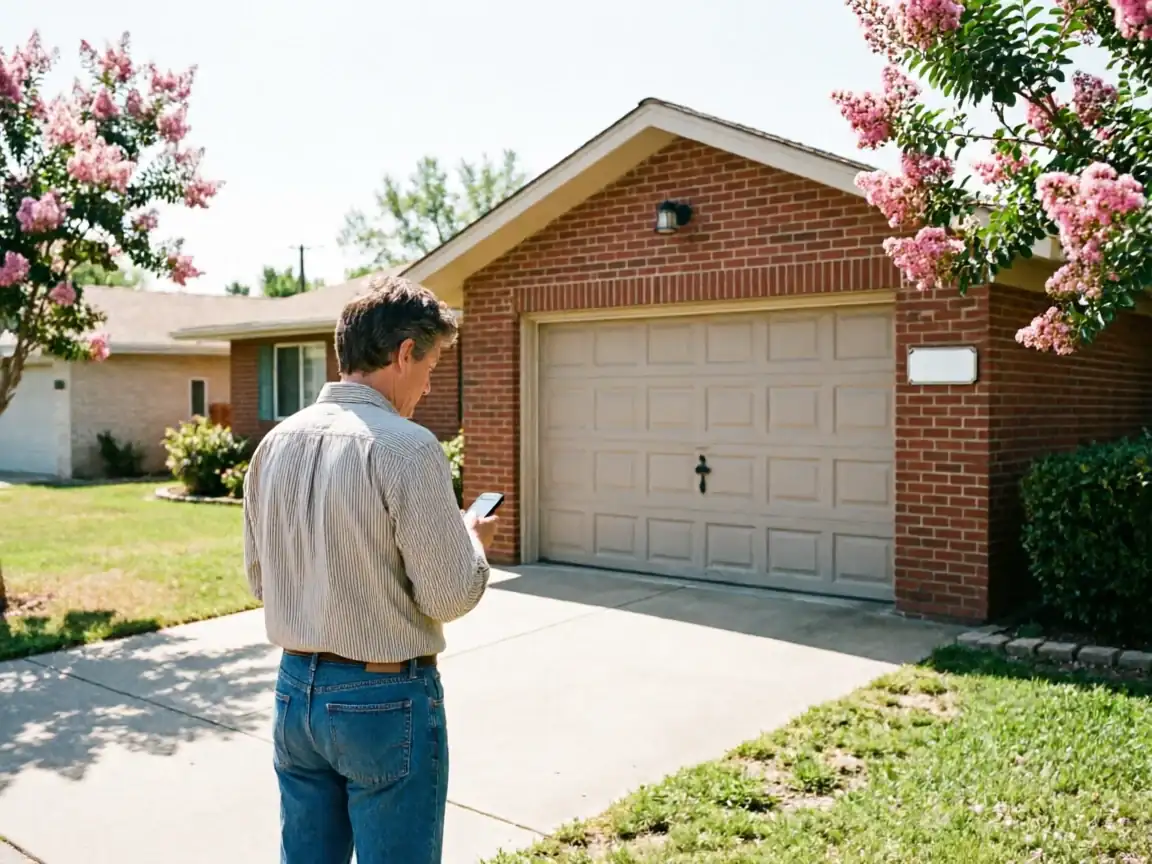
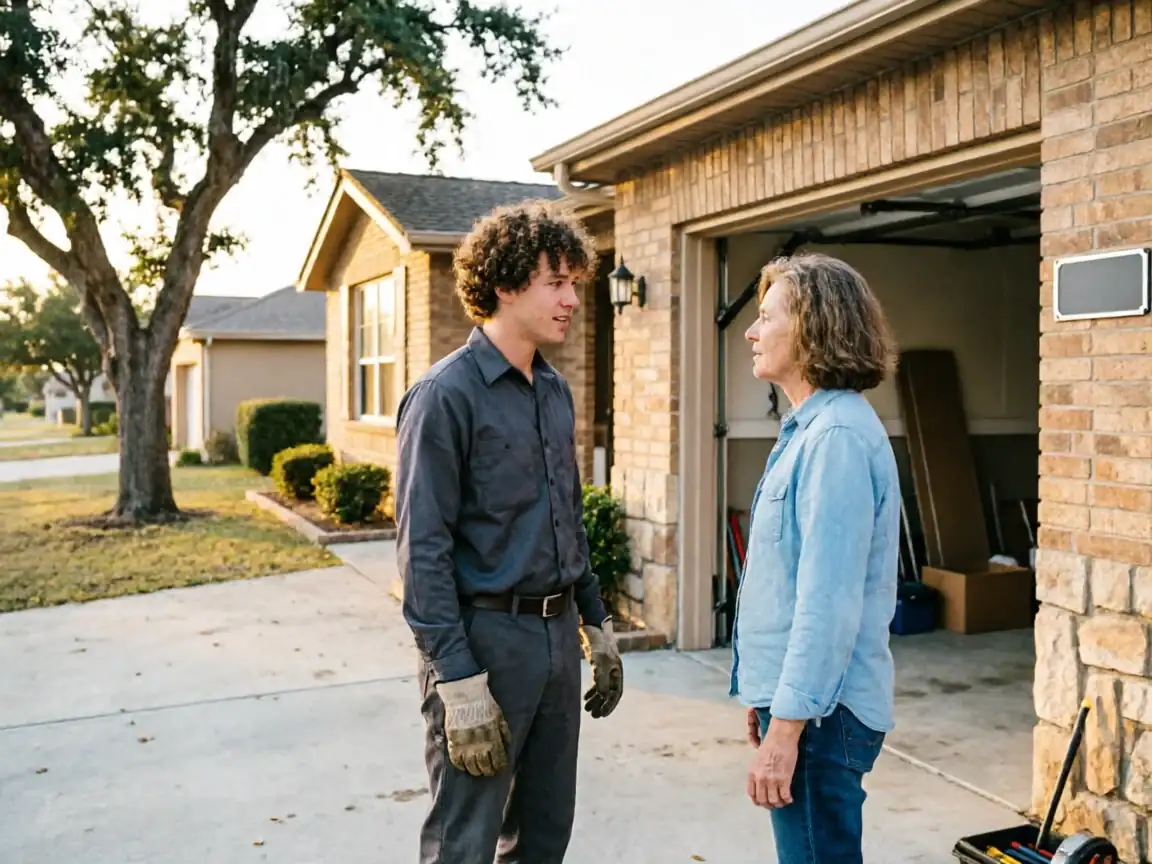
Call or request a visit through the site and tell us what the door's doing
Whether it's stuck, reversing, noisy, or just slow. That lets us bring the right spring size or sensor part on the first trip instead of a second visit to grab what we didn't know we needed.
We work throughout Bentonville and into the surrounding area, including Centerton, Little Flock, Cave Springs, Highfill, Lowell, Bella Vista, Pea Ridge, Gravette, Avoca, Prairie Creek, Elm Springs, Decatur, Tontitown, Johnson, Gentry, and Garfield, plus itself just a couple miles from where most of our calls originate
If you're near the center of that coverage area, same-day scheduling is usually possible; further out it may run to the next day depending on the route that day.
One honest limit: if your spring size or opener part isn't something we carry on the truck
We'll say so on the call rather than show up and guess. That's rare on the common 1990s-era setups we see most, but it happens with older or less common hardware, and we'd rather tell you before the visit than after.