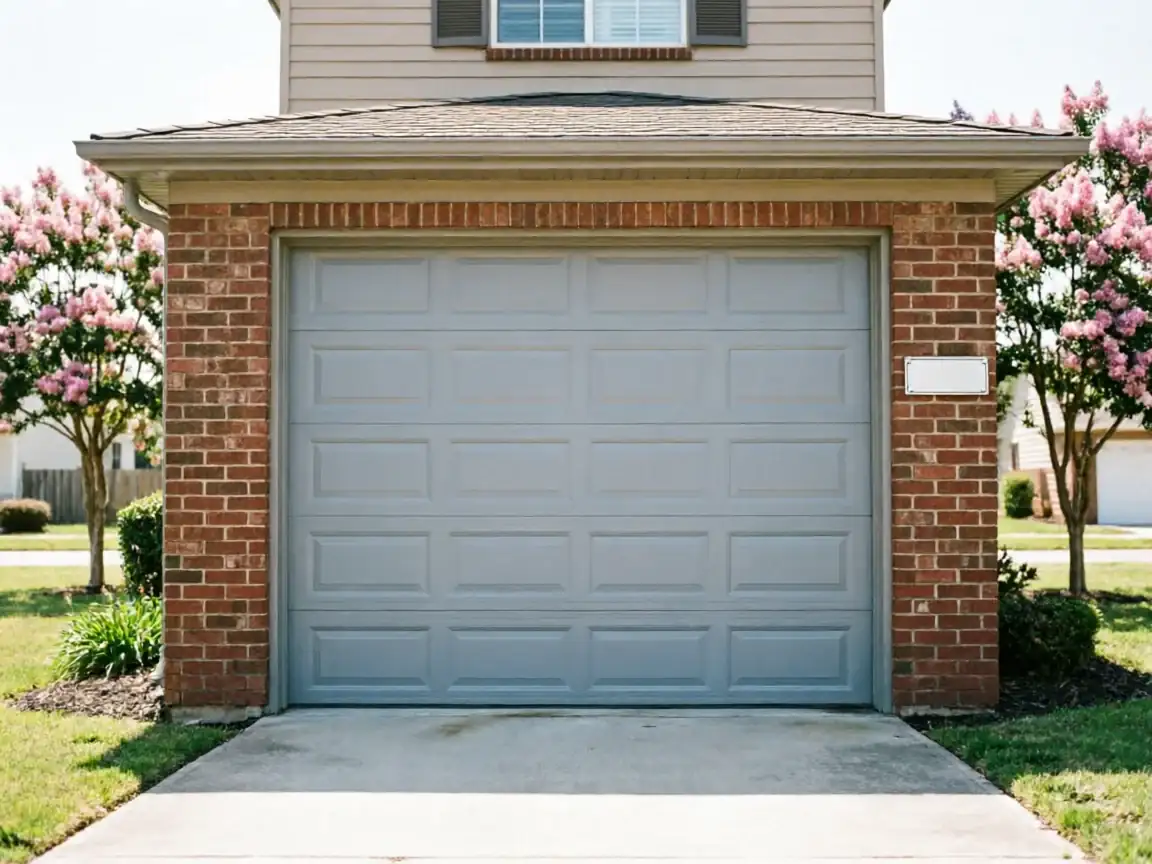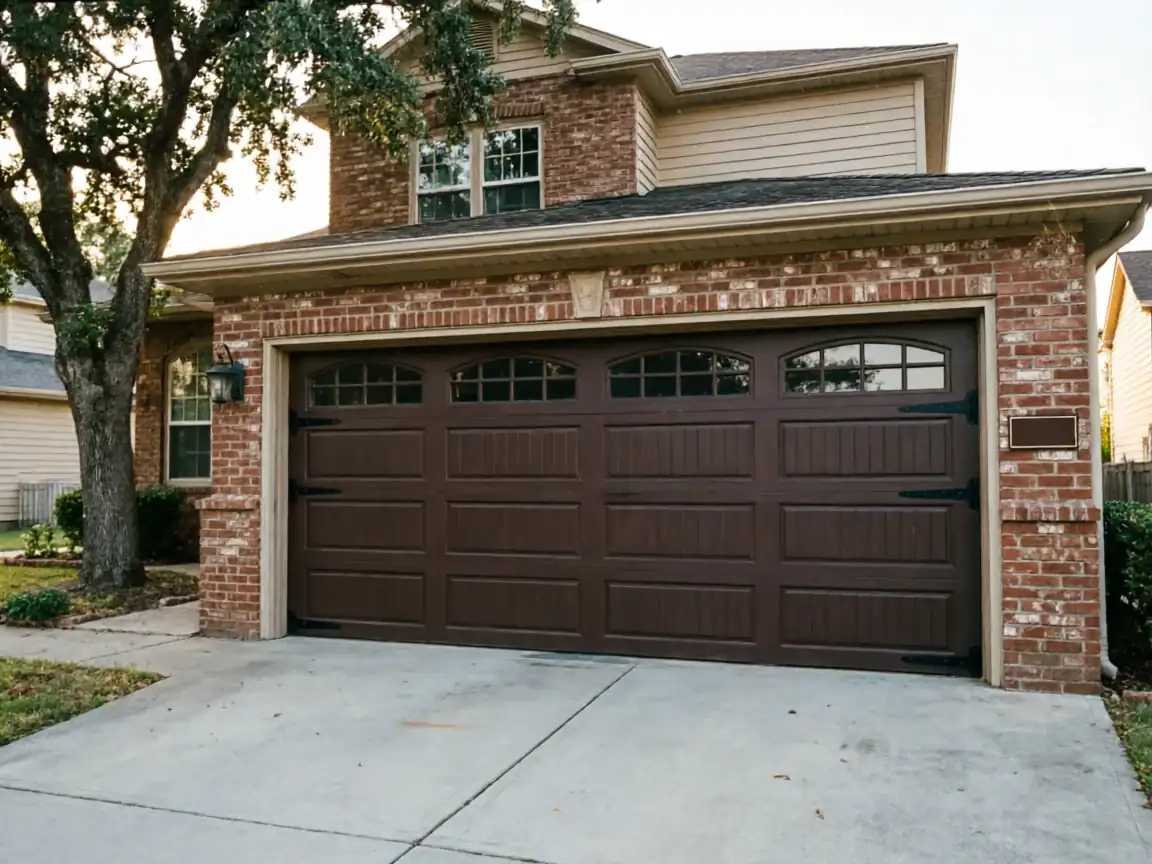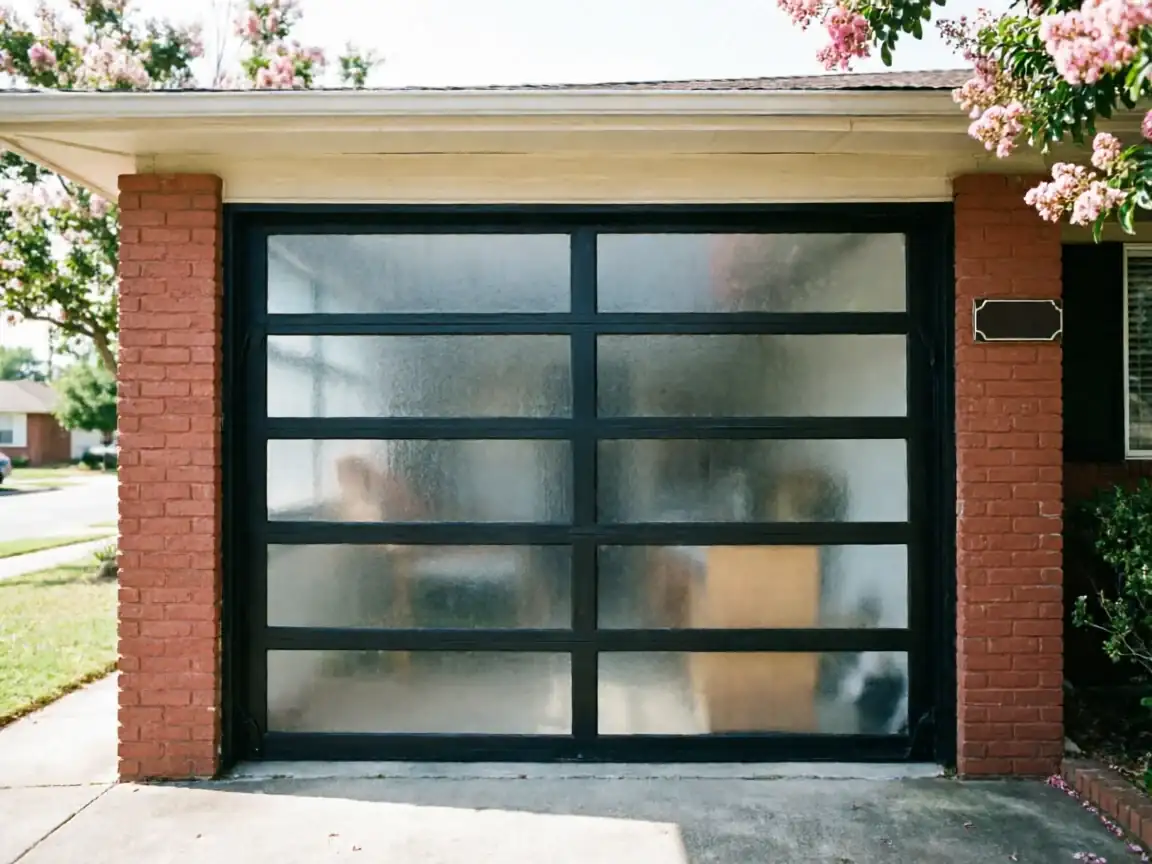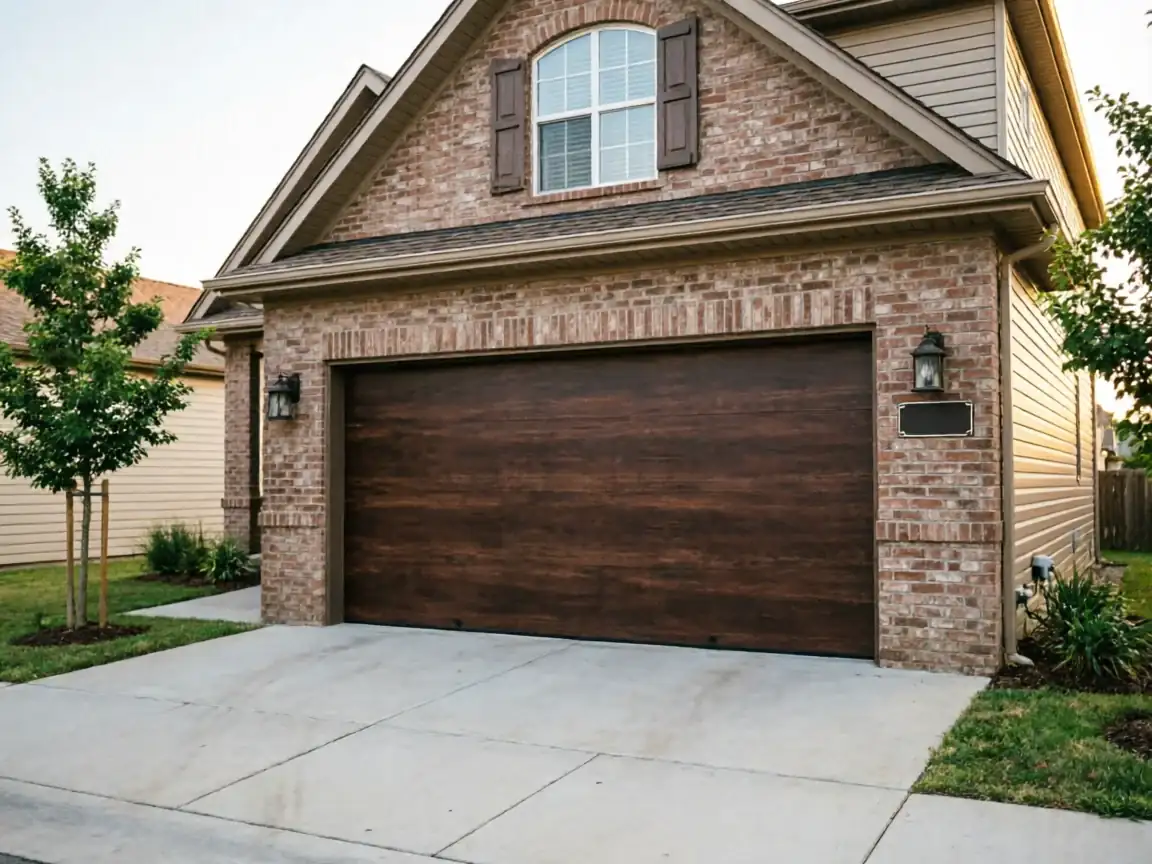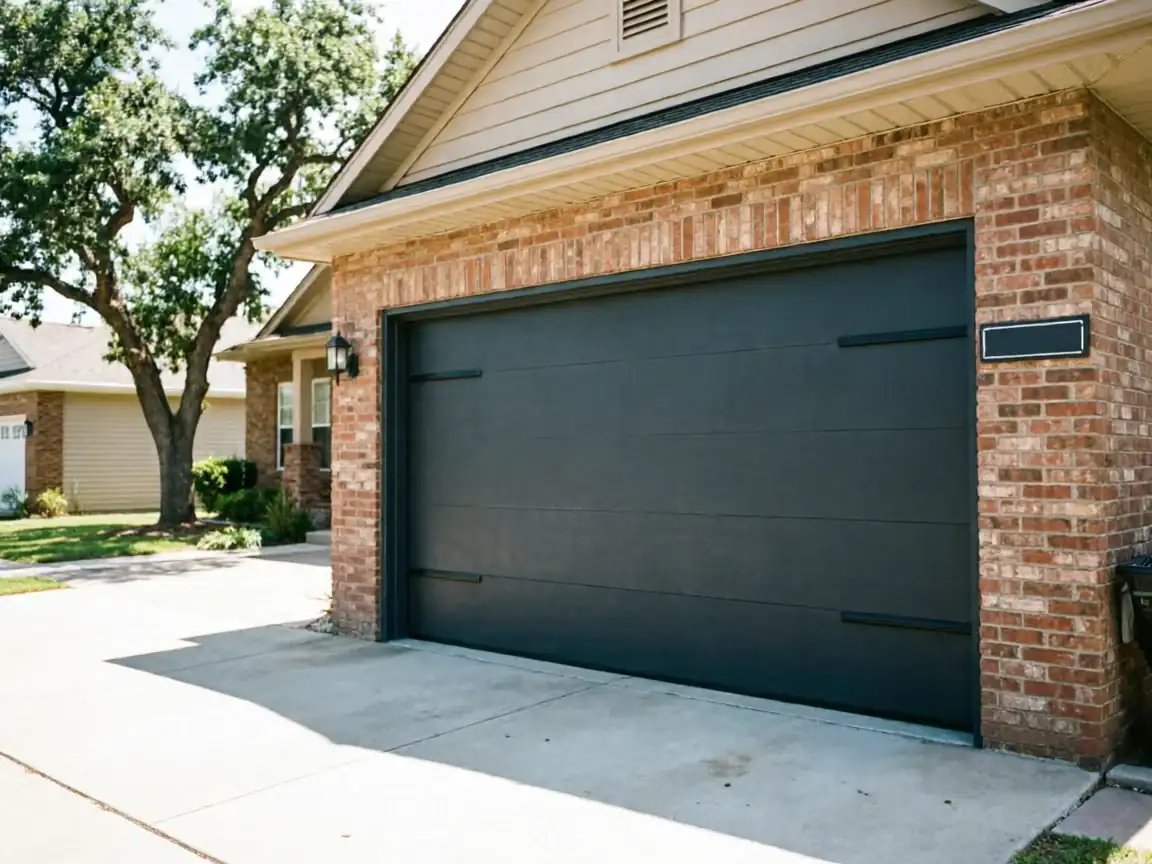
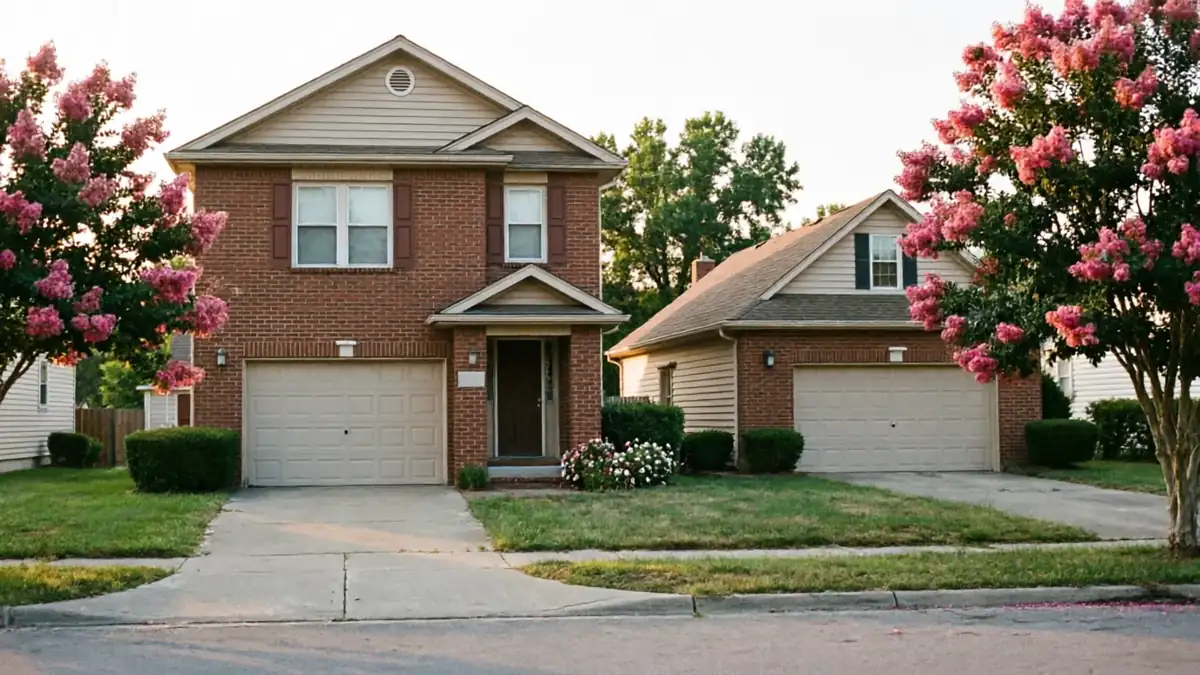
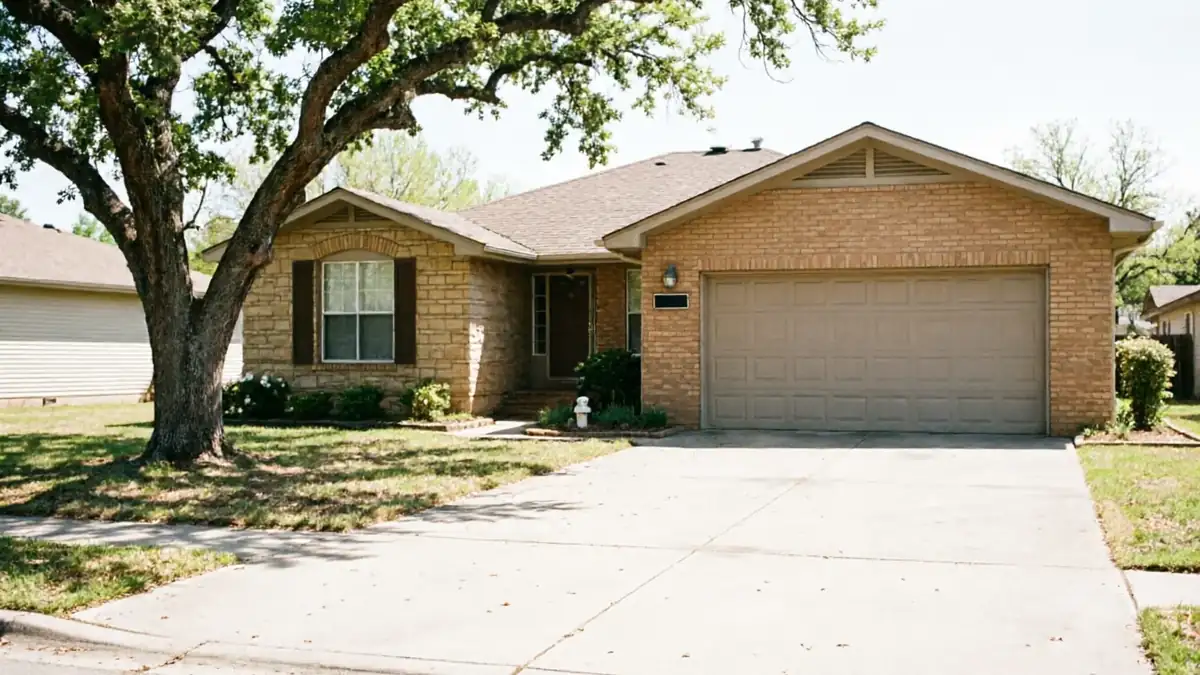
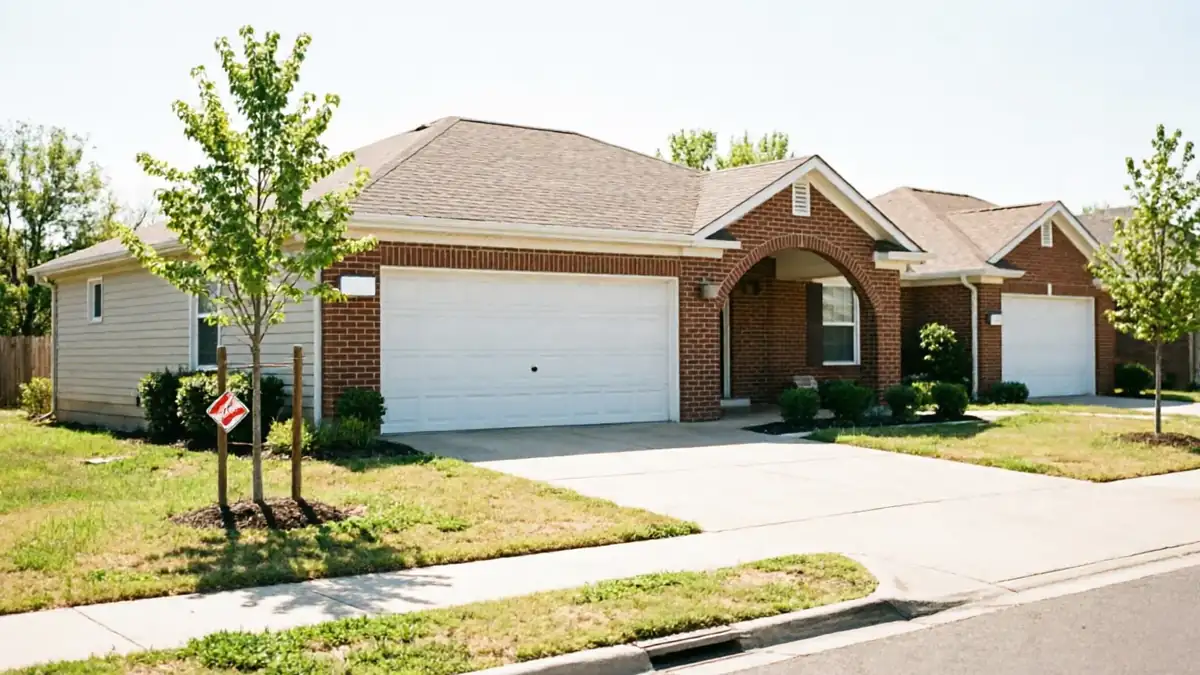
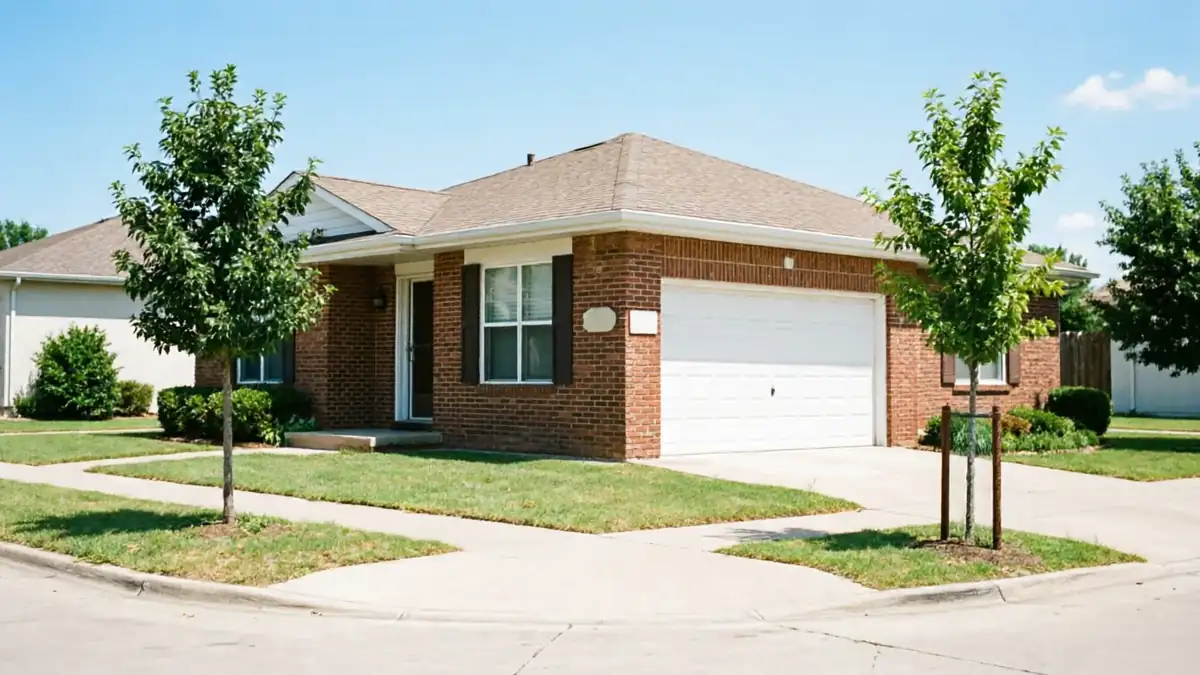
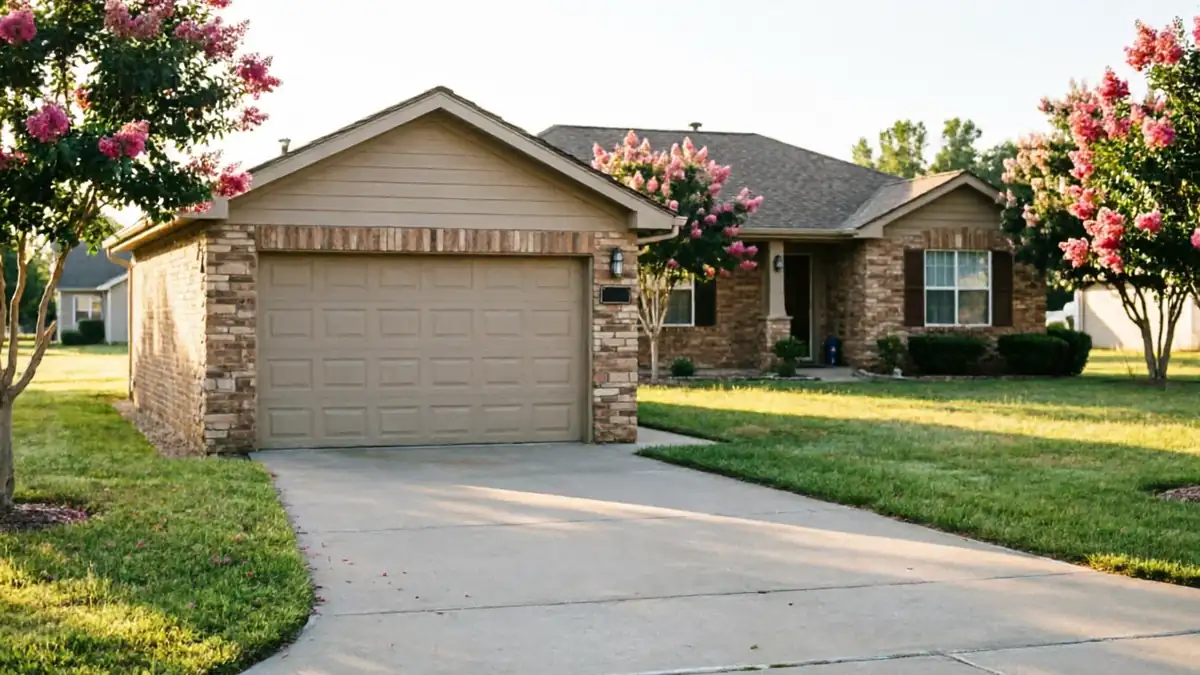
The Houses Here
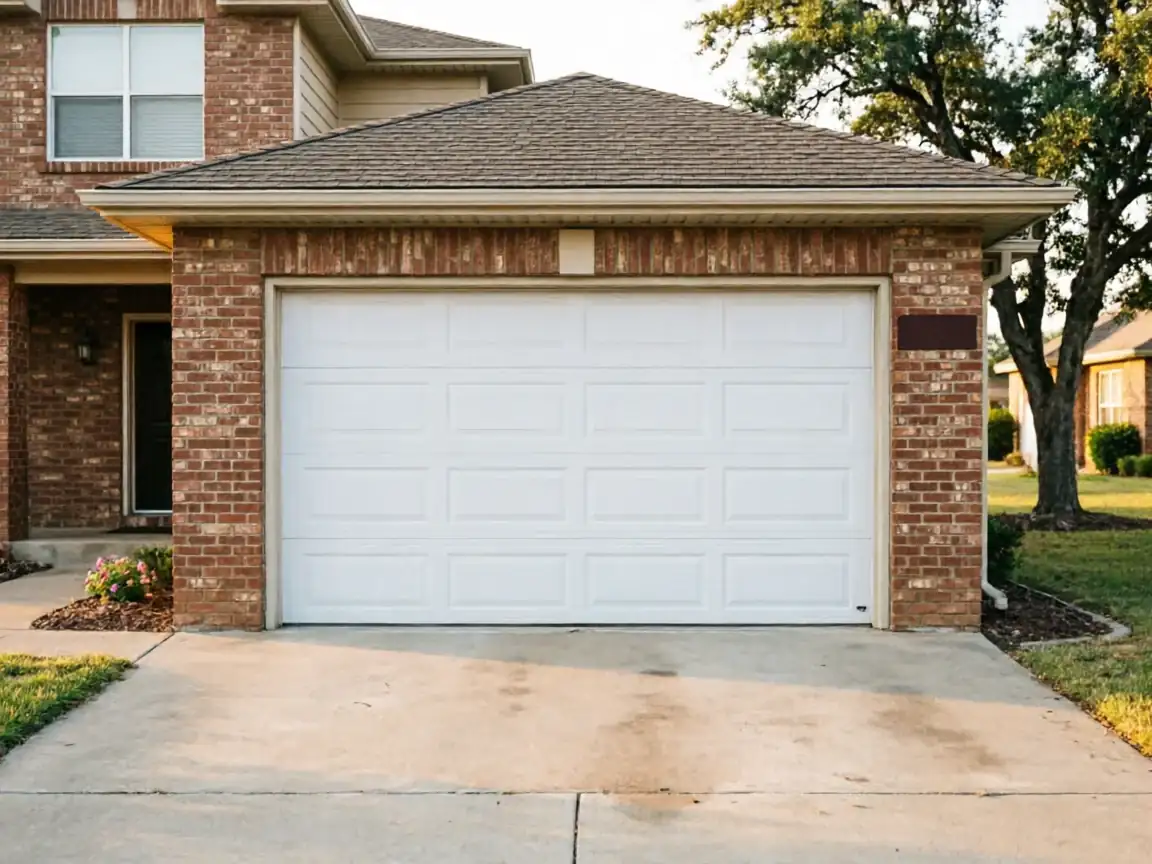
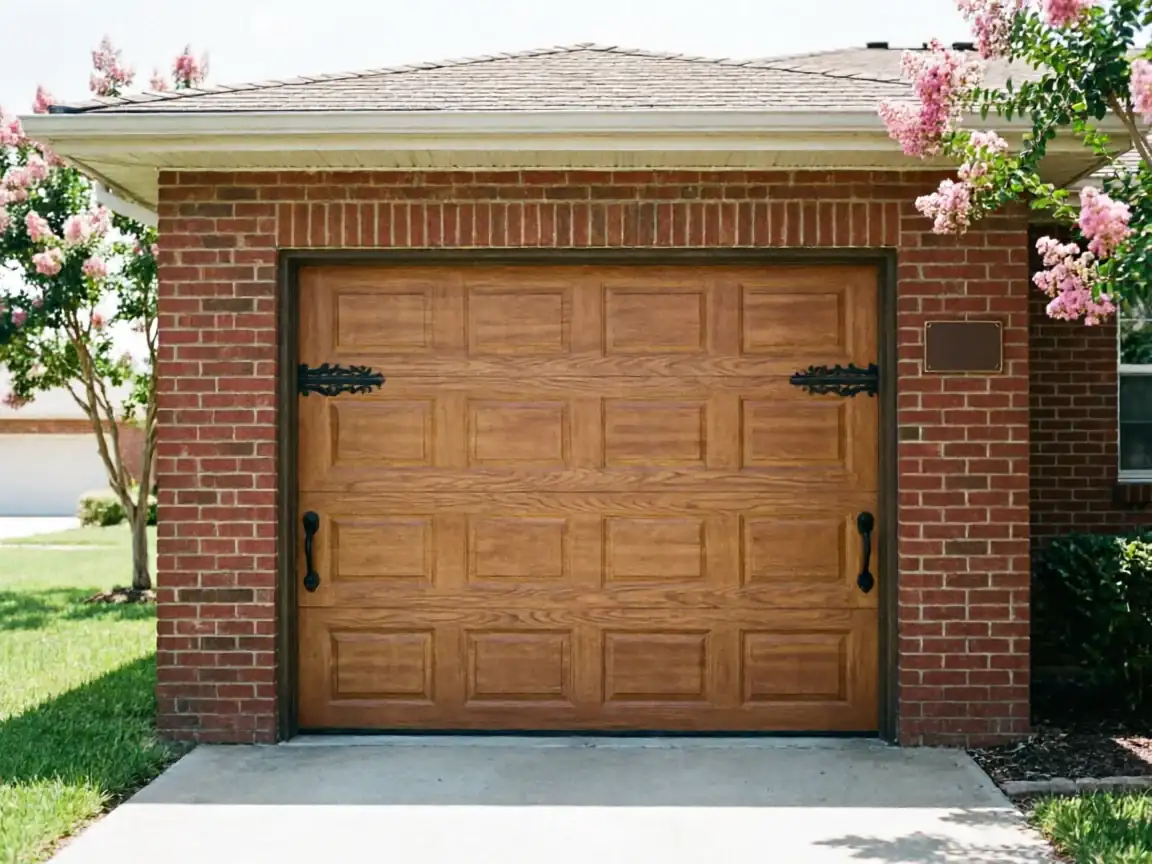
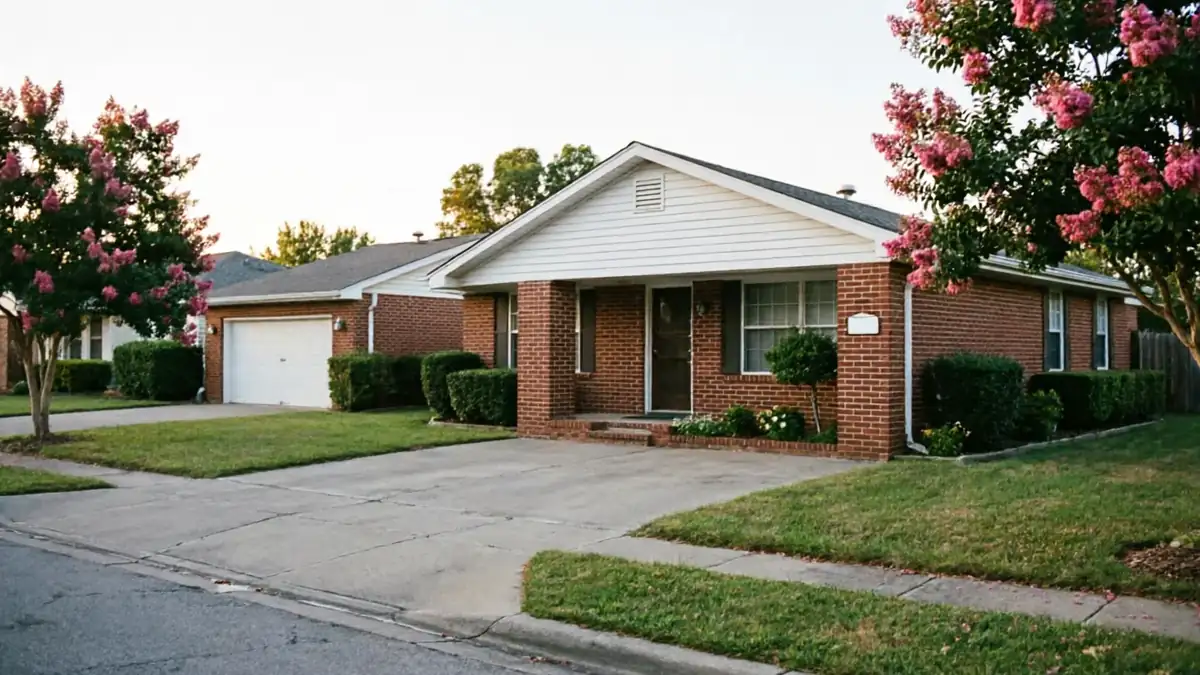
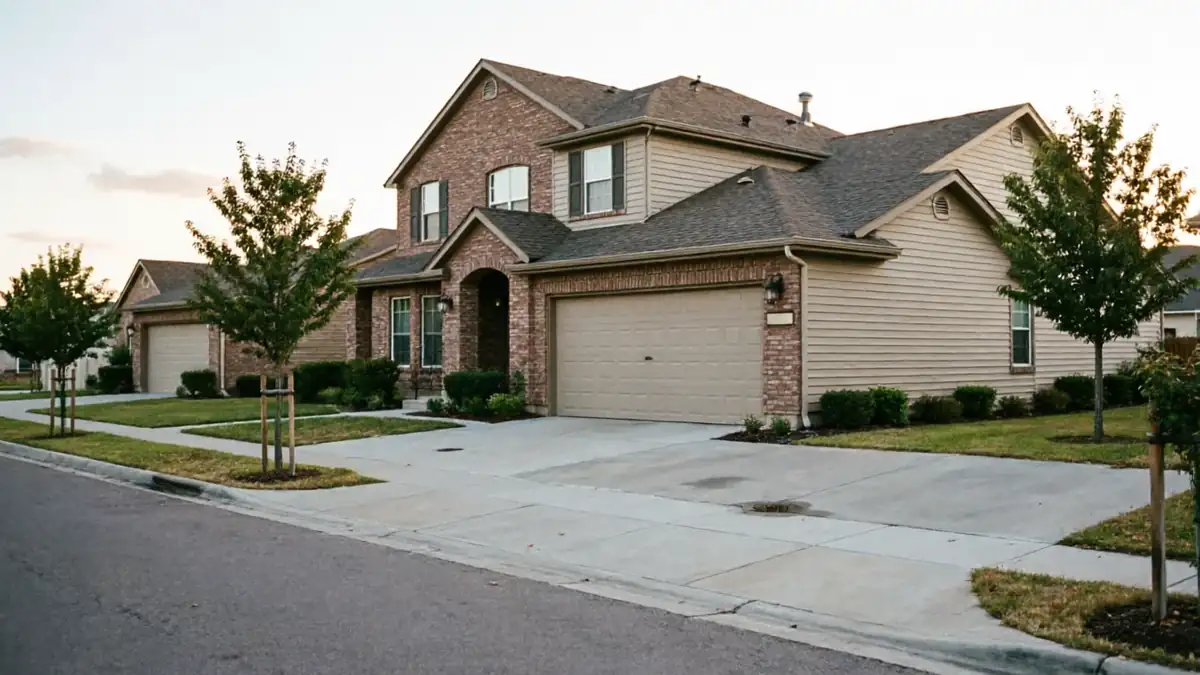
Decatur's housing stock centers on a median build year of 1992, a few years earlier than the wider Bentonville service area's 1996 median. That gap matters more than it sounds like it should. A door and opener installed in the early '90s is now pushing 30+ years old, which is past the service life of most springs and well past it for the first-generation chain-drive openers that came standard then. With 607 households in the area and a median income of $43,239 - noticeably below the broader service area's $86,541 - we see more owners choosing a targeted spring or cable repair over a full door replacement, and that's a reasonable call on a door that's otherwise sound.
How That Shows Up in the Door
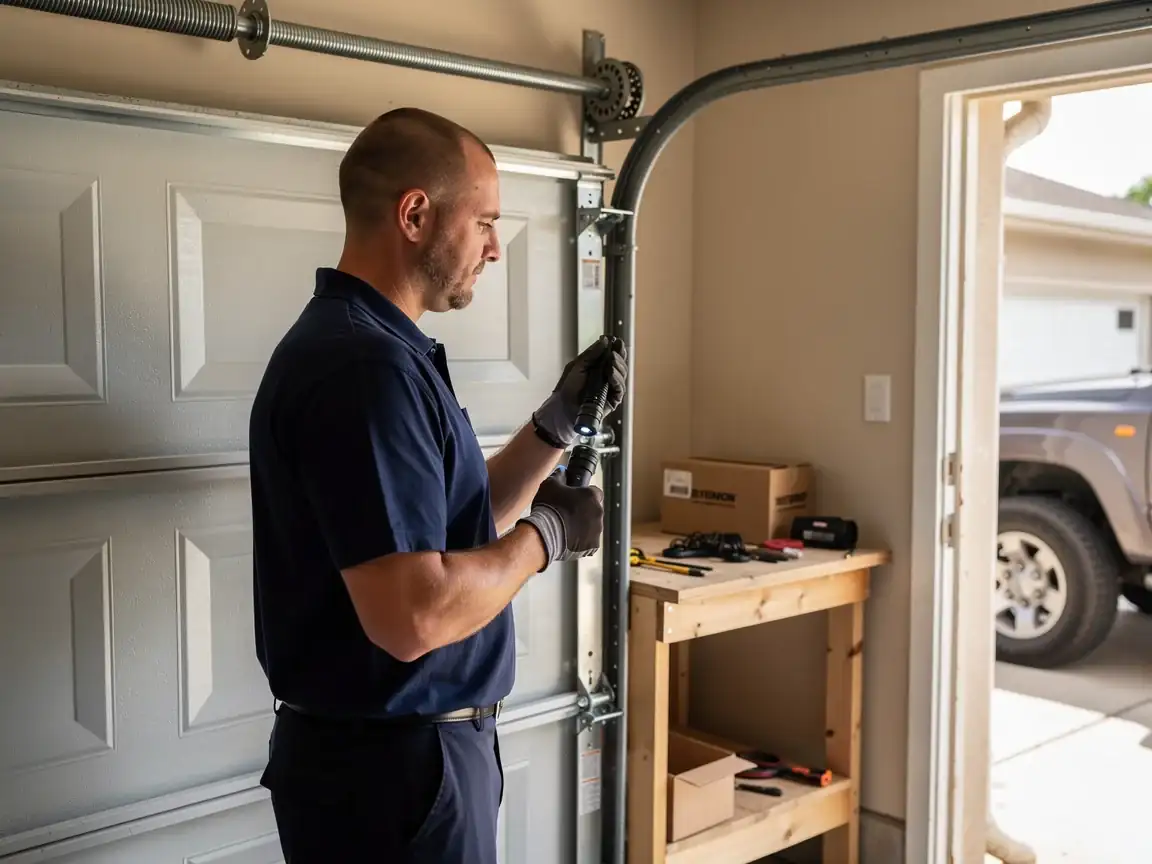
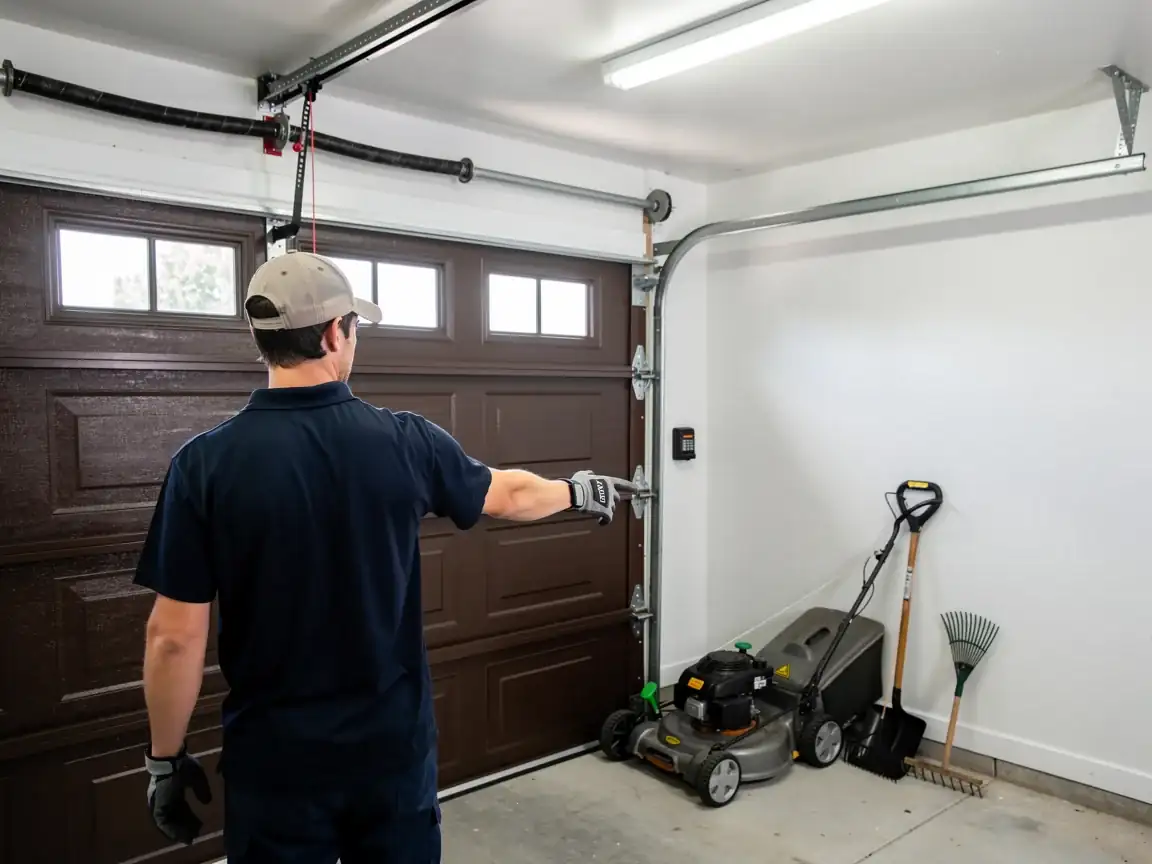
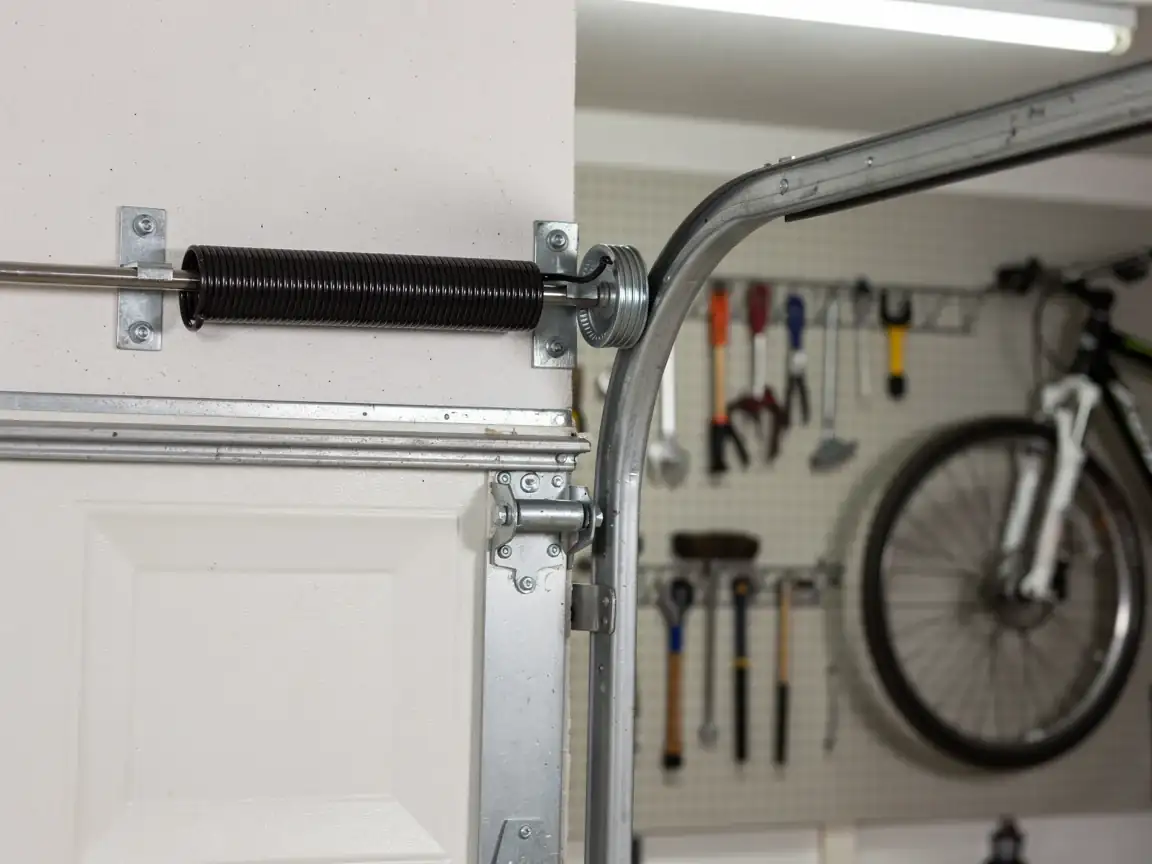
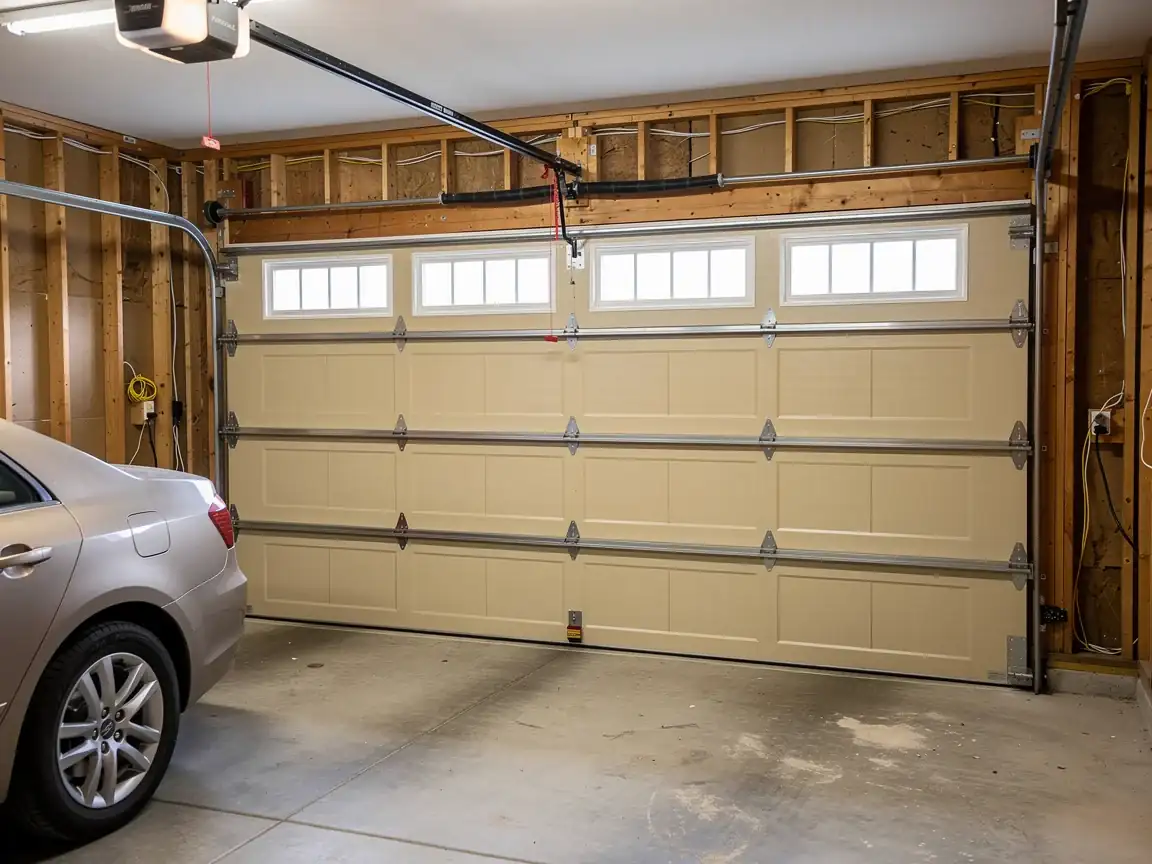
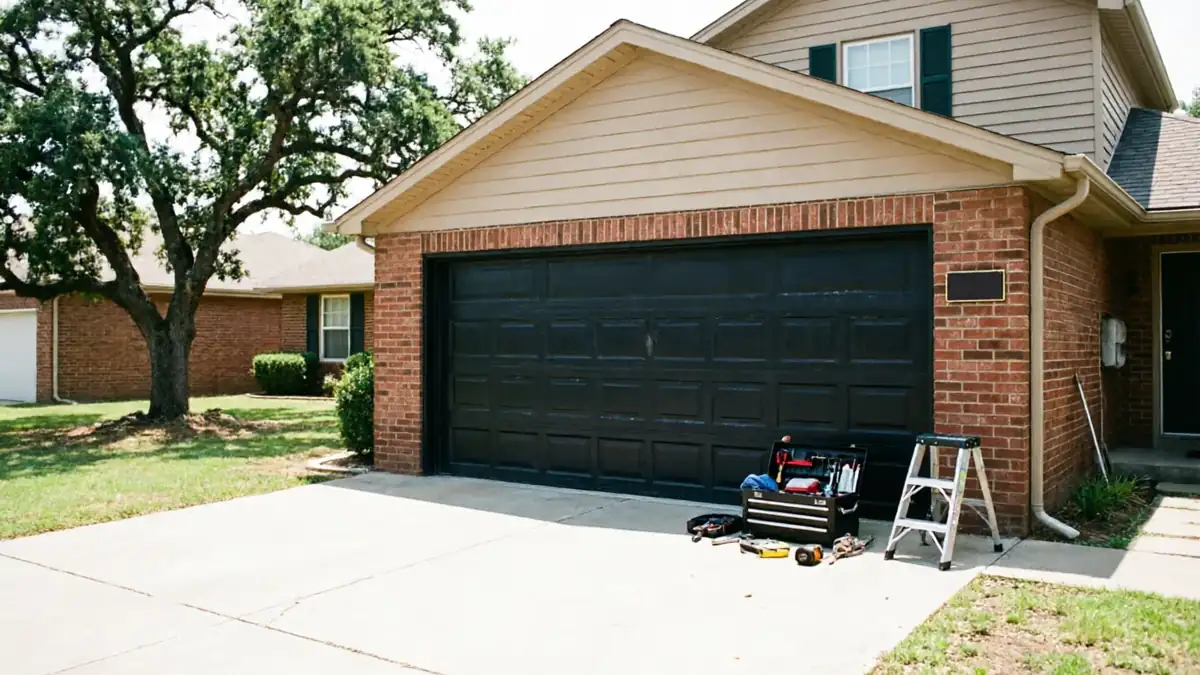
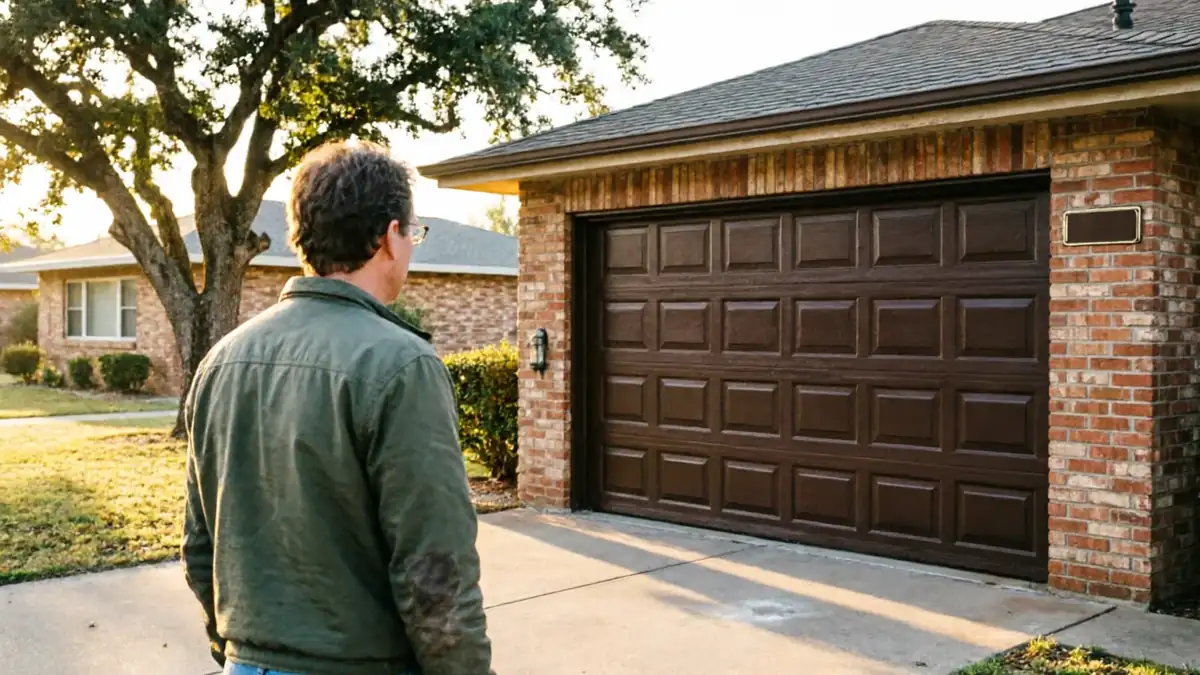
Doors from the early-'90s build wave in this area tend to run on torsion springs sized for heavier wood or wood-composite panels, even where the panel itself has since been swapped for steel. That mismatch is one of the more common calls we get out this way - a spring that's technically holding the door but is undersized or oversized for what's currently hanging on the track, which shows up as a door that's hard to lift by hand or one that slams down fast once the opener disengages. Openers from that era also used sensors and logic boards that don't talk to current safety-sensor wiring without an adapter or a full swap. On the plus side, framing and track hardware from this period is generally standard enough that we're not hunting for obsolete parts the way we would on something from the 1960s or 70s.