Why This Fails Locally
Decatur is 13 miles out from Bentonville
Which changes how a service call here runs before anyone touches a door. It's not a same-block job - a truck heading out to Decatur is committing to that drive one way, so the work on-site tends to be scoped tighter and the parts on the truck matter more than they would on a closer stop.
- 13 miles
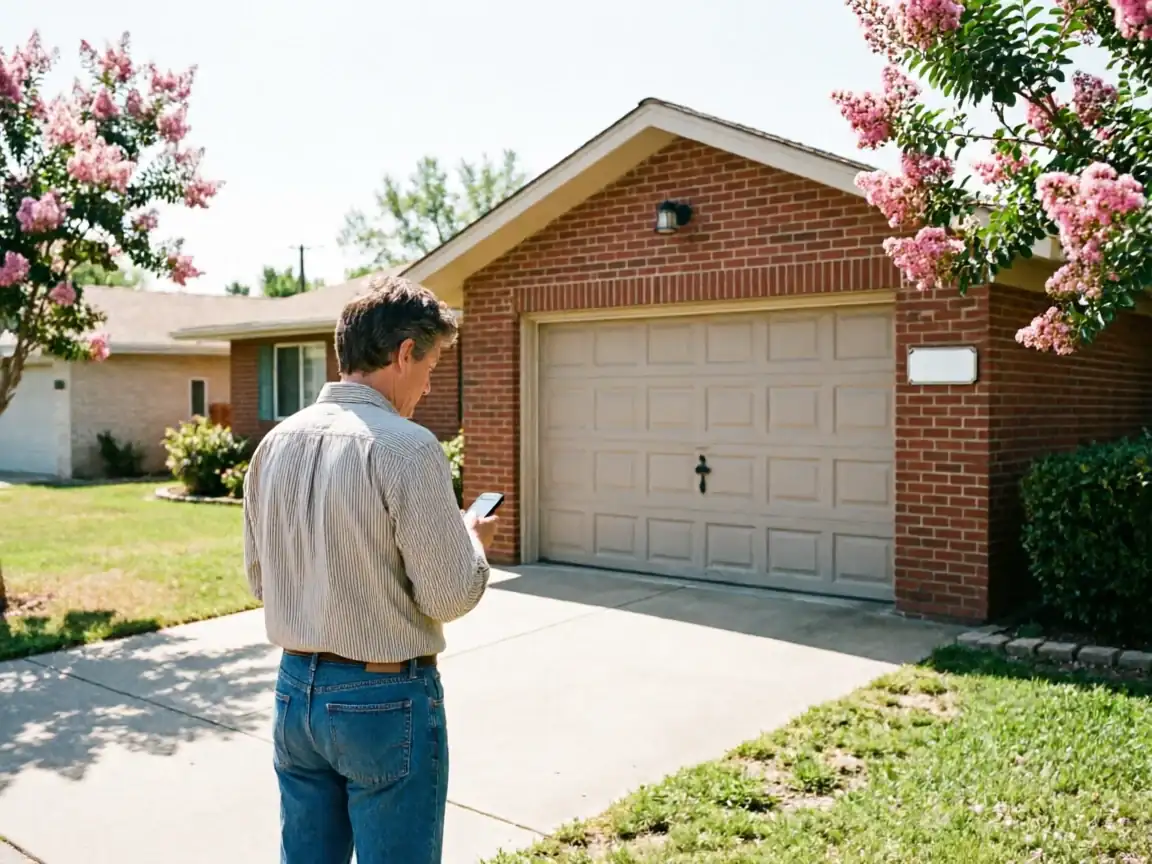
The houses themselves are a different story from what you'd find near Bentonville's core
Decatur's median household income sits at $43,239, well under the wider service area's $86,541 median. That gap shows up in maintenance history more than in the doors themselves - openers and springs that would've been swapped on a shorter replacement cycle elsewhere often get run longer here before anyone calls. By the time we're out, a spring near the end of its life has usually been there a while, and an opener that's been struggling has usually been struggling for months, not weeks.
With only 607 households in Decatur, it's also a smaller, more spread-out base than the denser areas closer to Bentonville
Fewer calls doesn't mean easier calls - it means each one is worth getting right the first trip, since a callback means another 13 miles.
- 607 households
- 13 miles
The Complications
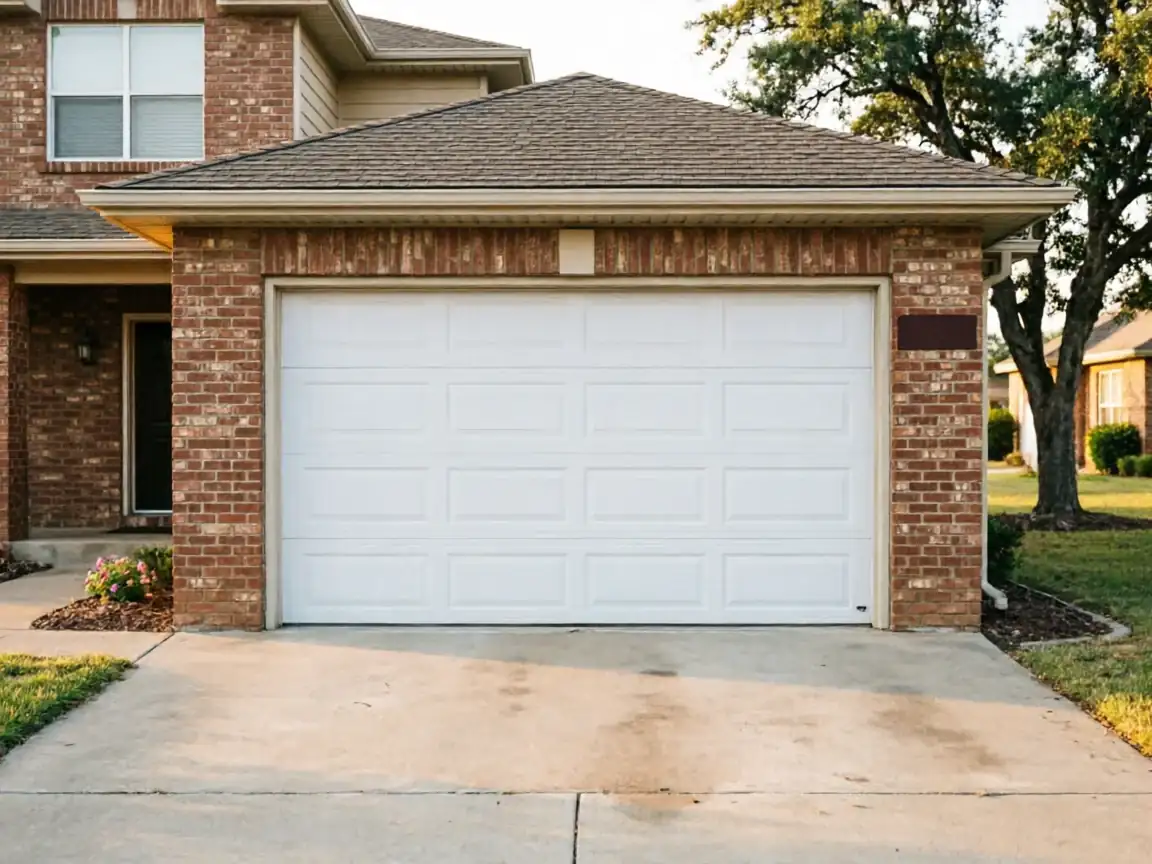
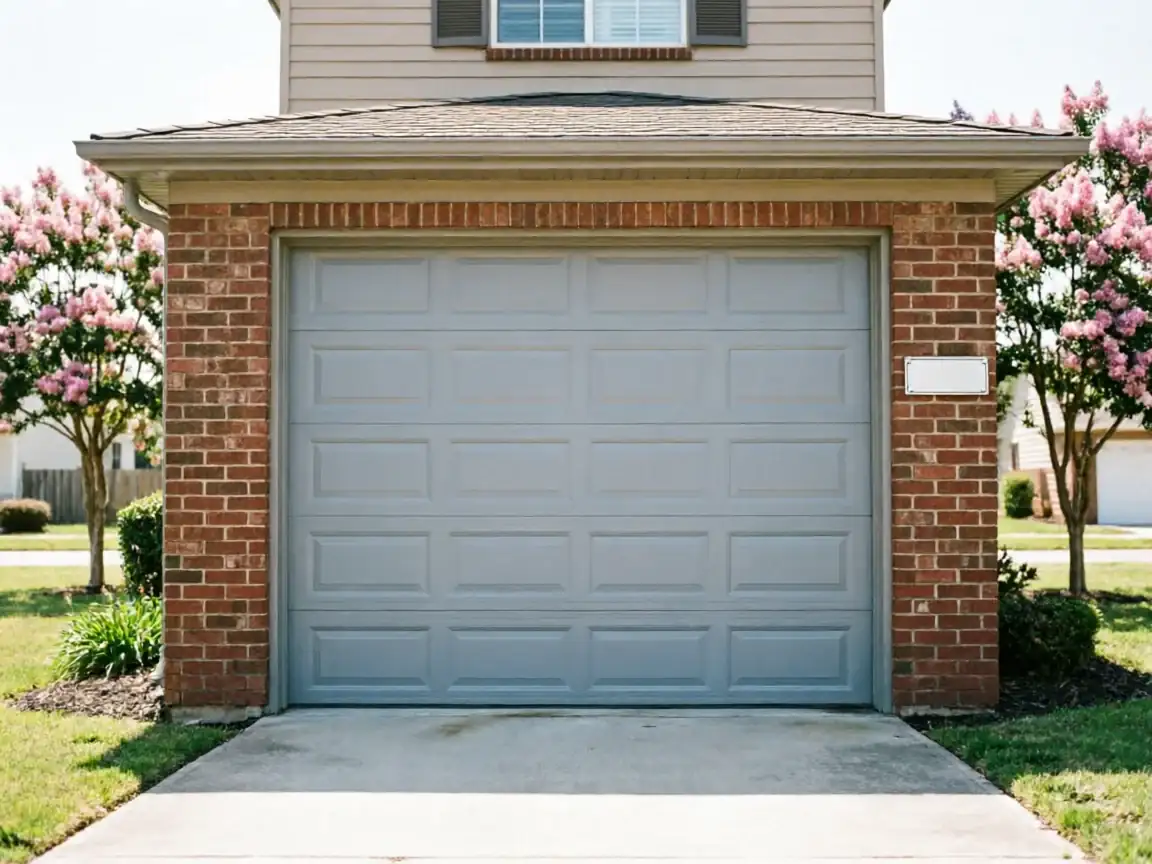
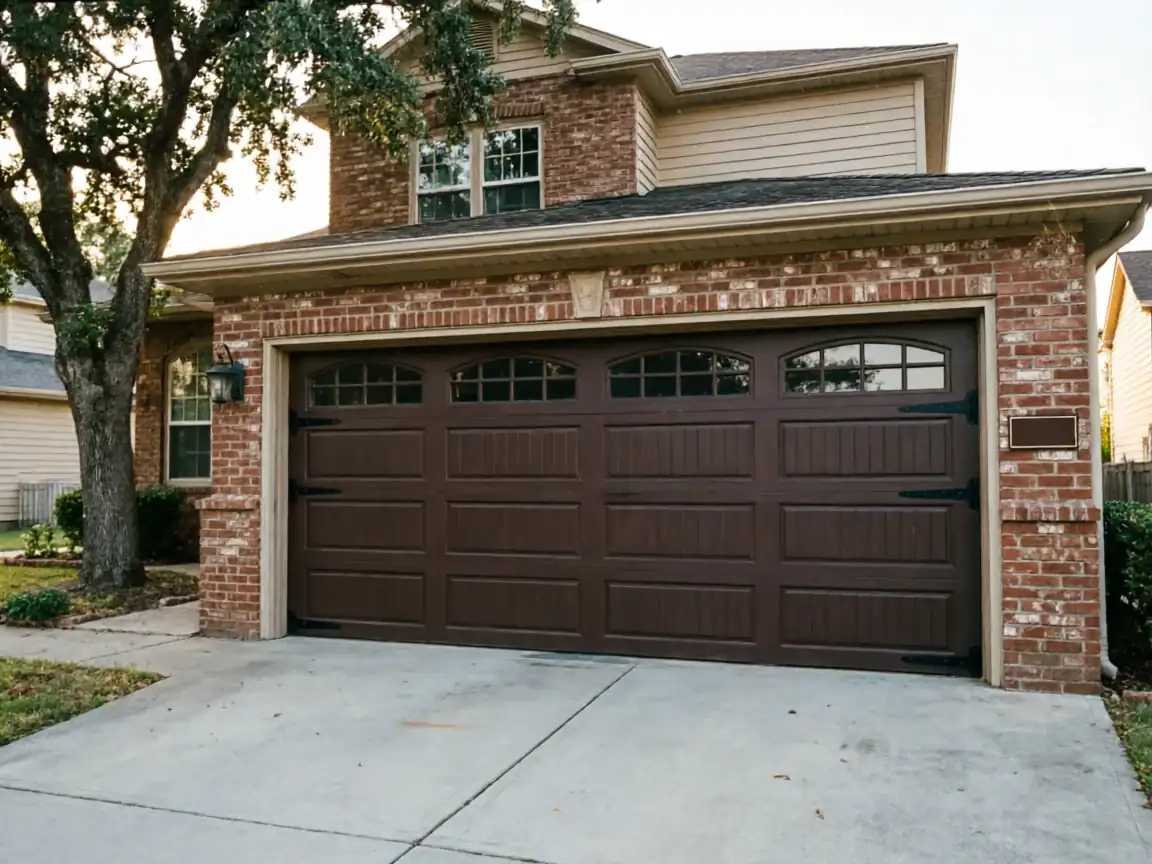
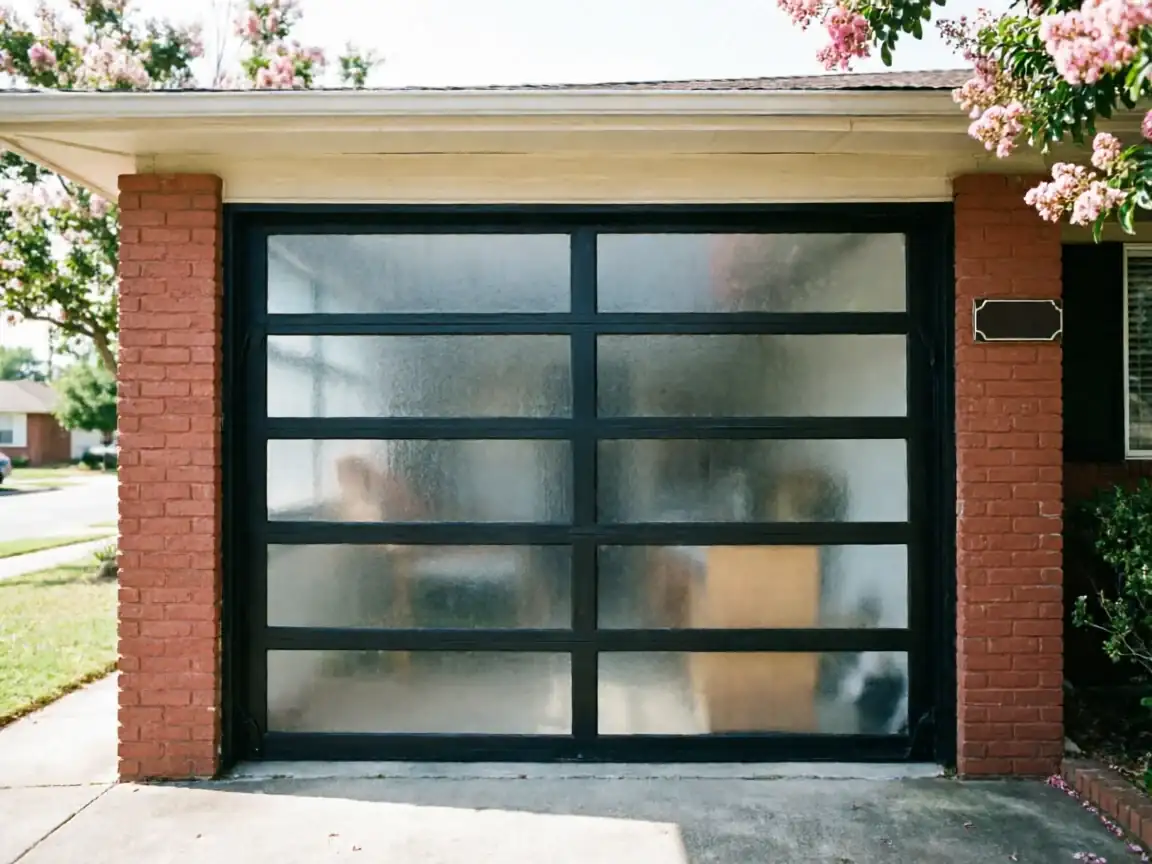
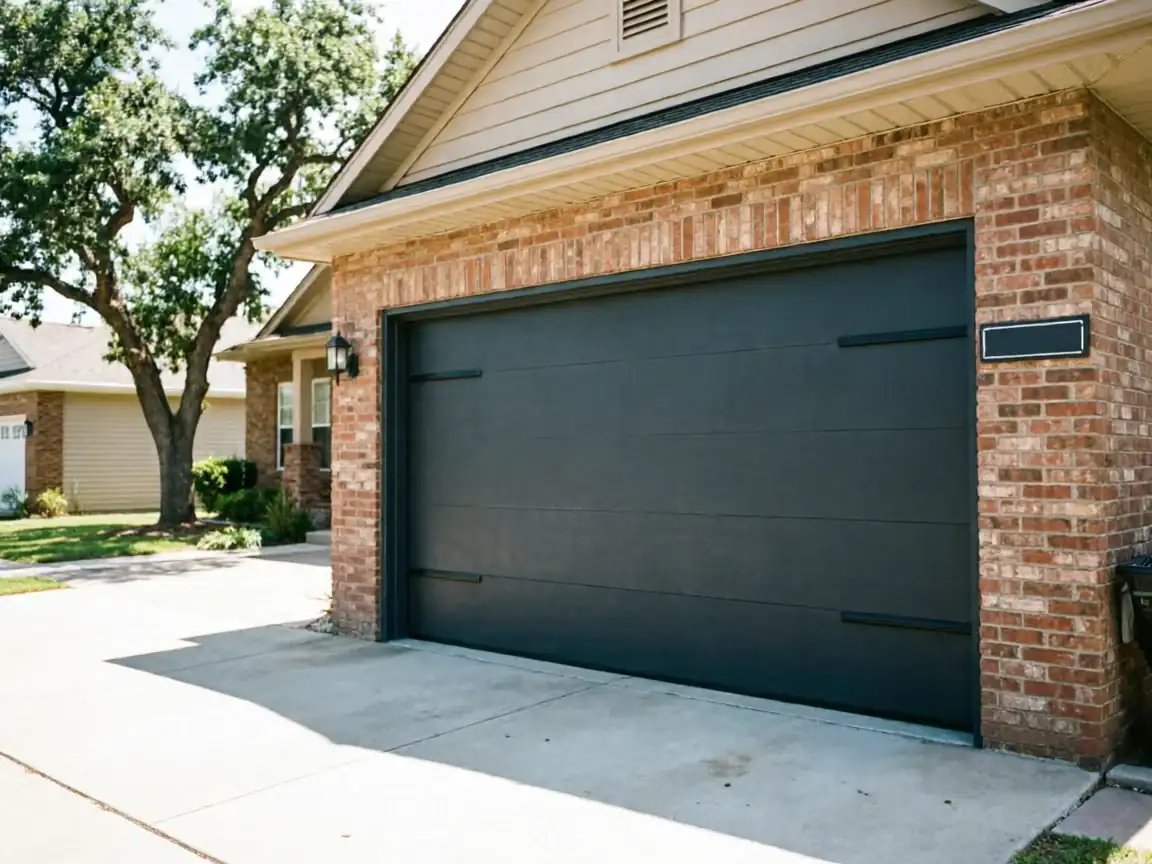
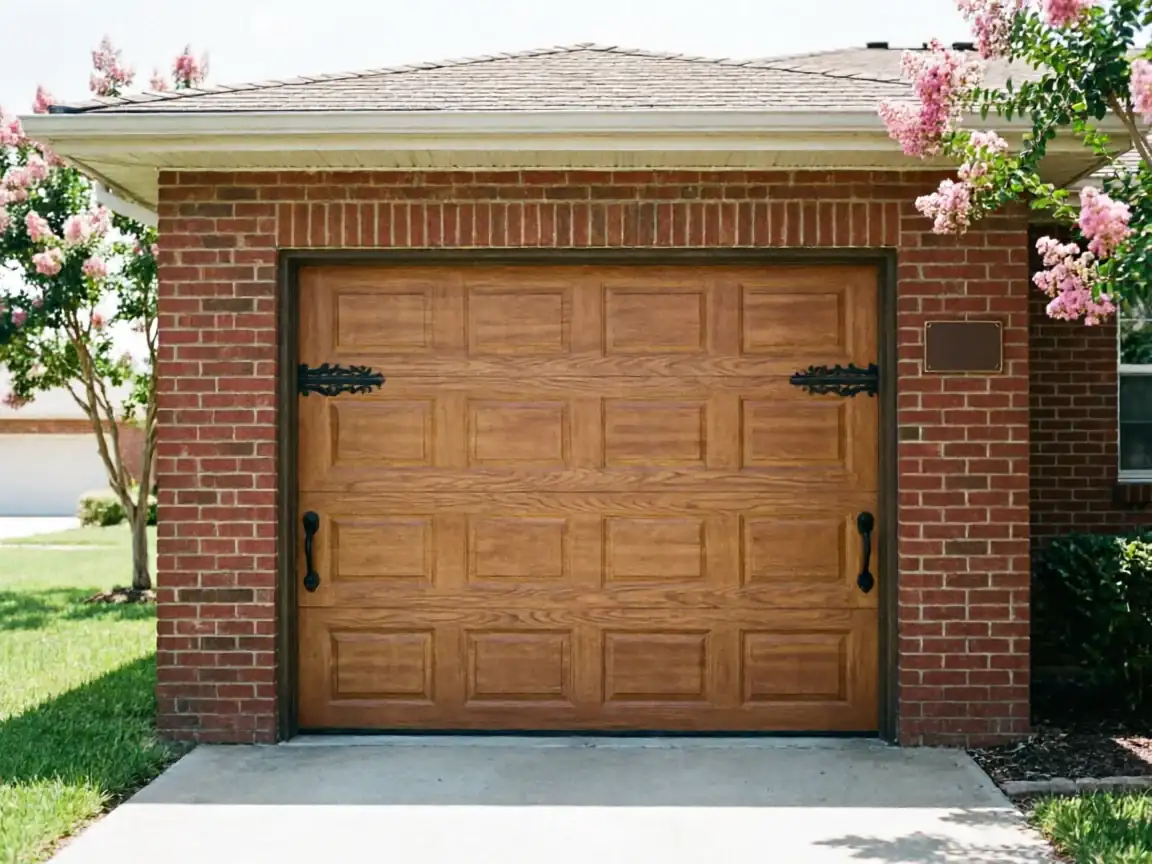
Decatur's housing stock centers around 1992, which puts most garage doors and openers here into their second or third decade of service life. Across the wider area, construction runs 1987 to 2013 with a median around 1996, and Decatur sits right in that older half - closer to original hardware than to anything recently replaced.
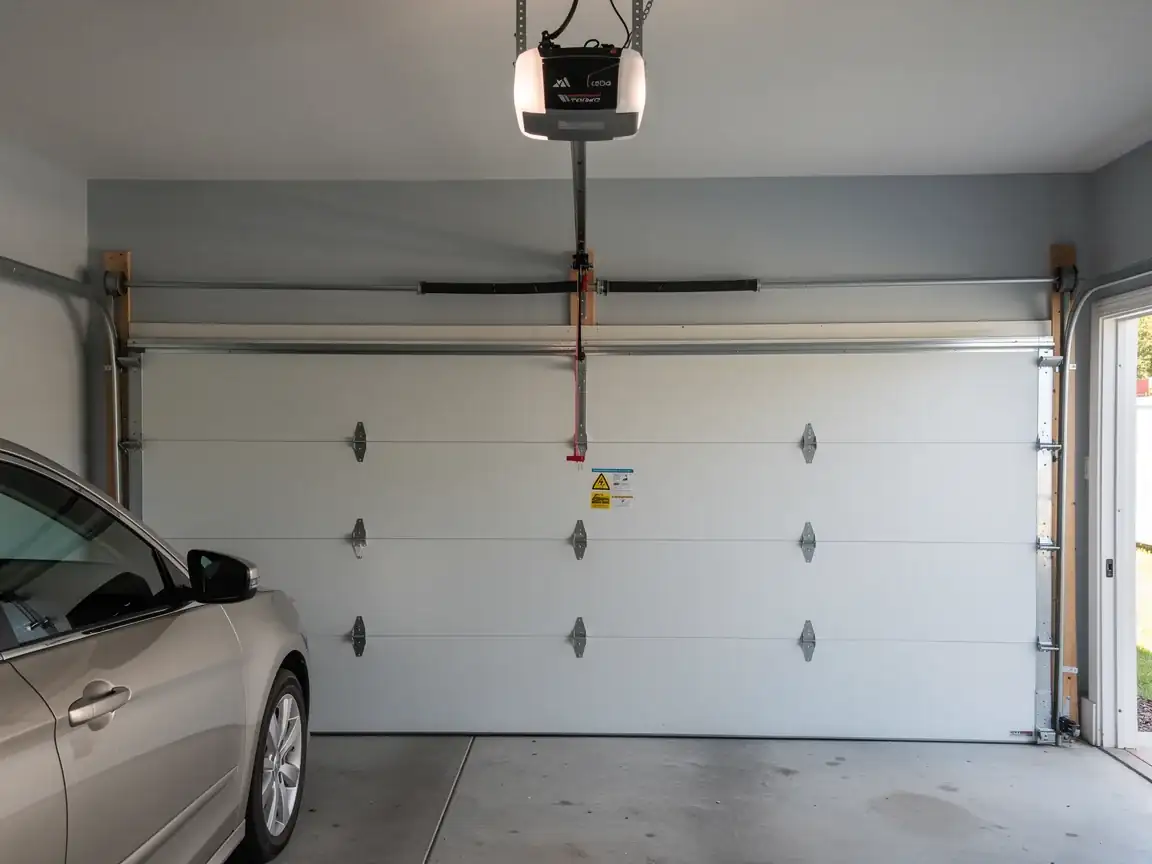
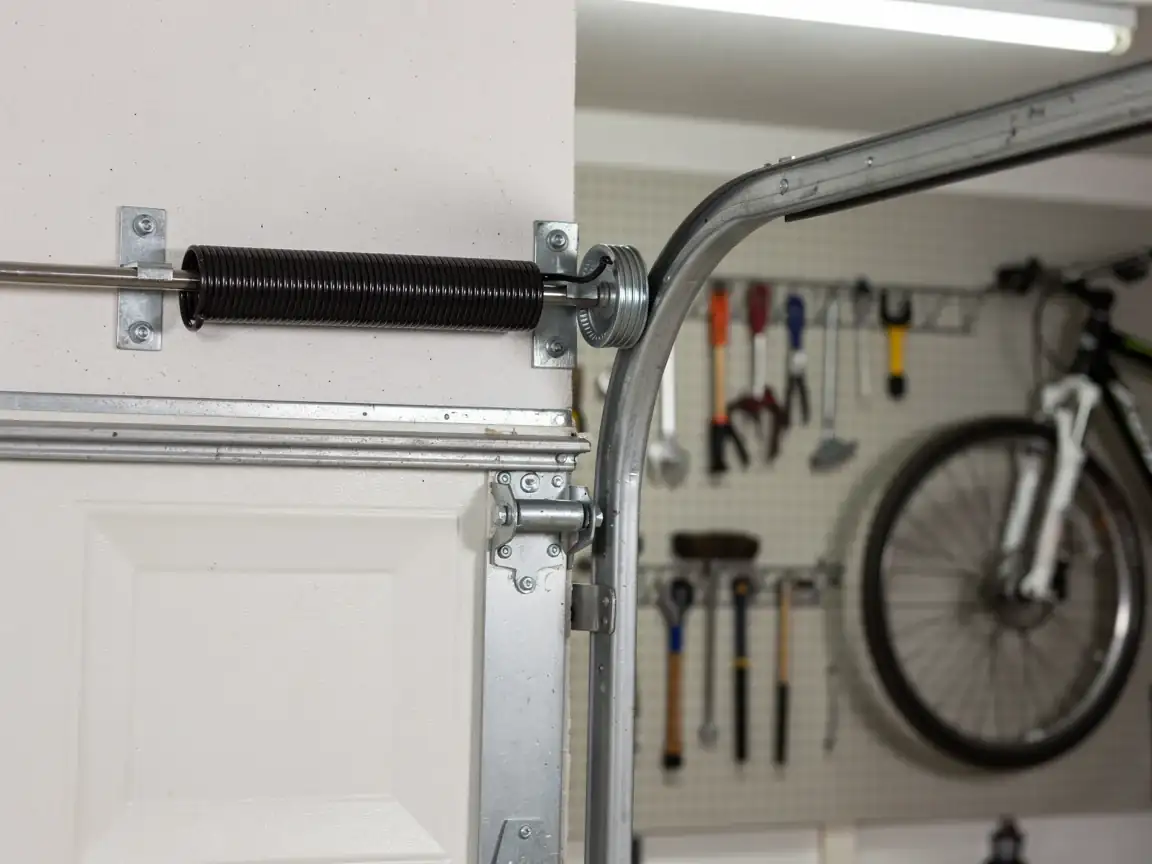
That matters for springs and openers alike. A torsion spring rated for a door this age is well past its typical cycle count, and if it hasn't been replaced yet, it's not far off. Openers from the early-to-mid '90s often predate rolling-code safety reversal standards that became common later in the decade, which is worth knowing before anyone tries to just "fix" an old unit instead of retiring it.
The cold-moderate climate band this region sits in also plays into it. Winter temperature swings stiffen steel springs and dry out old lubrication on track and rollers faster than owners expect, especially on doors that haven't been serviced in years. None of this is unique to one house - it's a pattern tied to when this pocket of the county got built, not to any one owner's upkeep.
Parts We Carry
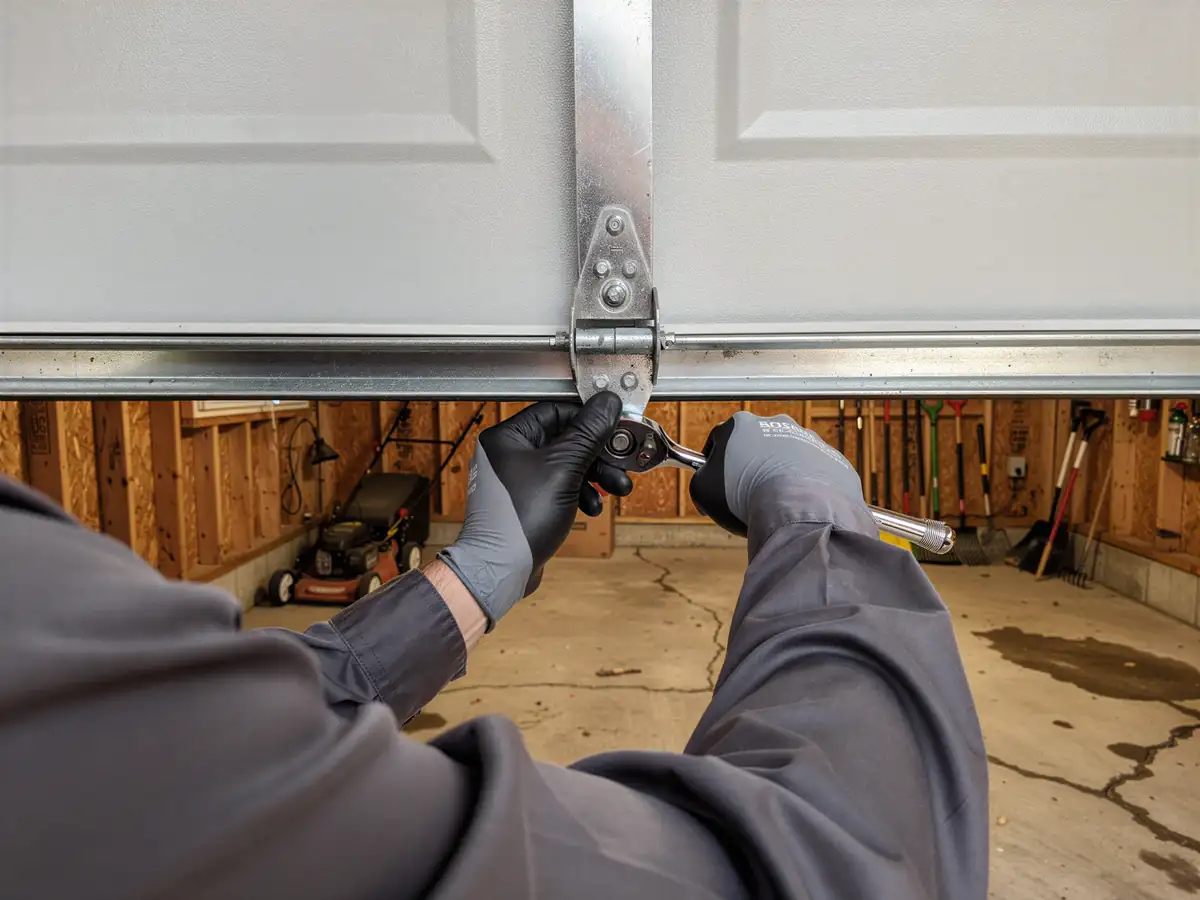
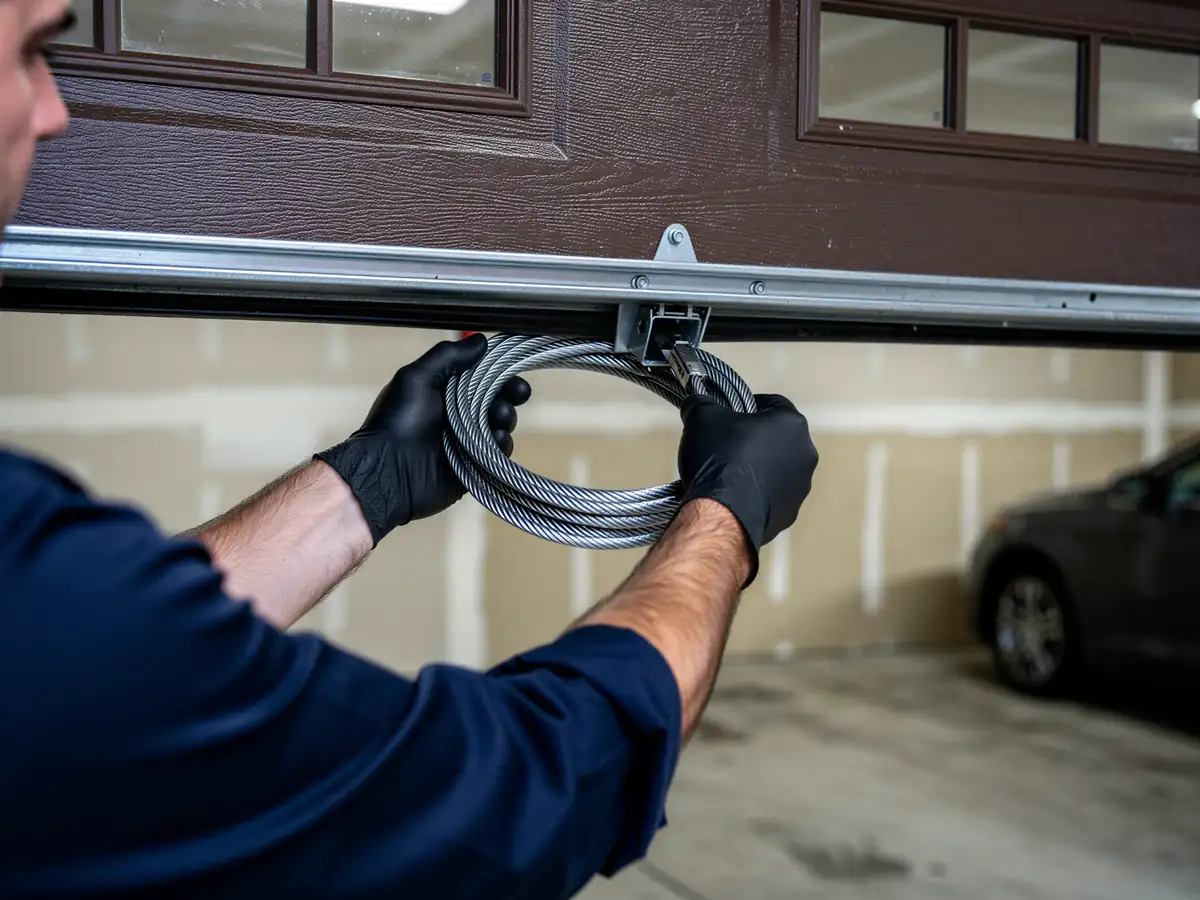
Because Decatur's housing runs older than much of the newer construction closer to Bentonville, we carry stock sized for doors and openers from that late-80s-to-mid-90s window: torsion springs in the wind and length ranges common to that era, galvanized lift cable, and standard-width rollers and hinges that fit single and double doors built before wider track spacing became typical.
We don't carry every opener logic board going back that far - some drive units from the early '90s use motor and gear assemblies that are no longer manufactured, and if yours is one of them, replacement is usually the honest answer rather than a repair we'd have to special-order parts for. We'll tell you straight if that's the case rather than stringing along a repair that won't hold.
For cable and standard hardware, what's on the truck covers the common sizes for this housing era. Anything unusual - a custom width, a non-standard track configuration - may mean a second trip once the part is in, which matters more here than it would on a closer call, given the distance.
How It Shows Up
In Decatur, the most common call is a torsion spring that's finally given out on a door that's been noisy or slow to close for a while
Consistent with hardware pushing past 25-30 years of cycles. The second most common is an opener that's started reversing unpredictably or refusing to close at all, which on units this old is often a worn gear or a logic board nearing end of life rather than something a simple adjustment will solve.
- 30 years
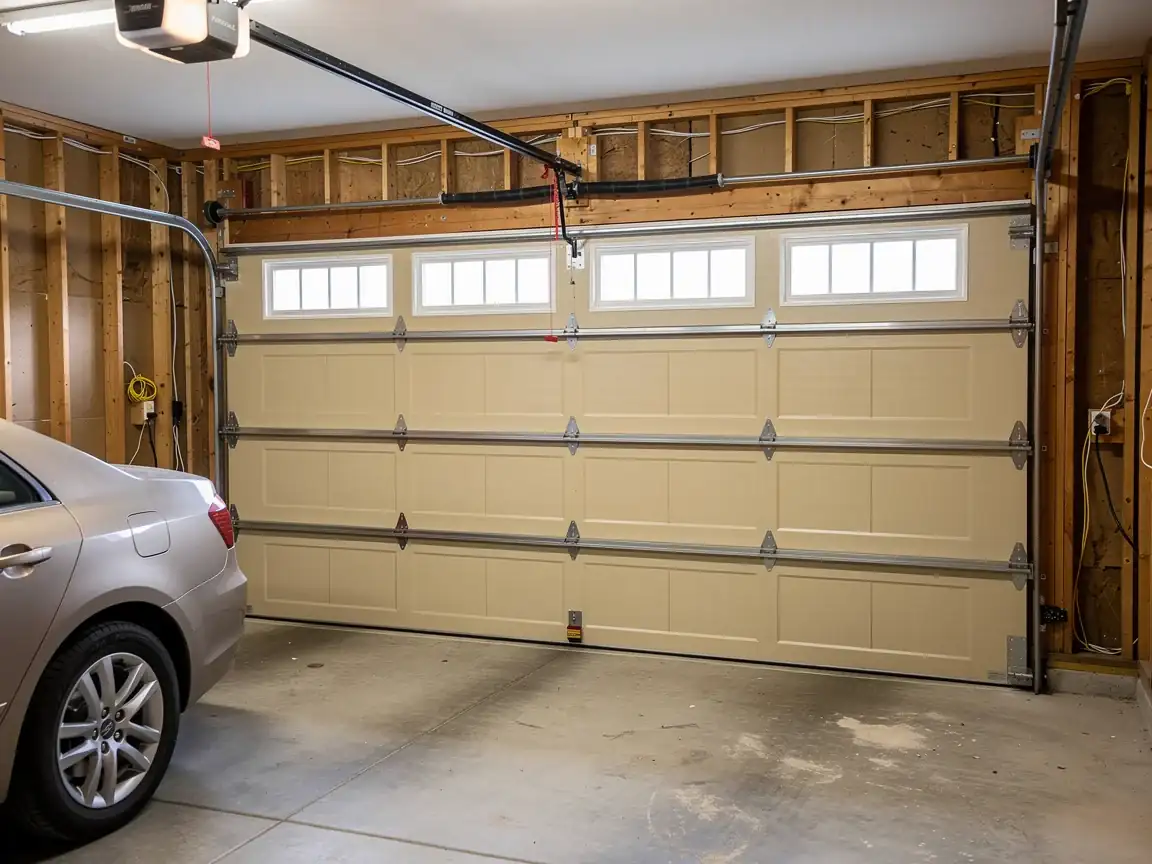
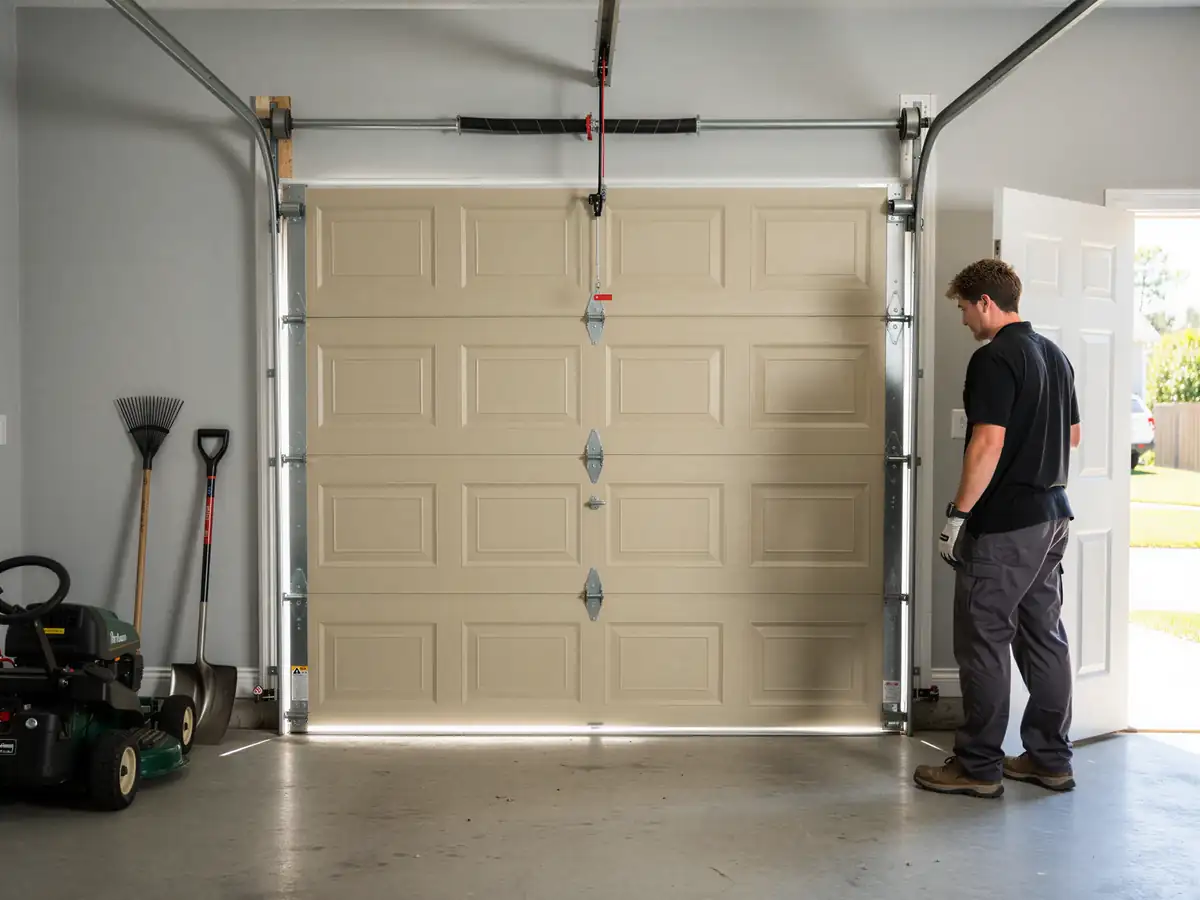
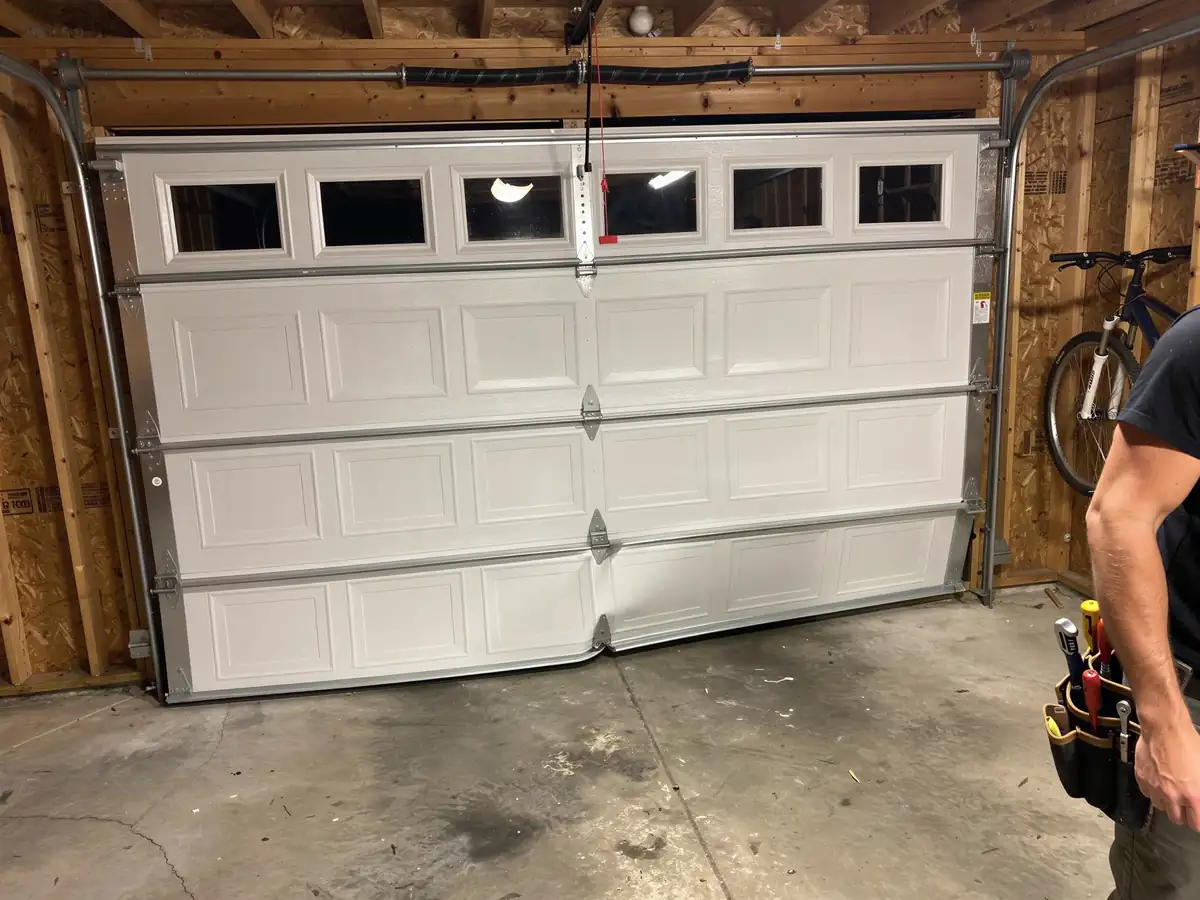
Track and roller wear tends to show up as a door that binds partway through its travel
Especially after a cold stretch - steel track contracts slightly in low temperatures, and rollers that were already worn don't ride smoothly through it. Owners sometimes describe this as the door "catching" at the same spot every time, which is a track or roller issue more often than a spring issue.
Cable fraying is the one that gets missed longest
Because a door can still operate on a cable that's visibly wearing until it isn't. On houses from this build era, if the cable hasn't been replaced since the door went in, it's worth a look before it becomes an emergency.
How We Fix It
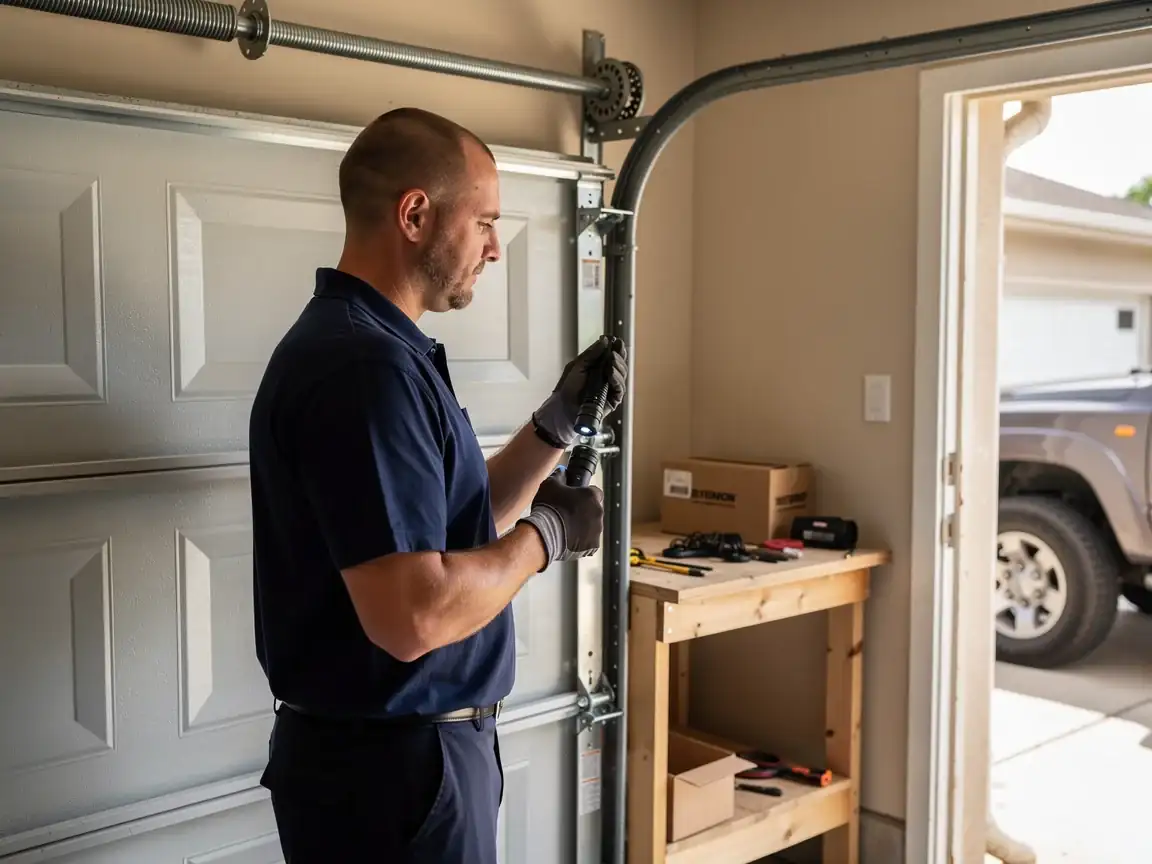
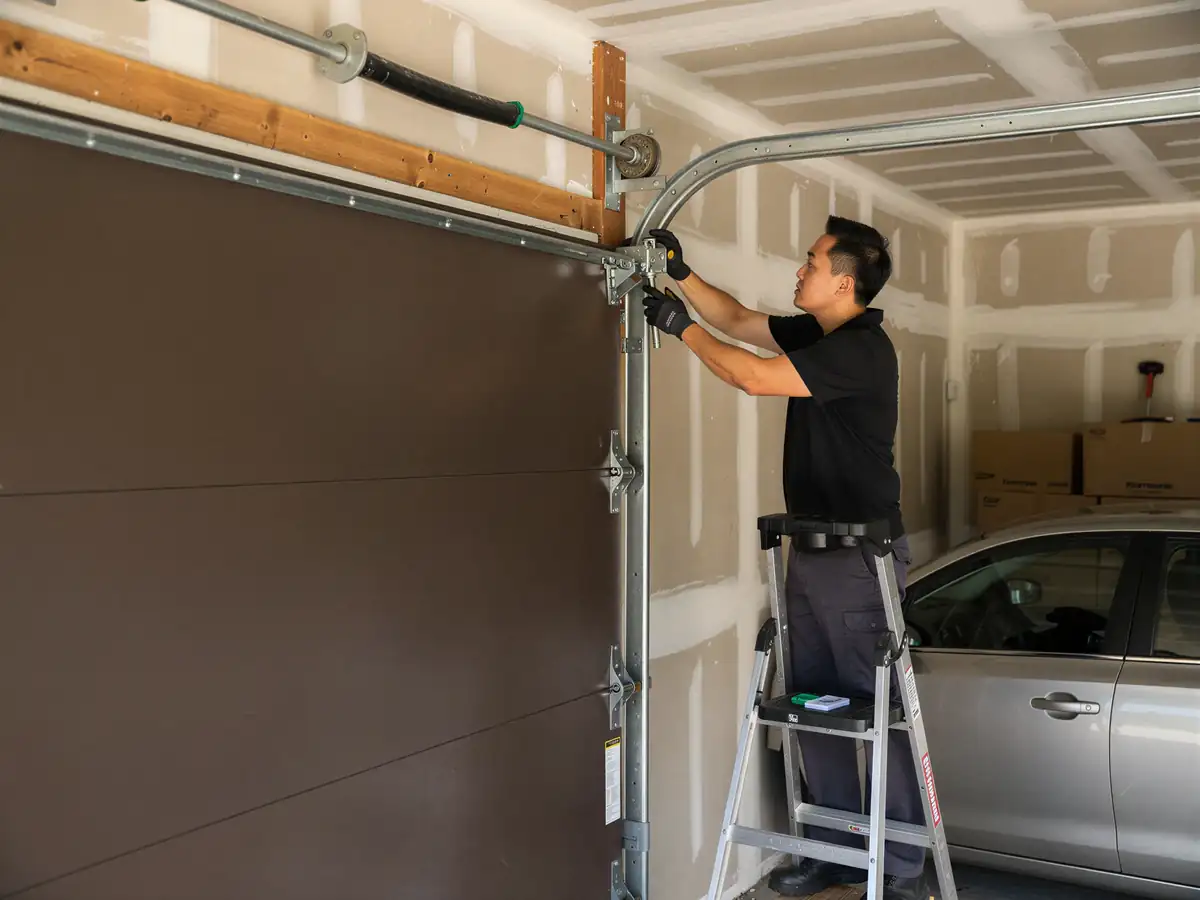
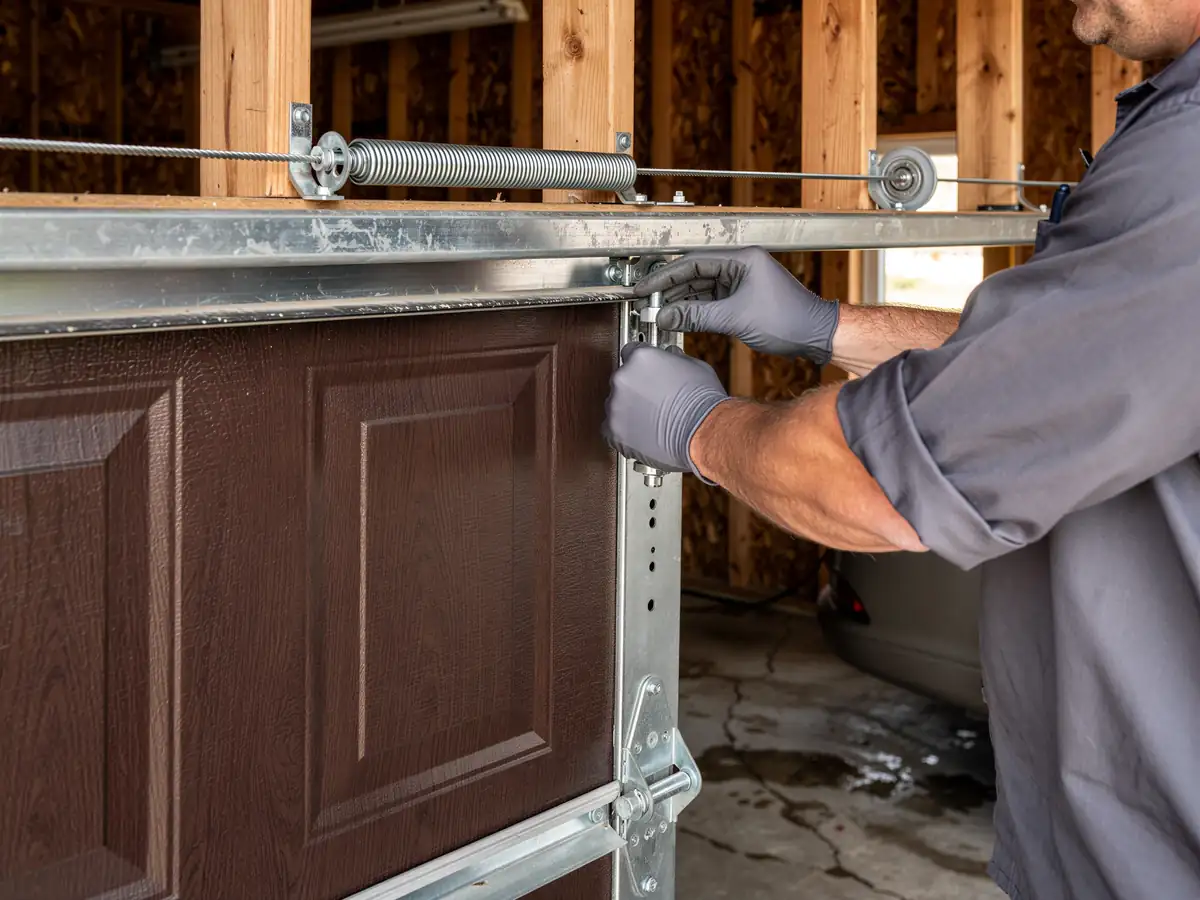
On a torsion spring replacement, we match wind direction and length to the door and swap both springs on a double door even if only one has gone, since the other is on the same clock and has been carrying the same years of winter stiffening. We balance the door afterward so the opener isn't doing extra work it wasn't built for.
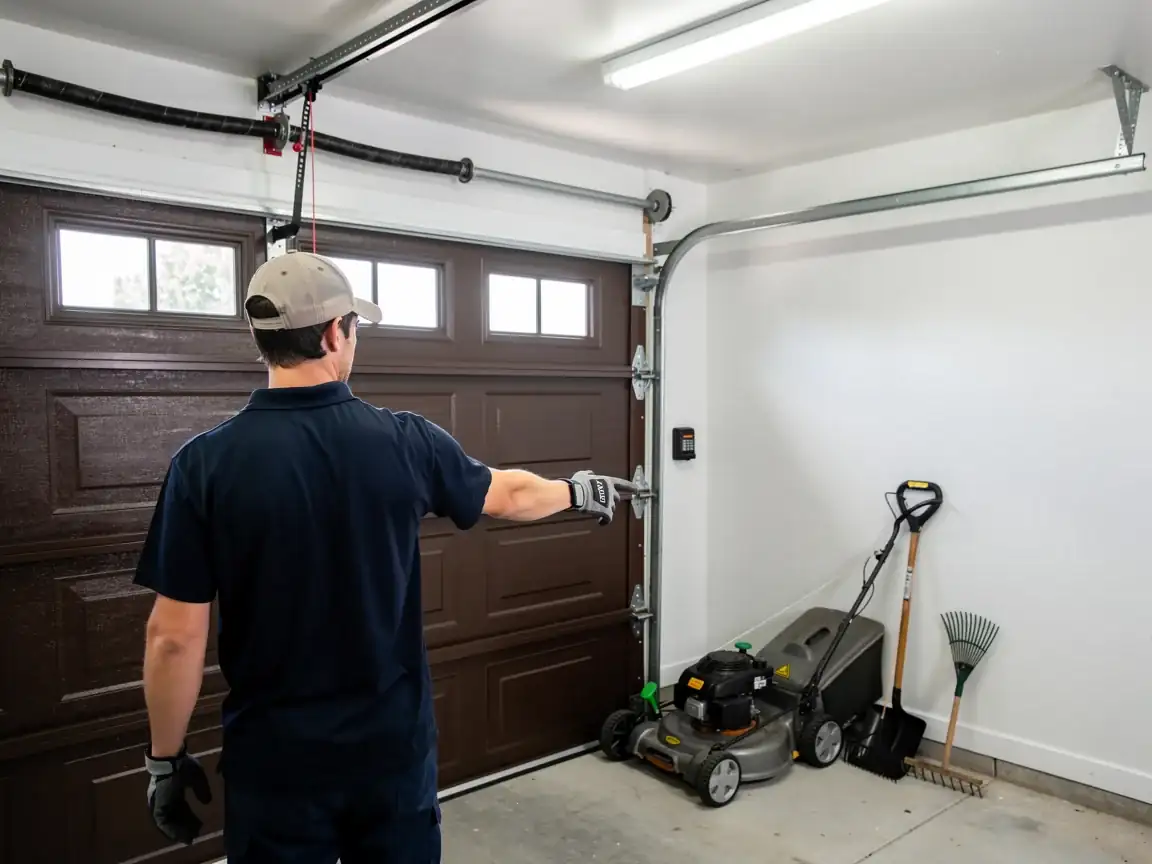
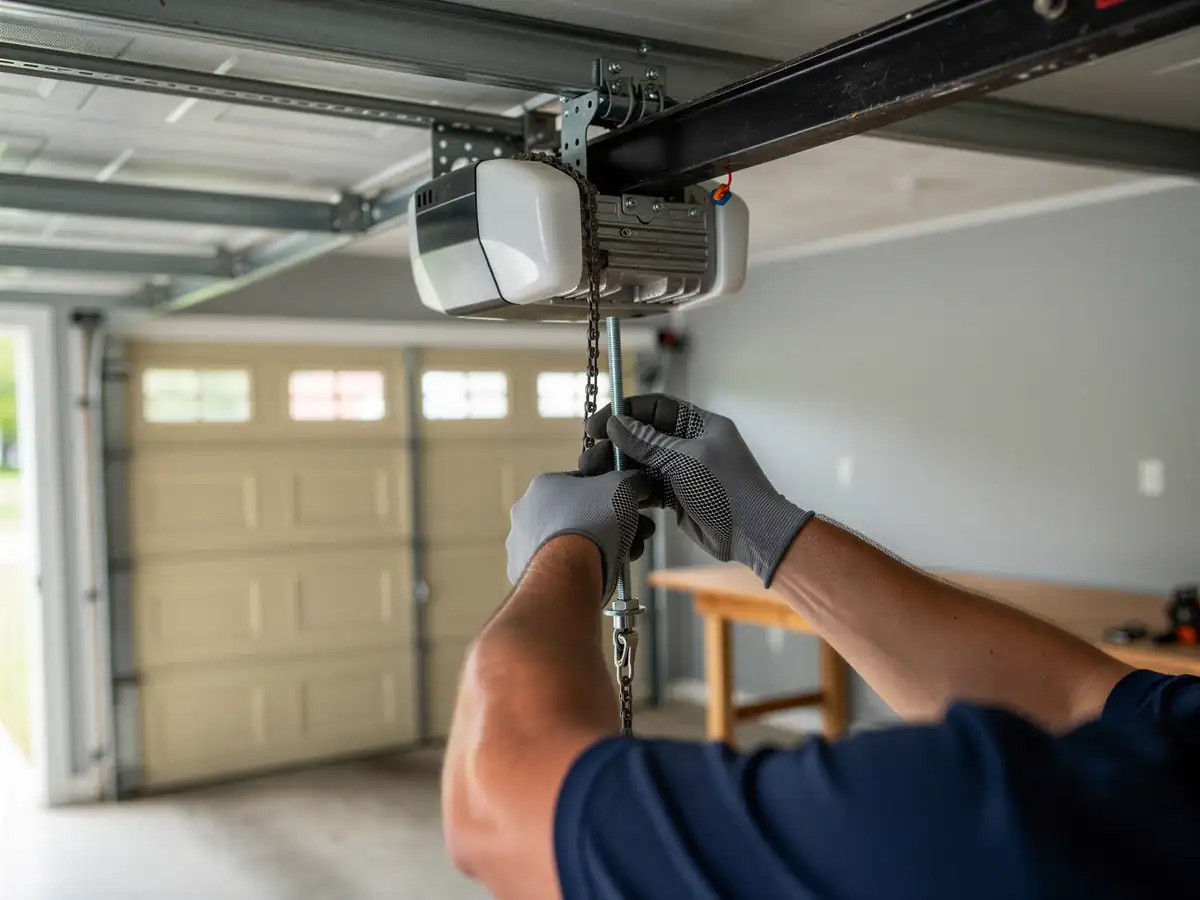
For openers, we start by figuring out whether the unit itself is the problem or whether it's compensating for worn track or a dragging door - replacing an opener on a door that's binding just moves the failure point. If the opener is original to a house built around 1992, we'll talk through repair versus replacement honestly, since parts for some older drive units simply aren't available anymore.
Given the drive from Bentonville, we try to diagnose as much as possible before the truck leaves and bring the hardware sized for this housing era, so a straightforward spring or cable job doesn't turn into two trips. If a job needs a part that isn't standard stock, we'll say so on-site rather than guess.