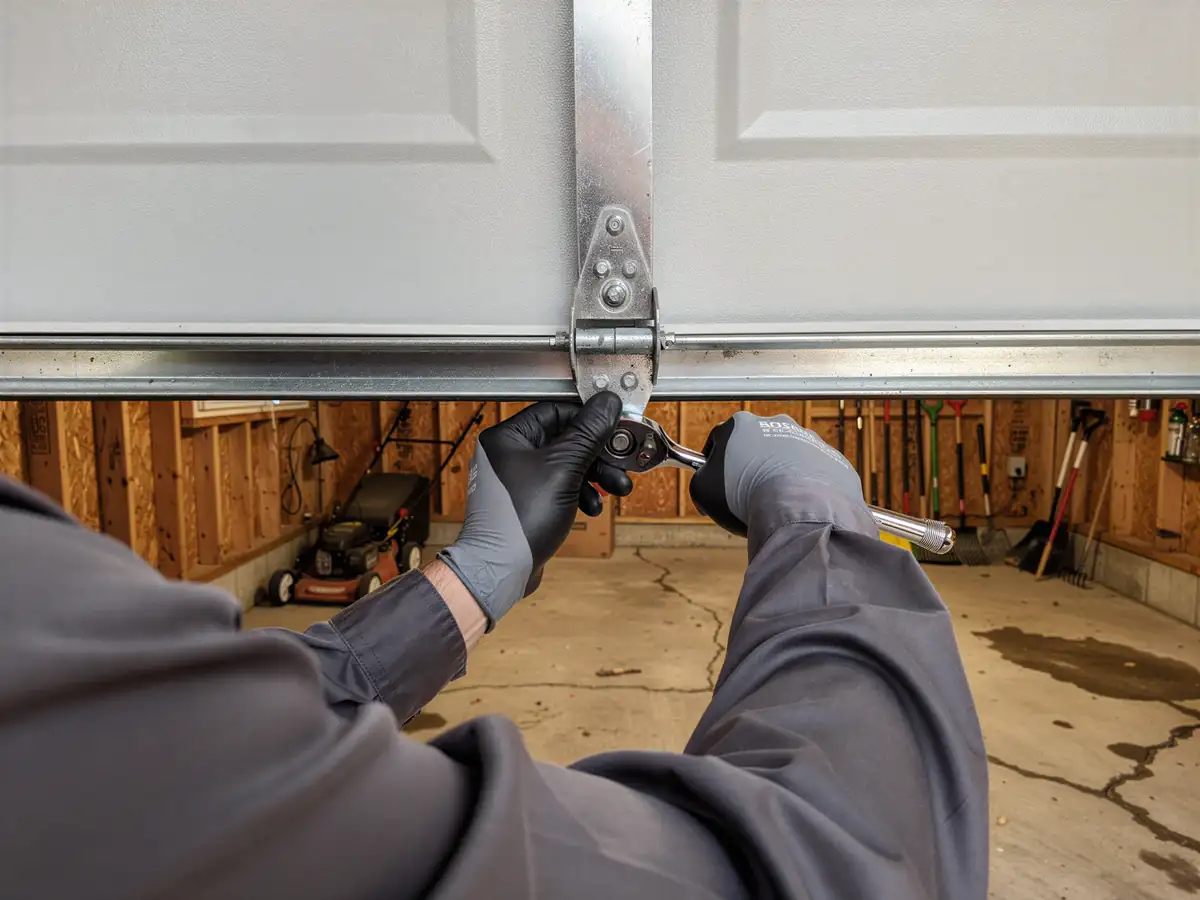
Doing It Yourself
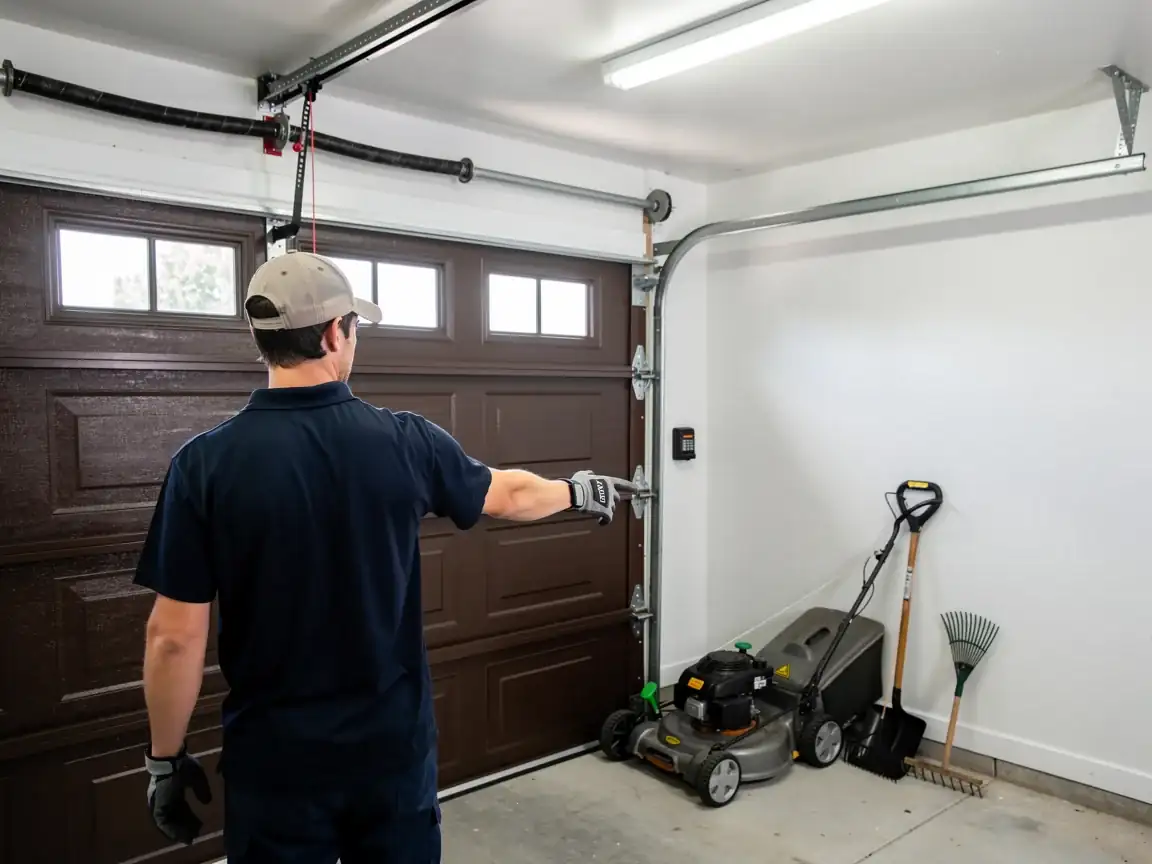
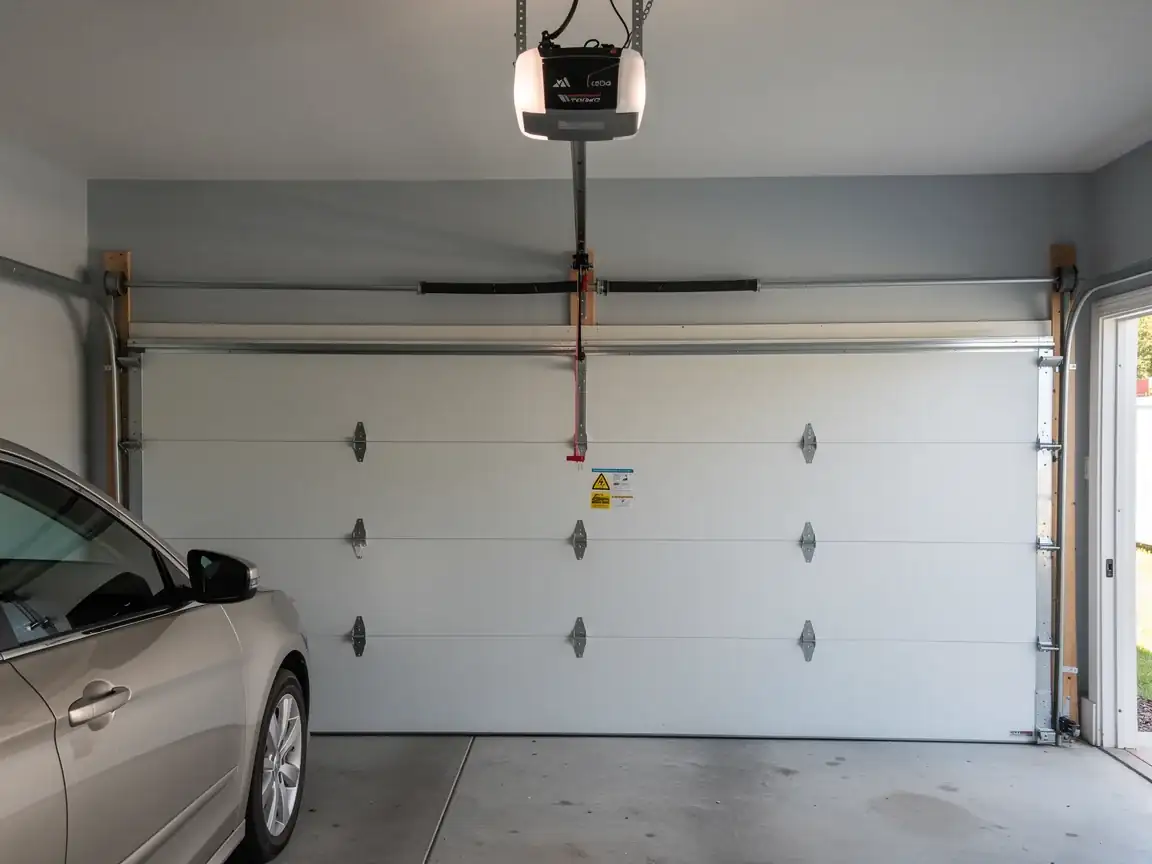
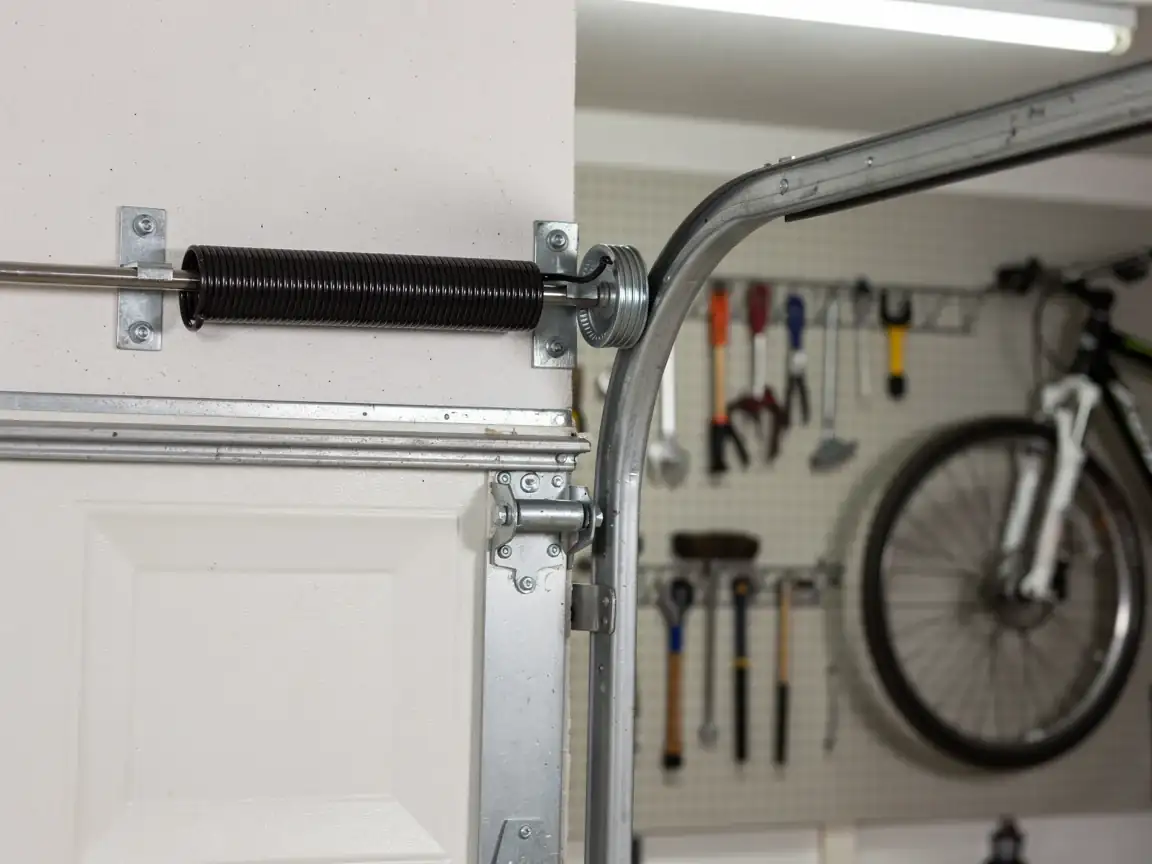
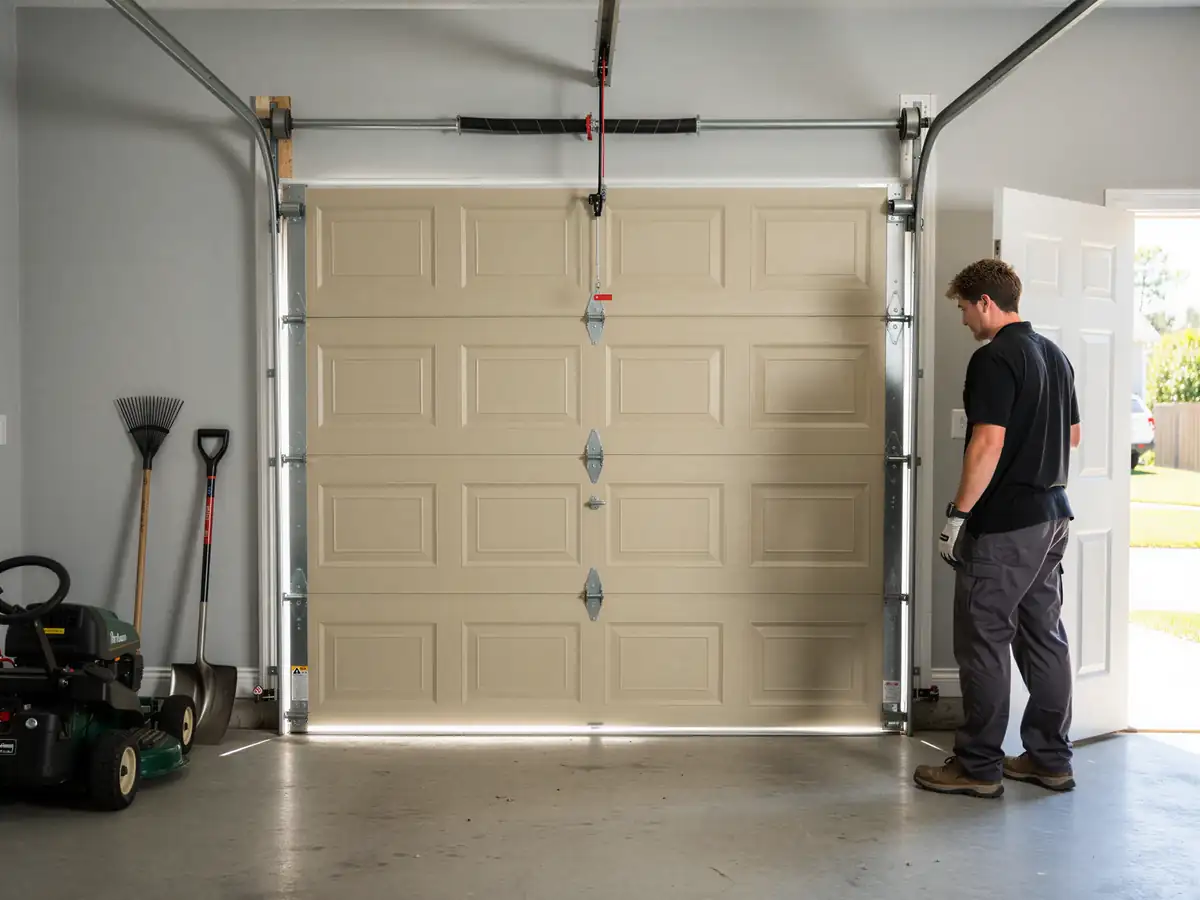
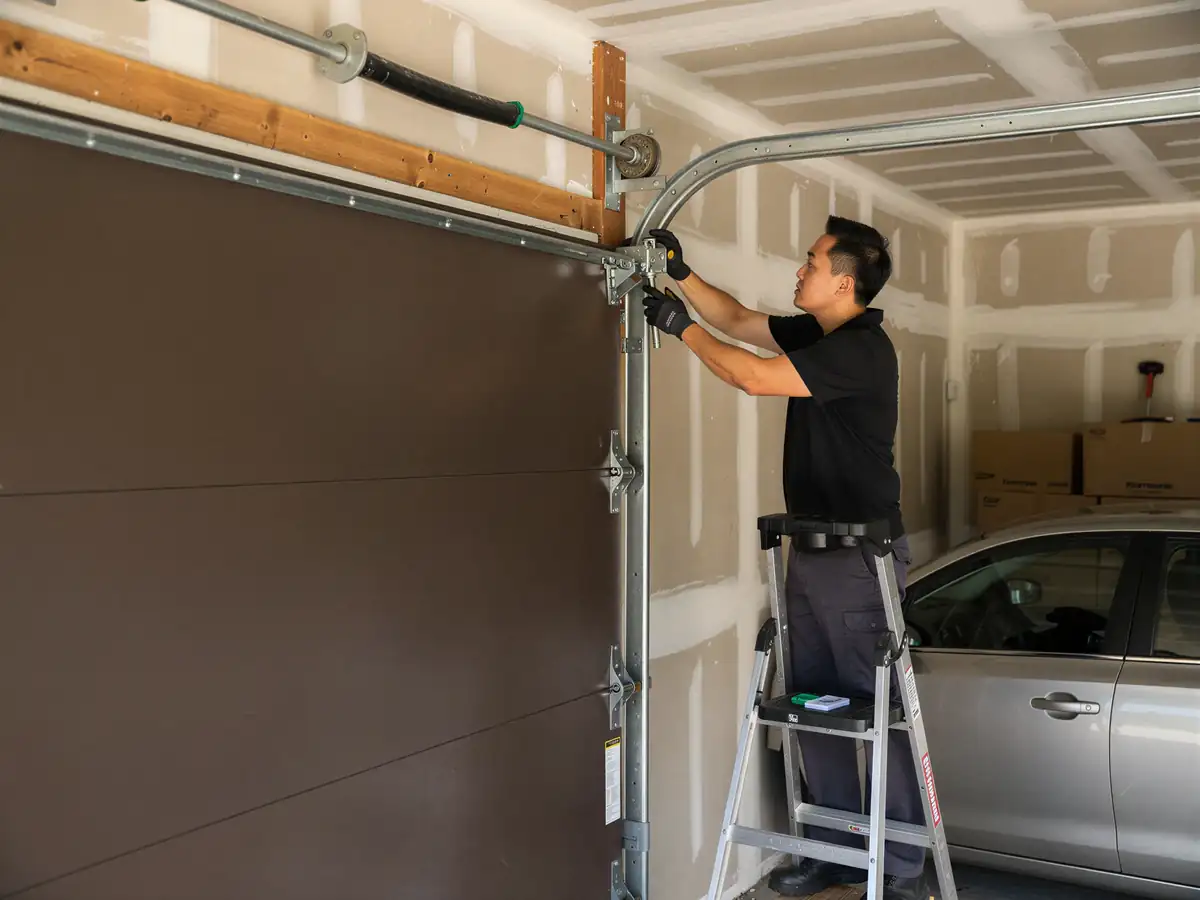
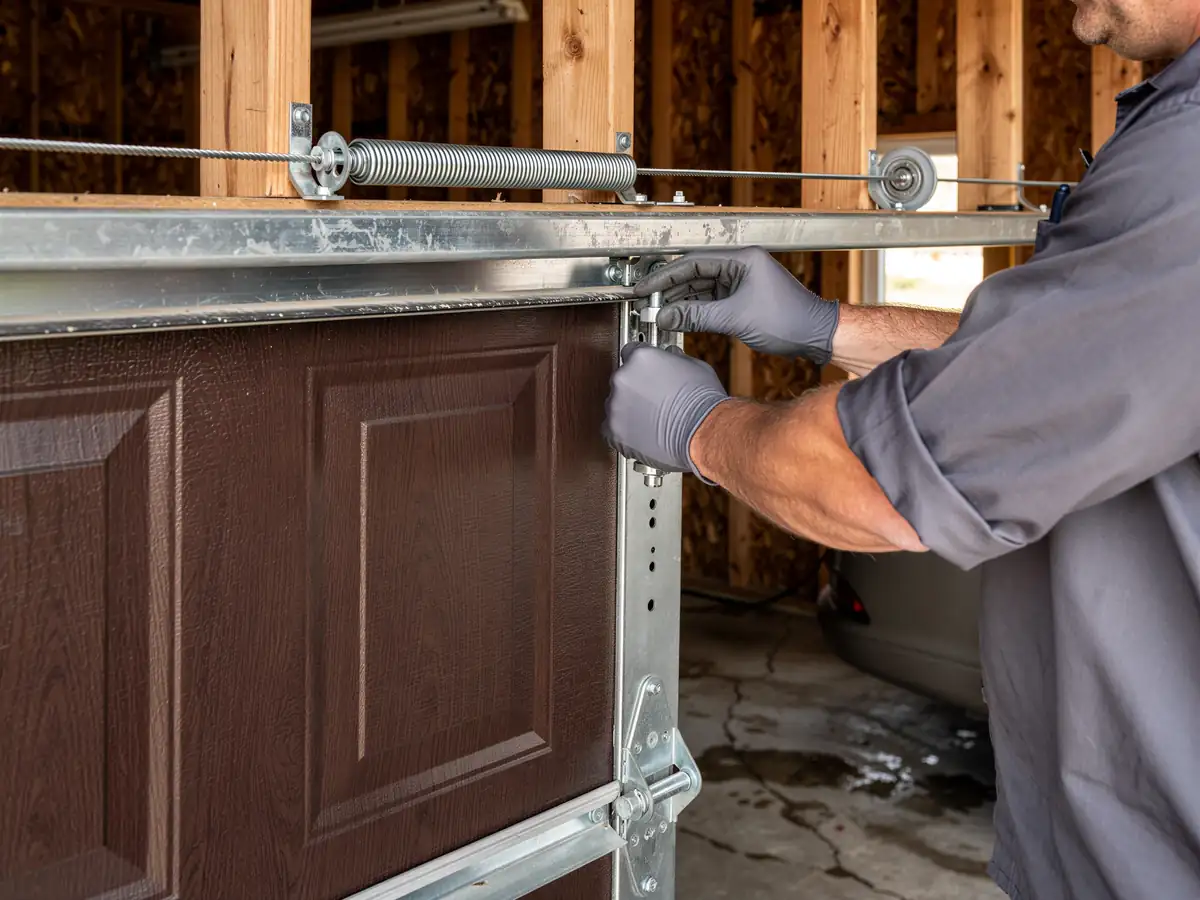
A torsion spring under tension can break a hand or worse, and that doesn't change because the house is new. What does change in a build year like 2013 is that the hardware has had roughly a decade of cycles on it rather than three or four, so a DIYer is often working on a spring near the end of its rated life, not a worn-out old one that's obviously tired. Swapping rollers or lubricating a track is reasonable weekend work. Replacing a torsion spring, re-tensioning cables, or adjusting the force settings on an opener that's throwing error codes is where we'd tell you to stop and call. We'd rather lose the job to your own two hands on the easy stuff than show up after a cable's let go in a closed garage.
Why This Fails Locally
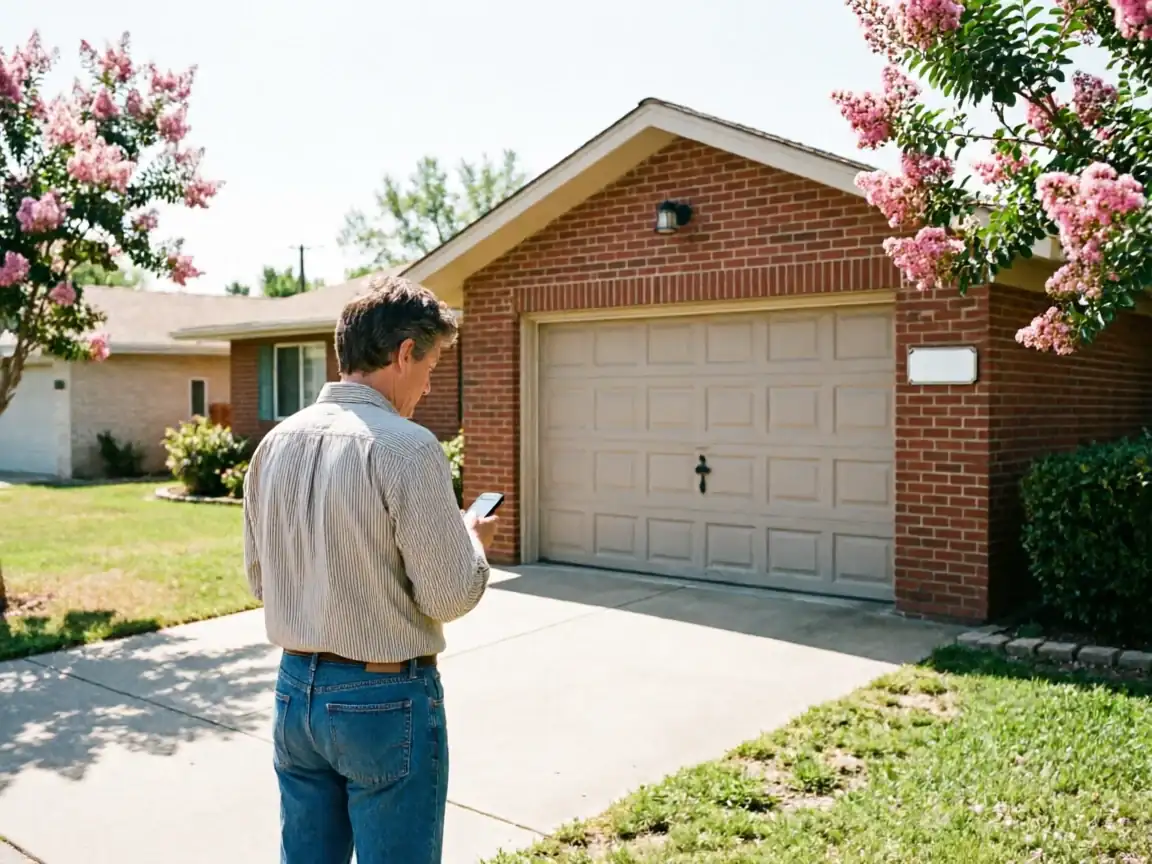
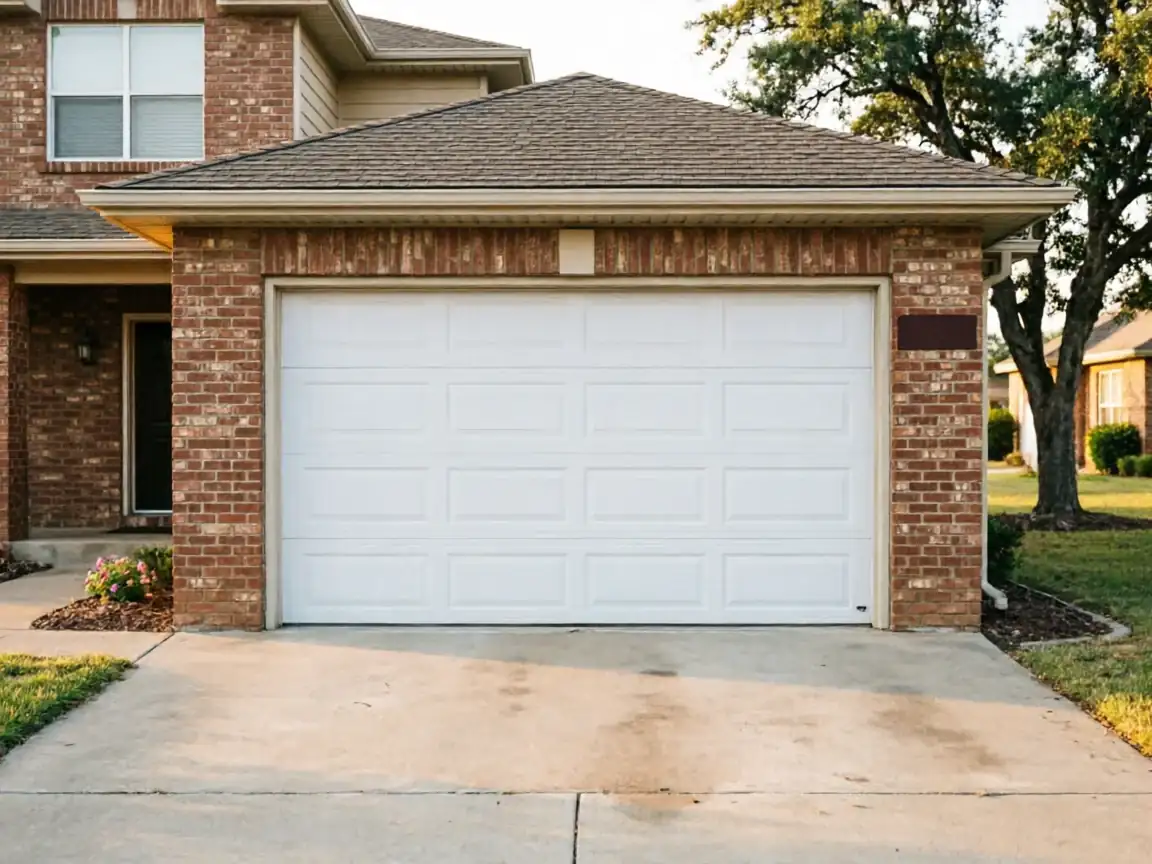
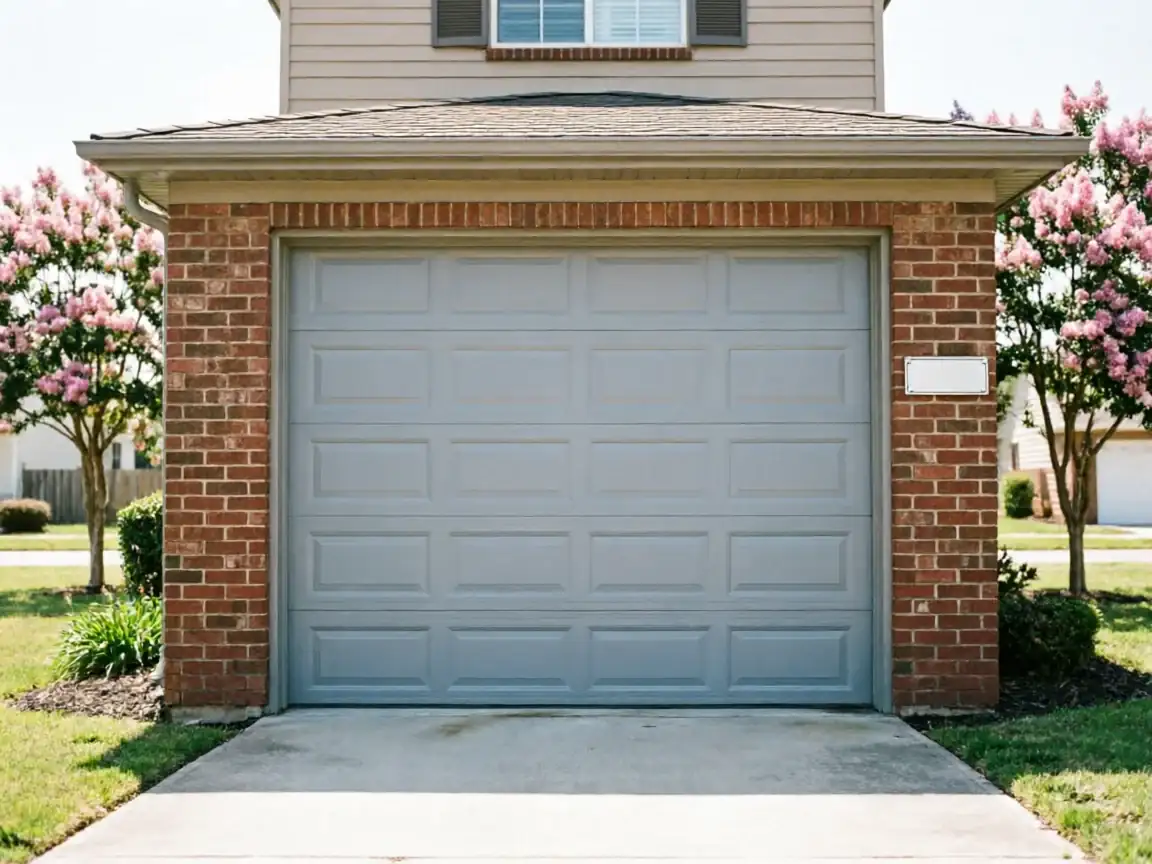
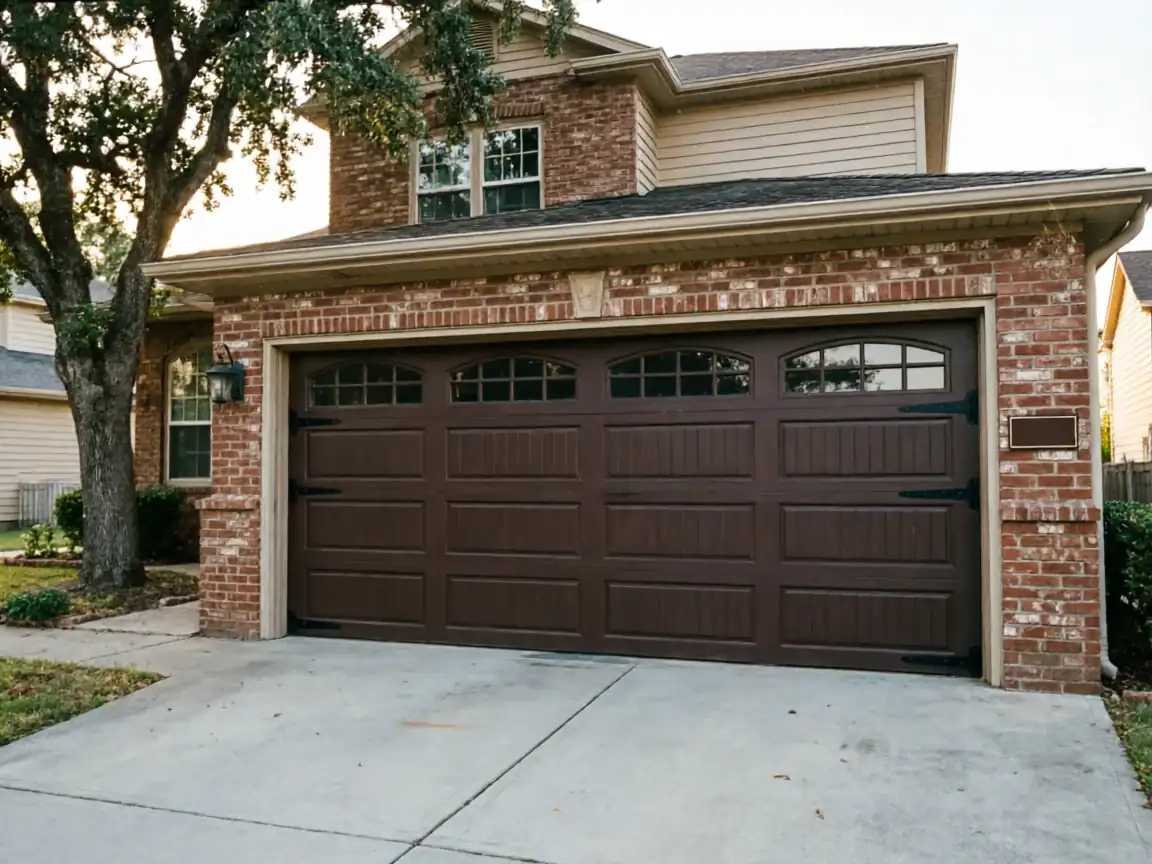
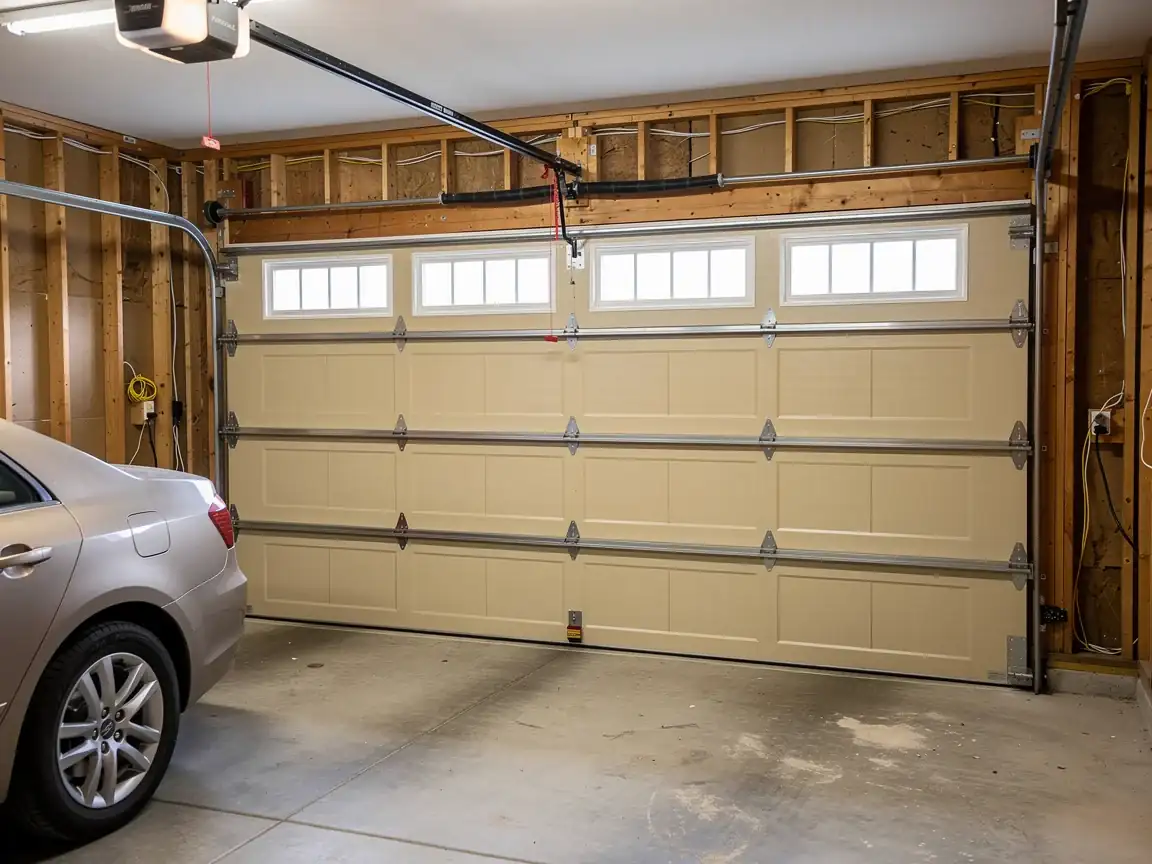
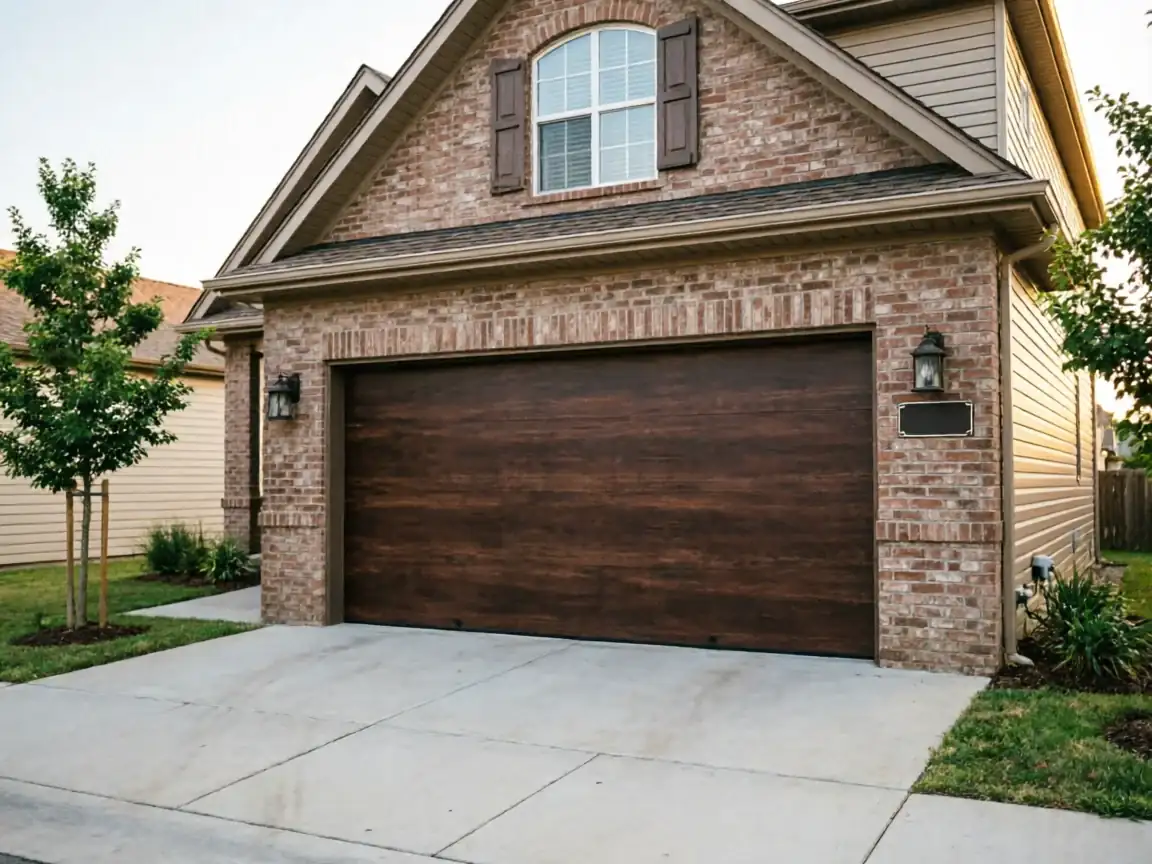
Cave Springs households report a median income of $147,917, well above the broader Bentonville-area figure of $86,541, and that tends to show up in the garage as a second full-size vehicle and a heavier insulated double door rather than a single light panel. Heavier doors put more load on the original torsion spring, and a spring rated for a set number of cycles that was installed when the house was built in, say, 2013 is now into the stretch of its life where it's likely to snap rather than just sag. Add in a cold-moderate climate band, which thickens grease and makes steel more brittle on the coldest mornings, and you get the two most common calls we take from this area: a spring that lets go on a below-freezing morning, and an opener struggling to lift a door that's gotten heavier to move than it was designed for.
Time on the Job
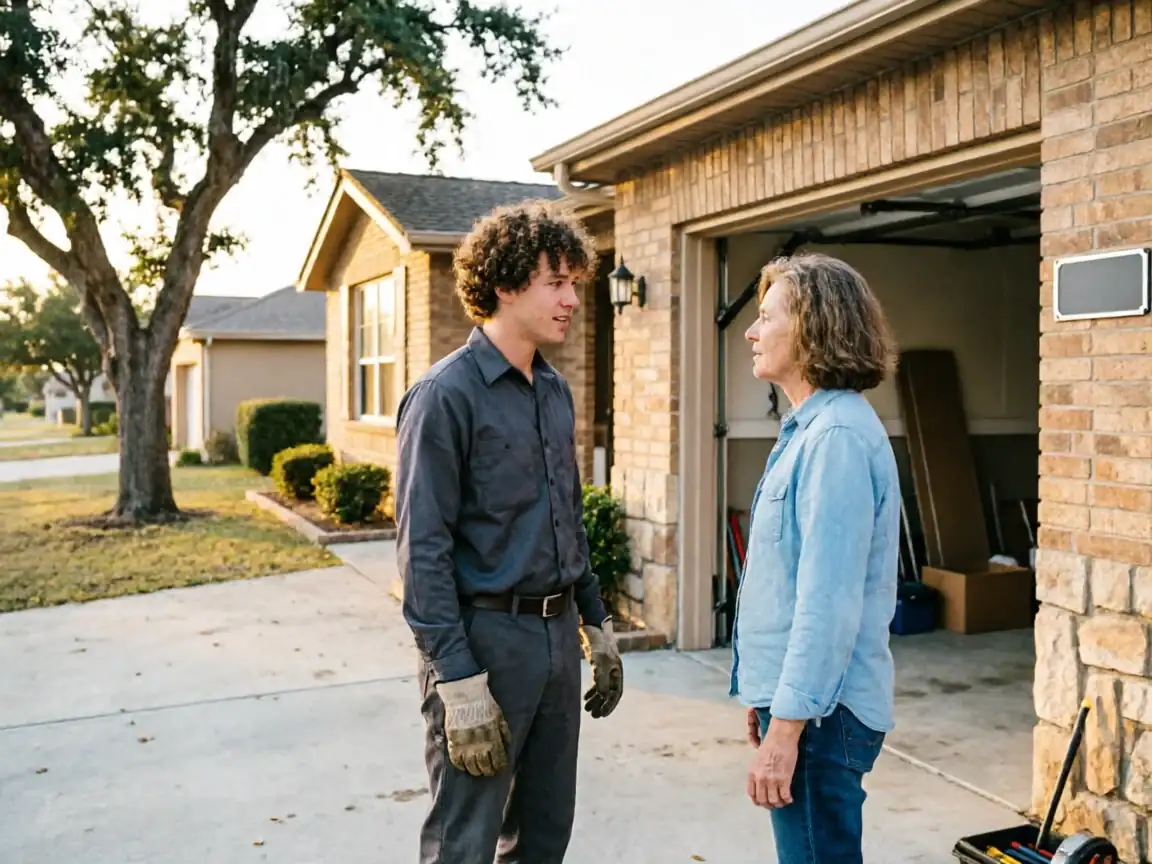
Cave Springs sits about six miles from our shop in Bentonville, which is a short drive, not a promise of a specific arrival window. We won't quote you a same-day guarantee we can't stand behind just because the mileage is low. Once we're in your garage, most spring replacements and opener repairs on the door types common to this area run under two hours, roller and cable jobs less than that. What takes longer is anything needing a part outside our standard stock, and we'd rather tell you that up front than have you wait on a truck that's already on its way.
How We Fix It
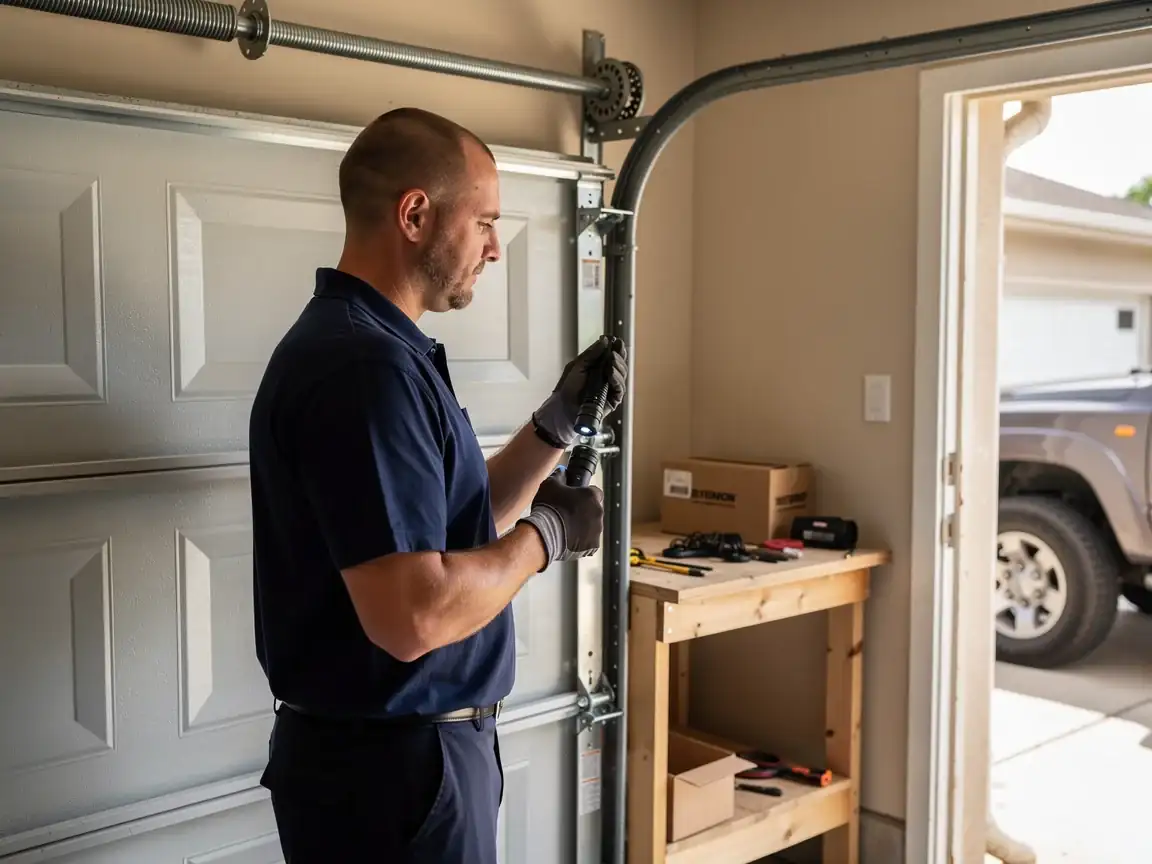
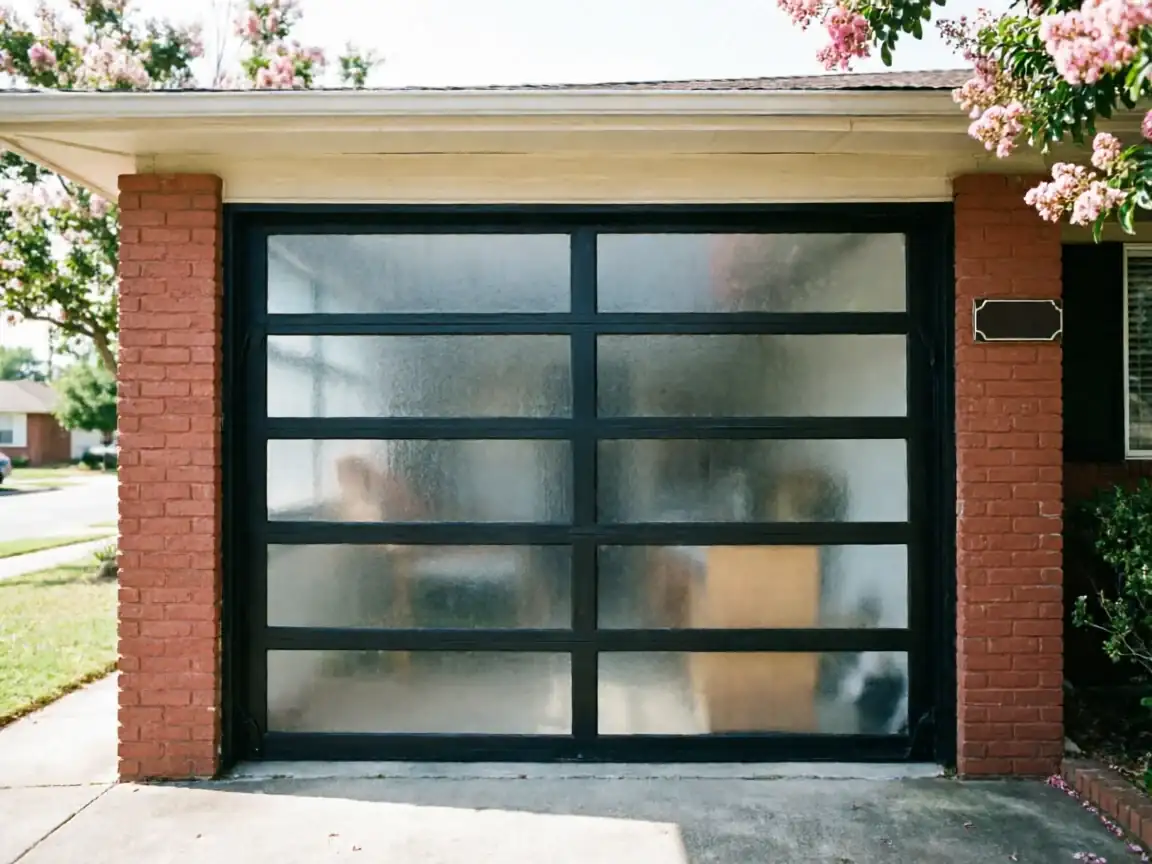
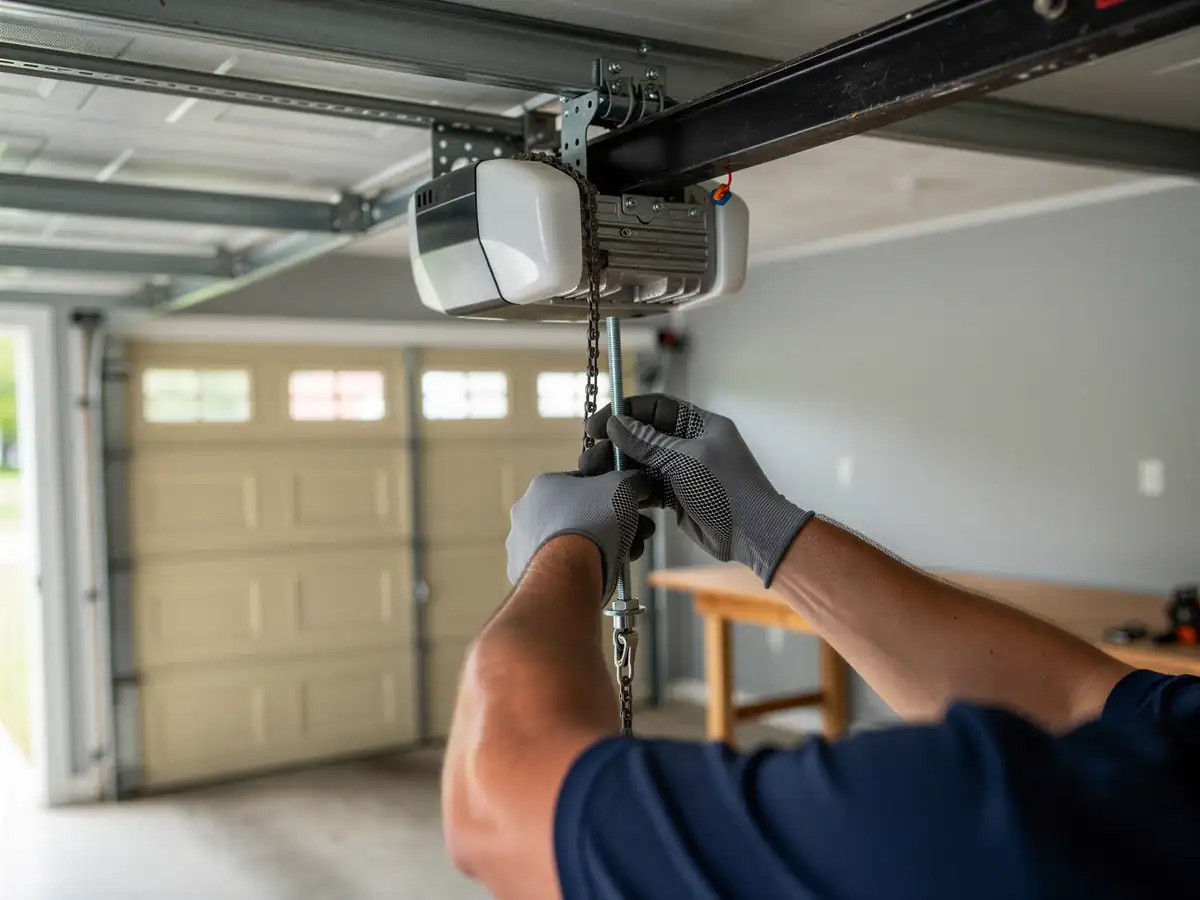
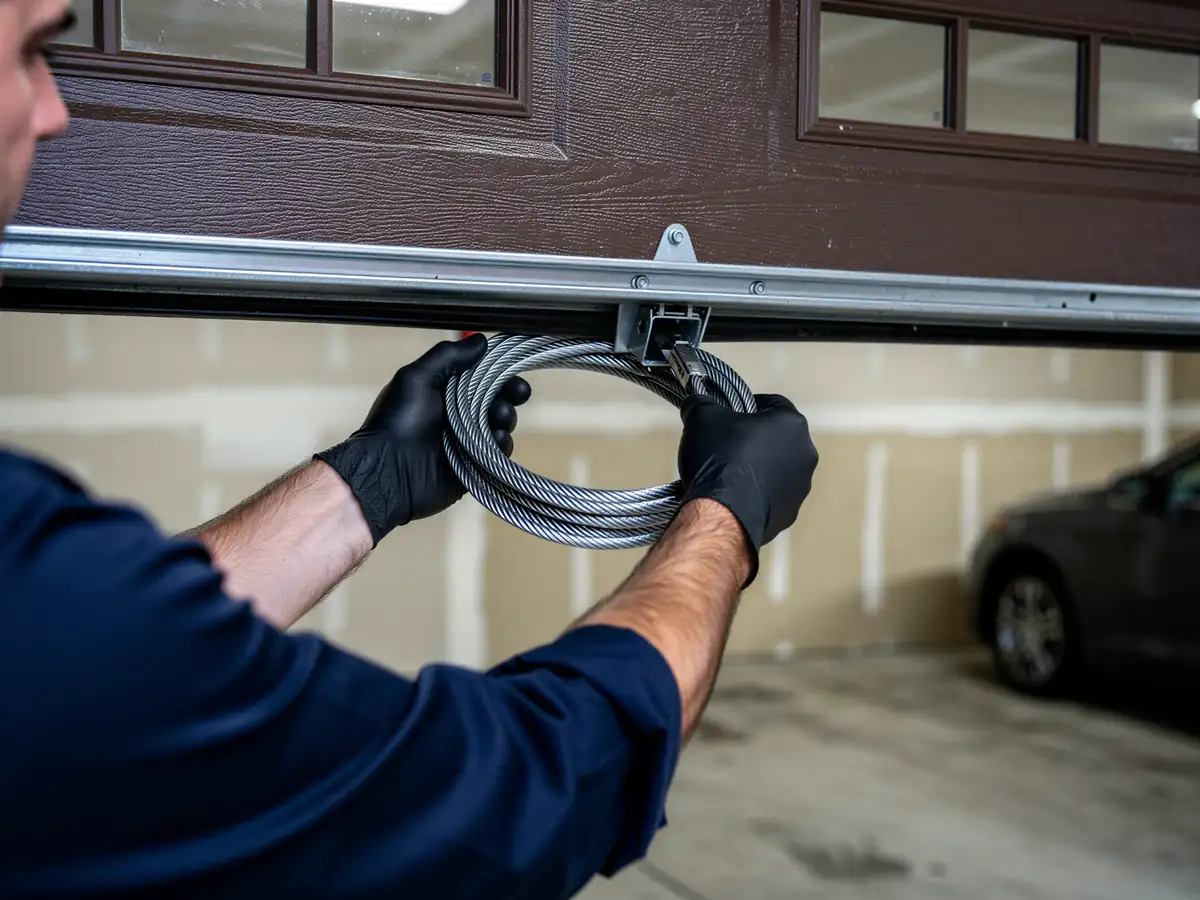
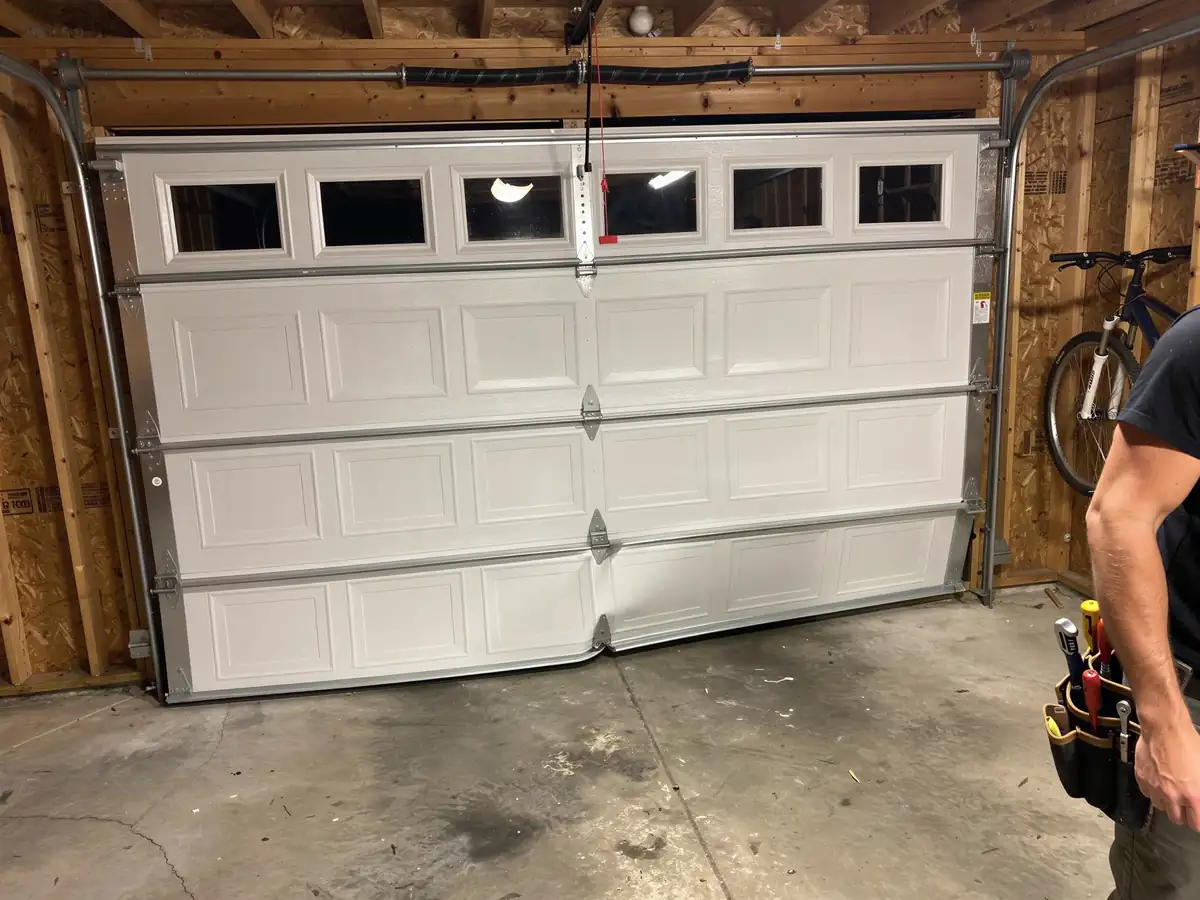
We start by checking what's actually original versus what's been touched, since a house with a median build year of 2013 usually hasn't had a second owner's worth of repairs layered on top. That makes diagnosis faster: if the spring looks factory and the door's that age, a snapped spring is almost always exactly what it looks like. We test the opener's force and travel settings, because a door that's gotten heavier over a decade can trip safety reversal even when nothing's actually broken. Cable and roller wear get checked at the same visit since they're cheap to replace compared to the cost of coming back out. For a door old enough and worn enough that repair costs start closing in on replacement, we'll tell you that plainly rather than stack repairs on a door that's done.