Doing It Yourself
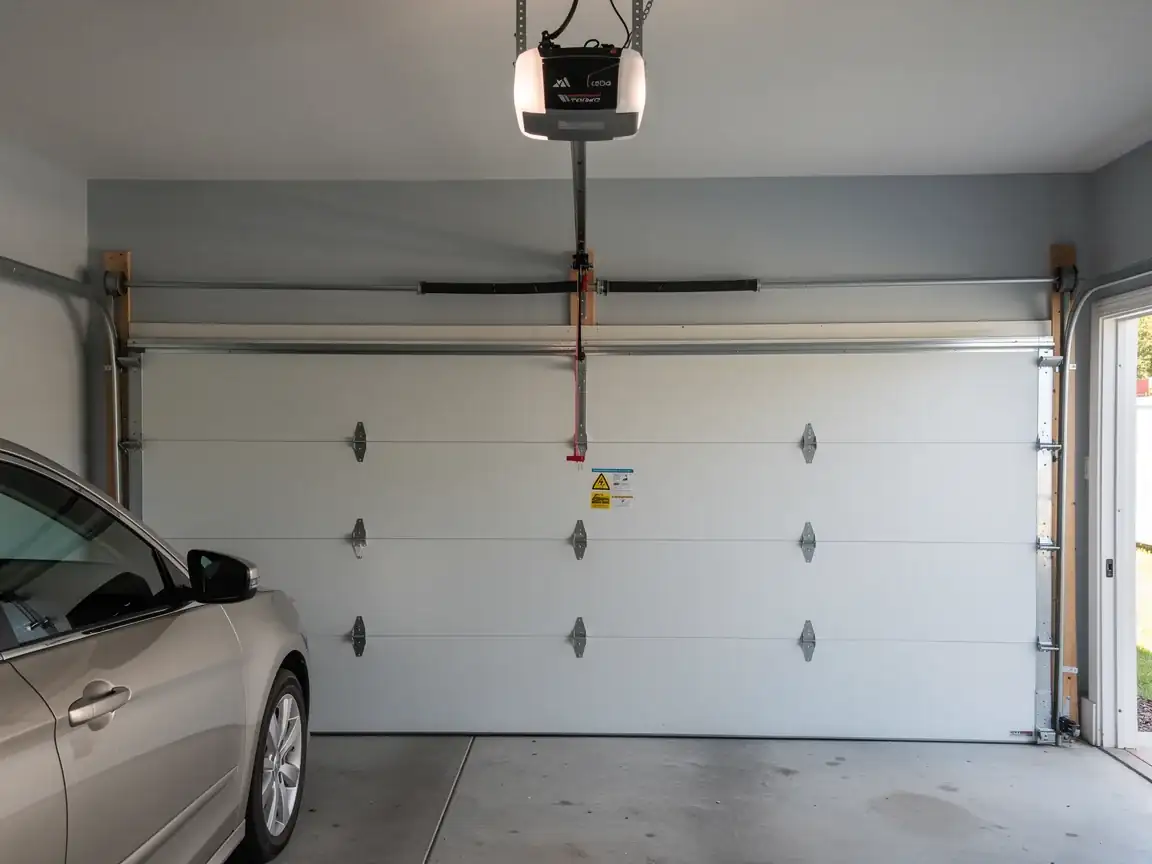
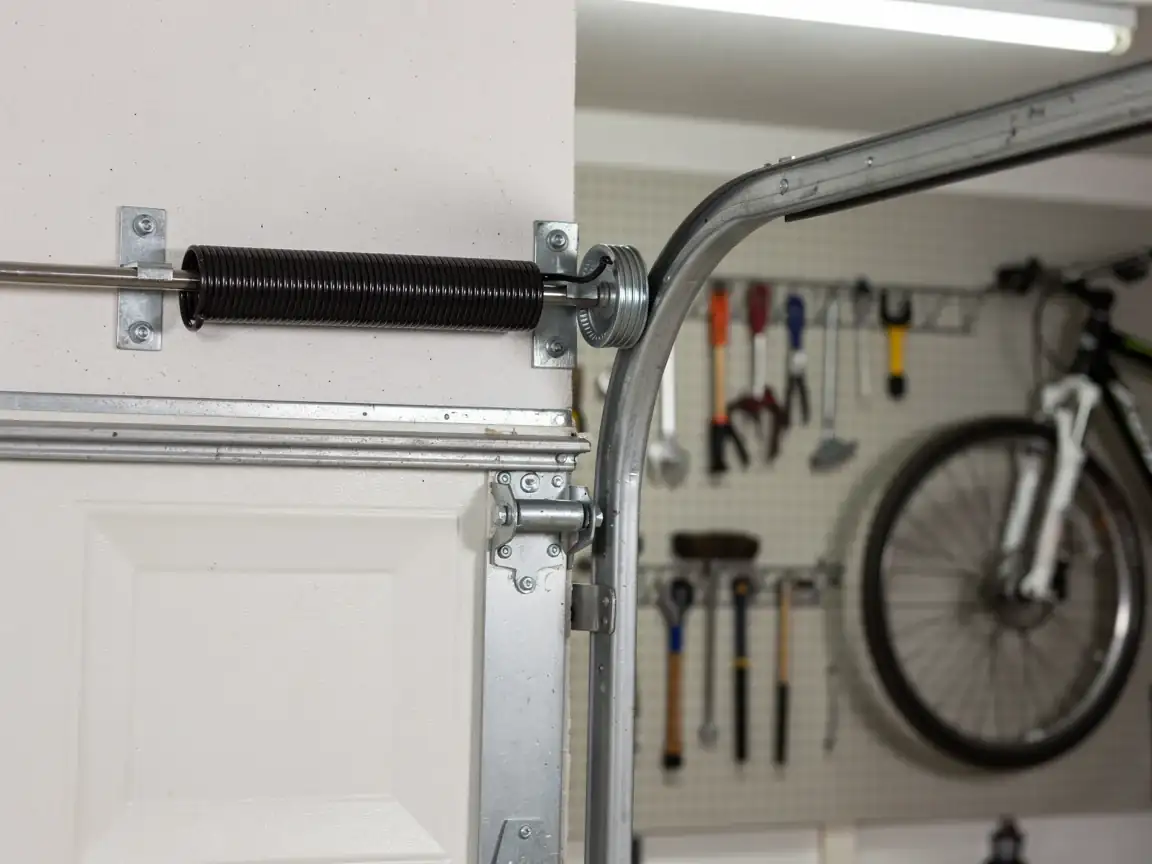
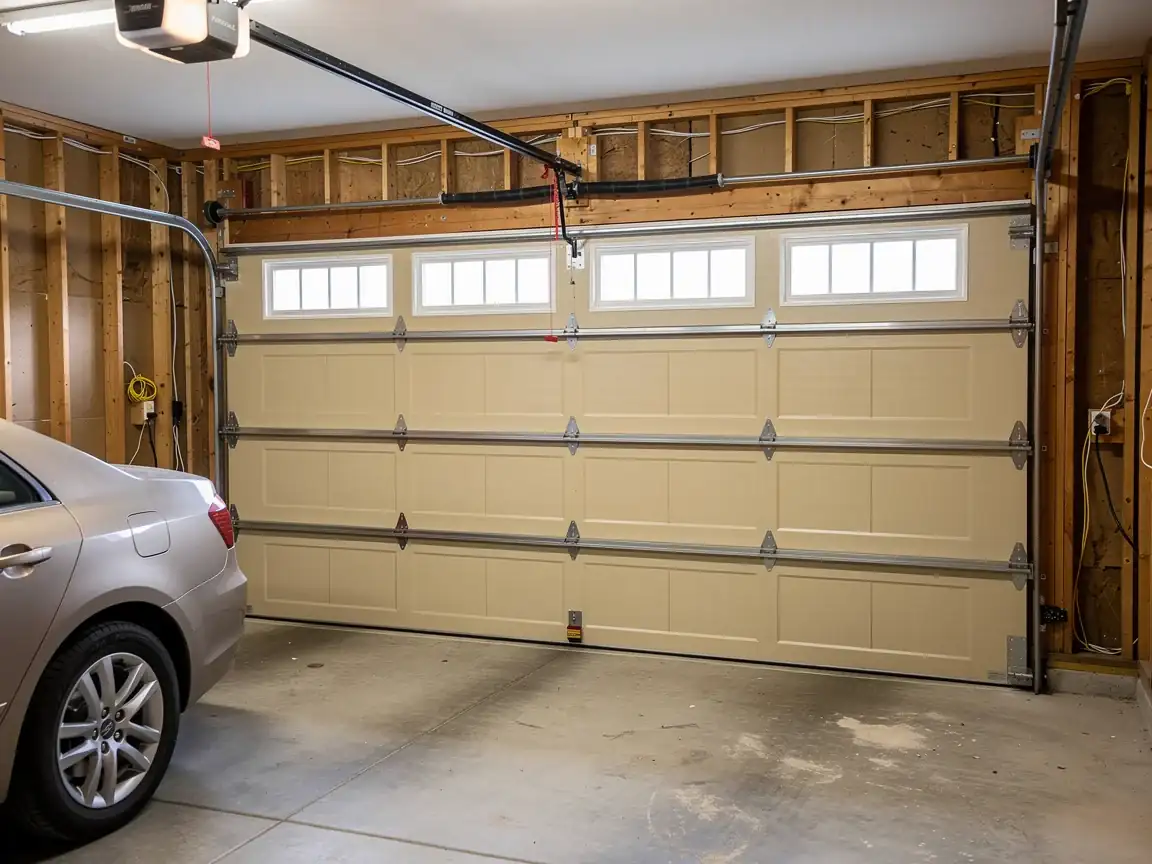
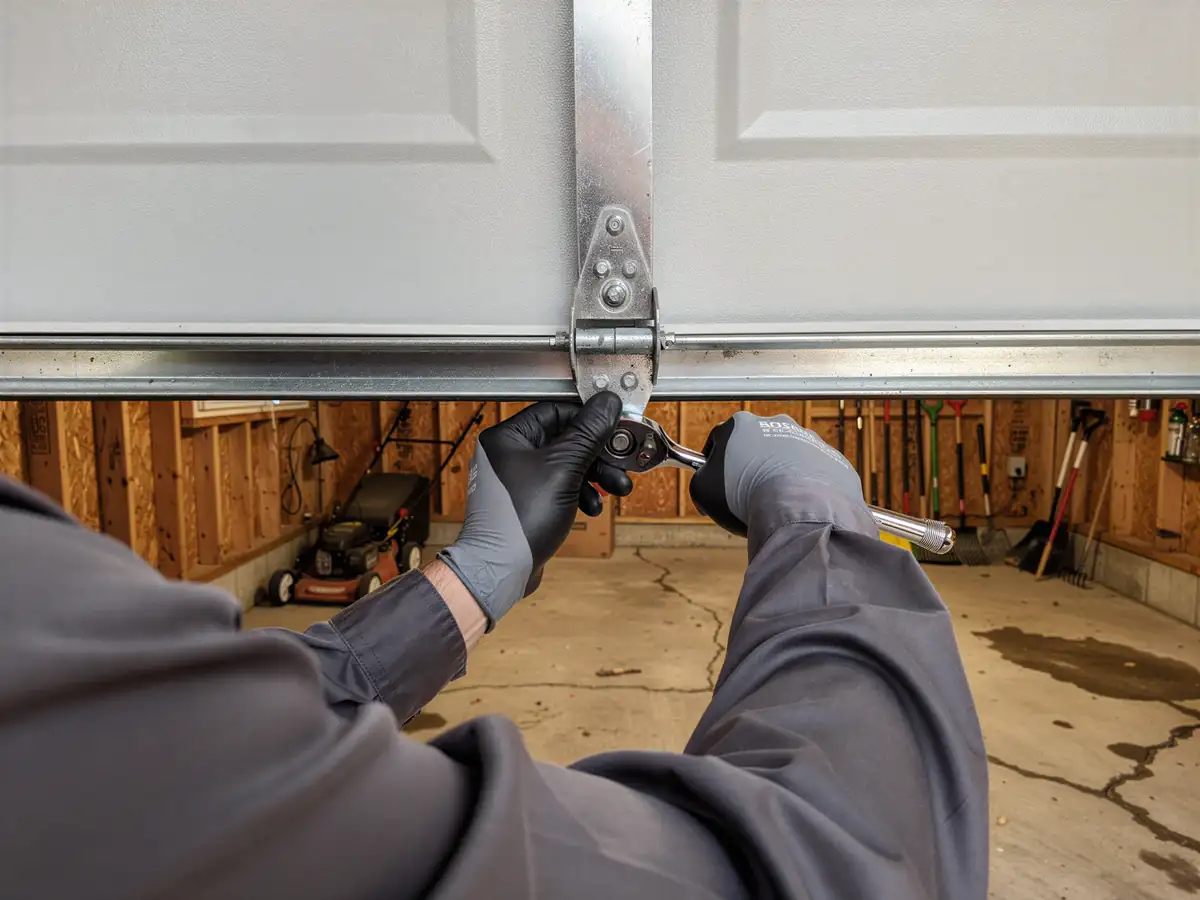
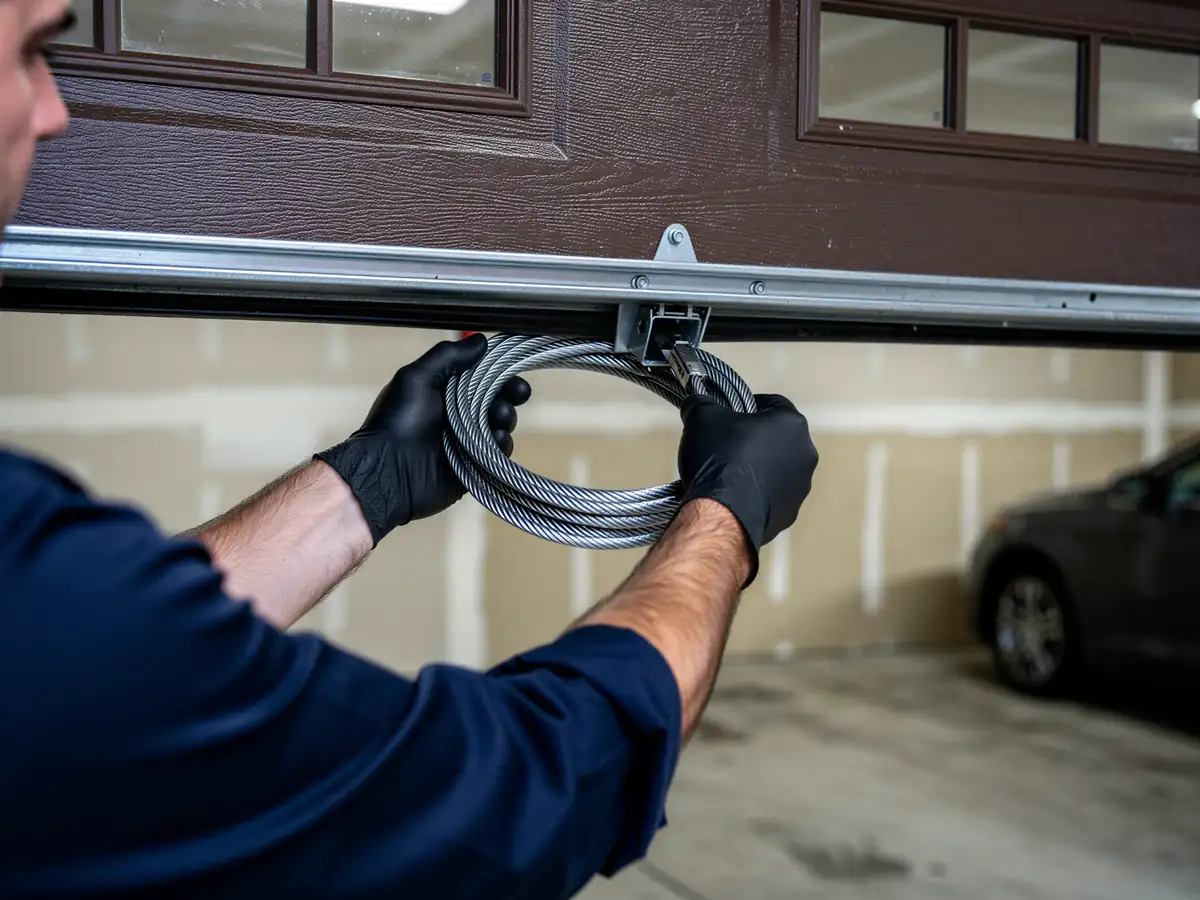
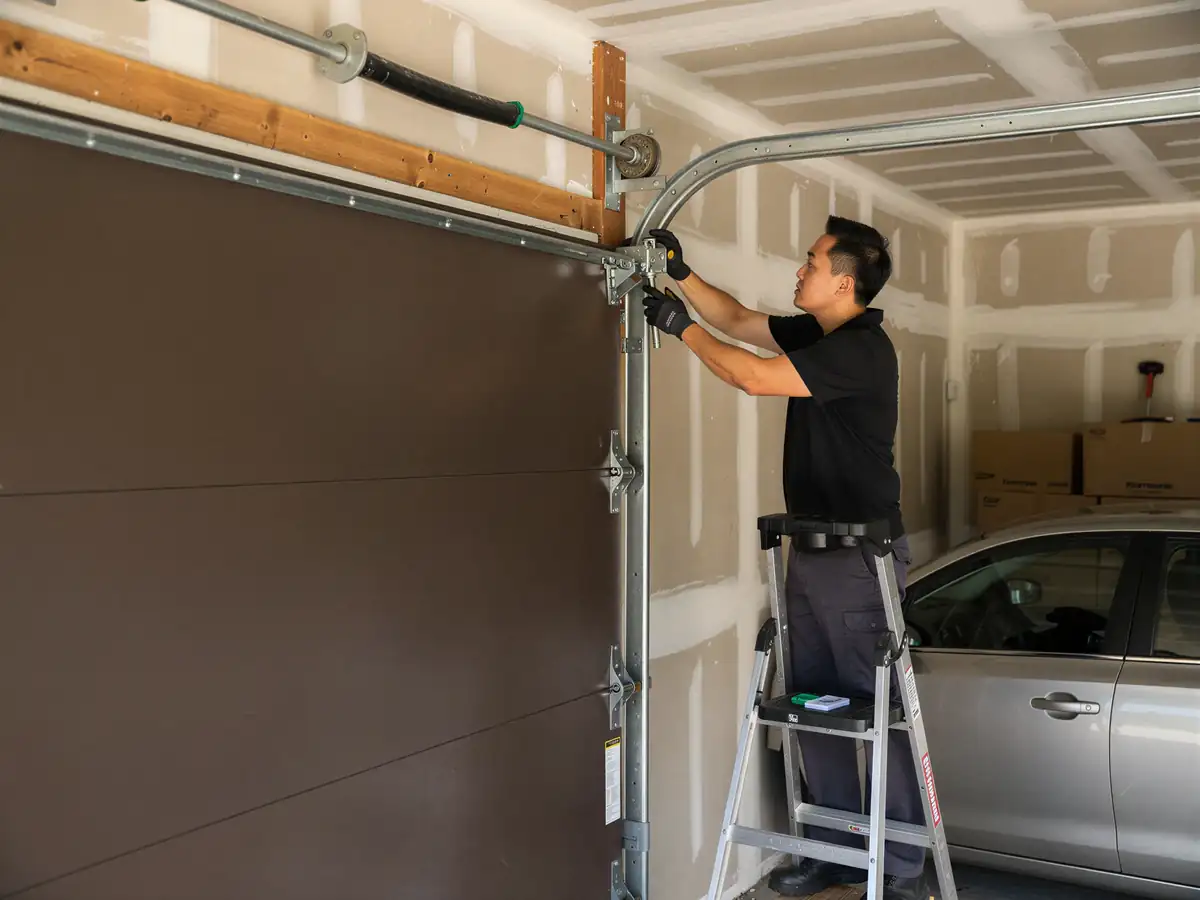
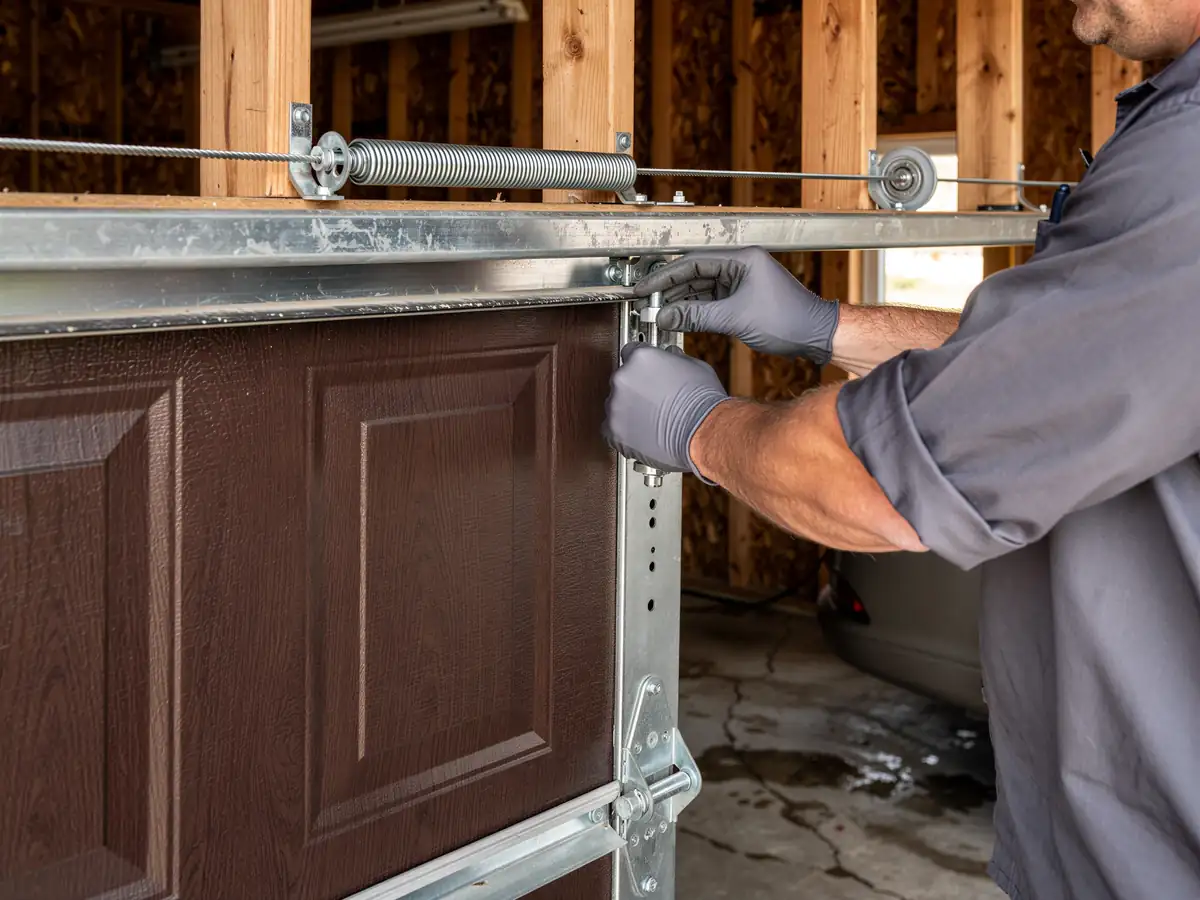
A torsion spring on a 16-foot double door is wound tighter than the single-car springs most people picture when they think about "garage door spring." The wider the door, the more wire tension it takes to balance the weight, and that tension doesn't care how new the house is. Winding bars, a steady ladder, and knowing which direction the cone turns are not optional here - guessing on a double-door spring is how people end up in the ER, not just with a broken door. Swapping a roller or tightening a loose hinge screw is reasonable DIY work. Touching the spring, the cable, or the bottom bracket on a door this size is not, and we'd tell you that even if it cost us the job.
Why This Fails Locally
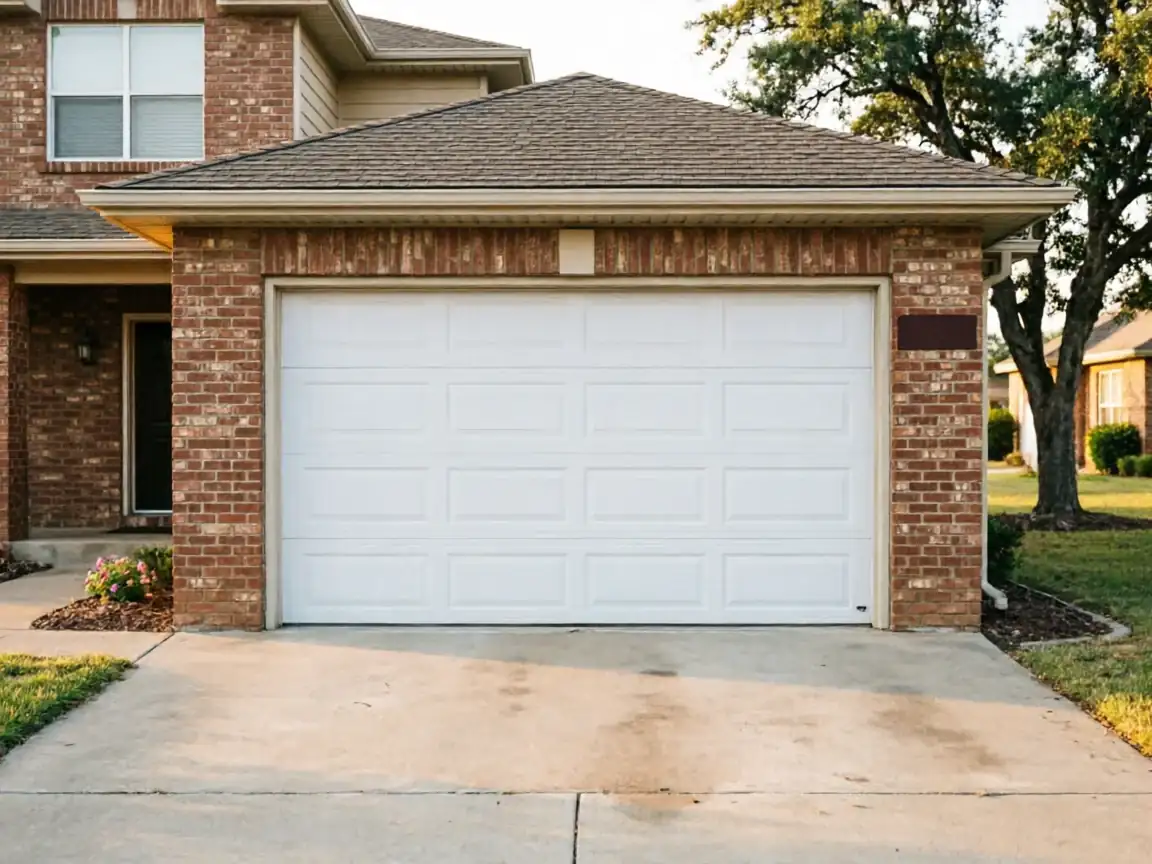
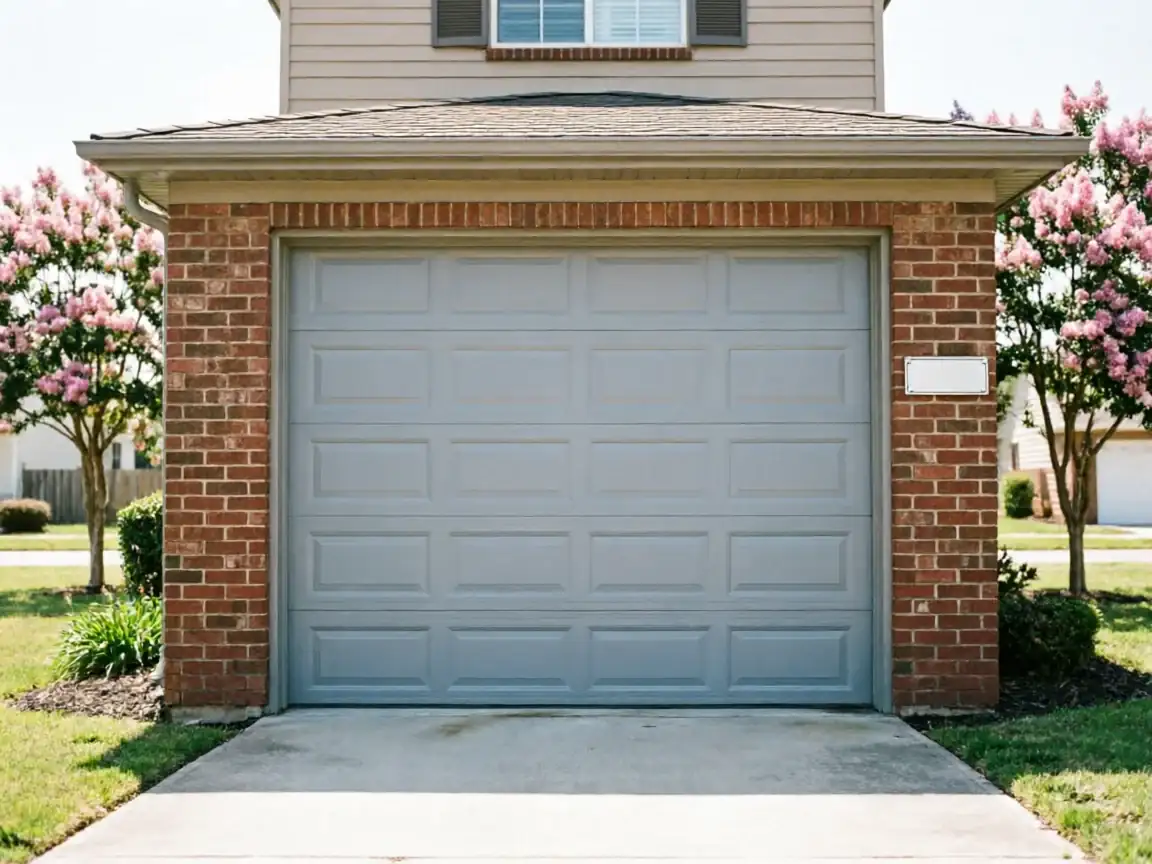
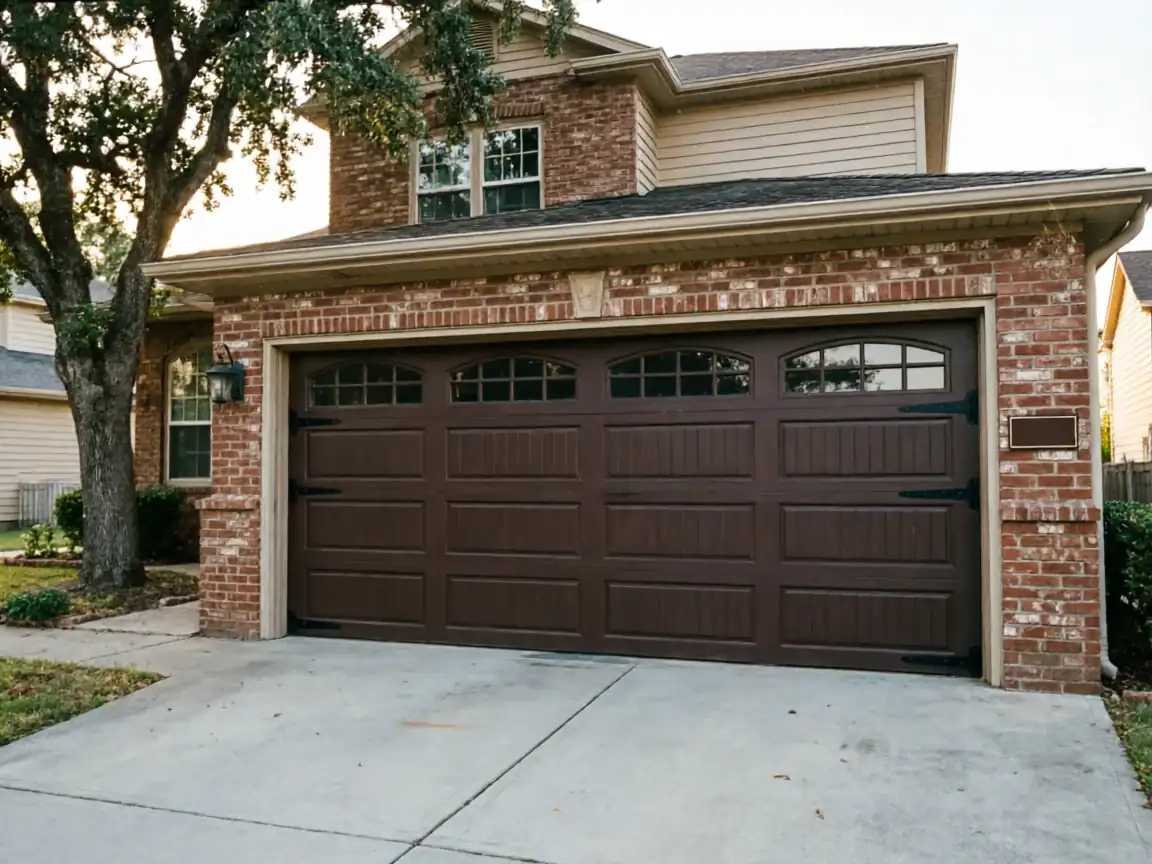
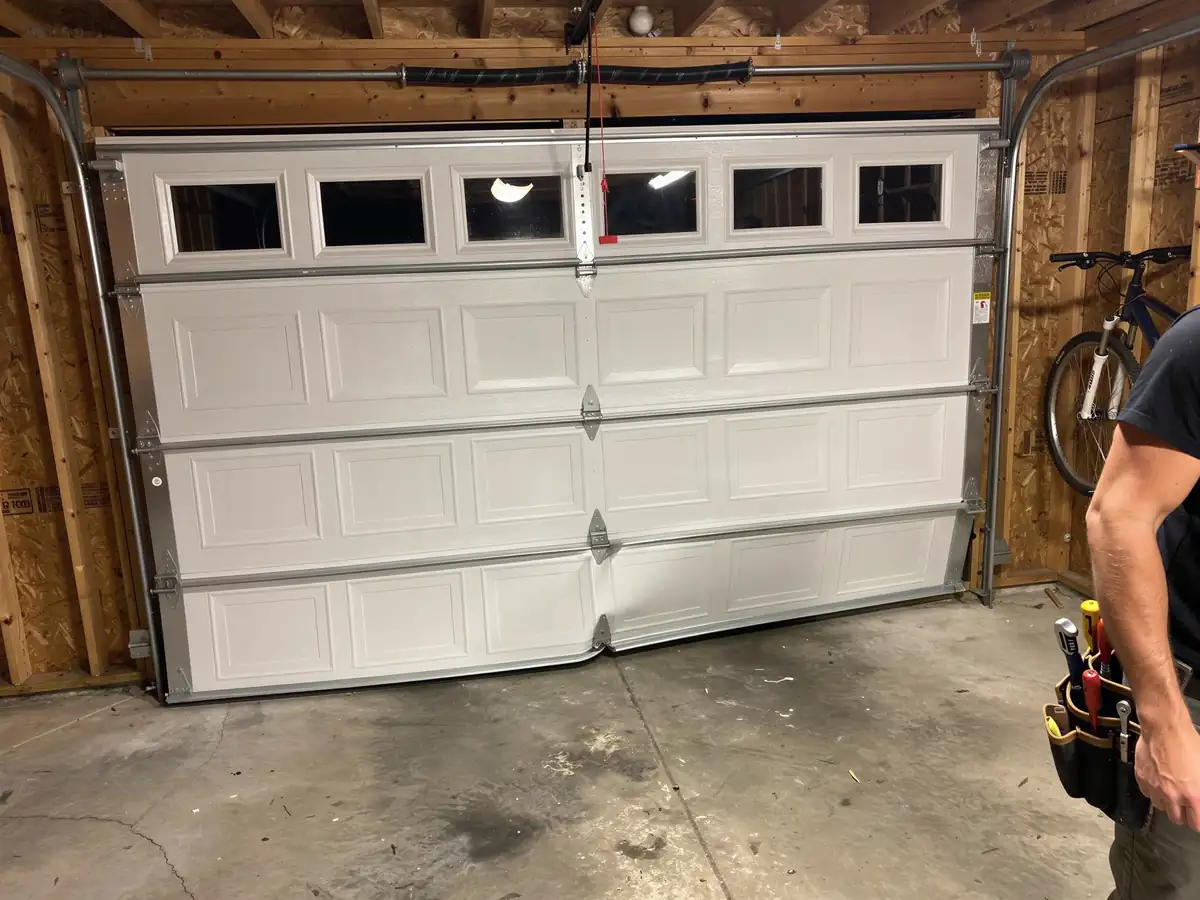
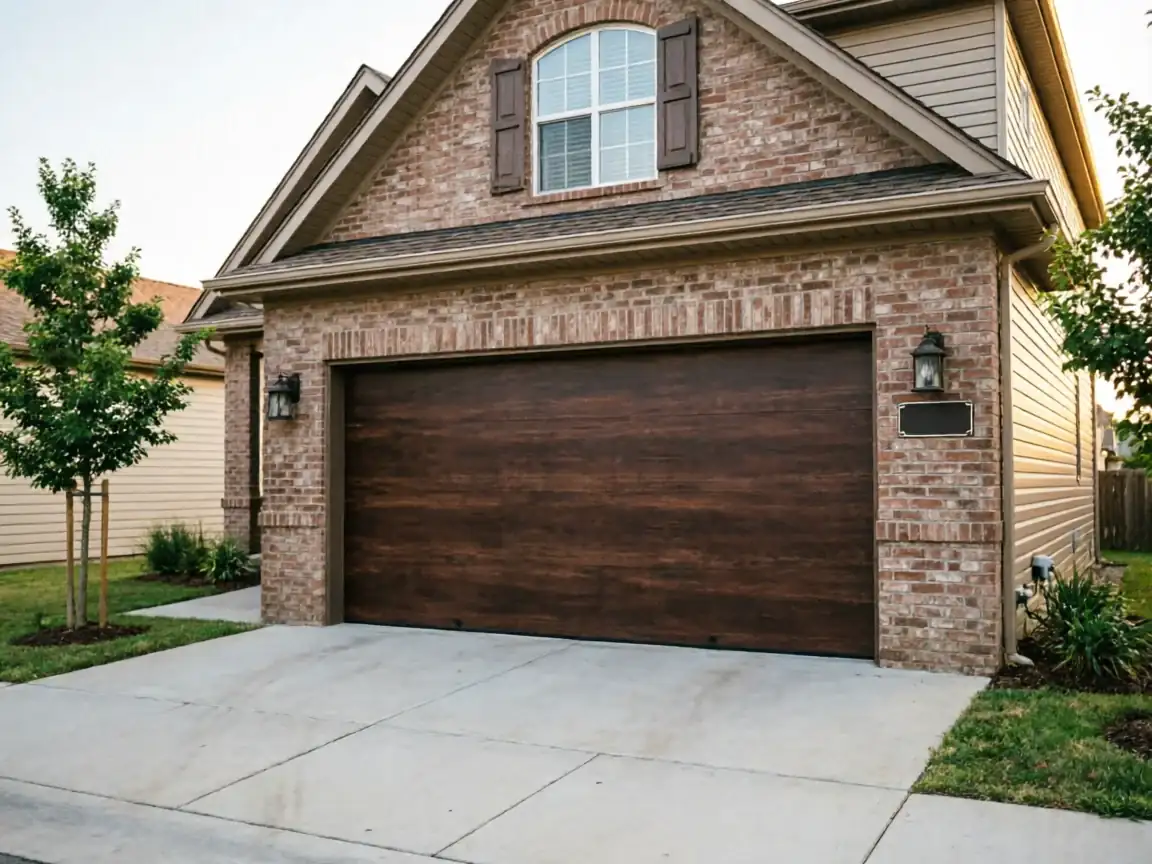
Because Cave Springs homes are newer, the common failure isn't rust-through track or a door that's simply worn out - it's a factory torsion spring that was never sized generously to begin with, cycling thousands of times on a bigger door than older neighborhoods have. Add the cold-but-moderate swings this part of Arkansas gets through winter, and the metal fatigues at the coil rather than snapping all at once; owners usually notice the door getting heavier to lift by hand weeks before a full failure. One honest limitation: if a specific insulated panel on one of these newer doors gets dented or cracked, matching the exact finish sometimes means a special order from the manufacturer, not something we carry on the truck. We'll tell you that up front rather than promise a same-day panel swap we can't deliver.
Time on the Job
Cave Springs runs about 6 miles from our Bentonville base, which we factor into how we route a day's calls rather than promising a specific arrival window we can't back up. Once we're on site, a torsion spring swap on a standard double door usually runs under two hours including balance and travel testing; a full opener swap on a newer rolling-code system takes similar time since the wiring and sensor setup is more standardized on homes built this decade than on older retrofits. Panel work runs longer if a replacement section has to be special-ordered, which we'll flag before we schedule the return trip.
How We Fix It
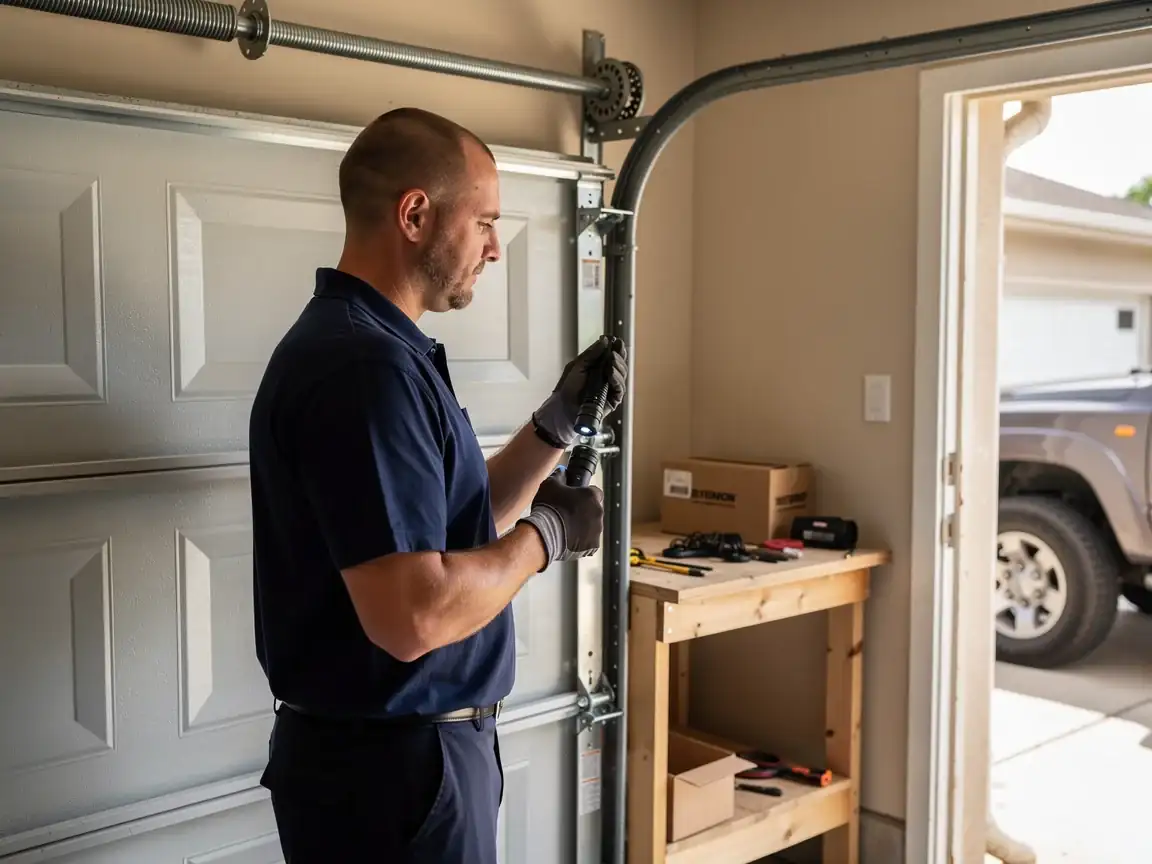
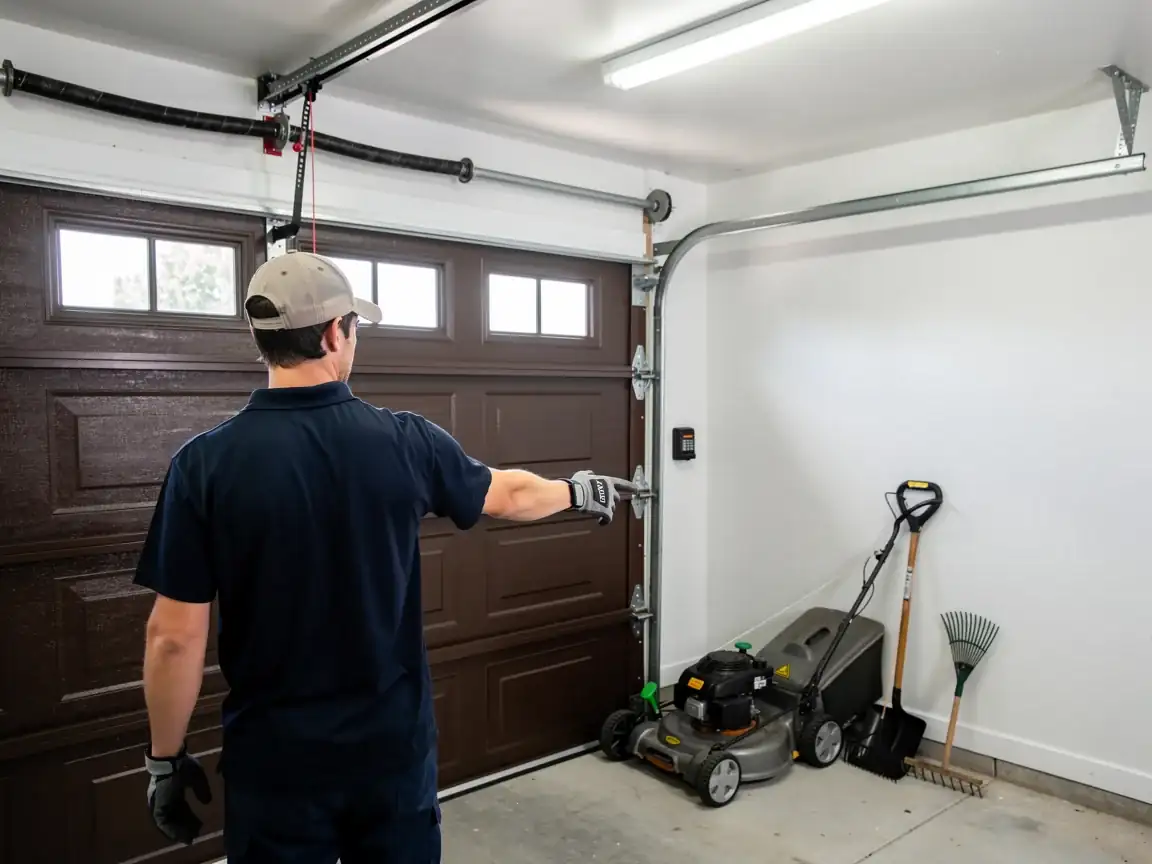
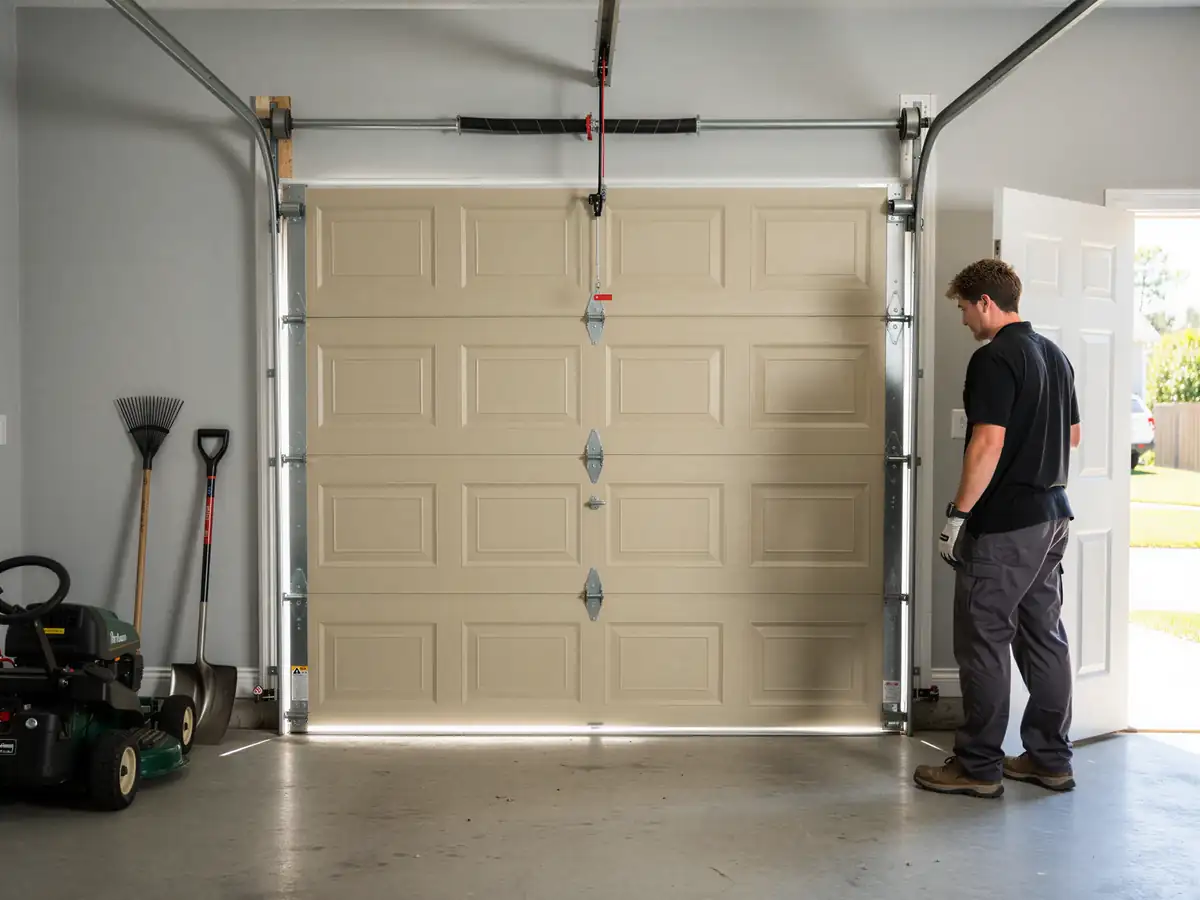
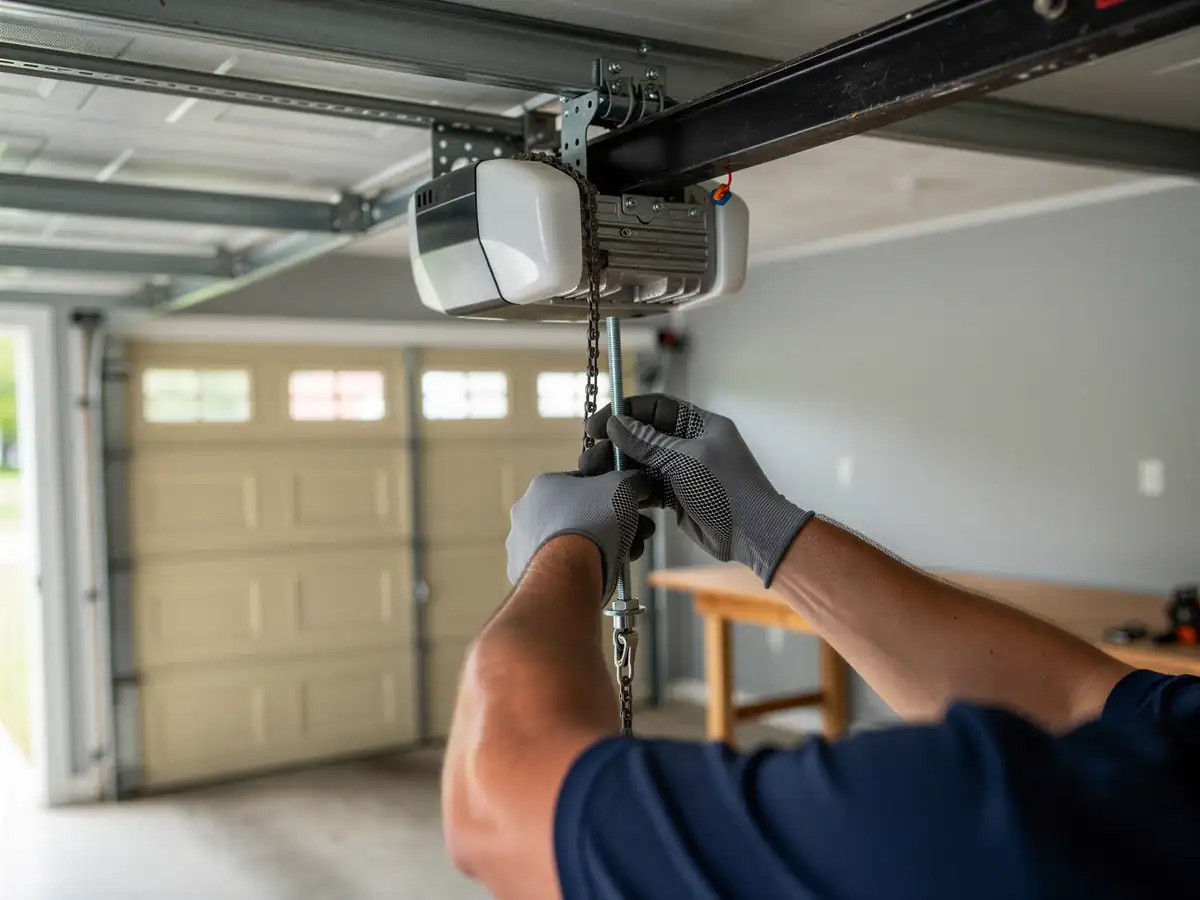
We start by checking the door's balance by hand - lift it halfway and see if it holds. On a 16-foot double door that's heavier to lift than it should be, that's almost always the torsion spring losing tension, not the opener struggling. We replace the spring with one matched to the door's actual weight and width rather than a generic size, reset the limit and force settings on the opener, and run the door through a full cycle before we call it done. For the newer insulated steel doors common in Cave Springs, we also check the roller and hinge hardware while we're in there, since that lighter-gauge track wears differently than the older stock we see closer to Bentonville's older neighborhoods. We're driving in from Bentonville for every call, so we schedule the visit around that 6-mile run rather than treating it as a walk-up job.