Doing It Yourself
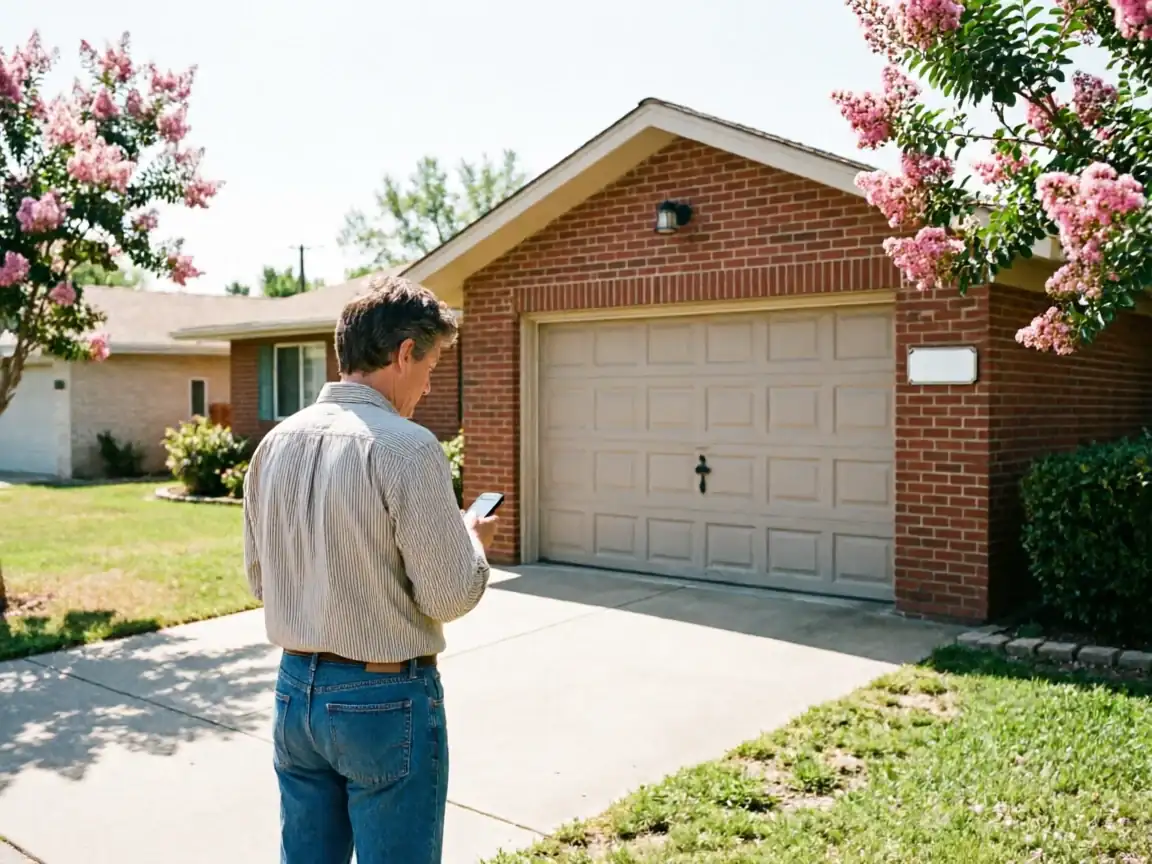
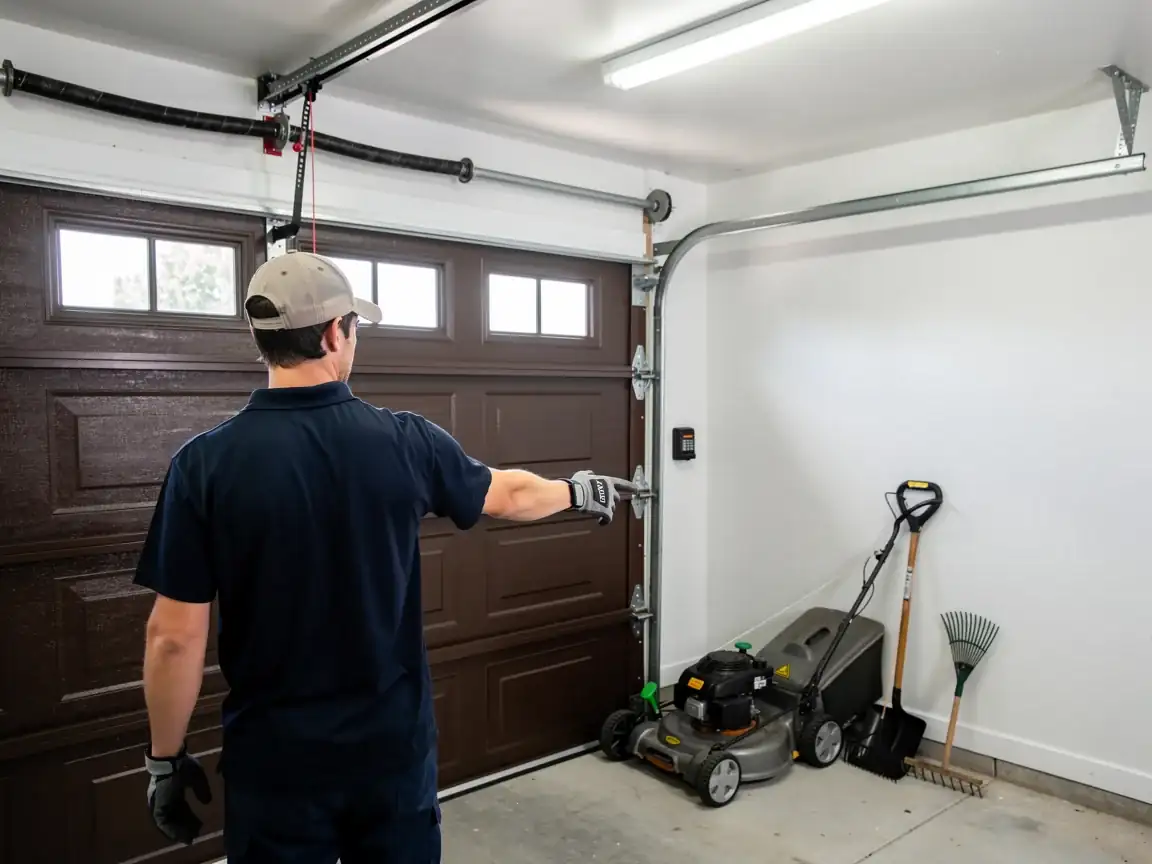
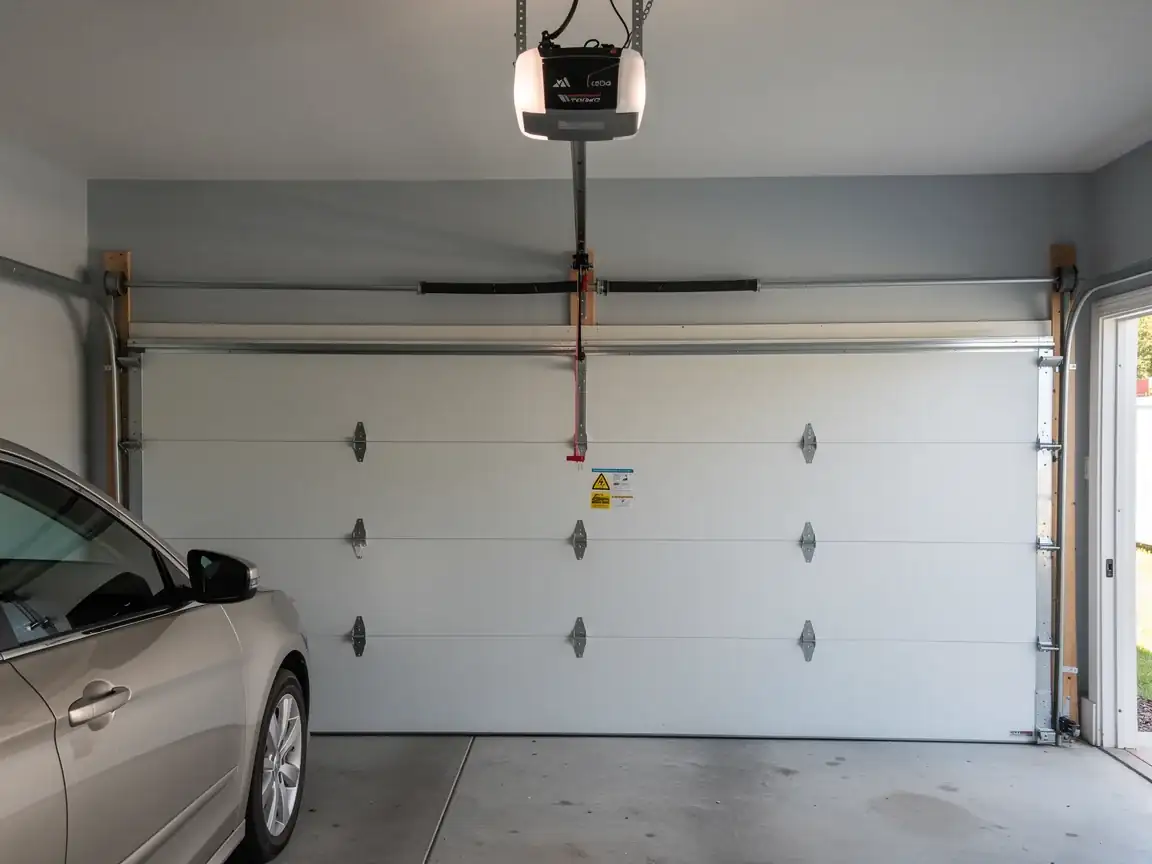
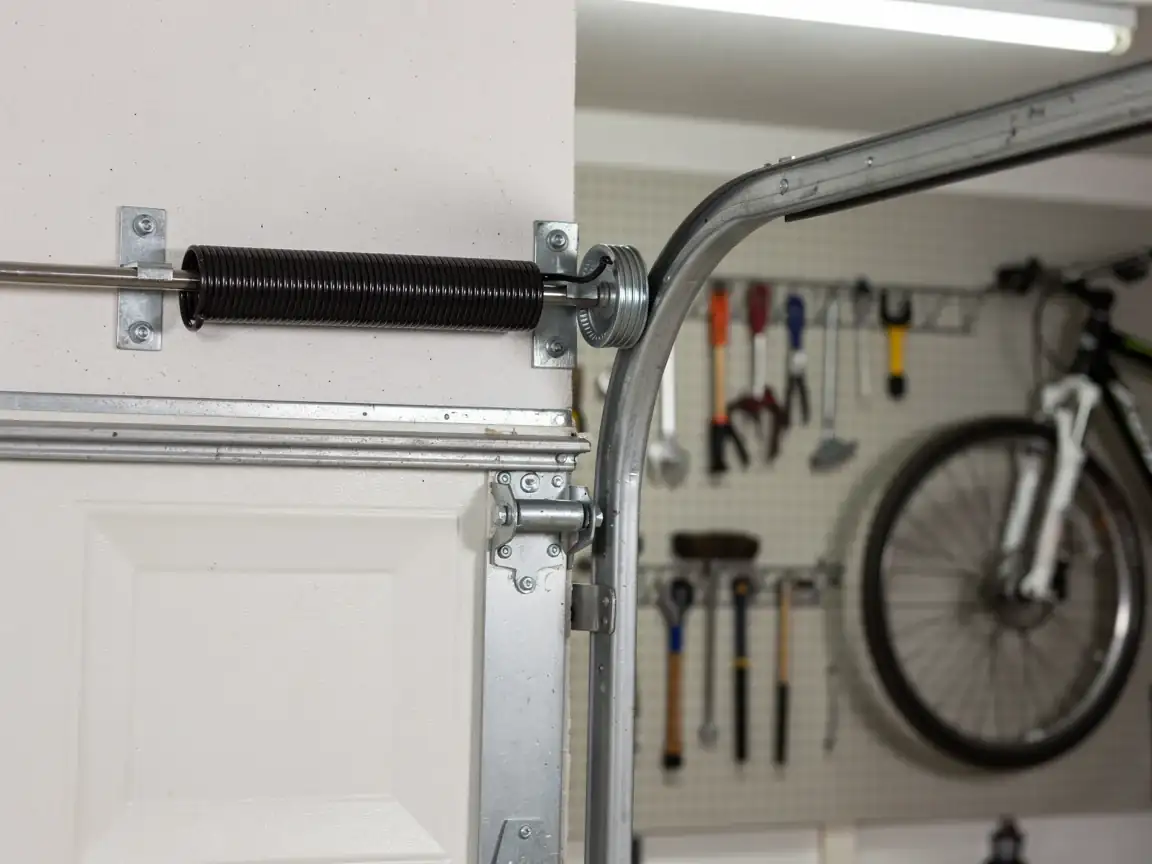
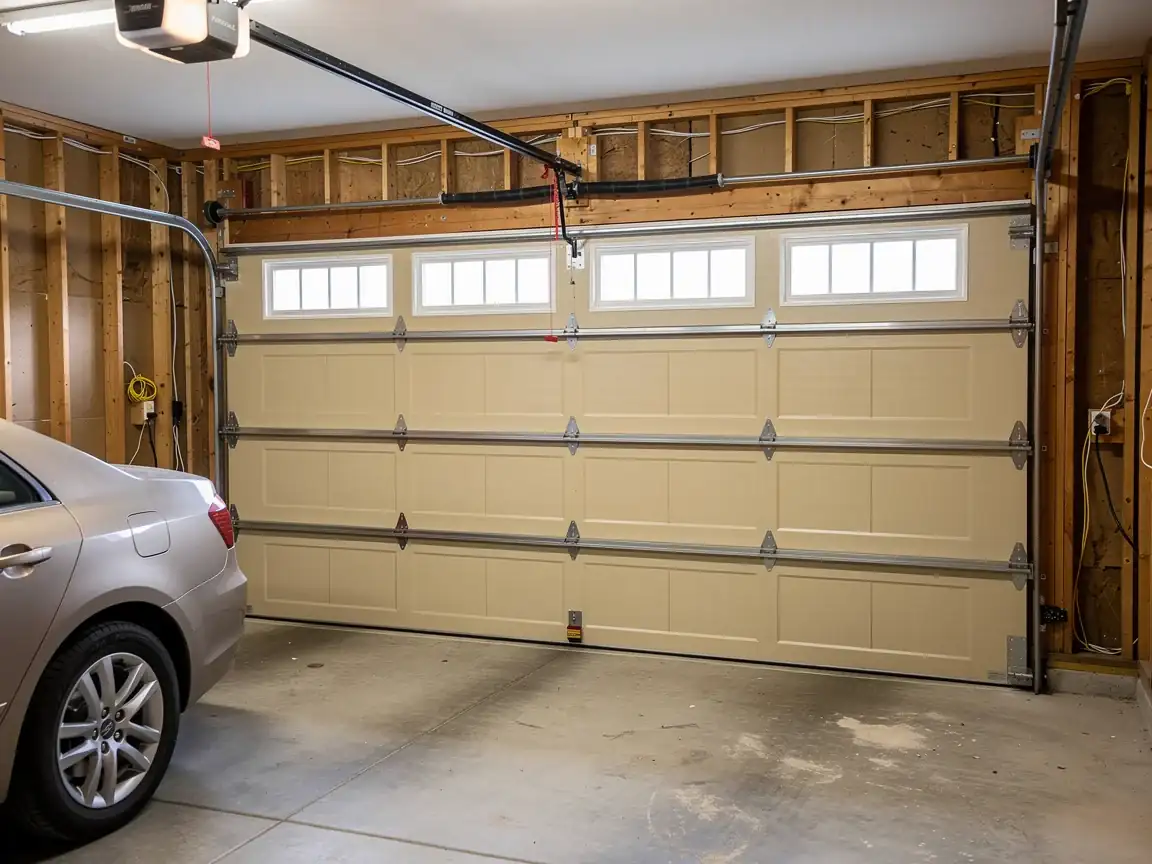
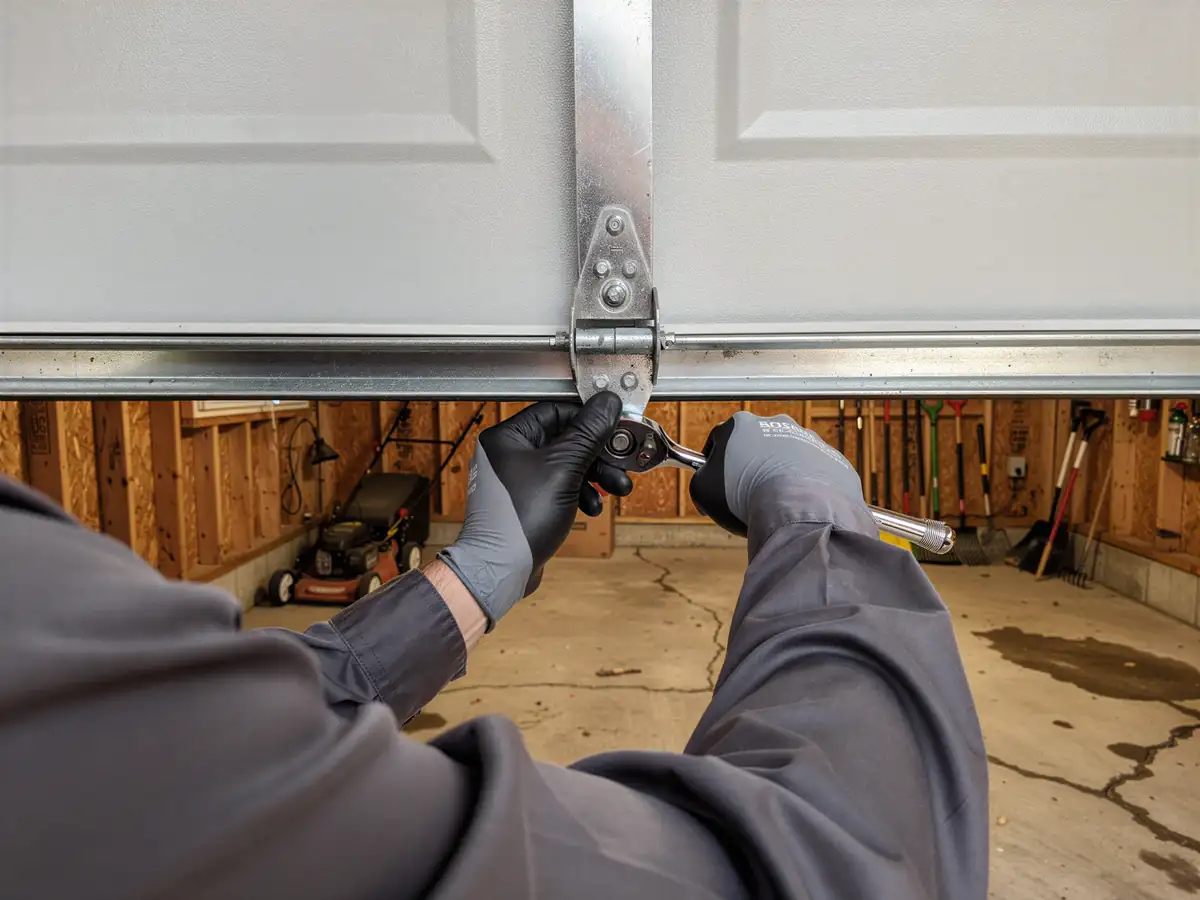
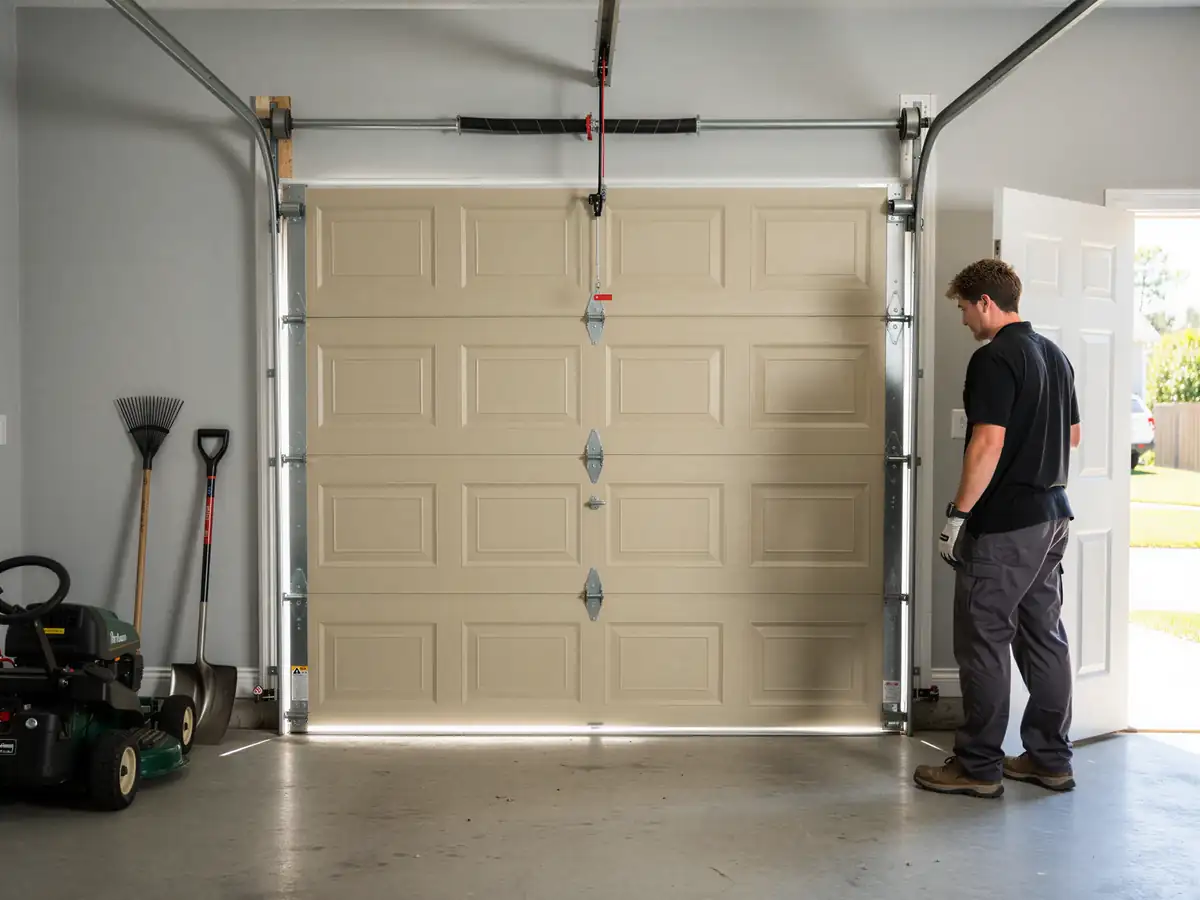
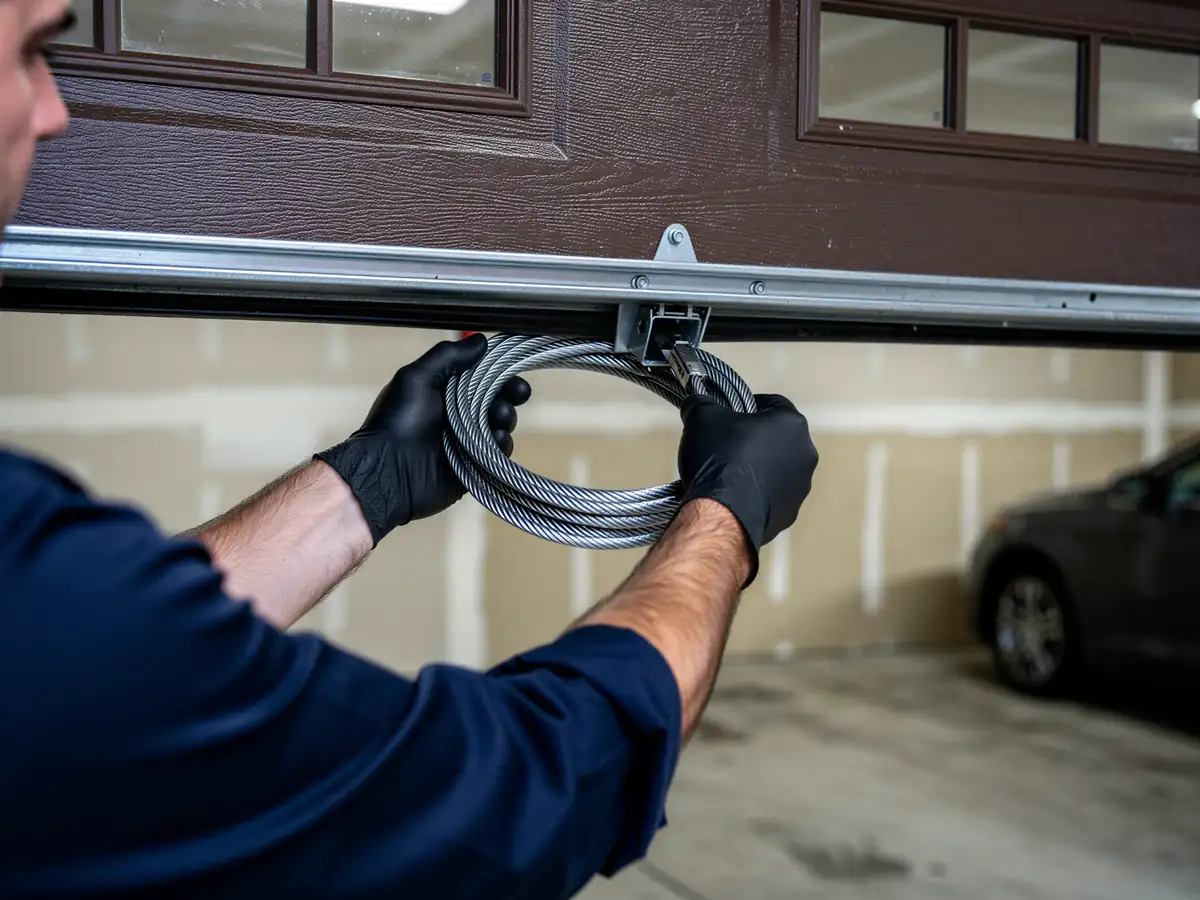
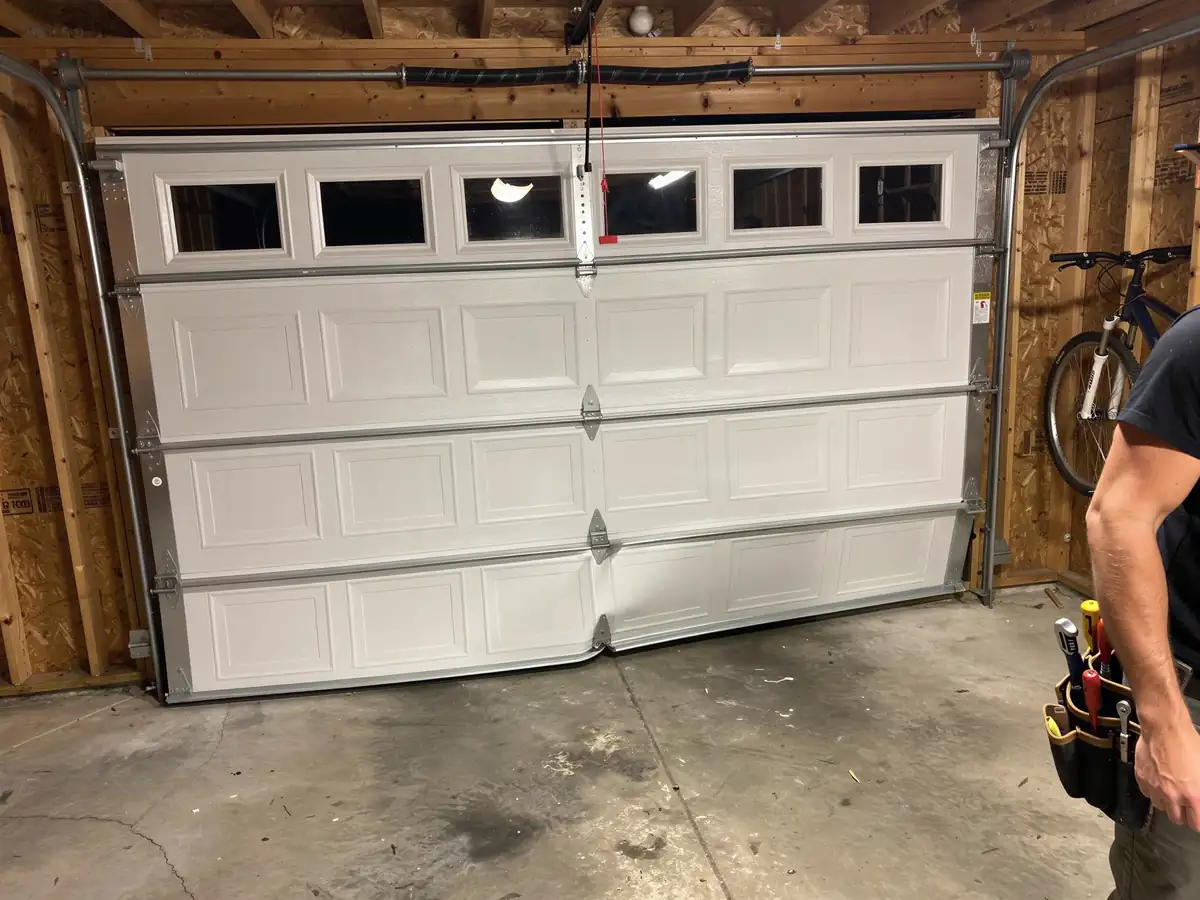
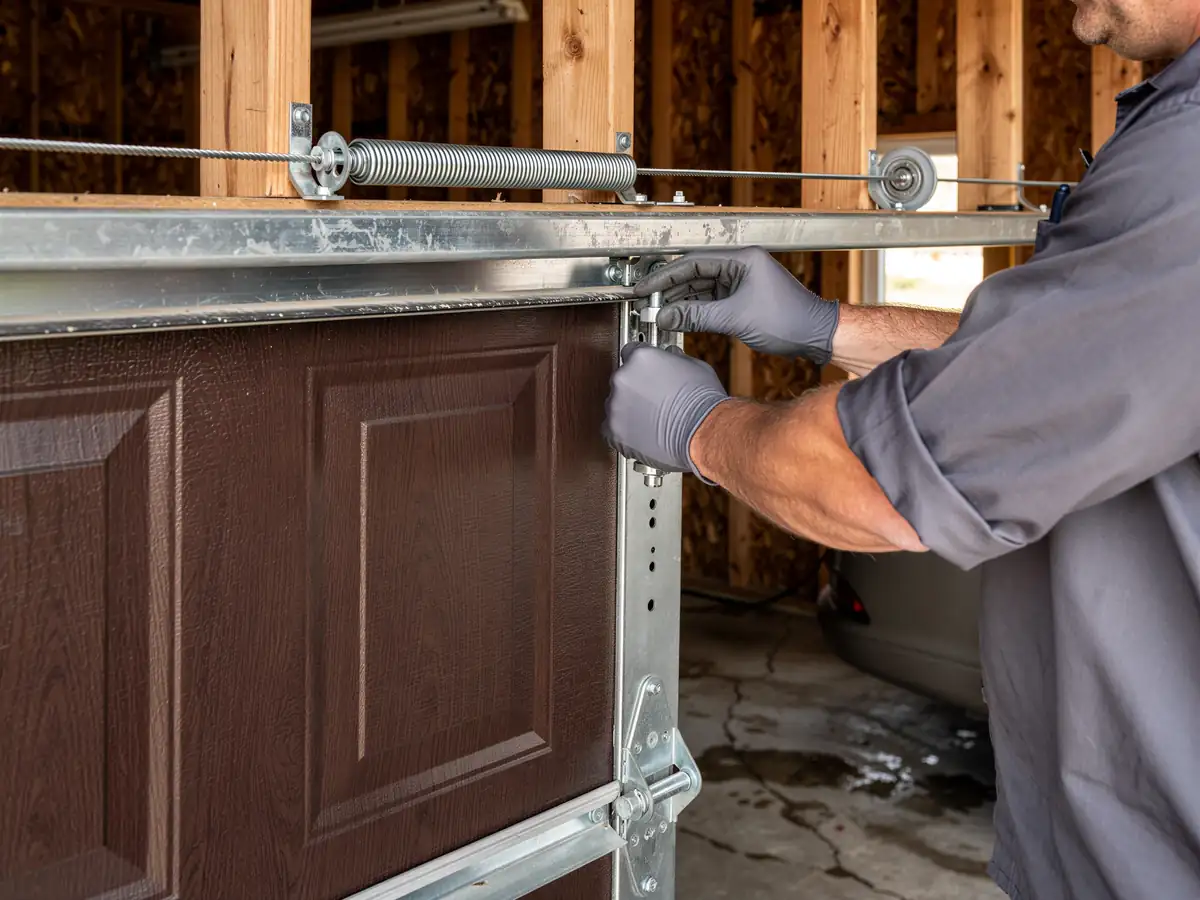
On a door built in the last decade or so, a lot of basic maintenance is within reach for a homeowner: wiping down and lubricating rollers and hinges, checking that the photo-eye sensors near the floor are aligned, and tightening the bolts on the track brackets that work loose over a few years of use. The balance test - pull the release, lift the door halfway by hand, see if it holds - is the one check every owner here should do twice a year, because a door that's out of balance wears the opener's gears fast whether the door is new or old. What you should not do yourself is touch the torsion spring. Even on newer, better-wound springs, the tension stored in that coil is enough to break a wrist or worse, and that risk doesn't go down just because the house is newer.
Why This Fails Locally
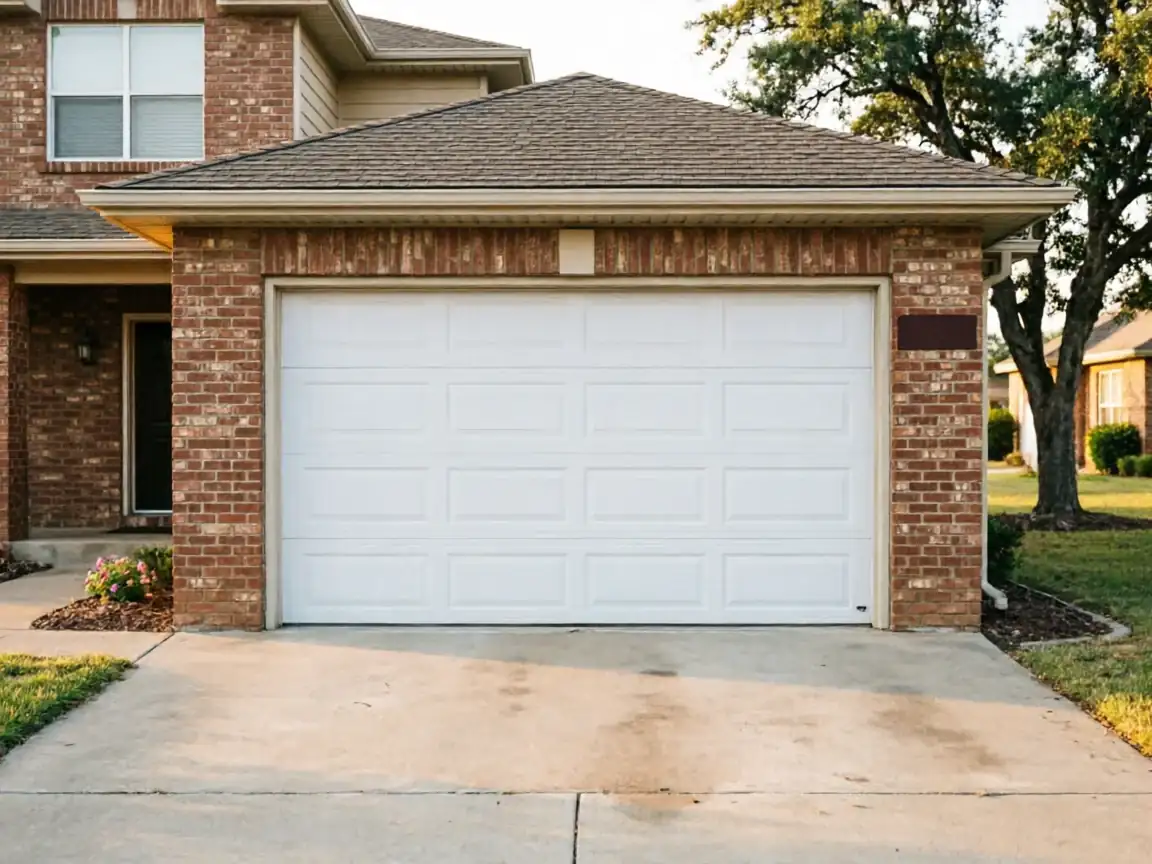
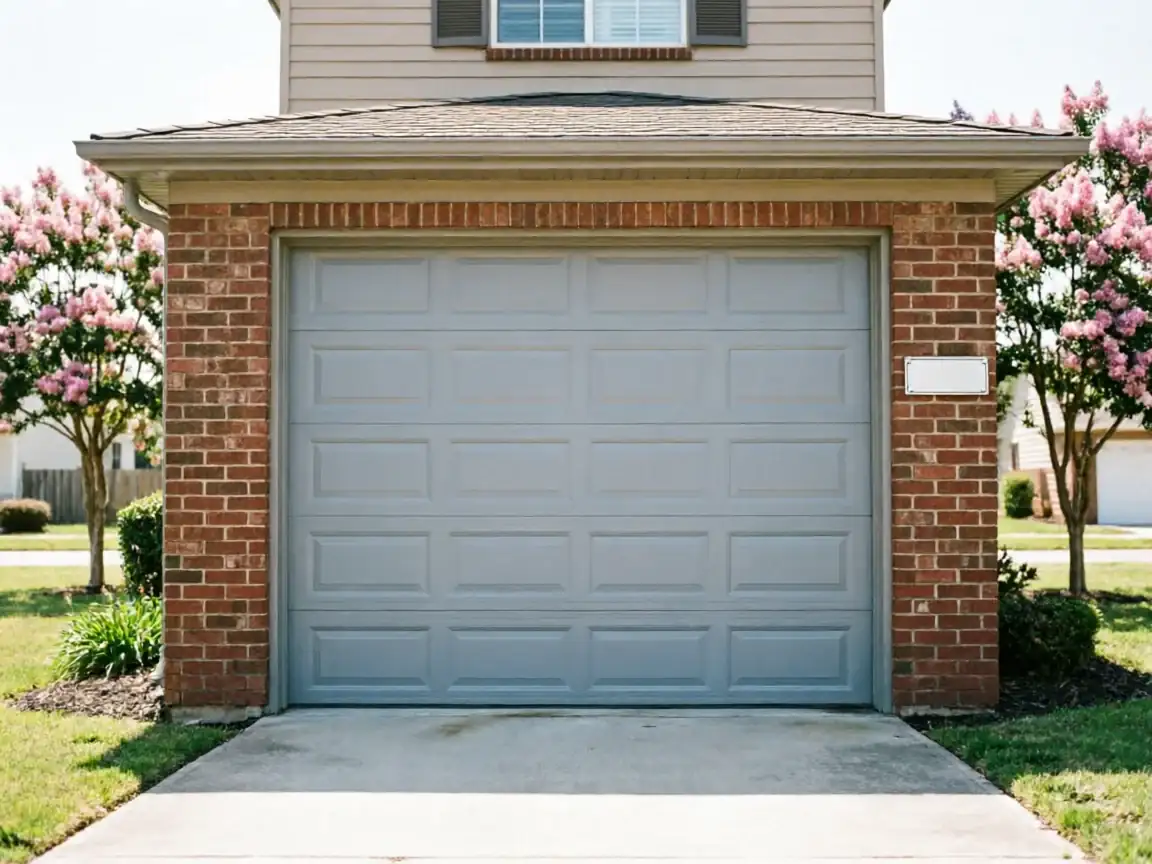
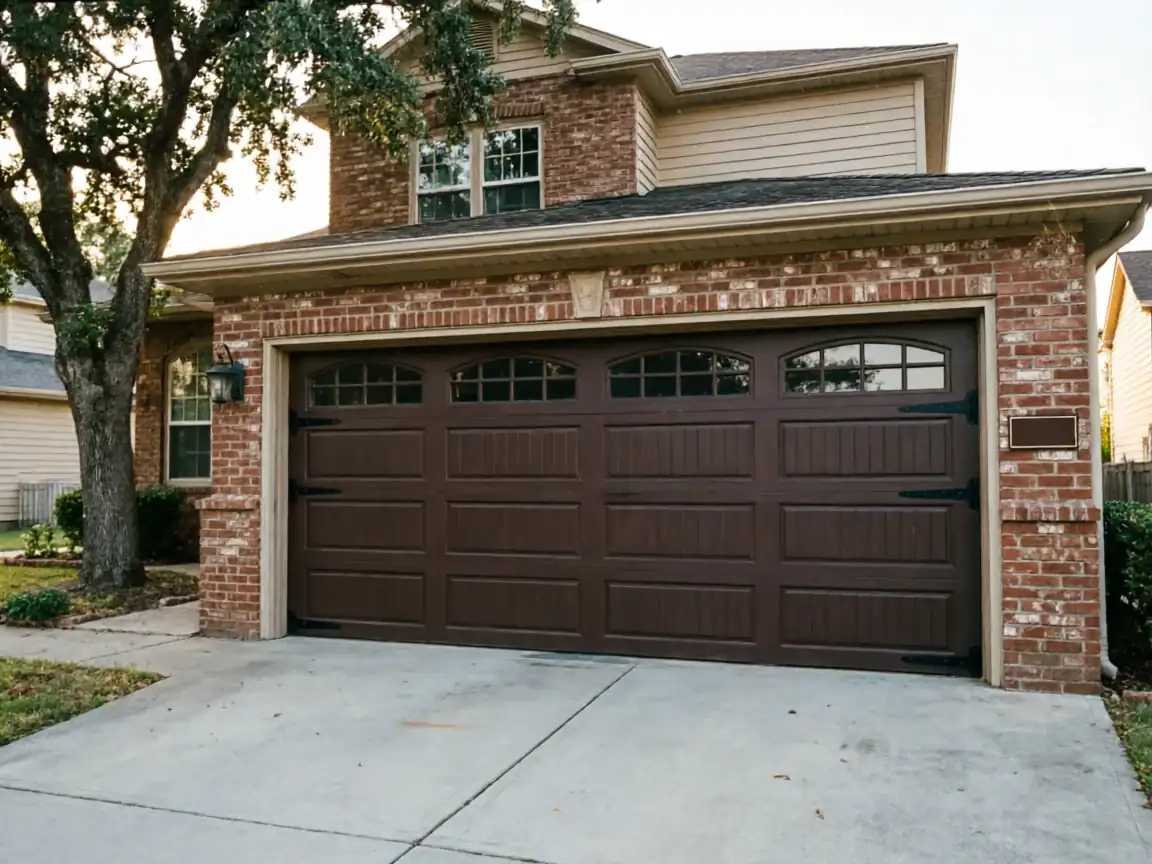
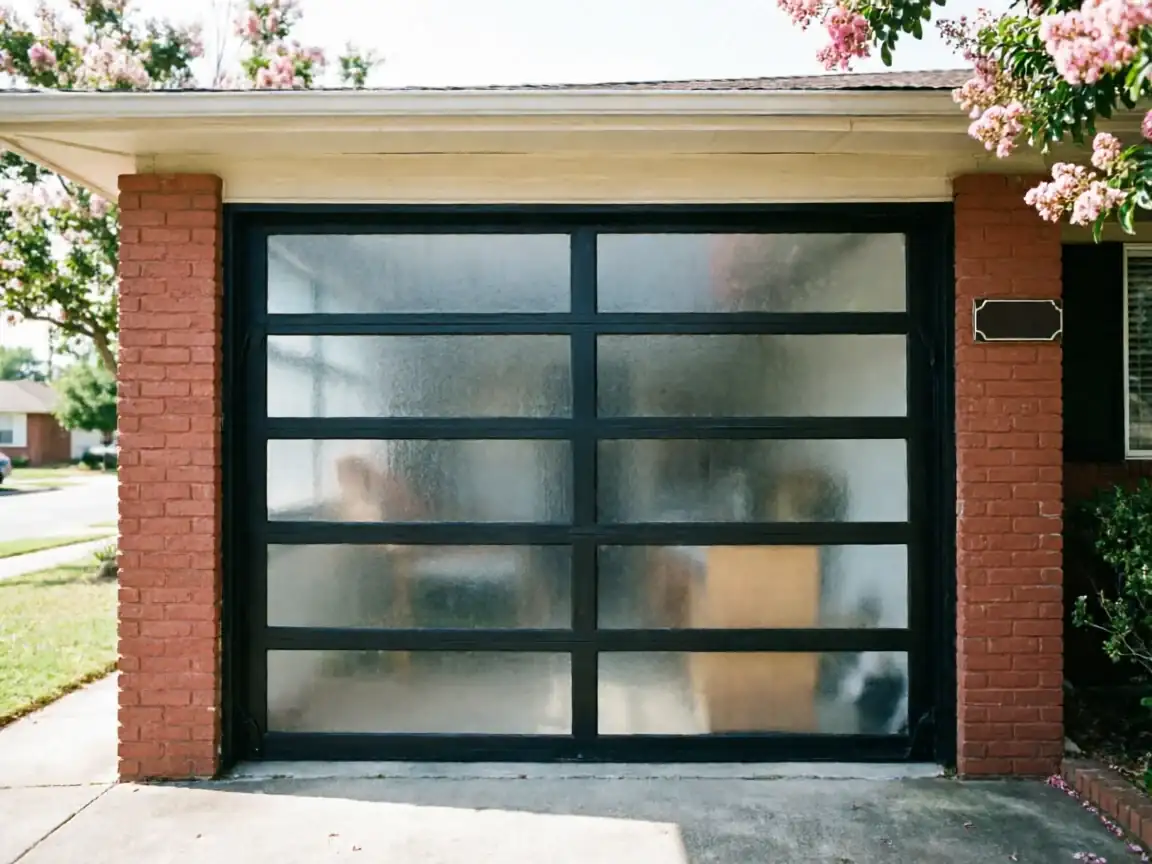
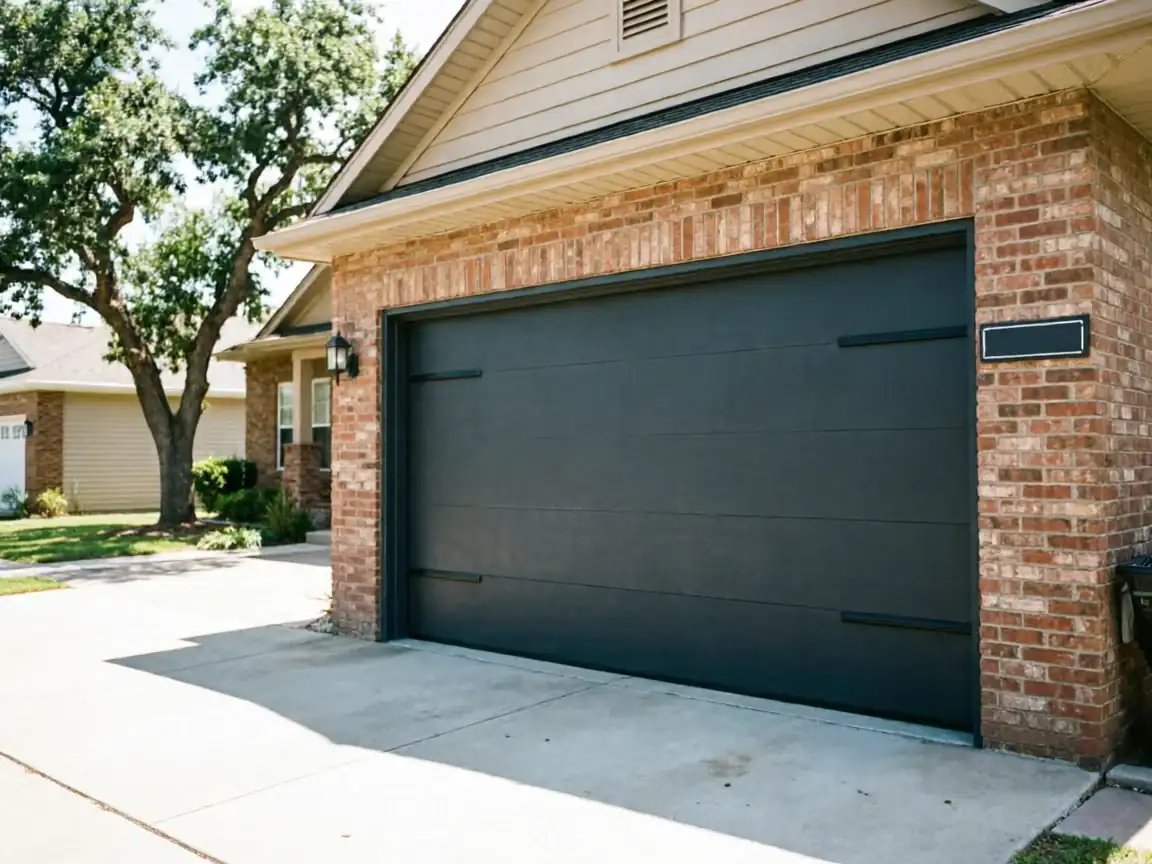
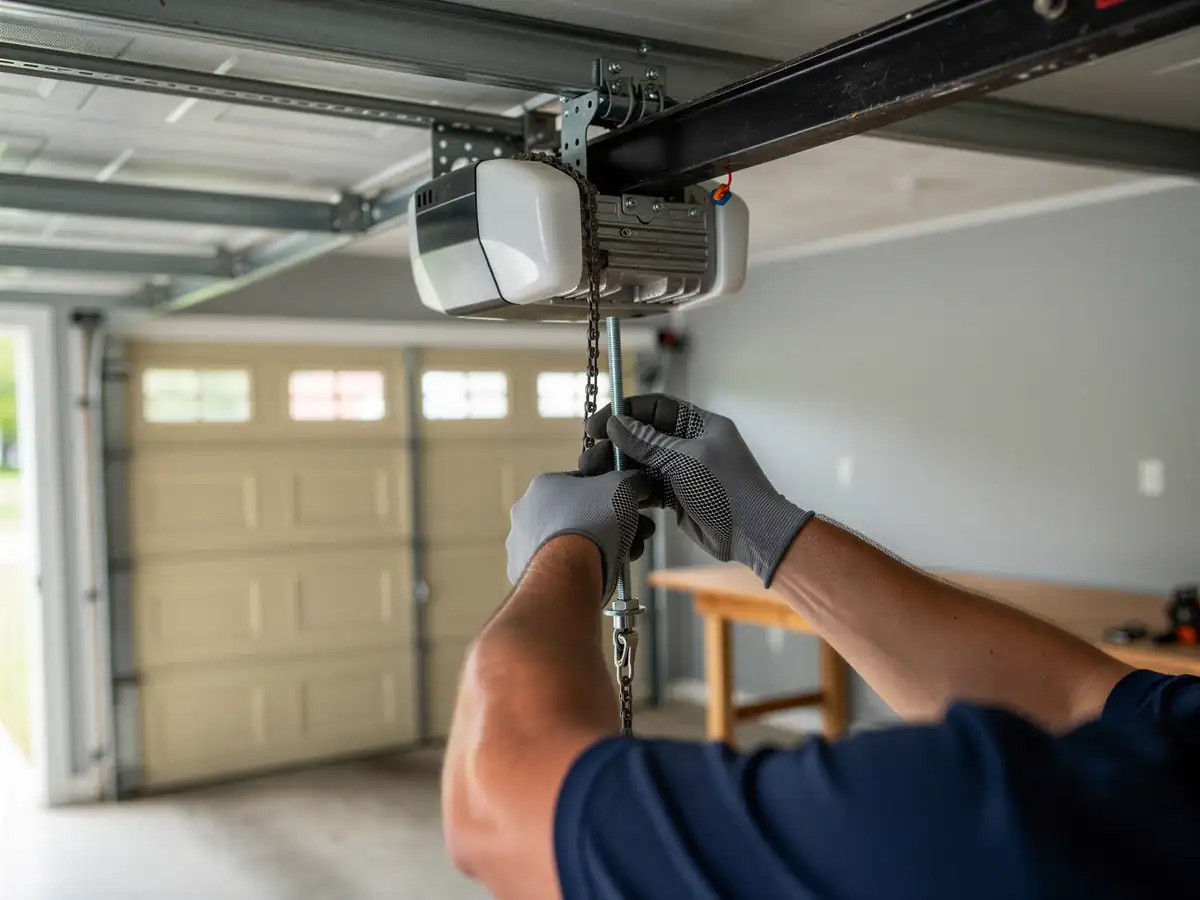
Because most houses in Cave Springs went up around and after 2013, the doors are newer than the typical door we see on an older Bentonville street, but newer doesn't mean maintenance-free. The failure we see most in this age bracket is lubricant breakdown - factory grease on rollers and hinges that was fine for the first few winters but has gone dry or gummy by year eight or ten, right when the area's cold-moderate winters put the most load on a door that has to seal tight against the weatherstrip. A door that sealed fine in 2014 can be letting cold air past the bottom seal by now, and the owner usually blames the opener instead of the worn seal. Newer openers here also tend to be belt-drive units with safety sensors that drift out of alignment slightly over time - a small thing that stops the door from closing at all until it's reset.
Time on the Job
A straightforward maintenance visit - lubrication, hardware check, balance test, sensor alignment - on a door of this age usually runs short. We're not replacing a worn torsion spring from a 1970s door or fighting rust on track that's sat through thirty winters, because that's not what we're finding in a town built mostly after 2013. If the visit turns up something more, like a roller that's seized and scored the track, that adds time on the spot, and we'll tell you before we start rather than after.
How We Fix It
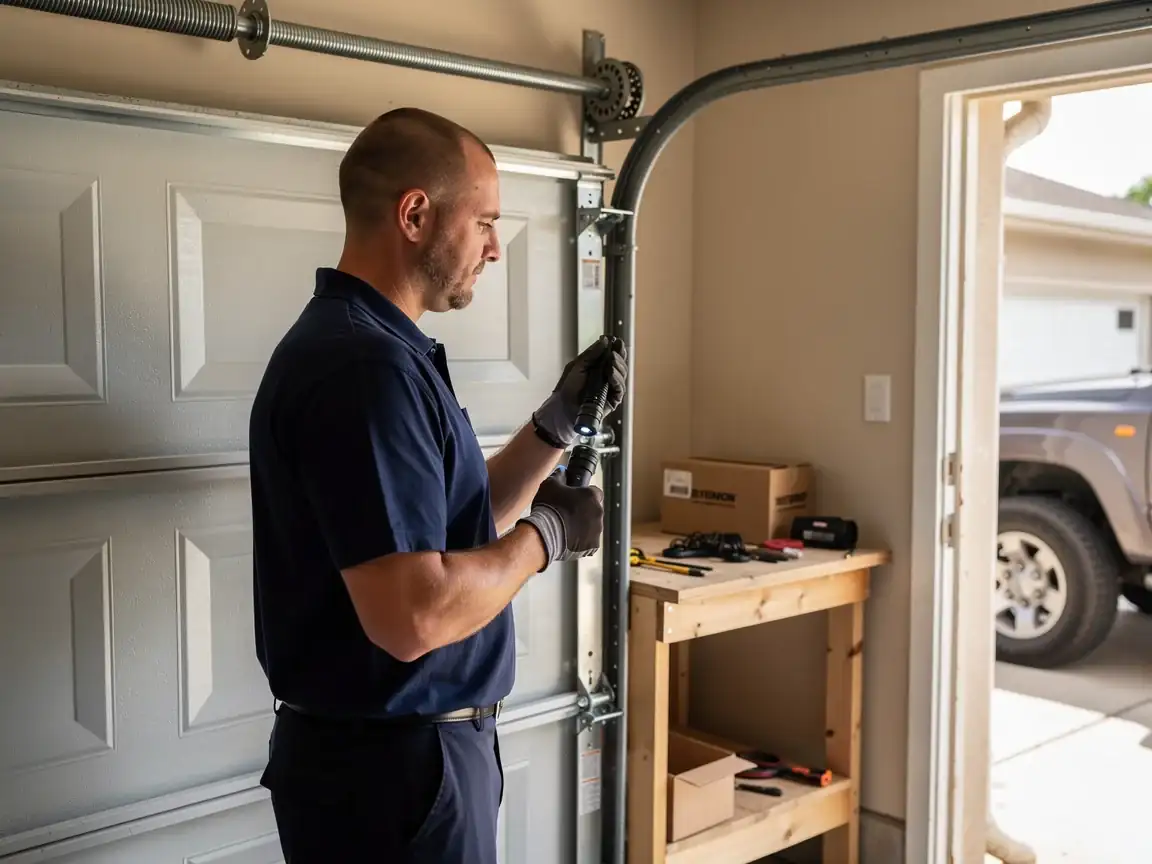
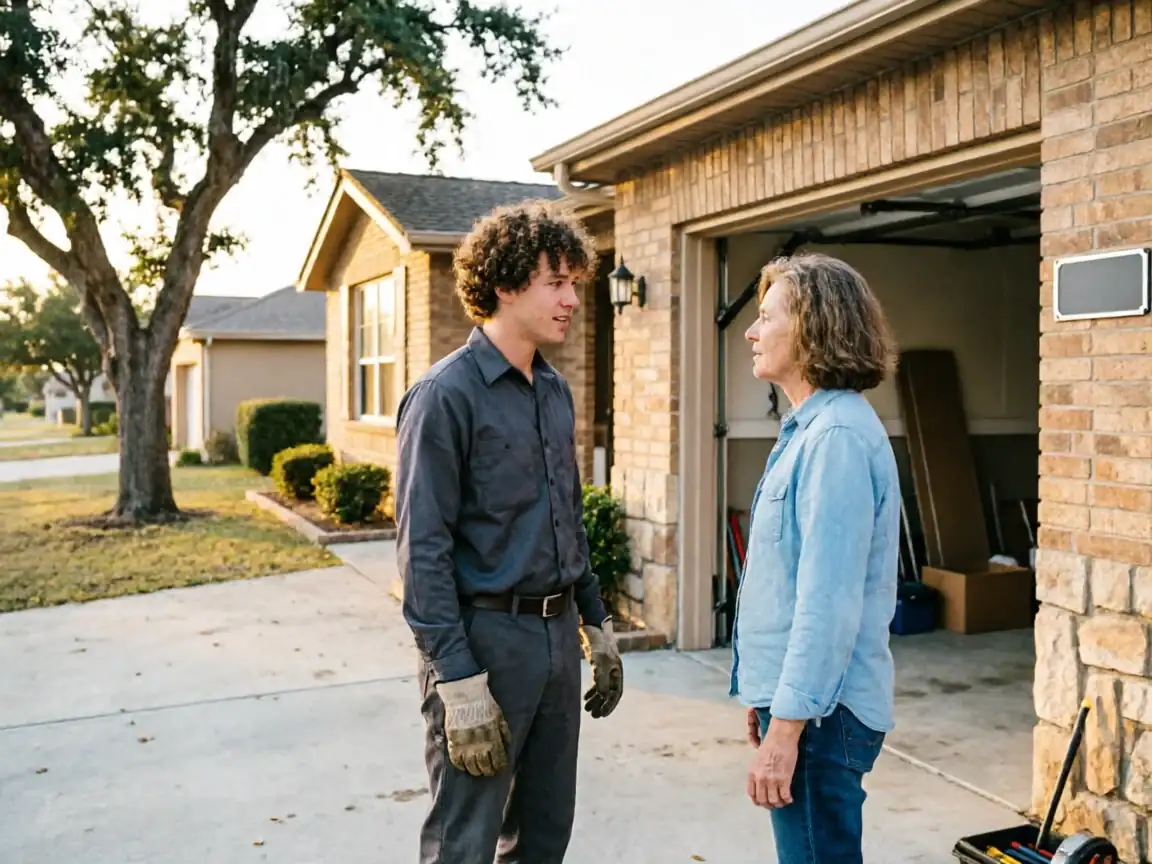
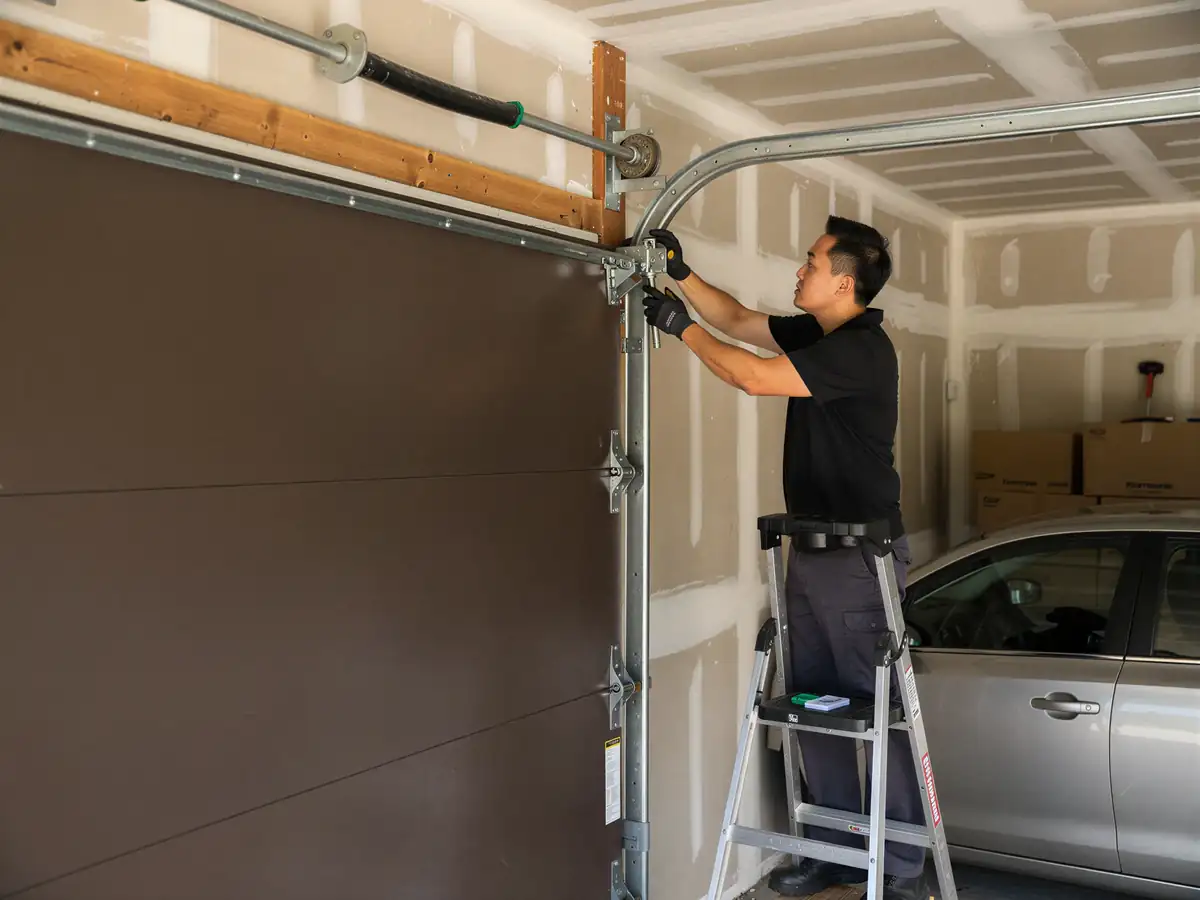
We come out from Bentonville, 6 miles away, with the parts a newer door in this area is likely to need: standard rollers, hinges, torsion springs sized for residential doors, and opener sensor hardware. We check balance first, because a door that's out of balance will keep wearing out whatever we fix next. Then we go through the hardware by hand - hinges, roller shafts, track bolts - and lubricate what's dry. If the opener's photo-eyes are misaligned, which is common enough on doors from this build era after several years of settling, we reset them before we leave. We'll walk you through what we found and what, if anything, is worth watching before the next visit.