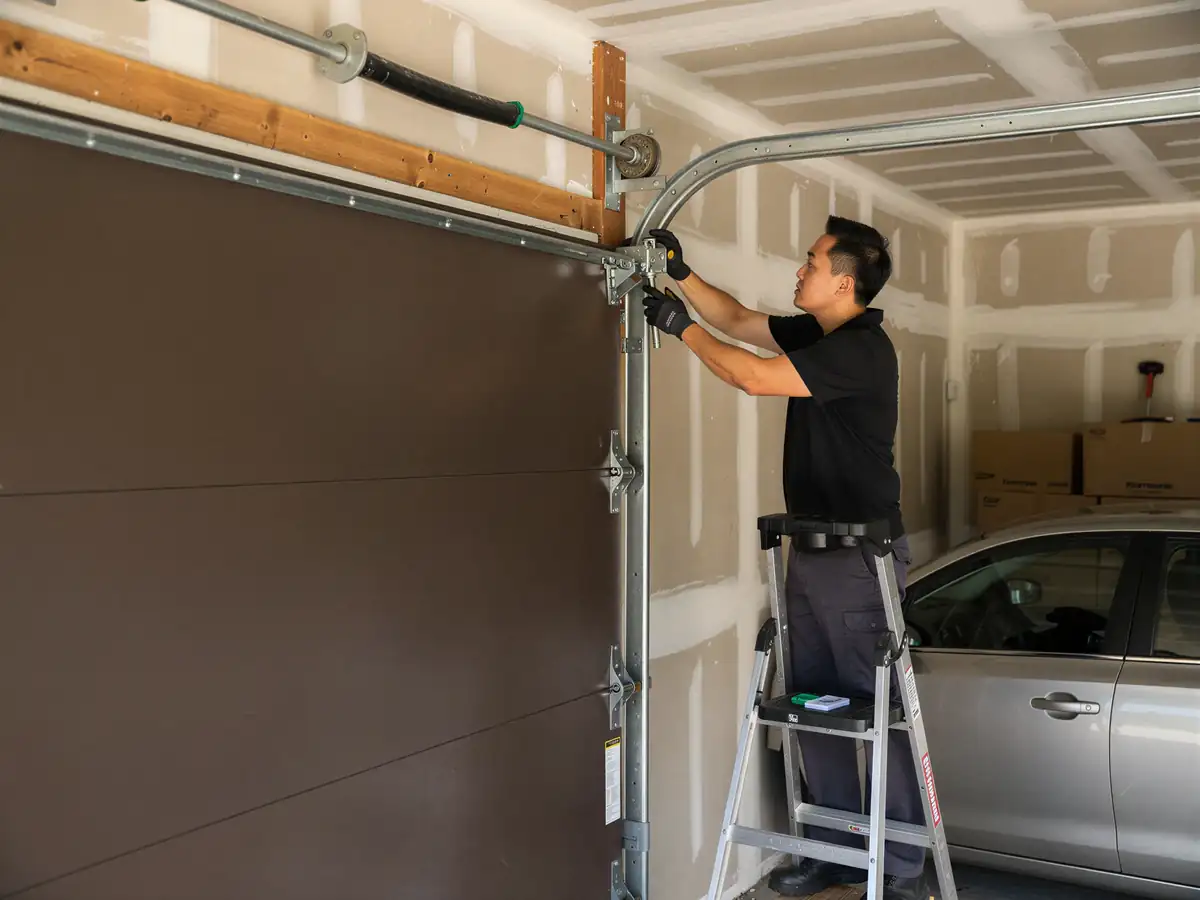
Doing It Yourself
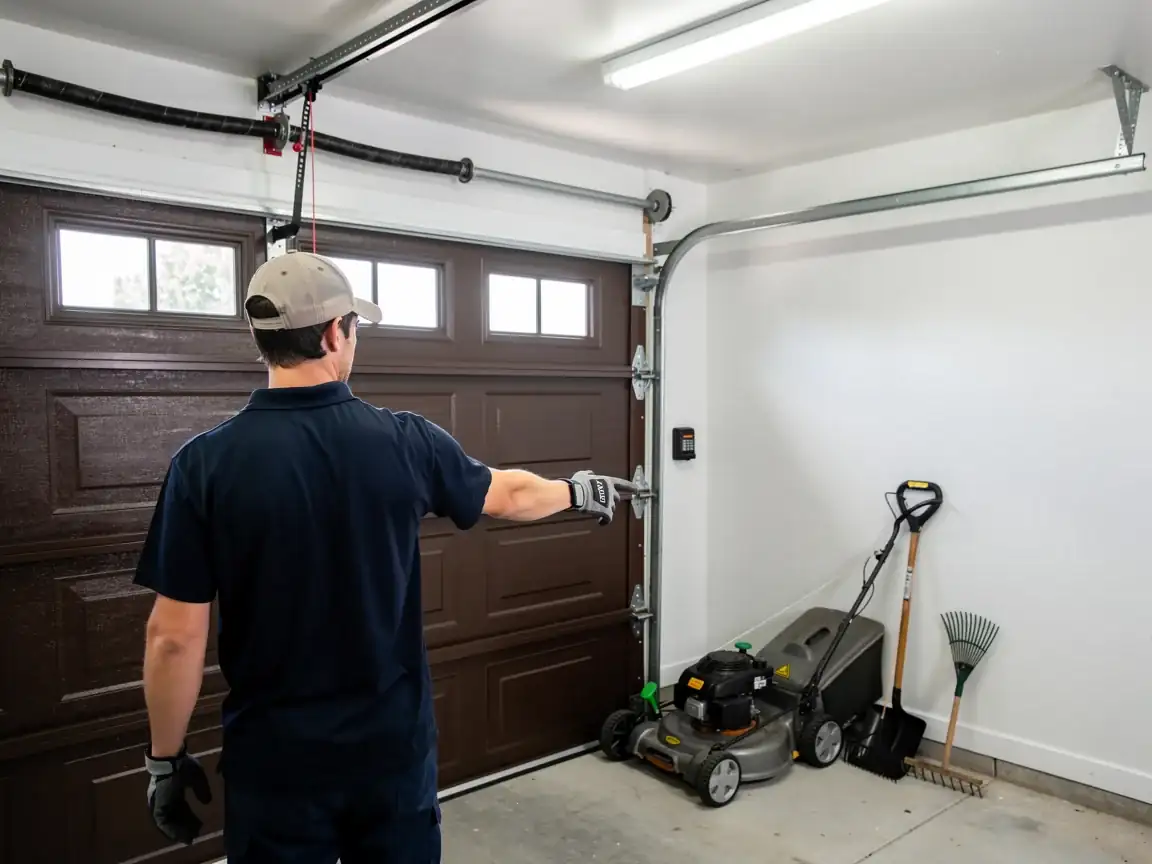
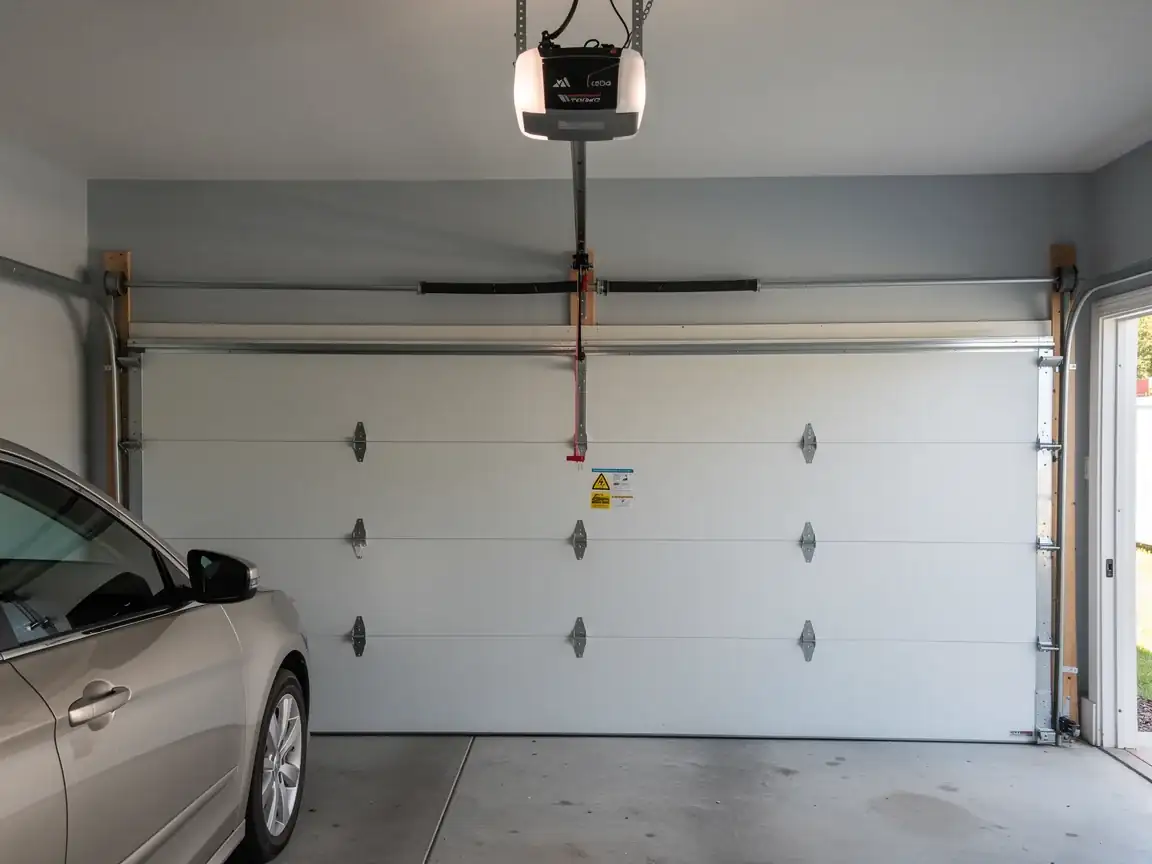
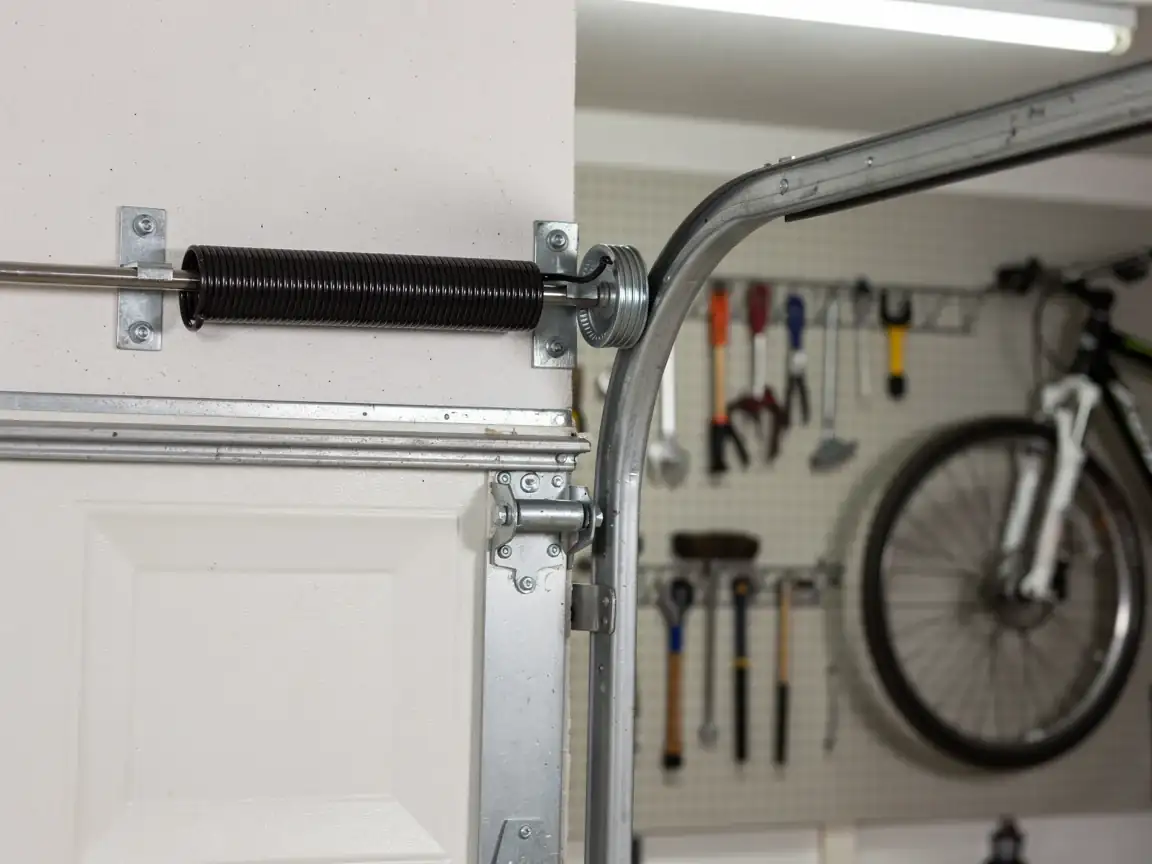
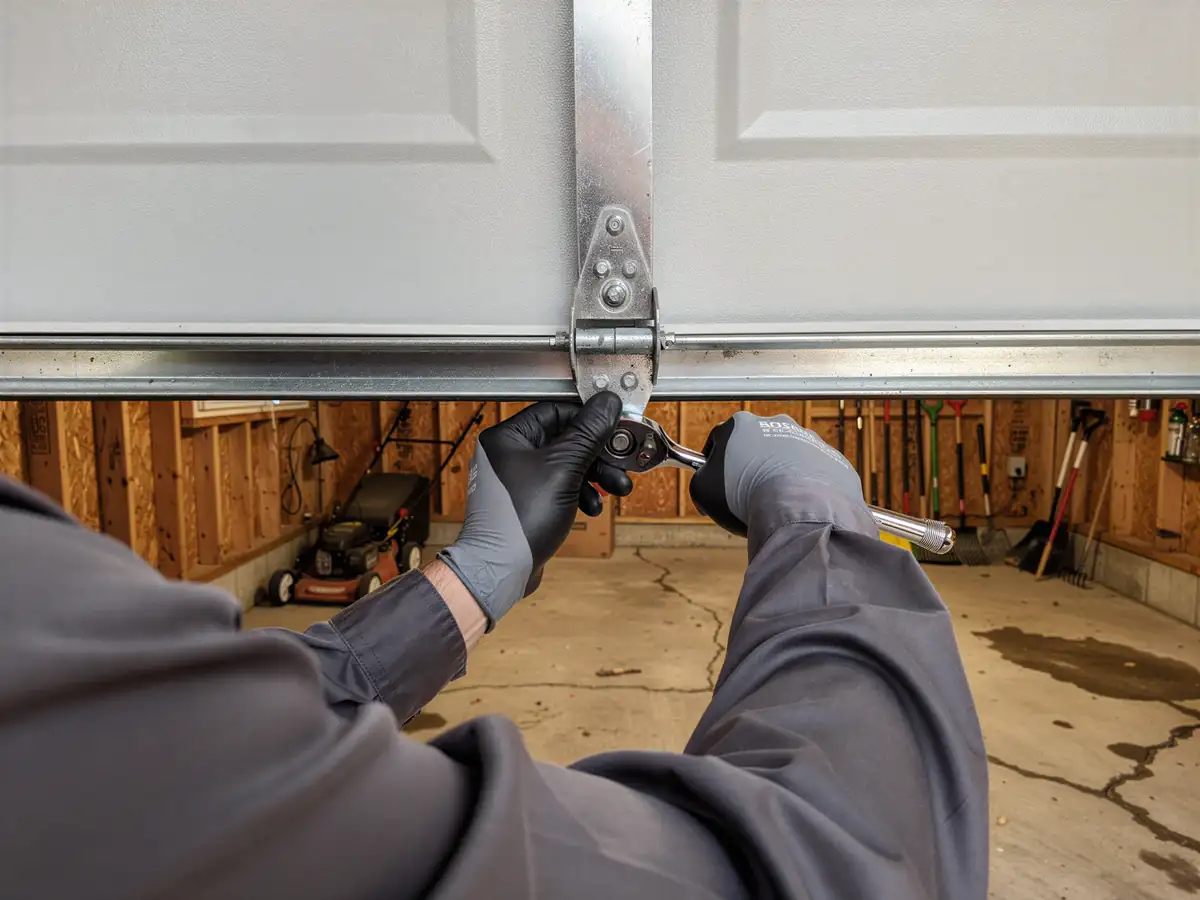
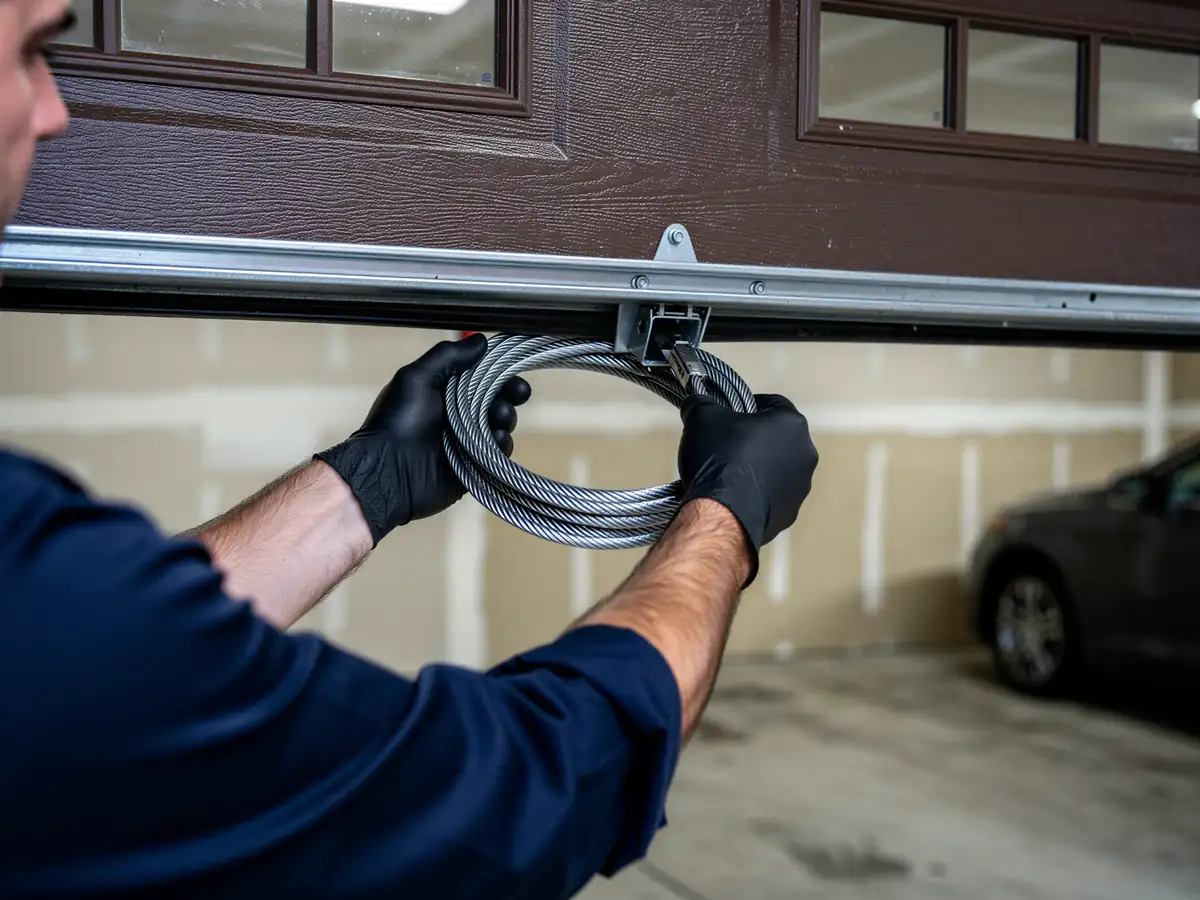
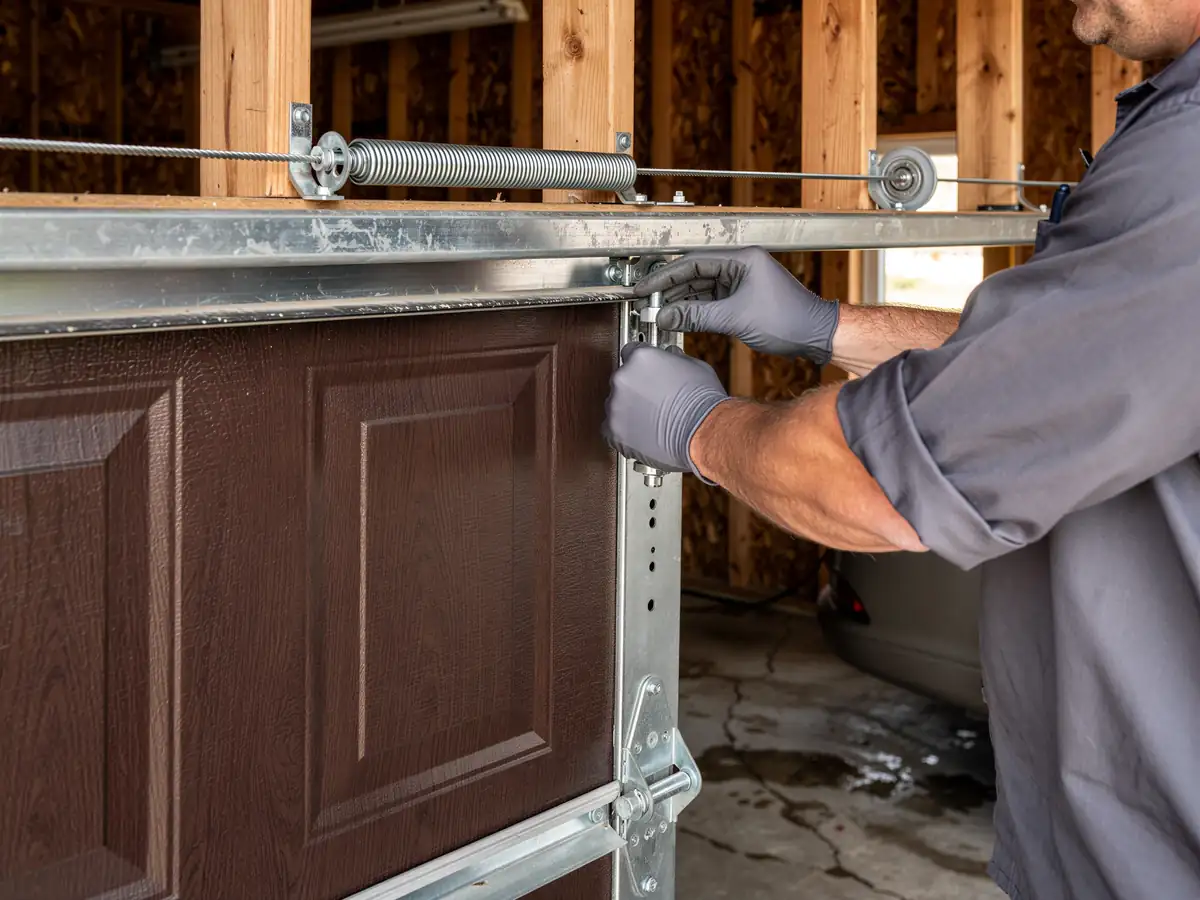
A nylon roller swap looks simple on video, and on a door this age it mostly is - no rust fused to the track, no decades-old hardware seized in place. The risk isn't the roller, it's the bottom bracket on the cable side, which holds spring tension. Loosen the wrong bolt there and the cable lets go under load. If you're only replacing the top rollers away from the cables, a careful homeowner can usually manage it with the door secured open. We'd still ask: do you know which bracket is under tension before you touch a wrench to it? If the answer is no, that's the line where a DIY job turns into an ER visit.
Why This Fails Locally
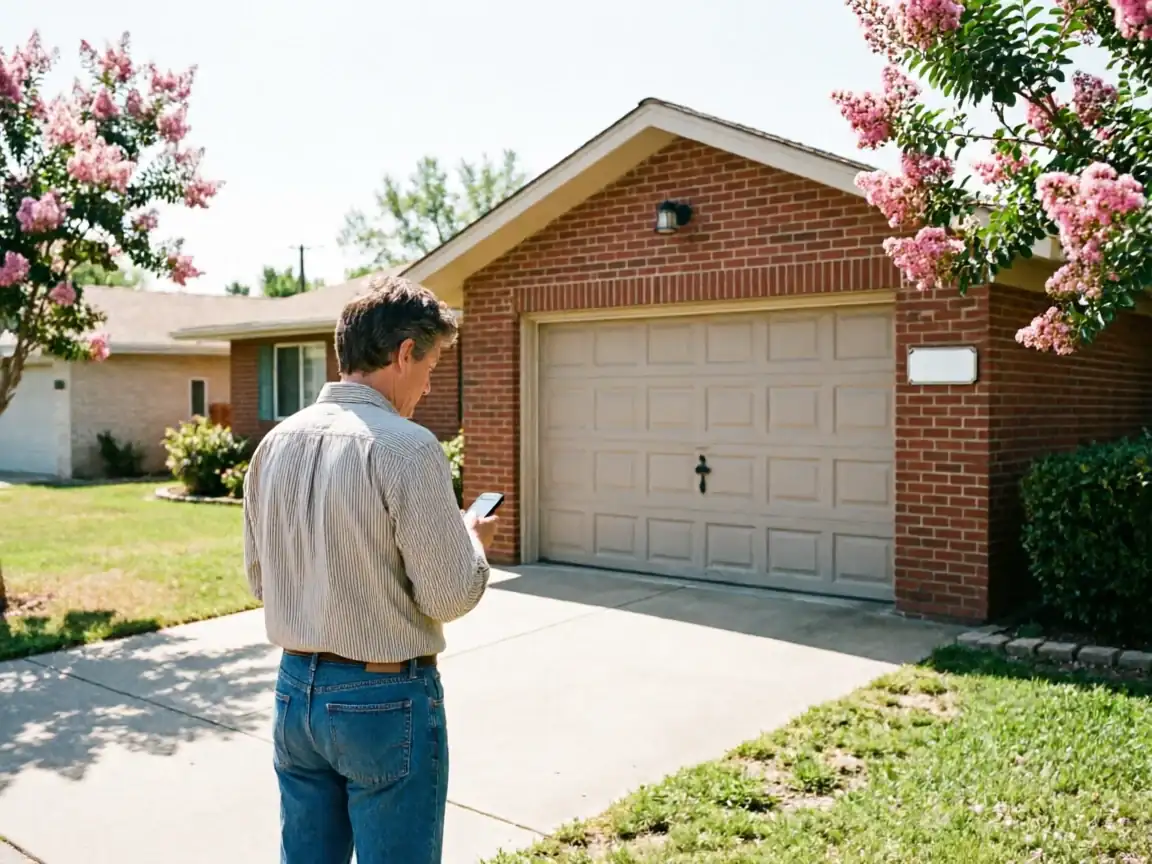
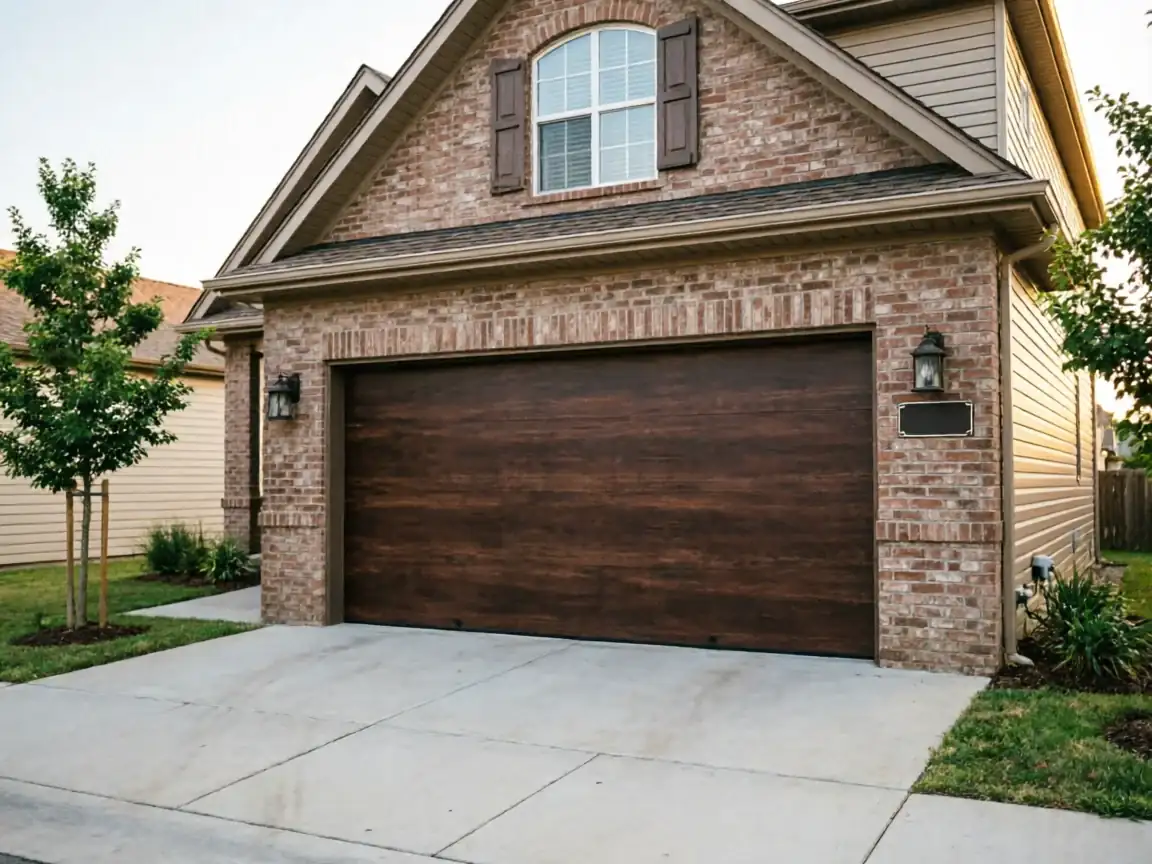
Cave Springs' housing stock is young compared to a lot of the area - most of it went up well after 2000, with a lot of newer construction stretching into the 2010s. That means original nylon rollers aren't failing from rust or age the way a 1960s steel roller would; they're failing from use. Nylon wears at the bearing with every cycle, and a door that opens twice a day for over a decade starts to grind, stick, or drop out of the track at the curve - not because the hardware is old, but because it's logged thousands of cycles on a plastic part that was never meant to last forever. The fix isn't the same as it would be on an older door in a different part of the county.
Time on the Job
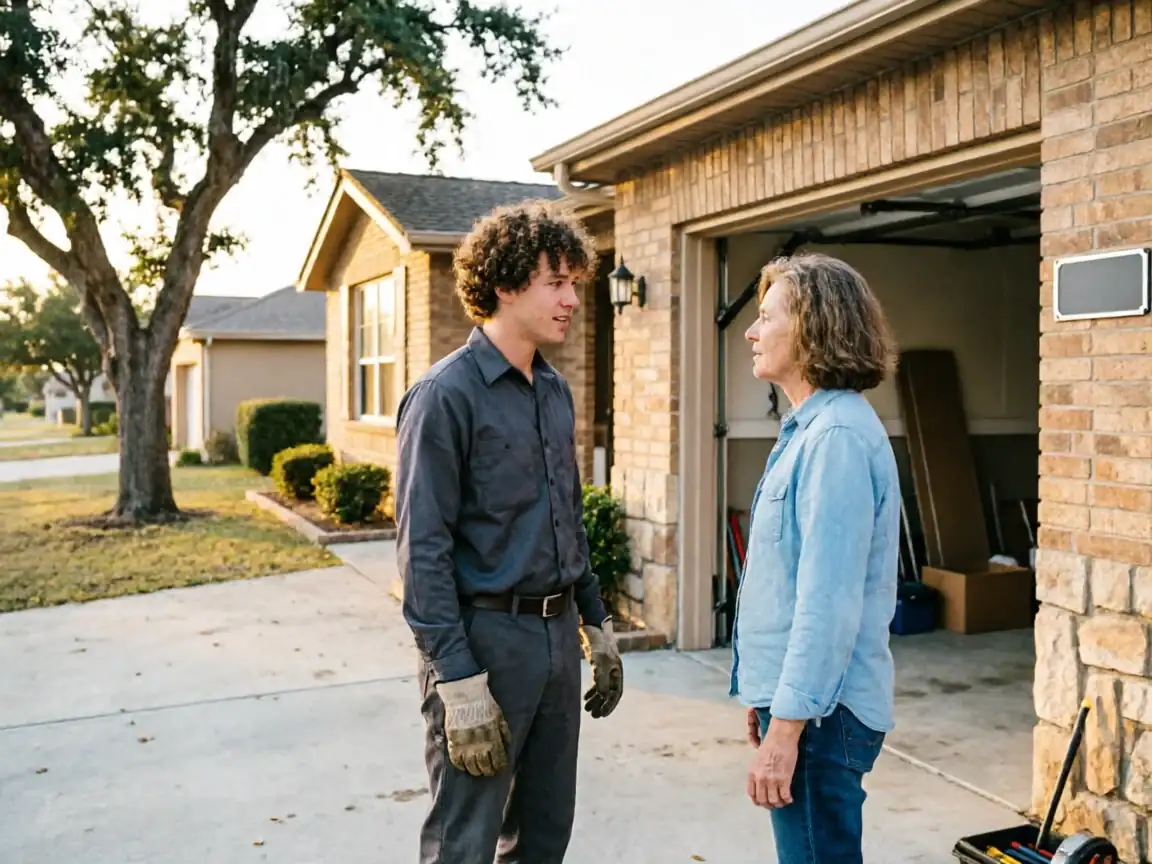
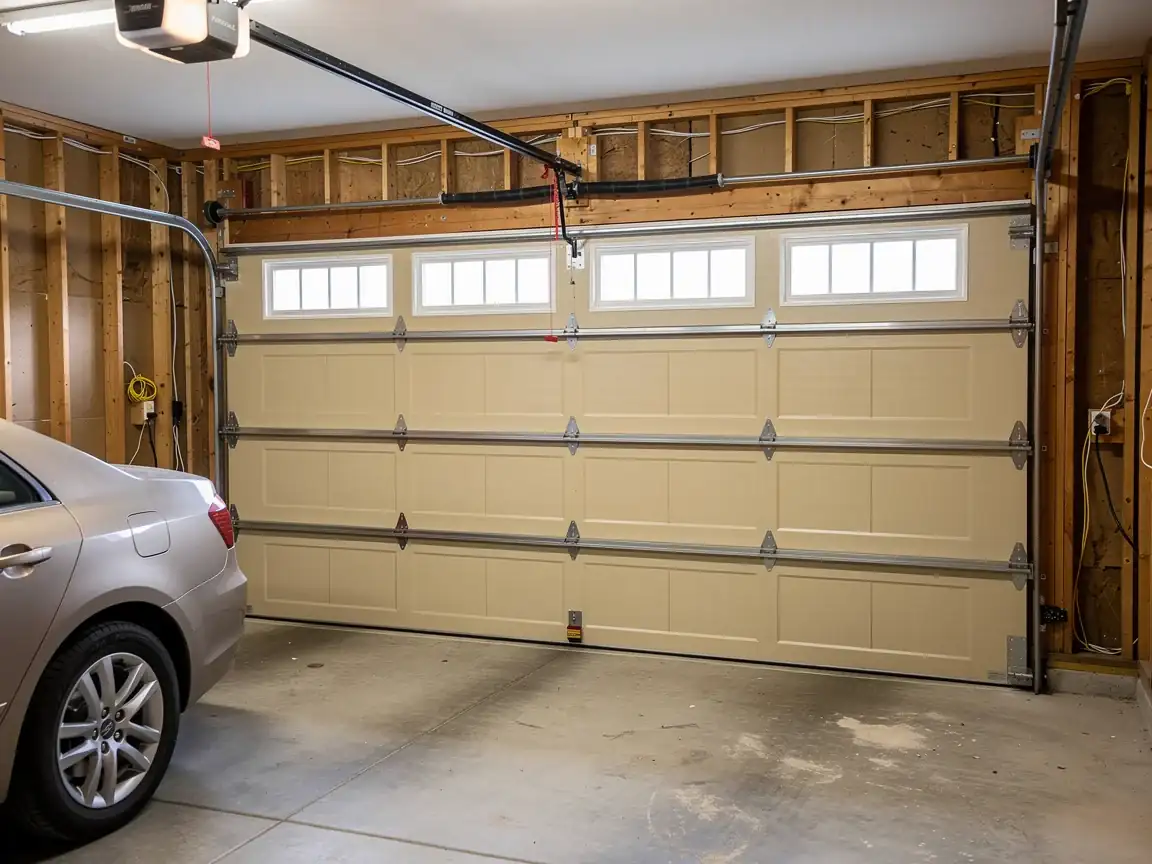
A straightforward roller swap on one of these newer doors, where the track itself is still true and the opener isn't involved, is a shorter job than most garage door calls - there's no decades-old hardware to fight. If the rollers have been grinding long enough to wear a groove into the track, or if a bracket needs resetting, that adds time. We travel from Bentonville, about 6 miles to Cave Springs, so factor that into when we can get there rather than how long we're on site once we arrive.
How We Fix It
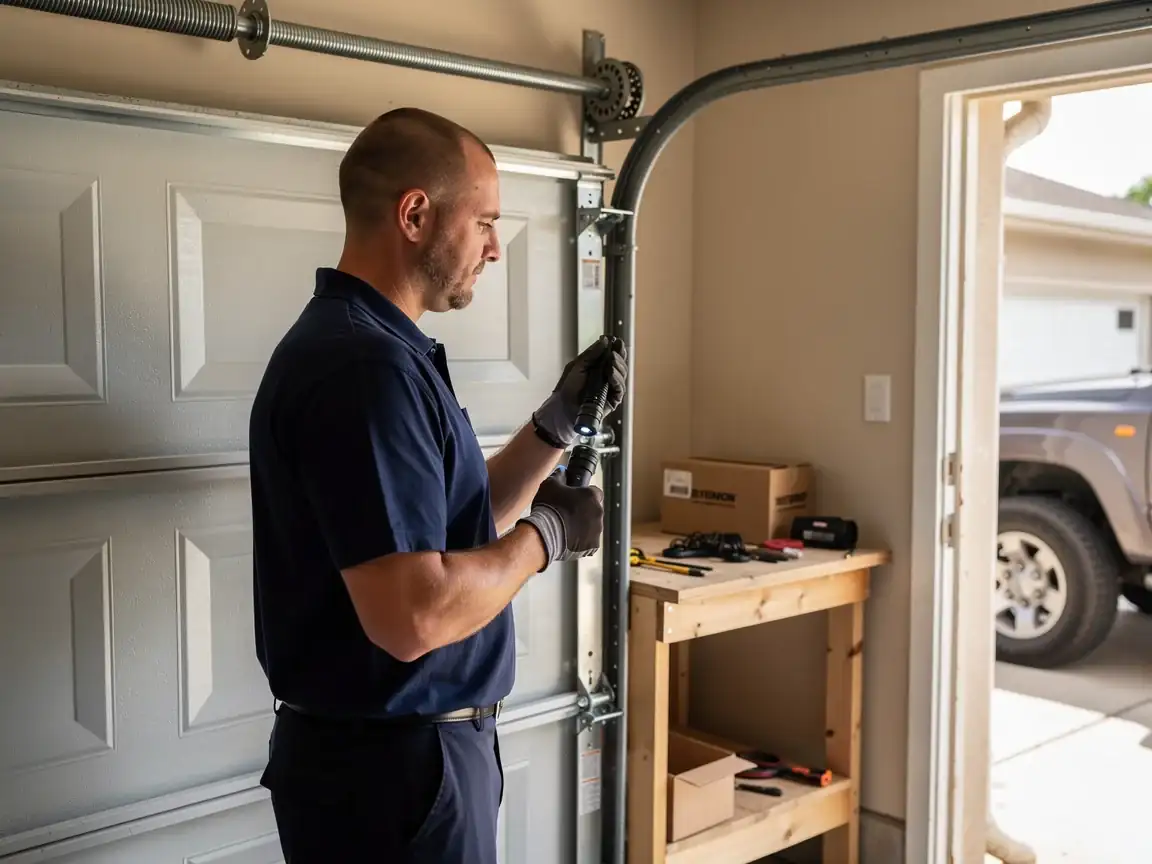
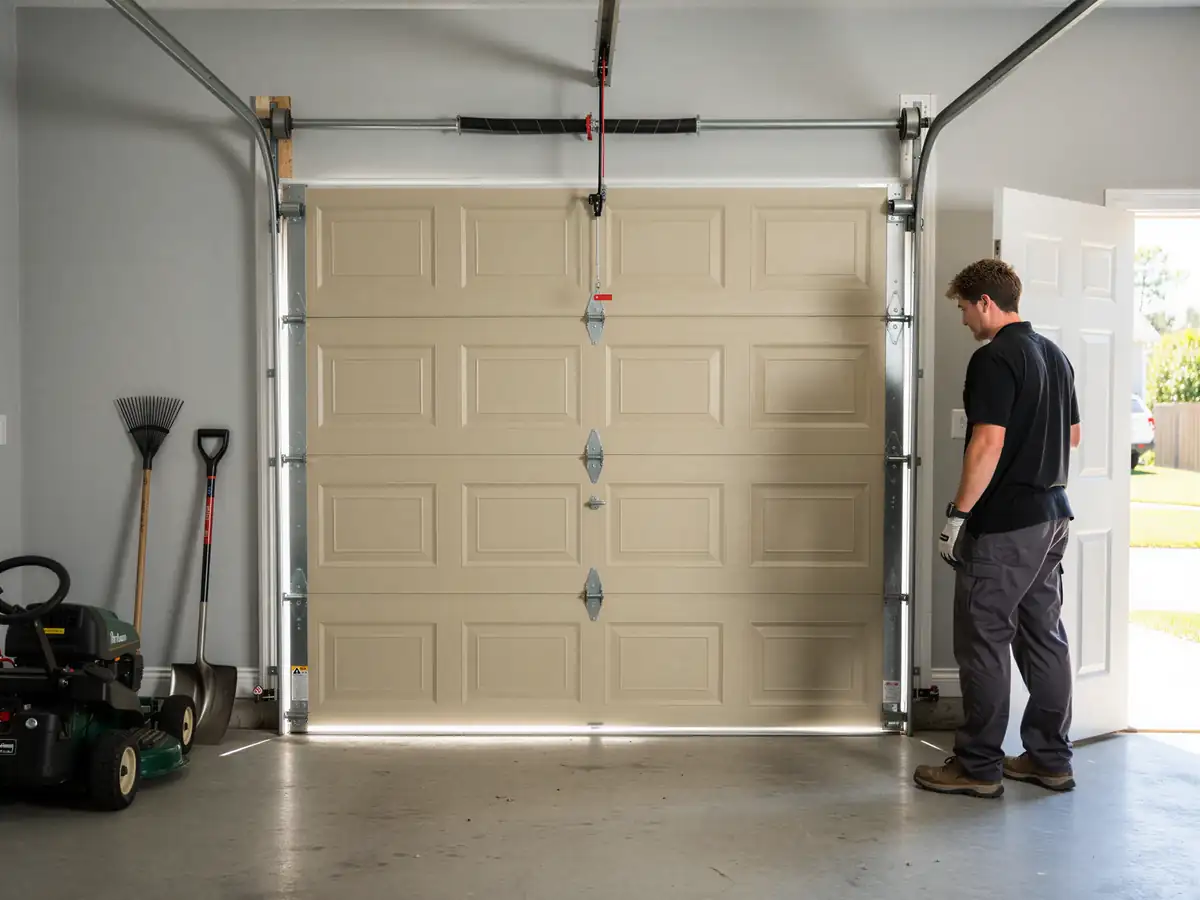
We start by running the door manually to find exactly which rollers are worn versus which ones are just noisy from dirt - not every grinding door needs a full roller set. We check the track alignment at the curve, since that's where a wearing roller does the most damage before it finally pops out. Then we swap worn rollers for nylon replacements sized to your track, reset the bottom brackets if cable tension shifted, and run the door through a full cycle before we call it done. We don't push a full-door roller replacement if only two or three are actually bad - on a door this age, most of the hardware around them is still sound.