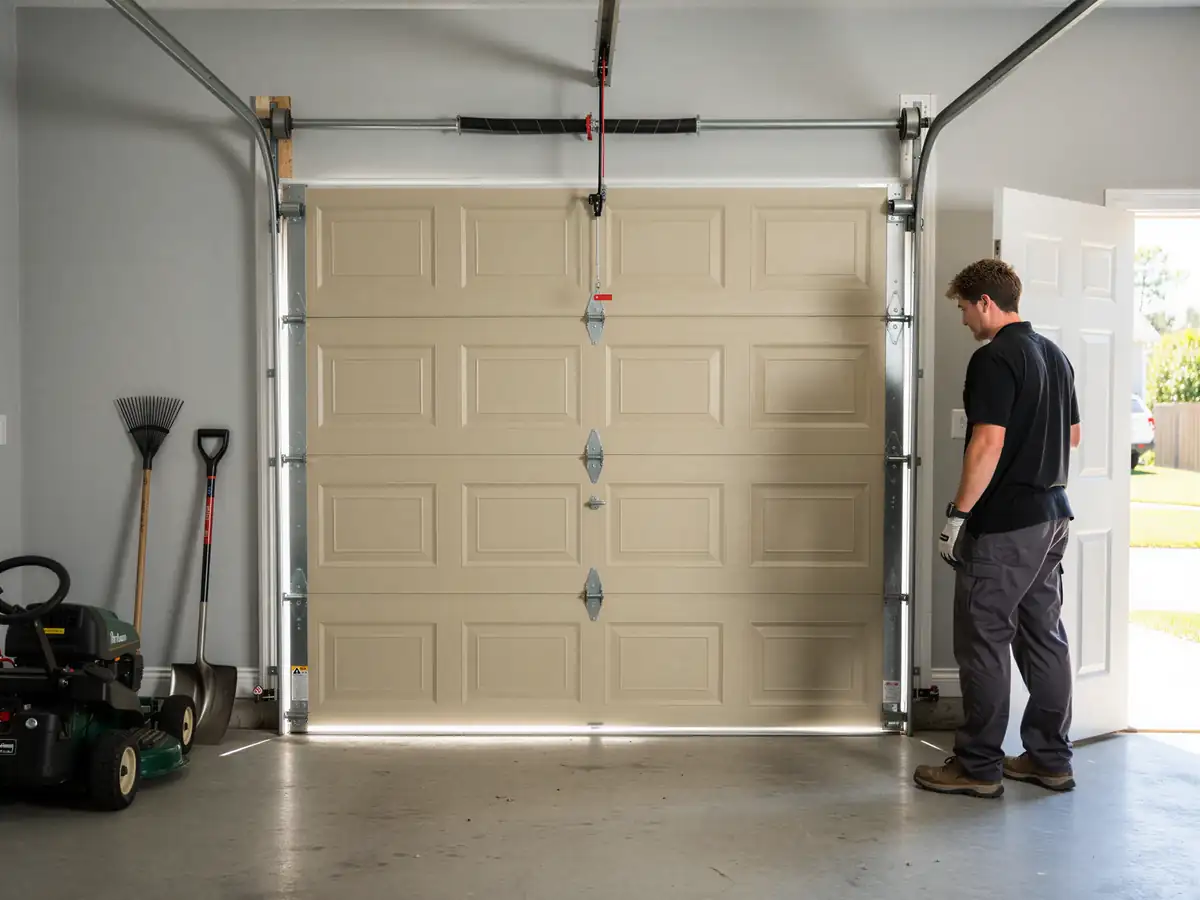
Doing It Yourself
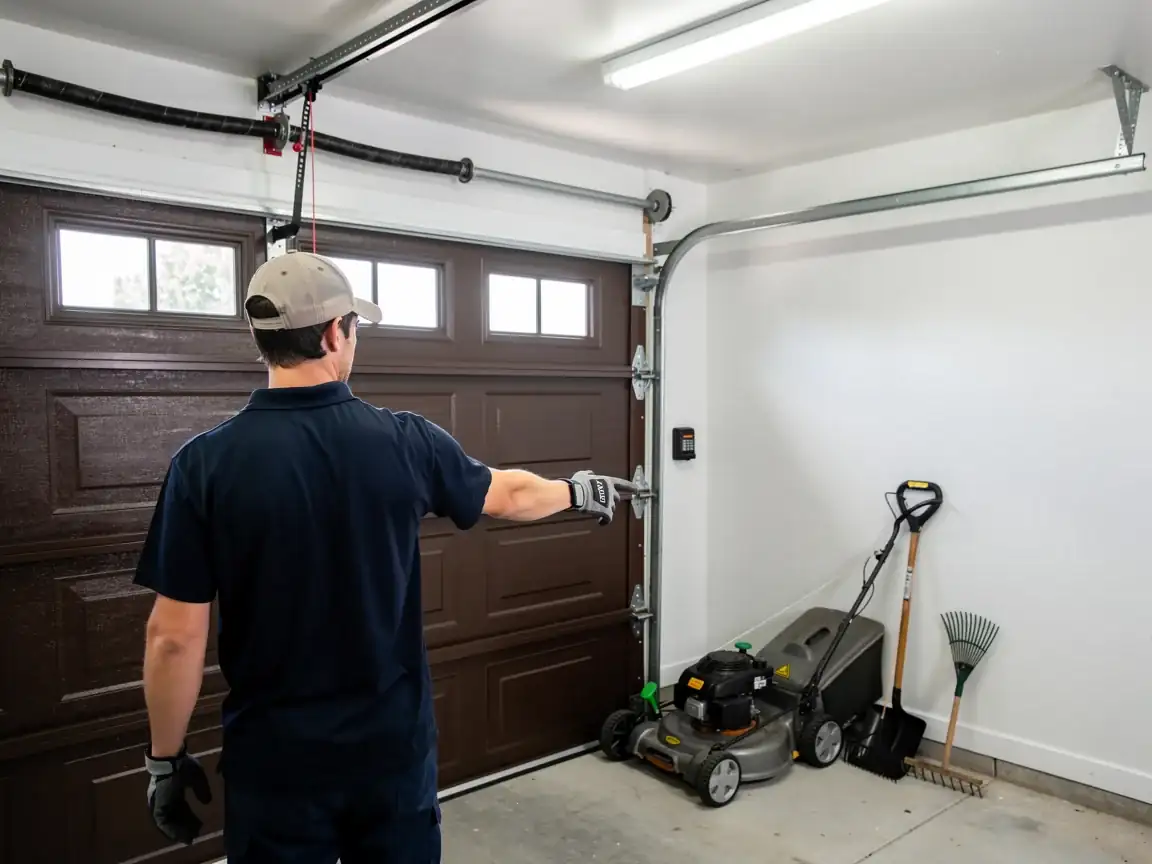
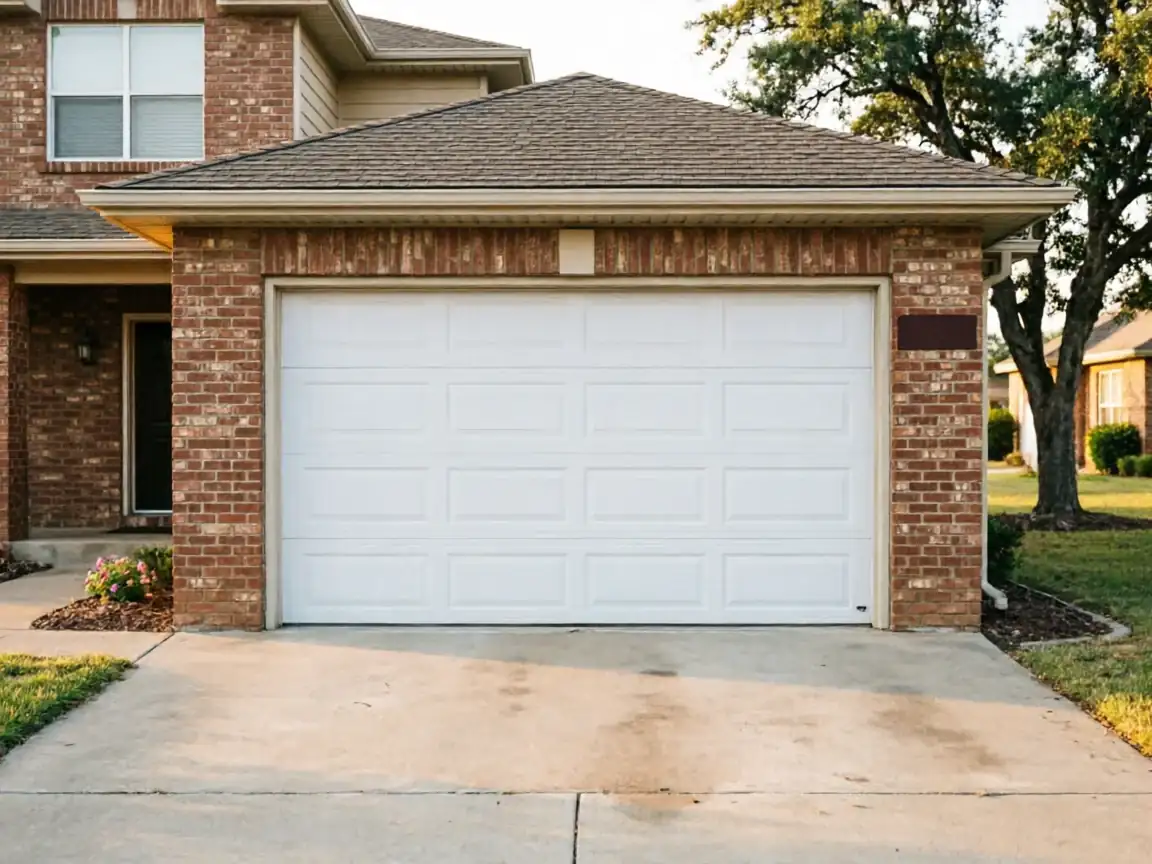
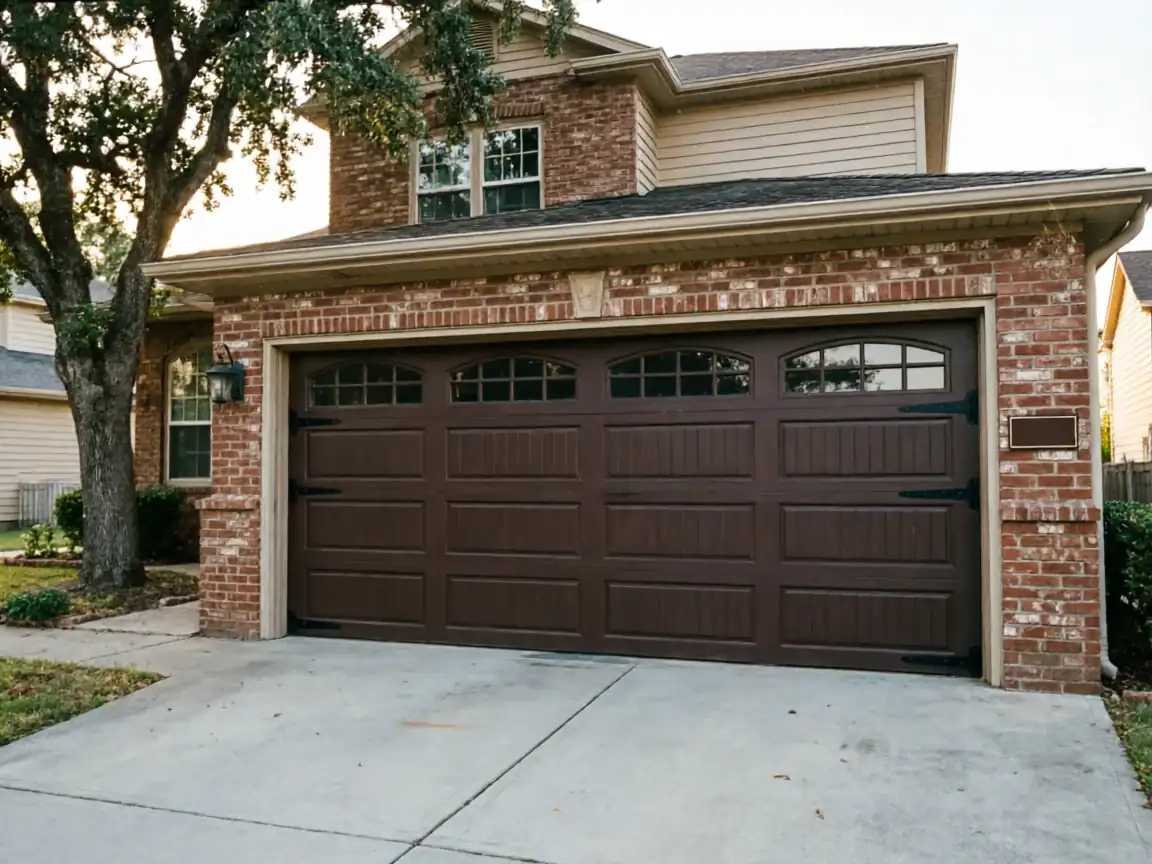
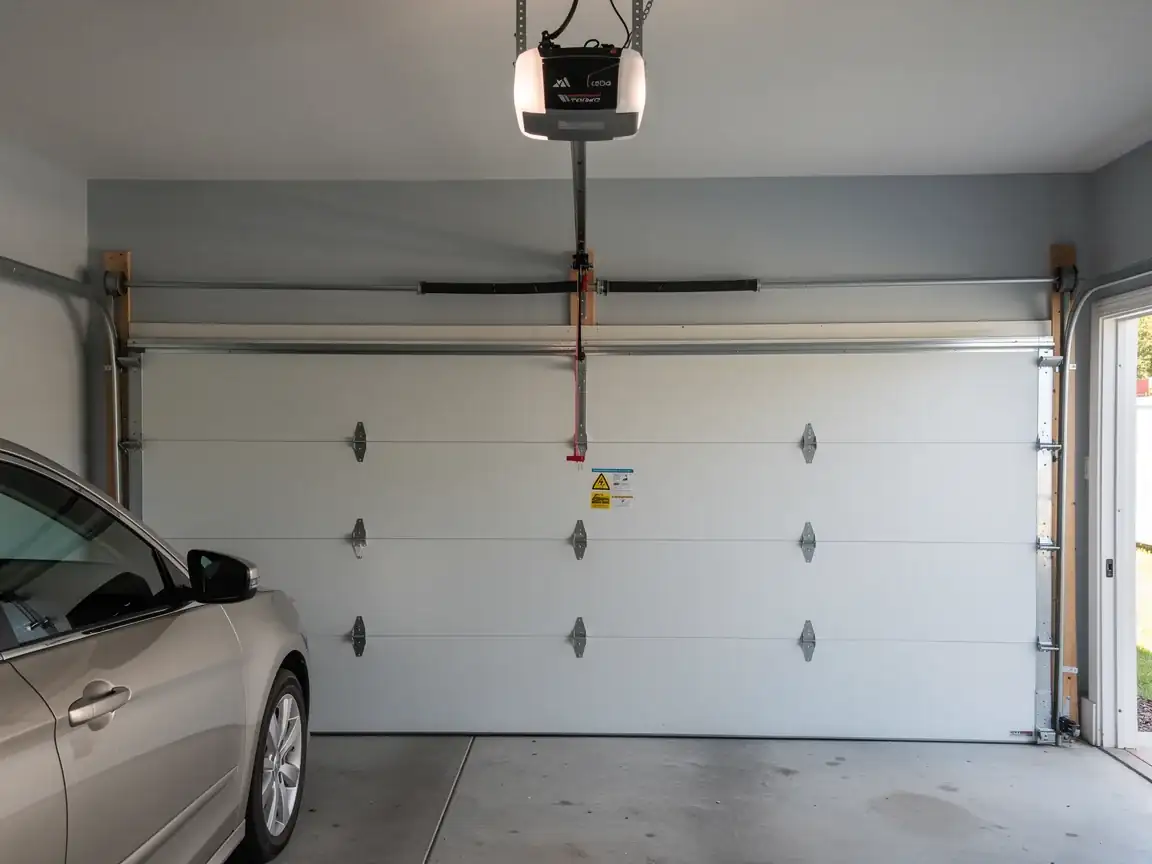
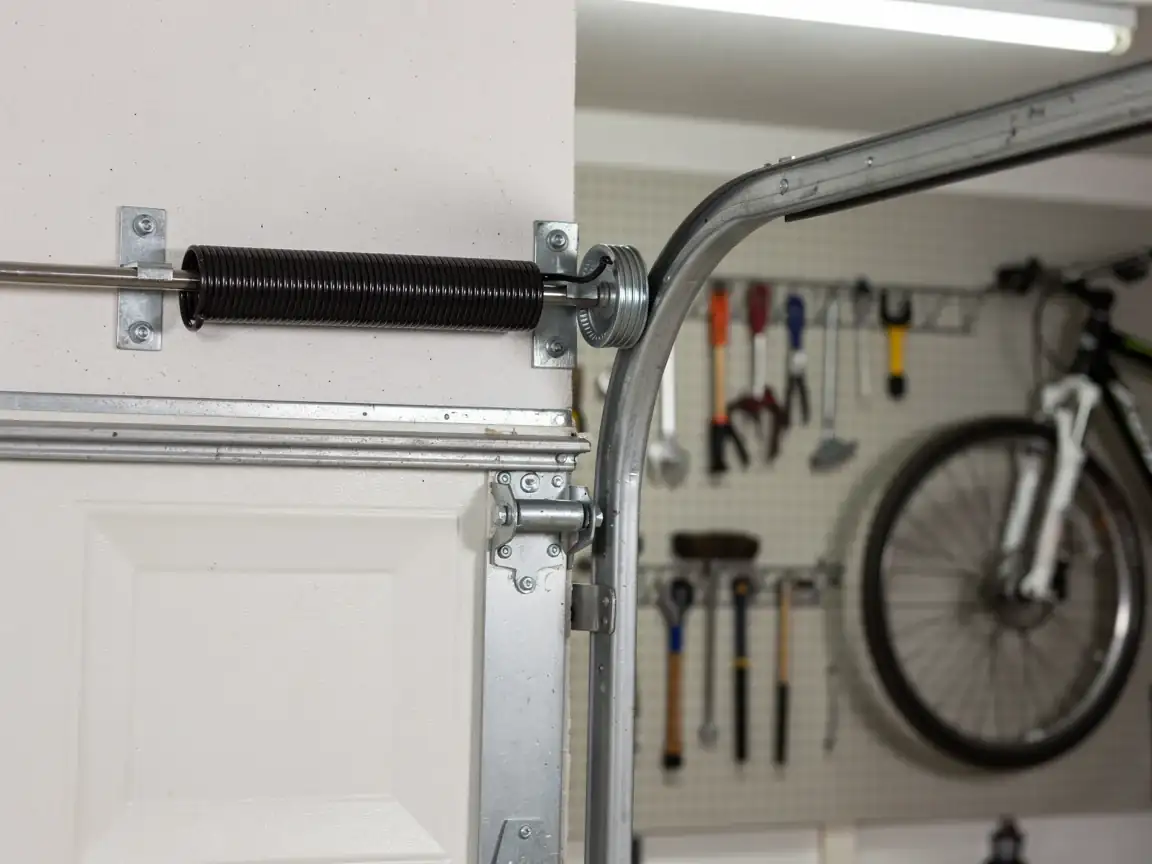
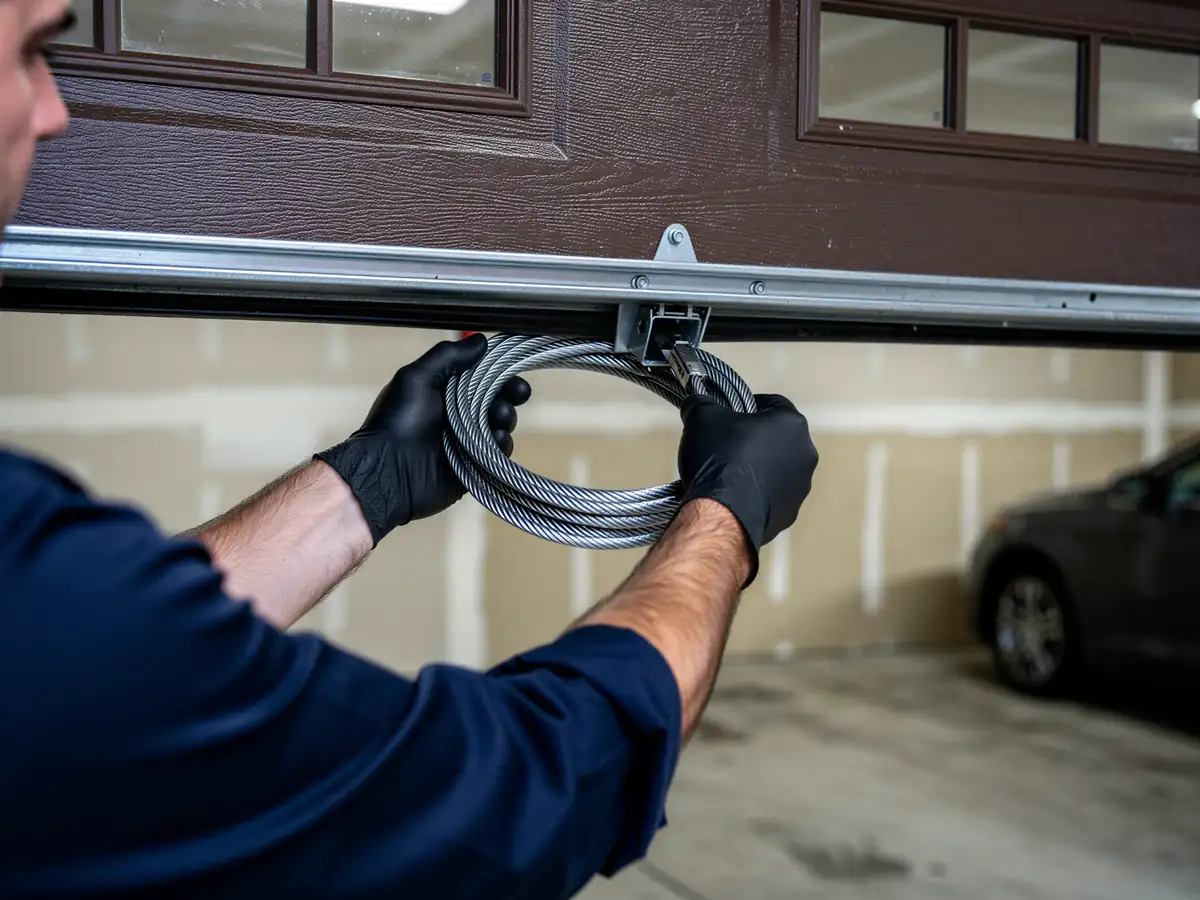
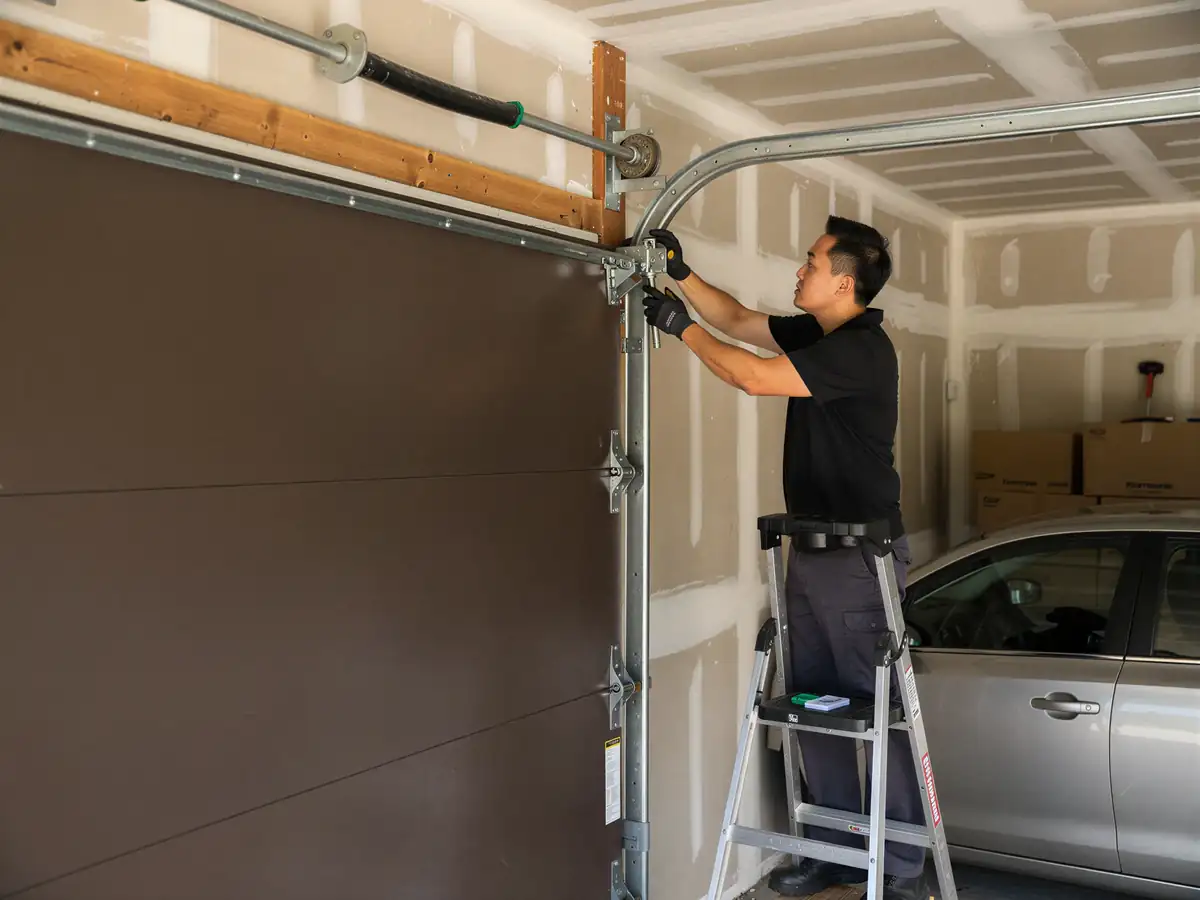
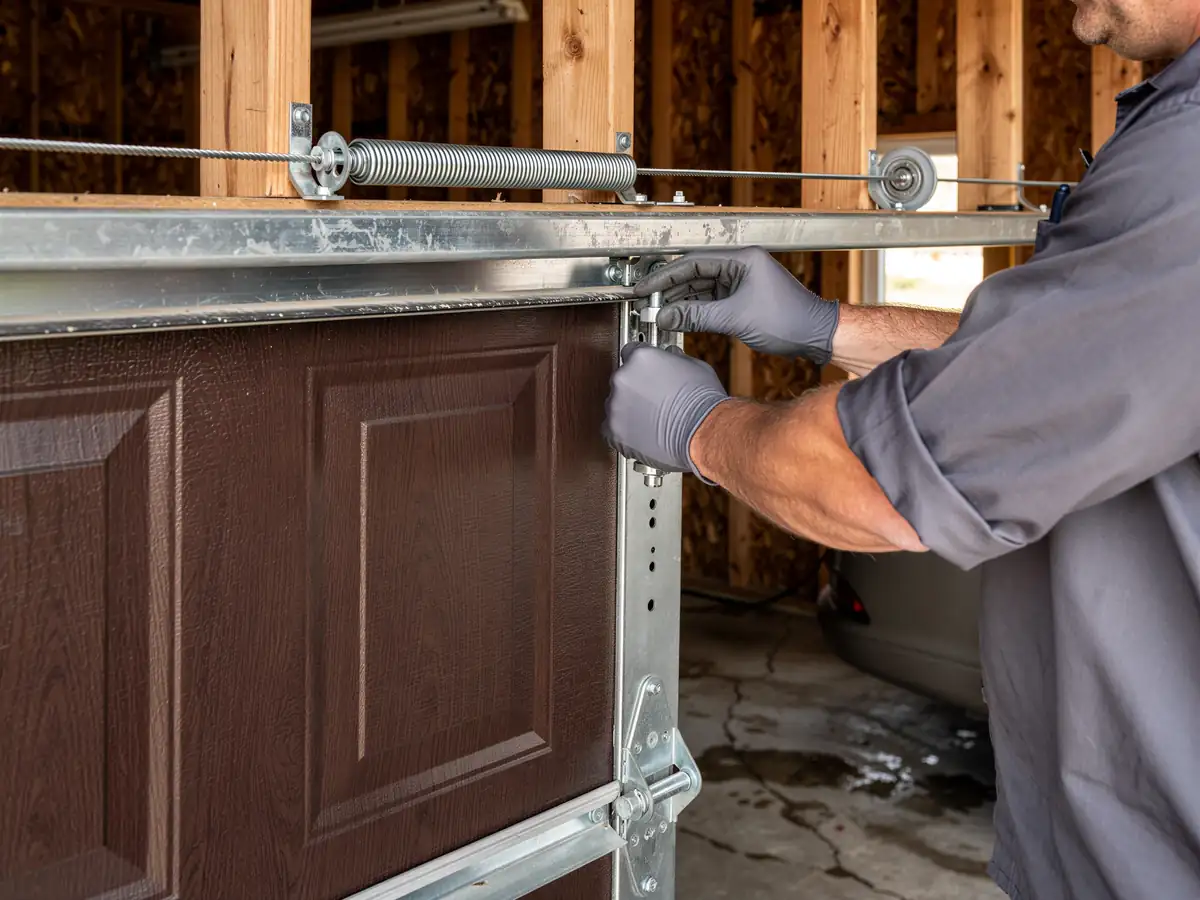
A homeowner here is more likely to be converting a bay into living space or adding a detached shop door than replacing a door that's finally worn out - the housing stock just isn't old enough yet for widespread spring fatigue. That changes the DIY risk. You're not fighting rust and seized hardware, you're fighting torque. A factory torsion spring on a newer door is wound tighter than people expect, and the drum, cable, and spring have to be matched to the exact door weight or the opener will burn out trying to compensate. We've seen single-spring conversions done on doors that came from the factory double-sprung, which looks fine until the second winter when the one spring left starts cycling twice as hard. If you're swapping a door yourself, at minimum get the spring rating checked against the new door's actual weight before you hang it.
Why This Fails Locally
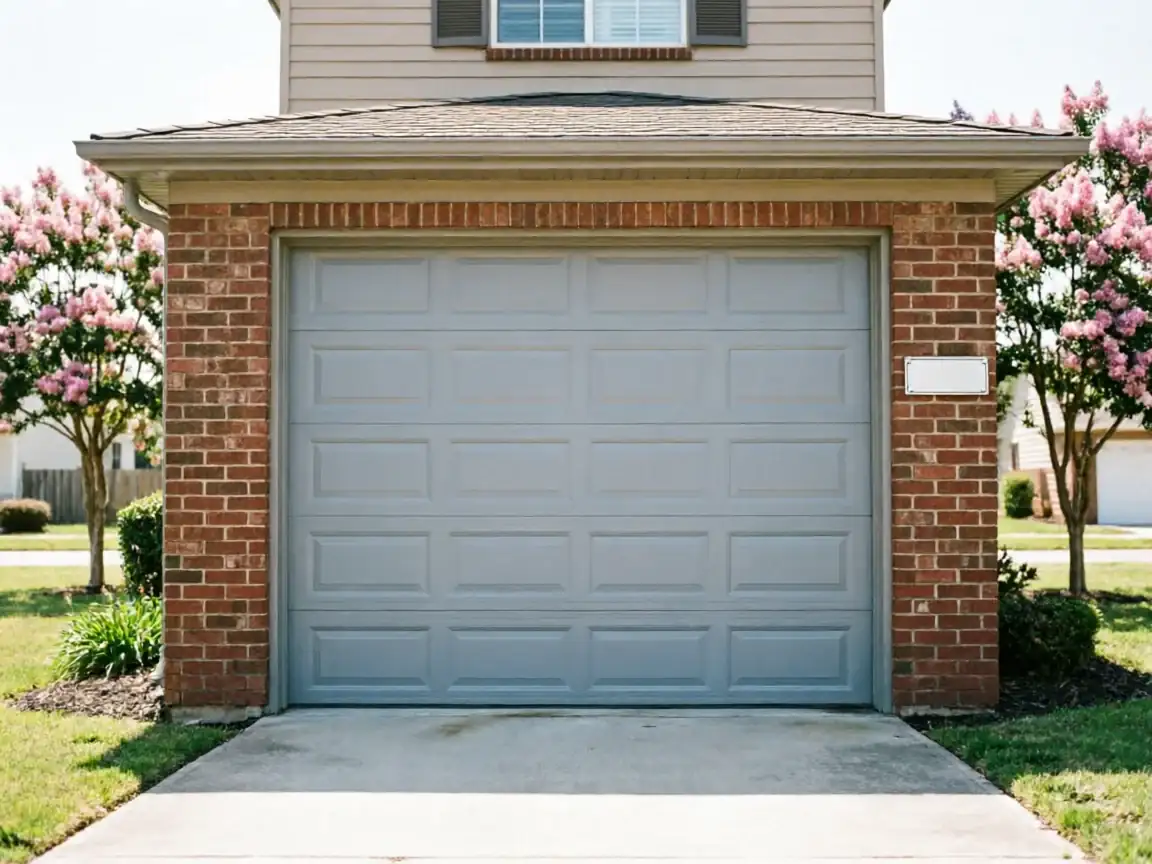
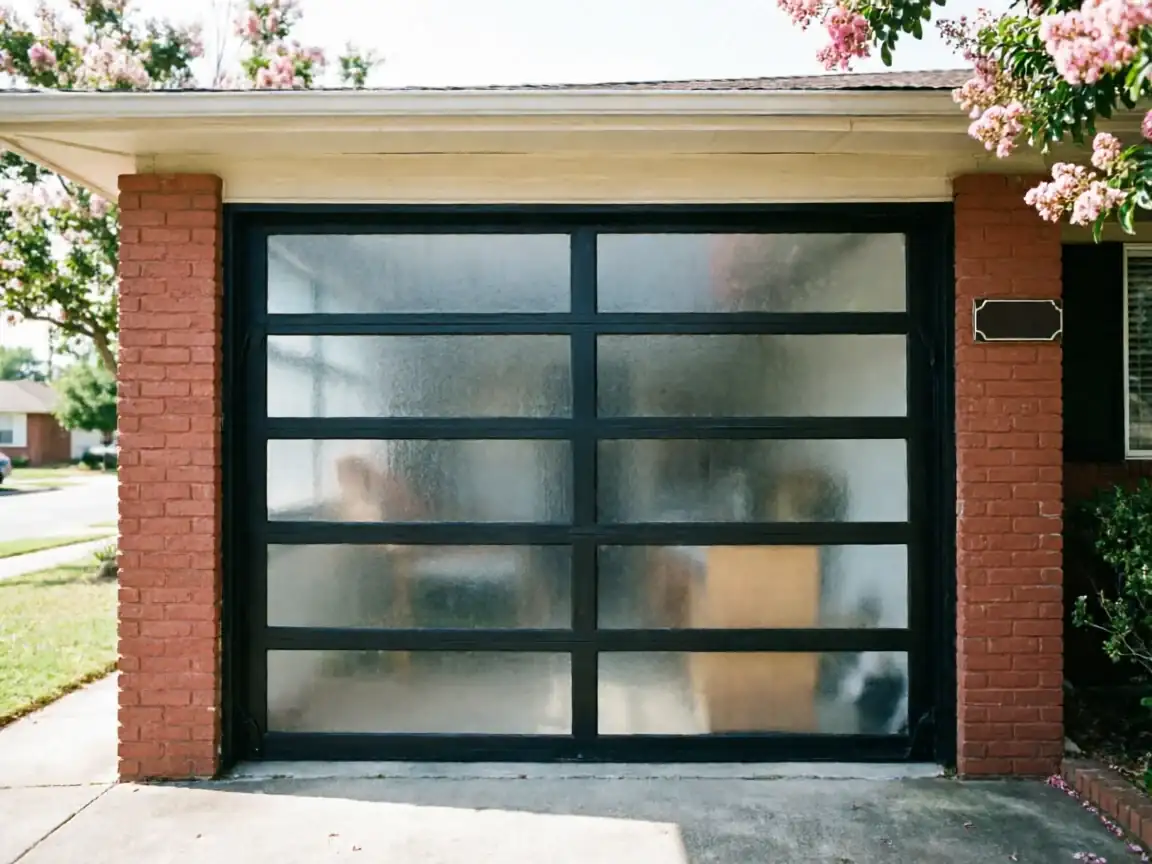
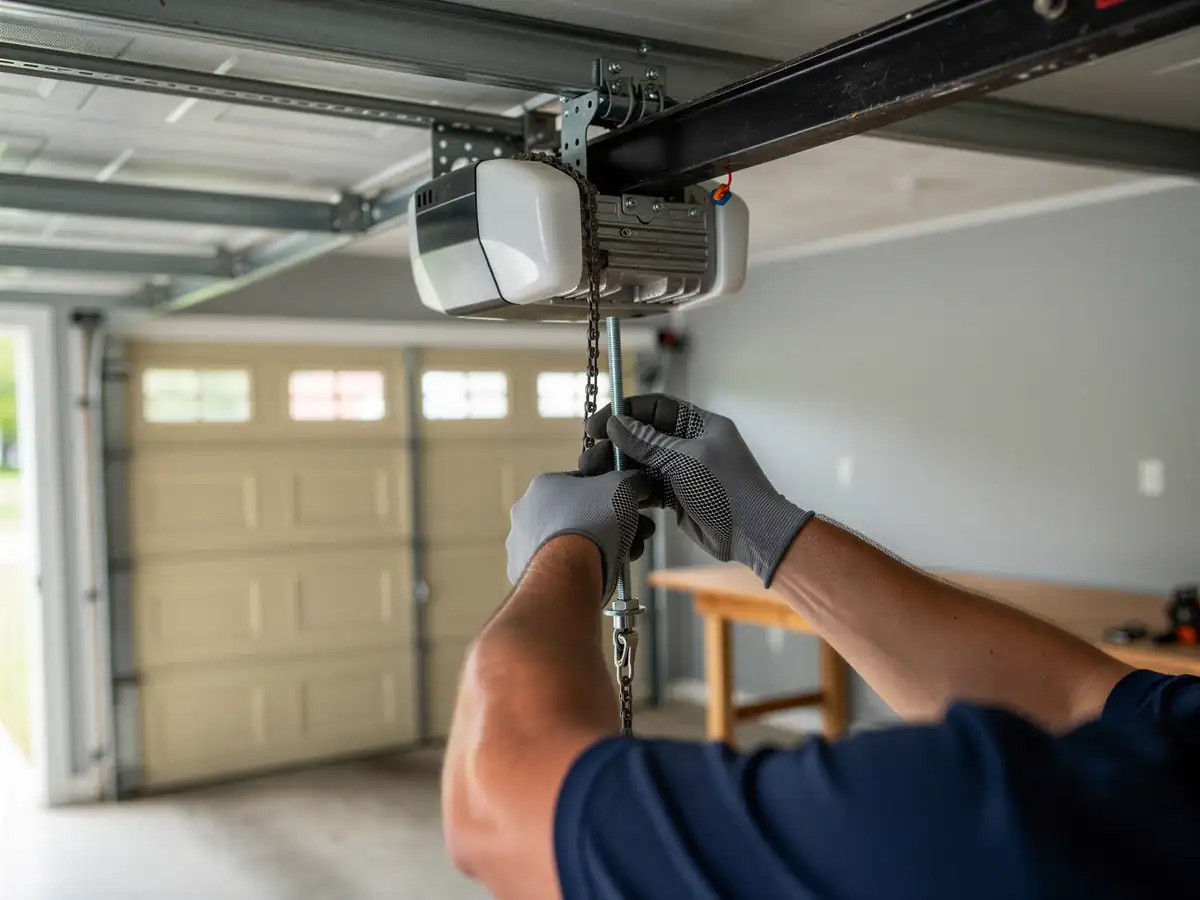
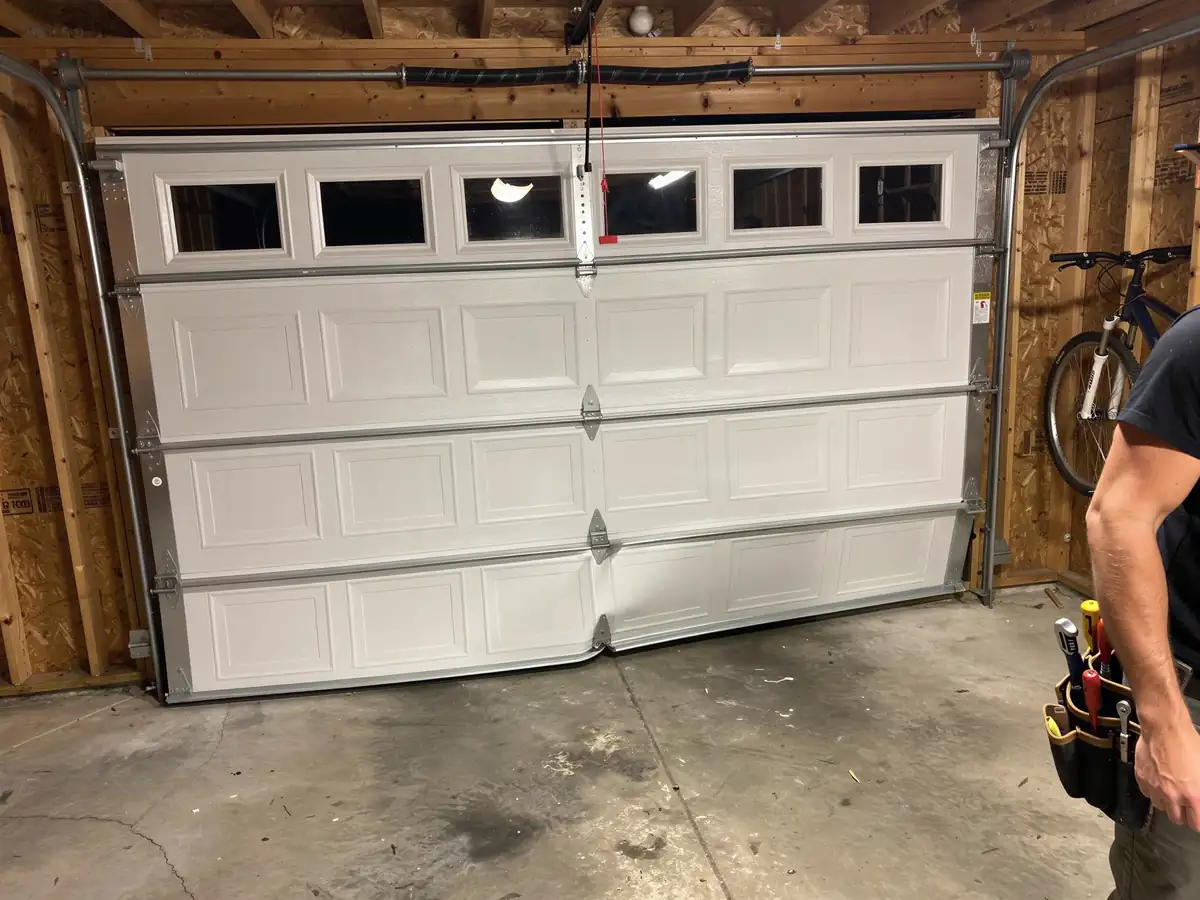
Because Cave Springs skews newer than the rest of the area we cover, the failures we get called out for here look different. Fewer worn-out 20-year springs, more mismatched installs - a homeowner or a handyman swaps in a heavier insulated door on hardware sized for the lighter builder-grade one that came with the house, and the opener starts grinding gears within a year. We also see it when someone finishes a garage into a shop or studio and reuses the original door rather than upgrading to something rated for the added insulation a cold-winter climate calls for. The door still works, technically, but the opener is undersized and the spring is wearing faster than it should. None of this shows up as a dramatic failure right away - it shows up as a door that gets slower to open every month until it stops.
Time on the Job
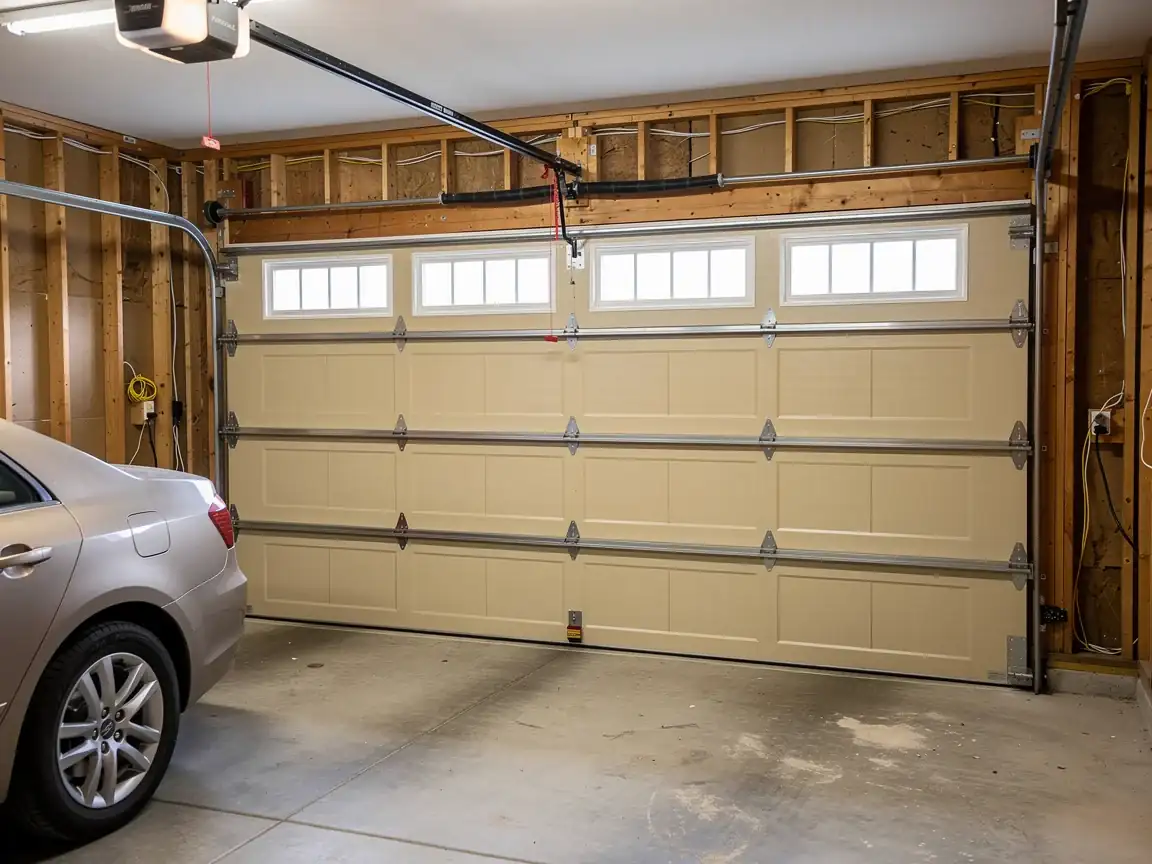
We run out of Bentonville, and Cave Springs is a six-mile drive, short enough that we're not building extra travel padding into a visit the way we would for a call out toward Gentry or Garfield. How long the install itself takes depends on what's there already - swapping a comparable door on existing track and hardware is a different job than removing an old frame, resizing an opening, or wiring a new opener from scratch. We won't commit to an hour count before we've looked at the door and the opening, because builder-grade garages here vary more than you'd think even within a single development. What we will do is tell you honestly, once we're on site, whether it's a same-visit job or one that needs a second trip for parts.
How We Fix It
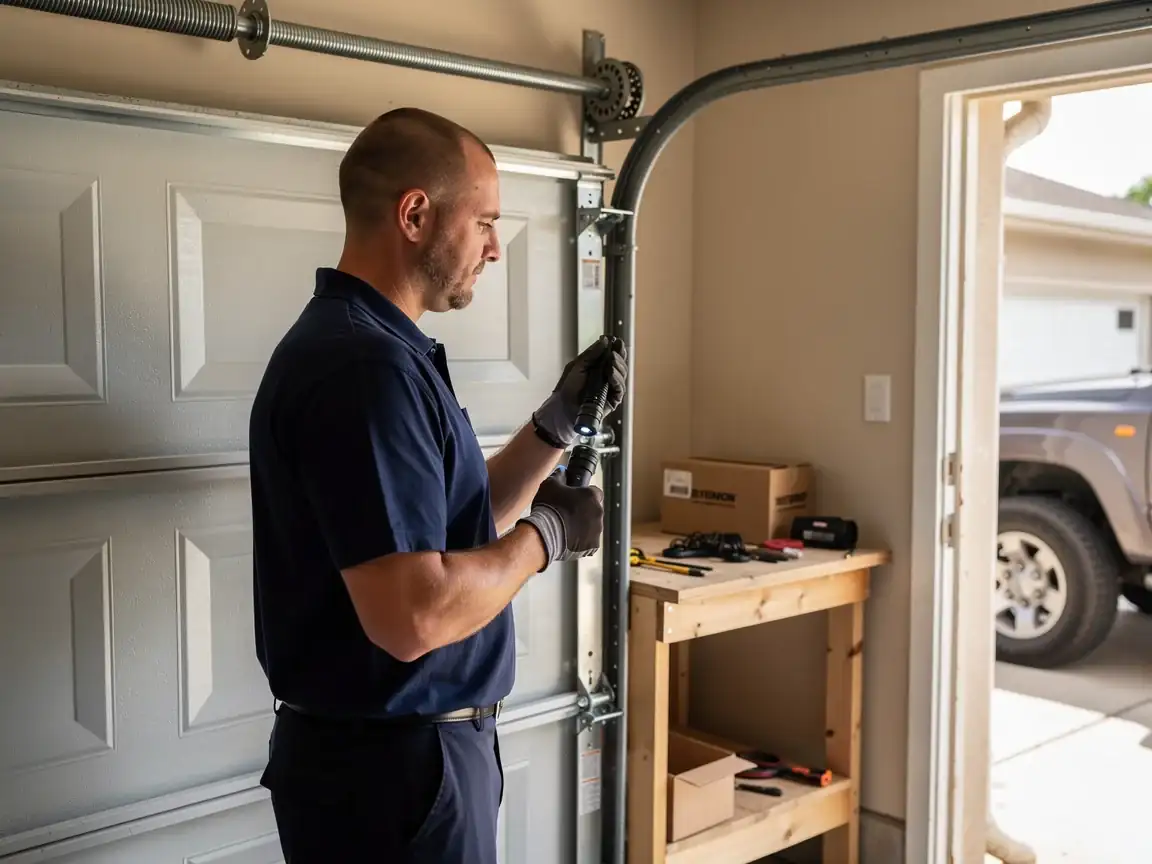
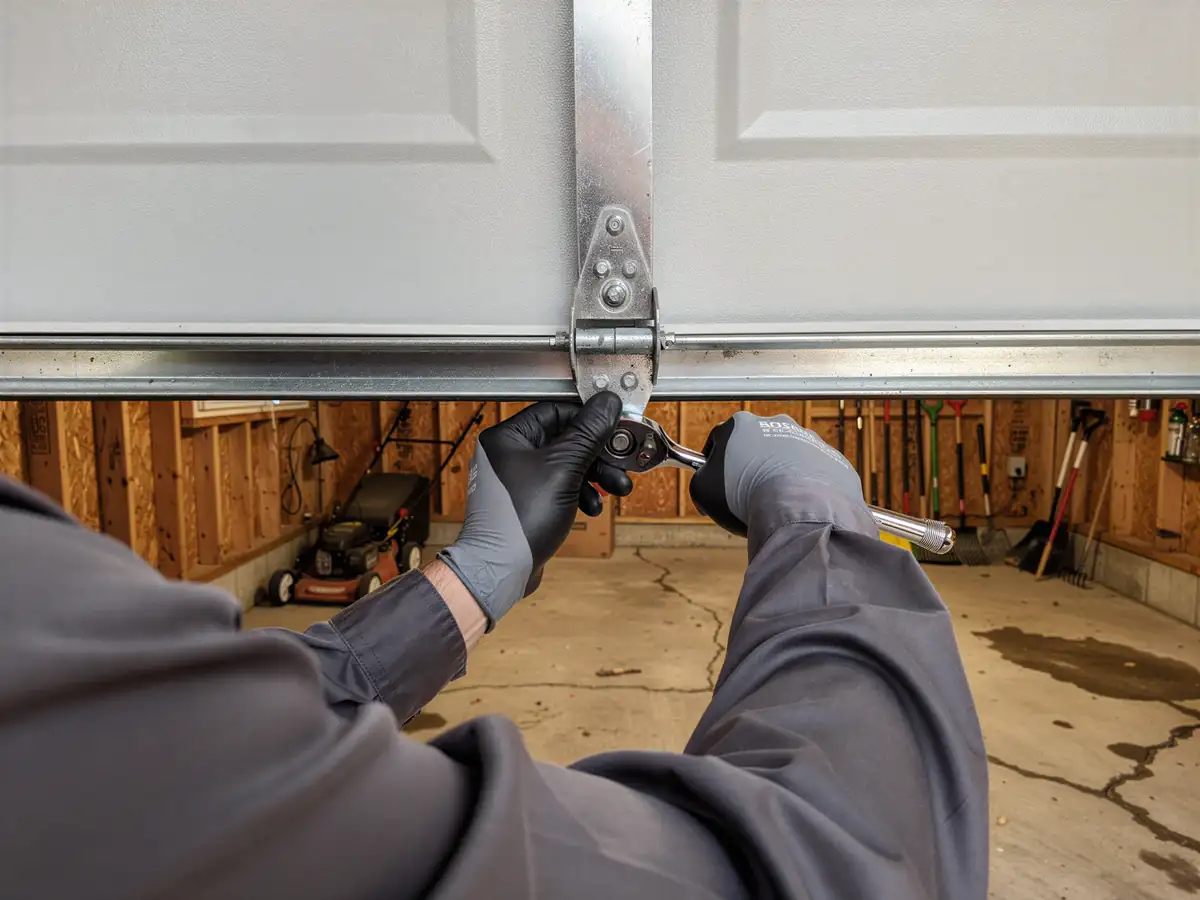
We start by measuring the opening and checking what's actually driving the door now - spring type, drum size, opener mounting - rather than assuming it matches the house's age. If the existing torsion hardware is rated for the new door's weight, we reuse it; if it isn't, we size new springs to the actual door rather than guessing from the old ones. For newer homes still under typical builder spec, that often means a straightforward swap. For a converted bay or a detached garage where the opening was reframed, it means checking track alignment and headroom before the door ever goes on the hinges. We finish every install by cycling the door and the opener's force and limit settings, not just hanging the panels and walking off. For general install details that apply across our coverage area, see /garage-door-installation-bentonville-ar. For more on what we see specifically in Cave Springs, /garage-doors-cave-springs/ has the rest.