Doing It Yourself
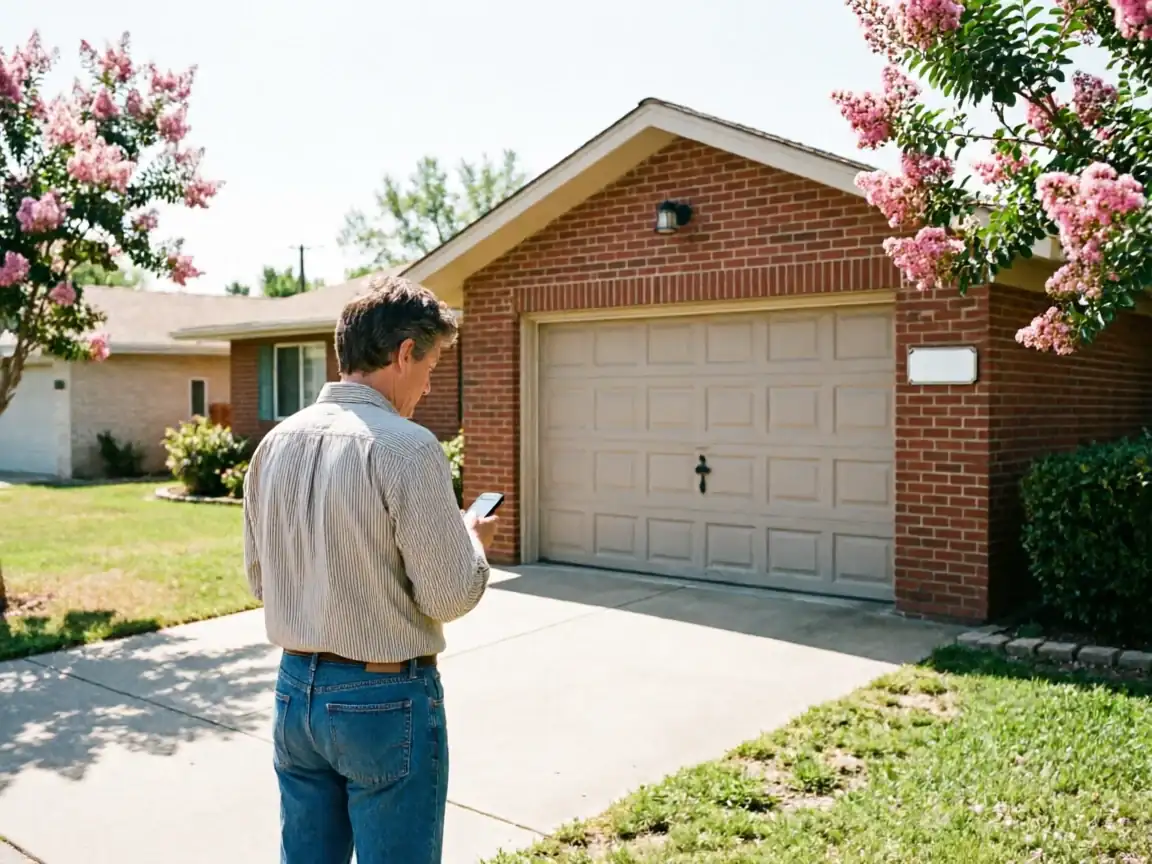
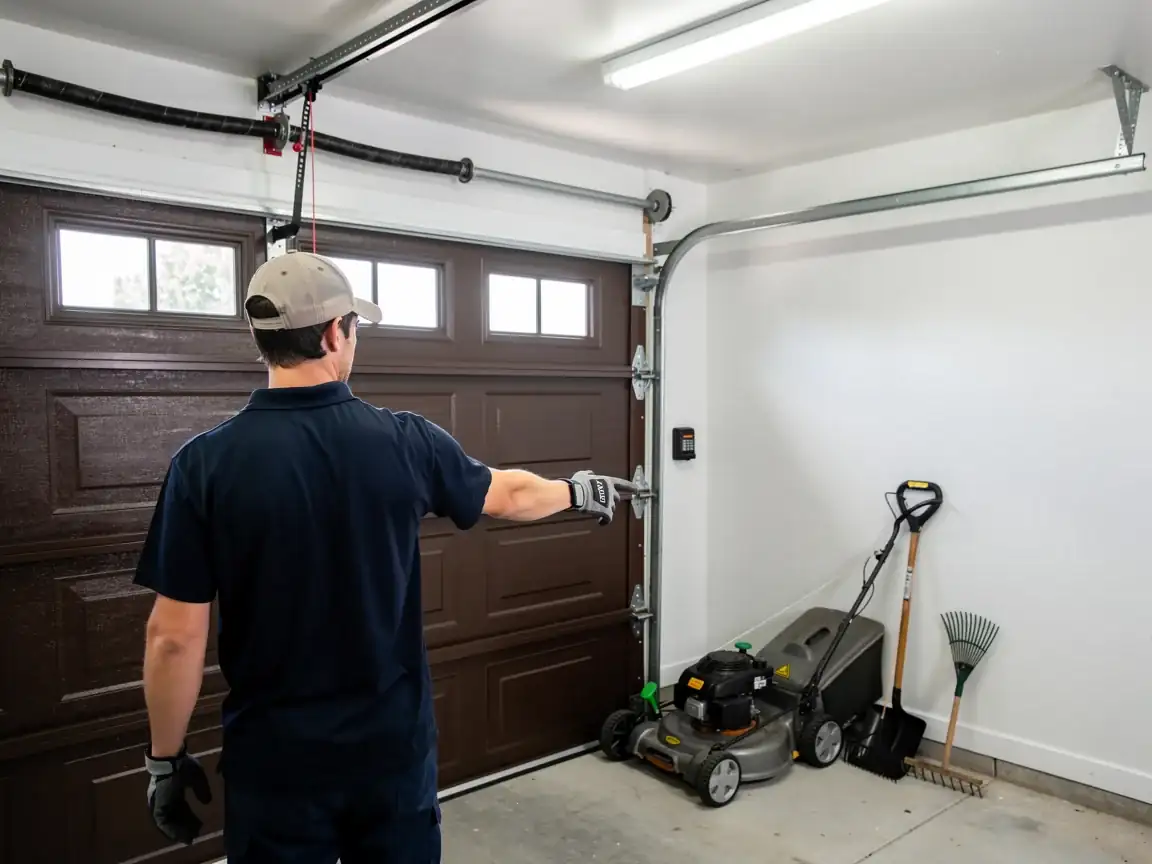
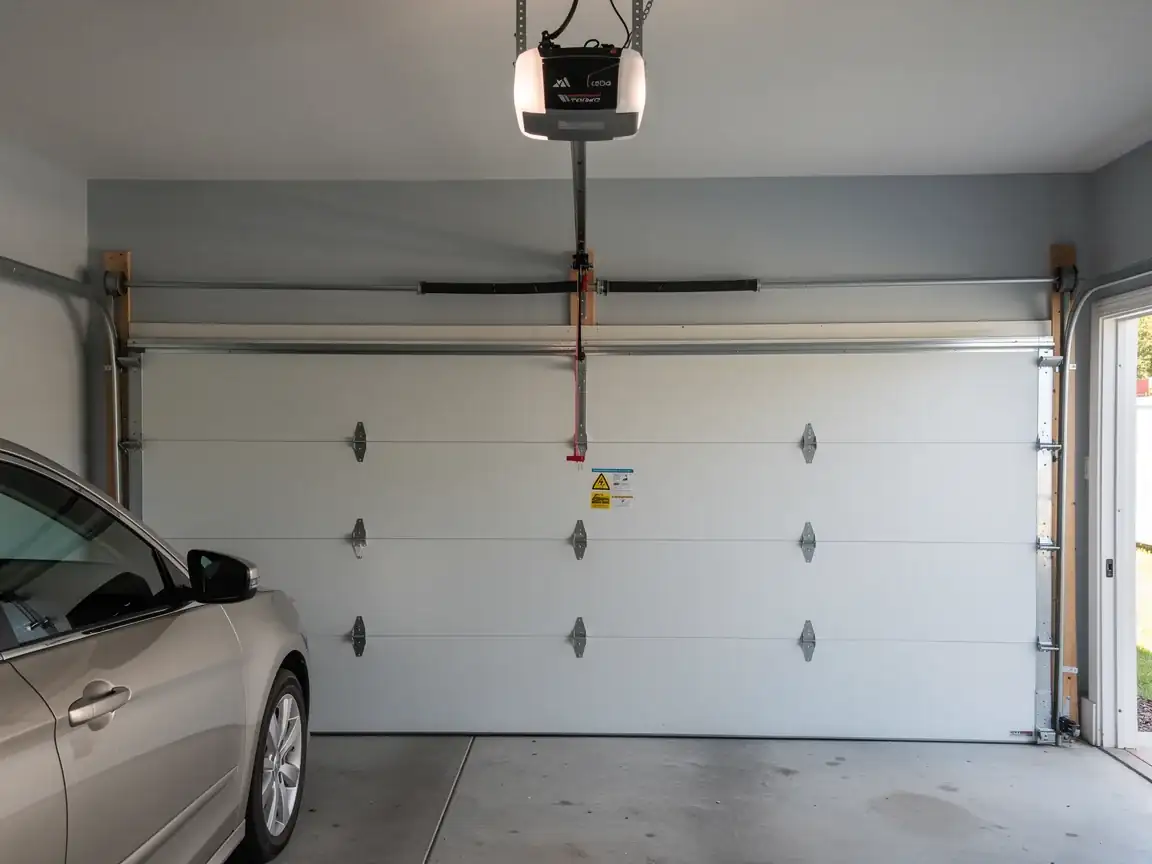
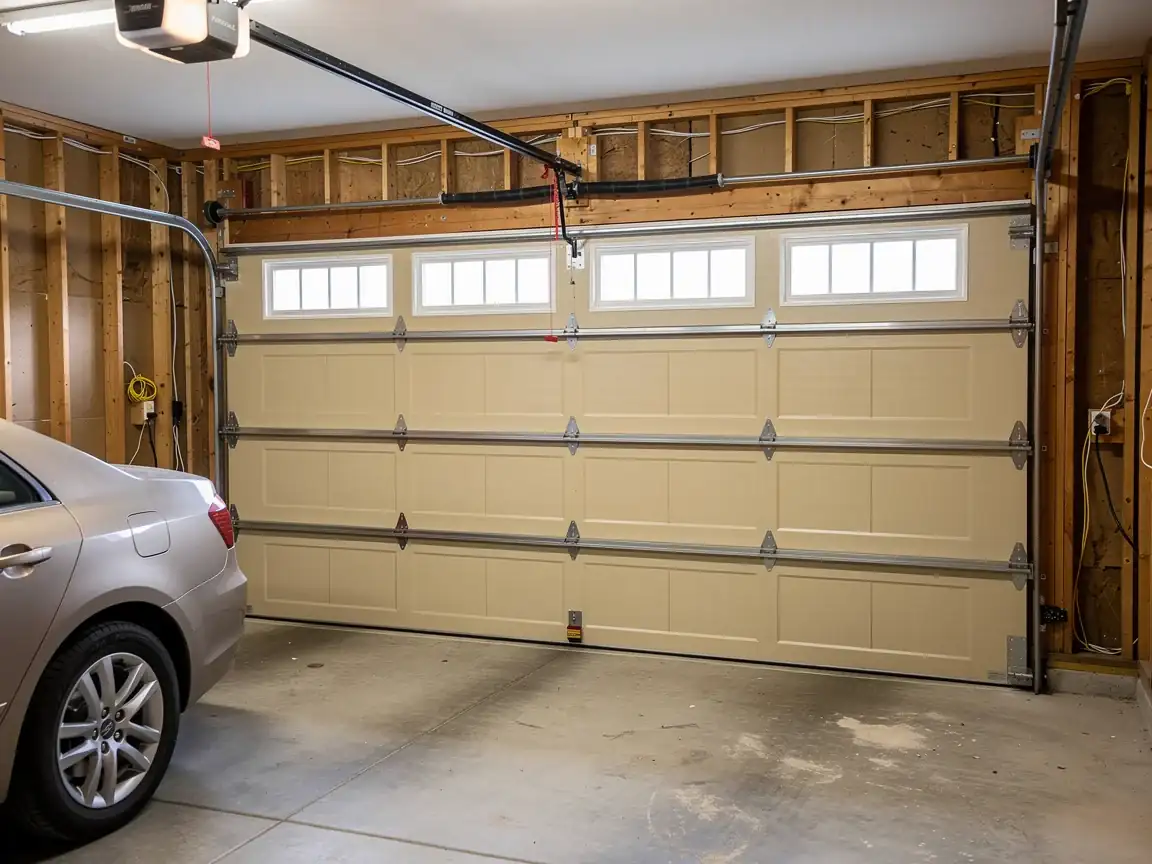
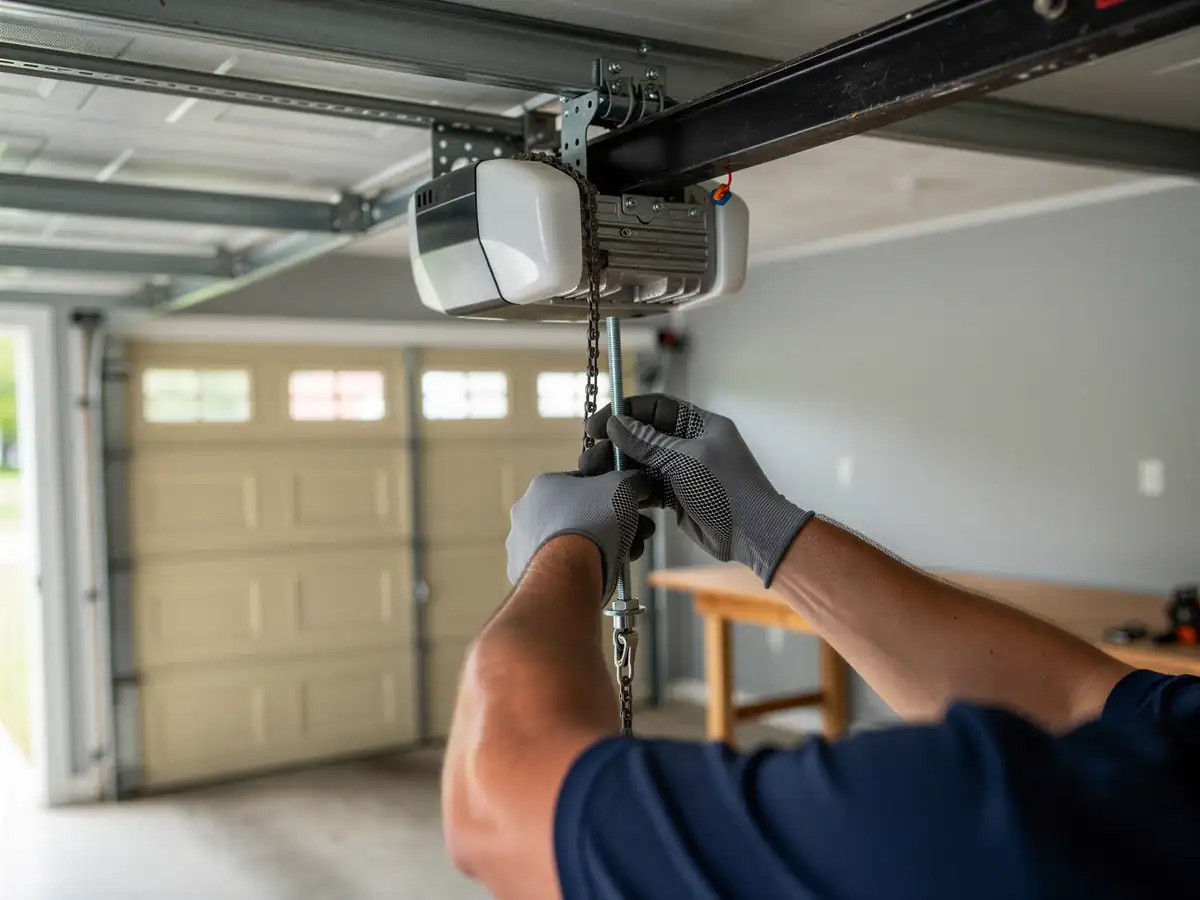
A newer opener gives you more to check before you call anyone. Start with the wall control - on units built this decade it's often a small digital panel, and a blank or flickering screen usually means a power issue at the unit, not the opener itself. Check that the safety sensors near the floor are aimed at each other and the little lights on each are solid, not blinking; a knocked sensor is the single most common reason a newer opener won't close. If the remote works but the wall button doesn't (or the reverse), that narrows the fault to one circuit instead of the whole board. What you can't safely troubleshoot yourself is anything behind the motor housing - those boards aren't meant to be opened in the field, and poking at one risks turning a $150 board swap into a full unit replacement.
Why This Fails Locally
Cave Springs sits in a cold-moderate climate band, and a garage that isn't heated puts real temperature swings on an opener's circuit board every winter and summer. On a unit built in 2013 or later, that board is the brain of the whole system - it's what decodes the rolling-code signal, runs the safety sensor check, and tells the motor when to stop. Thermal stress on solder joints and capacitors is a slower failure than a stripped gear, which is why these openers tend to act intermittently before they quit outright: a remote that works some days and not others, a unit that reverses for no reason. That's different from the strip-gear and worn-contact failures we see more often on the older screw-drive units still common on the Bentonville side of the area.
Time on the Job
We run out of Bentonville, about 6 miles from Cave Springs, so the drive is short but it's still a drive - we don't keep a branch or a standing crew in town. Once we're there, a sensor realignment or remote reprogram is usually a 20-30 minute job. A board swap on a newer unit takes longer than people expect, mostly because we test the safety reverse and the wall control against the new board before we call it done; rushing that step is how you end up with a door that won't close on a sensor fault six months later.
How We Fix It
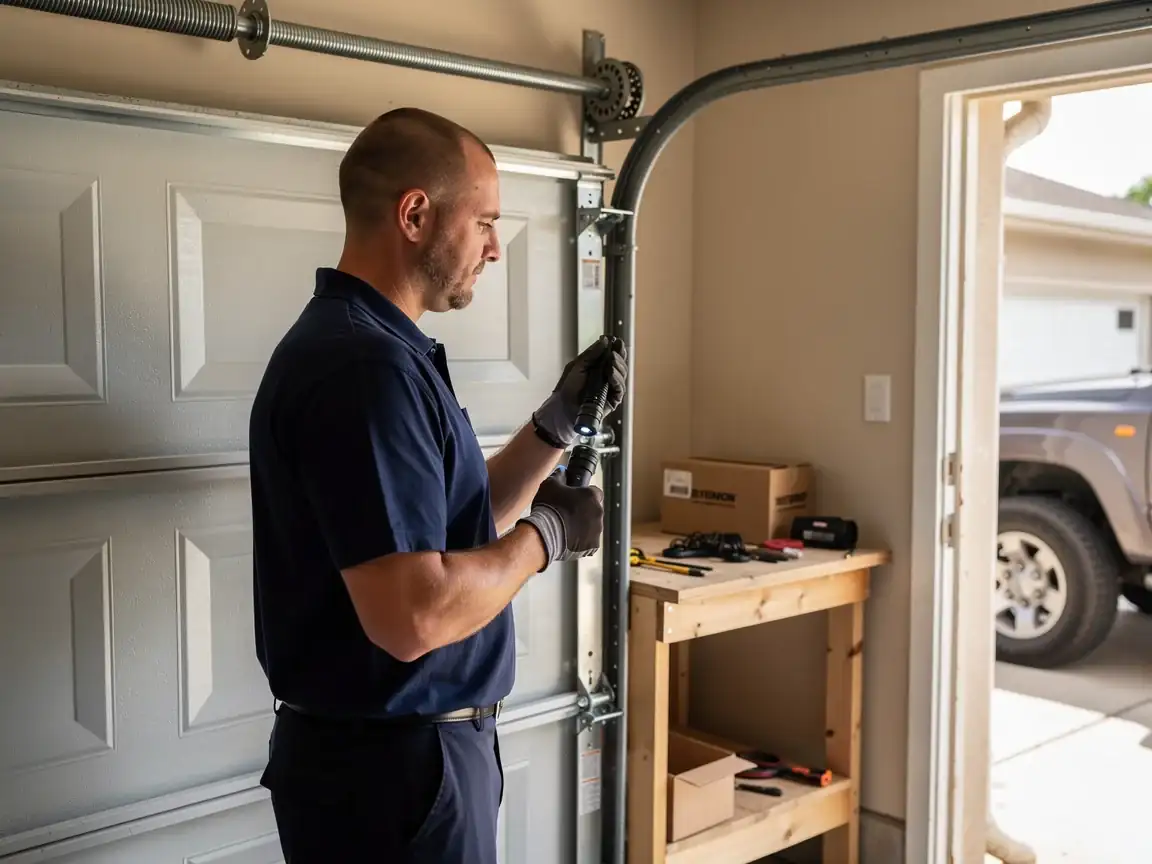
We start with the wall control and the sensors, because on a 2013-and-newer opener that's where most faults actually live, not in the motor. If the board's bad, we replace it with one rated for your opener's drive type rather than a universal swap, since mismatched boards are a common reason a repaired opener fails again within a year. For the smaller number of older screw-drive units still found in a few Cave Springs garages, we carry the basics but order anything specialized - we'll tell you that lead time before we start, not after. Every repair gets the same close-out: we run the door through a full open-close cycle and confirm the safety reverse trips before we leave.