How It Shows Up
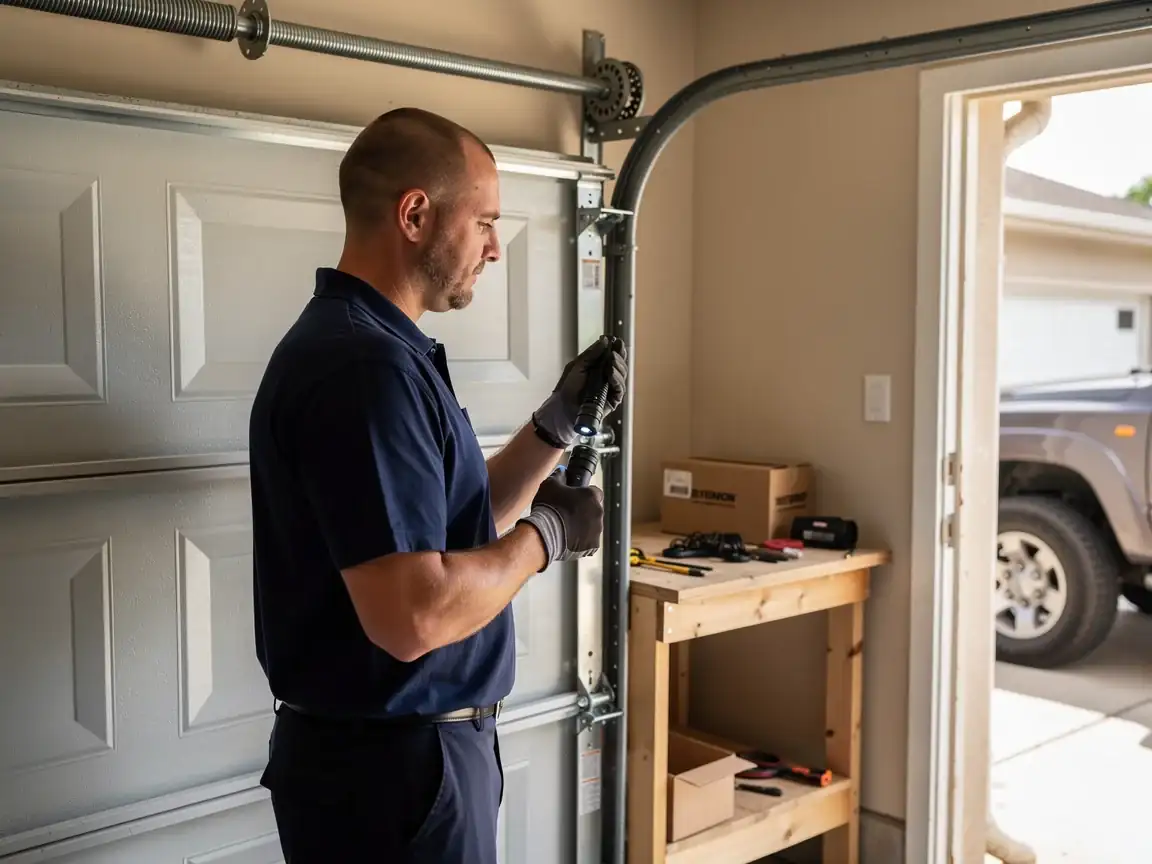
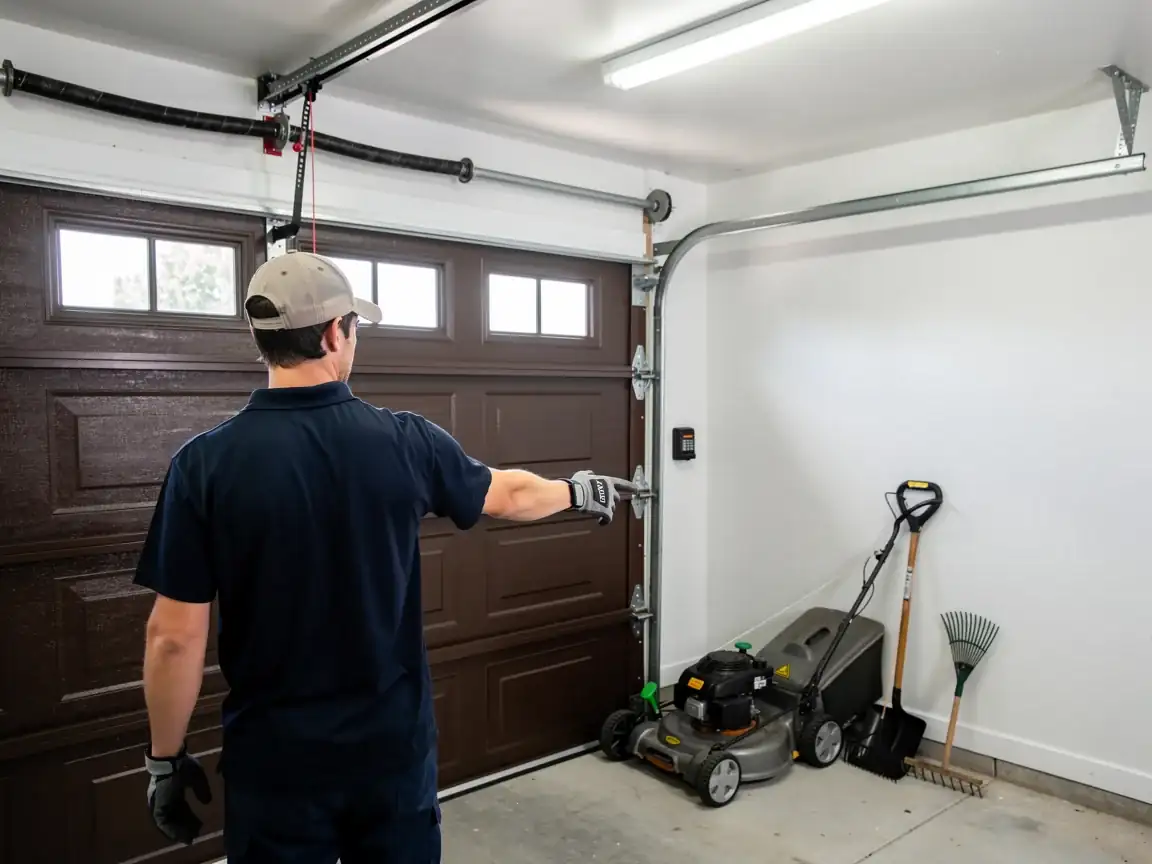
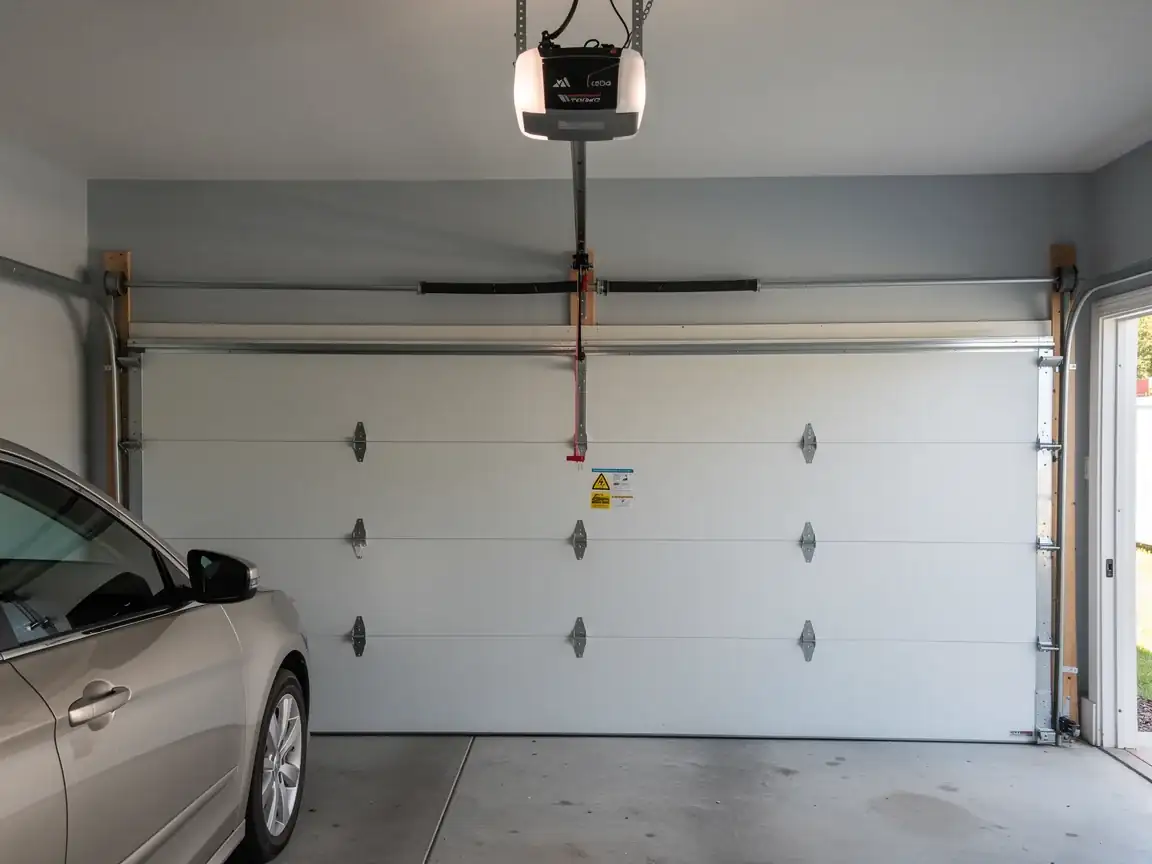
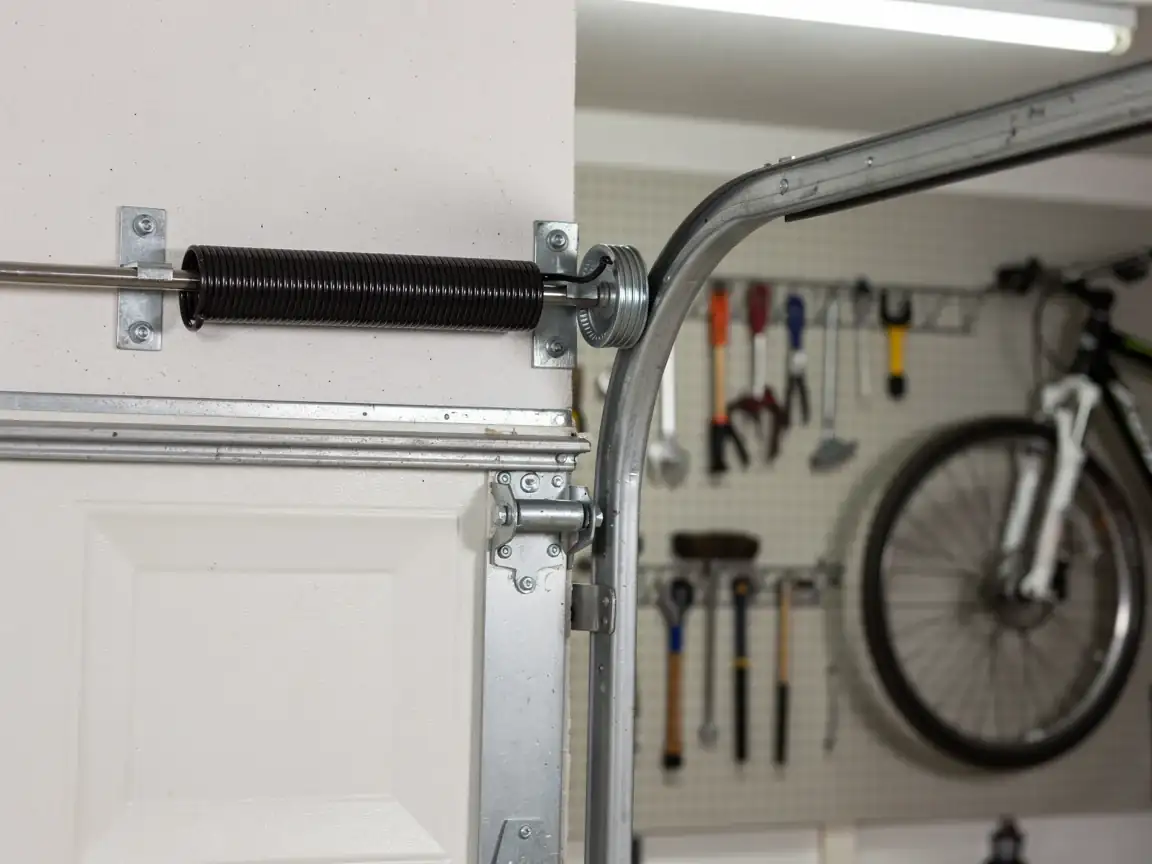
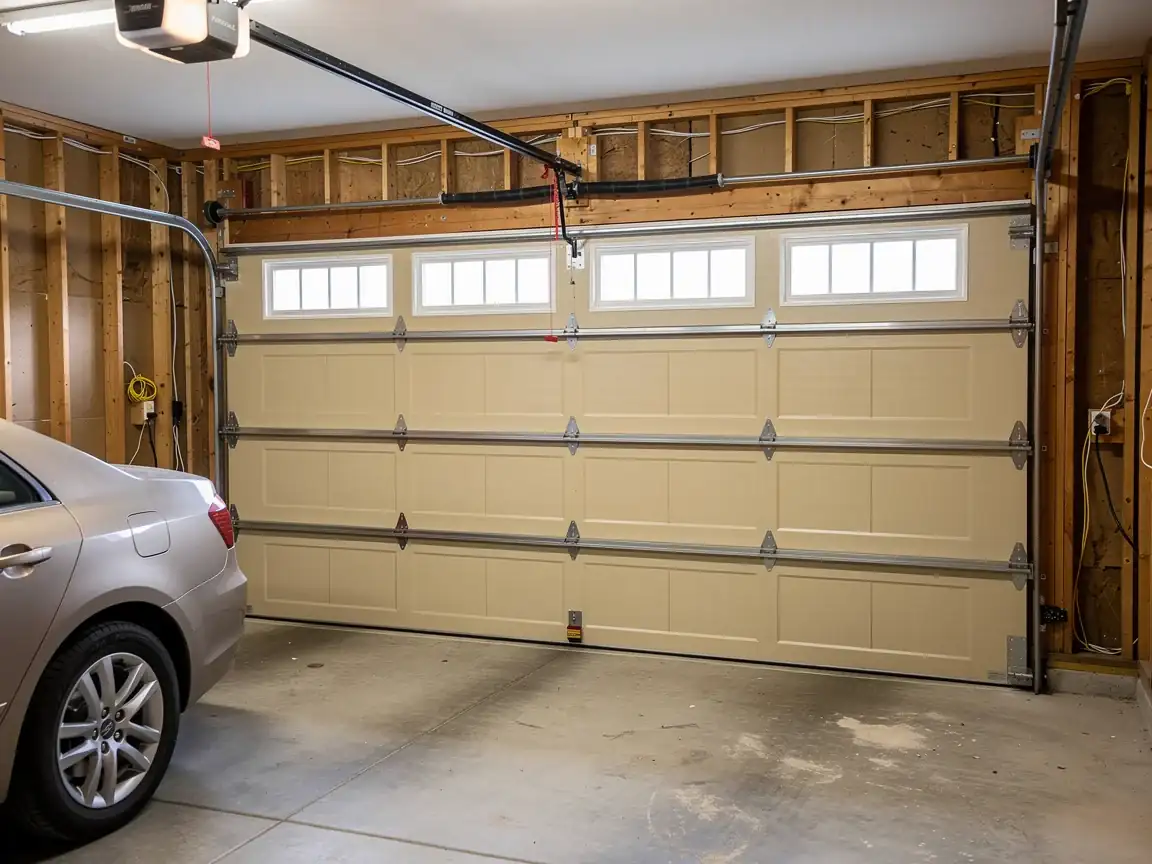
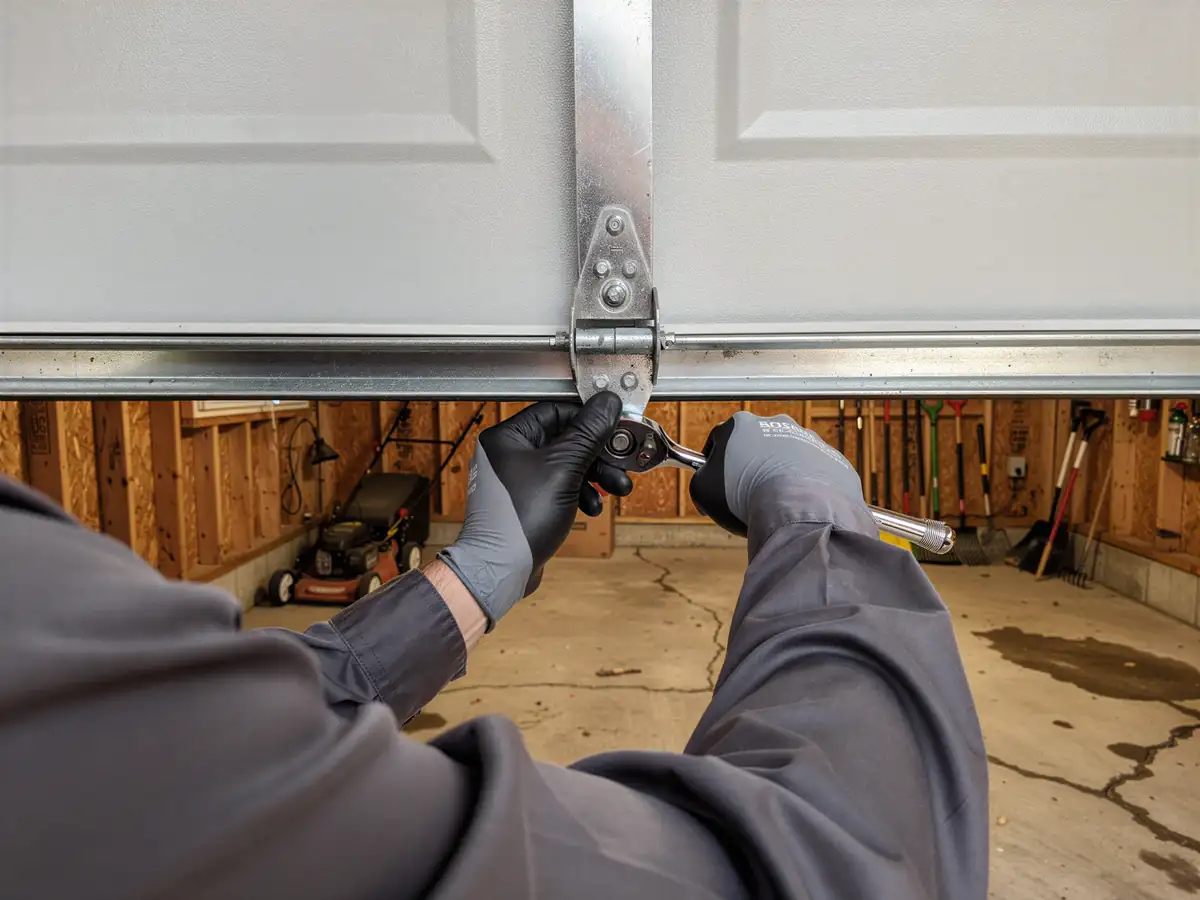
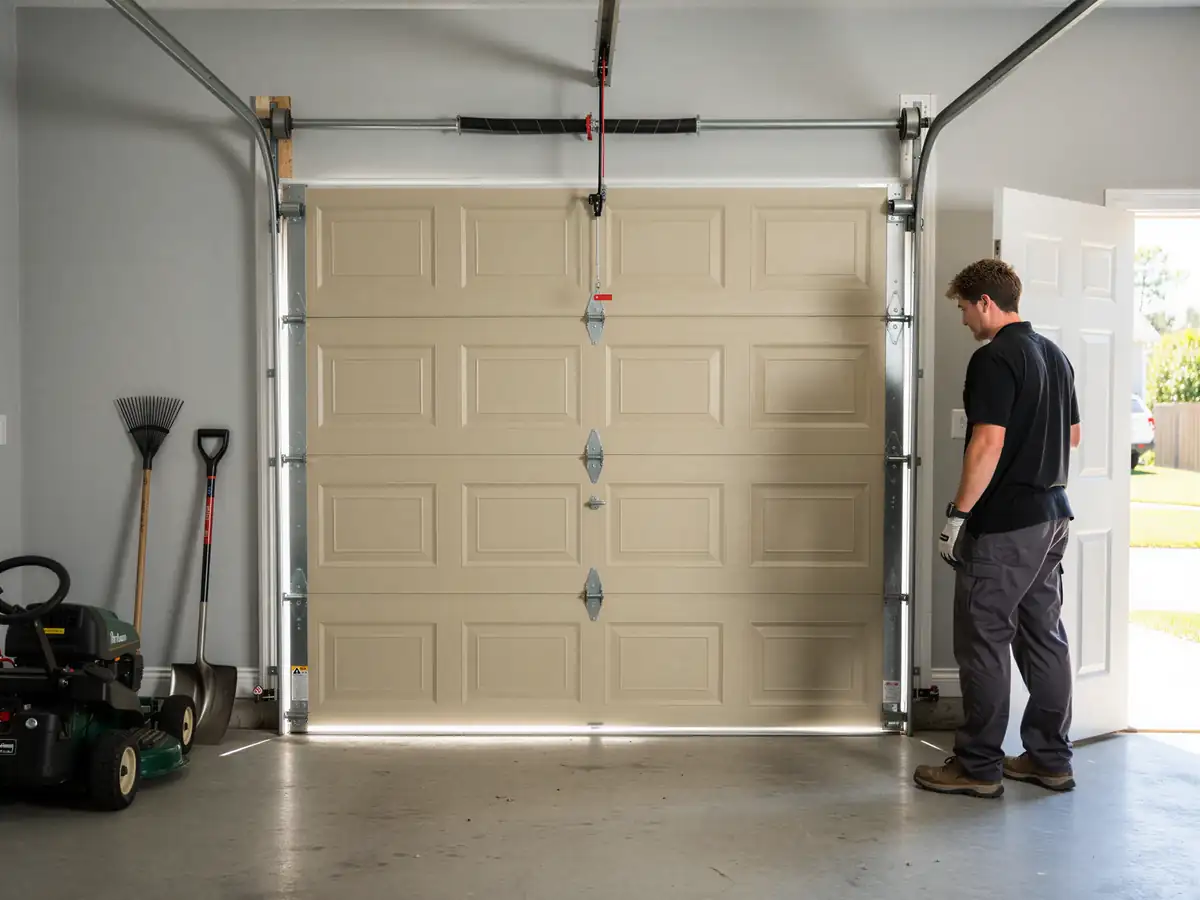
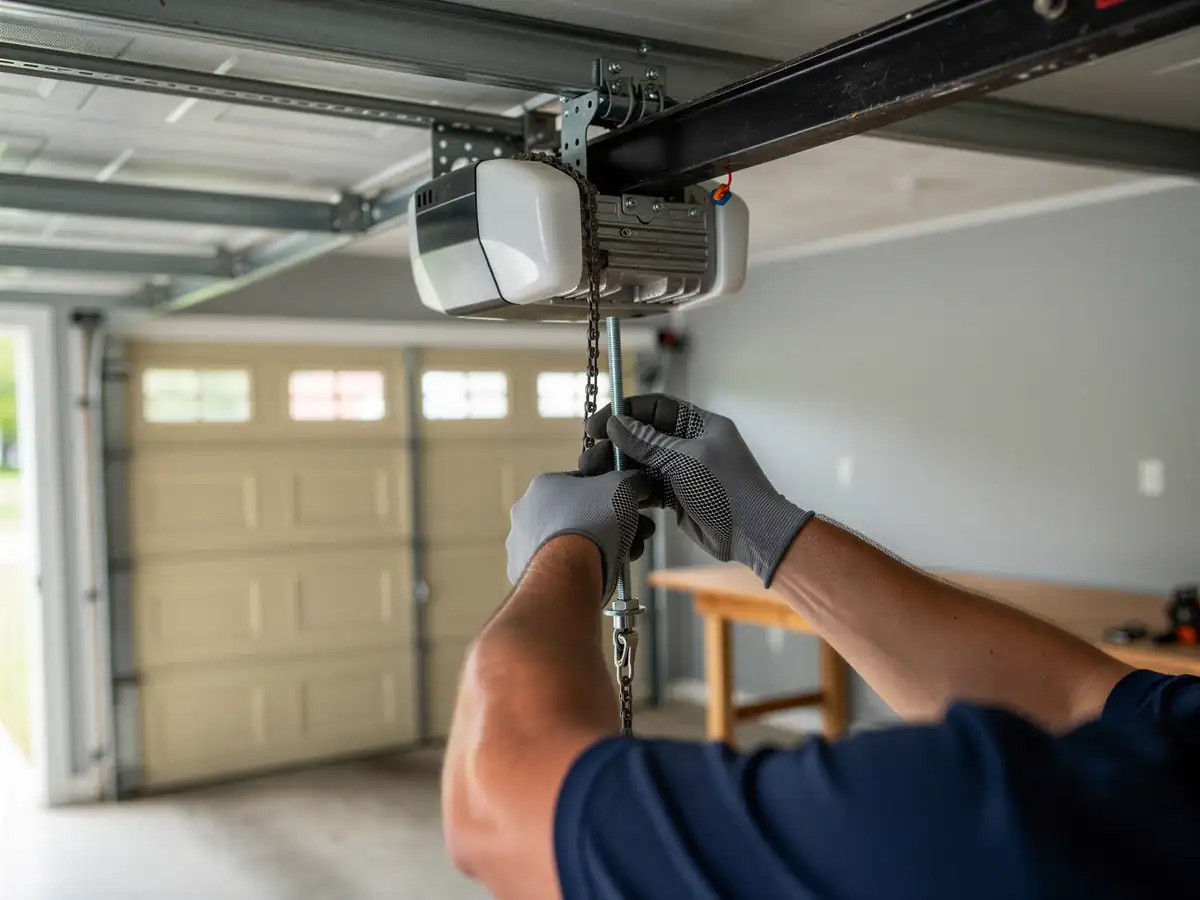
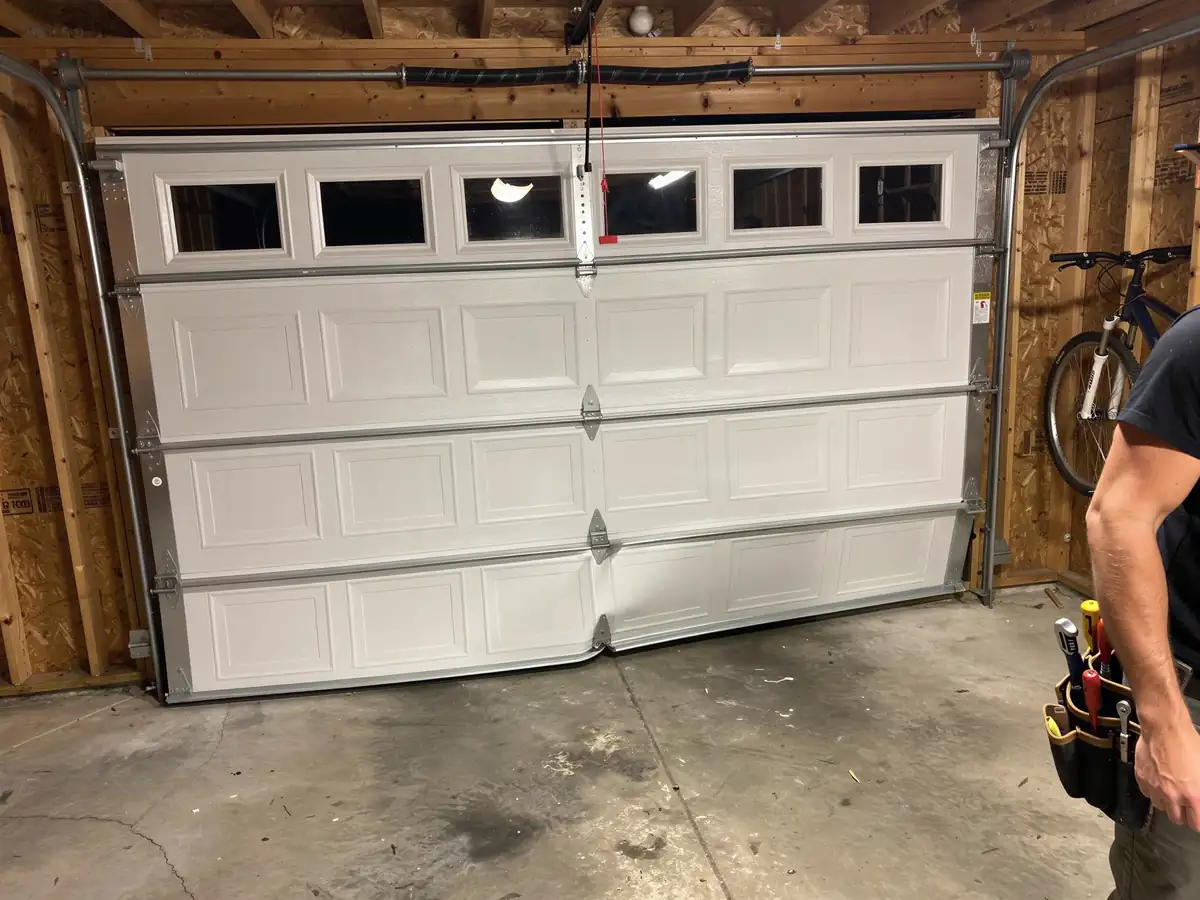
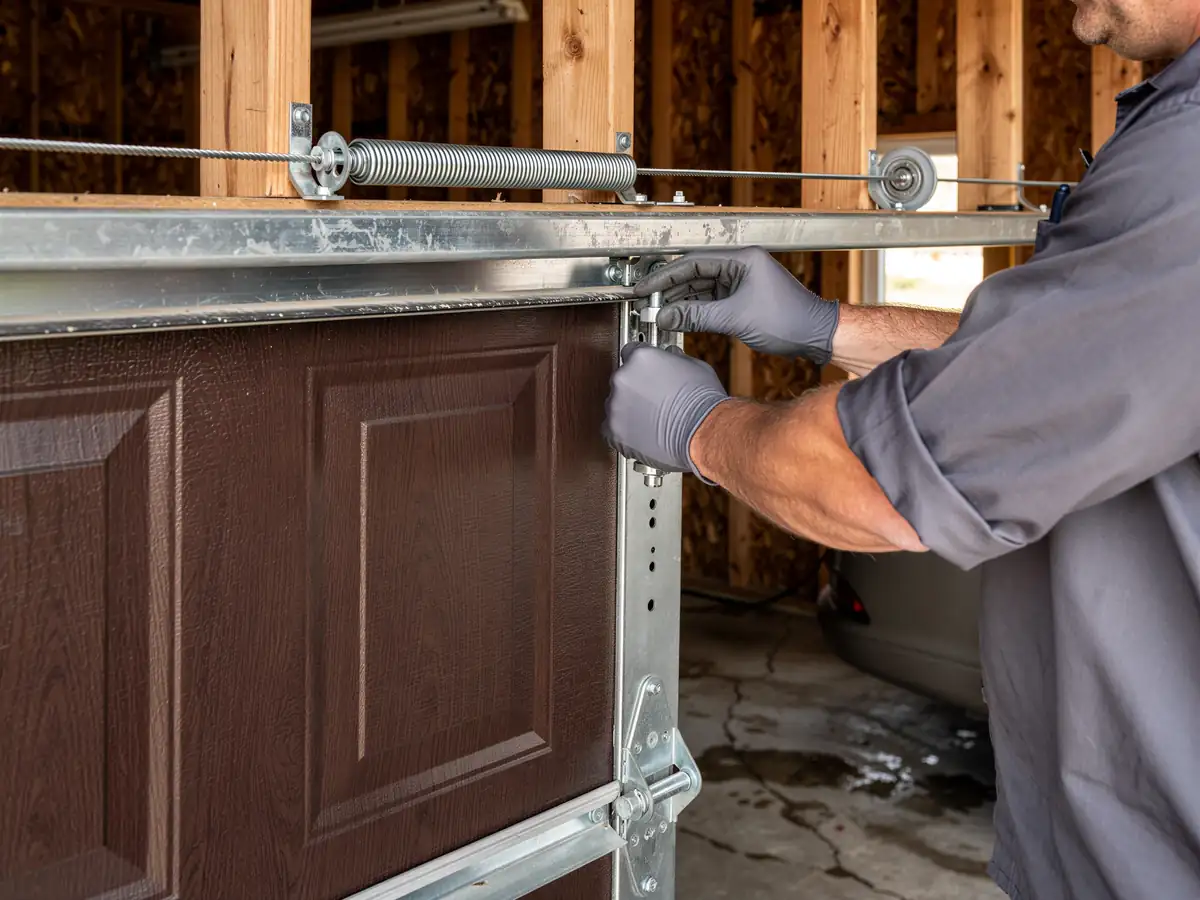
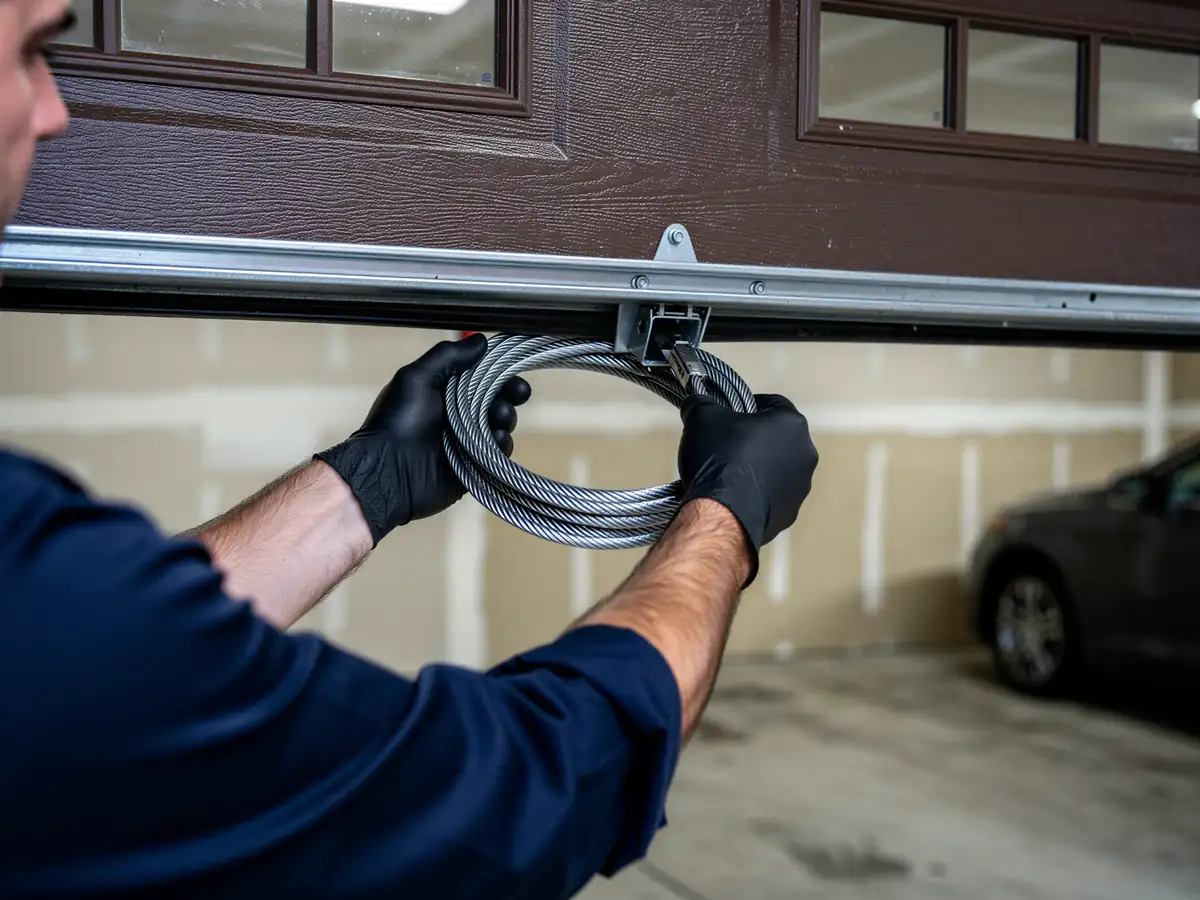
On an extension-spring door, a failing cable usually announces itself before it snaps. One side of the door hangs a little low, or the door goes crooked in the track as it opens, because one cable has stretched or started to fray at the pulley. You might hear a faint scraping or ticking sound right at the top corner of the door - that's the cable rubbing where strands have started to separate. If it does go all the way, the door drops hard on one side, sometimes jumping the track, and the opener will keep trying to pull a door that physically can't move square. On torsion-cable doors, the failure mode is different: the drum cable tends to unwind or slip off the drum rather than fray visibly, so the door just won't lift evenly, or won't lift at all. Either way, once a cable is compromised, running the opener again only stresses the track and the remaining hardware further.
Why This Fails Locally
Two things push cable wear in Gravette faster than you'd expect for a town this size. First, the age of the housing stock - doors original to 1987 built homes are now in their fourth decade, and extension-spring cables don't get swapped out on a schedule the way openers sometimes do, so a lot of them are original or close to it. Second, the climate here runs cold and the swing matters: cable sheathing and the thin wire strands underneath both get brittle with repeated freeze-thaw cycles, and a cable that was fine in October can snap on the first hard cold morning. With only about 1,219 households in Gravette, compared to roughly 39,766 across the wider service area, this isn't a town where a bad batch of hardware or a single builder's shortcut shows up as a pattern - it's simpler than that: it's just age and weather working on cable that's been doing its job quietly for over 35 years.
Doing It Yourself
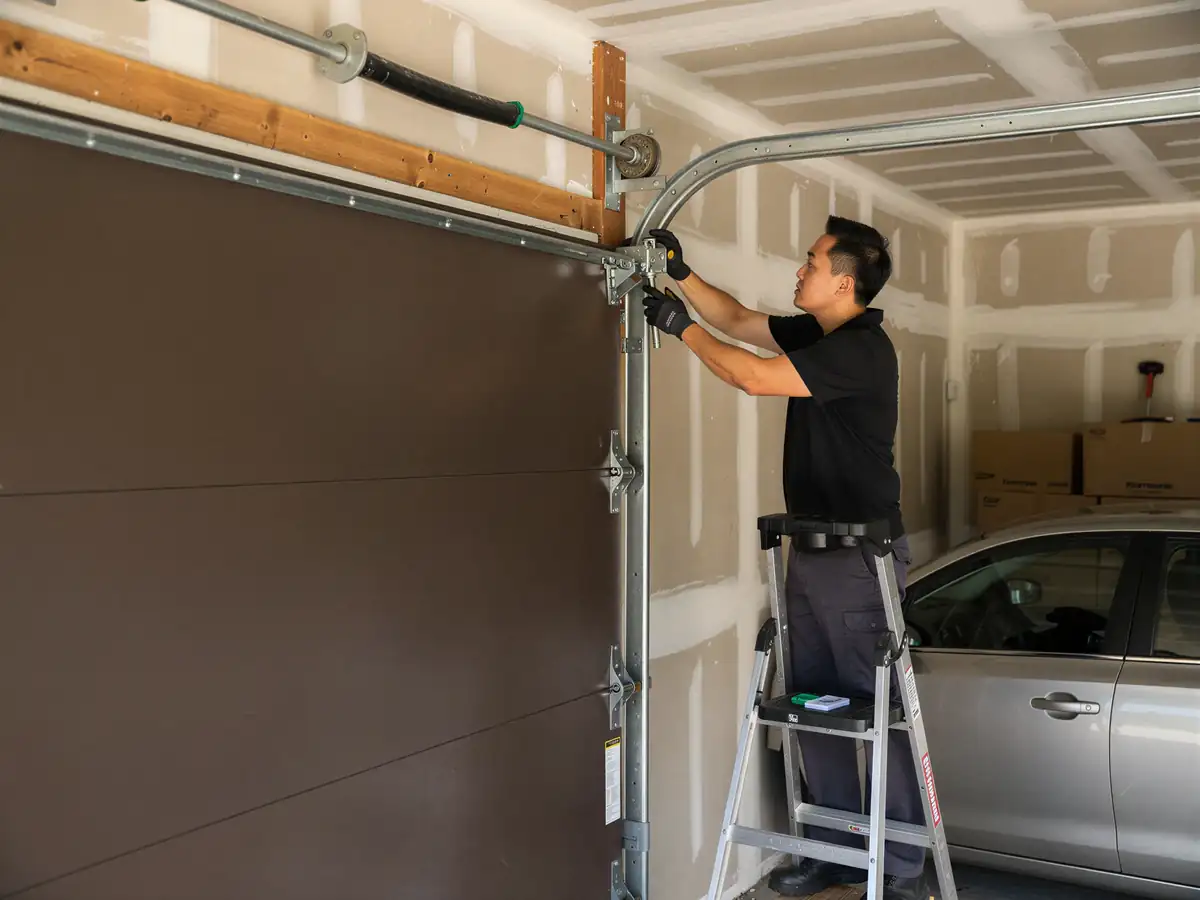
A broken cable on a door that's still under spring tension is not a DIY repair, and we'll say that plainly. The spring - whether it's an extension spring or a torsion spring feeding that cable - stores enough force to break fingers or worse if it releases while you're working near it. What you can safely do yourself: look at the cable where it wraps the pulley or drum and check for fraying, rust streaks, or visible kinks, and note whether the door hangs level when it's down. That tells us what to bring on the truck. One honest limitation - if the cable has already snapped and the door is sitting crooked or partway up, don't try to force it level or cut the opener loose to