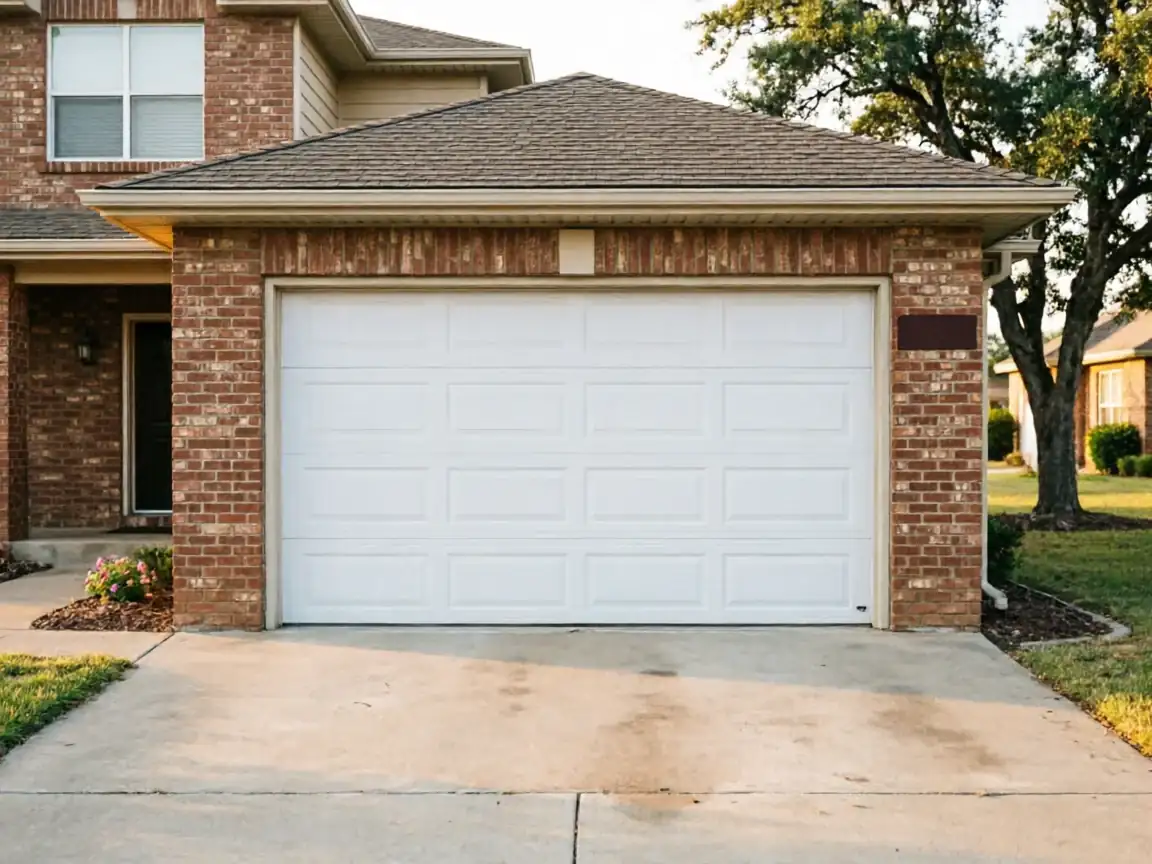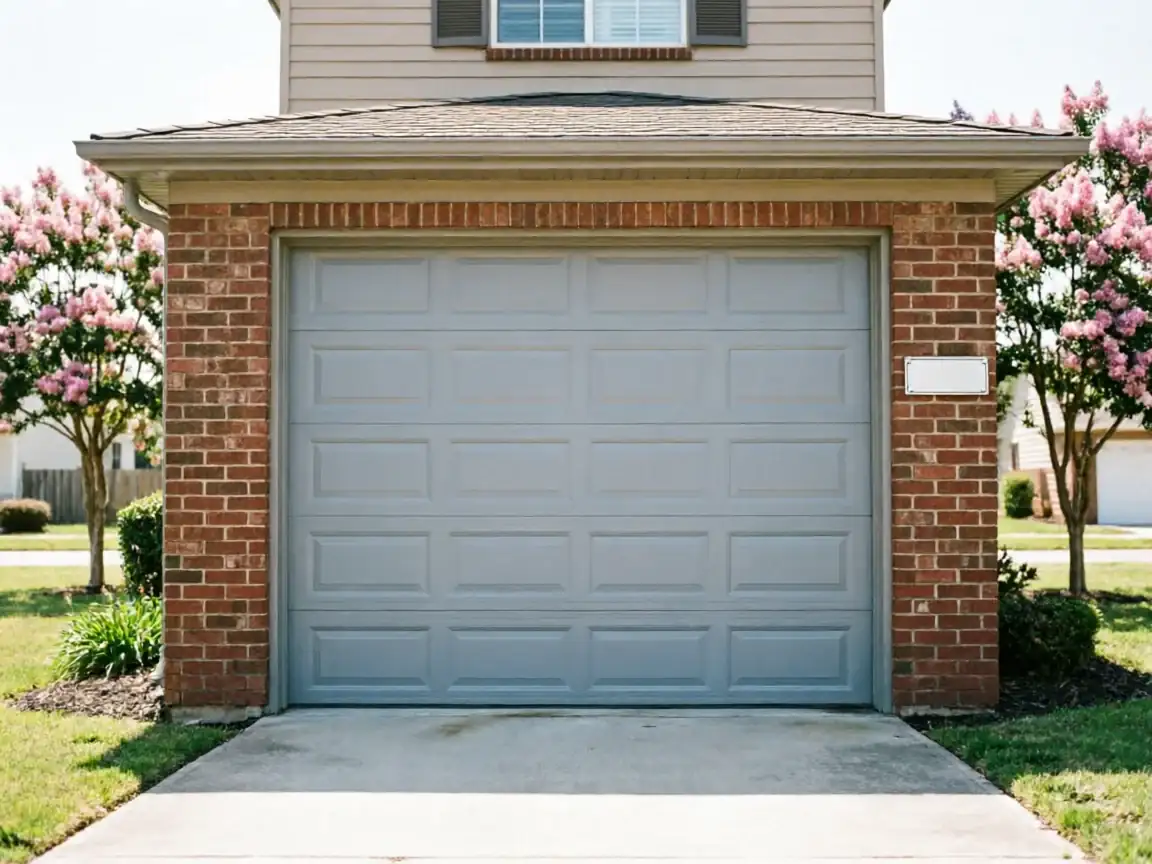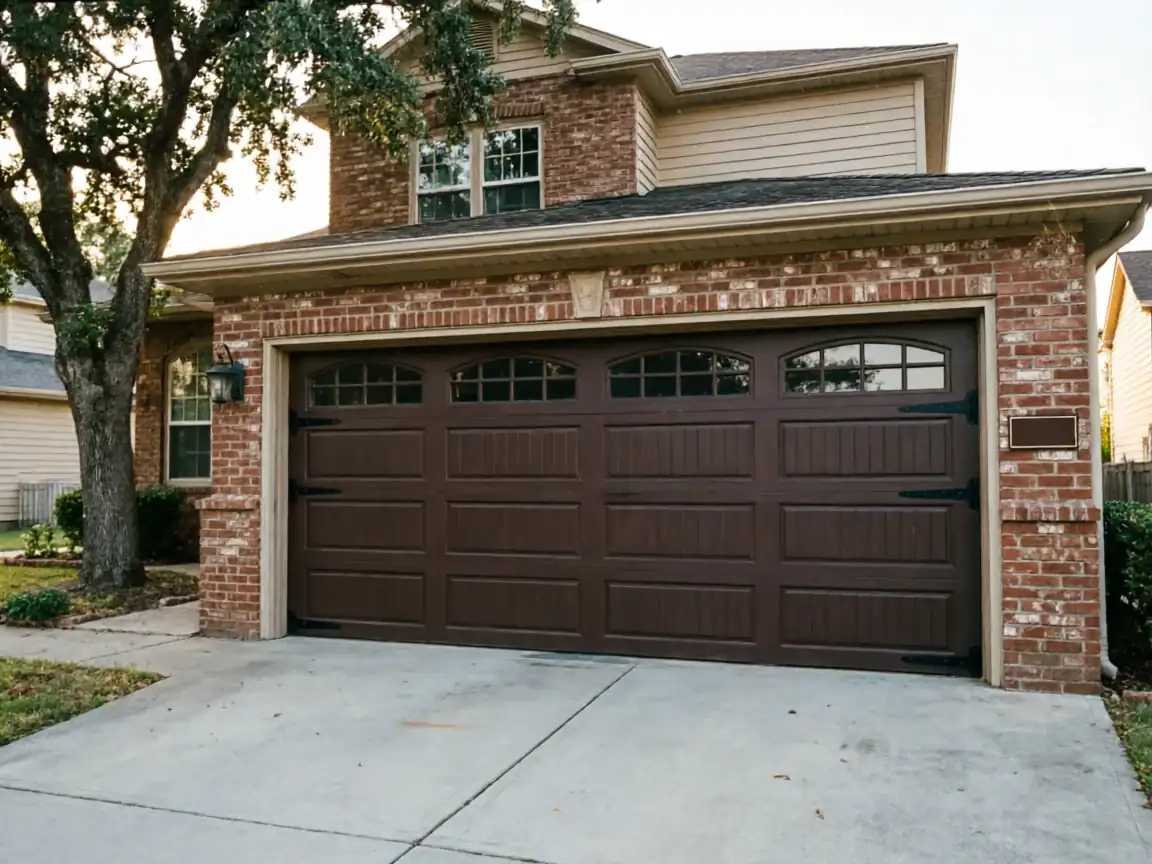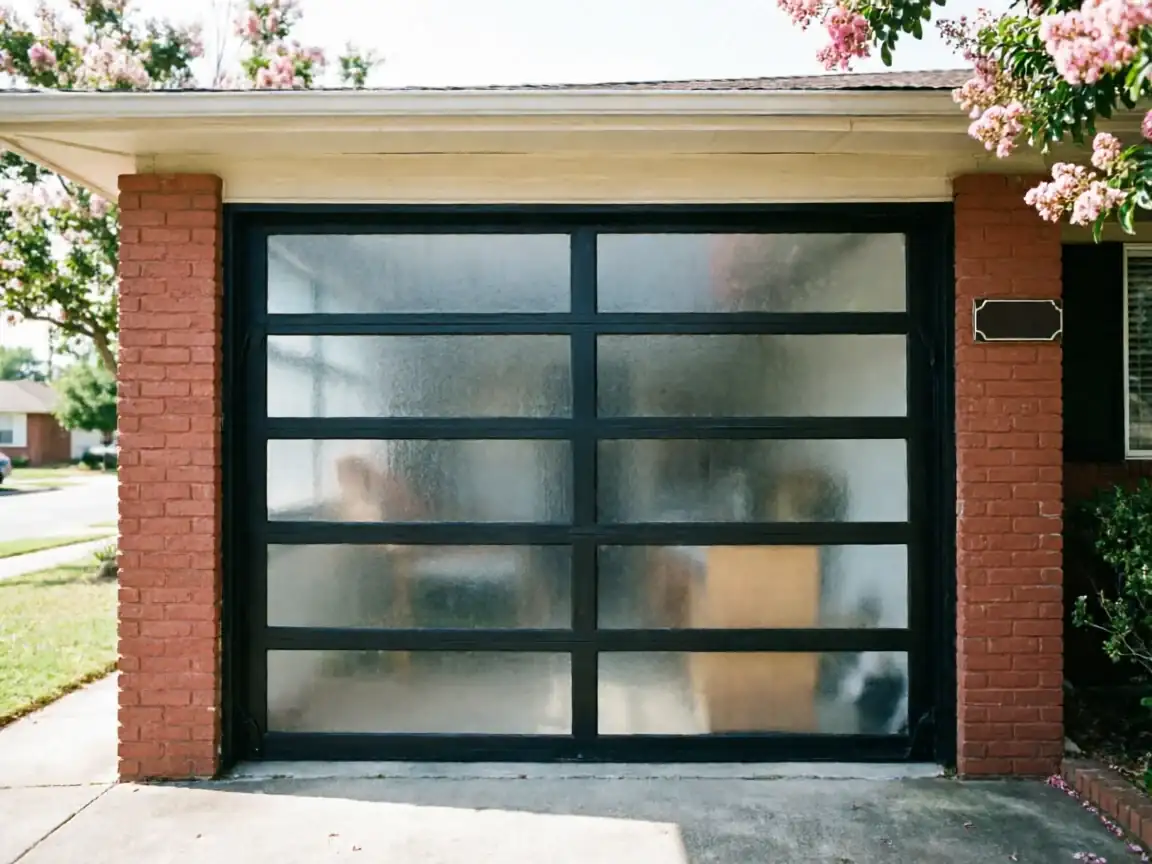
How It Shows Up
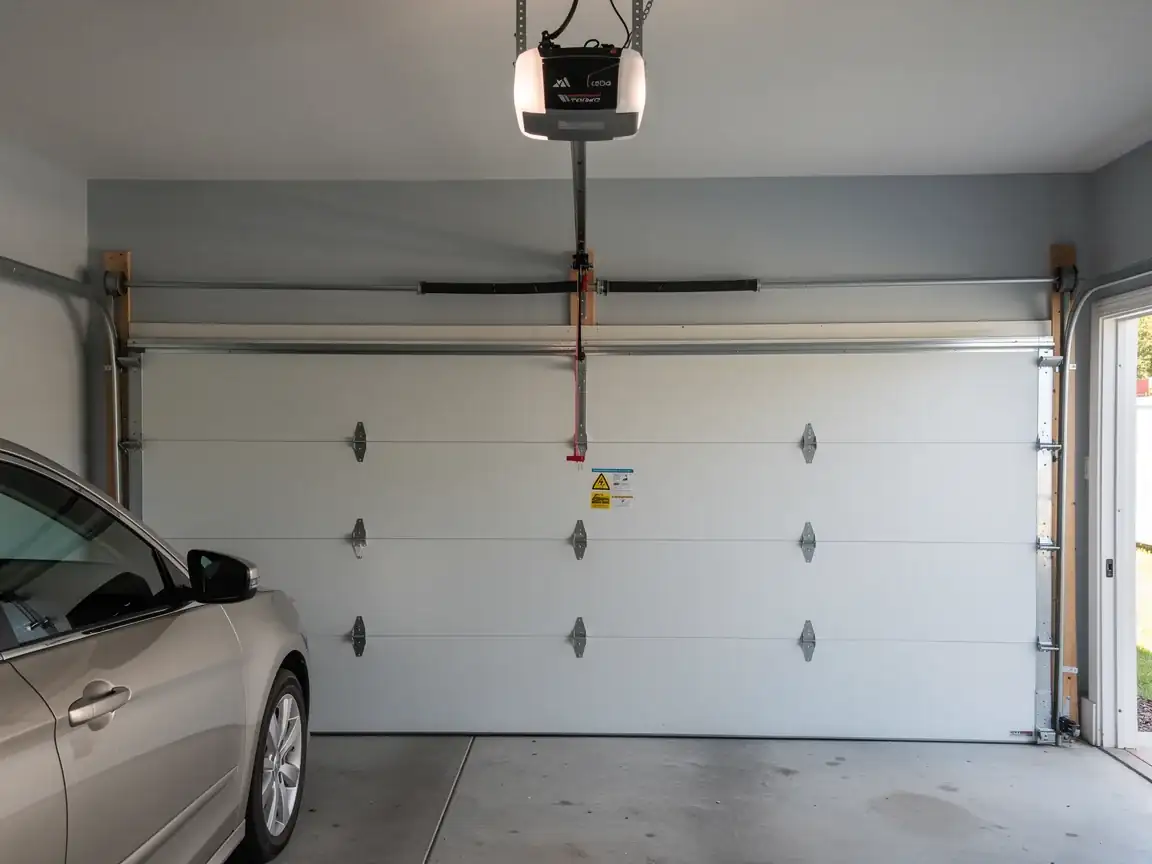
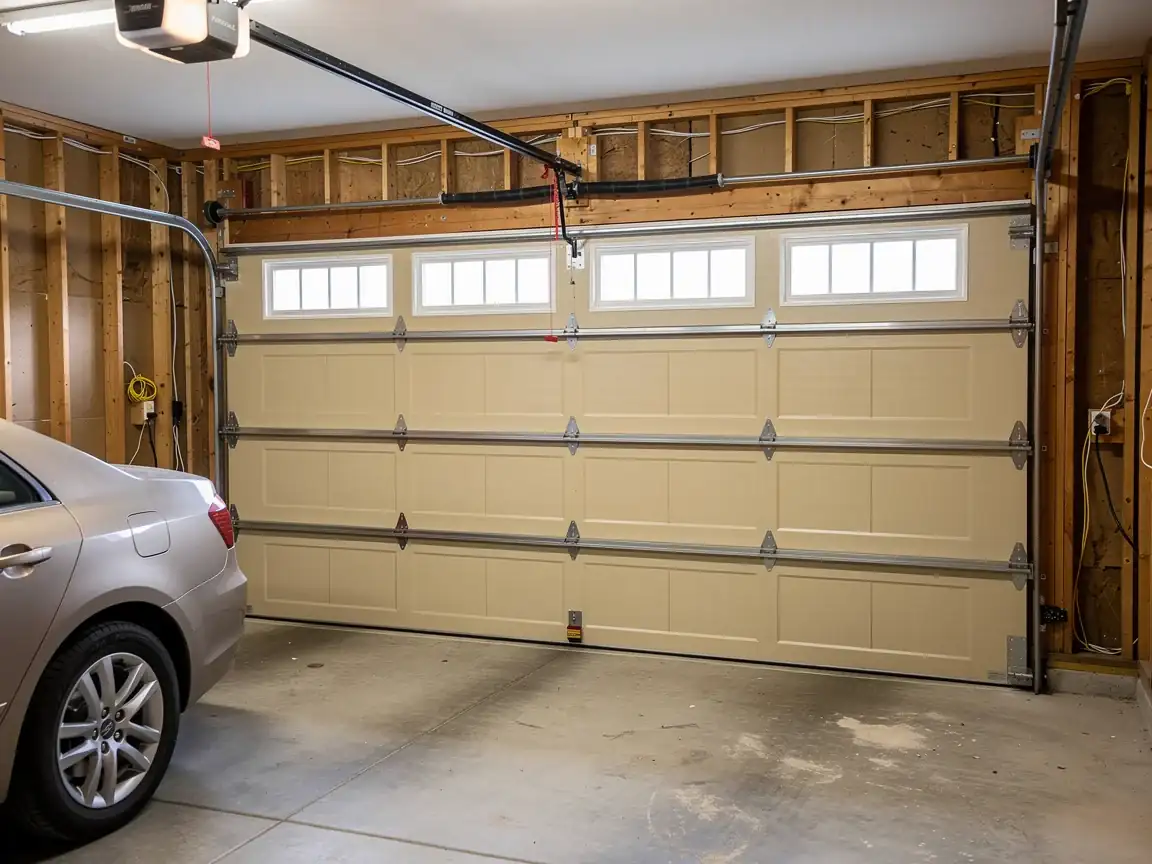
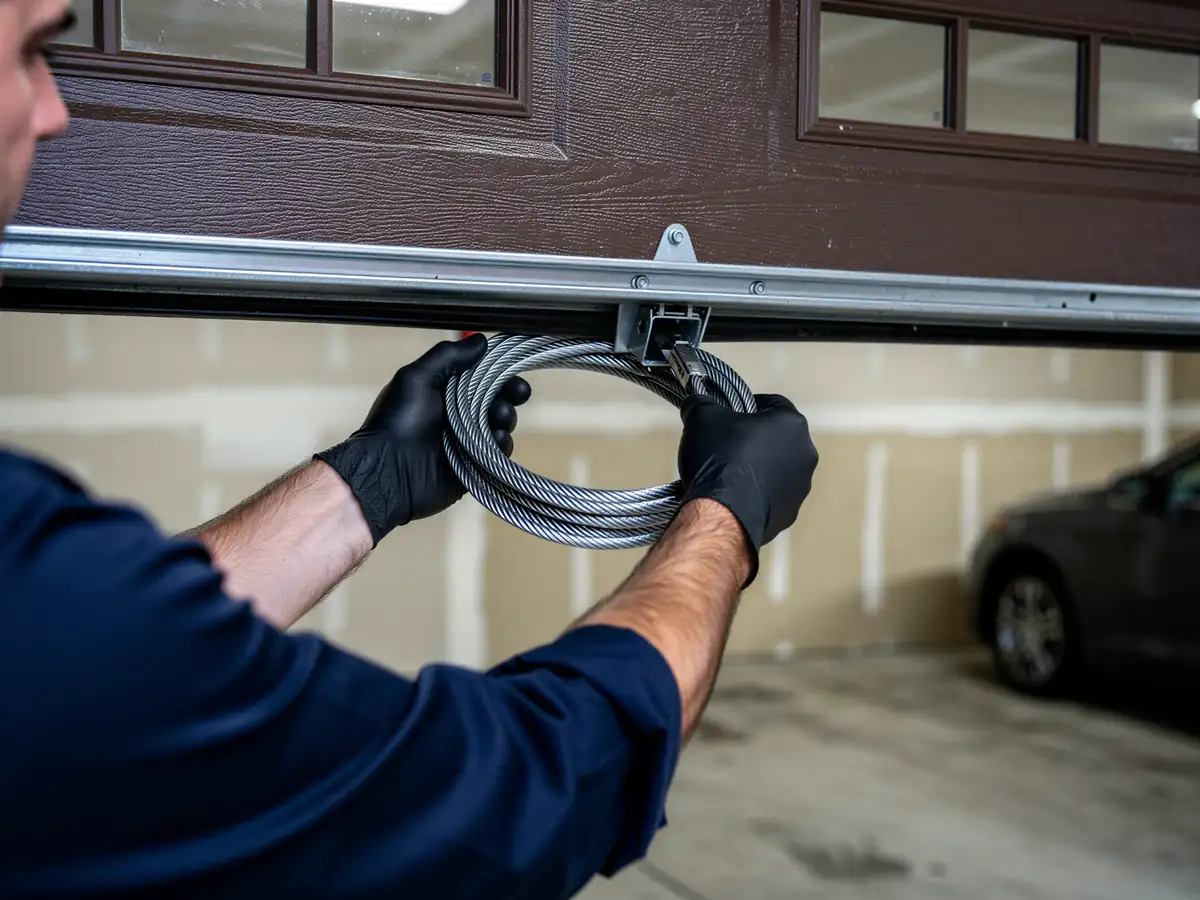
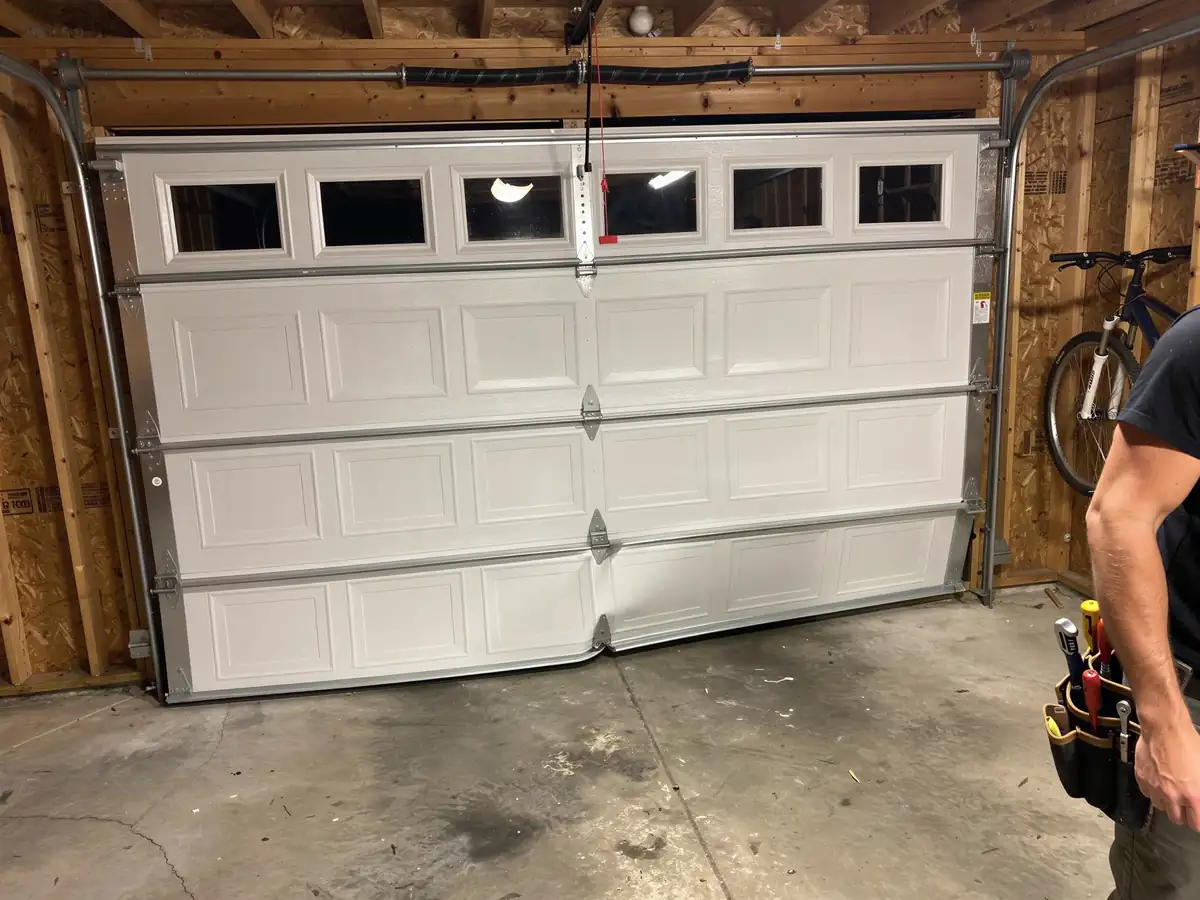
On a door this age, the complaint is usually one of three things: the door slams the last foot of travel instead of easing down, the opener strains and reverses partway up, or a cable has frayed where it wraps the drum. With roughly 1,219 households spread across Gravette, the housing is spaced out enough that a single failed extension spring often goes unnoticed for weeks - nobody's walking past your driveway to flag it. The cold months are when it tends to surface: steel contracts, lubricant stiffens, and a spring that was barely holding on in October gives out in January. If your door is from the original 1987 build and has never had the springs replaced, it's closing in on its fortieth winter of cycles, and metal fatigue doesn't announce itself ahead of time.
Why This Fails Locally
The median household income in Gravette runs just over $65,000, well under the roughly $86,541 average across the wider service area. That gap matters for a repair-versus-replace call: on a 1987 door with an aging opener and worn extension springs, a full system replacement can run past what a budget here comfortably absorbs in one shot, so we look hard at what's actually failed before recommending anything beyond it. A cracked panel on an otherwise sound door doesn't need a new door. A stripped opener gear doesn't mean the springs are bad too. The climate here is cold and moderate, so galvanized hardware holds up reasonably well over decades - but original, non-insulated steel panels from the late '80s lose their seal at the bottom astragal faster than anything installed in the last ten years, and that's often the real draft complaint, not a broken spring at all.
Doing It Yourself
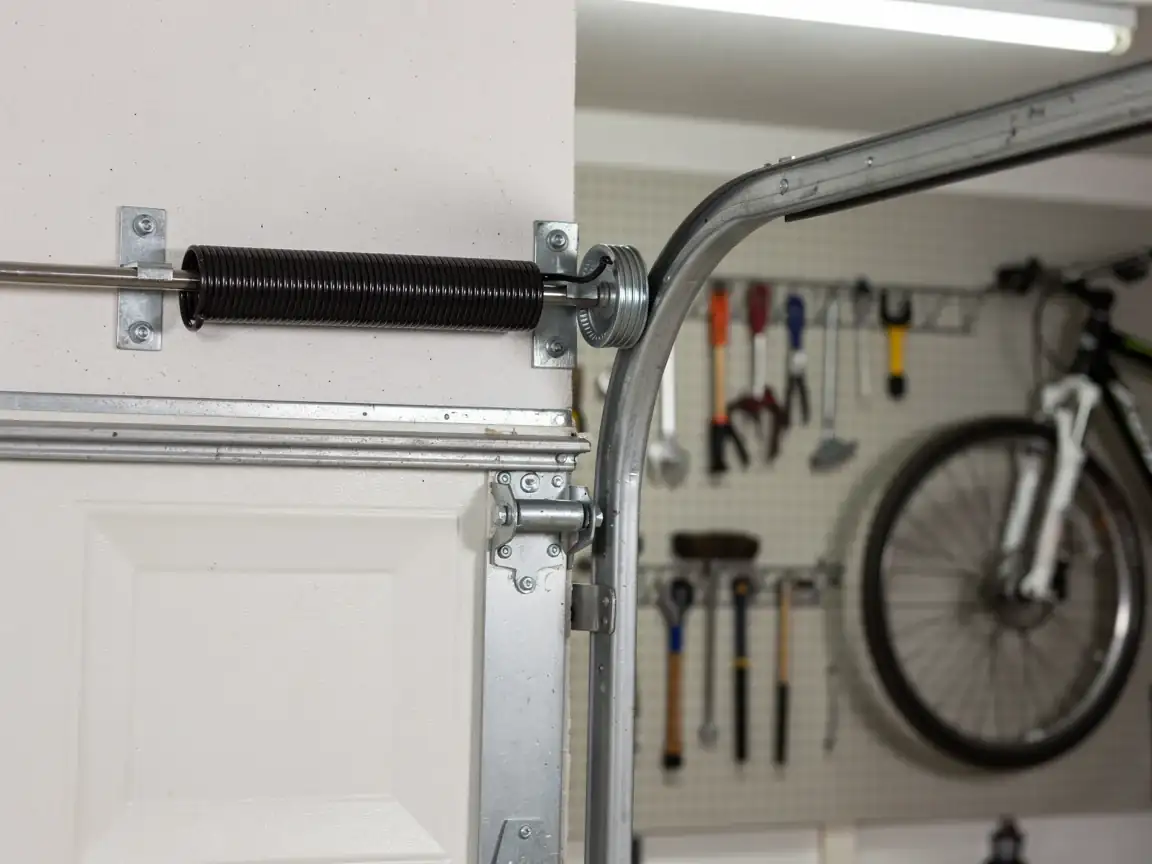
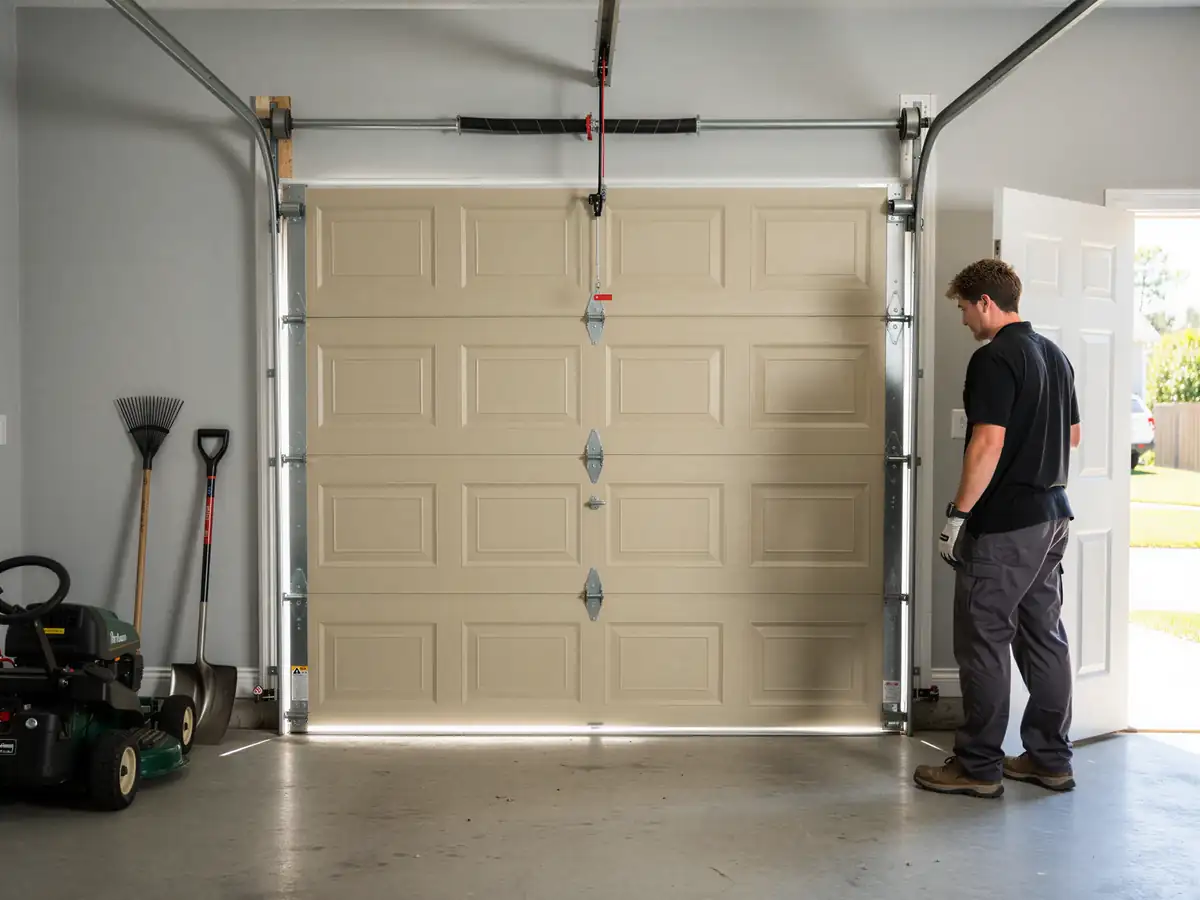
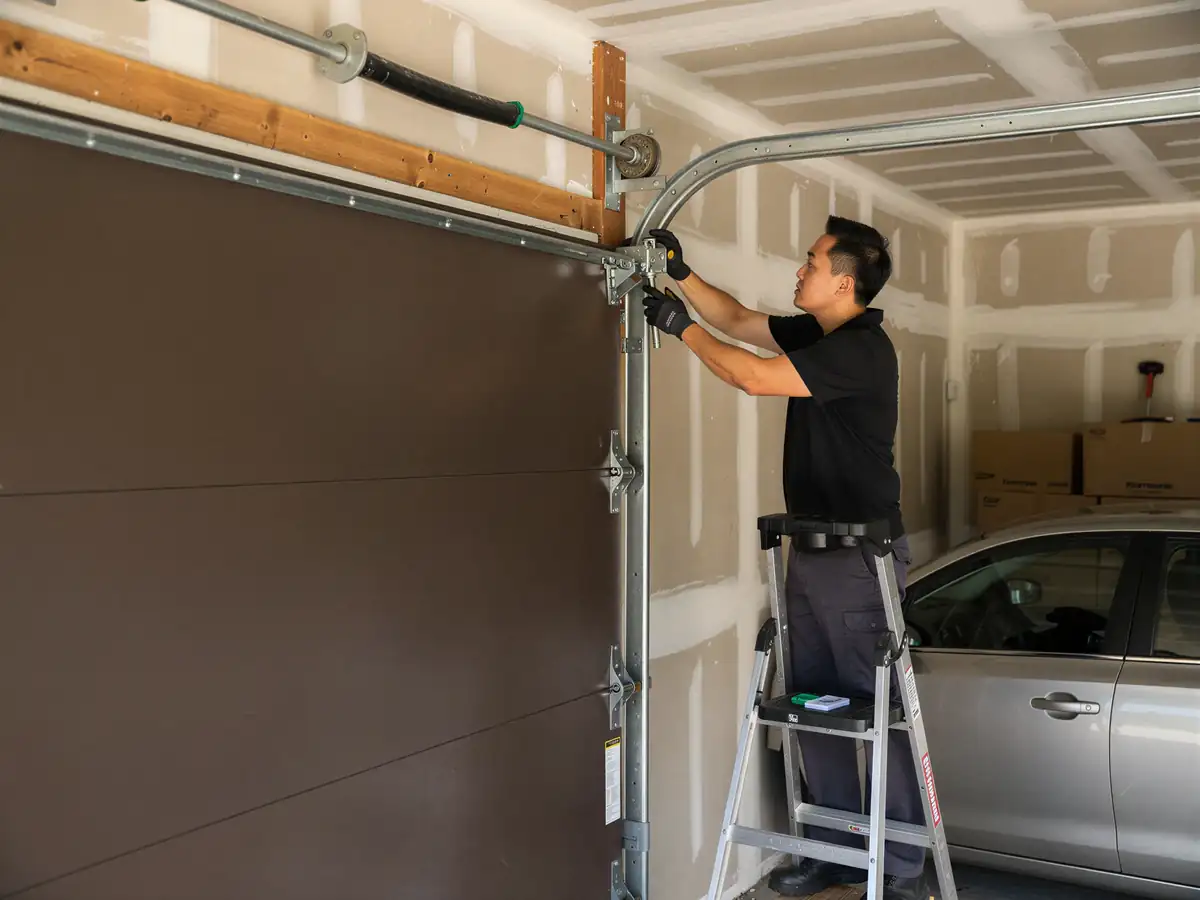
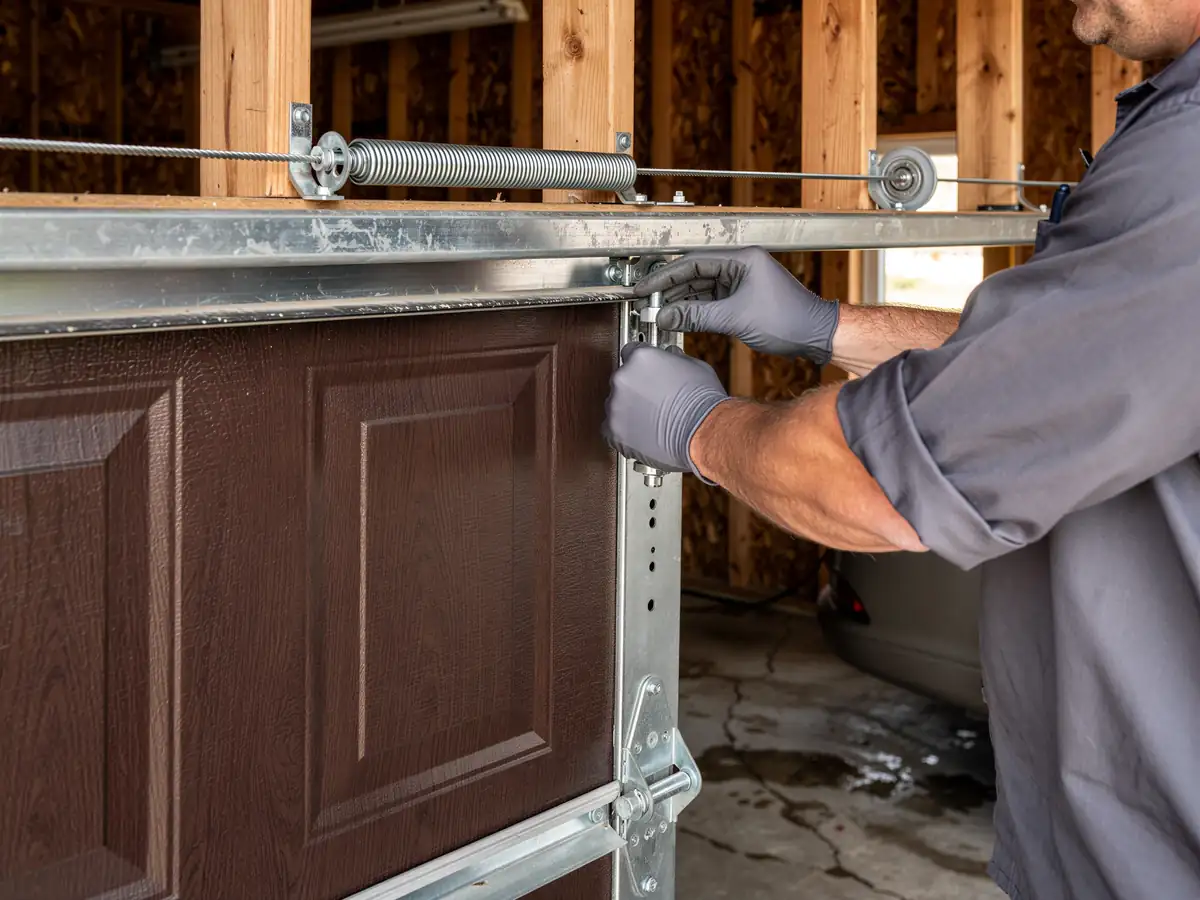
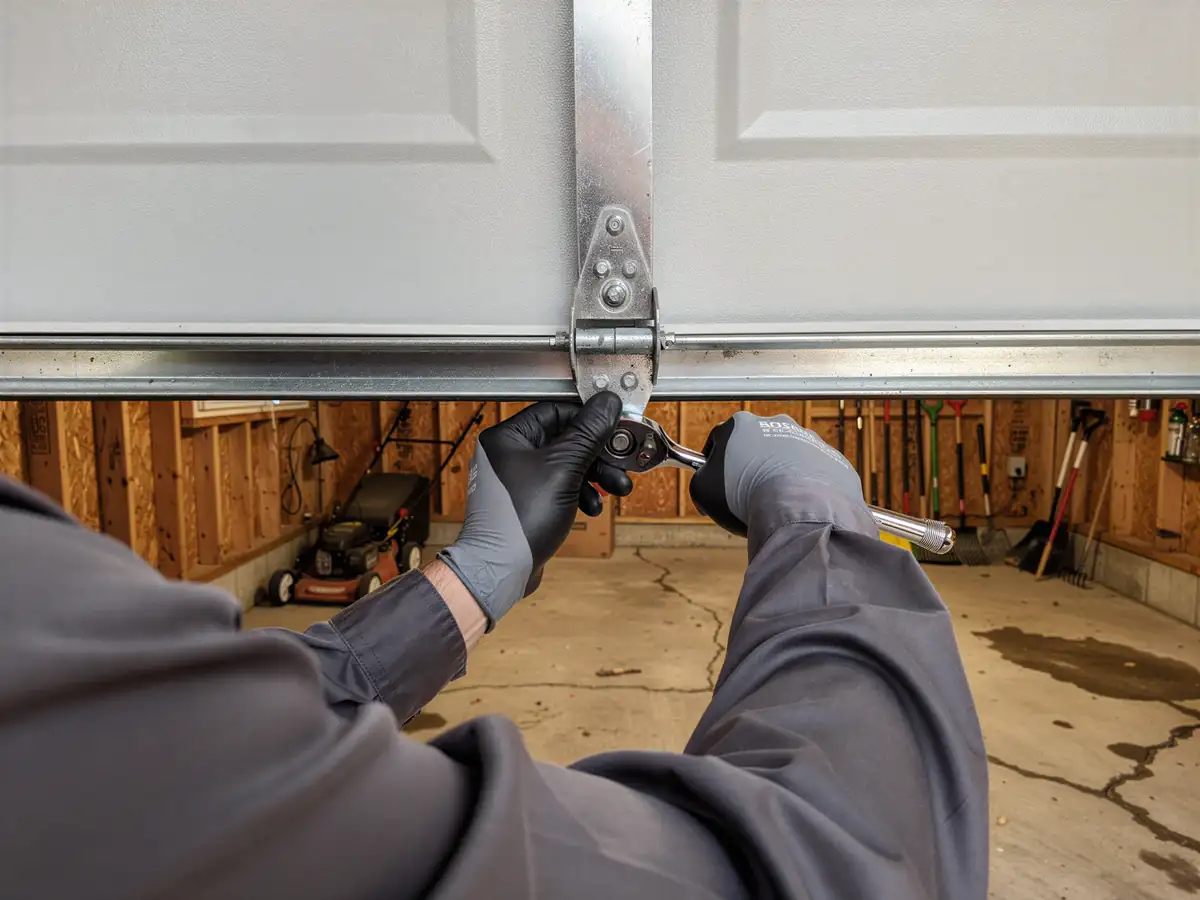
Lubricating hinges, rollers, and the torsion or extension spring coils with a silicone-based spray a couple of times a year is safe to do yourself and genuinely extends the life of hardware from the 1987 build era. Tightening loose hinge bolts and wiping down track with a damp cloth are fine too. What isn't safe to DIY: touching an extension spring under tension, or an older system without a safety cable running through the coil - a snapped spring under load can put a steel cable through drywall or worse. If your door is original to a late-1980s Gravette build and has never had a safety cable retrofitted, that's worth a call before you do anything else to it, lift chain included.