How It Shows Up
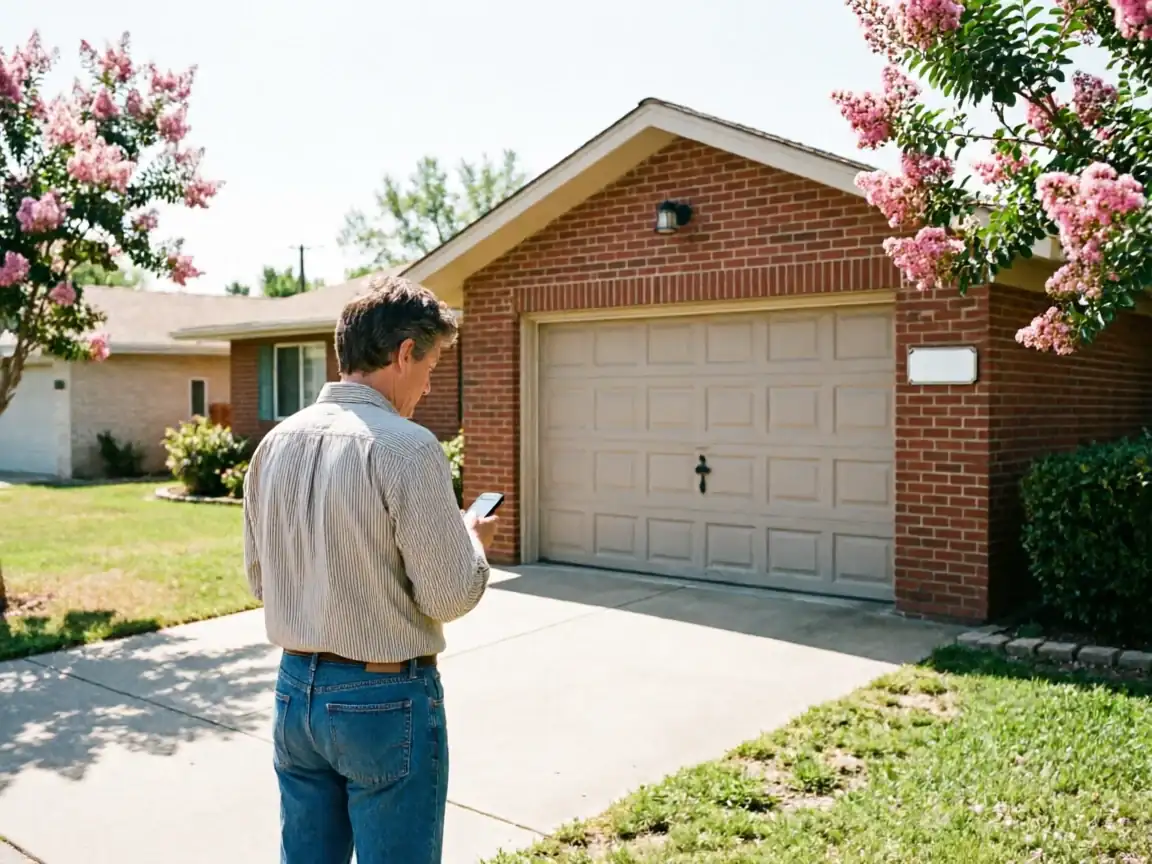
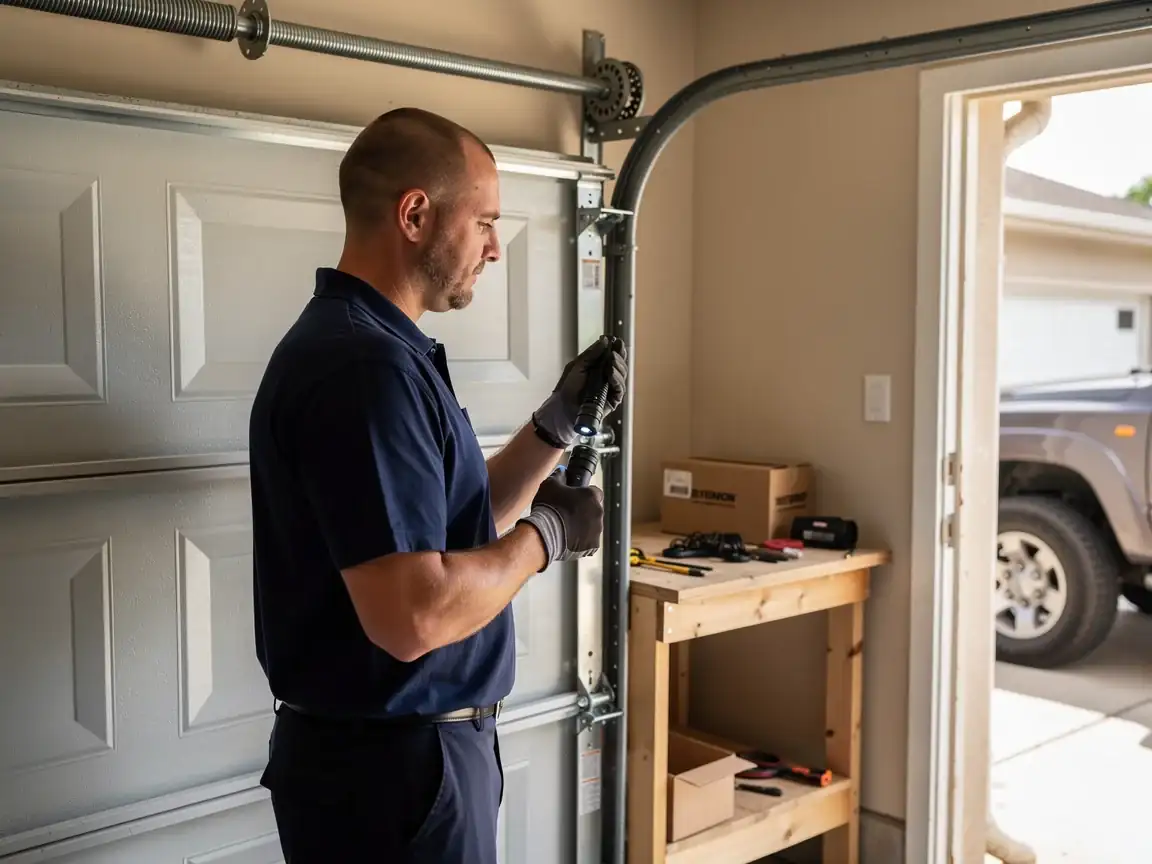
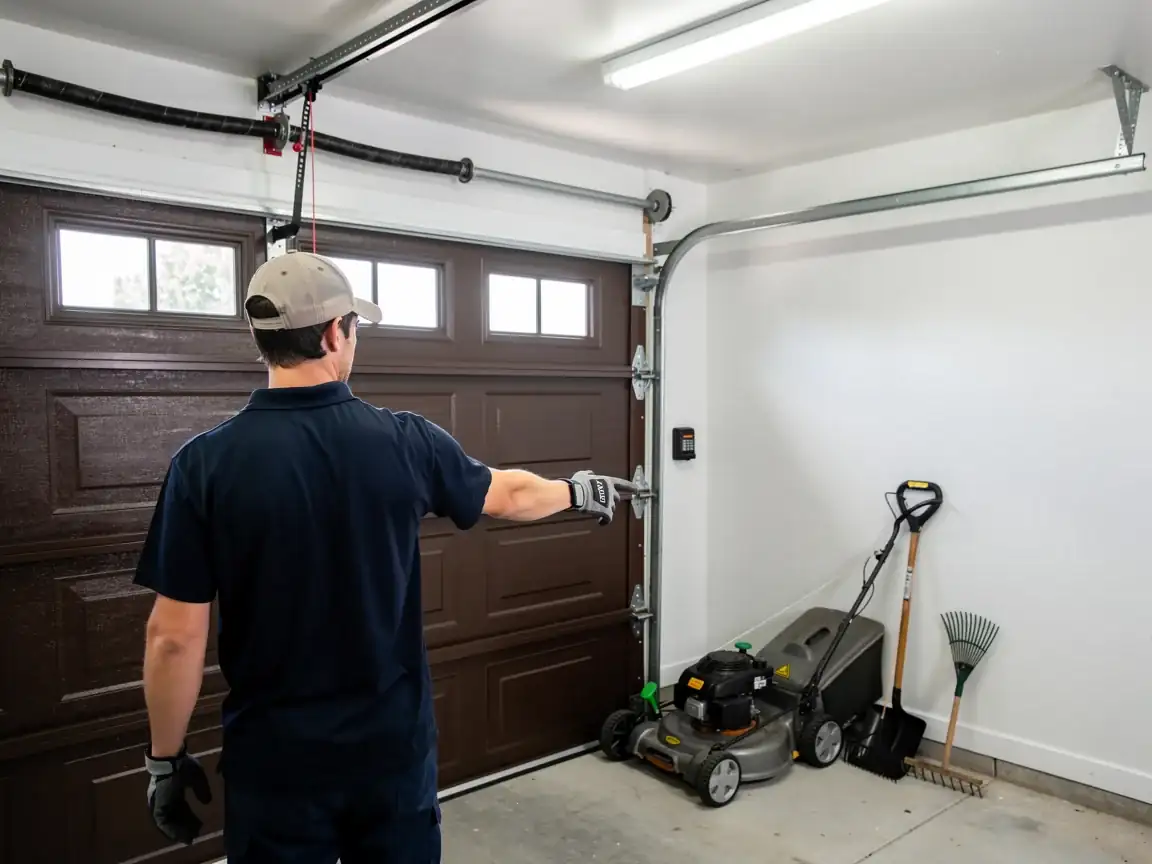
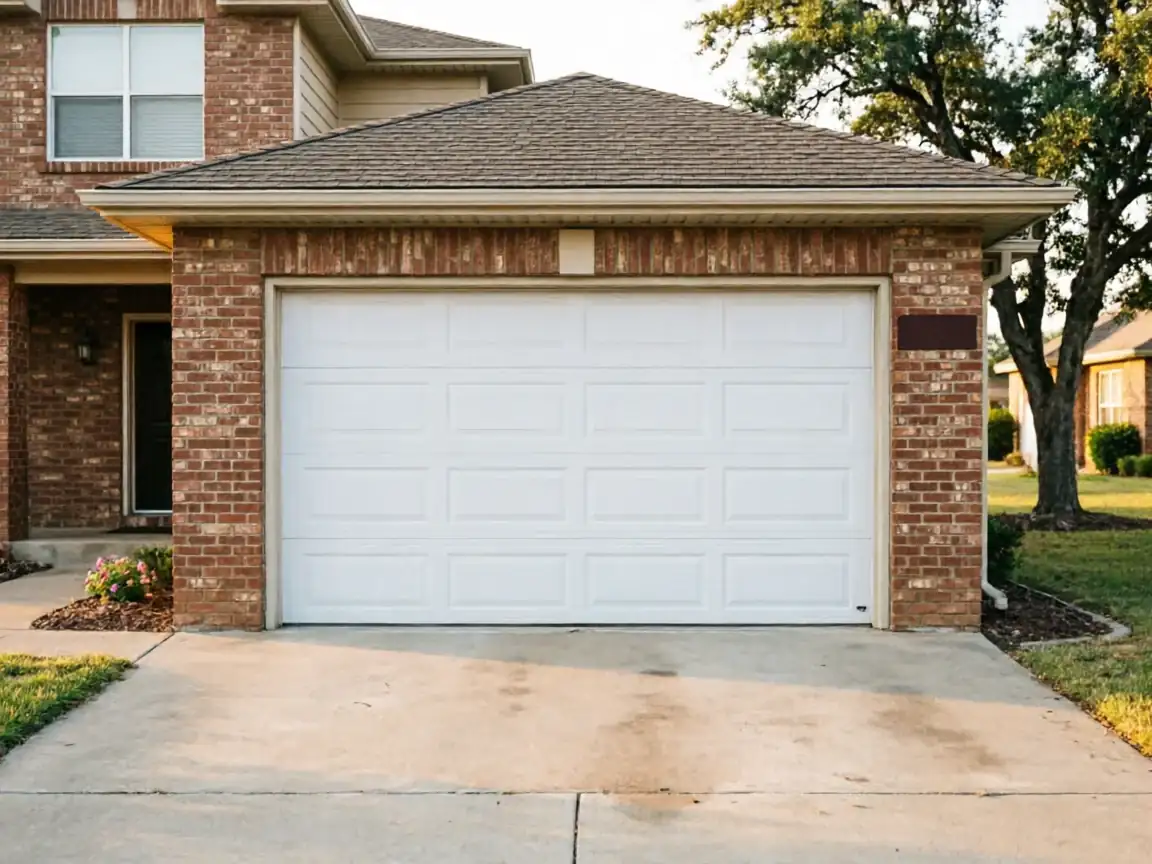
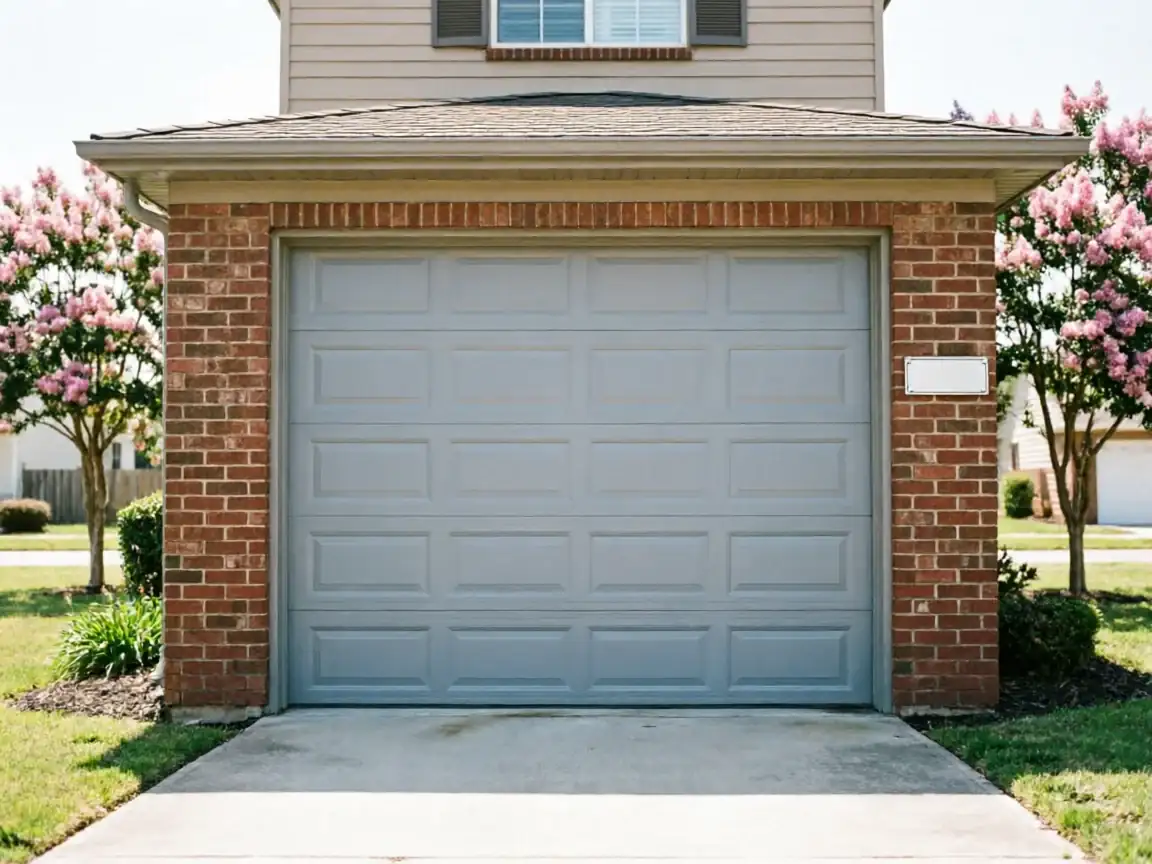
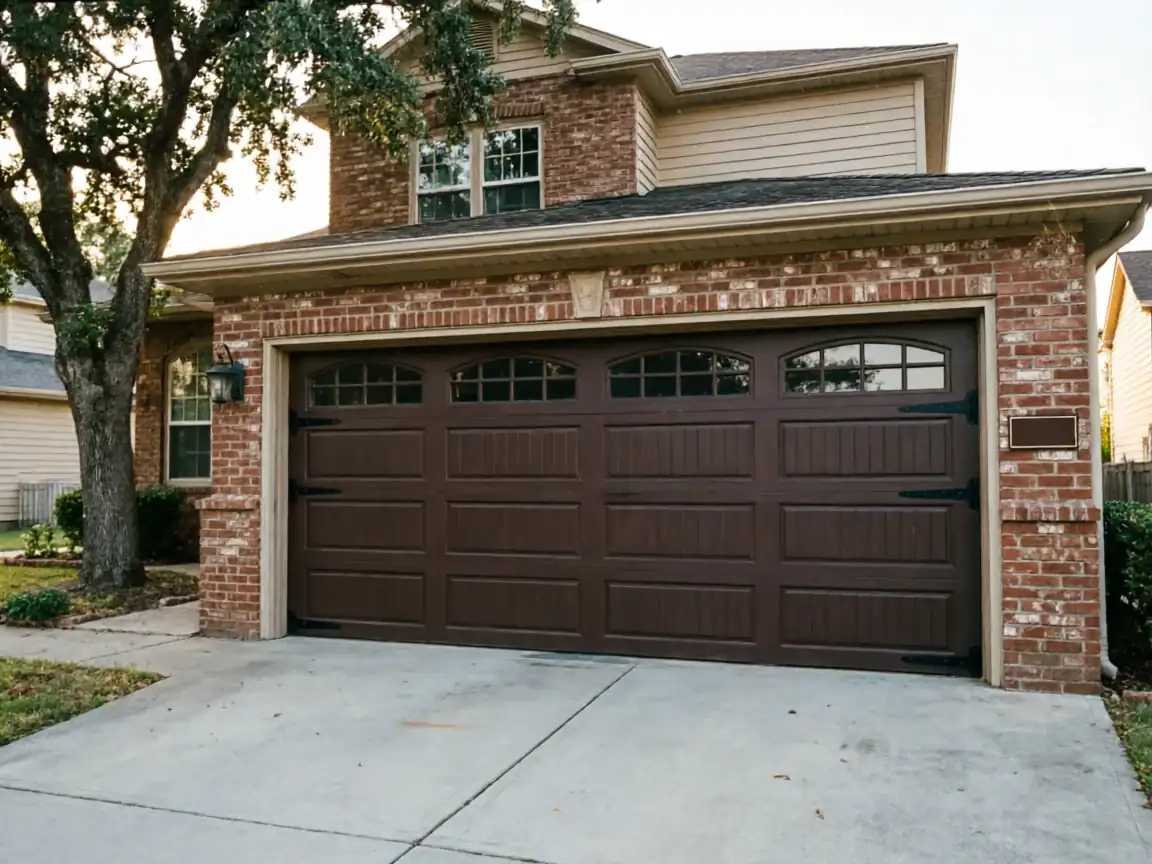
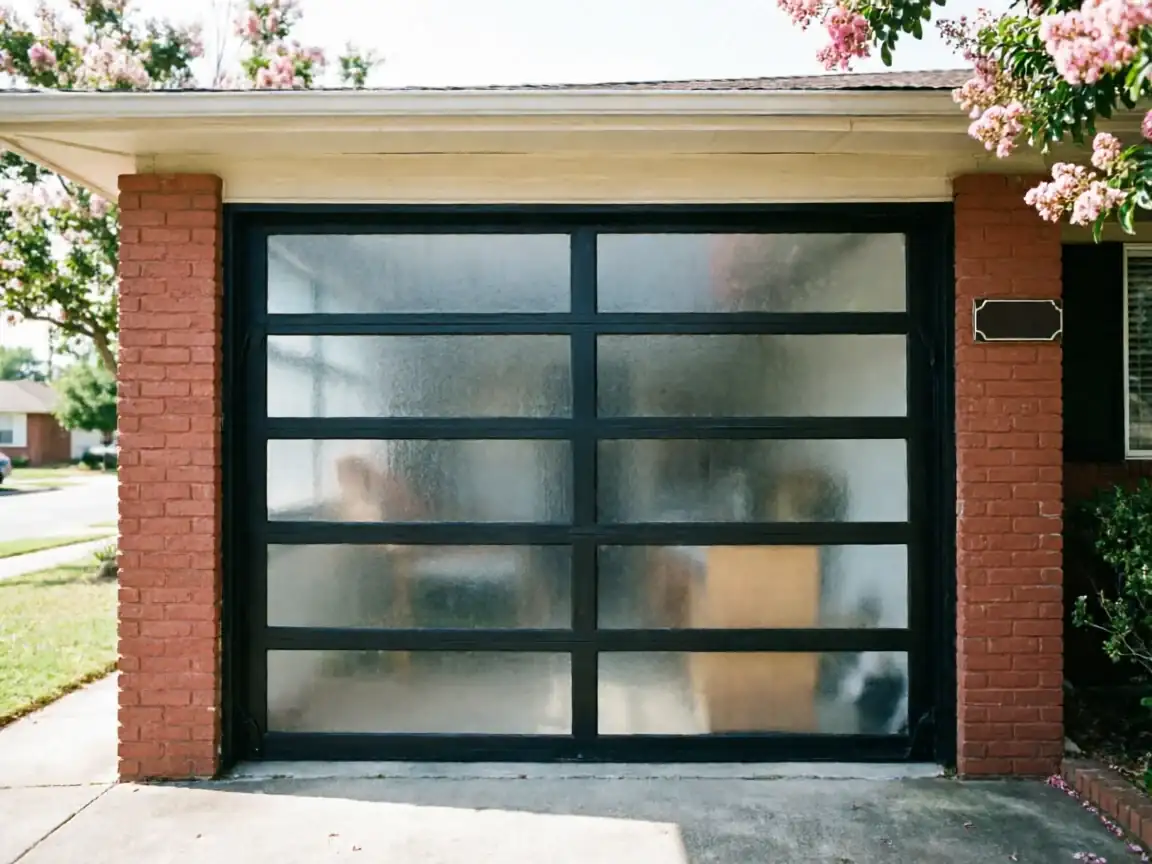
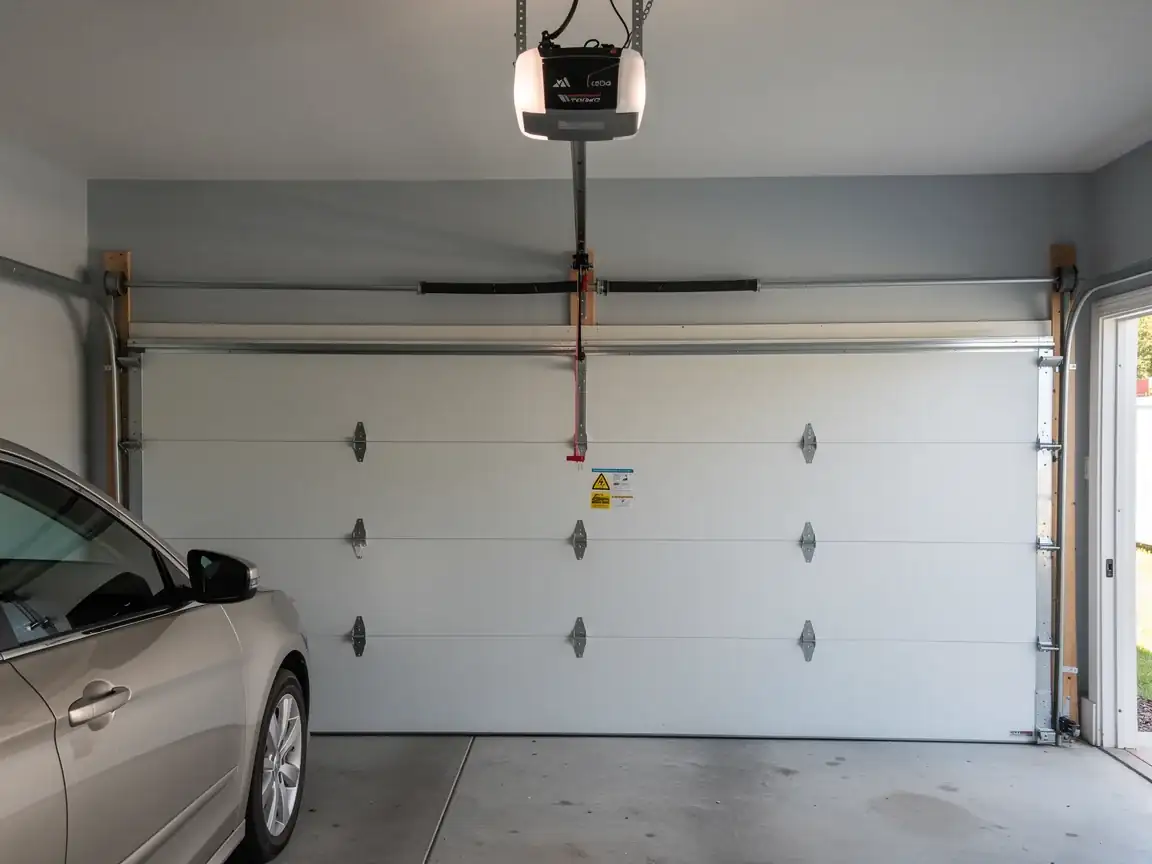
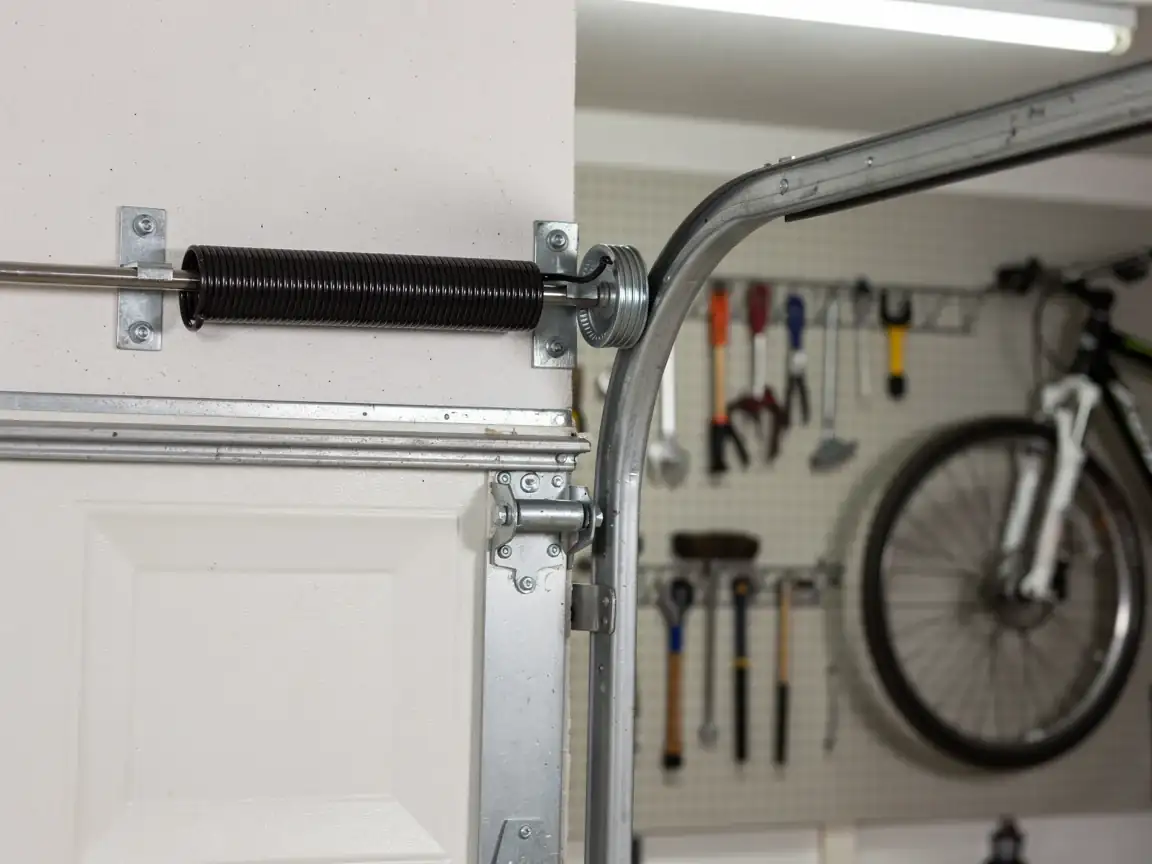
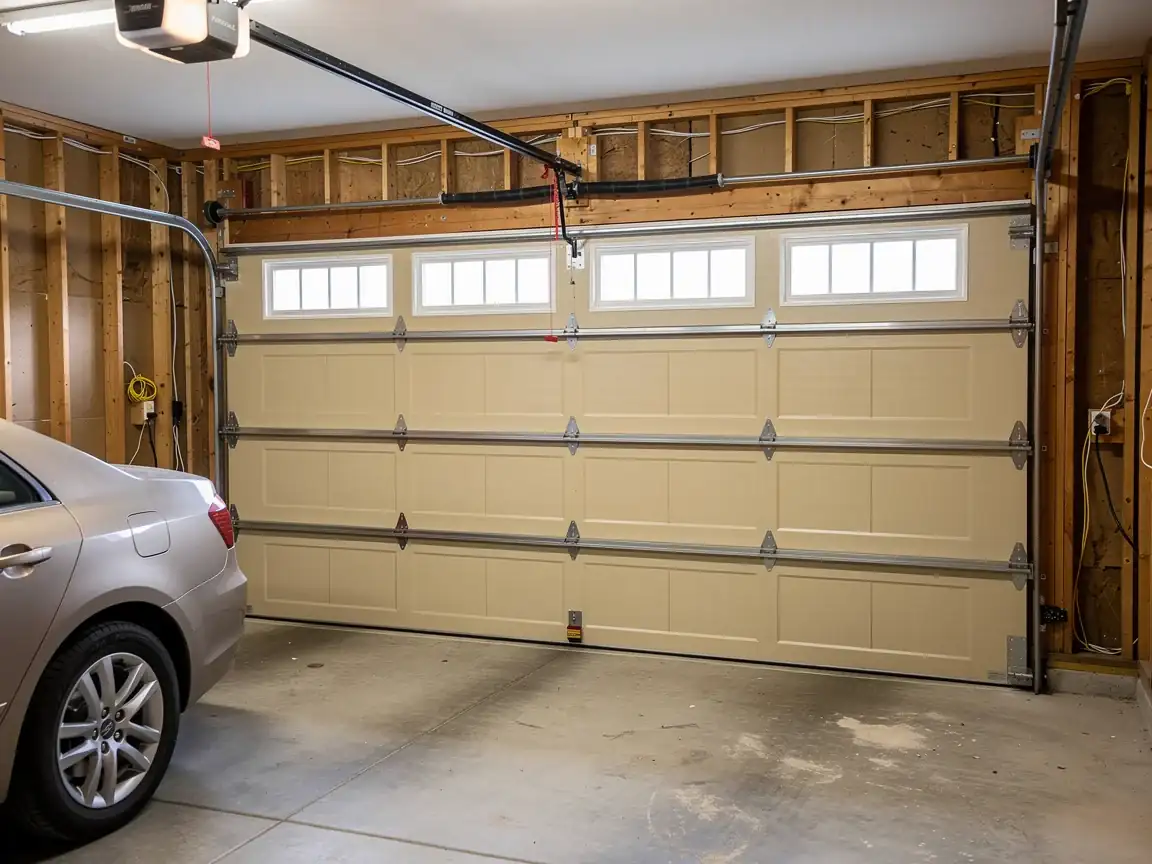
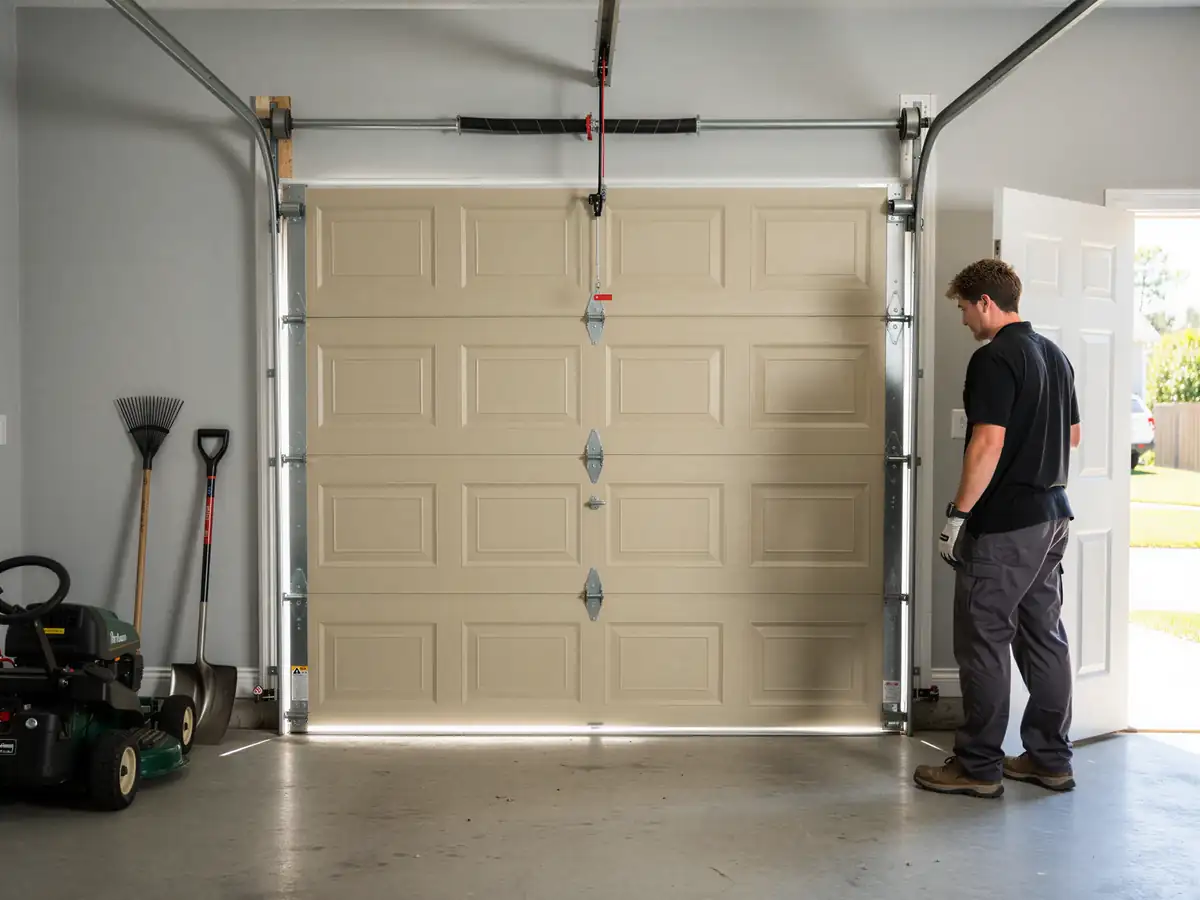
Gravette's housing stock centers on 1987, which puts a lot of doors and openers at an age where the first failure isn't cosmetic - it's structural. Torsion springs rated for a certain cycle count start losing tension around three decades of regular use, and in a 1987-built garage that cycle count has usually run out. You'll notice it as a door that hesitates a few inches off the floor, an opener that strains and reverses, or a spring that's visibly stretched with a gap between coils. Rollers from that era are often the older steel-wheel type, which means more noise and more vibration transferred into the frame, not just the track. None of that is unique to one house - it's what the whole build year does at the same time, which is why maintenance calls from Gravette cluster around the same handful of failures rather than being random.
Why This Fails Locally
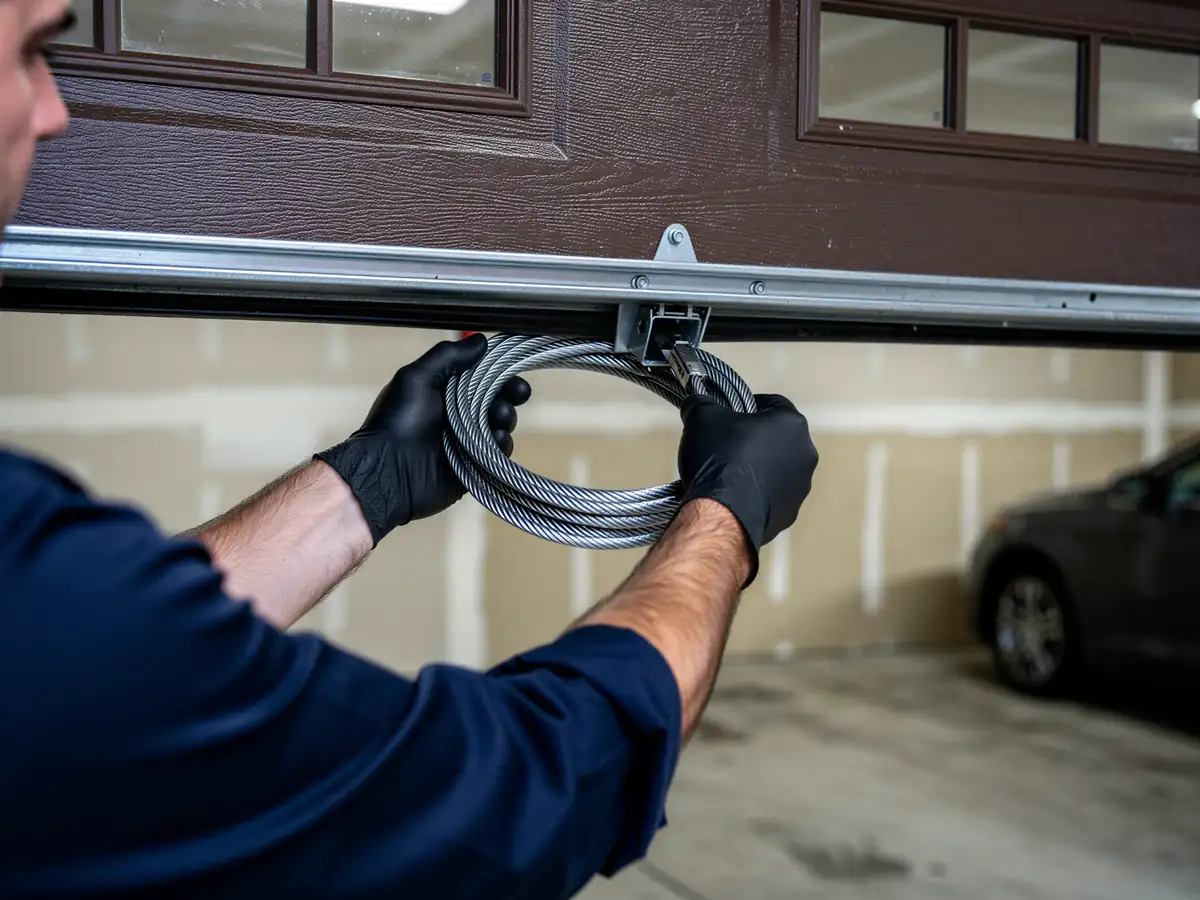
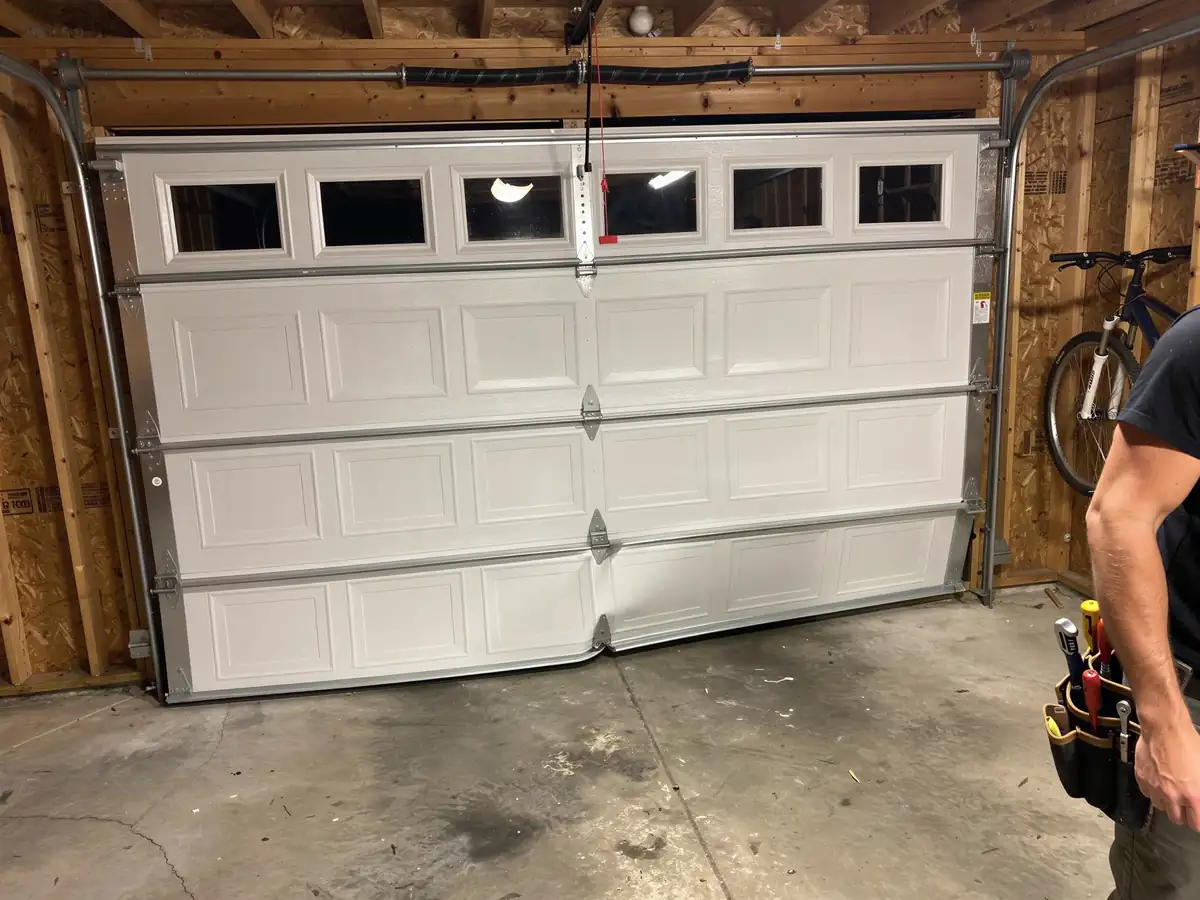
Put the income number and the build year together and you get a specific local pattern: a spring or roller that starts failing slowly, and an owner who waits because a full repair call competes with other bills. On a lower median income than the rest of the area, deferred maintenance is the rational short-term choice - until the spring snaps fully, the cable comes off the drum, or the door drops hard enough to bend a track. At that point the $65,014 median household is paying for an emergency repair instead of a scheduled one, which costs more. Add the cold winters this area gets - steel springs lose flexibility and are more likely to snap on a cold morning than a warm afternoon - and the failure timing in Gravette tends to bunch up at the start of winter rather than spreading evenly through the year.
Doing It Yourself
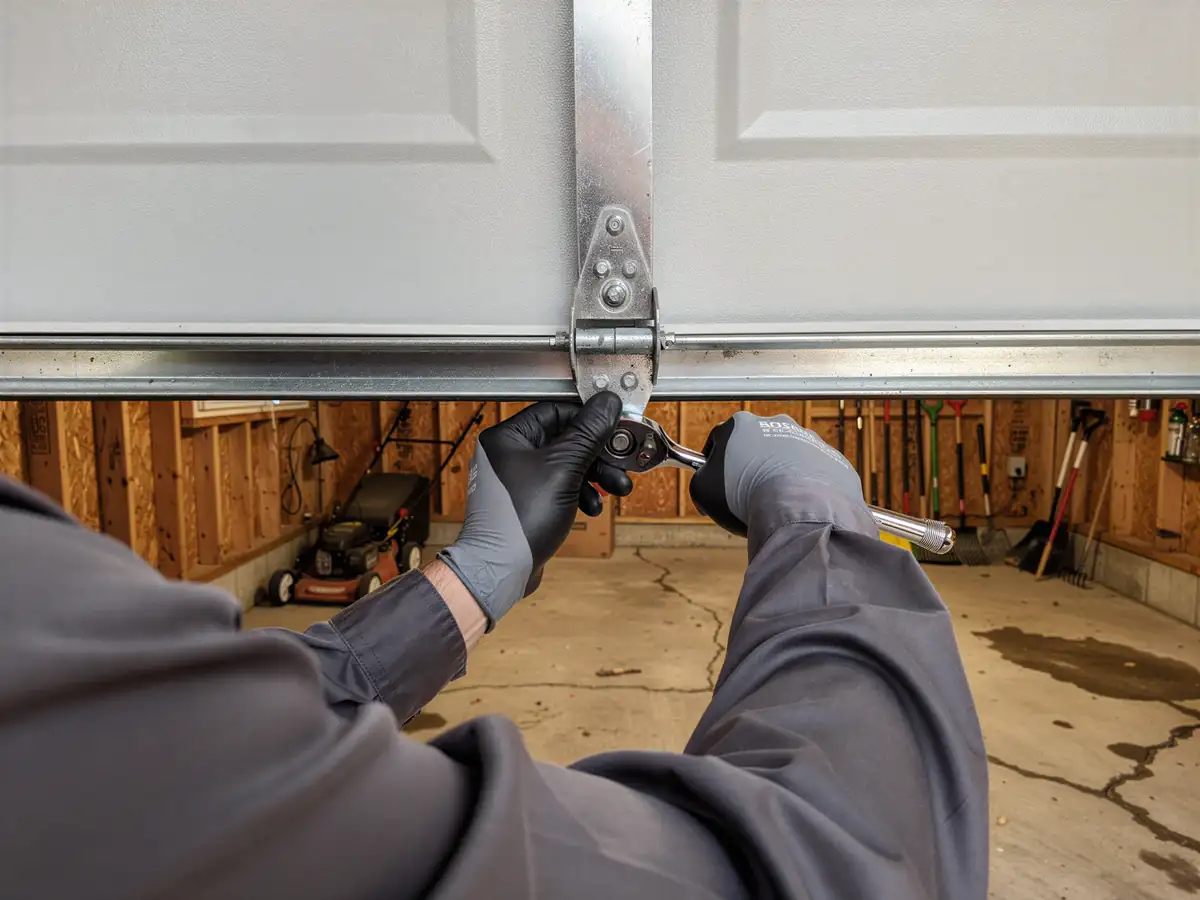
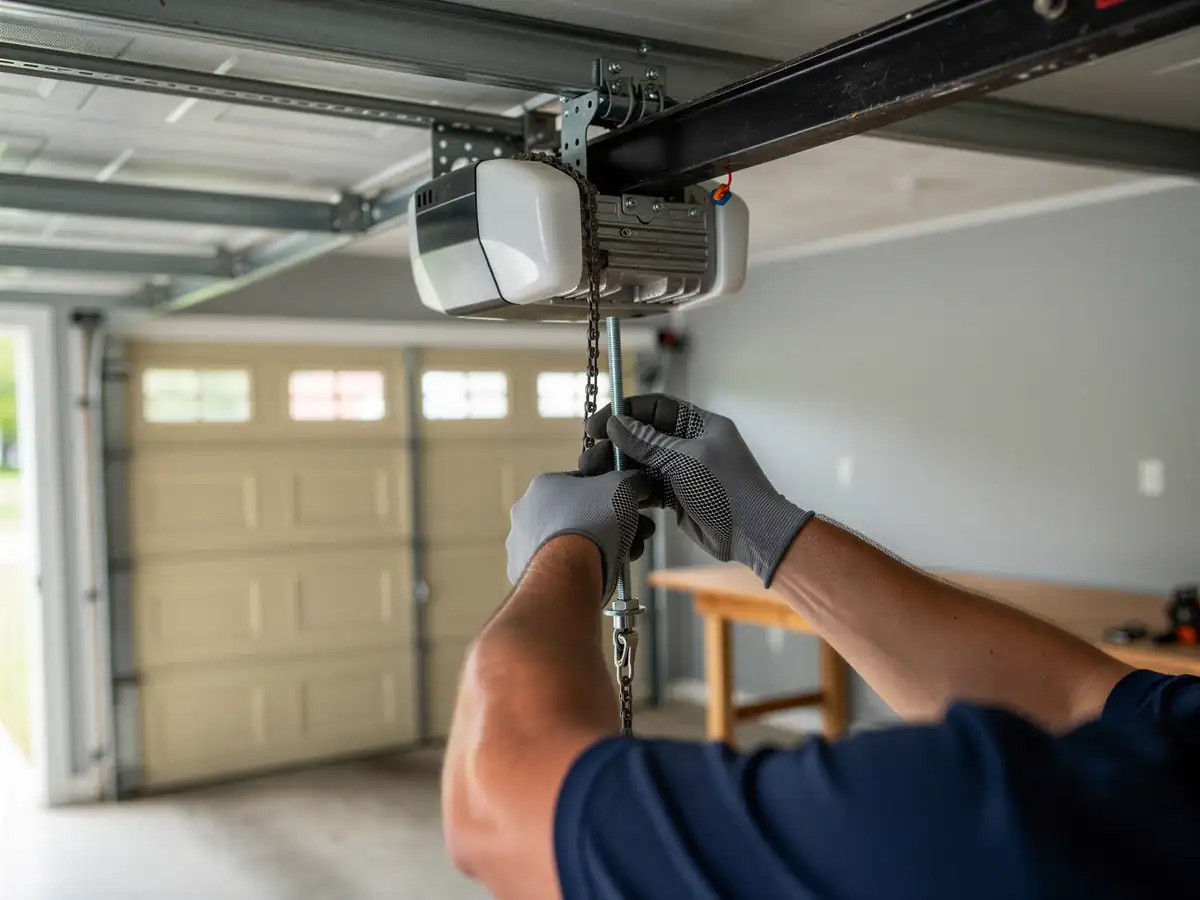
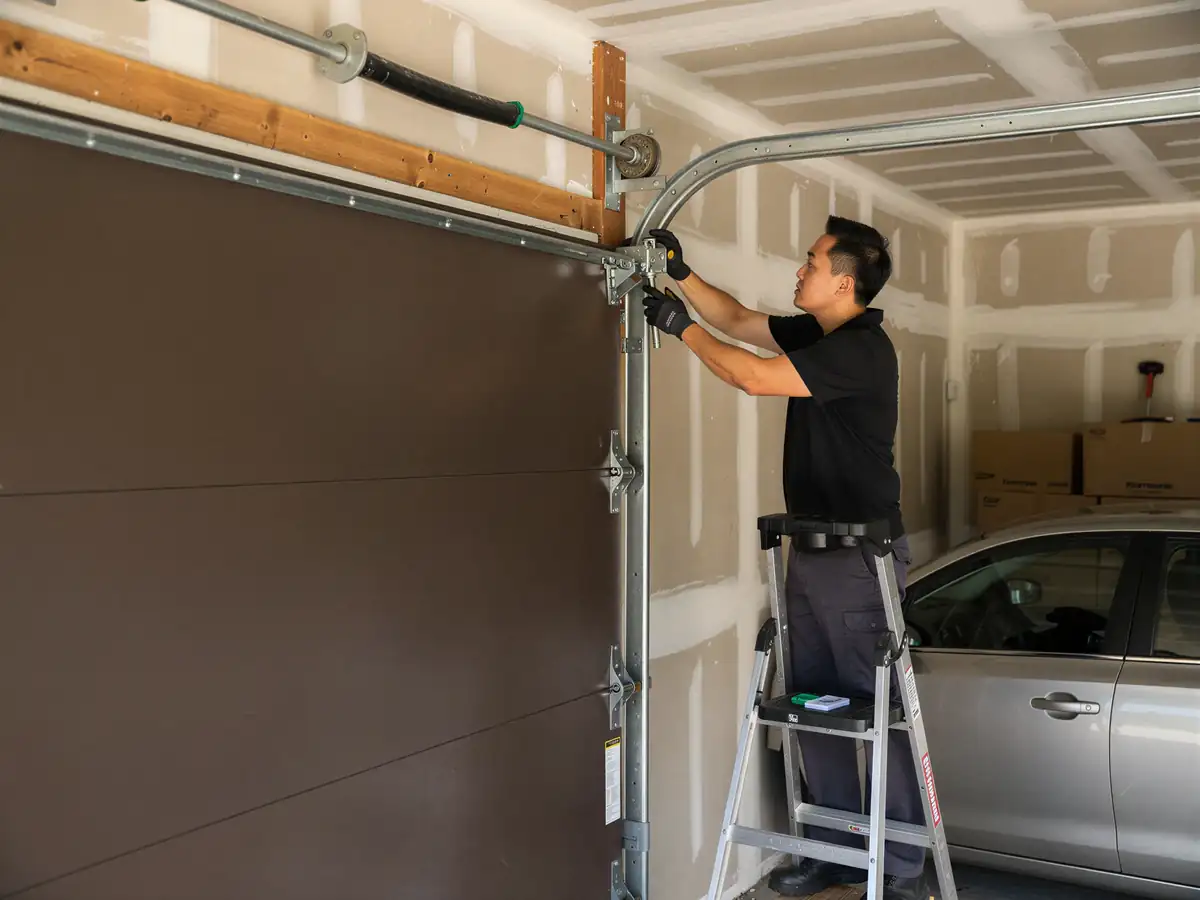
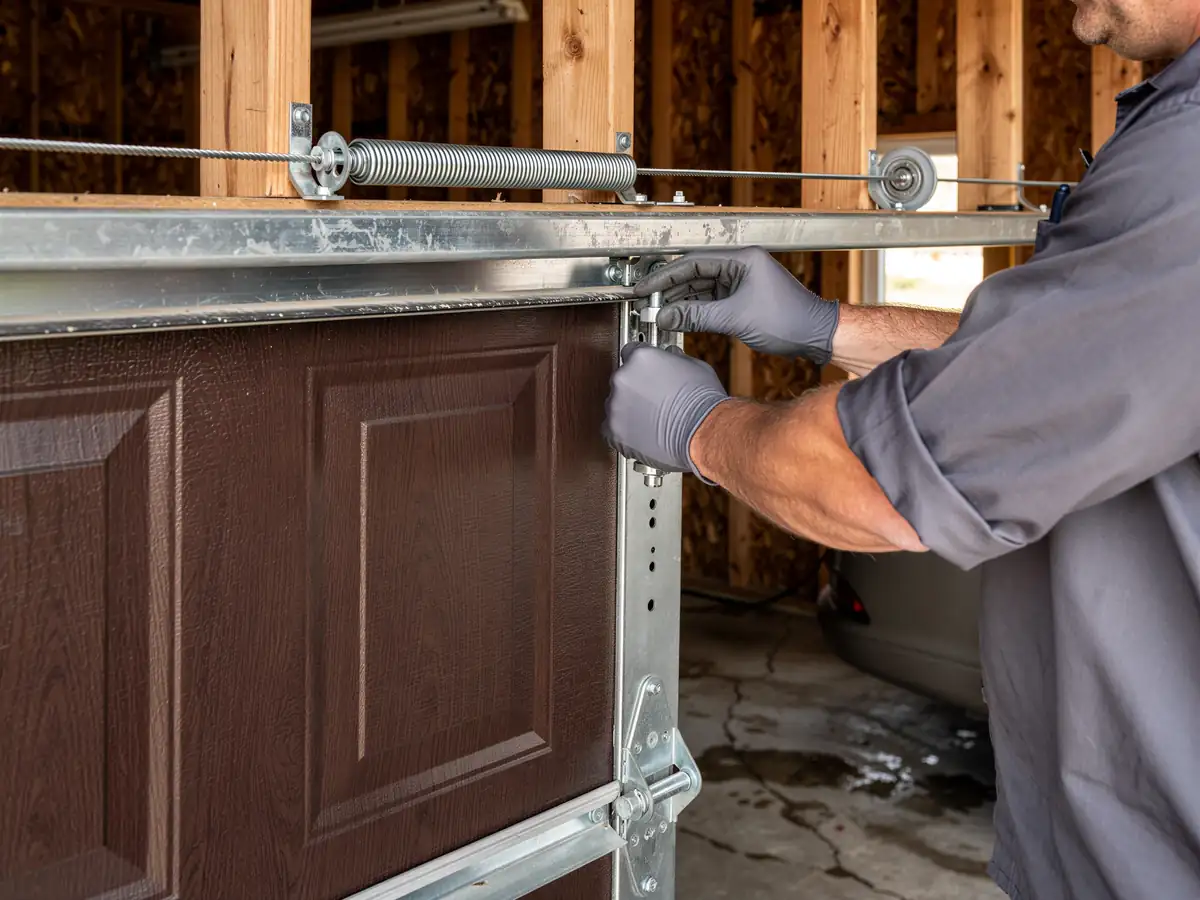
There's real maintenance a homeowner can do without a truck coming out: wipe down and lightly lubricate the rollers and hinges twice a year, check that the bottom seal isn't cracked and letting in cold air, and listen for new grinding or scraping that wasn't there before. What you shouldn't touch is the torsion spring itself - it's wound under enough tension to cause a serious injury if it lets go while you're working on it, and on a door this age the spring is often closer to failure than it looks. If your opener is straining on a door that's otherwise sound, that's usually a sign the spring tension is off, not that the opener is weak - and that's a call for someone who does this, not a DIY adjustment.