How It Shows Up
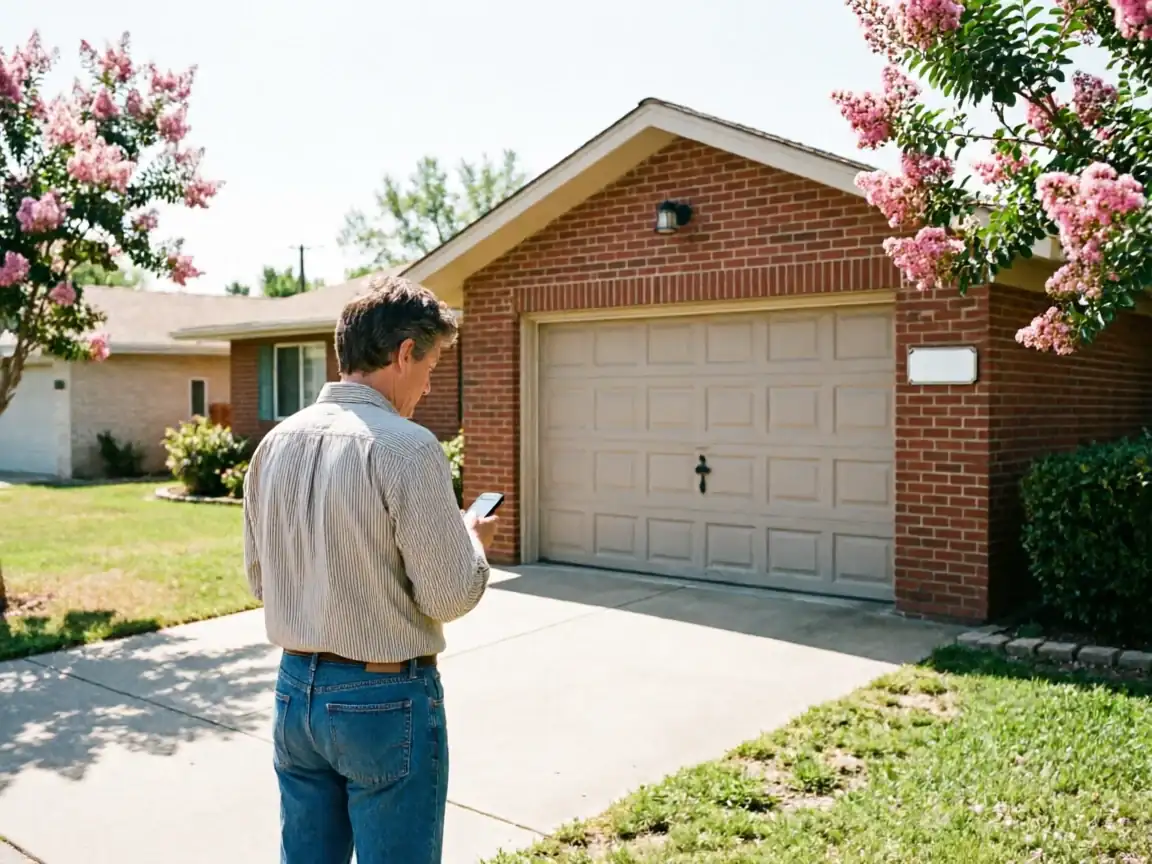
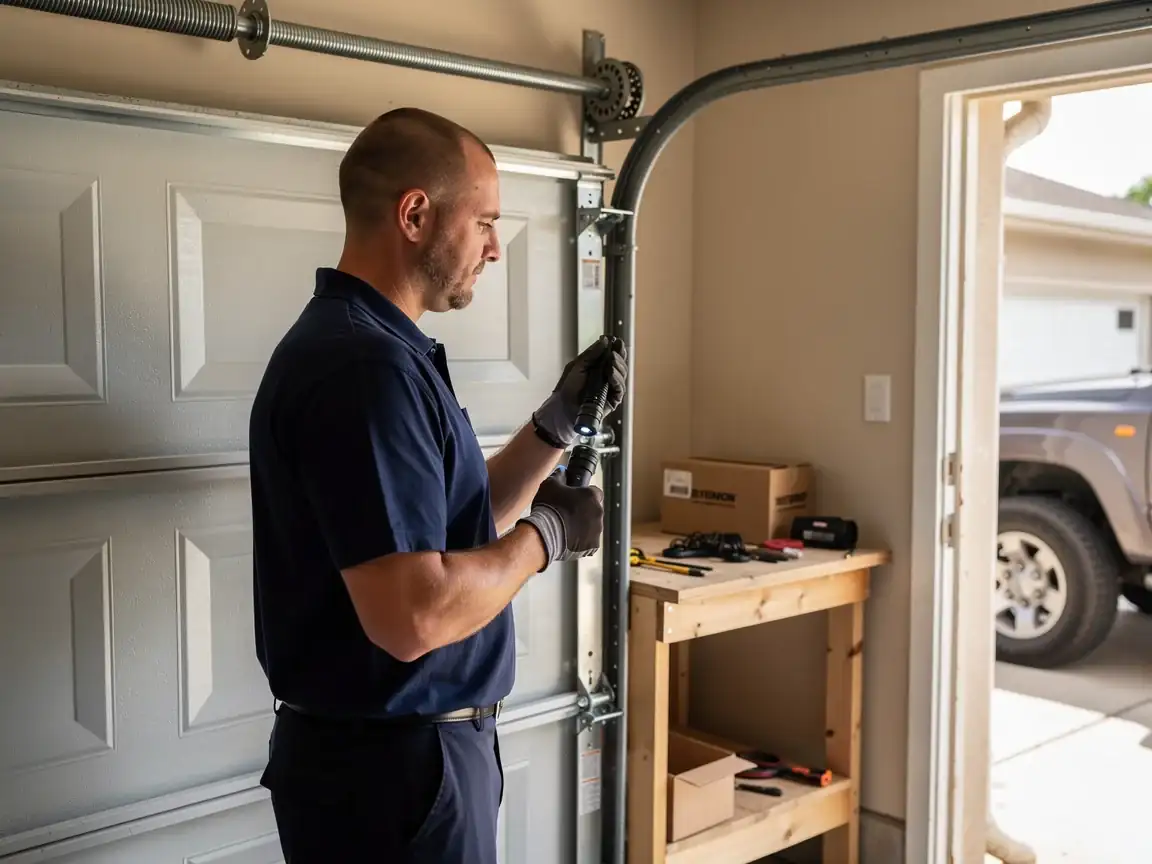
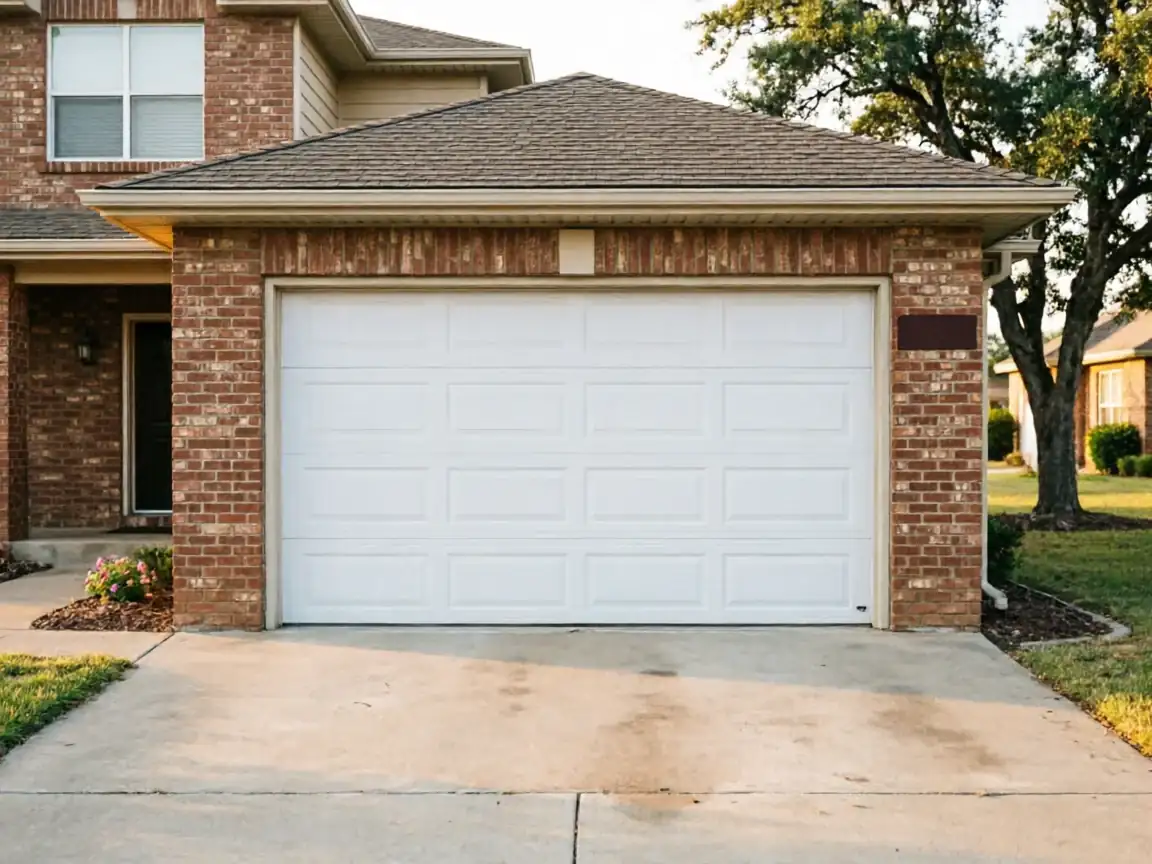
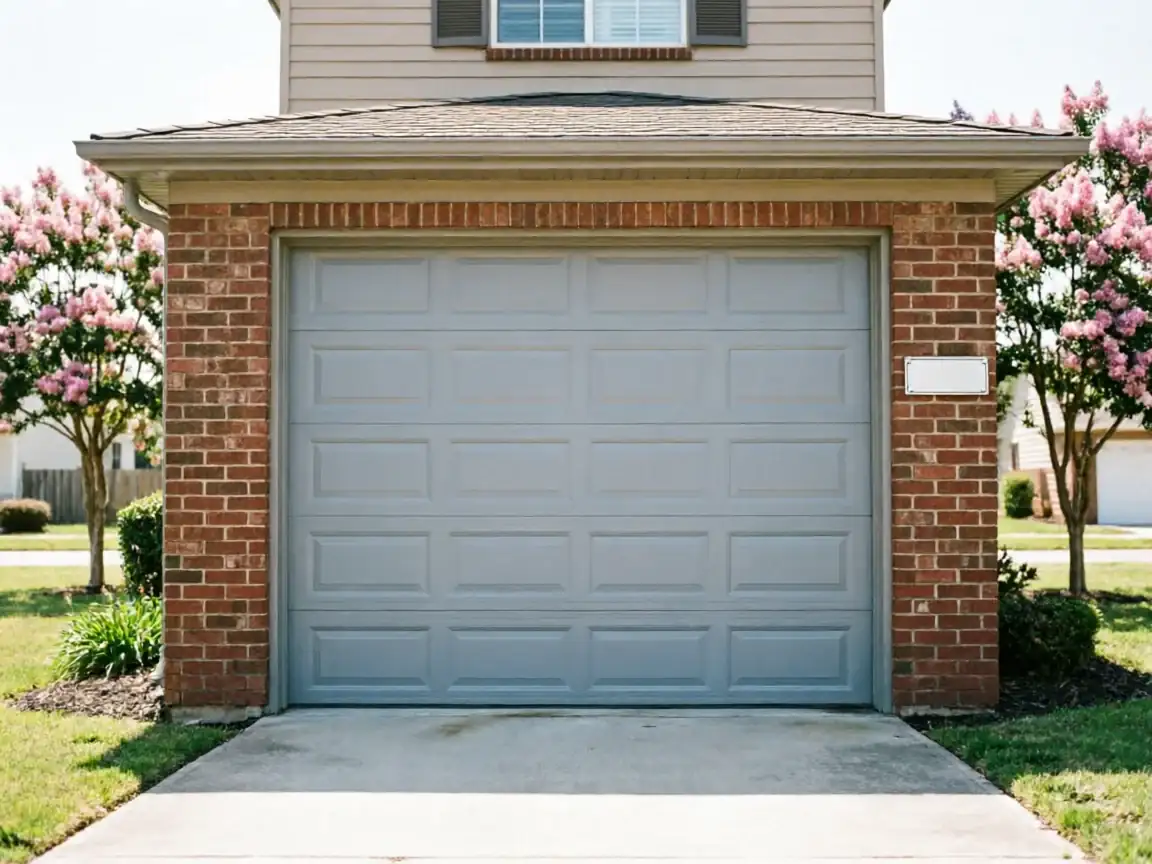
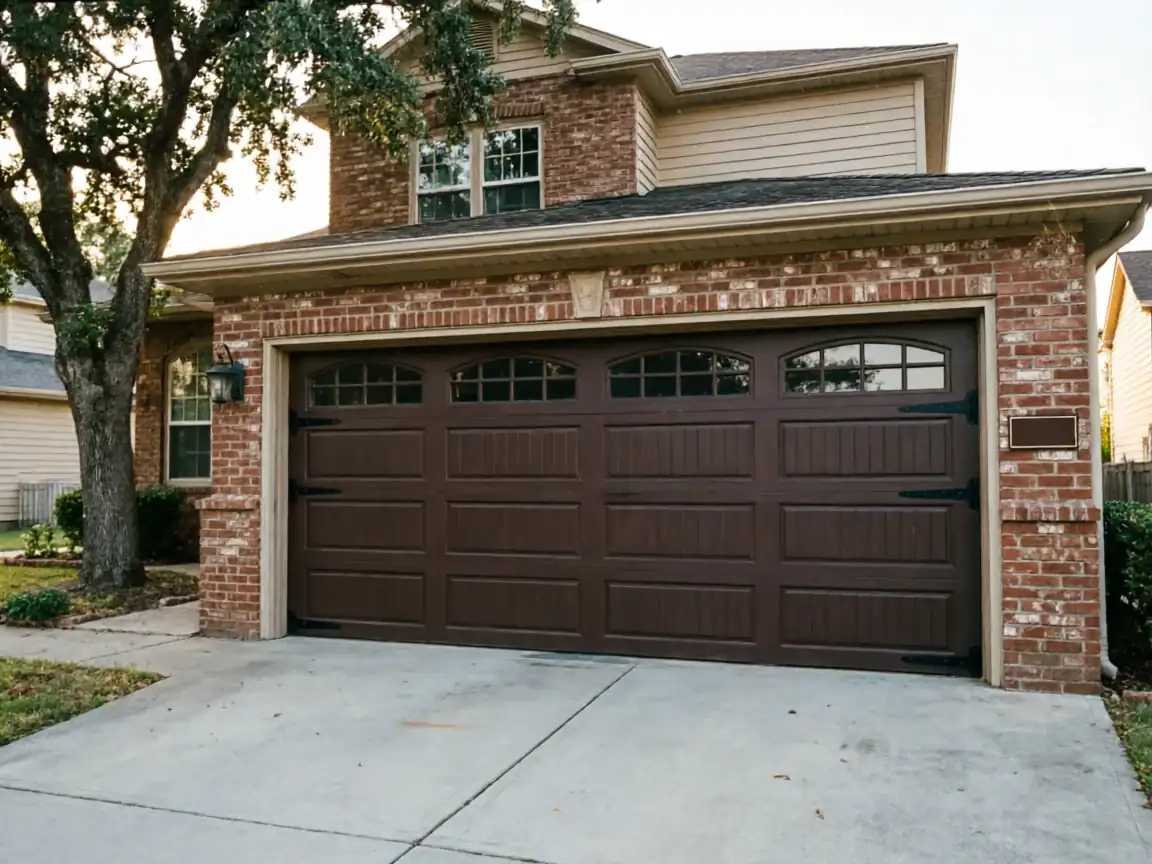
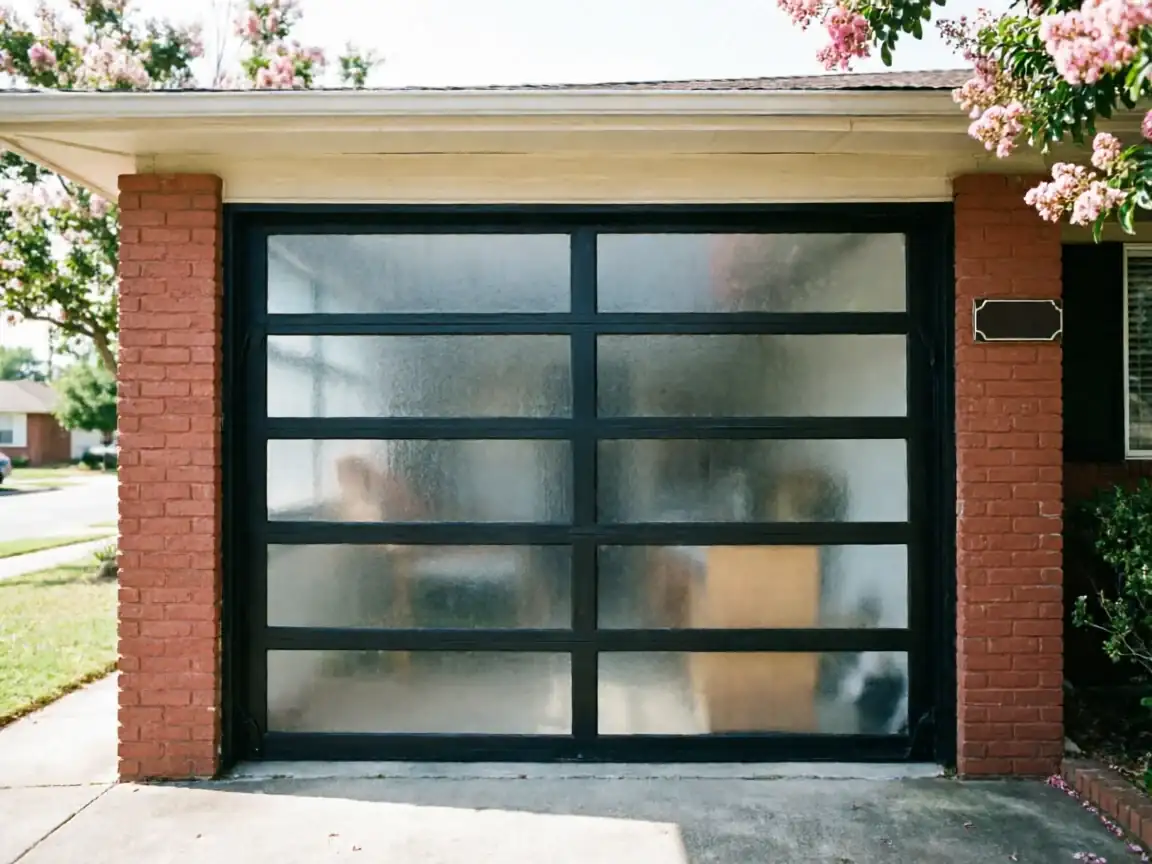
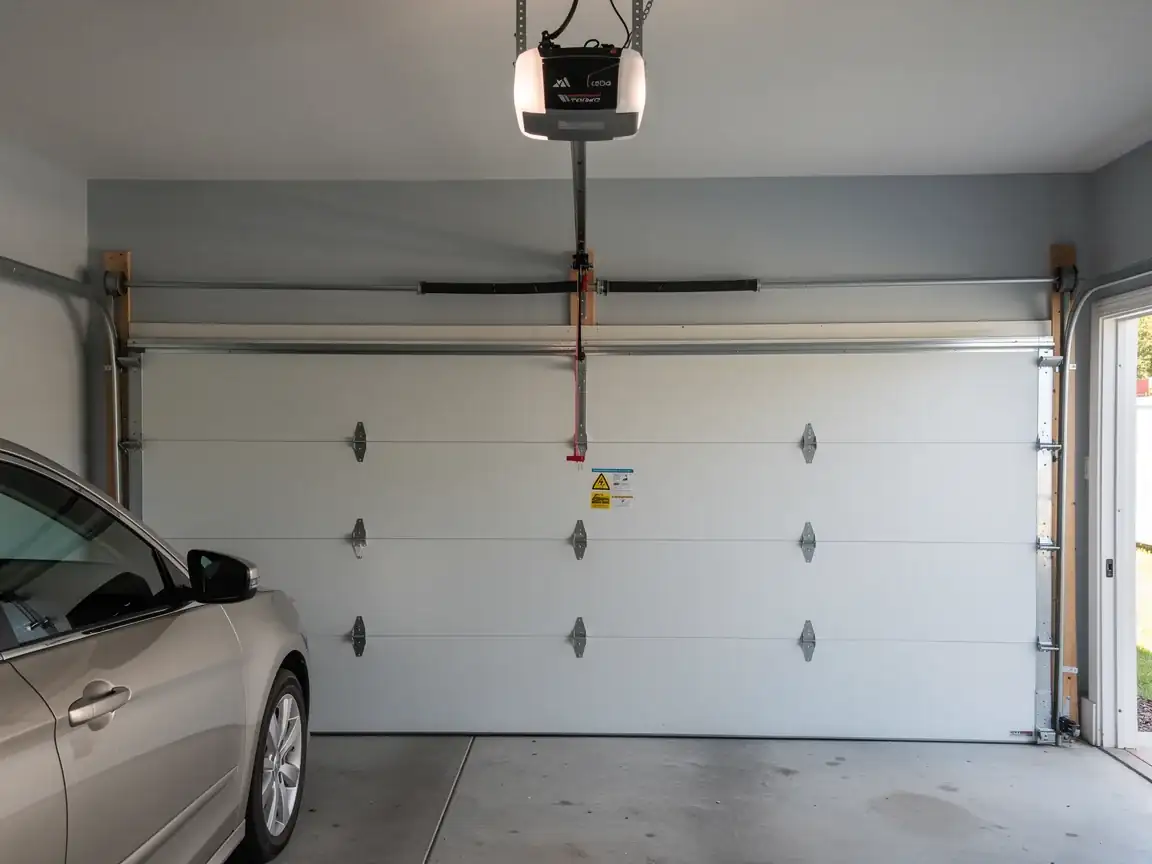
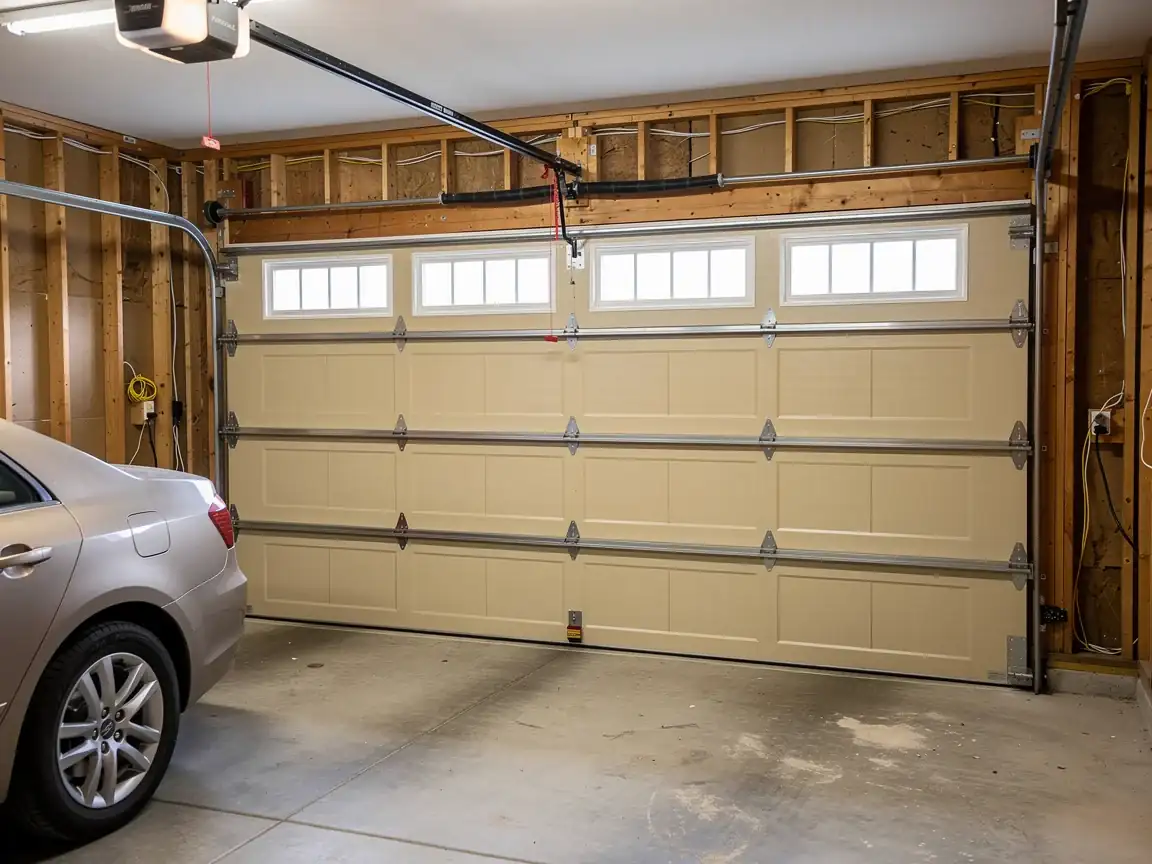
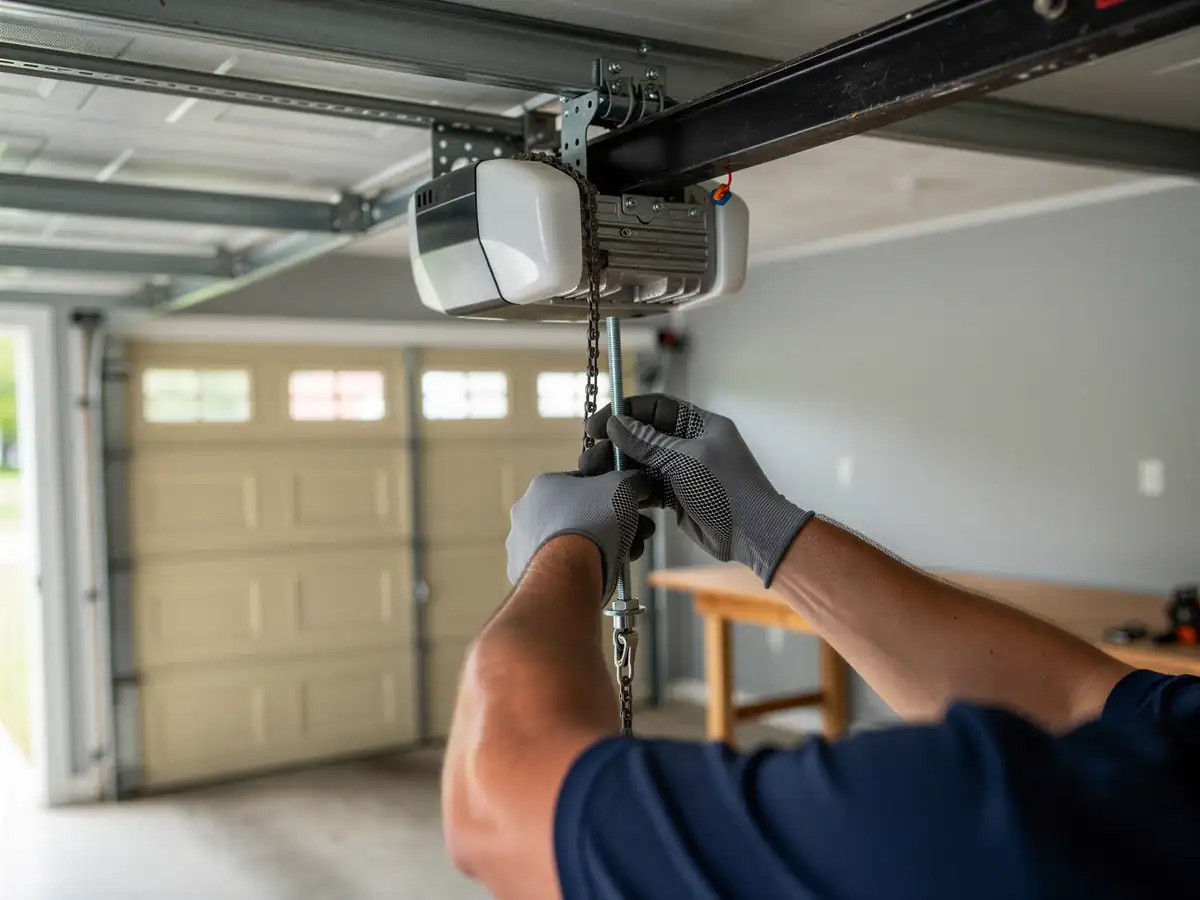
In houses from this build period, the opener fault usually starts the same way: the light blinks, the motor hums, and the door doesn't move, or it moves a few inches and reverses. That's a worn drive gear or a board losing its logic, not the spring and not the track. On original units from 1987-era construction, we also see photo-eye sensors that were bolted on after the fact - federal rule changes came mid-stream for openers that age, so some of these houses got the safety sensors retrofitted rather than built in, and the wiring on those retrofits is the first thing to fail when it corrodes at the base.
Why This Fails Locally
F3 puts this area in a cold-moderate climate band, and that matters more for openers in 1980s and 90s housing than it does for newer builds, because the gear and board materials from that generation weren't rated for the temperature swings we get now. Cold mornings make the nylon drive gear brittle; it's already thirty-plus years old in a lot of these units, and a brittle gear under torque strips instead of flexing. Add in that median household income on this side runs lower than the service area average - $65,014 against $86,541 per F7 - and we see more owners trying to nurse an opener through one more winter instead of replacing it outright. That's a reasonable call sometimes. It's the wrong call once the board itself is failing, because a dying board can run the motor erratically and put more wear on the opener and the door both.
Doing It Yourself
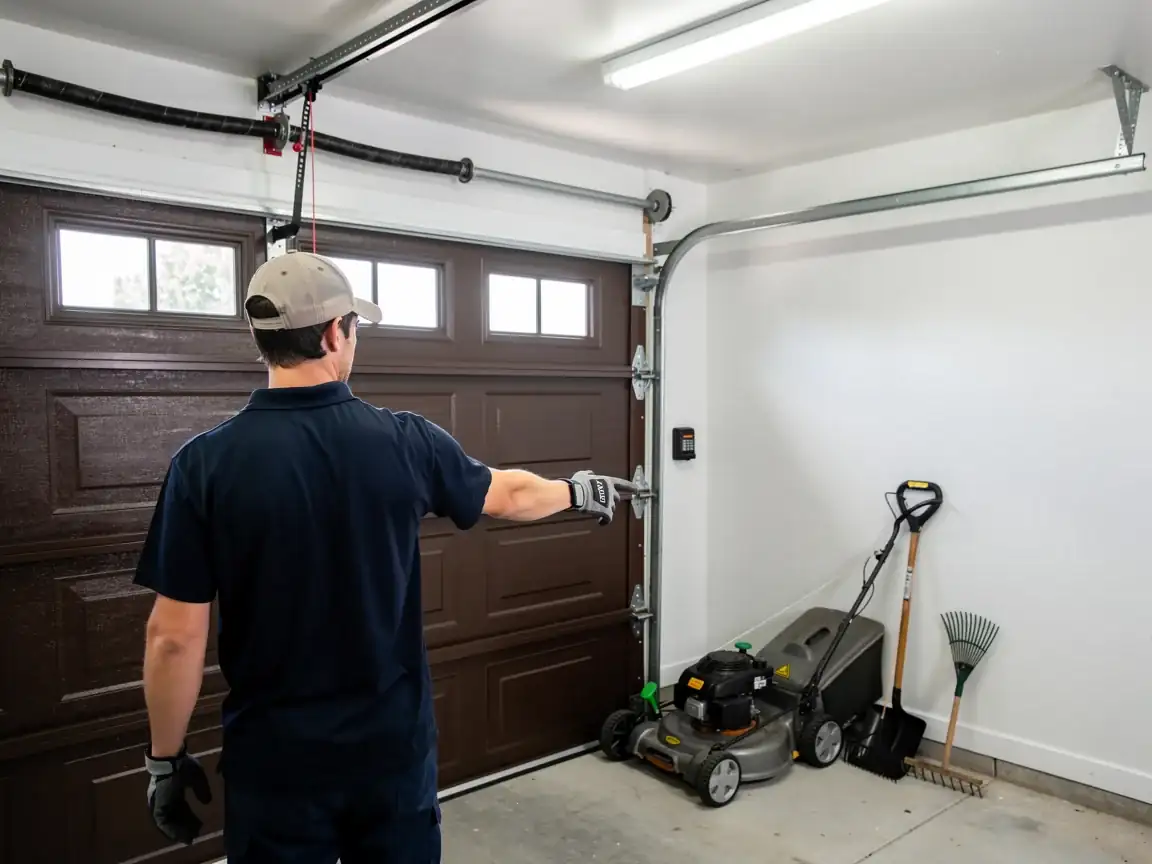
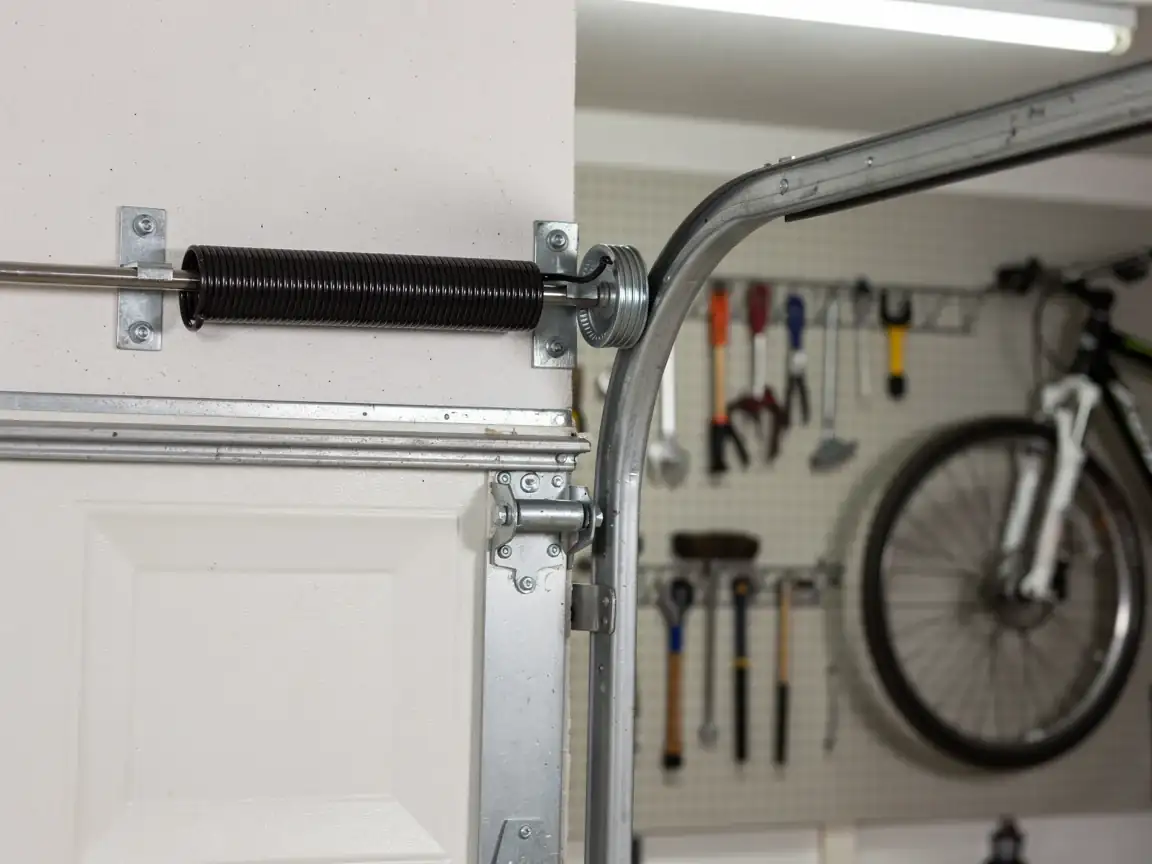
If the opener just stopped responding to the remote, check the wall button first - sometimes it's a dead remote battery or a wall switch wired loose, not the unit itself. You can also pull the manual release and see if the door moves freely by hand; if it's heavy or binds, the problem is the door or spring, not the opener, and that's a different call entirely. What you shouldn't do on a unit from the late 80s or 90s is keep resetting the breaker every time it trips - a board that's already failing will eventually take the motor with it, and at that point you're paying for both instead of one.