How It Shows Up
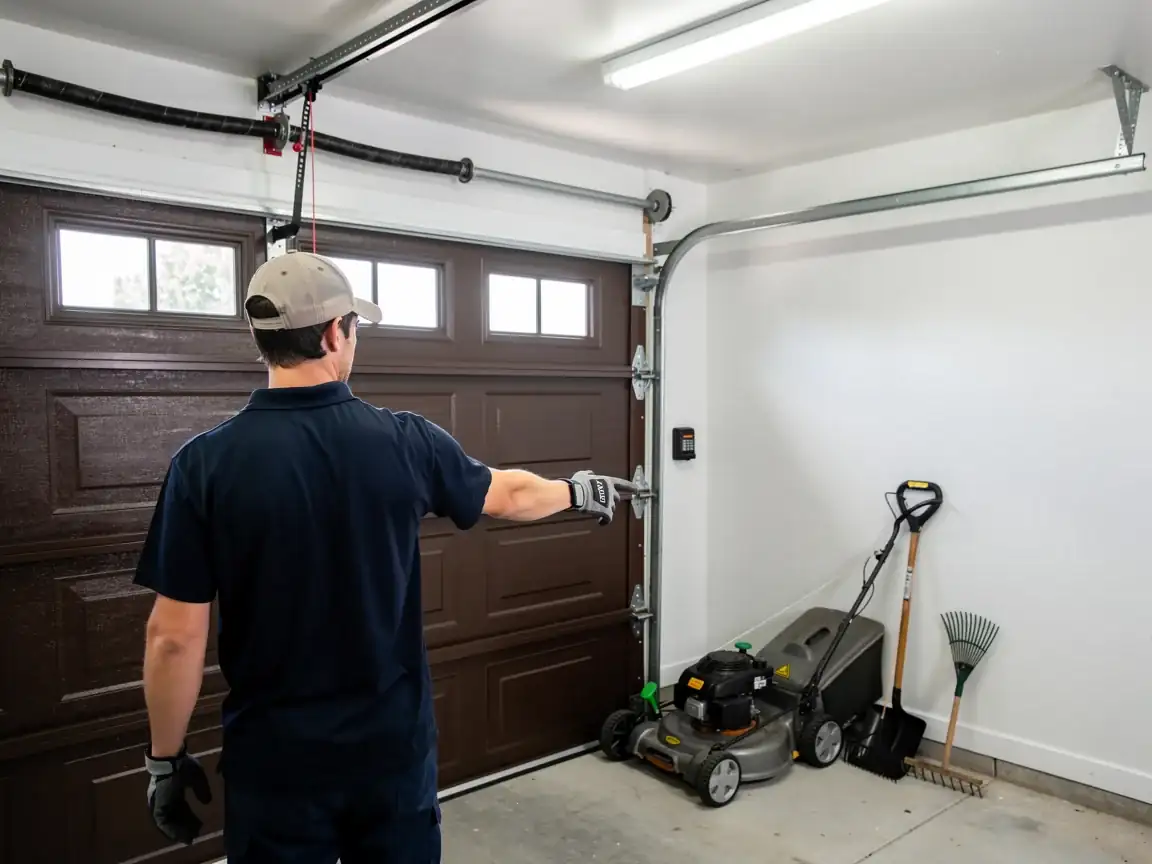
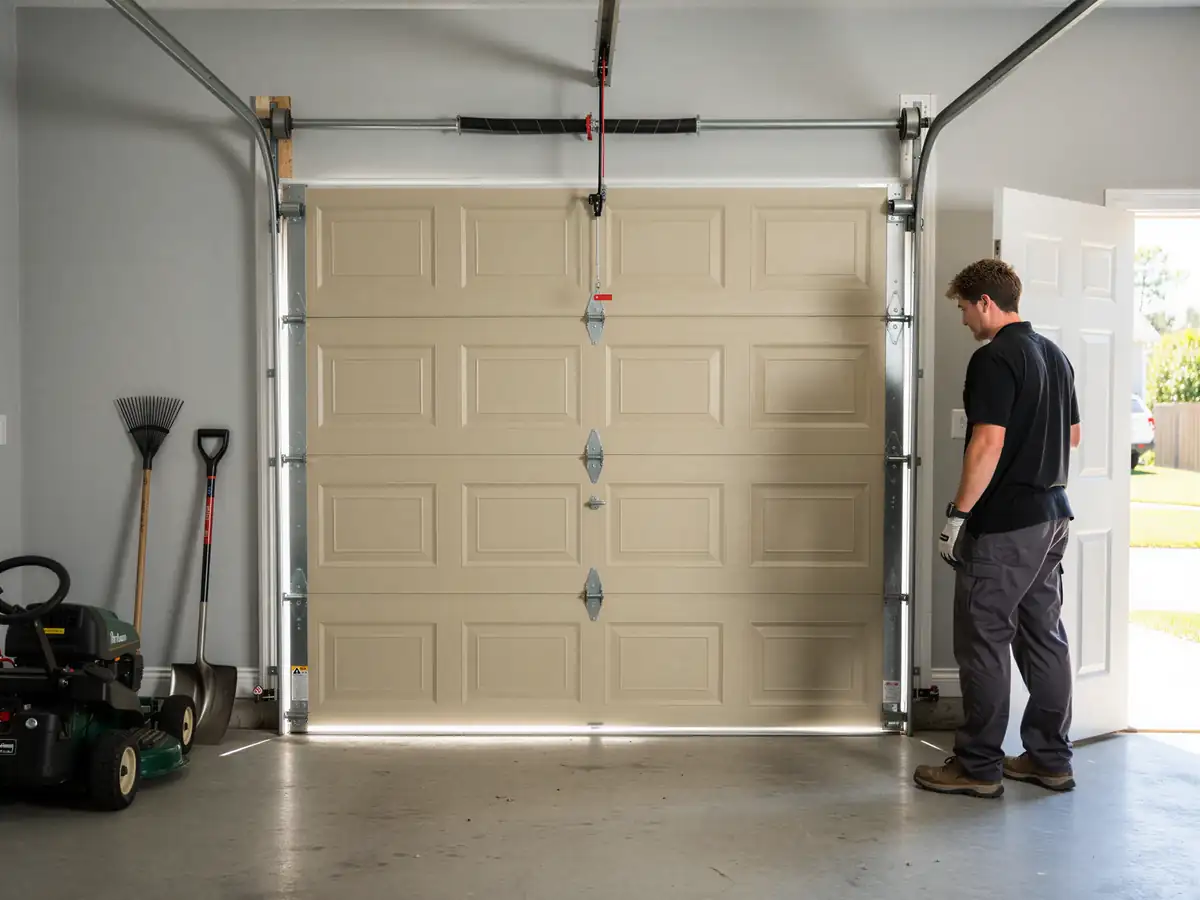
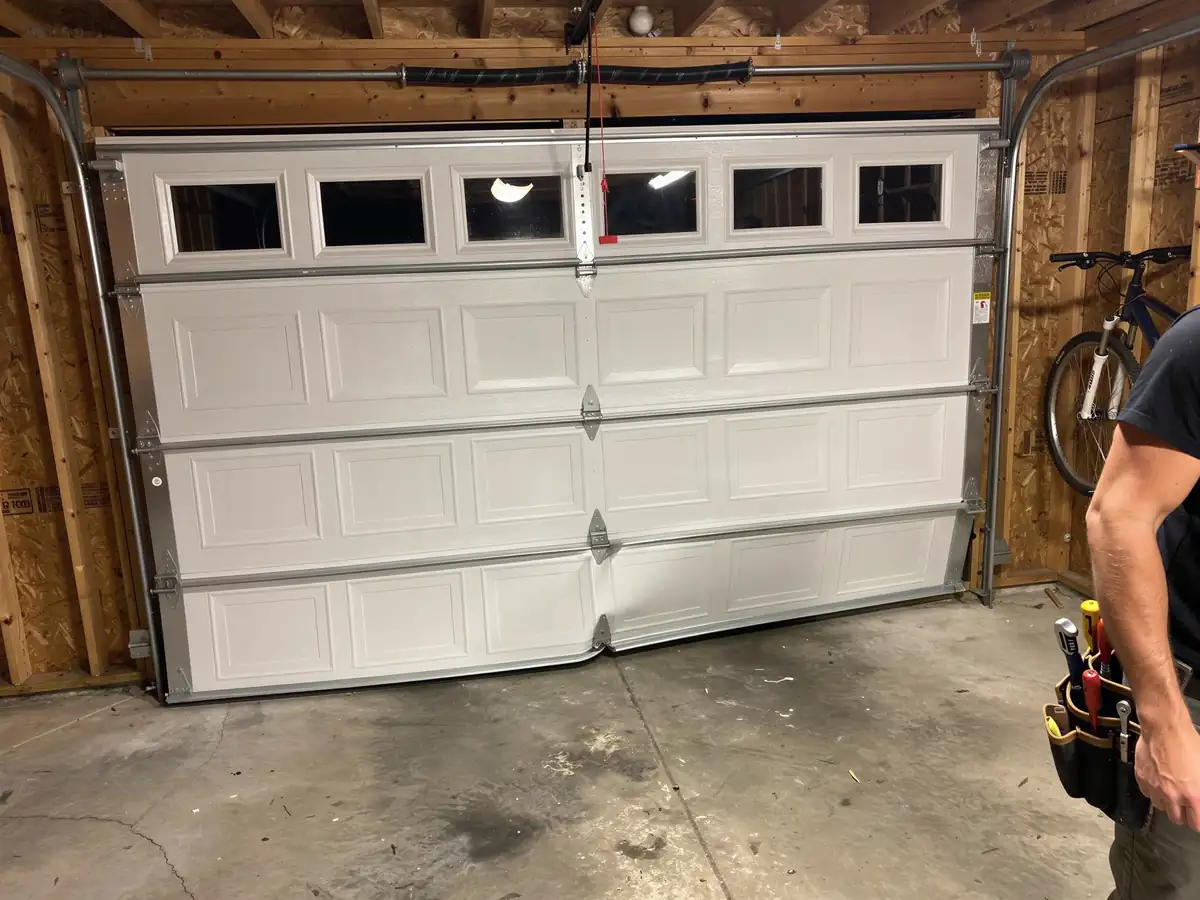
On a door built in the late 1980s, worn rollers don't usually announce themselves as a dead stop - they show up as a grinding or popping sound each time the door passes a certain spot in the track, because that's where the original roller has worn a flat spot or the bearing has gone dry. Owners in Gravette often describe it as a scrape that happens at the same point every single time, which is the roller hitting the same worn section of track it's been riding on for over three decades. Left alone, a cracked nylon roller or a seized steel one puts extra side-load on the track, and the track starts to bow. Once the track bows, the door can bind or jump the roller out of the channel entirely, which is a different and more expensive repair. Catching it at the grinding-sound stage, before the track distorts, is the cheaper version of this job every time.
Why This Fails Locally
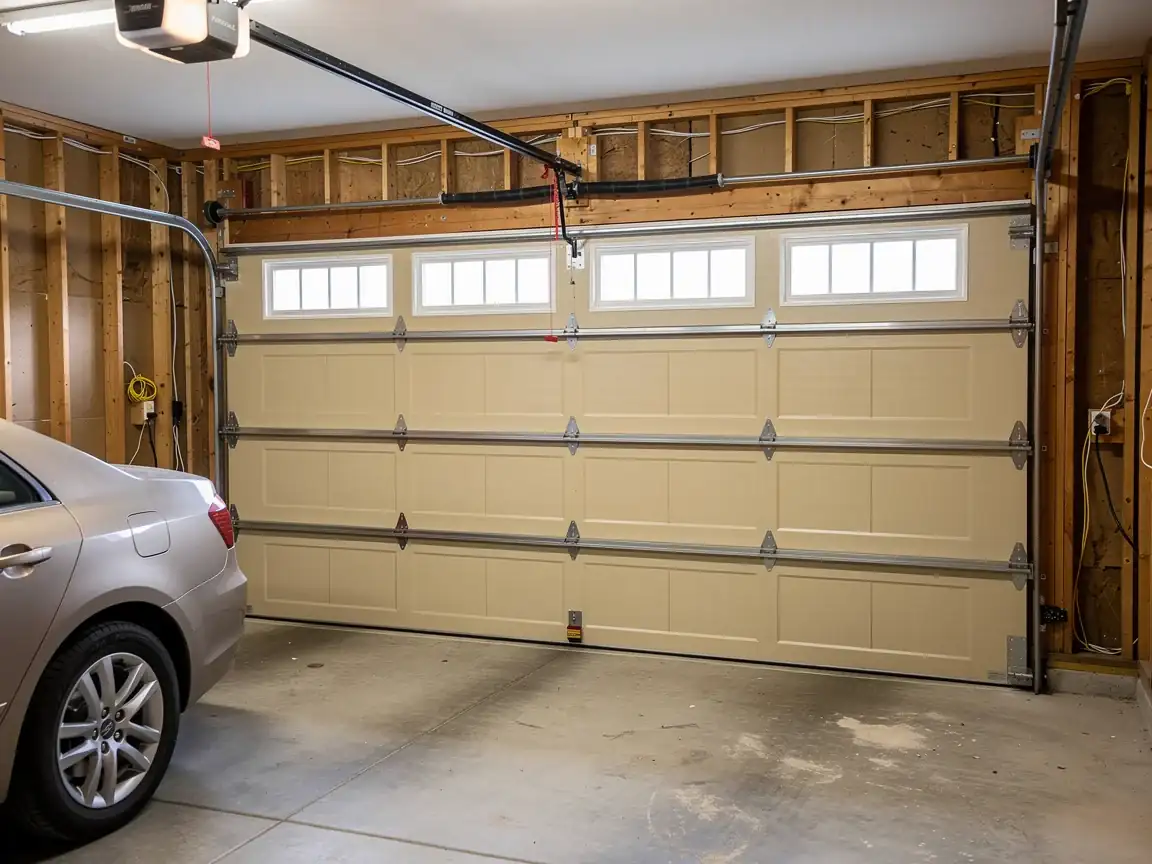
Gravette's housing stock sits almost entirely in that 1987 build window, and with roughly 1,219 households in town, that means a large share of doors here are running on hardware the same age as the house. Steel rollers from that era were built to last, but not to last forever without lubrication, and most owners never think to oil a roller - why would you, it's bolted to a door. At a median household income of $65,014 here, we see owners weighing a $20-40 roller job against a full door replacement that costs many times more, and for a door that's otherwise sound, the roller swap is almost always the right call. The one thing we won't do is talk someone into new rollers on a door whose track is already bowed past straightening - at that point the rollers are the cheap part of a bigger repair, and we say so.
Doing It Yourself
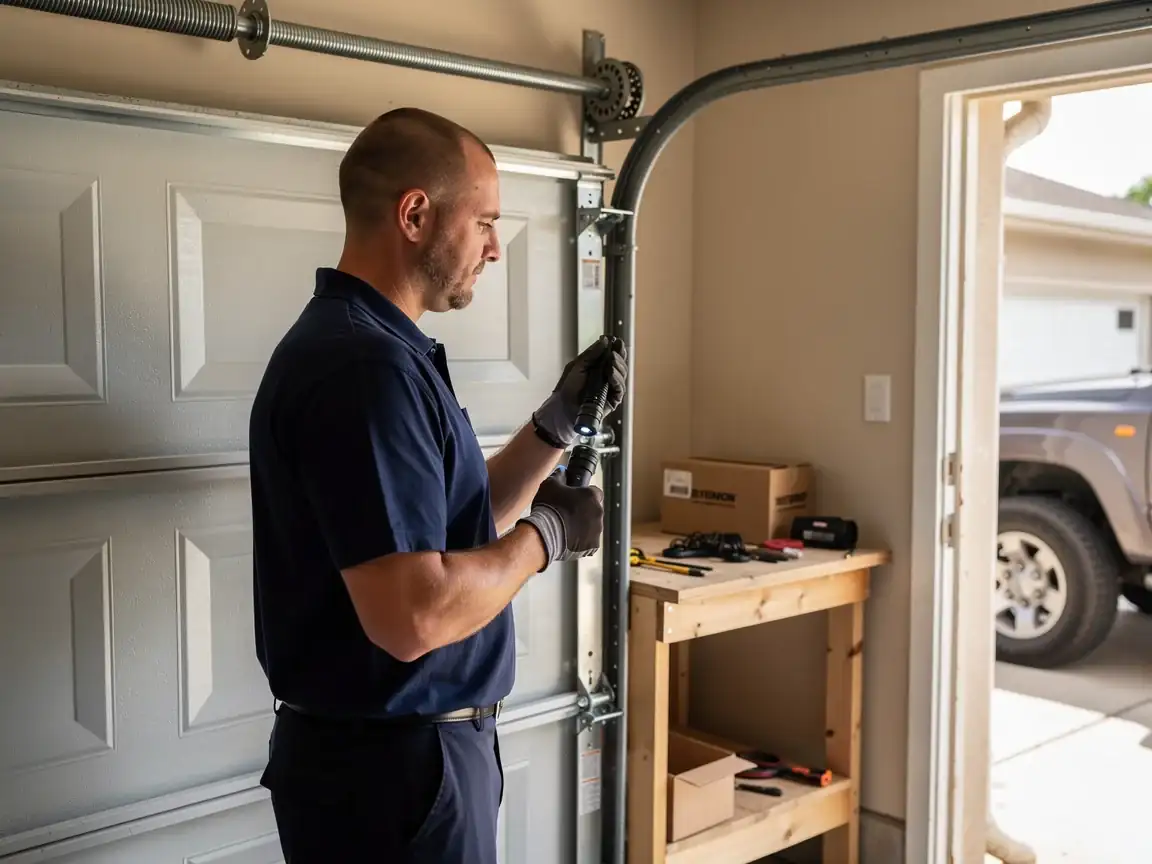
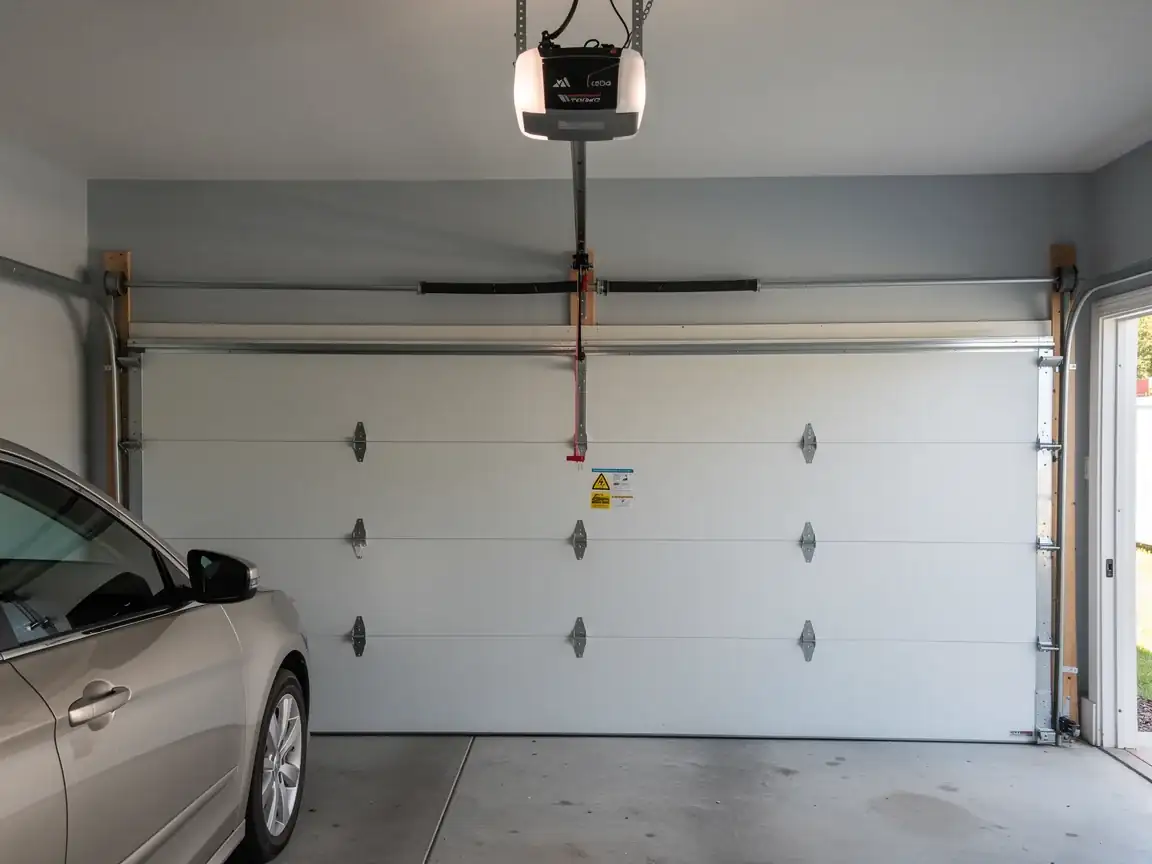
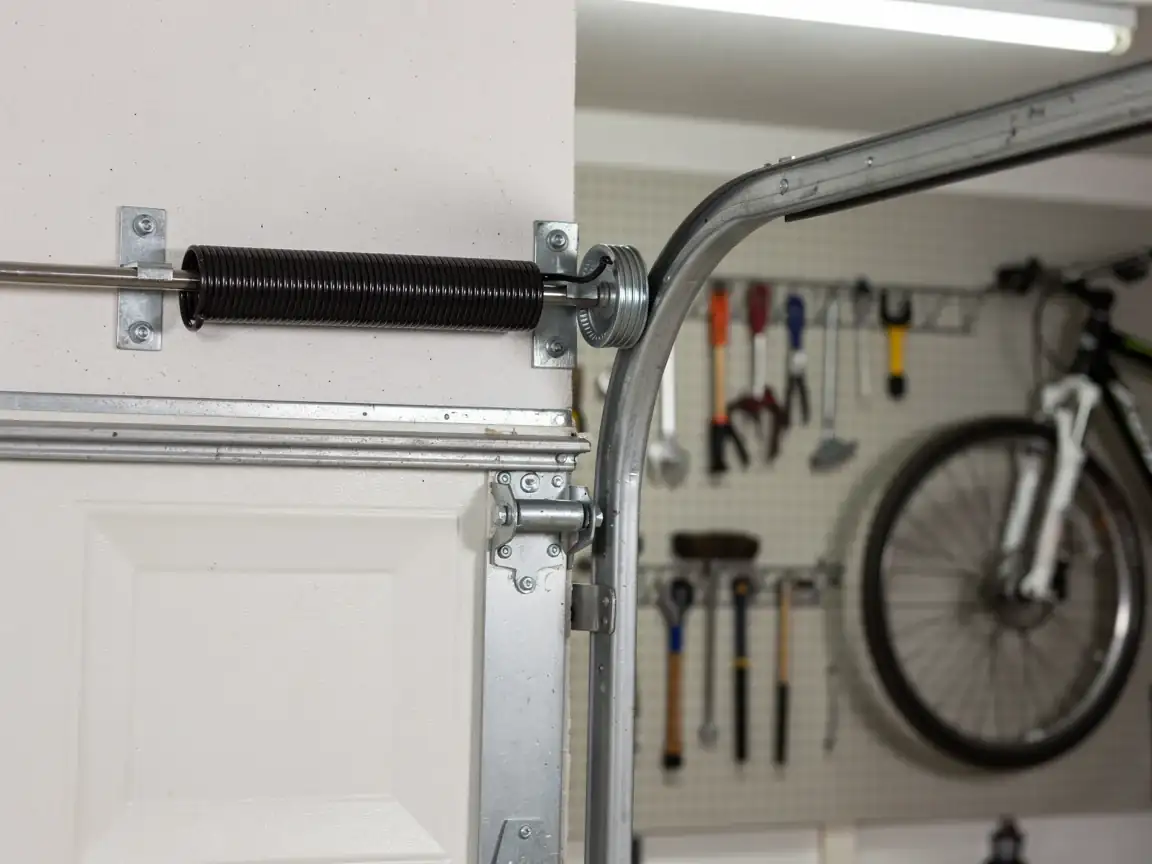
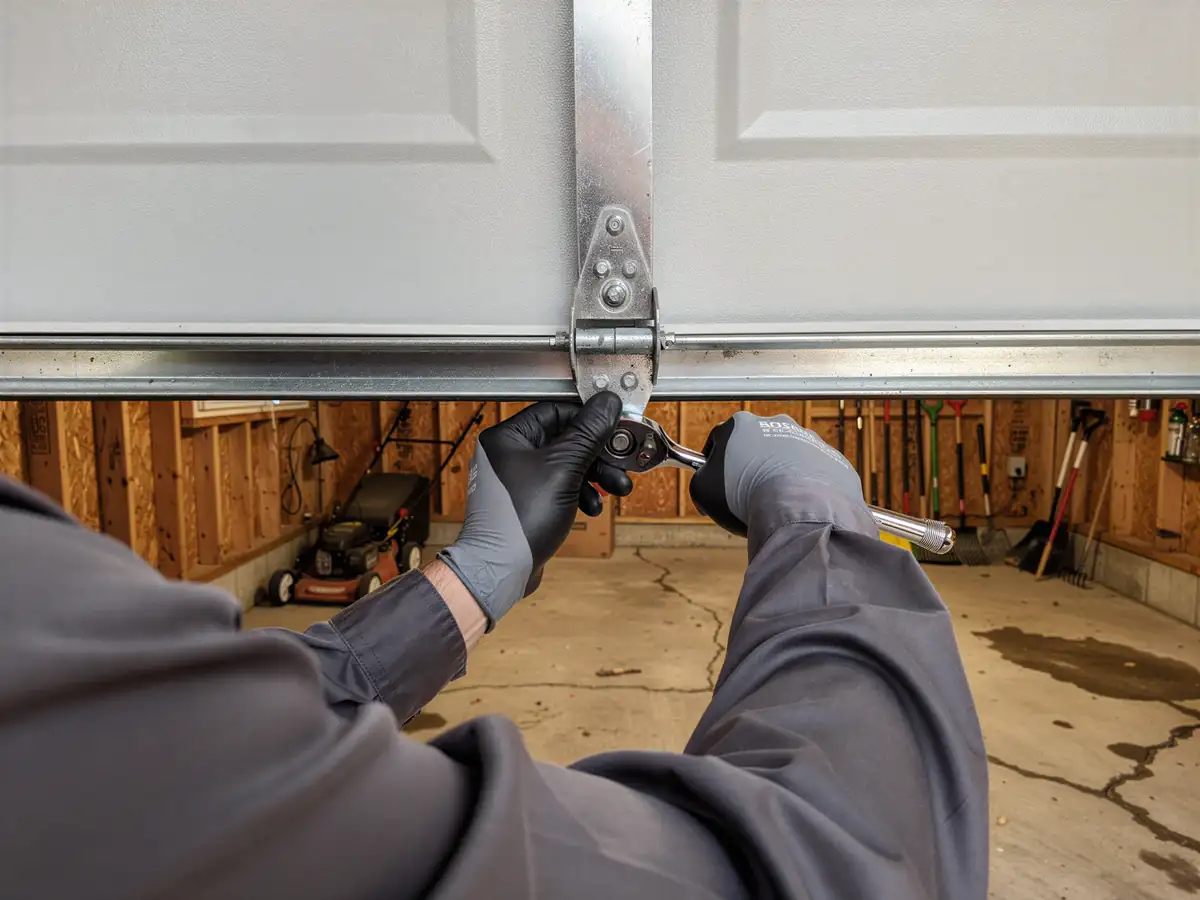
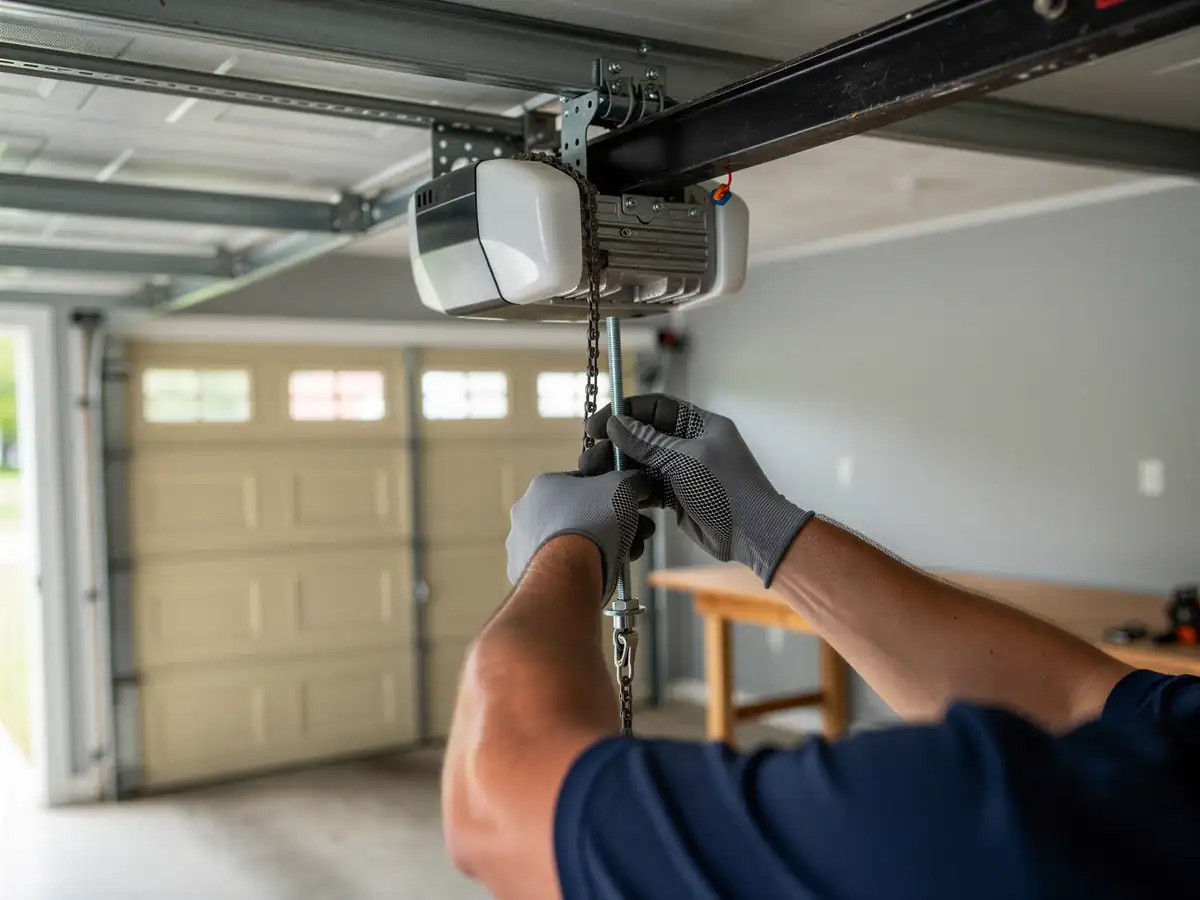
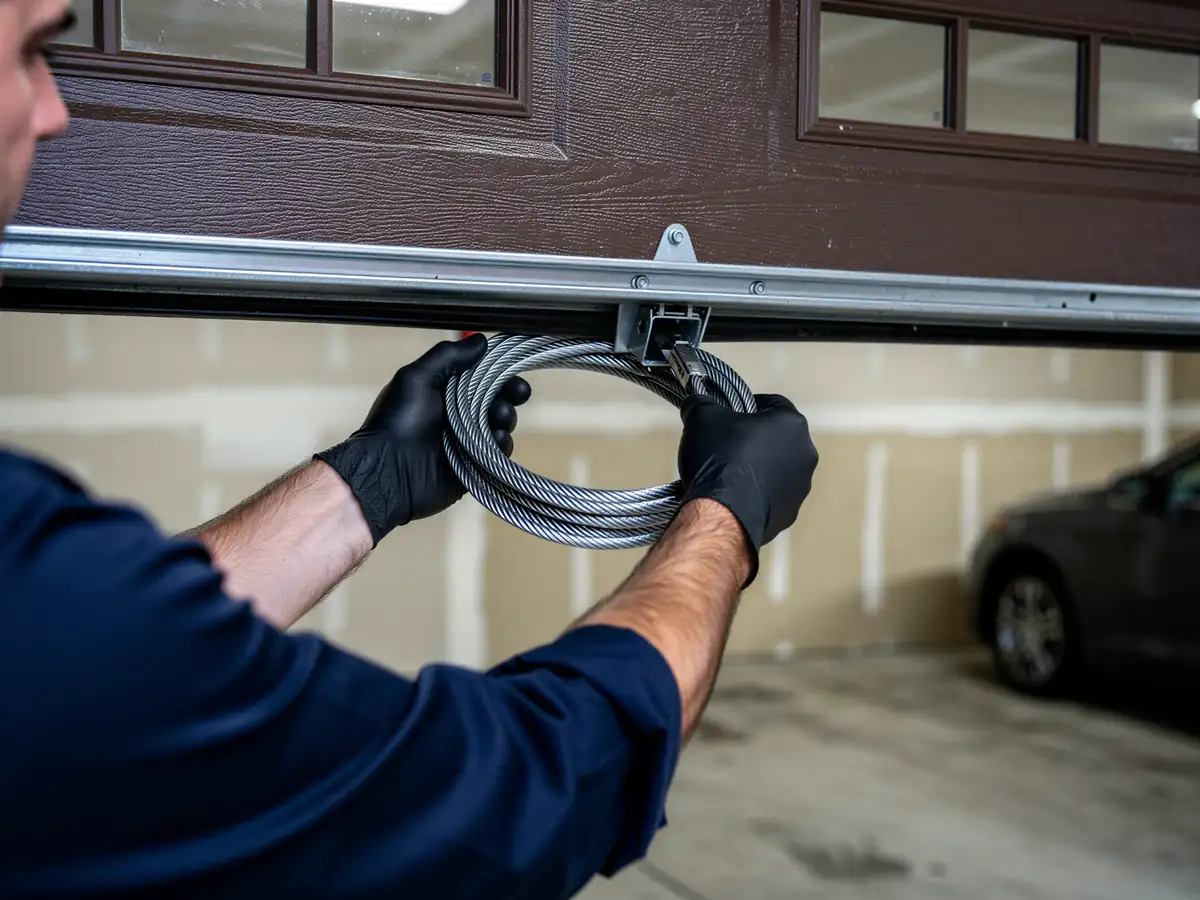
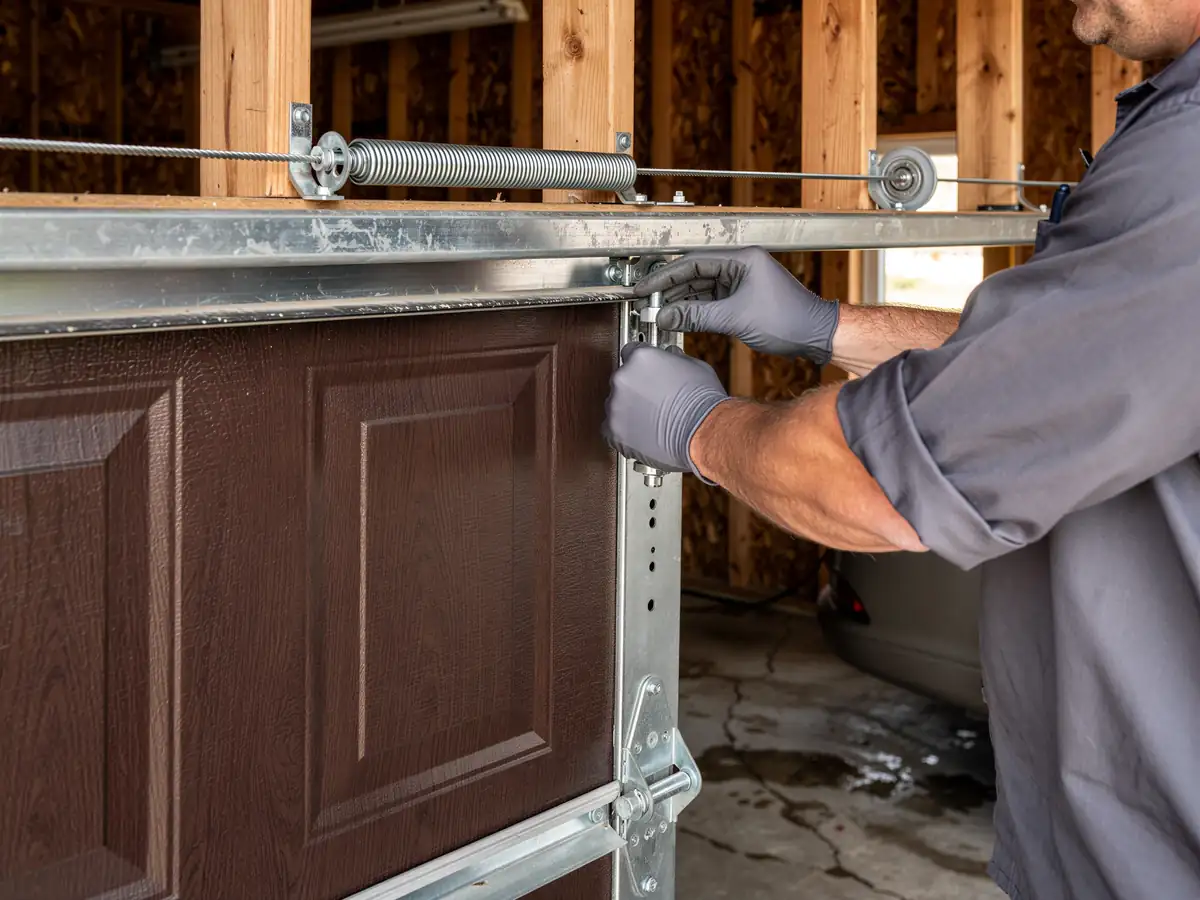
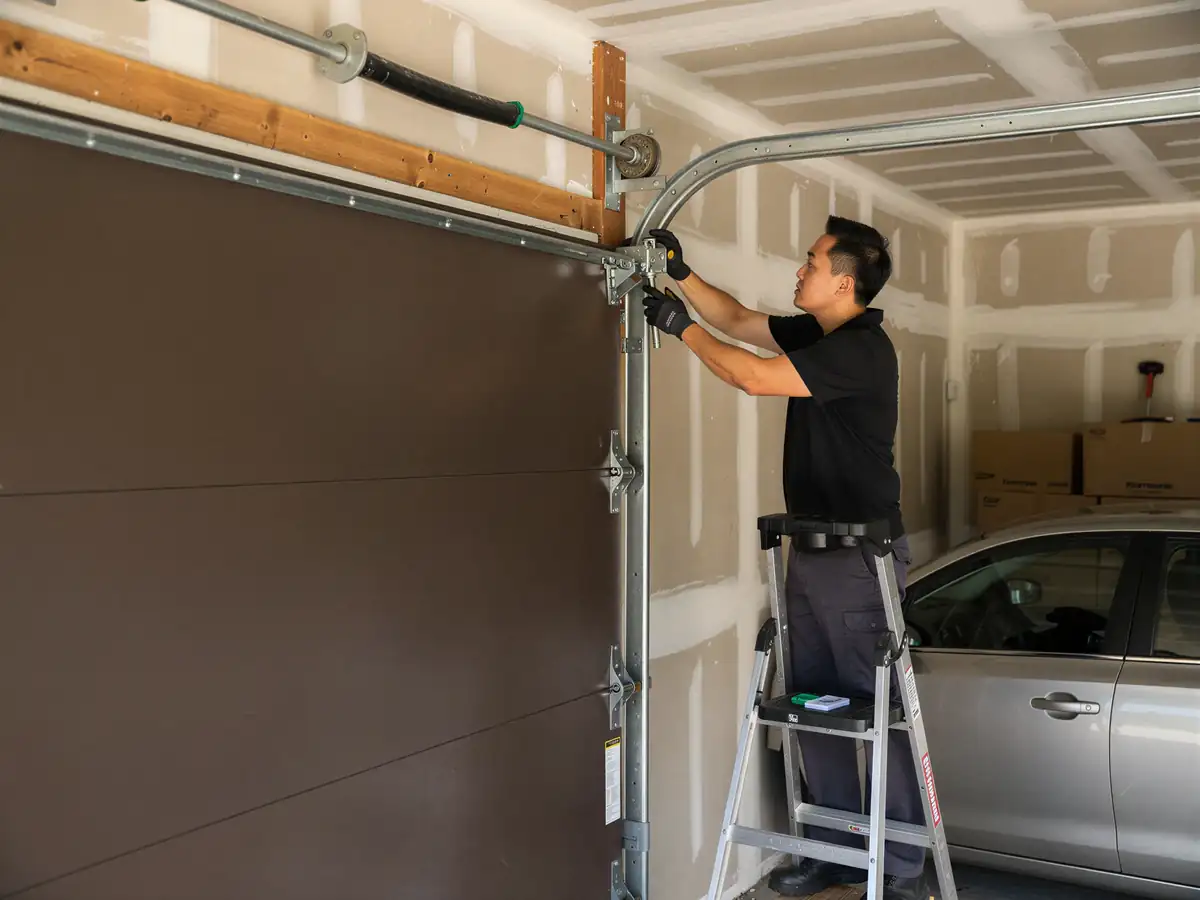
Swapping a single roller on an unloaded section of track is a reasonable weekend job if you unplug the opener first and keep your hands clear of the spring system entirely - that part is not a DIY repair, full stop. Loosen the roller bracket, slide the old roller out of the track, and the new one in, then re-tighten. The part owners get wrong on a 1987-era door is forcing a 7-inch stem roller into a bracket built for a 4-inch stem, which just means a trip back to the hardware store. If more than two or three rollers are worn, or if the bottom corner rollers are involved - those carry the most weight and sit closest to the cable drums - that's past the point where doing it yourself saves real money over having it done right the first time.