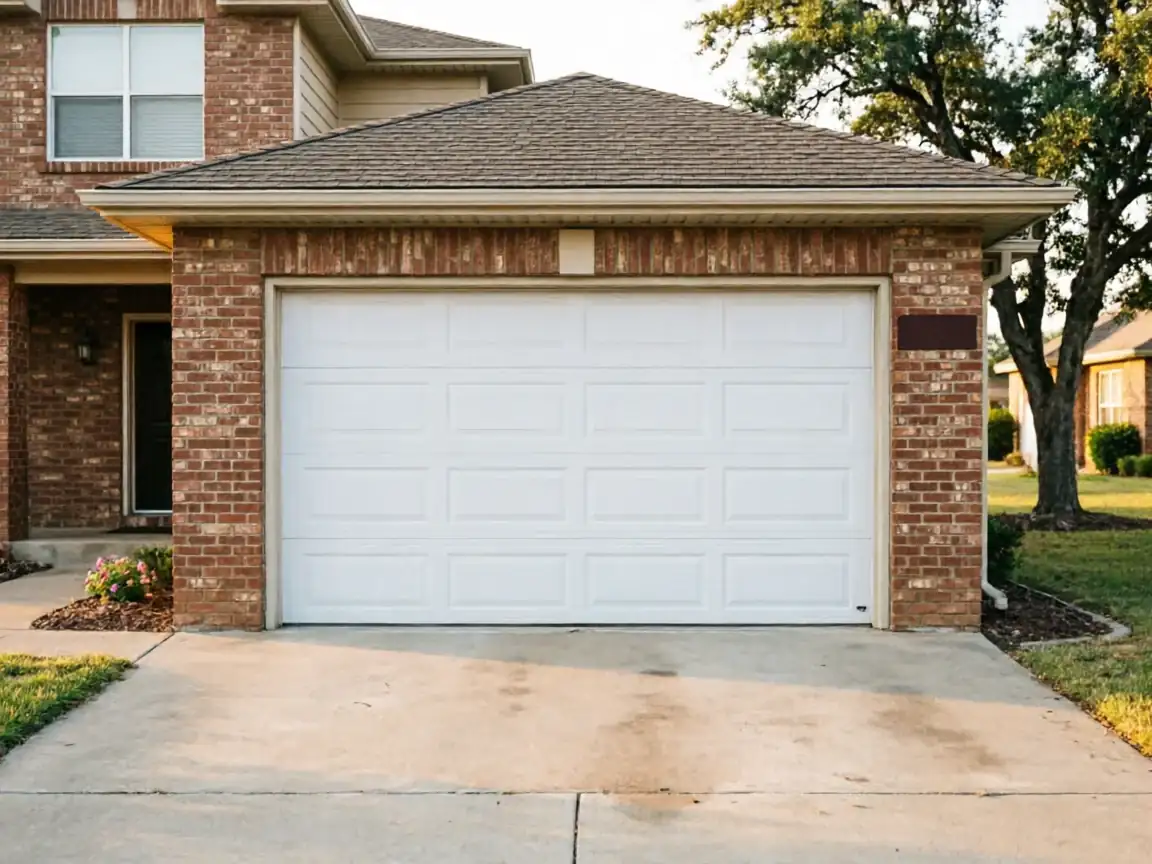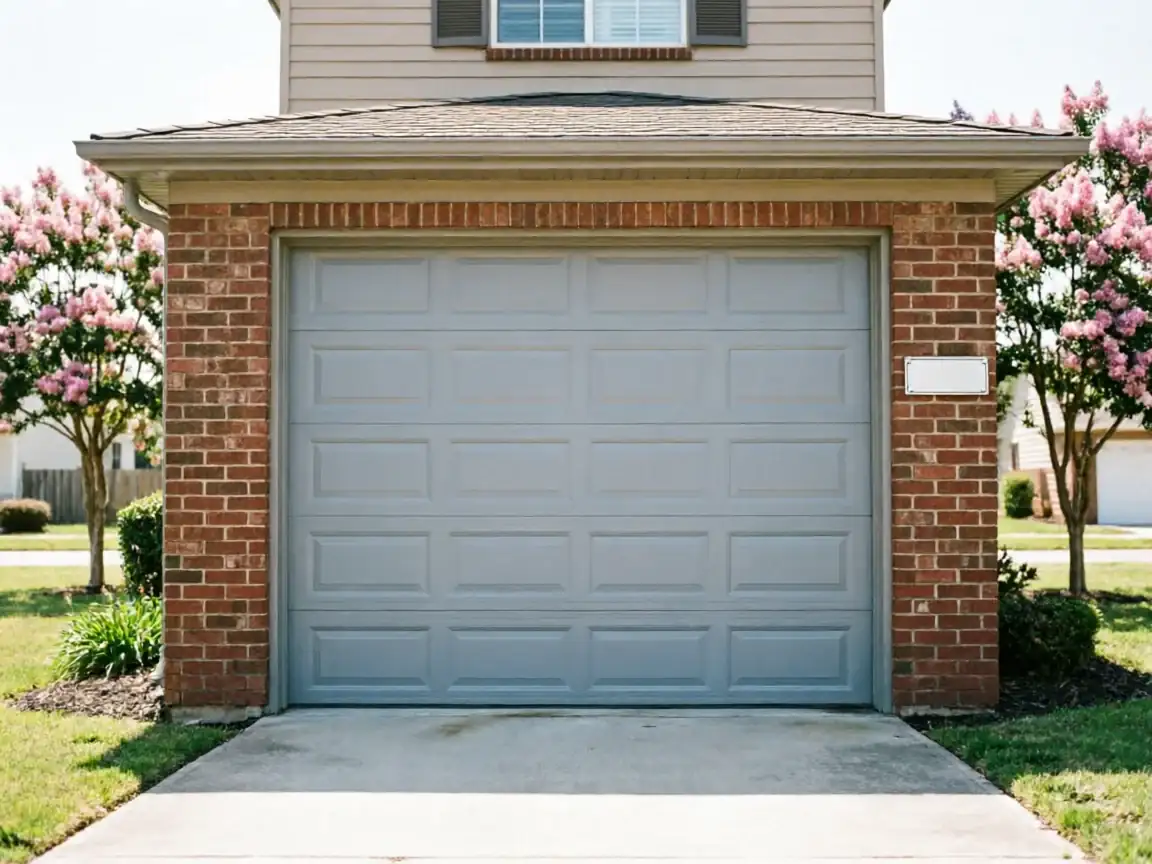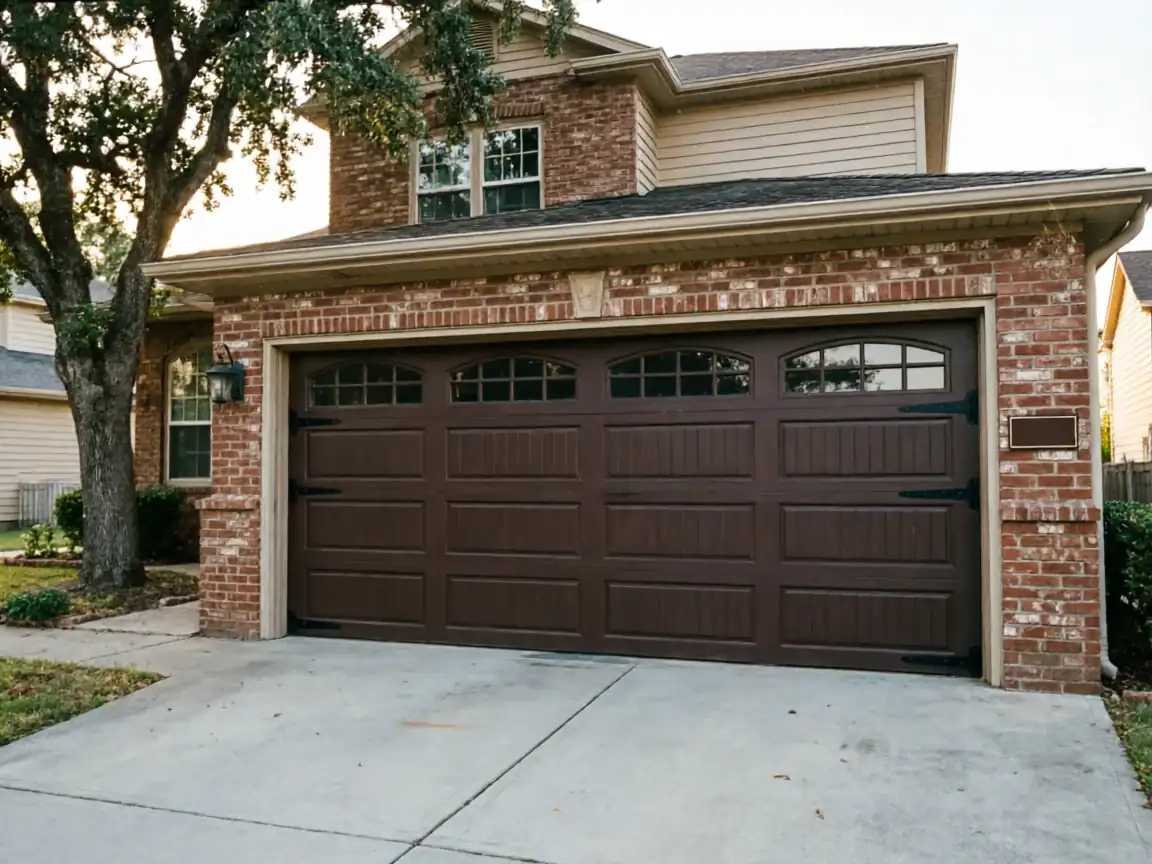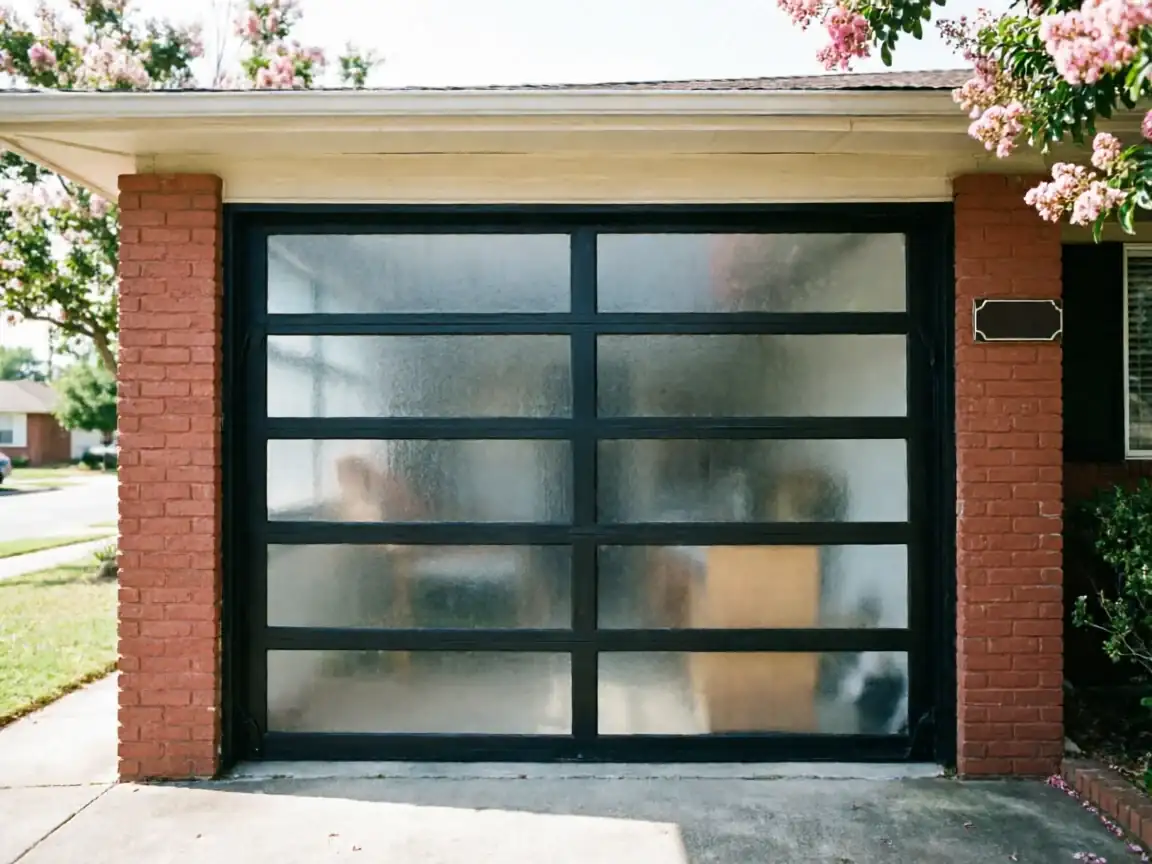
How It Shows Up
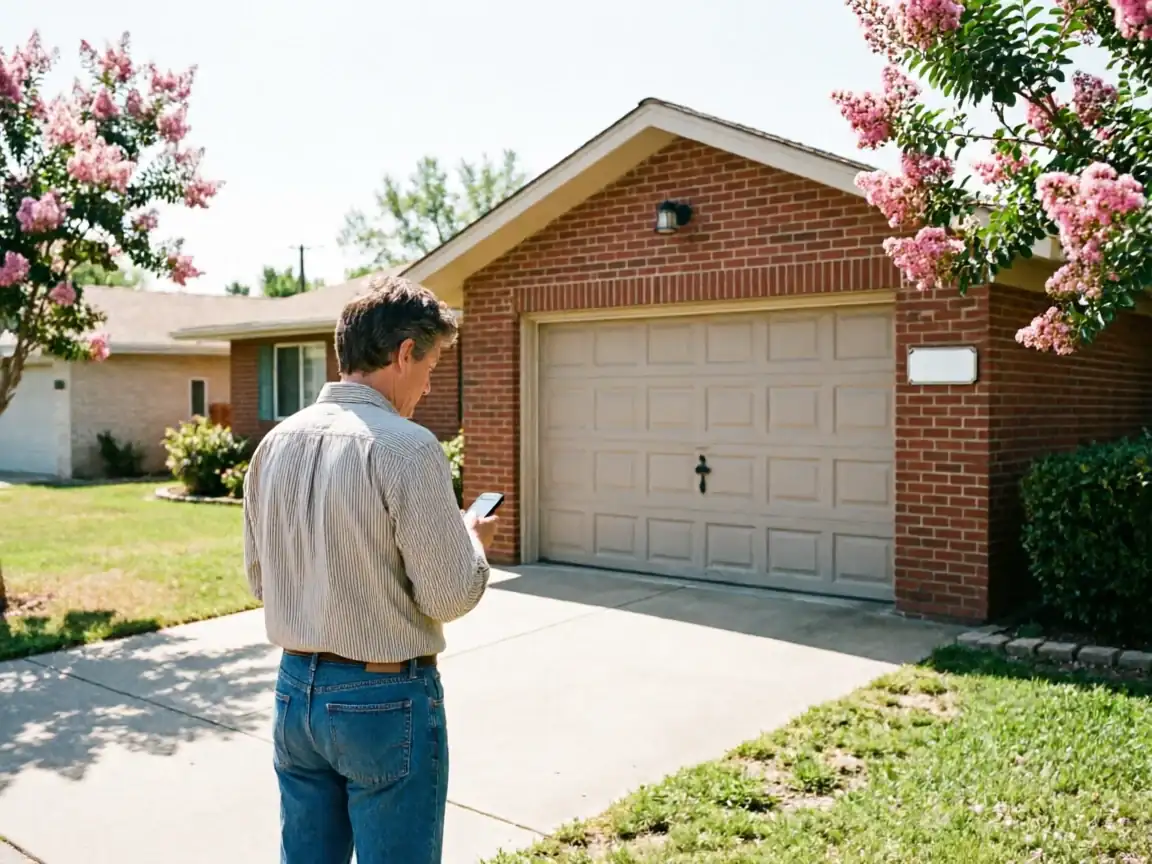
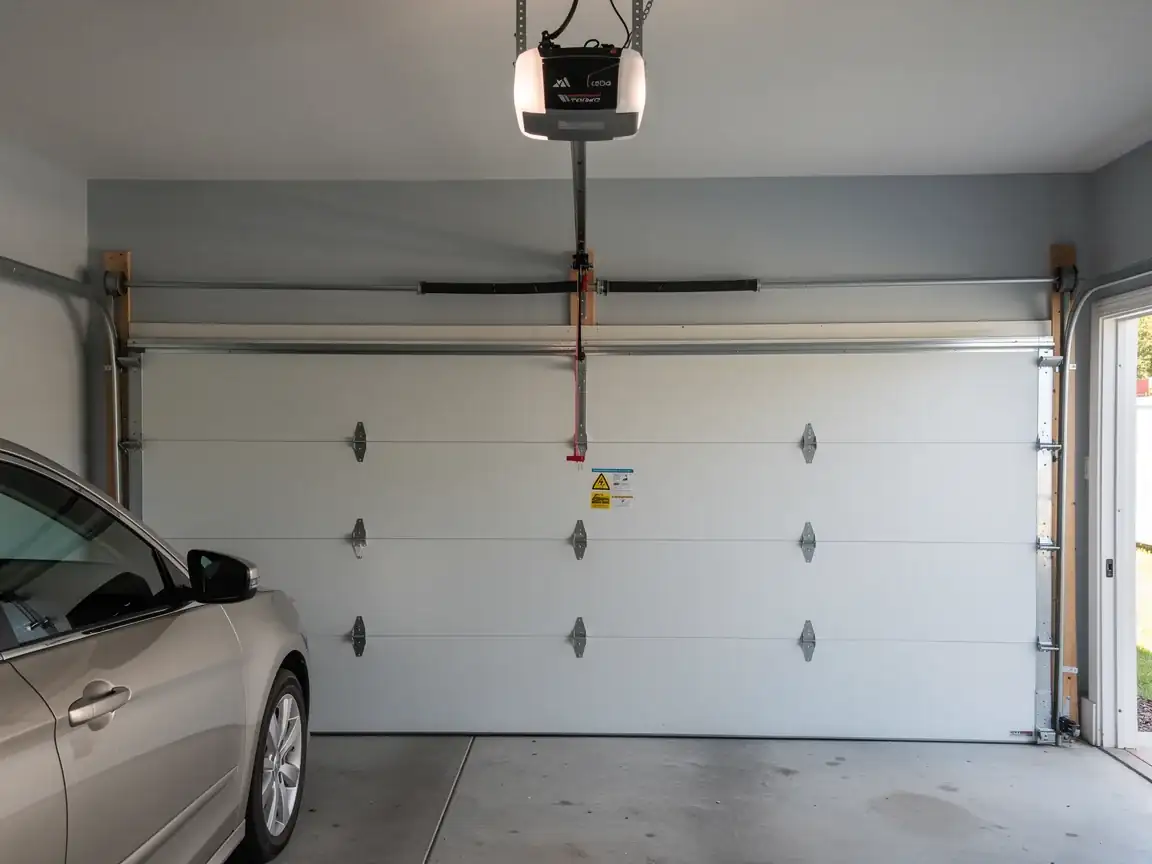
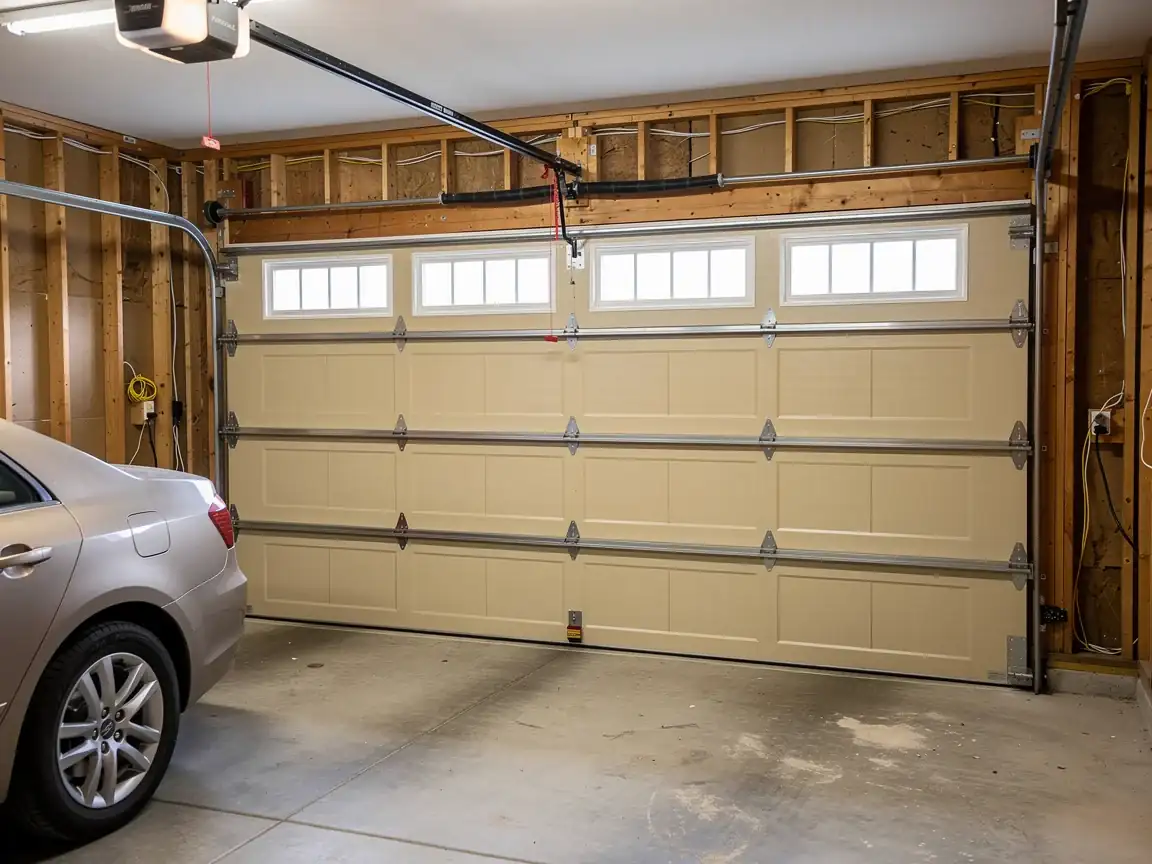
On a 1997-era door, the first sign is usually a spring that lets go without warning - a loud bang, then the door won't budge or slams down fast when someone pulls the release. Second most common: the opener runs but the door reverses before it touches the floor, which almost always traces back to a drifting photo-eye or a logic board that's aging out. Cold mornings make both worse, since the moderate cold winters here stiffen the lubricant in a spring that's already fatigued and slow the chain enough that the opener's force sensor trips early. With roughly 2,759 households in Pea Ridge, most sitting in that same late-90s window, we see the same two or three failure patterns over and over rather than a wide spread of problems.
Doing It Yourself
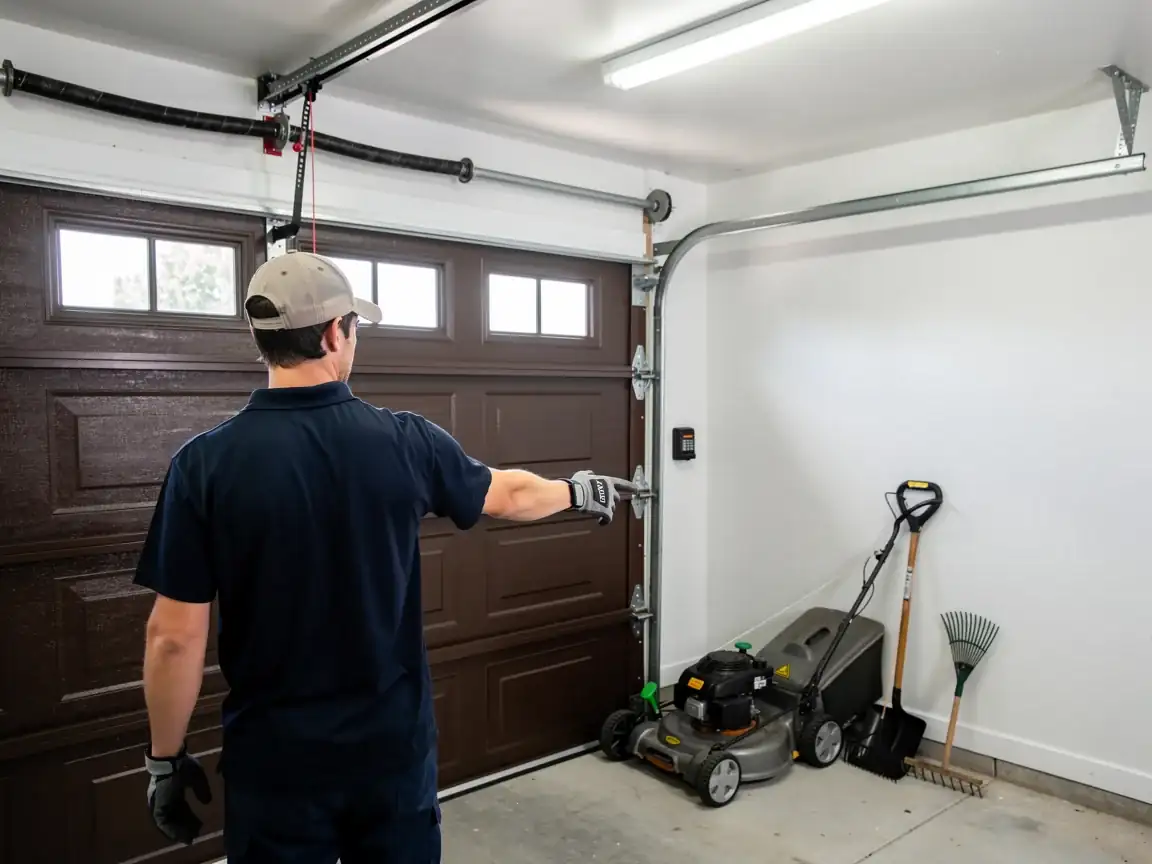
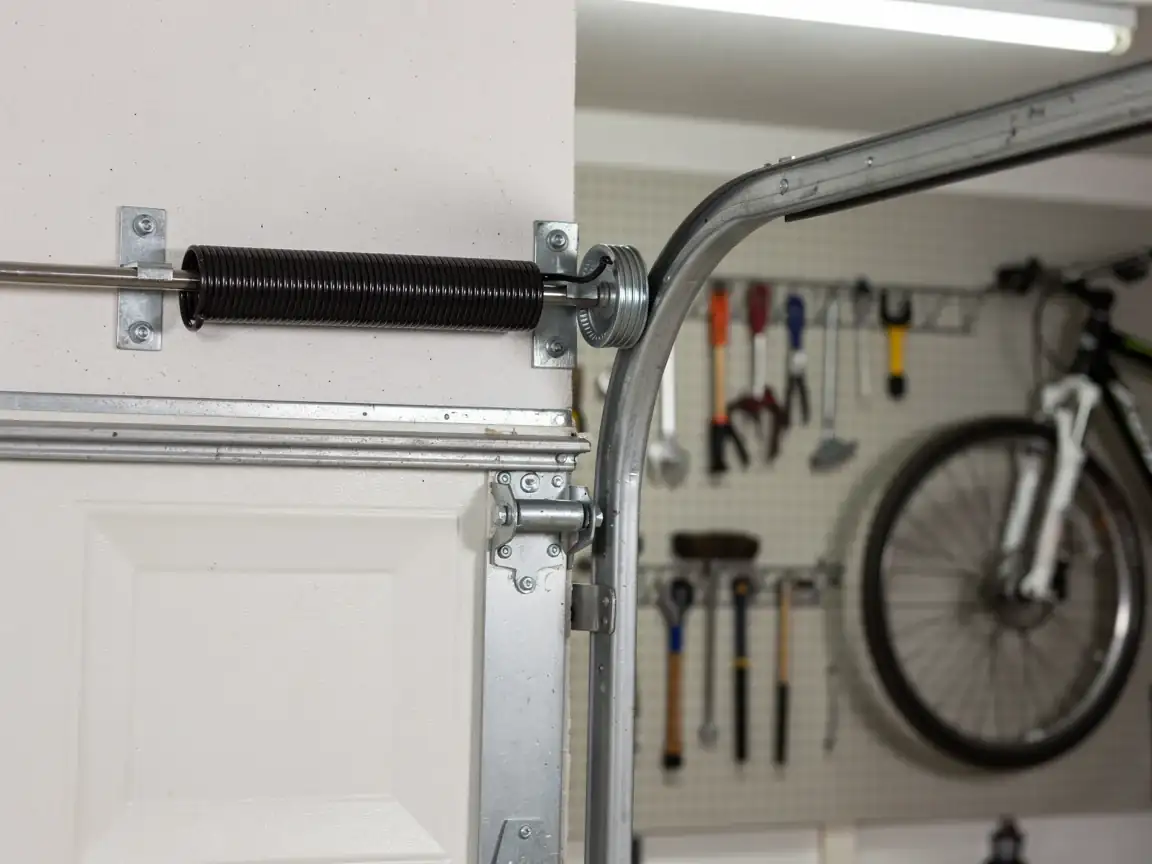
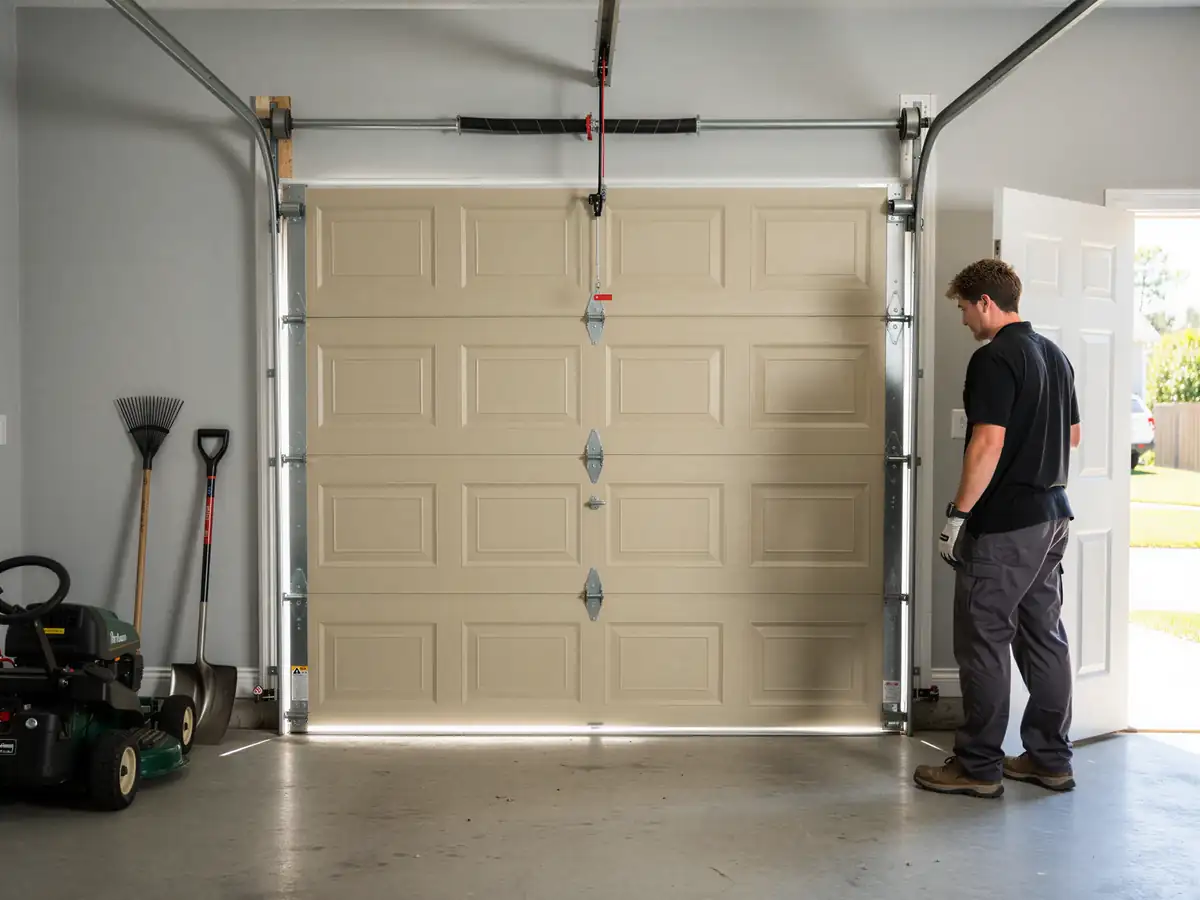
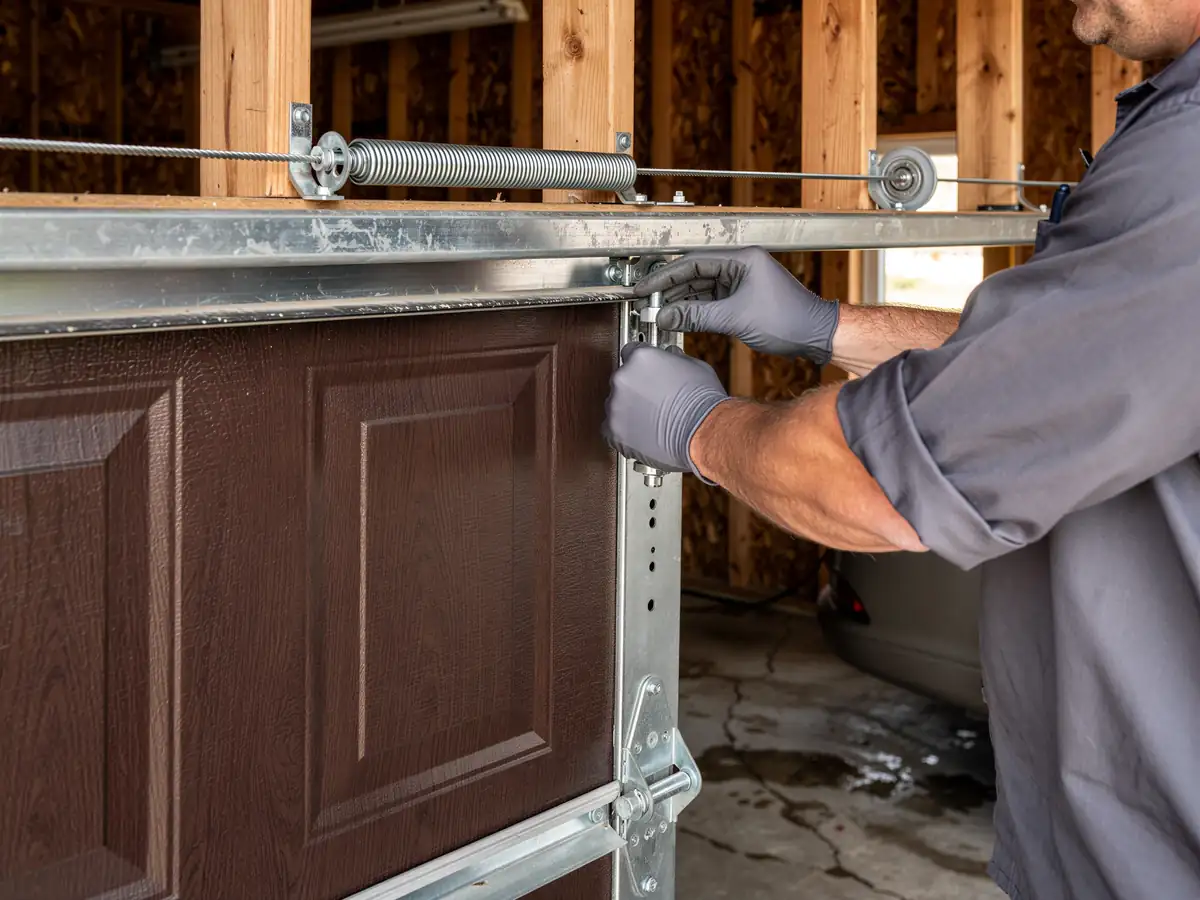
Checking the photo-eye alignment yourself is reasonable - wipe the lenses, make sure both sides have a solid light, and see if a bent mounting bracket is knocking them out of line. That costs nothing and solves it more often than you'd expect on an opener this age. What's not worth doing yourself: touching a wound torsion spring. The spring tension on a standard double door is enough to break bones, and a 1997-vintage spring that's been in service this long can be weaker or more corroded than it looks, which makes it less predictable, not more forgiving. If the door won't move, or moves unevenly on one side, leave the spring and cable work to a call.
How We Fix It
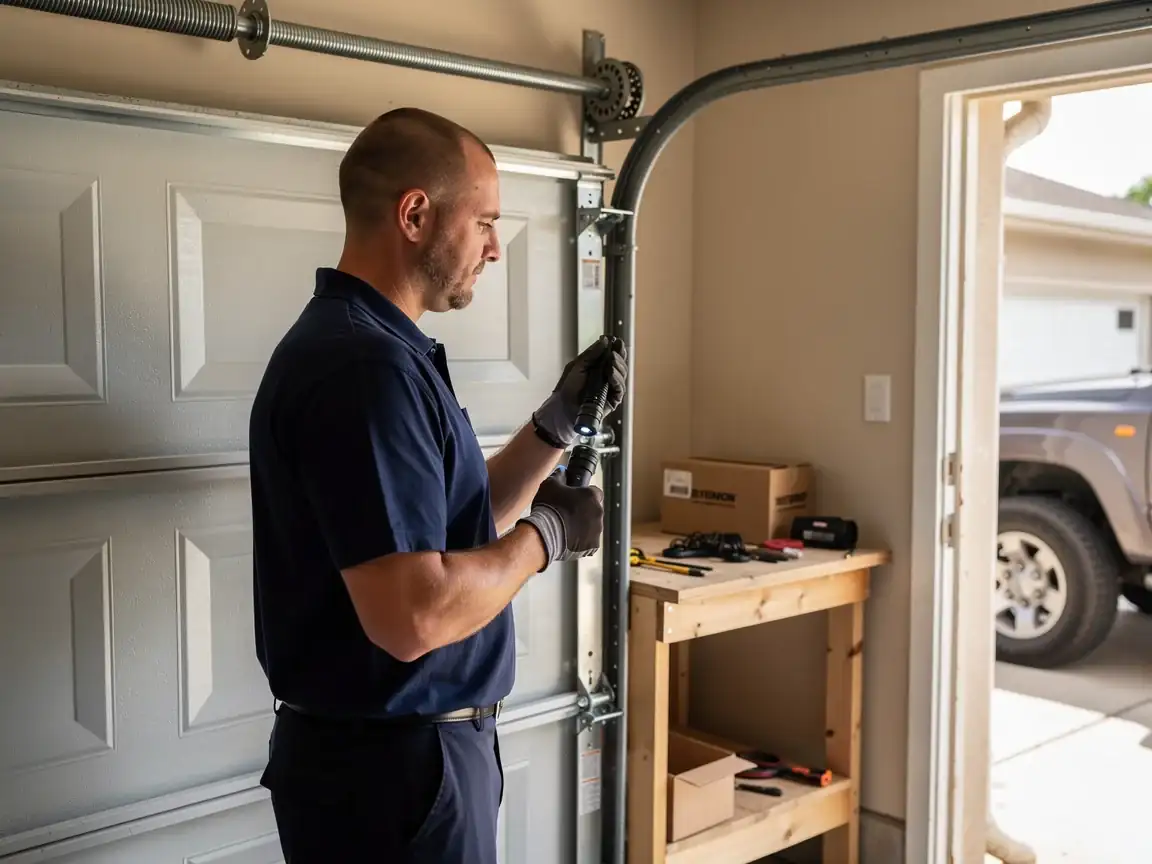
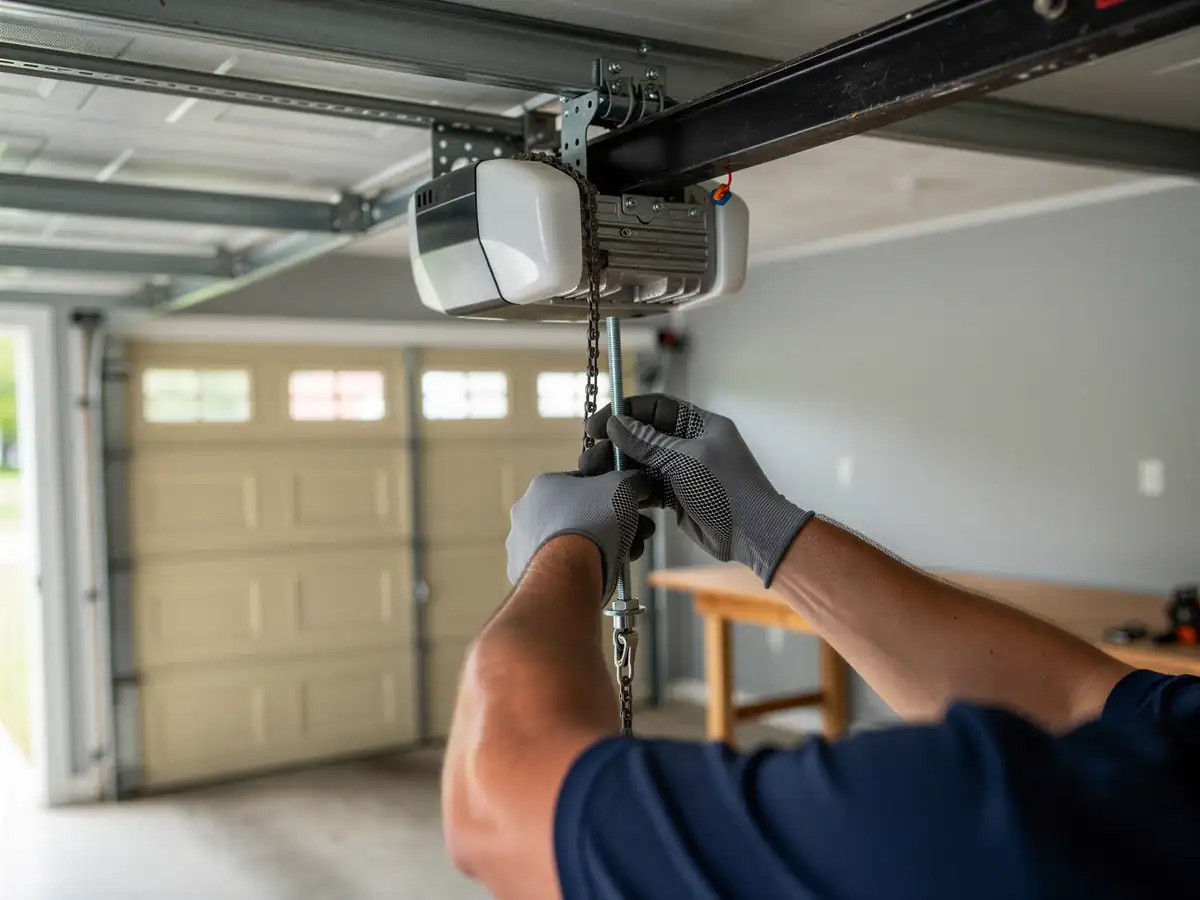
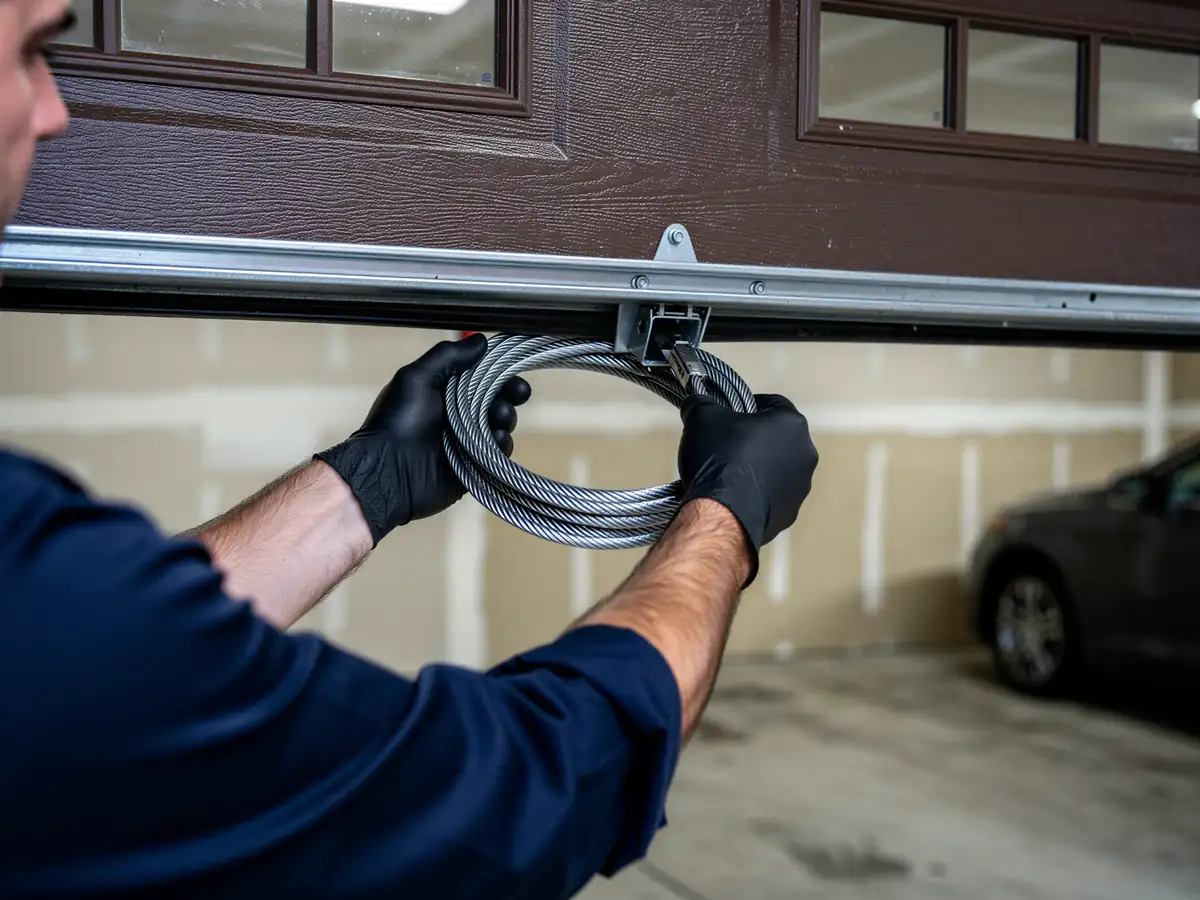
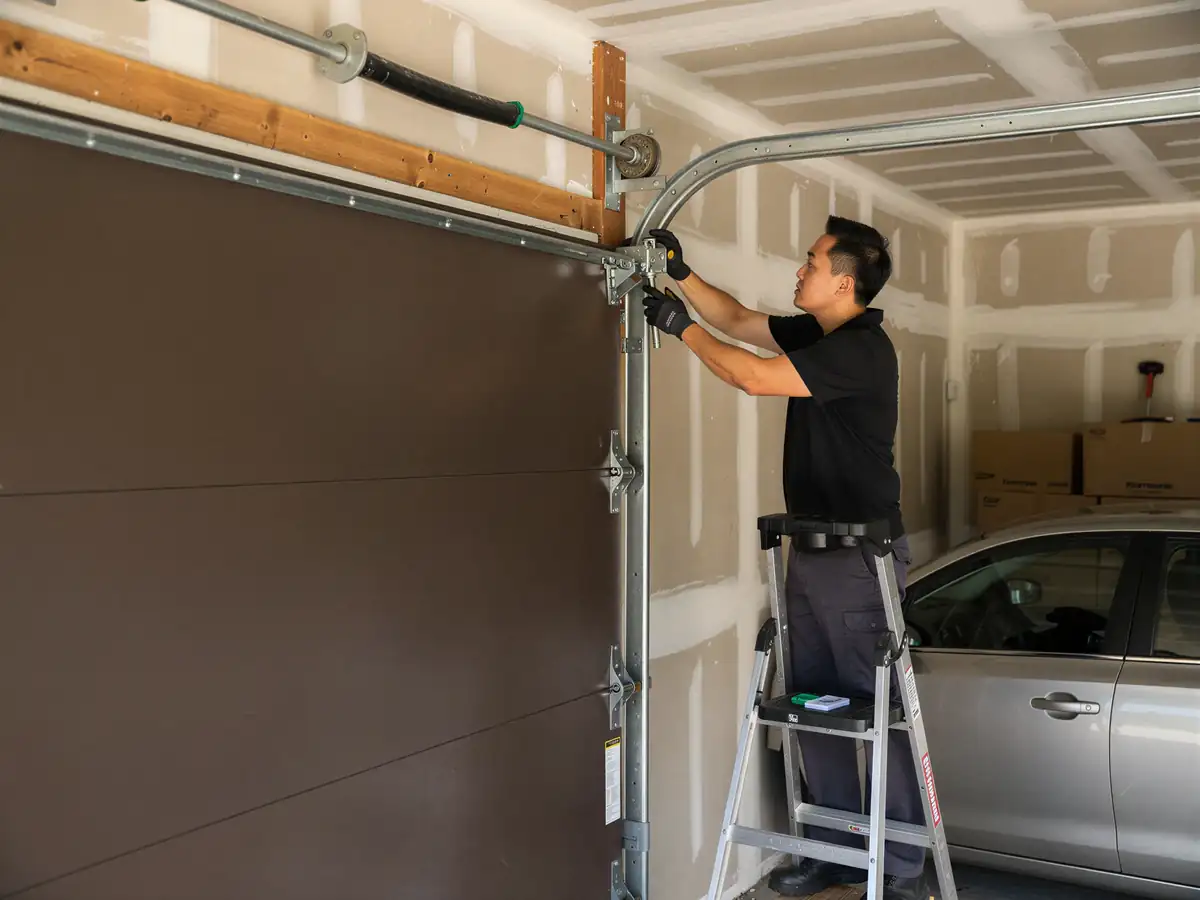
For the torsion springs common on these 1997-era doors, we replace both springs as a pair even if only one broke - the second is carrying the same fatigue and the same winding-cone wear, and replacing one alone just means a second call in a few months. Photo-eye issues usually mean new sensors and fresh wiring rather than a repair, since the brackets and plastic housings from this period are brittle enough that reseating them rarely holds. Chain-drive openers from this build window can often be kept rather than replaced - a new logic board or a drive gear kit runs a lot less than a full unit, and the motors themselves tend to outlast the electronics around them.
The Complications
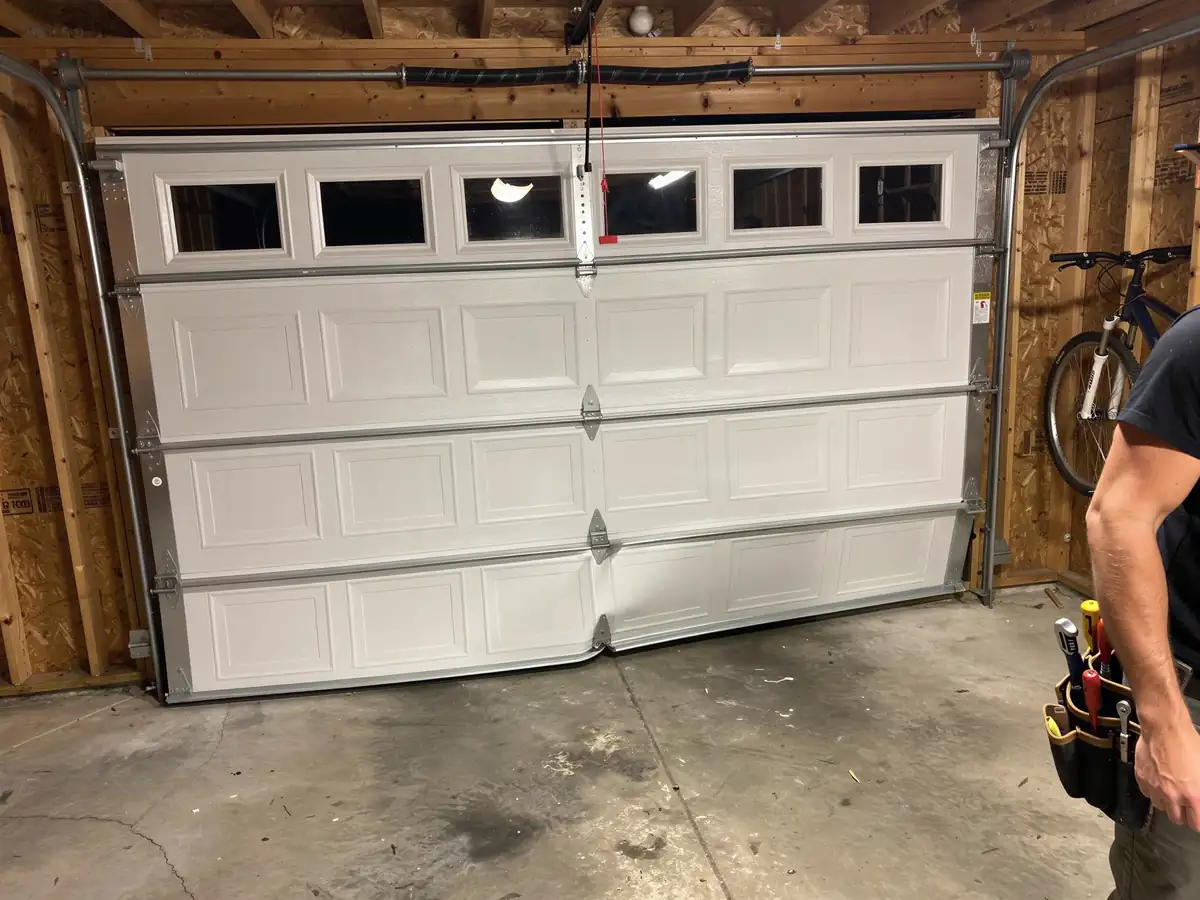
Not every door this age is worth repairing. If the steel panels are rusted through at the bottom section - more likely on homes with poor grading away from the slab - a new spring and opener board won't fix a door that's structurally gone, and we'll say so rather than patch it. We also don't stock every winding cone size from the 90s on the truck; some of the older torsion drums used a cone that's been discontinued, and if yours is one of them we may need a day to get the part before we can finish the job. That's a limitation worth knowing before you book, not after the truck's already on site.