Why This Fails Locally
Pea Ridge sits nine miles out from our shop in Bentonville
And that drive shapes how we run a call here more than most homeowners think about. We don't keep a second truck stocked and sitting in town, so when we come out, we come loaded for what the houses here actually need - not a generic parts kit.
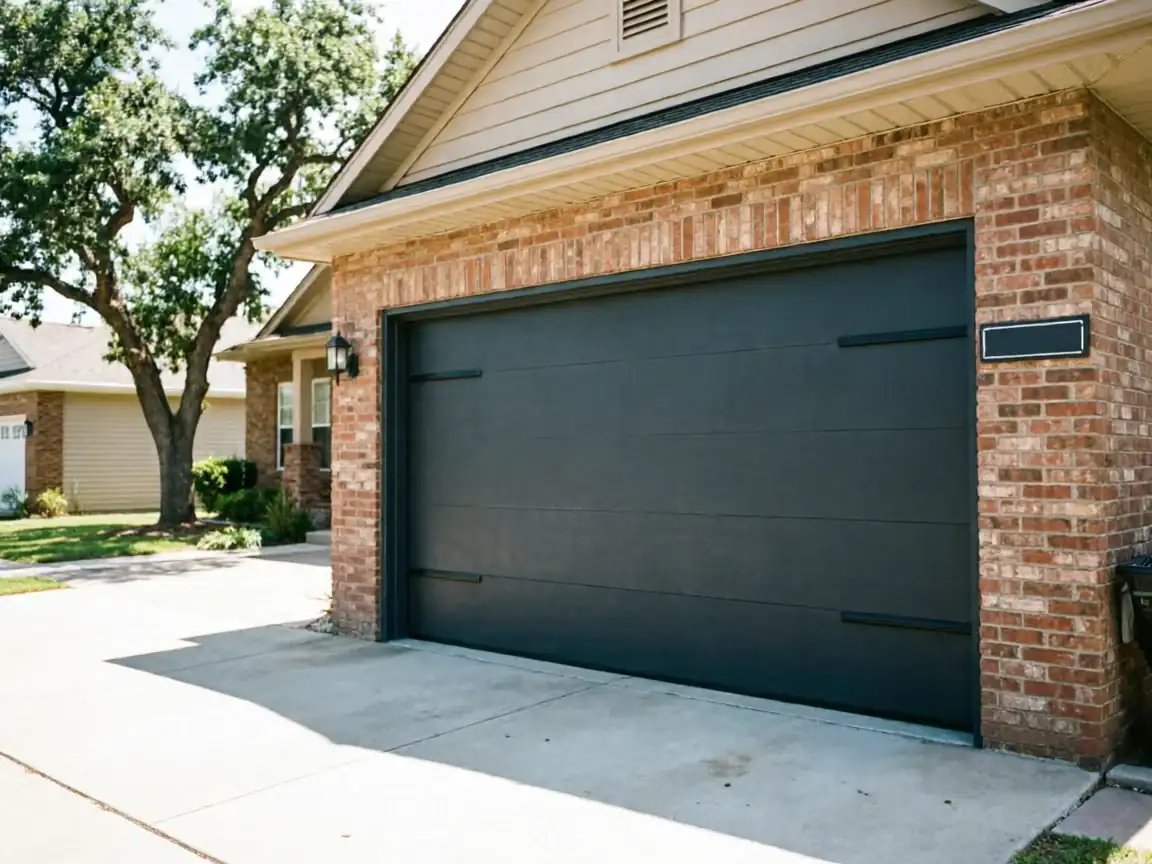
That matters because Pea Ridge's housing stock runs newer than the raw average for the wider service area
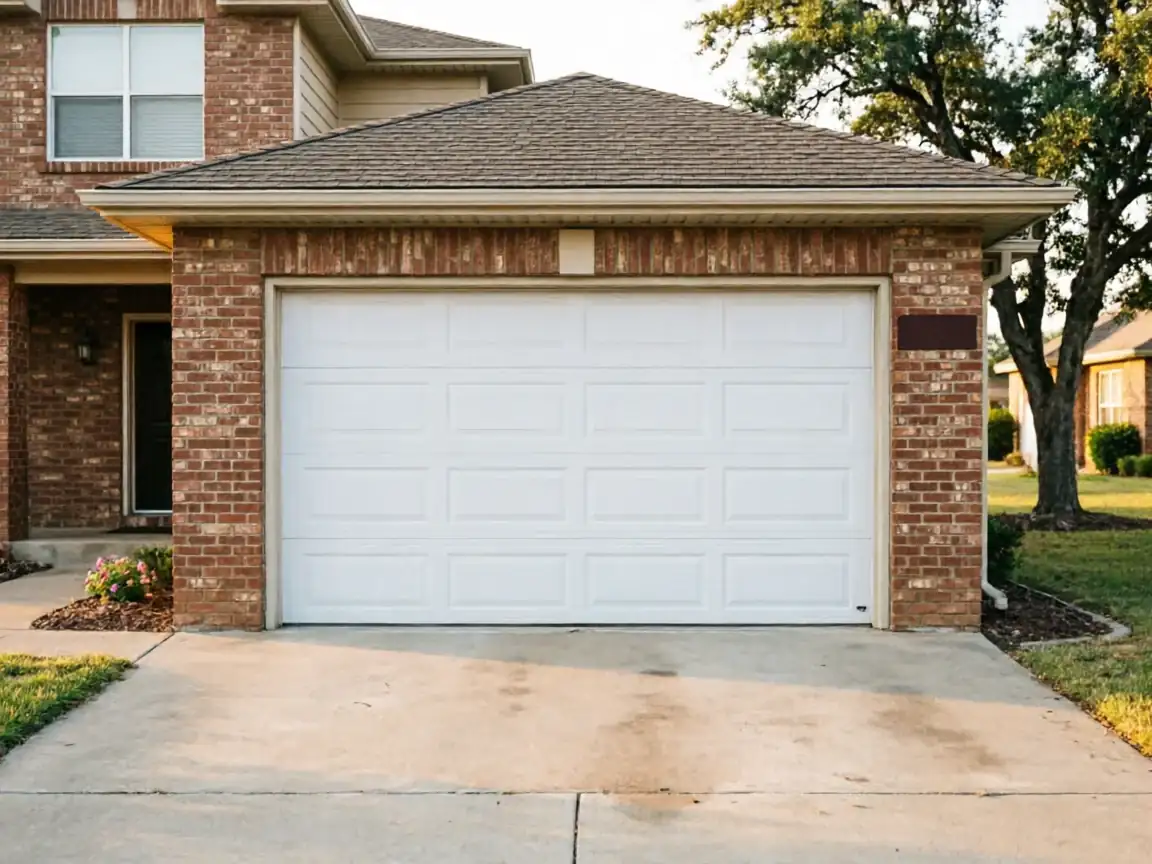
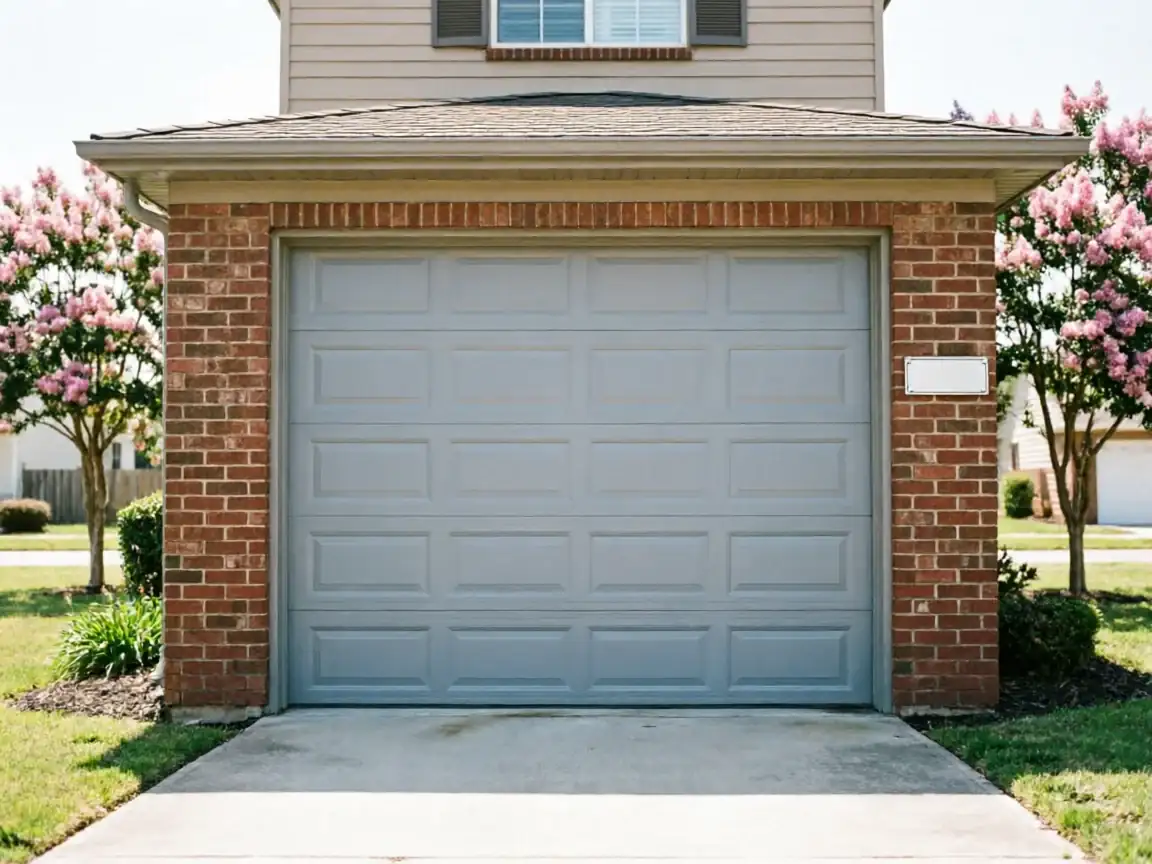
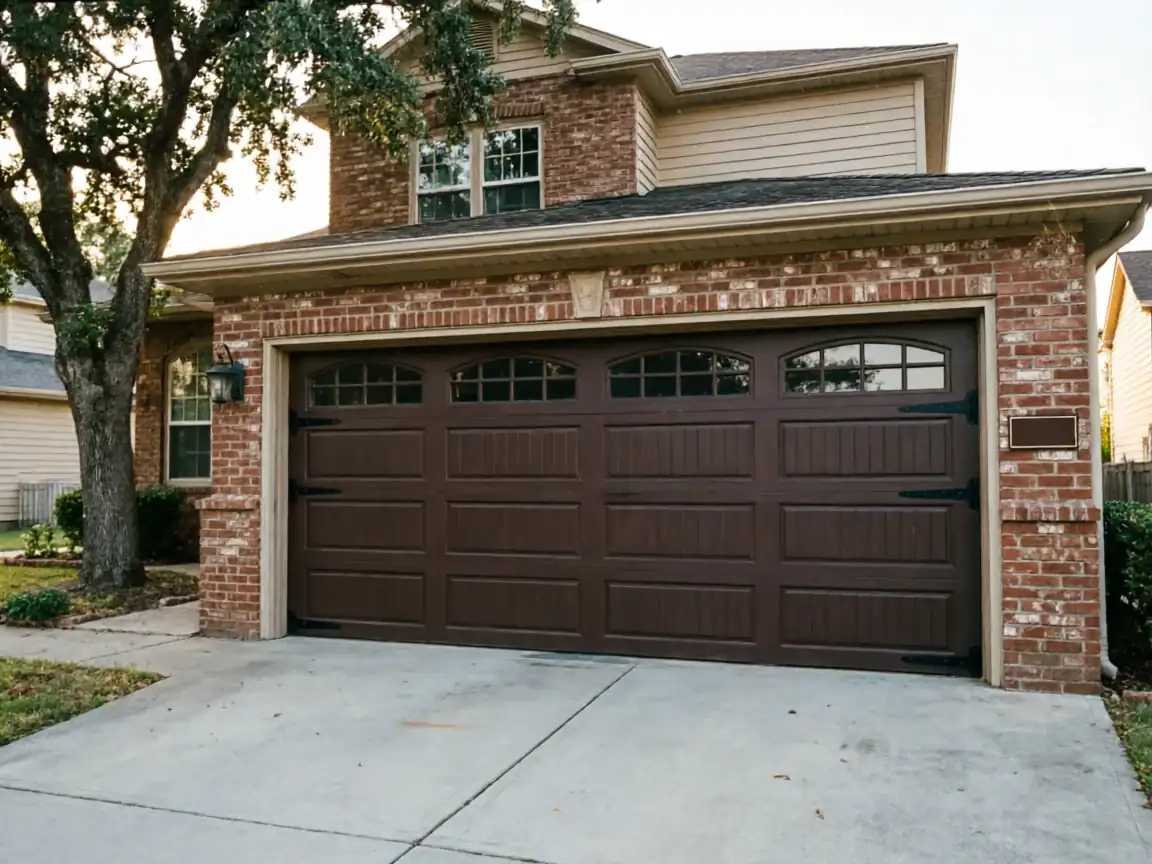
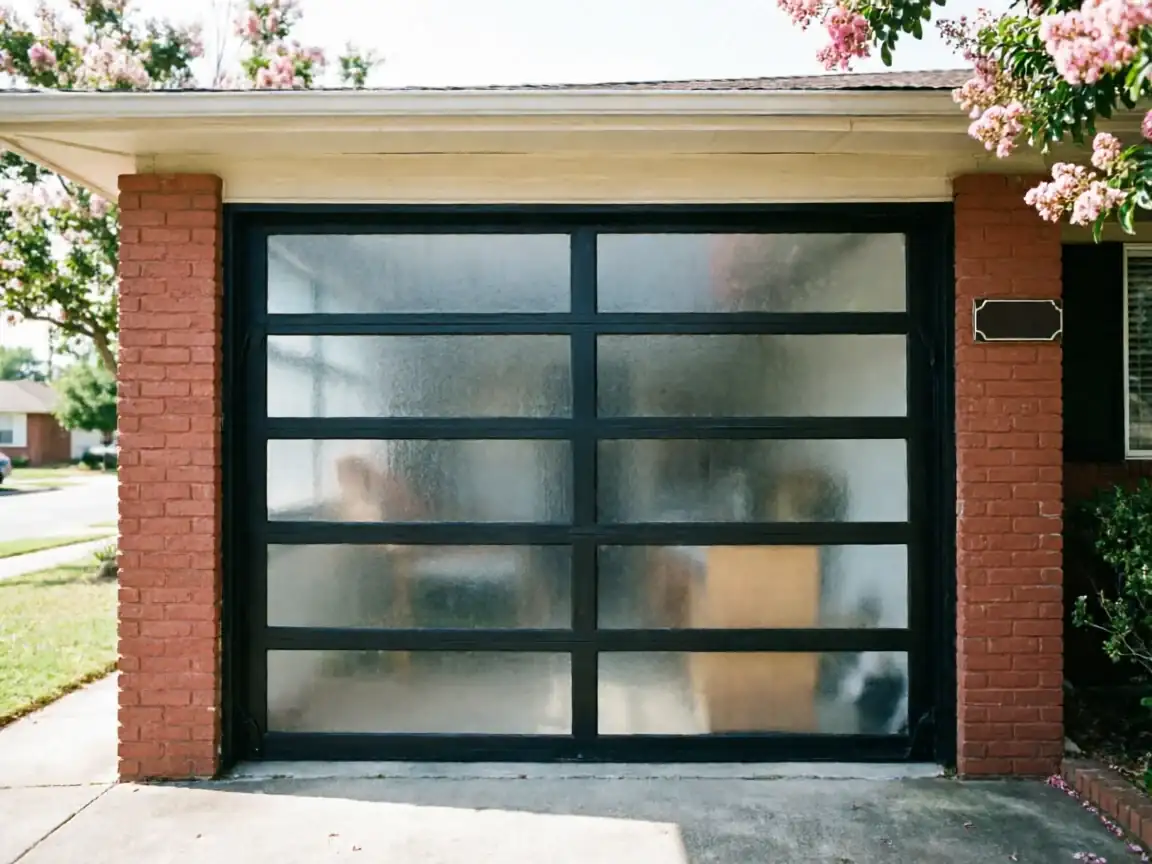
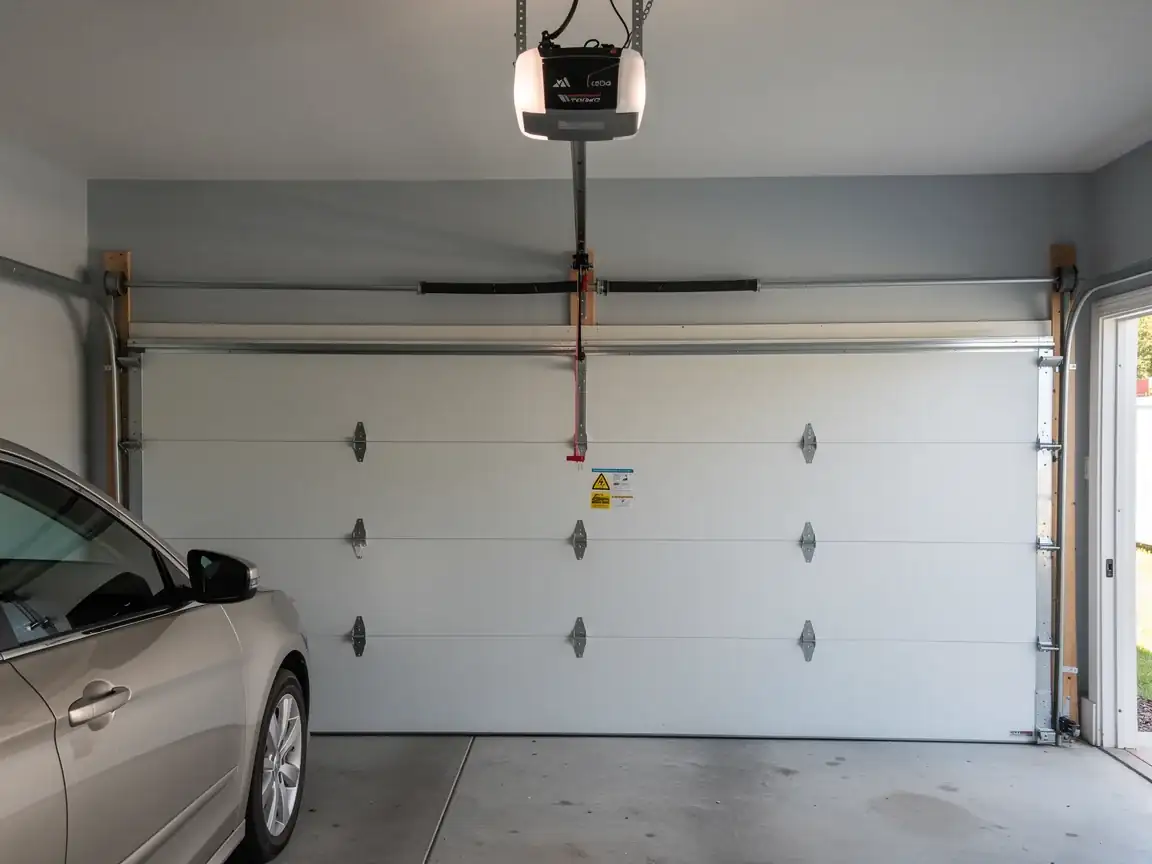
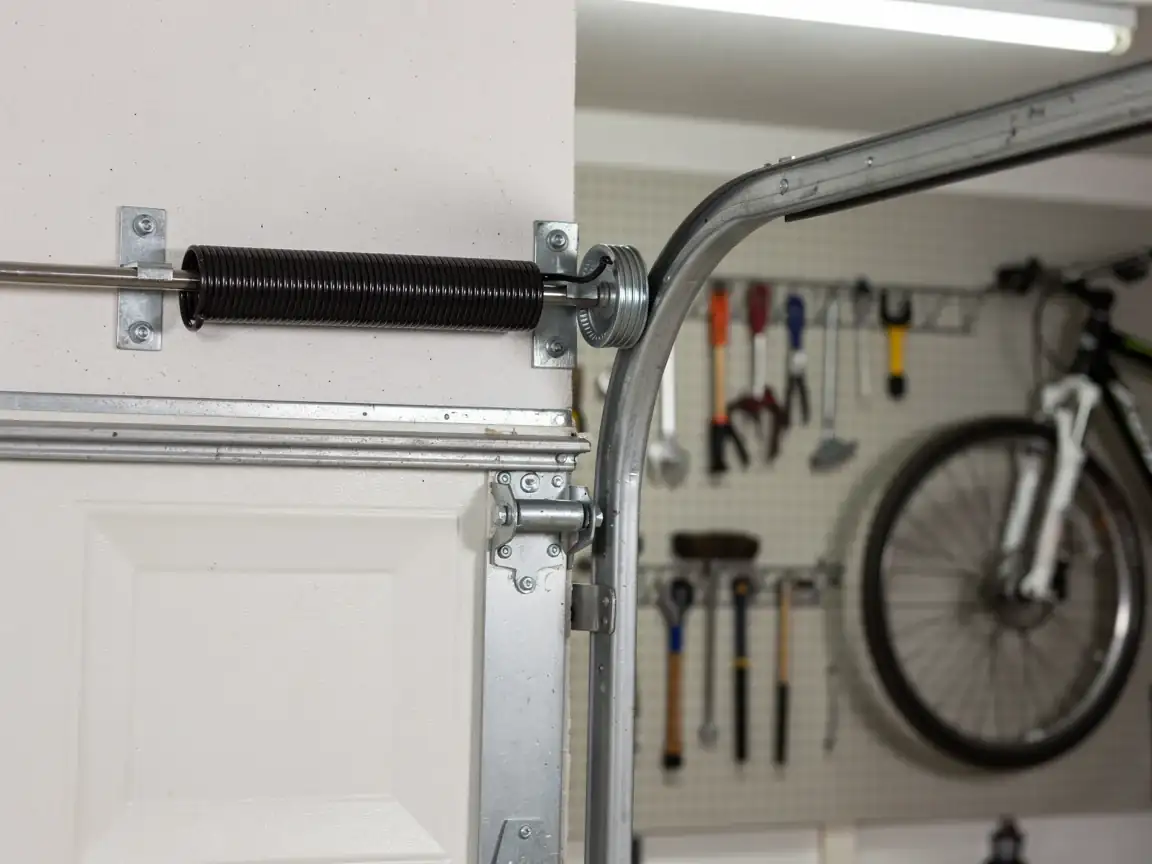
The median year built here is 1997, a notch past the broader 1987-2013 range (median 1996) that covers the 16 named communities we work across. A door and opener installed in a mid-1990s build in Pea Ridge is coming up on 25-30 years old right now - old enough that the original opener logic board, the steel rollers, and in some cases the spring winding cones are the parts actually failing, not the door slab itself.
- 30 years
With 2,759 households in Pea Ridge and a median income of $93,627
Noticeably above the $86,541 median across the full service area - a fair number of these owners are the first people to touch these doors since the builder's install crew. That first-touch factor, more than age alone, is what tends to turn a five-minute spring job into a longer one once we're actually inside the opener.
- 2,759 households
How It Shows Up
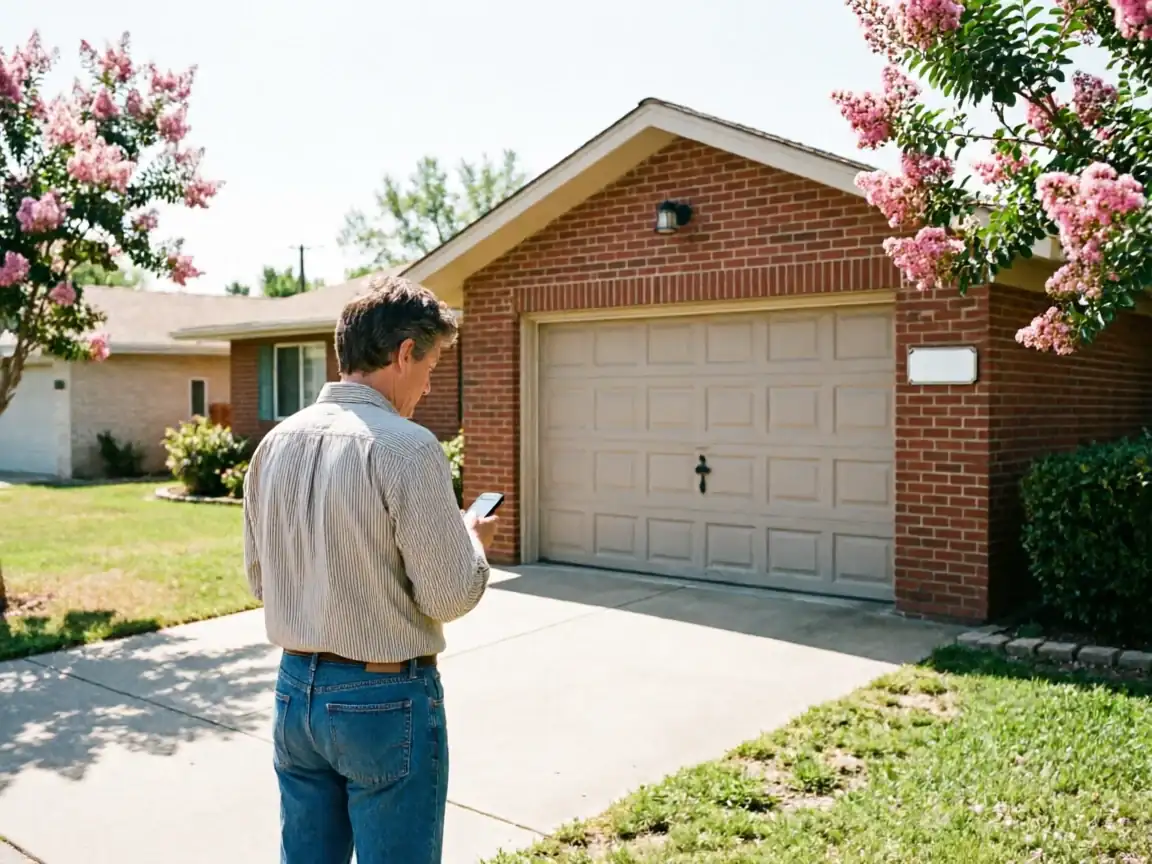
On a door this age, the complaint is rarely "it won't open." It's usually something smaller that's been building for a year or two. The opener runs but the door lags half a second before it catches. The remote works some days and not others. The door closes, then reverses for no reason anyone can see.
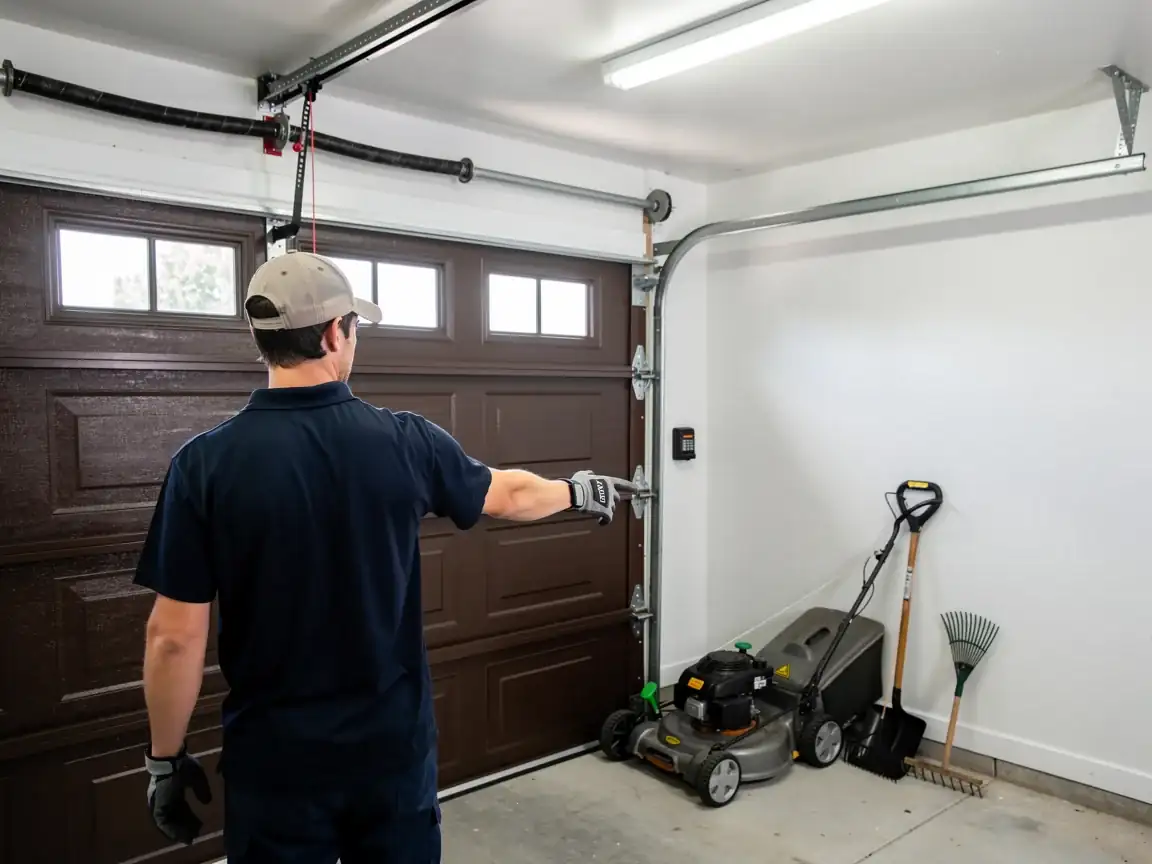
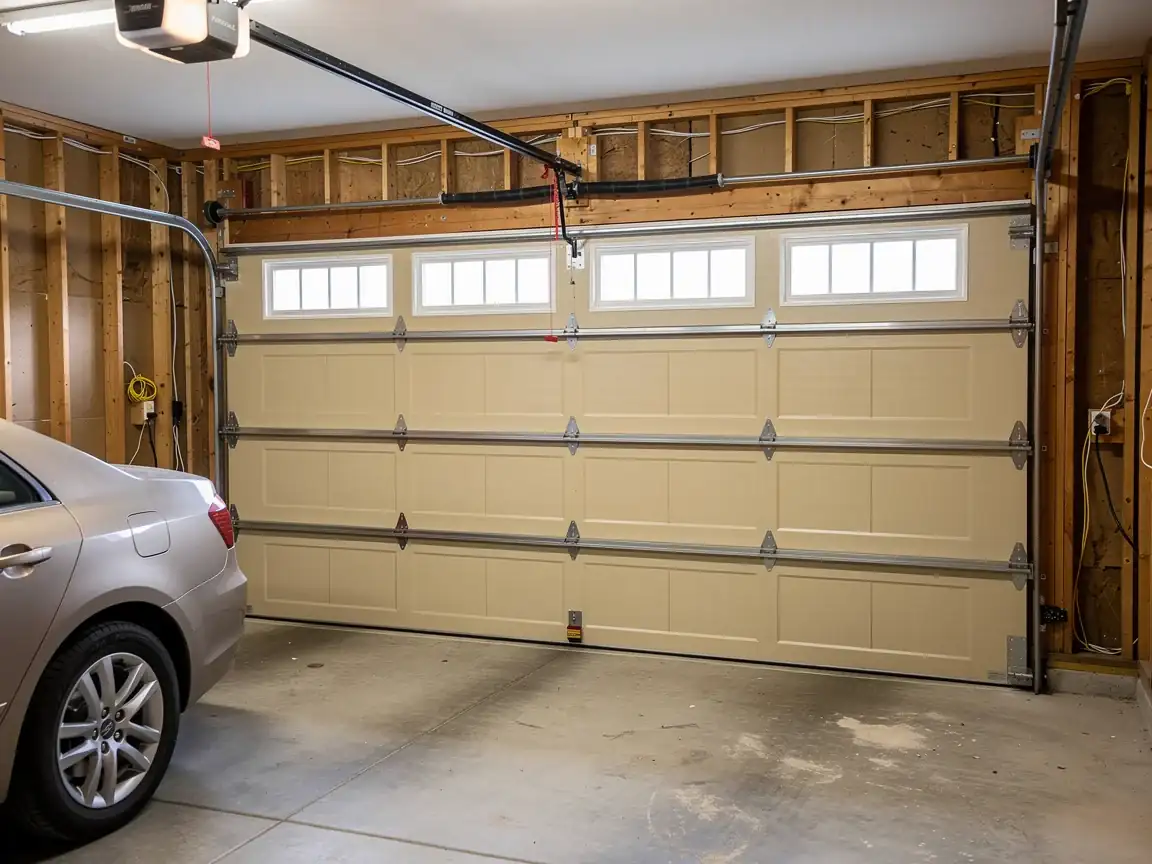
Those are symptoms of worn rollers losing their grip in the track, a logic board drifting out of calibration, or a torsion spring that's lost enough tension that the opener is doing work it was never built to carry. In cold-moderate winters, steel contracts and loosens anything that was already borderline - a roller with play in the stem, a hinge with an elongated bolt hole. None of that is dramatic. It's wear that was already there, showing up when the temperature drops.
Doing It Yourself
Lubricating hinges and rollers with a garage-door-rated spray, twice a year, is worth doing yourself and takes ten minutes. Checking that the auto-reverse still trips when something is under the door is also worth doing yourself - it's a safety check, not a repair.
What isn't worth doing yourself: touching a wound torsion spring, or disassembling the opener logic board to chase an intermittent fault. A torsion spring under tension can put someone in the hospital, and a logic board problem usually needs a scope or a swap-test with a known-good board to actually diagnose - guessing at it just burns parts.
How We Fix It
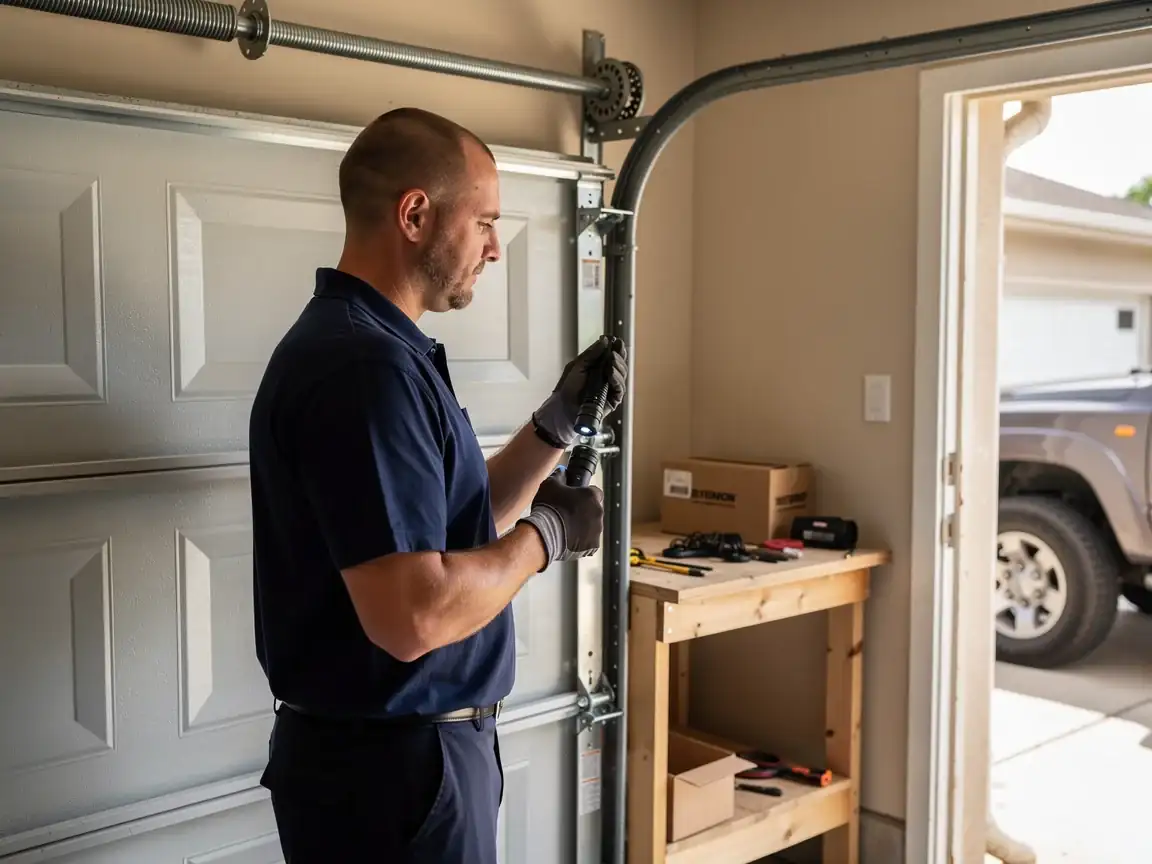
For doors from the 1990s building wave, we start at the spring and the rollers, because those are the parts most likely to have quietly worn past their service life by now. If the opener logic board is the actual fault - intermittent signal, erratic reverse - we test it against a known-good unit before replacing it, rather than swapping parts on a guess.
We carry common spring sizes and roller types for this era of build on the truck. What we don't always carry is a legacy opener board for a brand that's since changed its electronics twice - those sometimes mean a short wait on a part, which we'll tell you about upfront rather than promise a same-visit fix we can't back up.
The Complications
The one thing we're honest about: because we're coming from Bentonville and not from a depot in Pea Ridge, we can't promise a same-day slot the way a company with a local branch might. We batch calls on this side of the county where we can, which usually keeps the wait reasonable, but it's not instant.
The other complication is parts availability on older opener electronics - some manufacturers stopped making boards for models that are only 20-25 years old, which is exactly the age bracket a lot of Pea Ridge houses are in right now. When that happens, replacement usually makes more sense than a repair that's waiting on a discontinued part.