Why This Fails Locally
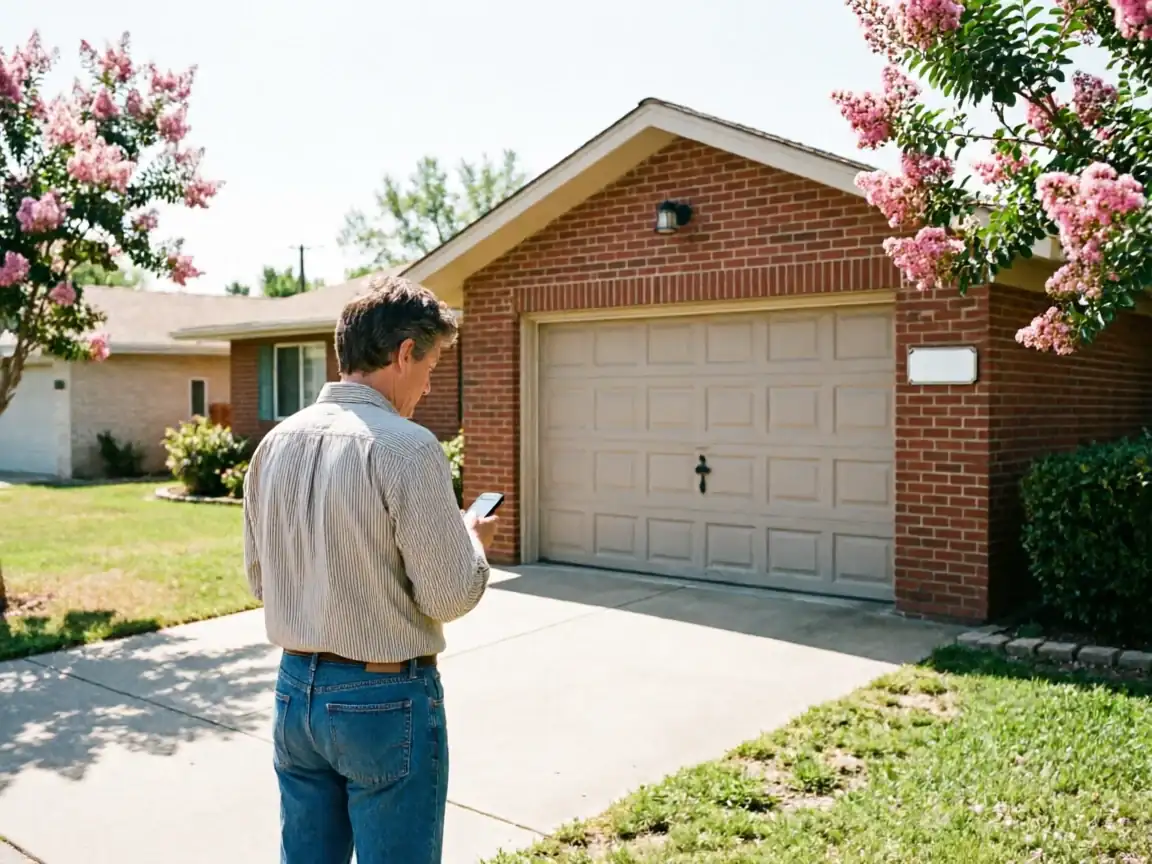
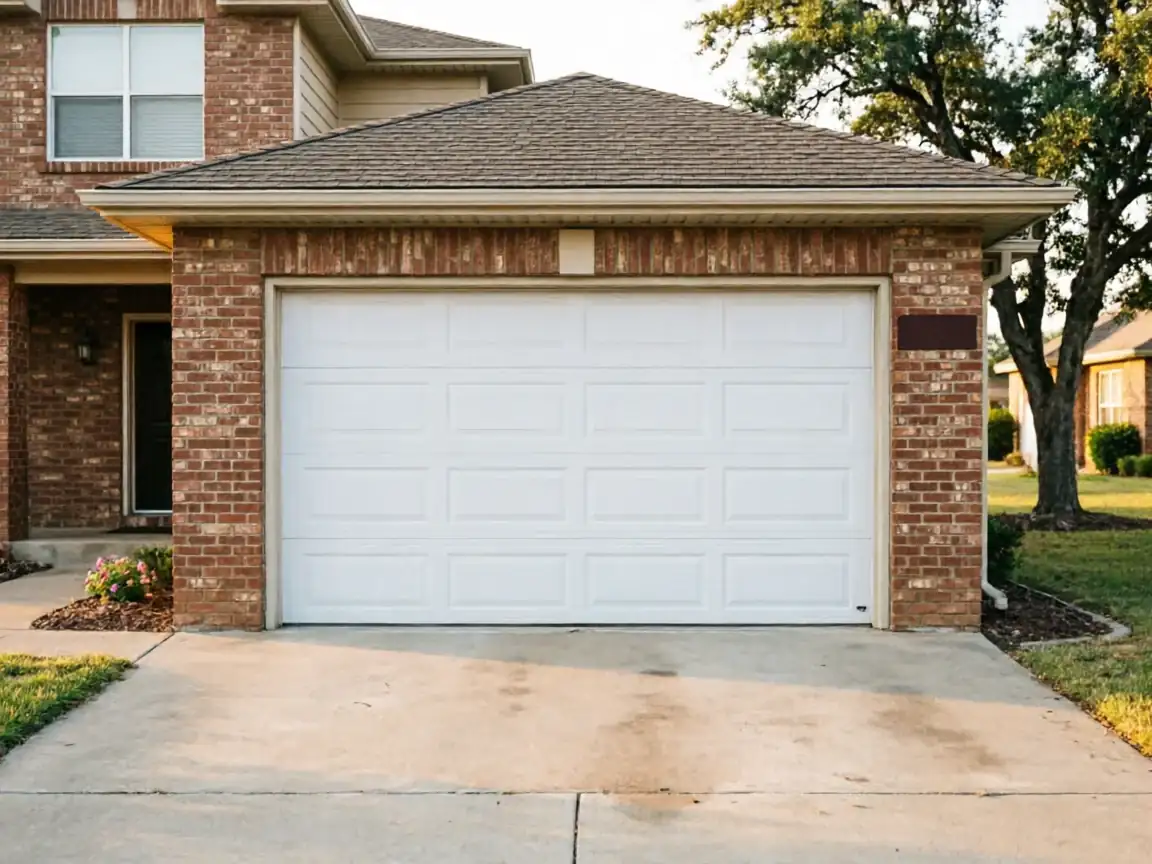
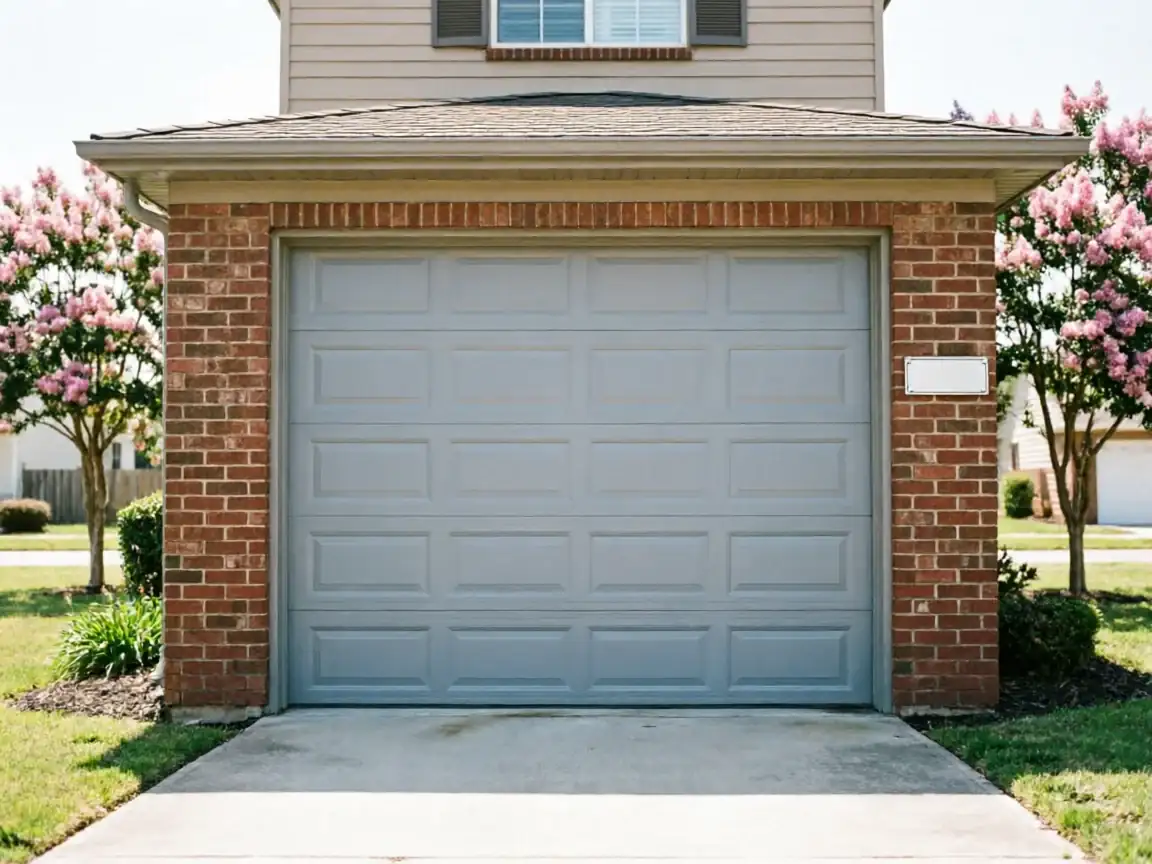
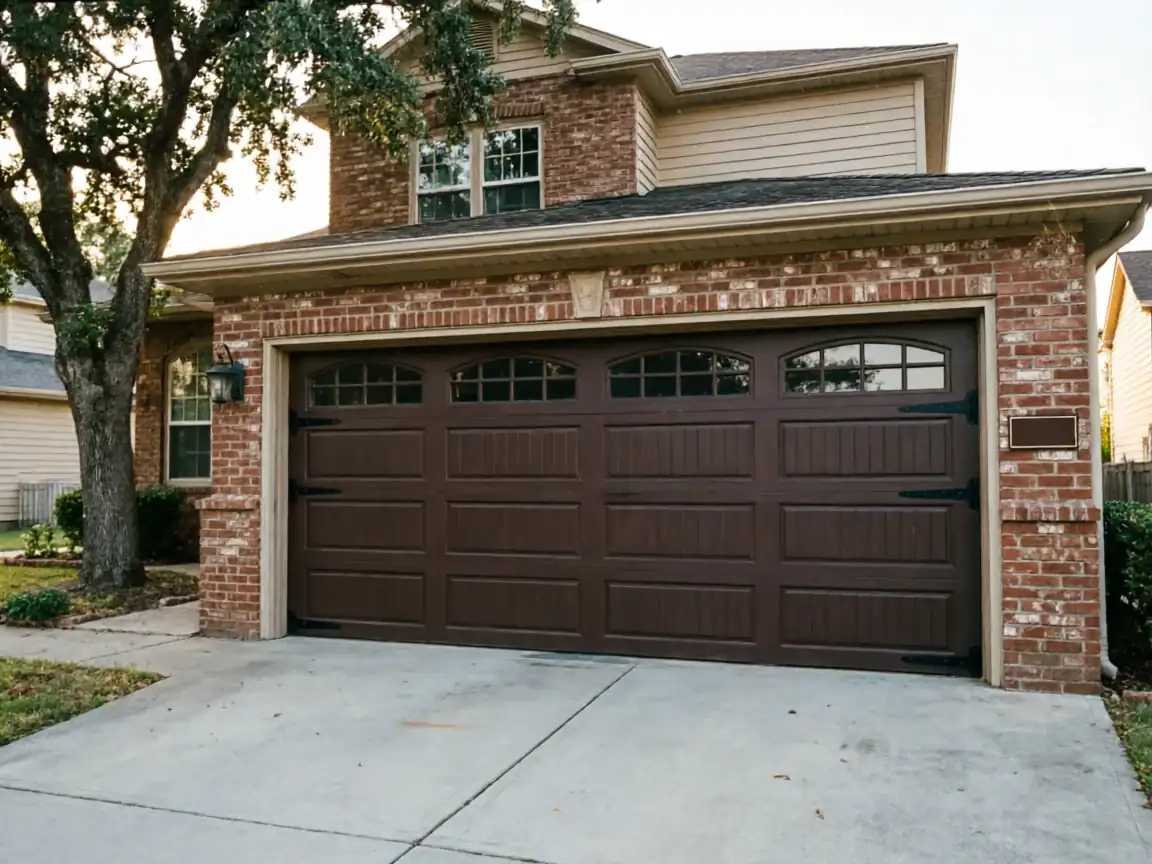
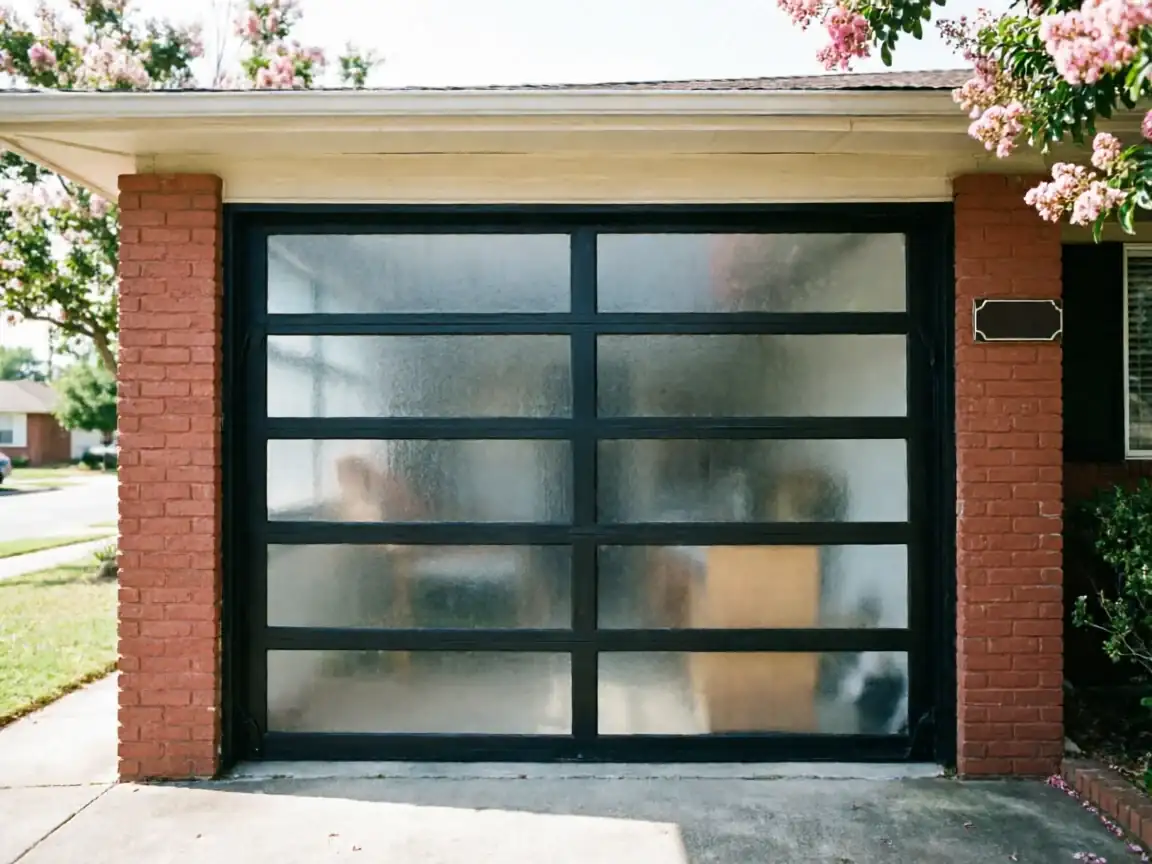
Most of Pea Ridge went up around 1997
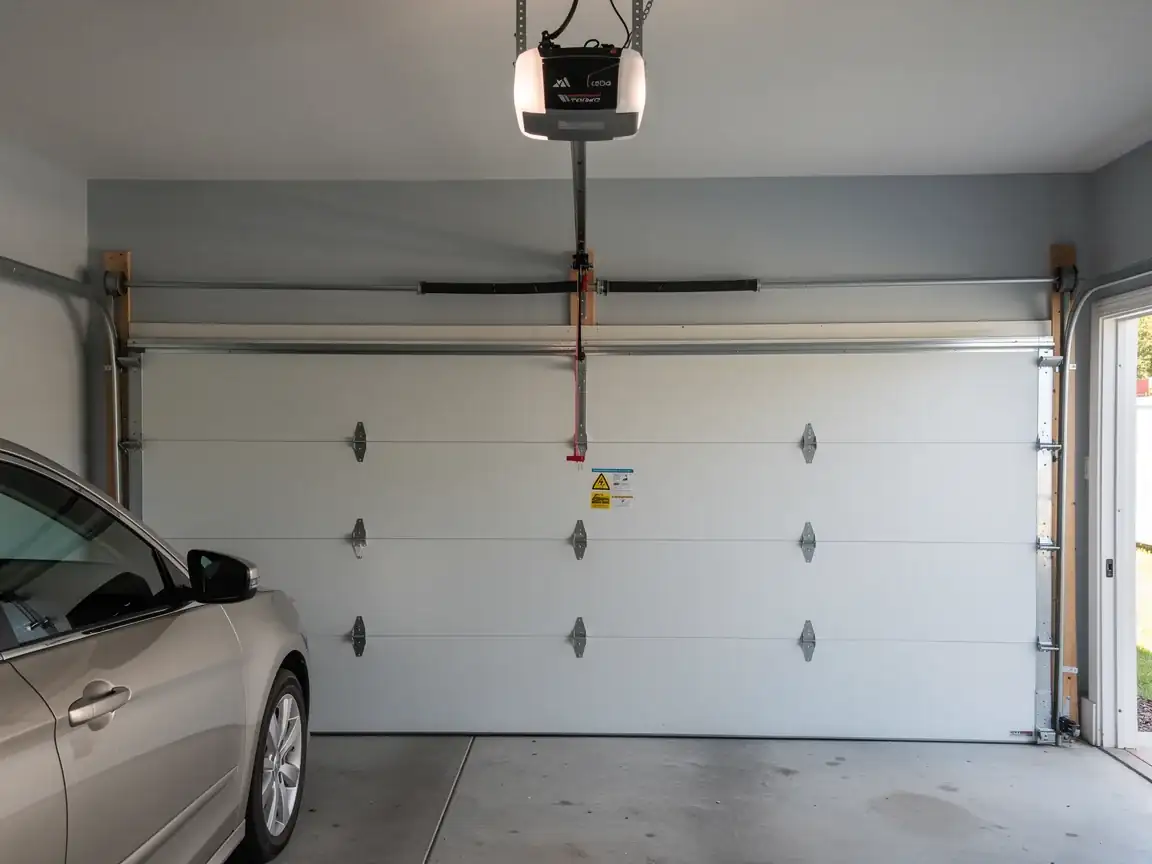
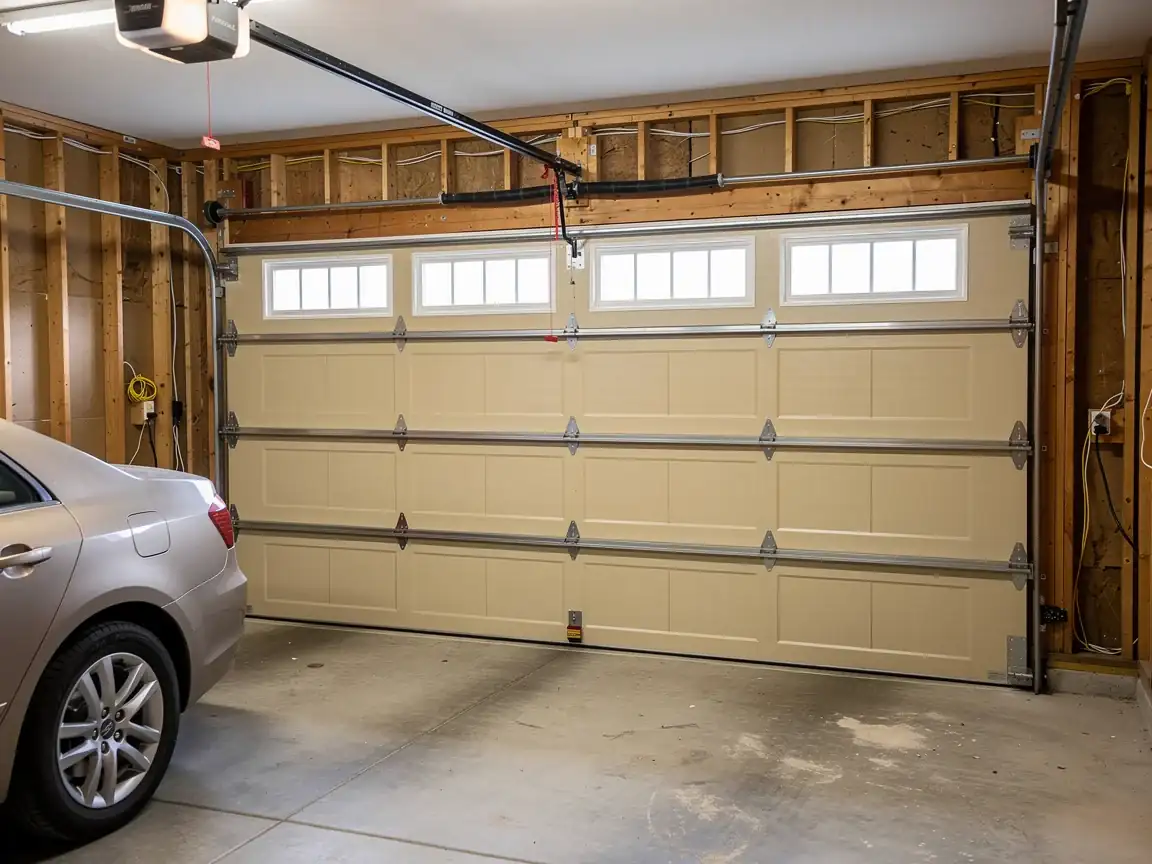
Which puts a lot of garage door openers here at roughly the same age as the houses they're bolted to. That's not a coincidence - it's the original unit. Builders in the mid-to-late 90s typically installed whatever chain-drive opener came standard with the package, and in a lot of these houses nobody has ever swapped it out. The circuit board, the motor capacitor, the drive gear - all original, all pushing 25-plus years.
That matters because opener electronics don't age gracefully
Capacitors dry out, logic boards develop cold solder joints, and the drive gear - usually nylon - wears down to the point where the chain slips instead of pulling. None of this is a Pea Ridge-specific defect; it's just what happens to a product from that era after decades of Arkansas winters and summers cycling the unit through temperature swings. The area's housing stock being concentrated around 1997 construction (consistent with the broader 1987-2013 range across the service footprint) means a lot of these units are failing in the same narrow window, not spread out randomly.
How It Shows Up
The most common complaint we hear from this stretch of houses is a door that reverses halfway up, or won't respond to the remote at all while the wall button still works. That split points to a failing logic board rather than a dead motor - the board can't hold a consistent signal even though it still has power.
Another pattern: the opener runs, you hear the motor, but the door doesn't move or moves then stalls. That's usually the drive gear stripped down to nothing, which is a near-guarantee on a chain-drive unit this old. Some owners also notice the light flashes a set number of times and won't do anything else - that's the opener's own error code, and on units this age it often points to safety sensor wiring that's corroded or come loose at the connection, not the sensors themselves.
Doing It Yourself
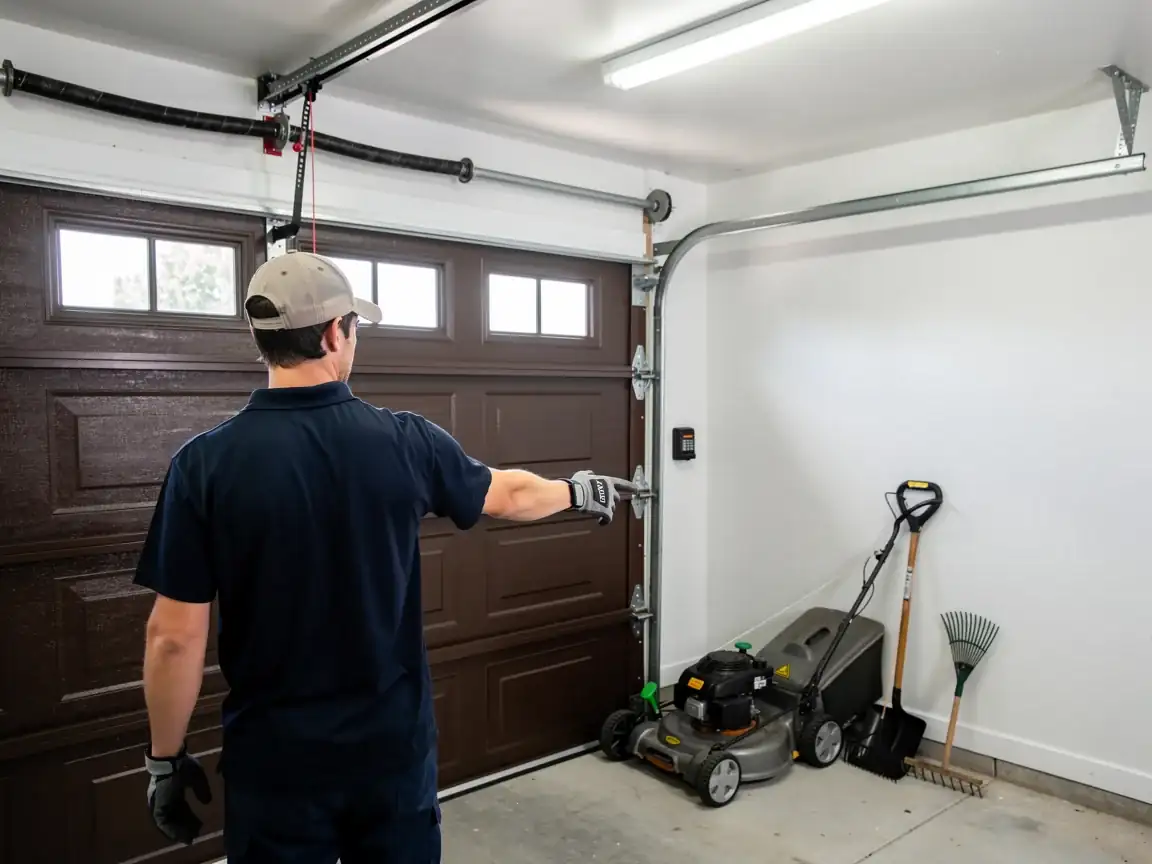
A few things are worth checking before you call anyone. Make sure the safety sensors near the floor are aligned - a bumped sensor is the single most common reason a door won't close, and it costs nothing to nudge it back and wipe the lens. Check that the antenna wire hanging from the unit hasn't been pushed up into the housing; that alone can make remotes unreliable.
What you shouldn't do on an opener from the 1990s is open the motor housing yourself. The capacitor inside can hold a charge even unplugged, and at this age the housing plastic is often brittle enough to crack if you force it. If the gear is stripped, replacing just the gear kit is sometimes worth it, but on a unit this old the logic board usually isn't far behind it, and we'll tell you honestly when that's the case rather than selling two repairs where one replacement makes more sense.
How We Fix It
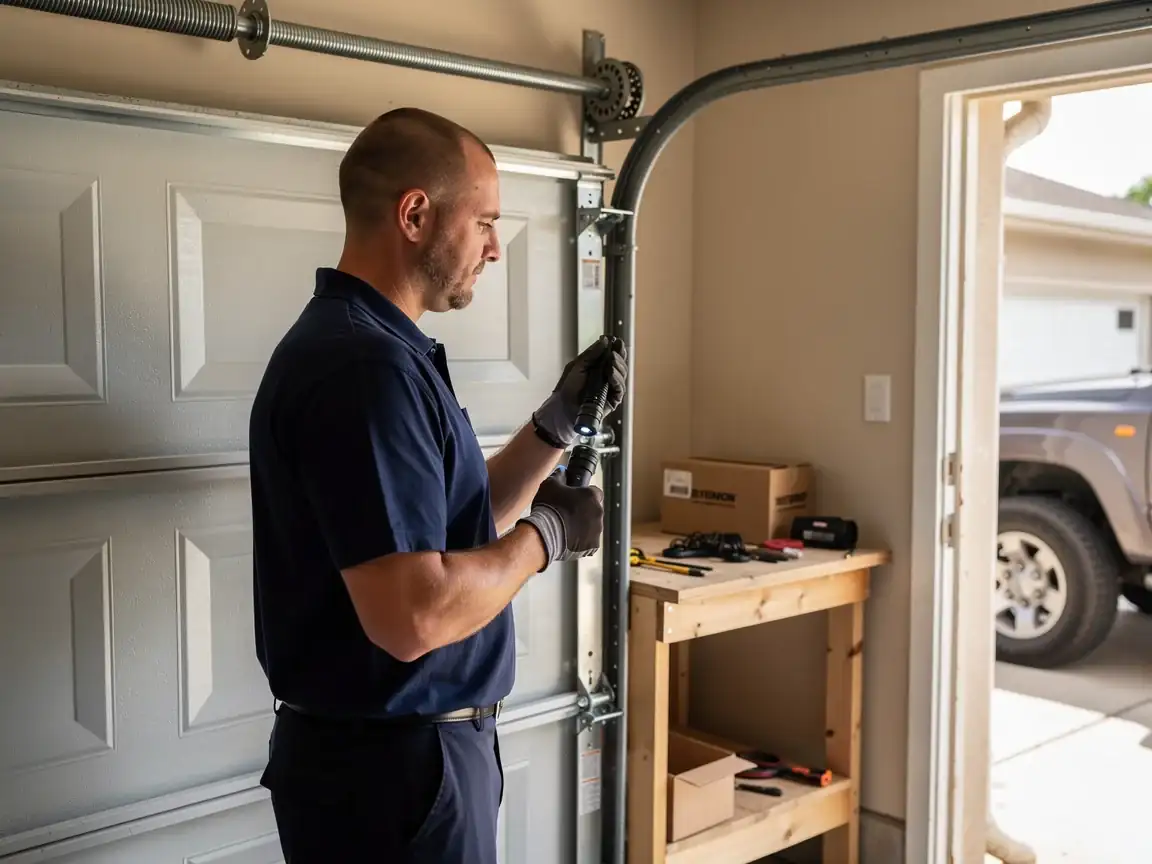
For a Pea Ridge opener from the 1997 build window, we start by pulling the model plate rather than assuming - some houses got upgraded units since, and we're not going to replace a five-year-old board because the house itself is old. If it is original, we check the logic board, the capacitor, and the drive gear in that order, since those are the three parts most likely to be the actual cause rather than a symptom.
We carry gear kits and capacitors that fit the common chain-drive models from that production era. If the motor itself has burned out or the board is too far gone to source a part for, we'll say so and talk through a replacement unit instead of chasing a repair that won't hold. We don't swap a working opener just because it's old - if the hardware still does the job reliably, we leave it.
The Complications
One thing we can't promise on an opener this old: an exact replacement board. Manufacturers stop stocking boards for a given model after a certain point, and a unit from 1997 is well past that point for most brands. When that happens, the honest options are a compatible aftermarket board or a full unit swap - we don't fabricate a part that doesn't exist.
The other complication is wiring. Houses from this era sometimes have the opener wired directly into a switch loop instead of a simple plug, which adds time to the job that a newer installation wouldn't need. We'll flag that before we start, not after, so there's no surprise on the bill.