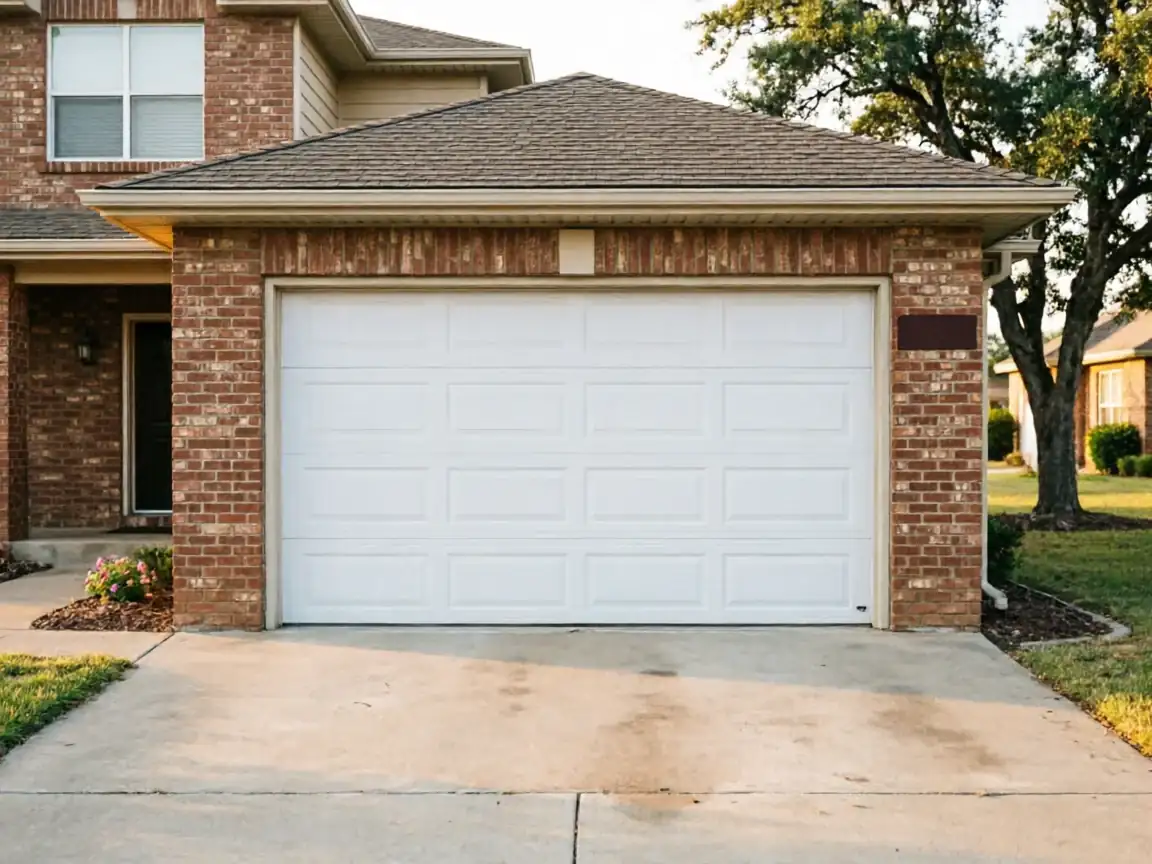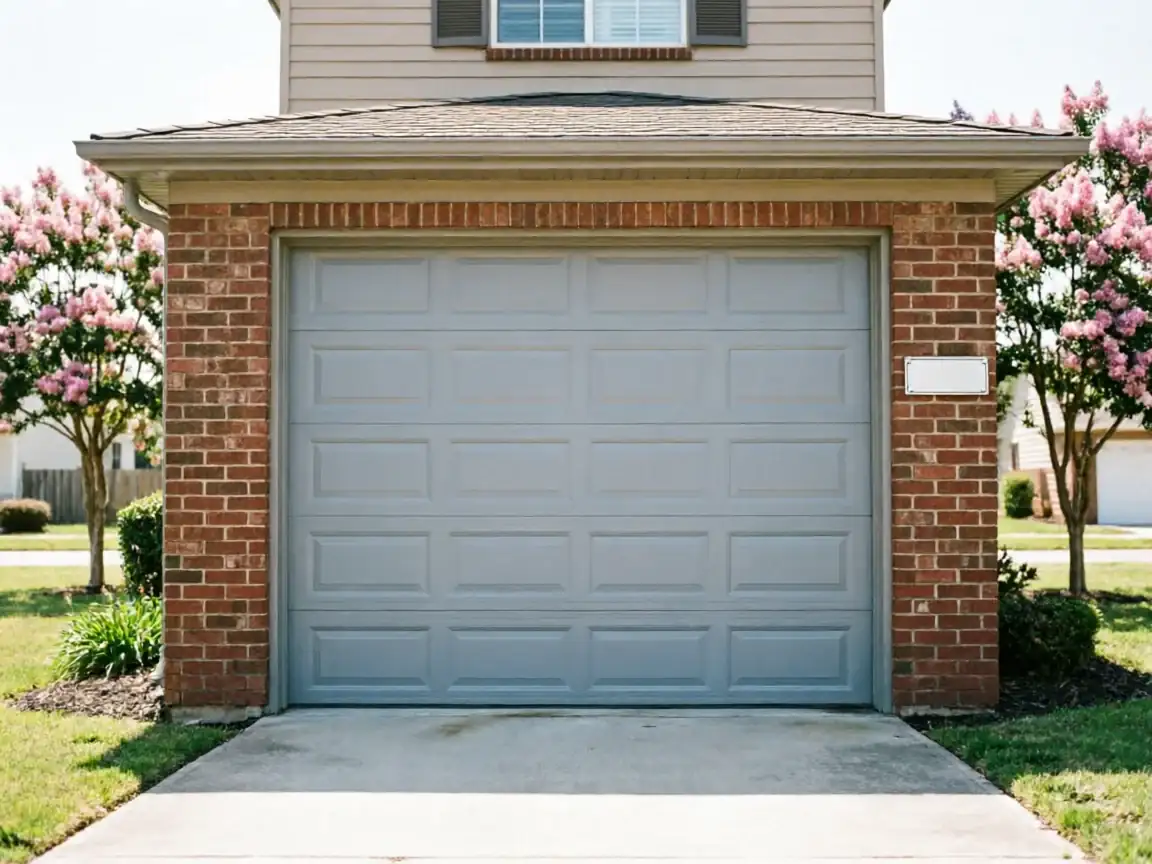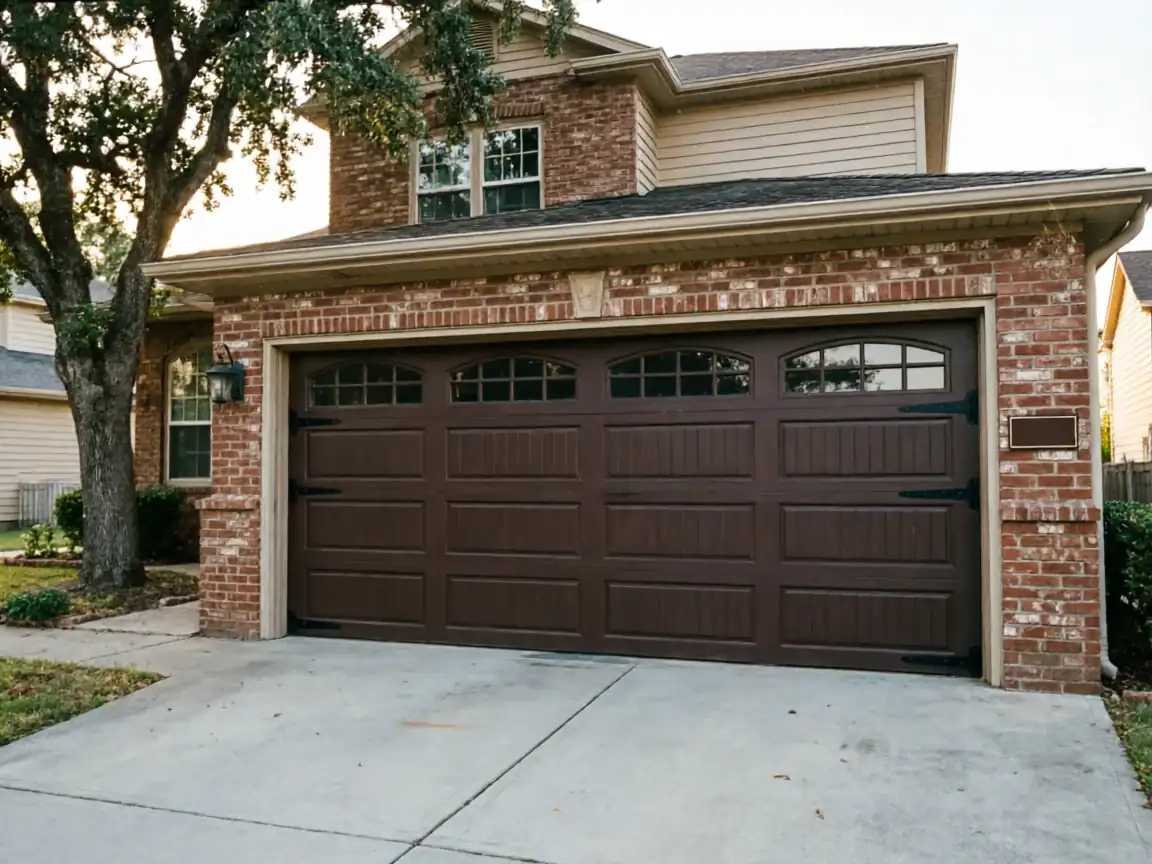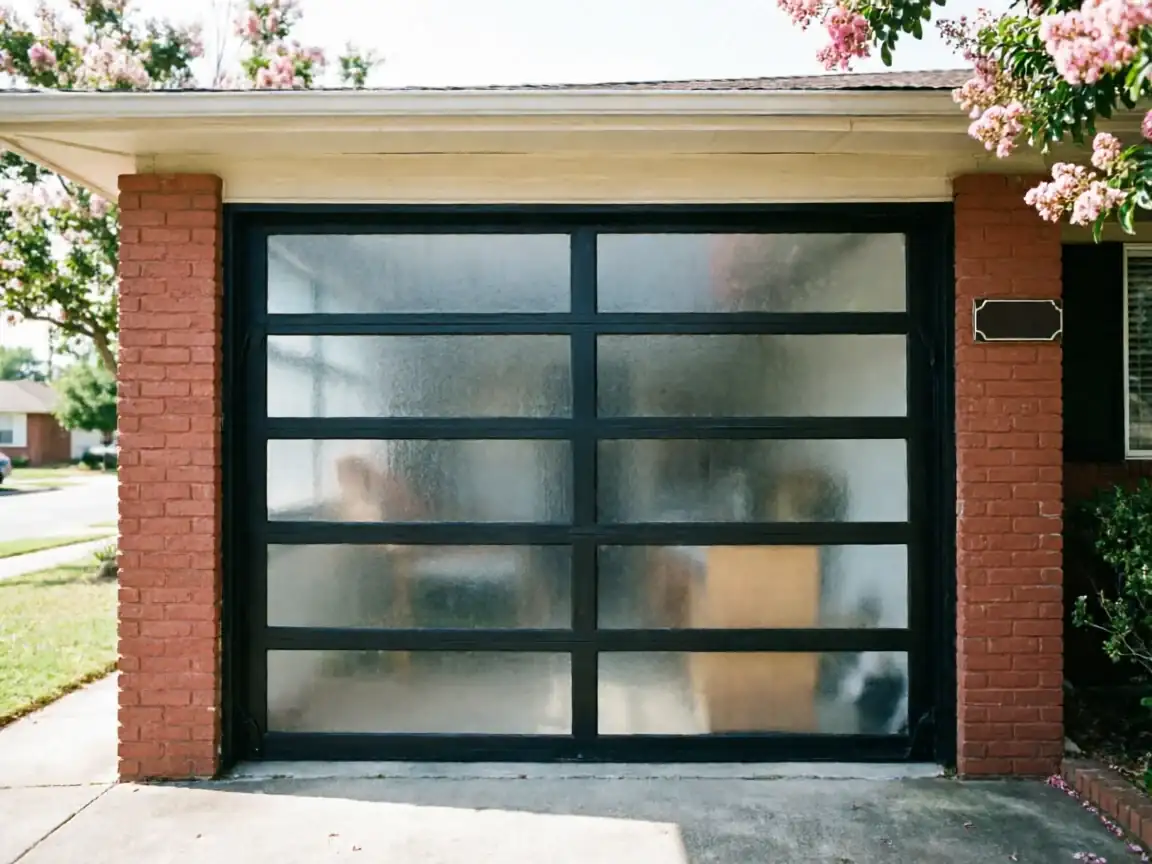
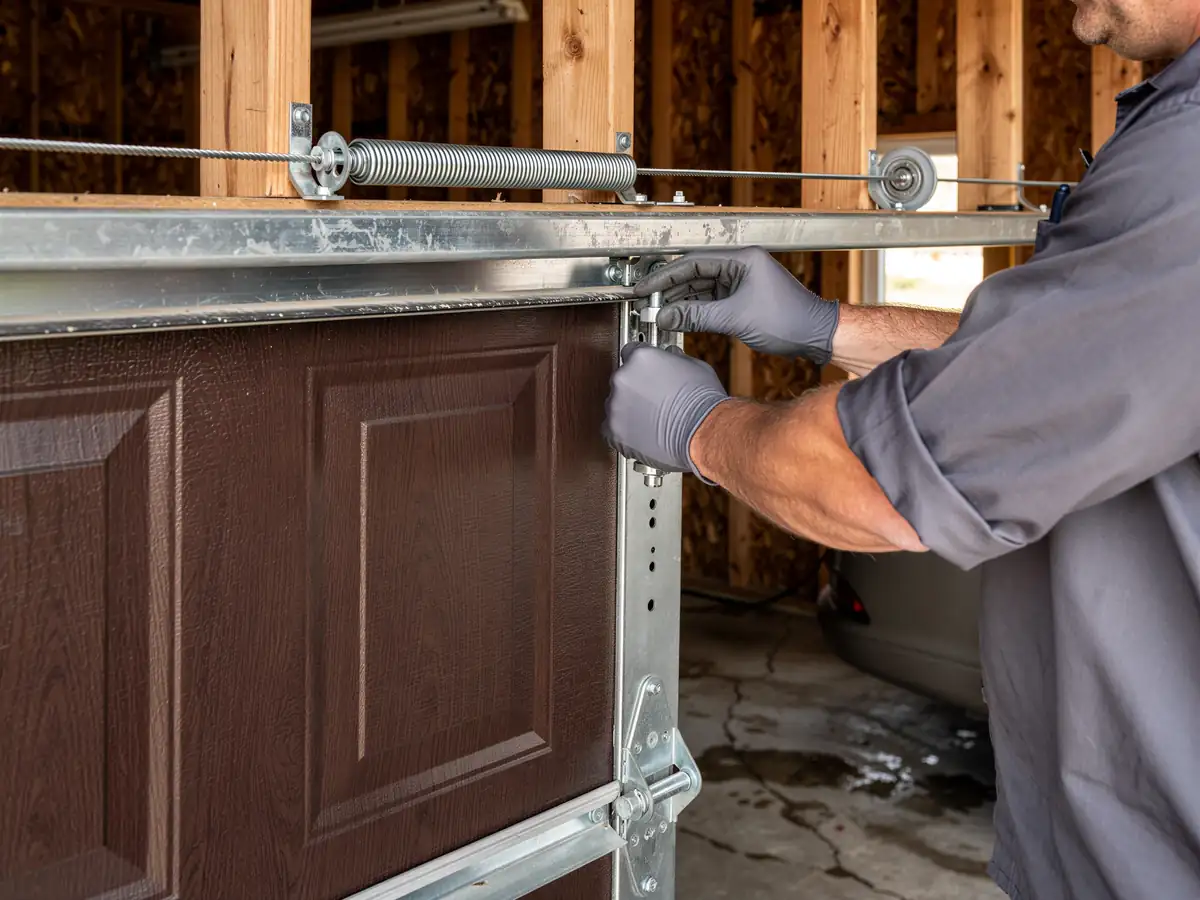
How It Shows Up
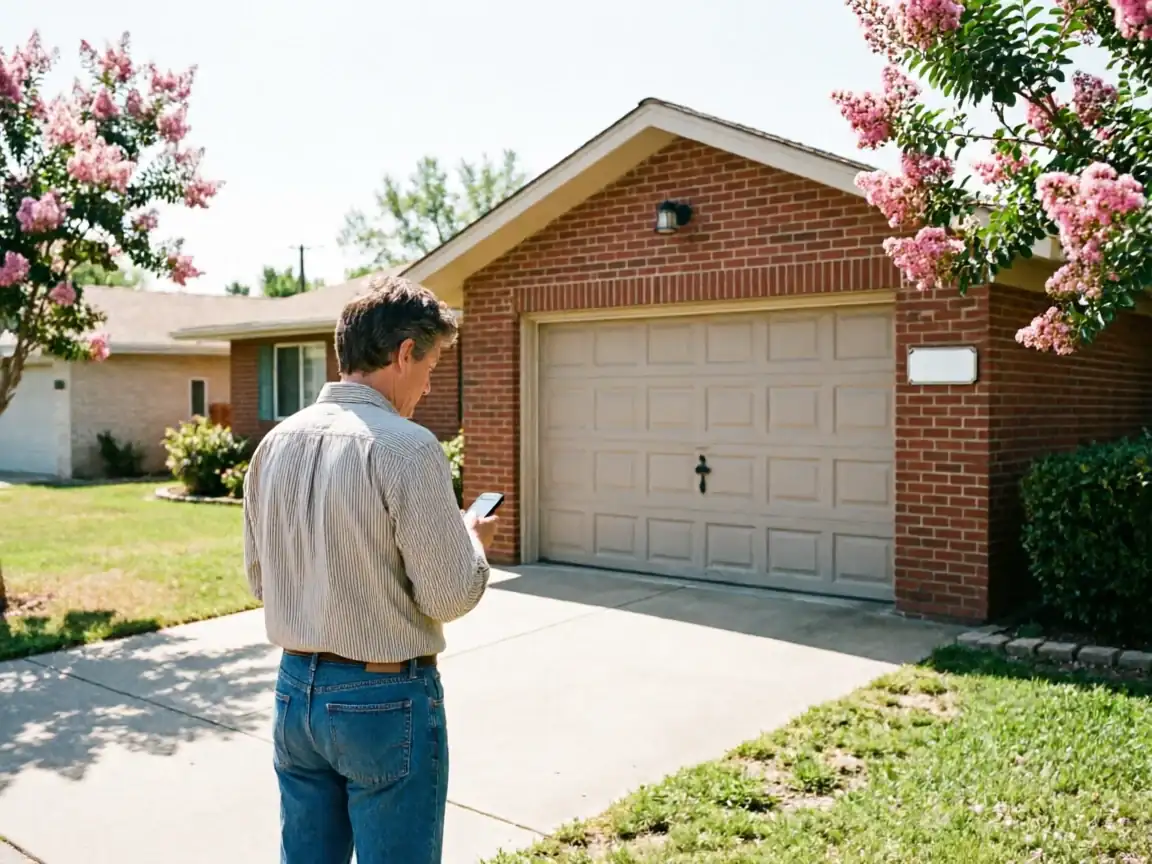
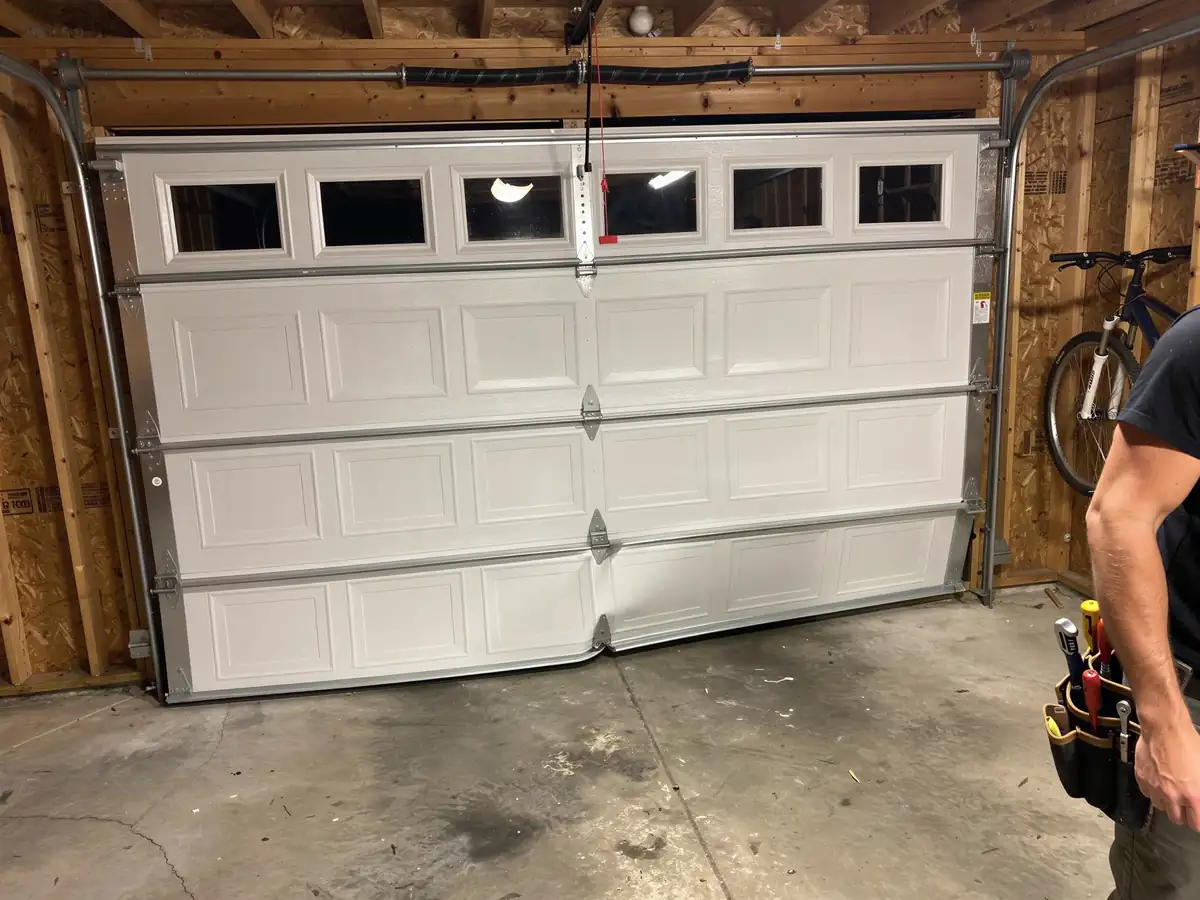
On doors from this build window, the first sign is usually noise - a grinding or slapping sound from rollers that have gone from nylon-white to yellowed and cracked, which is typical once a roller has logged 20-plus years of cycles. Next most common is a door that reverses or jerks partway up, which on 1990s-era torsion springs usually means the spring has lost tension gradually rather than snapped outright. Opener logic boards from this generation also drift out of calibration slowly - the safety sensors stop lining up by a fraction of an inch, and the door starts reversing on objects that aren't actually there, or worse, stops reversing when it should. None of this is dramatic. It's the kind of wear that gets dismissed as 'the door's just old' for a year or two before it becomes a stuck door and a call. Cold-moderate winters add a second layer: metal contracts, lubricant stiffens, and a spring that's already lost some tension has less margin left when the temperature drops.
Doing It Yourself
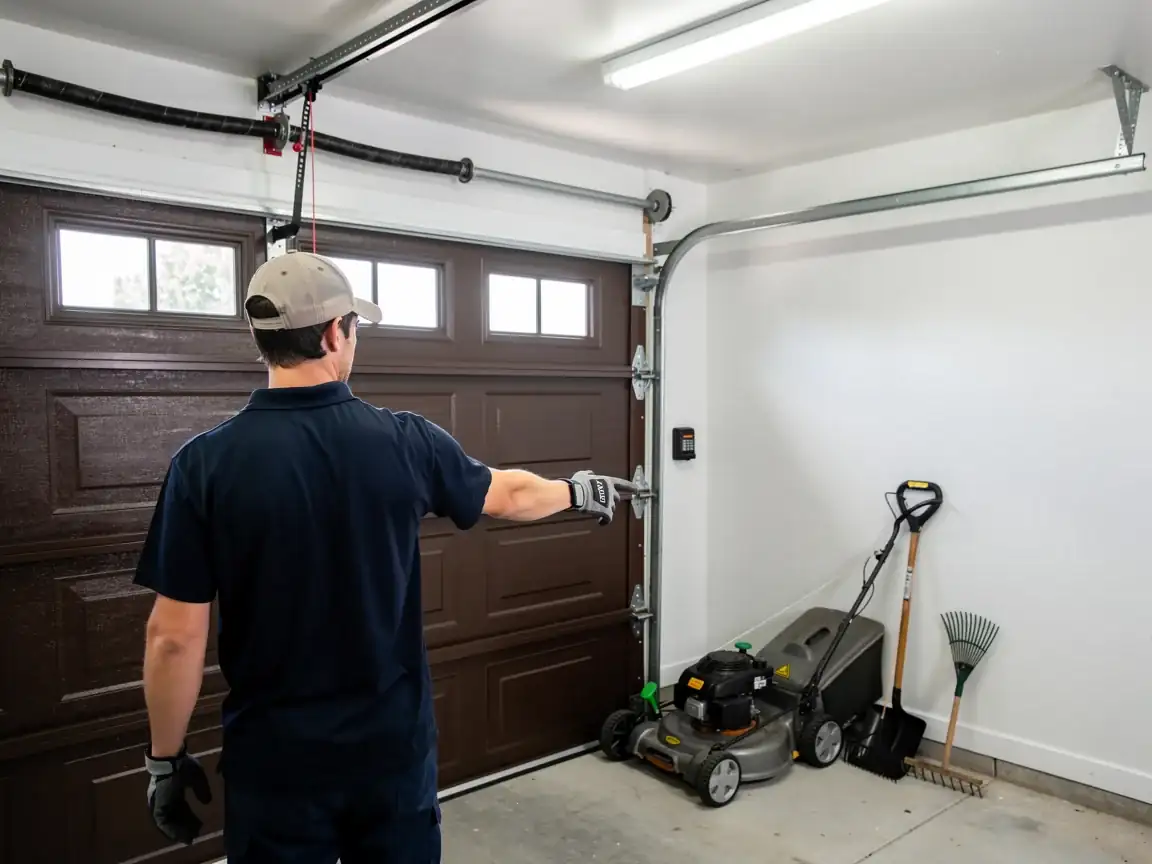
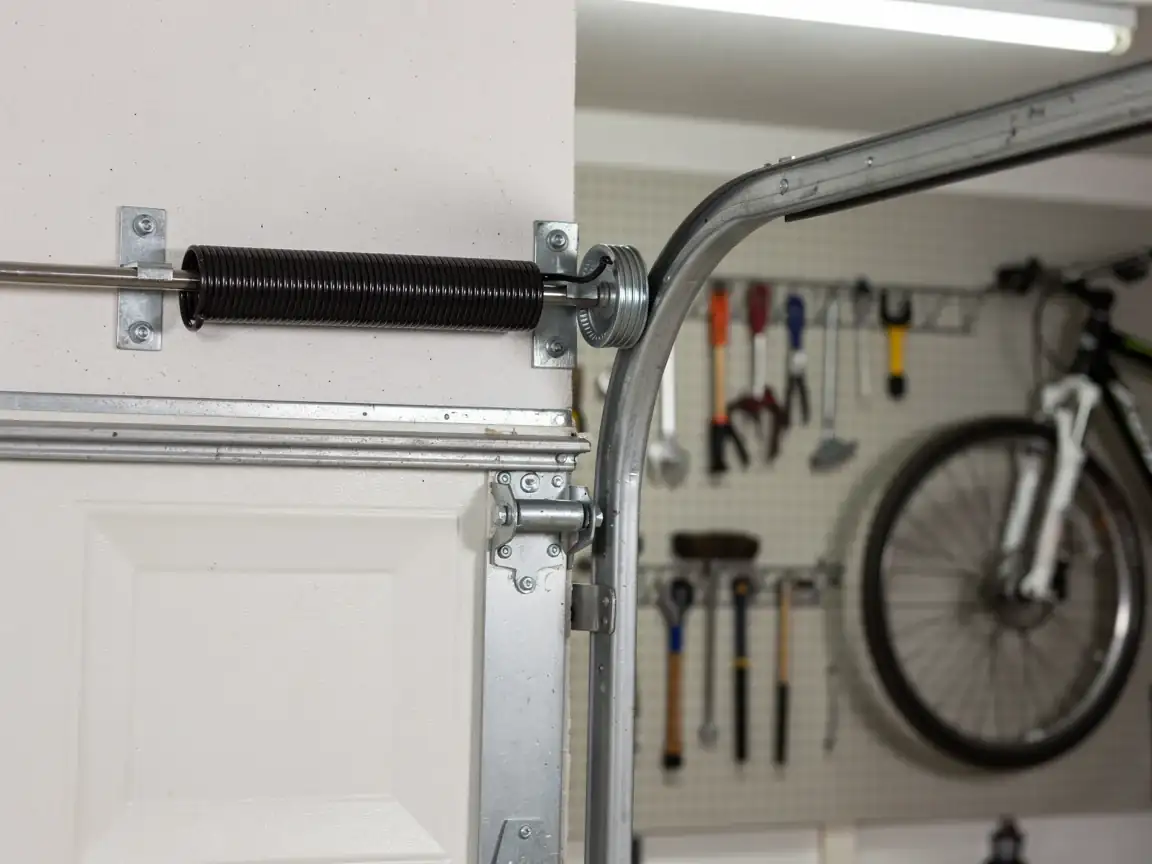
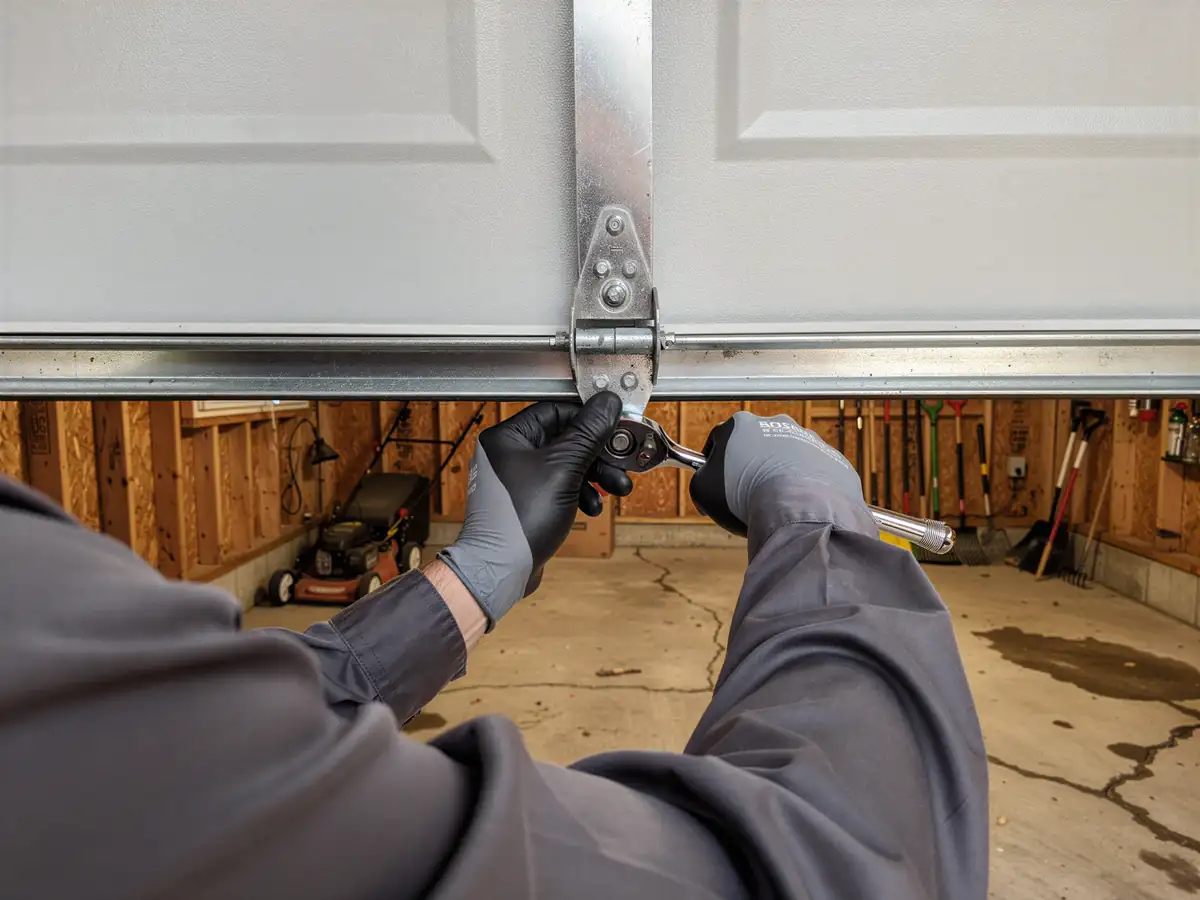
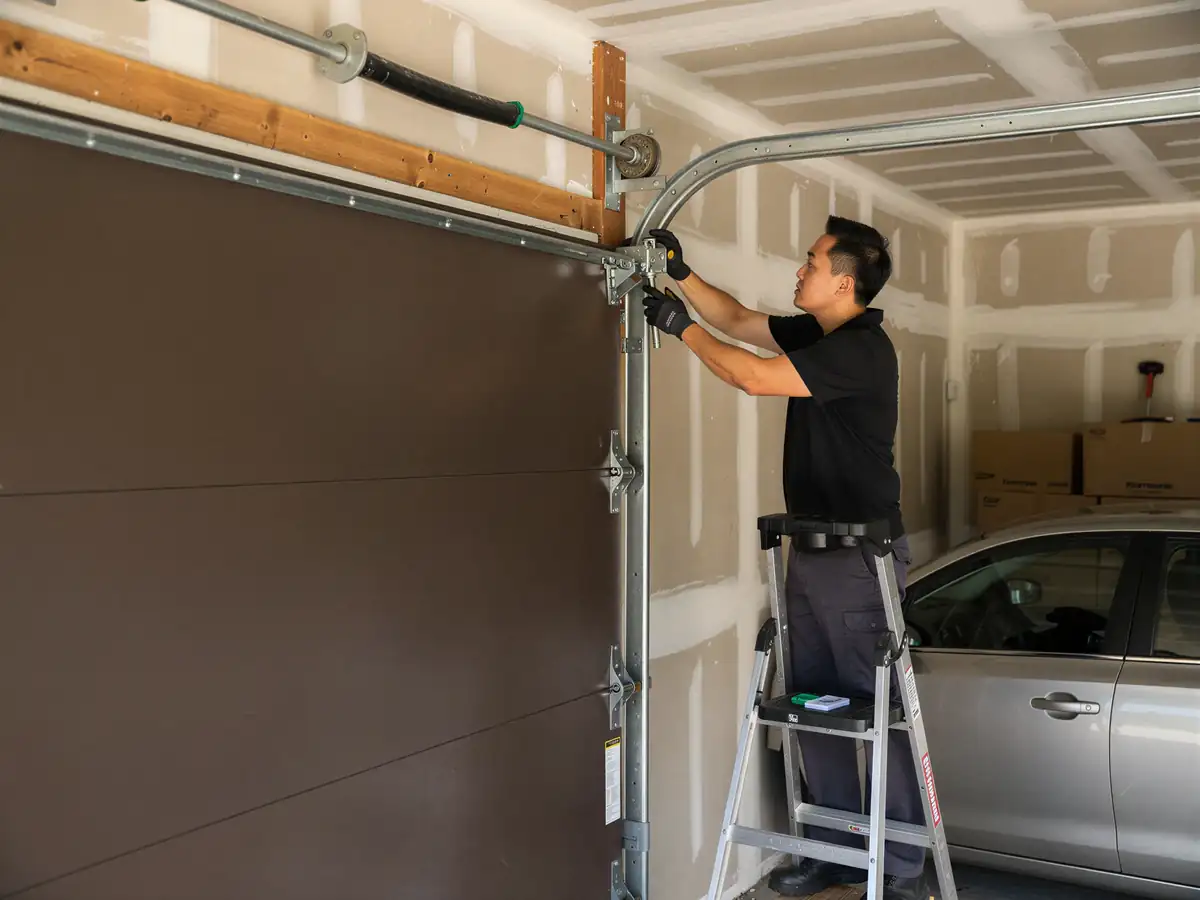
Plenty of this is fine to do yourself twice a year. Wipe down the tracks and check for dents or gaps where the roller rides. Lubricate rollers, hinges, and the torsion bar with a silicone-based spray, not WD-40, which attracts grit. Test the auto-reverse by laying a 2x4 flat under the door and closing it - it should reverse on contact. Check that the weatherstripping along the bottom panel still seals against the slab; gaps let cold air and moisture in, which speeds up the rust you're trying to avoid. What you shouldn't touch is the spring itself. Torsion springs on doors this age are under real tension, and adjusting or replacing one without the right bars is how people get hurt - we don't recommend it, full stop, and we'd rather tell you that than sell you a kit.
How We Fix It
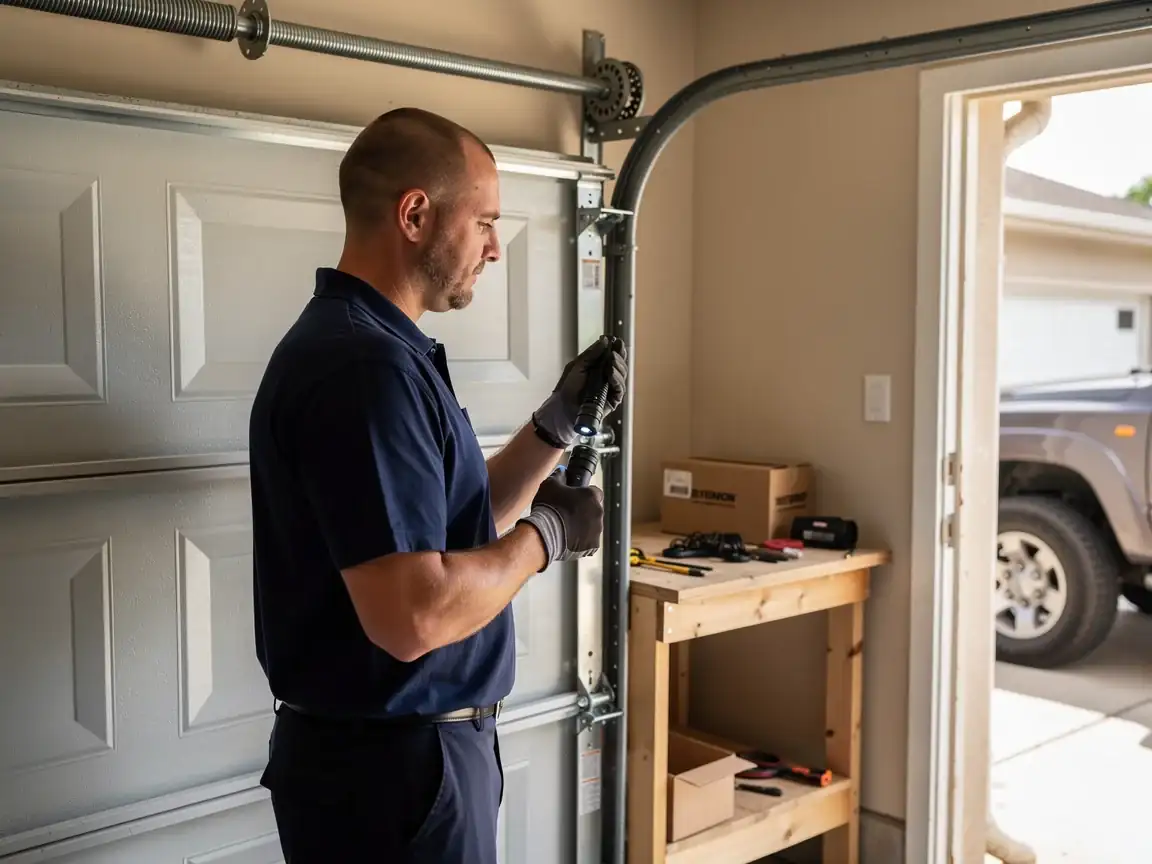
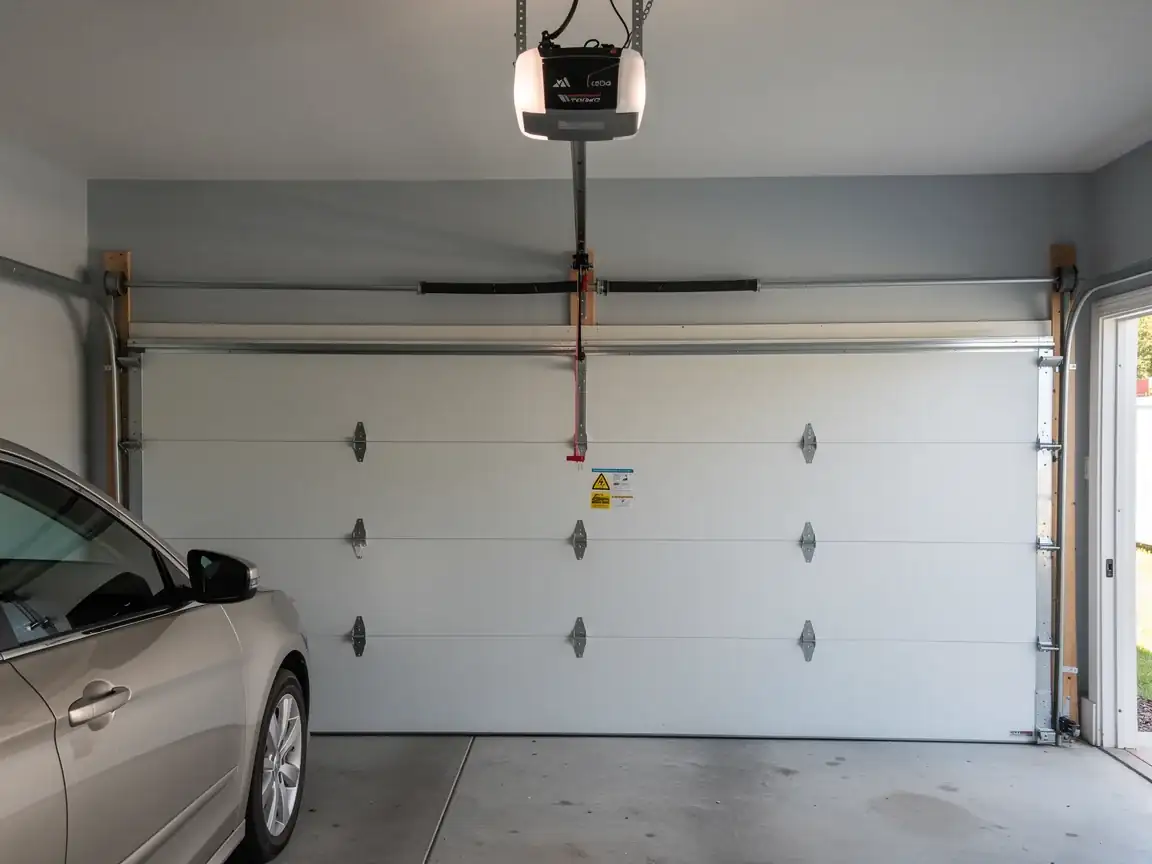
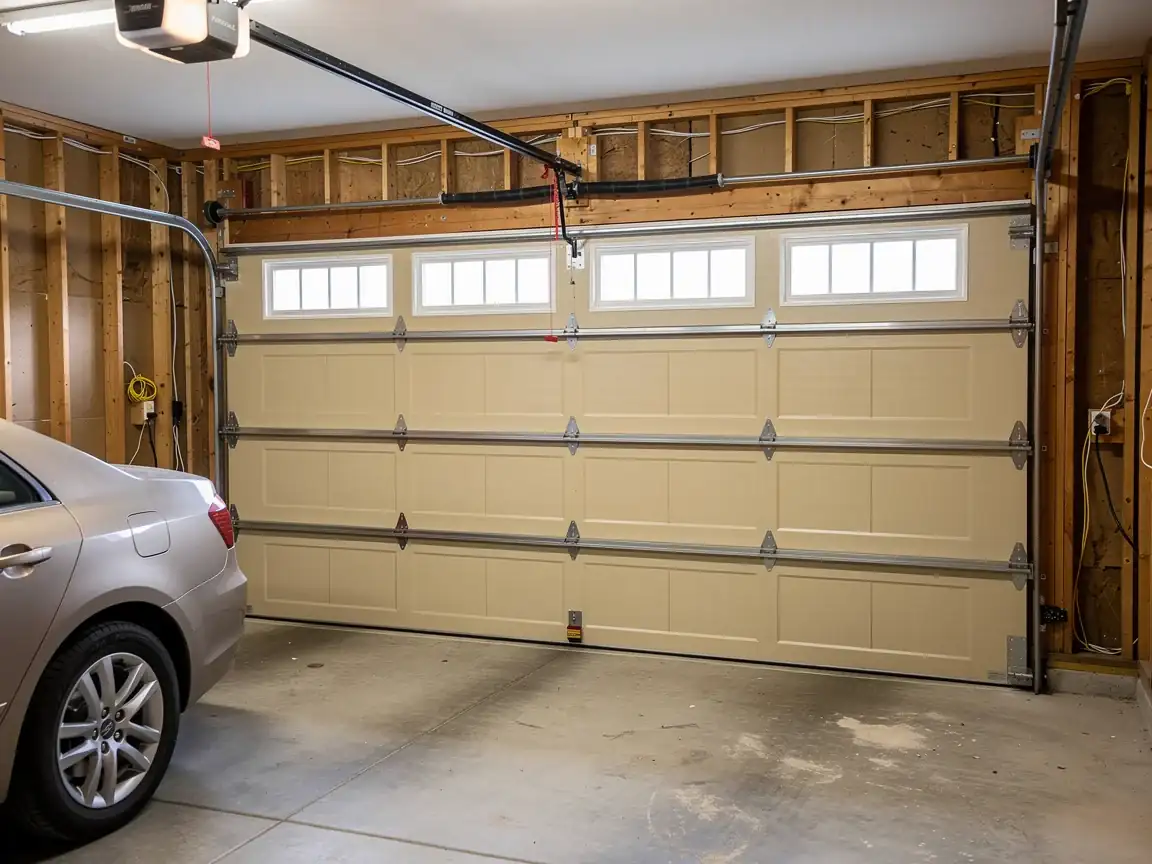
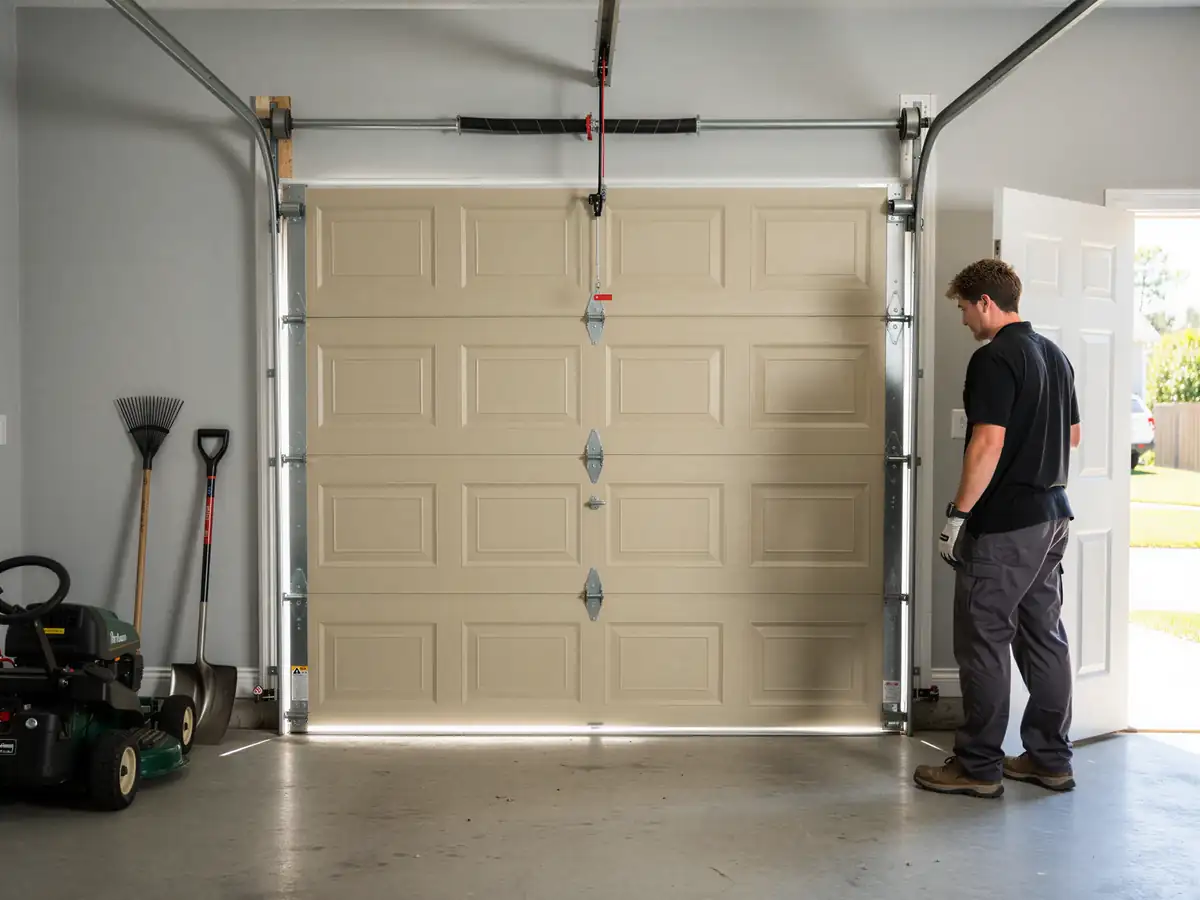
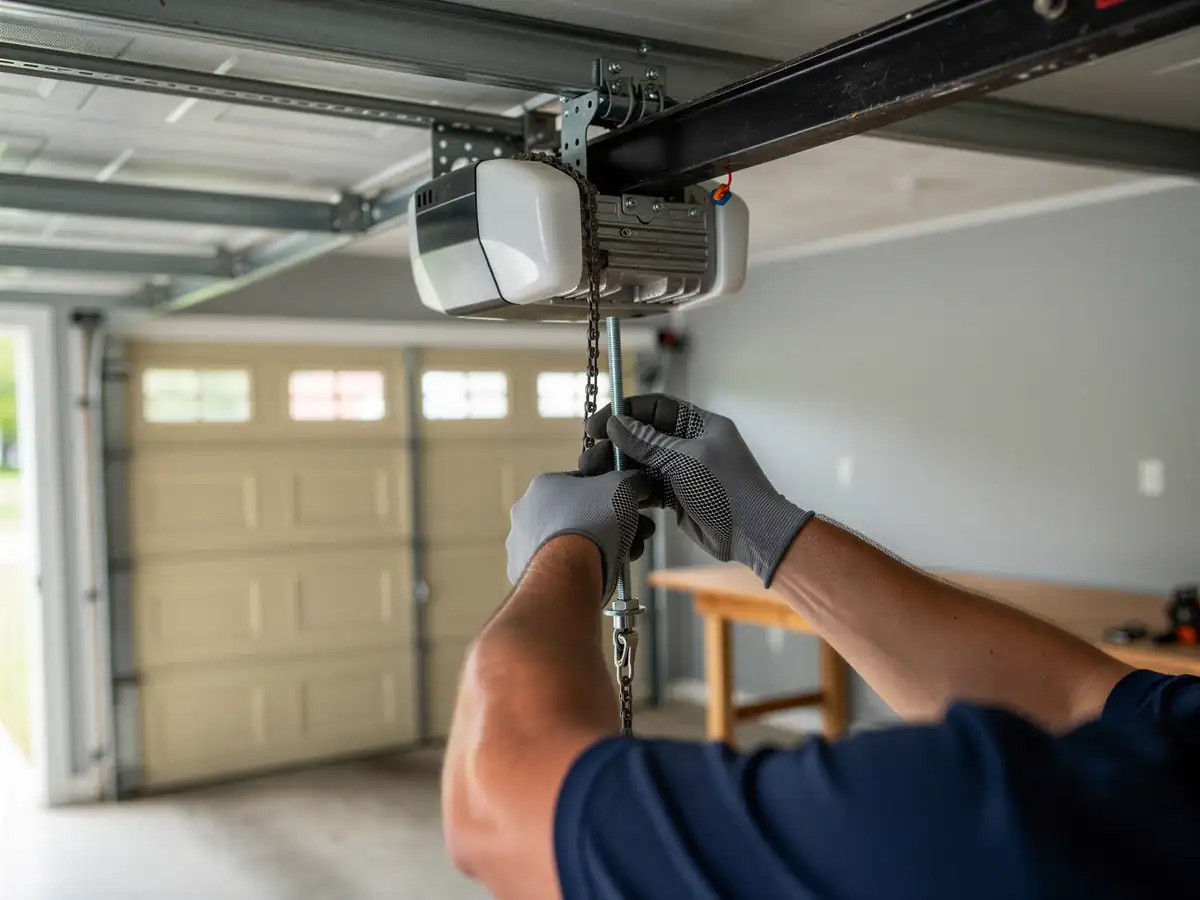
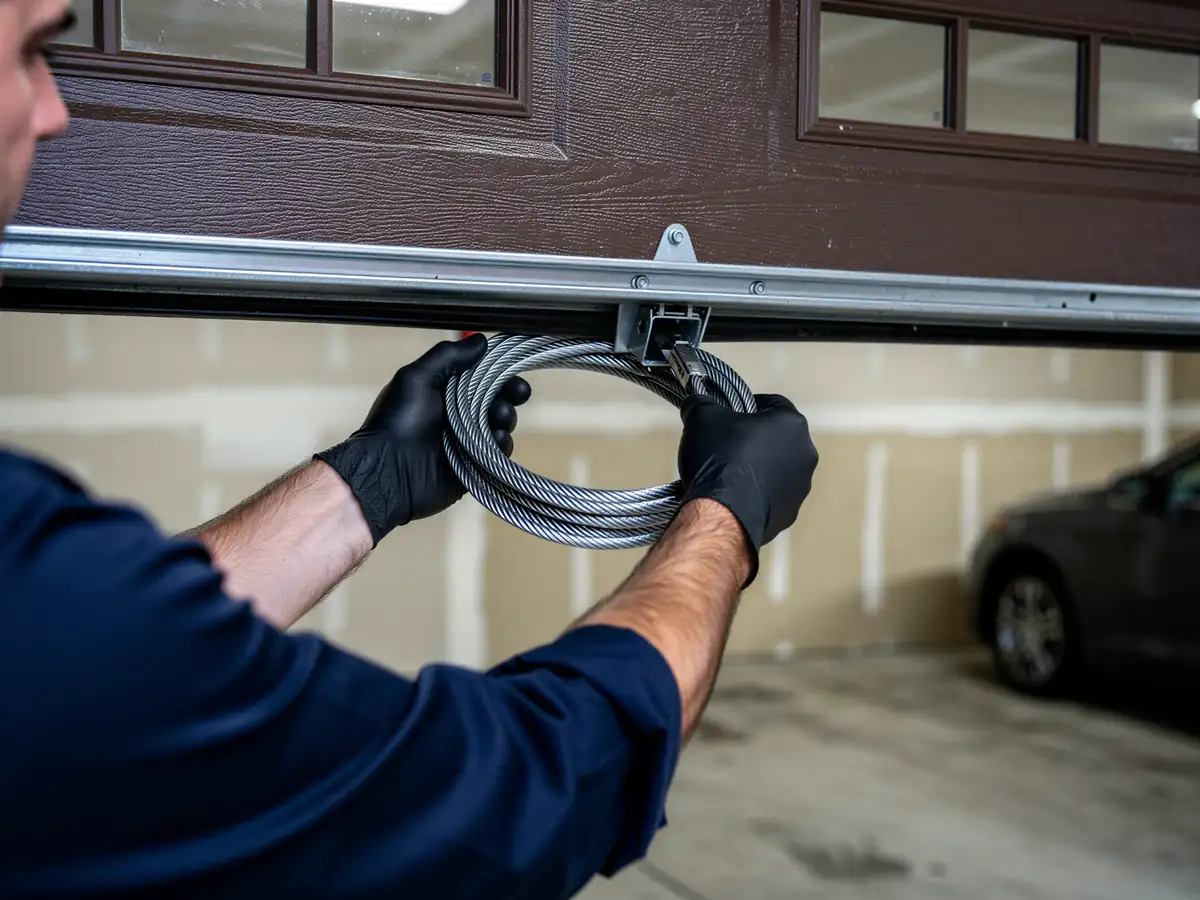
A standard visit covers the full moving system: rollers, hinges, tracks, cables, the torsion spring assembly, and the opener's sensor alignment and force settings. On a door from this build era, we pay particular attention to roller condition and spring tension together, since the two wear in tandem - a spring that's lost tension puts more load on rollers that are already brittle. We also check the opener's safety reverse mechanically, not just by eye, because a sensor that looks aligned can still be a half-inch off. If a part's at the end of its life - a roller set, a worn cable - we'll say so and quote it separately rather than bundle it into the tune-up price, since not every door on this maintenance visit needs the same parts.
The Complications
With 2,759 households in Pea Ridge against roughly 39,766 across the wider service area, this isn't a market with its own parts supply chain - openers and springs matched to doors from the 1990s aren't always stocked locally, and a logic board for a chain-drive opener from that generation can take longer to source than a same-day fix would suggest. We'll tell you up front if a part's on backorder rather than guess at a date. Pea Ridge's median household income, at $93,627, runs higher than the $86,541 median across the broader service area, which in practice means more owners here choose a full tune-up over a single patch repair - worth knowing if you're deciding how far to go on a given visit. We don't install or service garage doors on structures outside the residential sizes common to this build era; anything unusual gets assessed on-site before we quote it.