Why This Fails Locally
Pea Ridge is small - 2,759 households, nothing like the sprawl of the bigger towns we cover
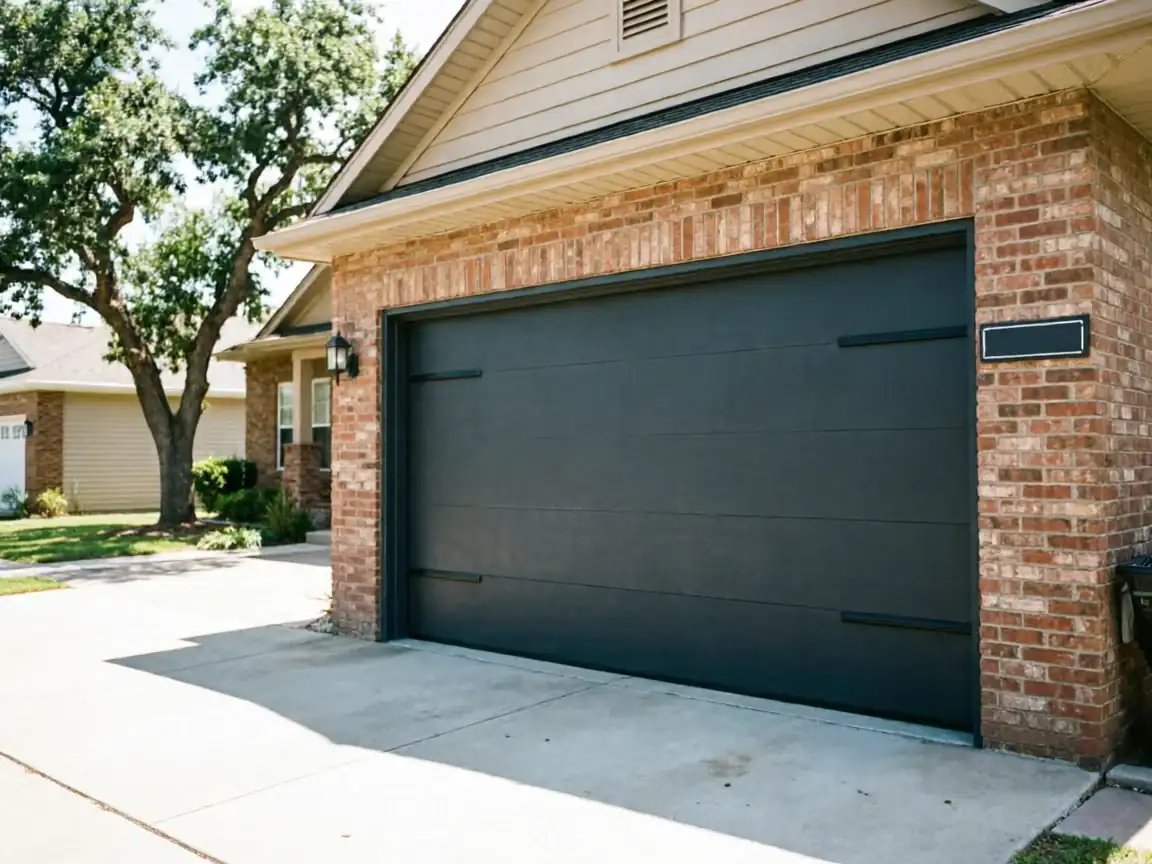
That matters for installation work because it means the housing stock here is tighter in age than you'd guess from the service area as a whole. The broader area runs 1987 to 2013 with a median around 1996, but Pea Ridge itself centers on 1997 construction. That's a town built in one real push, not decades of infill.
- 2,759 households
What that means on the ground
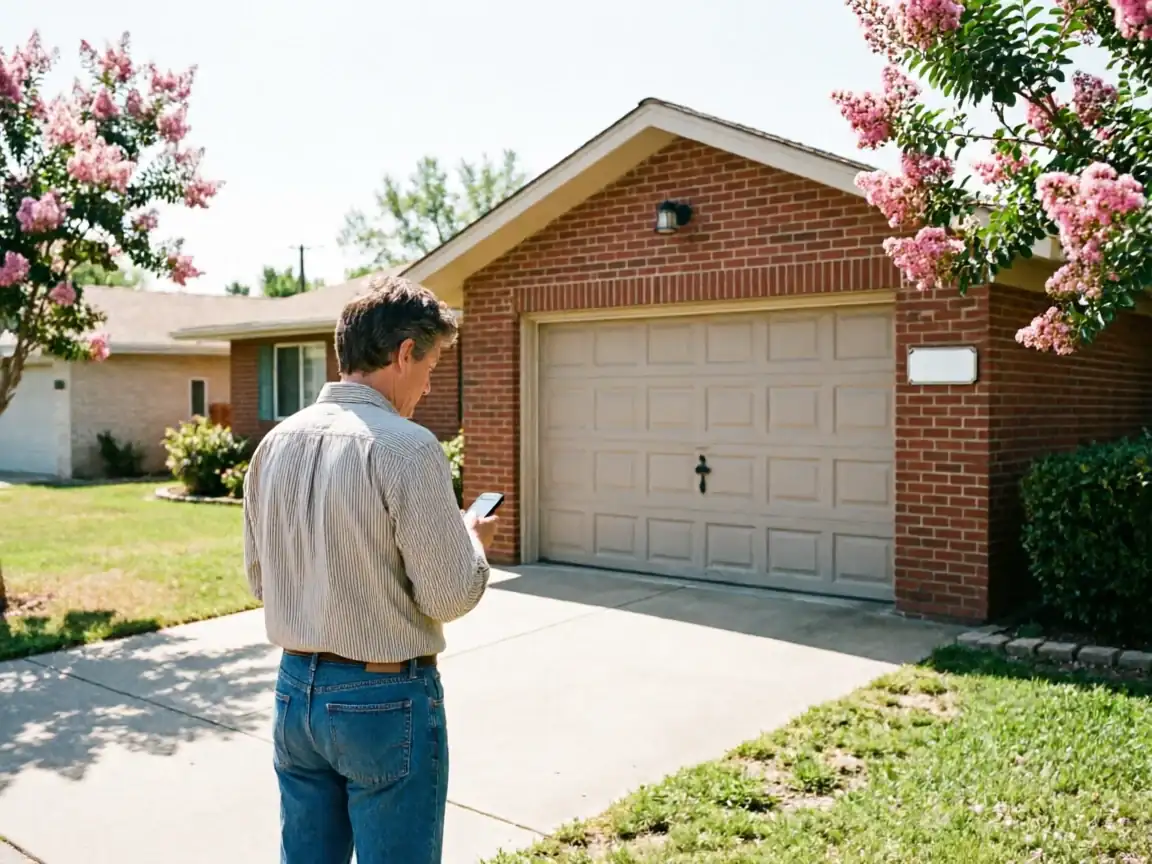
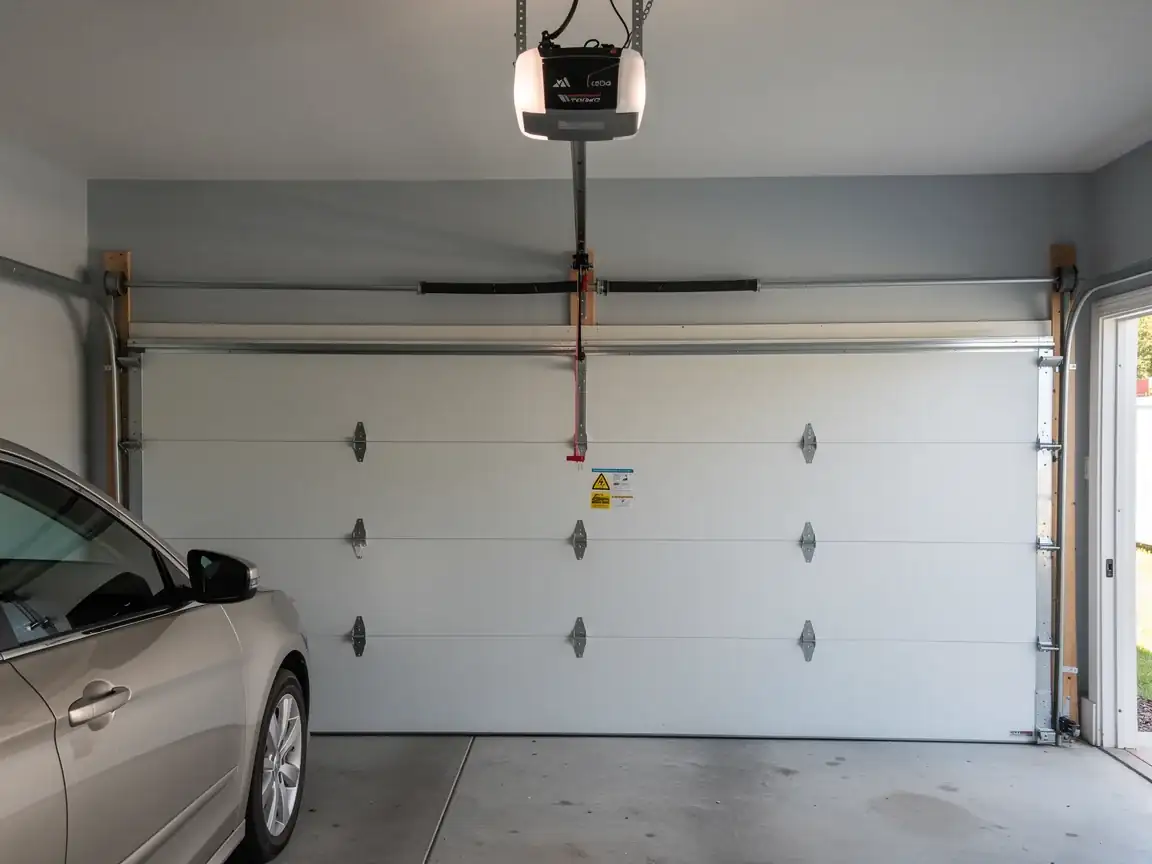
A lot of these houses got their garage door and opener at the same time, from the same builder-grade supplier, and they're all aging out together. A 1997 opener is 28 years old this year. The chain-drive unit with a 1/3 horsepower motor that came standard then wasn't built to run three more decades, and the torsion spring on the door usually wasn't either. When one house on a block starts having opener trouble, the house next to it - built the same year by the same crew - usually isn't far behind. We're not guessing at a general wear curve here; we're looking at a town where the installation date is nearly uniform.
- 28 years
How It Shows Up
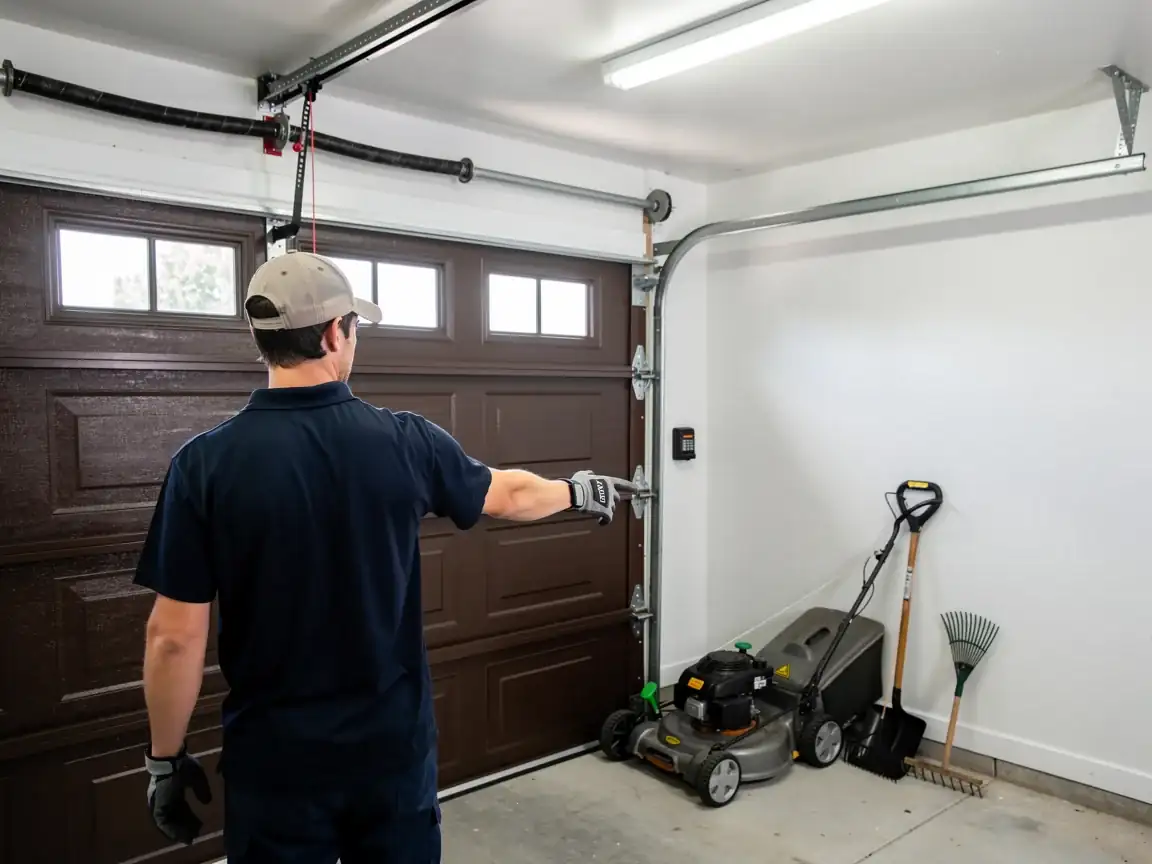
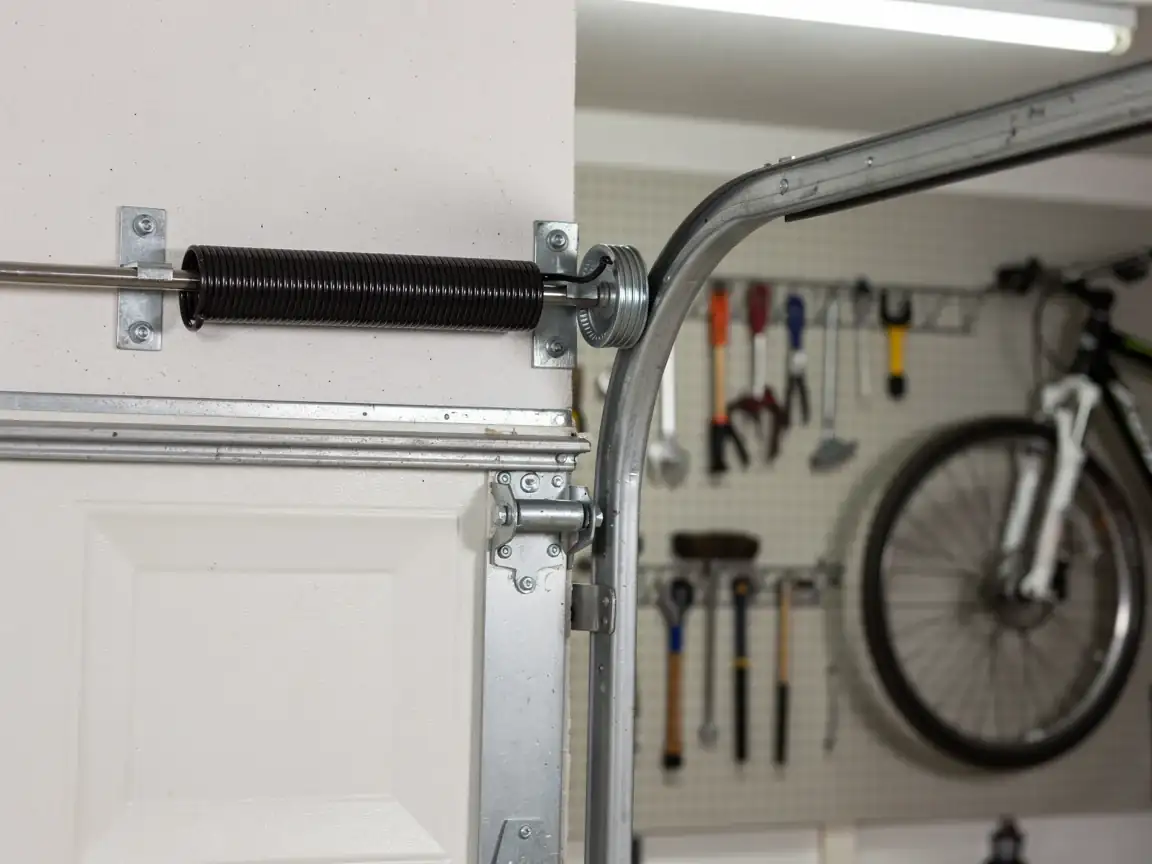
The calls we get from this part of the service area tend to follow a pattern tied to that 1997 build wave. Springs that have cycled for close to thirty years start showing uneven wear - the door feels heavier on one side, or it slams the last six inches instead of settling. Openers from that era are also hitting end-of-life electronics: circuit boards that don't reliably talk to remotes anymore, travel limits that drift so the door doesn't fully seat.
Because the climate here runs cold-moderate, winter is usually when these builder-grade parts finally give out - cold tightens metal and thickens old lubricant, and a spring that was already marginal in October won't make it through January. If your door is original to a mid-to-late-90s build in Pea Ridge, replacement is less a question of if than when, and a new install at that point usually makes more sense than another round of patch repairs on hardware pushing three decades.
Doing It Yourself
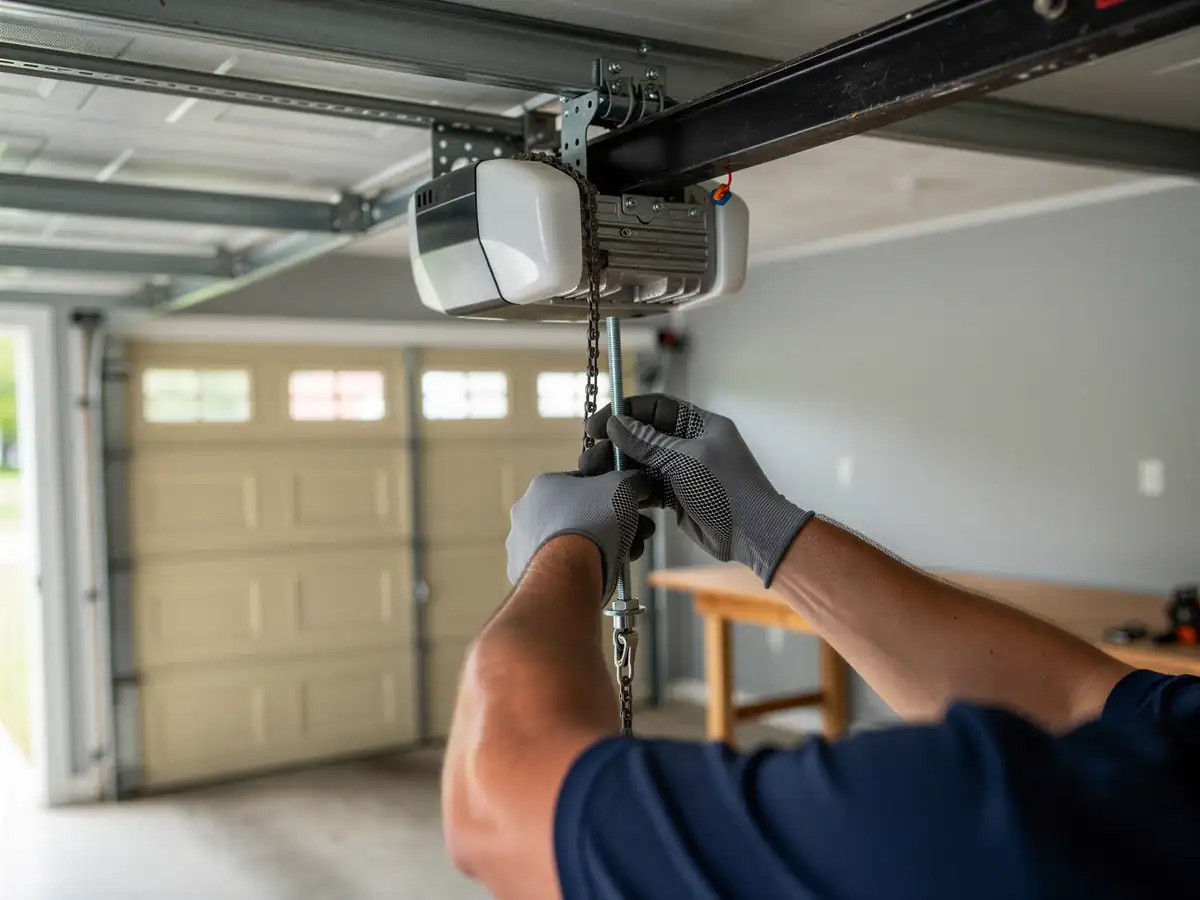
A new opener install is within reach for a reasonably handy homeowner - mounting the rail, wiring the wall control, setting travel limits is documented well enough online. We're not going to tell you otherwise.
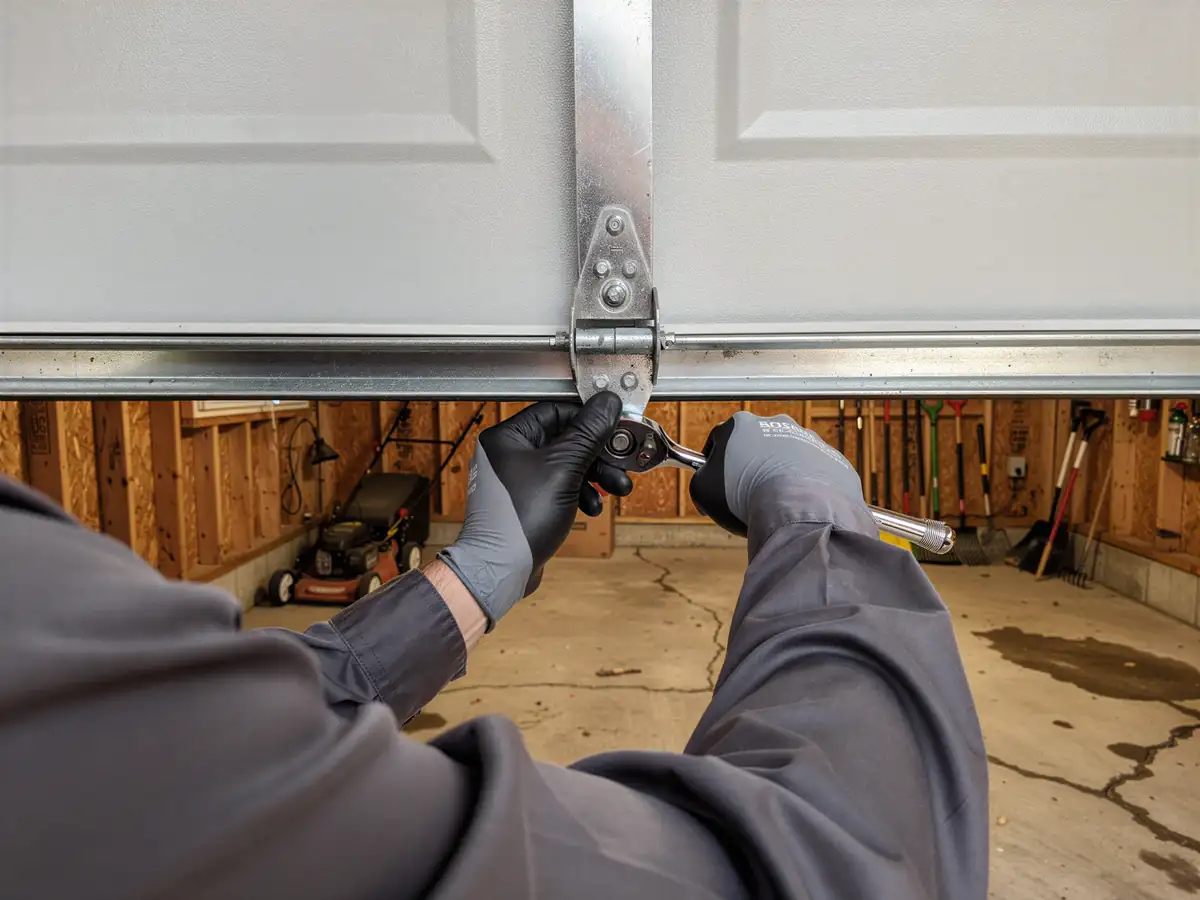
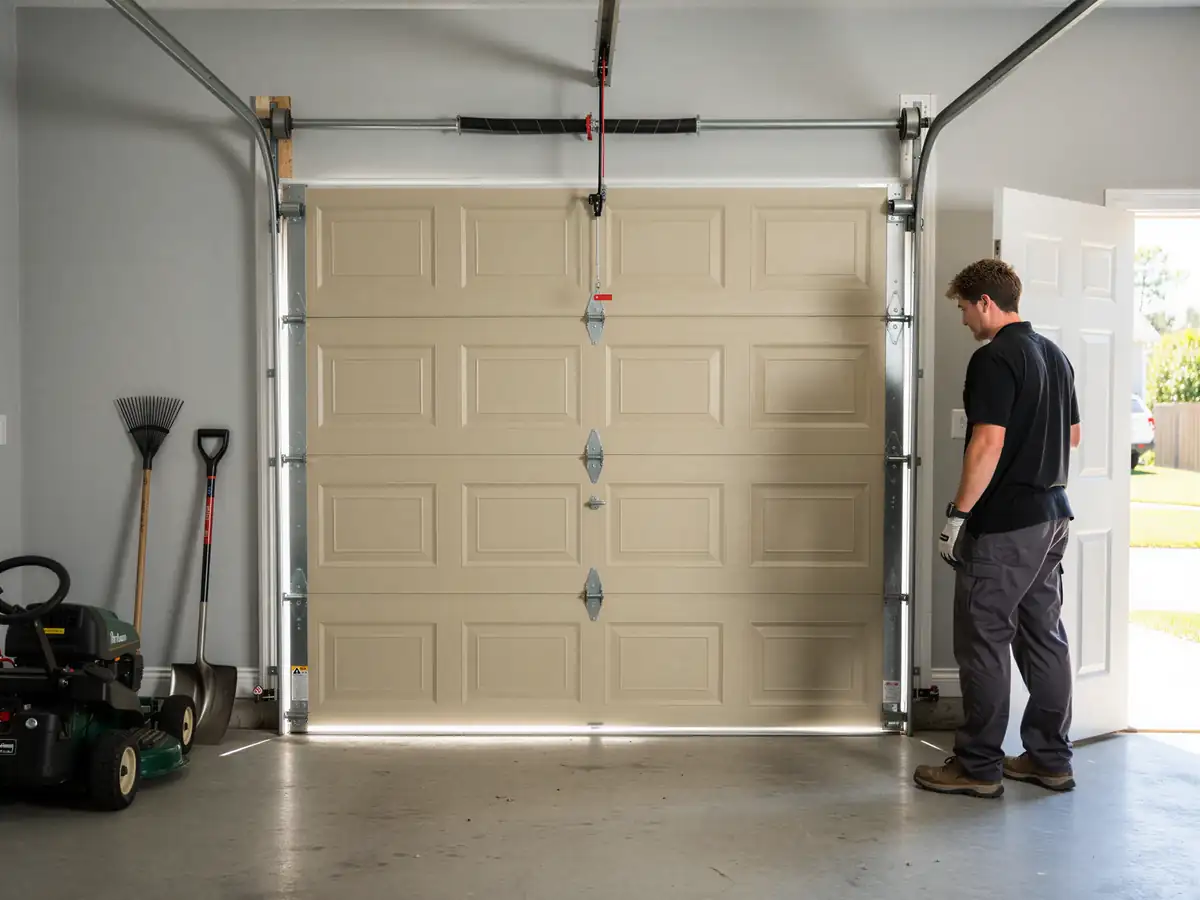
The door itself is a different matter, and here's the honest limit: if the job involves swapping torsion springs or resetting cable drums, don't do it yourself. Springs on a standard double door hold enough stored tension to break a wrist or worse, and the tools for winding them safely aren't something most garages have lying around. We'd rather tell you that up front than have you find out mid-job. If you want to handle the opener yourself and have us do the door and spring side, that's a reasonable split and we're glad to just do the half that actually needs the experience.
How We Fix It
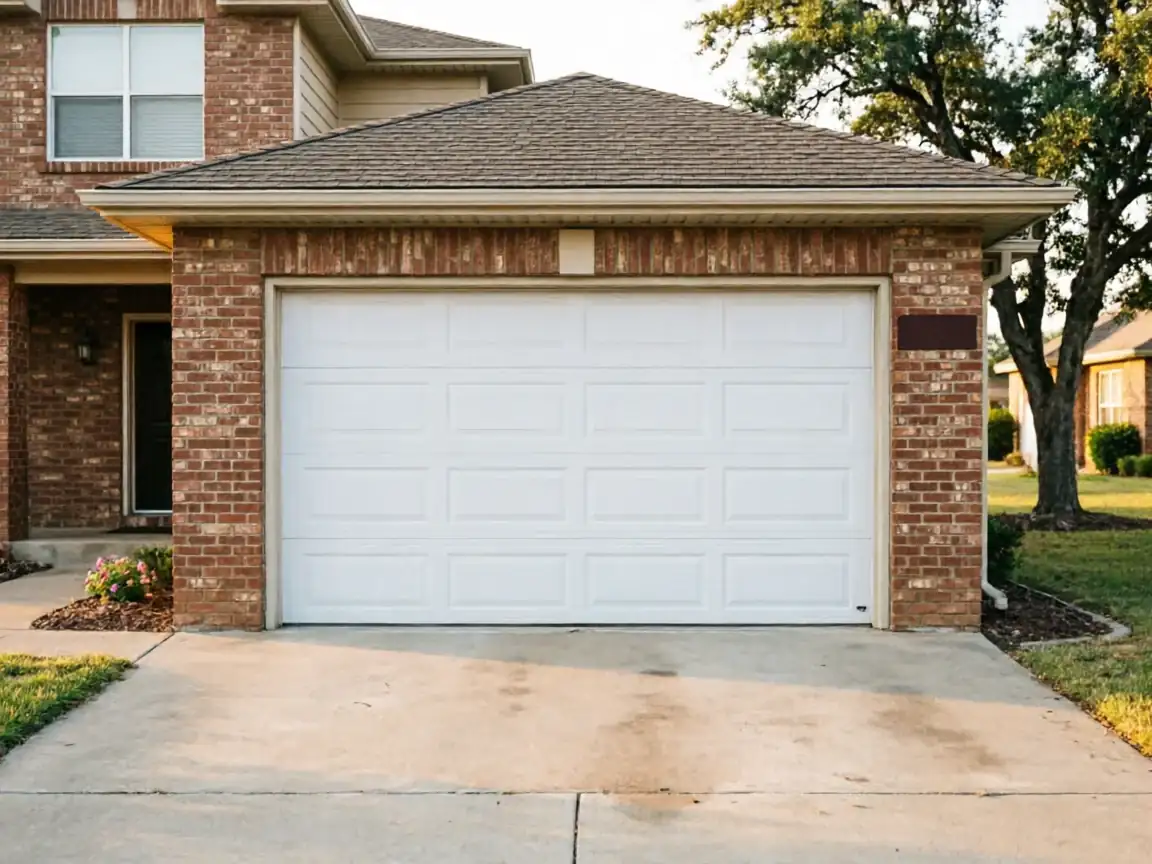
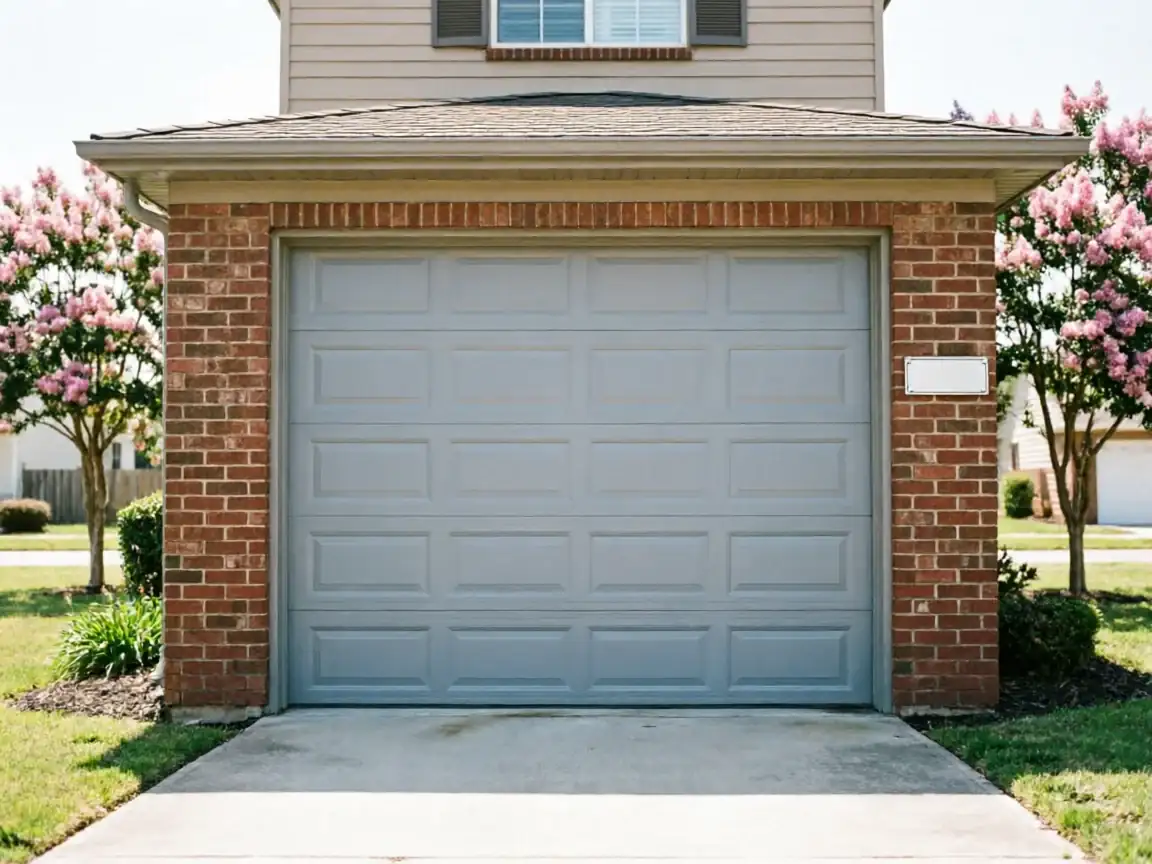
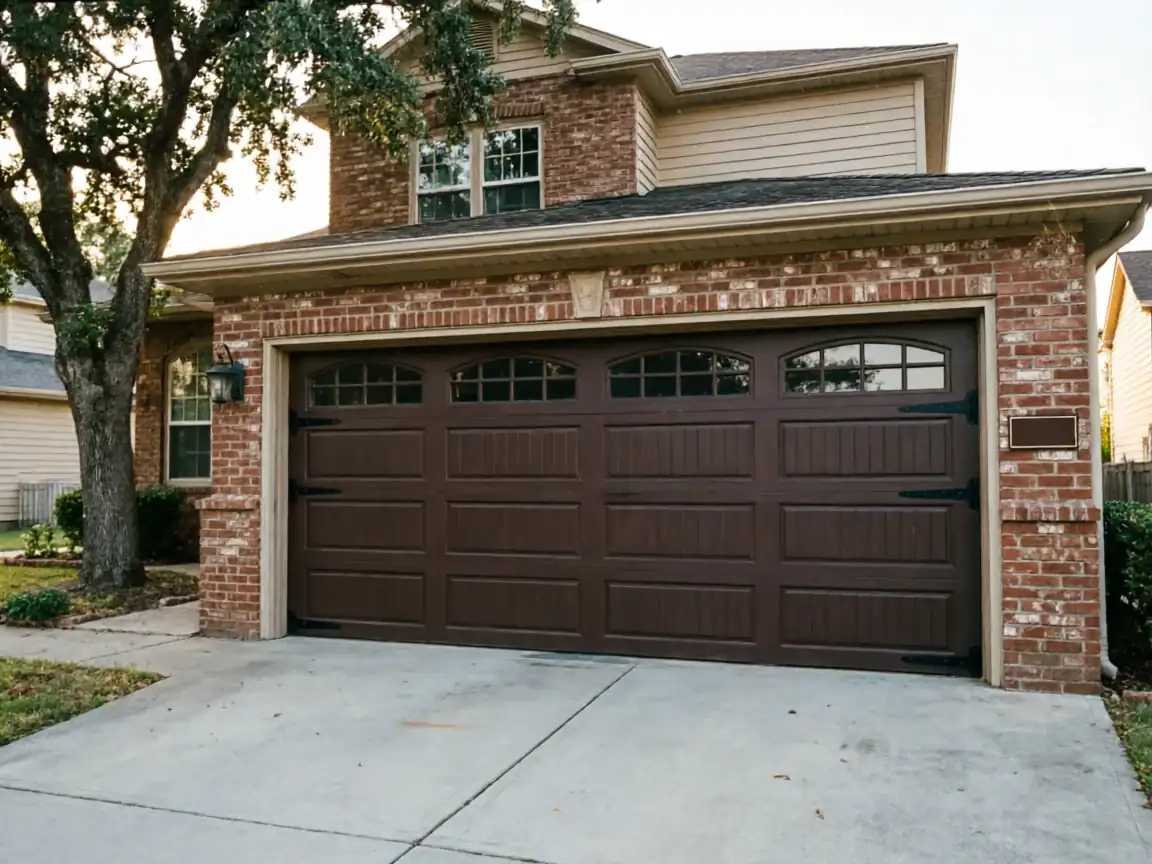
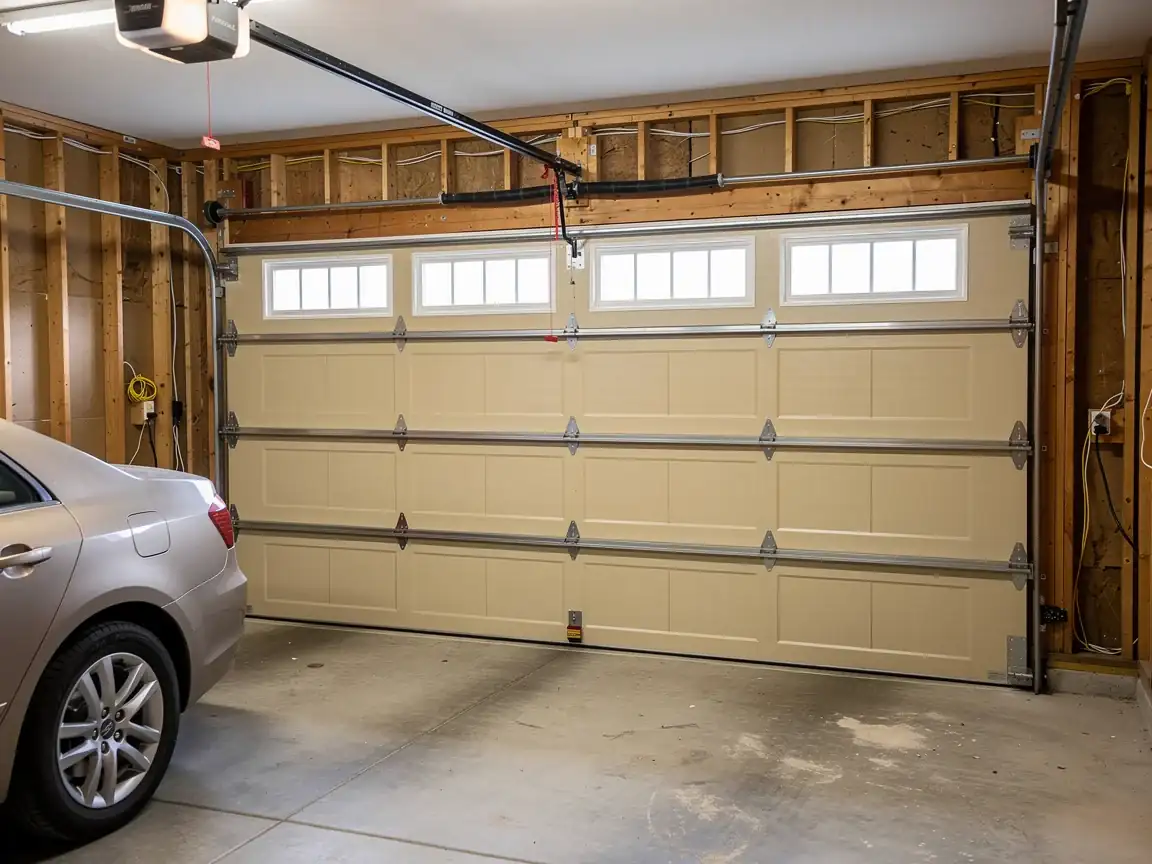
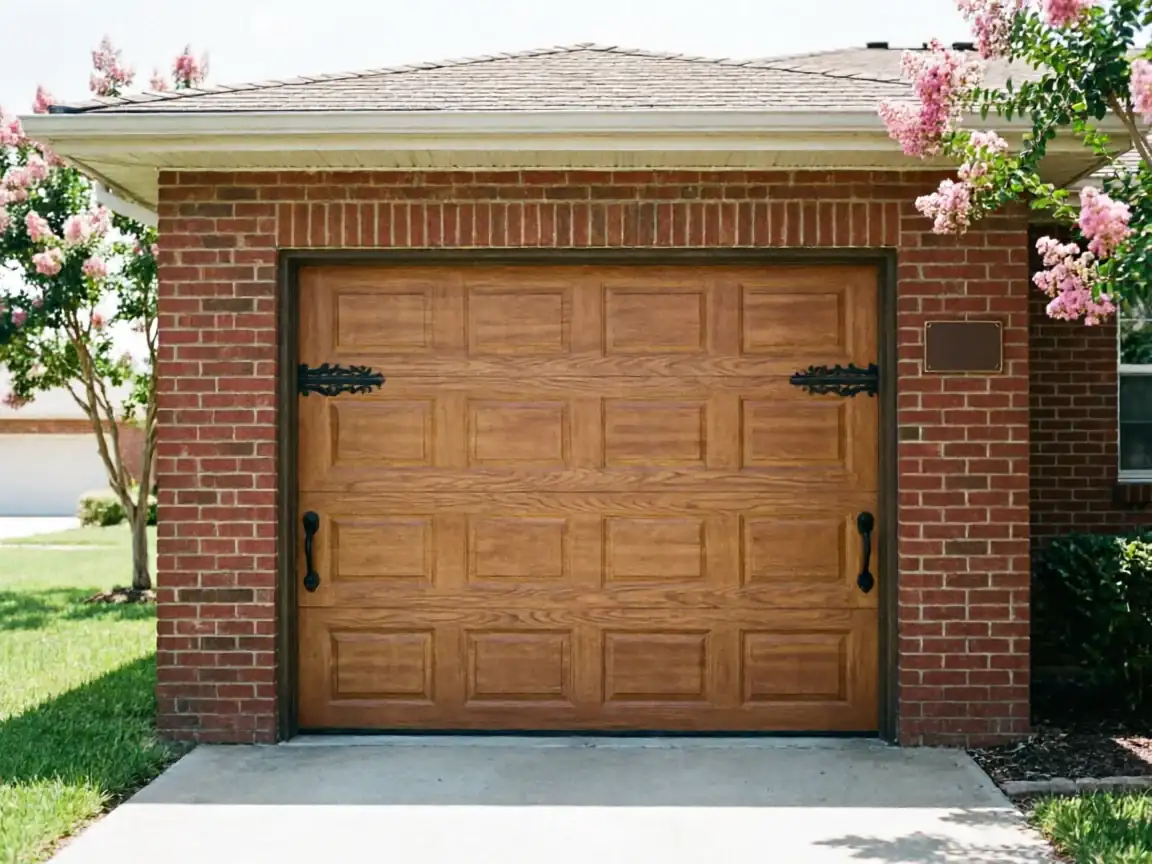
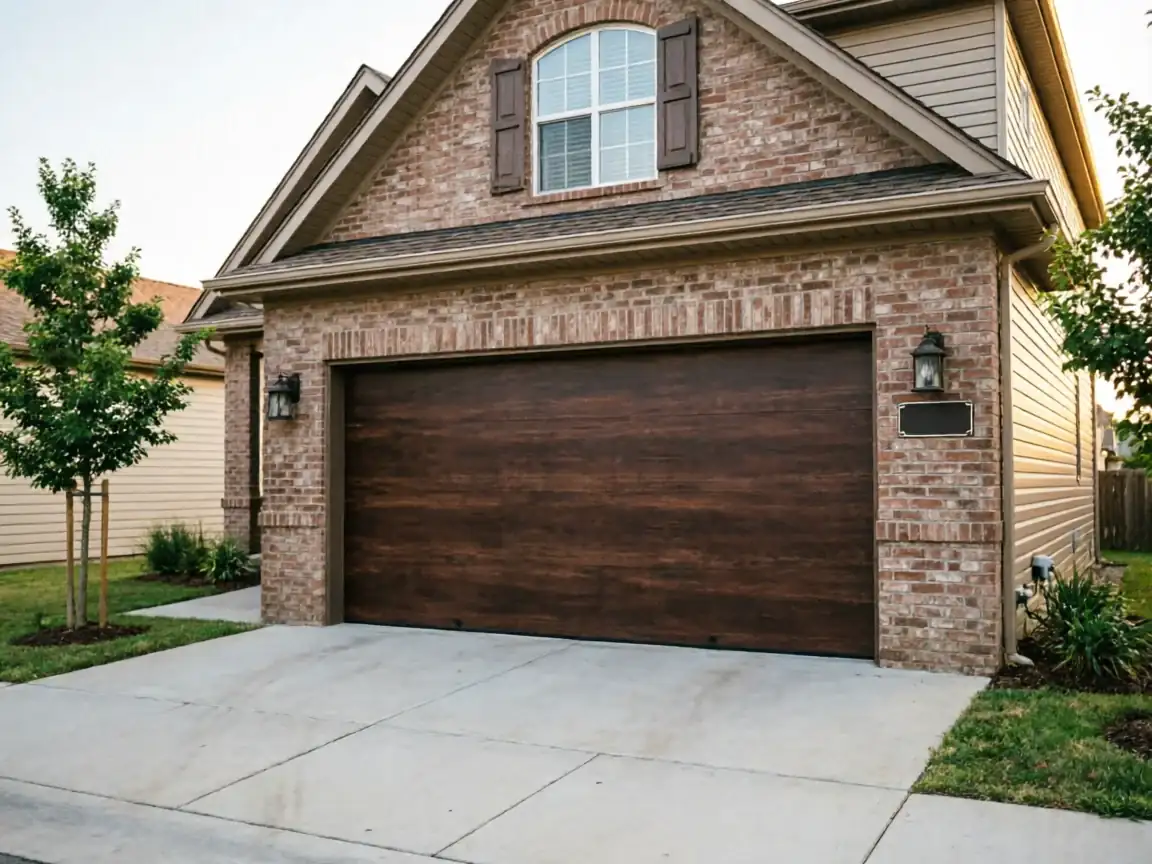
For a new install, we size the door and track to the opening you've got rather than pushing a standard size that happens to be in stock - a lot of 1997-era garages were framed to builder specs that don't always match what's common today. Given the cold-moderate climate band this area sits in, we talk through insulated panel options rather than defaulting to the cheapest single-layer door; it's a real difference in how the garage holds temperature through a Northwest Arkansas winter.
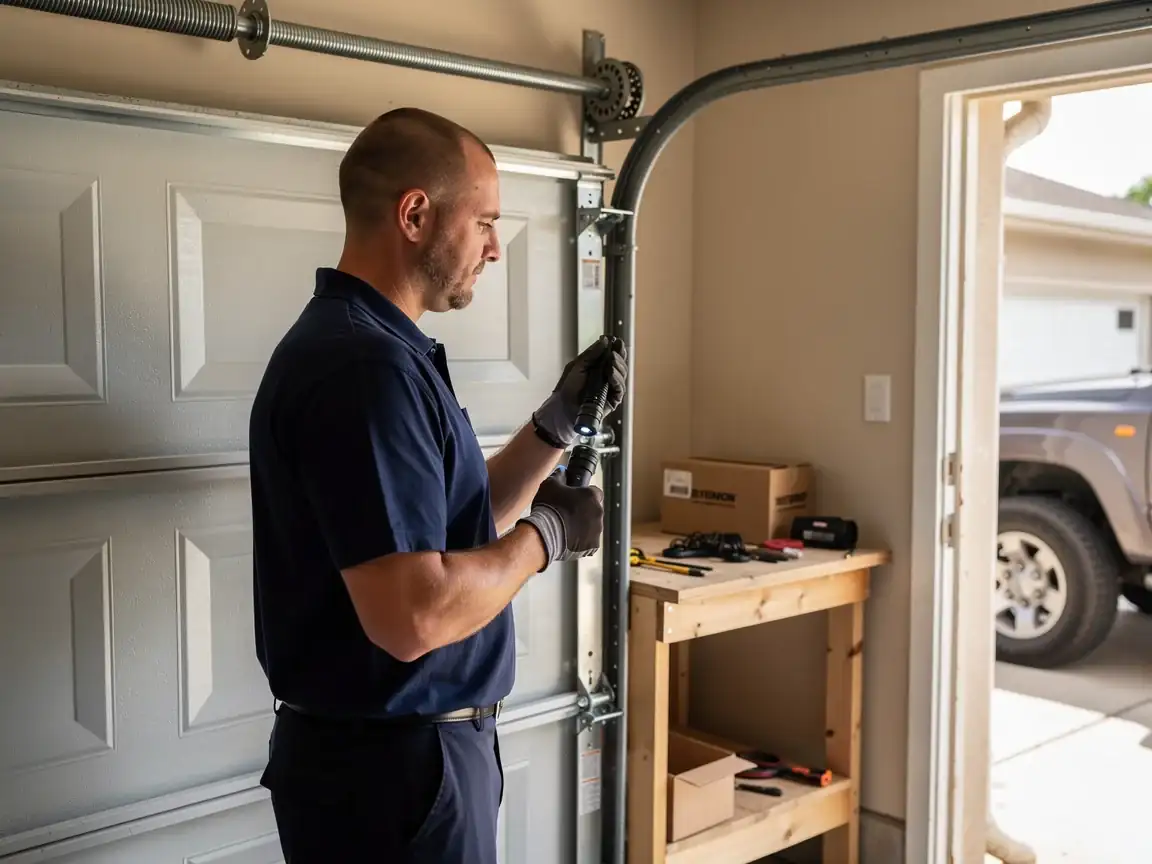
On the opener side, we're replacing a lot of the same 1990s chain-drive units at once, which means we already know the failure points - worn gear sets, dead circuit boards, limit switches that won't hold calibration. A new belt-drive unit with a modern safety reversal system is a straightforward swap on these openings. We set the new spring to the actual door weight rather than reusing the old manufacturer's spec, since a lot of these doors have had panels or hardware swapped over nearly three decades.
The Complications
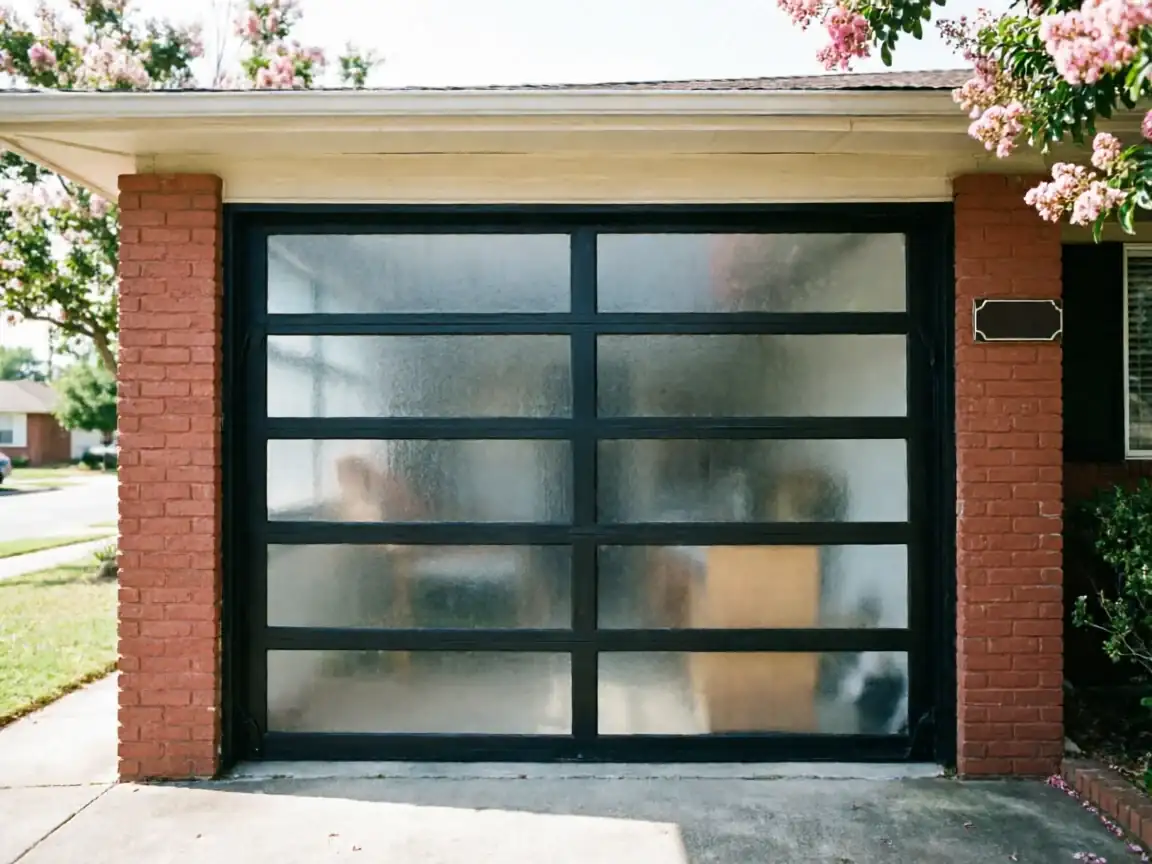
A household income of $93,627 in Pea Ridge runs above the broader service area's $86,541, and we mention that because it changes which jobs we see - more homeowners here ask about insulated steel or wood-composite doors instead of the base builder option, and we can usually accommodate that without pushback on price.
The complication worth naming: some non-standard openings from the 1997 construction wave need a door ordered to size rather than pulled off a shelf, and that adds lead time - sometimes a week or more depending on the manufacturer's queue. We tell people this up front rather than promising a same-week install we can't back. If your opening is a standard size, we move a lot faster; if it's not, planning ahead saves you a cold week with a door that doesn't seal.